
Last updated: Apr 19, 2026
This roof landscape sits high in the Wasatch Back, where winters are colder and longer than many Utah Valley communities. Sustained snow cover, combined with repeated freeze-thaw cycles, creates a relentless cycle of saturation, thaw, and refreezing. That means ice builds up along eaves, gutters clog, and water can back up under shingles where attic warmth meets the cold roof plane. In Heber, that scenario plays out year after year, with storms layering new snow on top of old, multiplying the potential for ice dam formation and interior leaks if the roof isn't prepared to shed moisture every day.
Ice dams form when heat in the attic melts a thin top layer of snow, which then refreezes at the overhanging edge as temperatures dip. The result is a dam that traps additional meltwater behind it, seeking a way into the roof assembly. Signs you should heed include dark staining along the eaves, damp ceiling spots near exterior walls, and icicles that grow heavy and dangerous along gutters. Left unchecked, water intrusion can wick into sheathing, rafters, and insulation, compromising structural integrity and energy efficiency. The risk is not theoretical here-failure often shows up after storms when meltwater refreezes into new ice blocks that push under shingles where sealant and nails have aged or degraded.
The practical replacement window in this climate stretches from late spring through early fall, because winter cold and snowpack interfere with tear-off, sealing, and dry-in timing. Snow on the roof makes work hazardous and access unreliable, while cold temperatures slow sealant set and complicate underlayment installation. If you're facing a roof that shows advanced aging, or visible shingle lifting and granule loss, plan major work for that broader window and avoid mid-winter projects. Carrying out tear-off and re-sealing during the warmer, drier months minimizes the risk of insulation moisture traps and ensures a proper dry-in before winter returns.
Preseason inspection is non-negotiable. Look for granule loss on shingles, damaged or missing flashing around chimneys and vent stacks, and gutters that are bent or clogged with debris. Ensure attic insulation and ventilation practices promote a cool roof deck in winter; a lack of proper intake and exhaust can drive attic warmth to the eaves, accelerating ice dam buildup. Install heat cables only as a last resort and with a precise plan for insulation and clearance, because improper installation can create electrical and fire hazards while offering only temporary relief. Curb the risk by keeping roof valleys clear of debris, and prompt repairs at the first sign of lift or moisture intrusion.
Heber homes often show unique roofline challenges-steep pitches, complex ridge-intersection details, and older deck systems. A local roofer understands how Wasatch Back weather patterns stress asphalt, metal, and tile differently. If ice damming has occurred repeatedly, or if interior staining appears after a melt cycle, schedule an expert assessment promptly. A pro can verify attic ventilation adequacy, recommend targeted insulation upgrades, and tailor a plan for effective underlayment and flashing that aligns with Heber's freeze-thaw rhythm. The goal is a roof that sheds snow cleanly, resists dam formation, and holds up through the next cycle without costly surprises.
After a spring or summer storm, you are operating in a Utah insurance environment where hail and wind claims are common, and storm documentation is essential. Start by collecting clear photos of all roof surfaces from multiple angles, including close-ups of any bruising, dents, or granule loss. Capture the entire roof line, flashings, and nearby structures like gutters and vents. Store these images in a dated, organized folder and share them promptly with your insurer and your roofing professional. Keep copies of any weather reports or alerts that coincide with the storm. If you retain a roofing contractor or public adjuster, arrange for them to accompany you on the initial assessment to help interpret visible damage.
Snow damage and hail damage can overlap on the same roof, so local inspections must distinguish impact bruising from cold-weather cracking and granule loss. Hail bruising typically shows as round or elongated impact marks with a slightly crushed surface, often on the high-traffic areas of the roof and along edges. Cold-weather cracking tends to be more linear, following the slope or around fasteners, and may appear without obvious impact marks. Granule loss from hail or freeze-thaw cycles shows as bare asphalt specks or dull spots along shingles. When a professional reviews the roof, they should document the location, size, and orientation of bruising, cracking, or granule loss, plus whether damage appears to be superficial or through to the underlying layers. For roofs with composite or metal components, note potential hail denting on panels, gutters, and vents, which can influence claim scope and repair sequencing.
Insurers commonly ask for roof age, photos, and professional assessments in this market, and adjuster inspections are a normal part of the claims process. Prepare a concise roof history: installation year, any previous repairs, and known hail events. Have your roofing contractor provide a written assessment that identifies suspected hail bruising, granule loss, and any freeze-thaw cracking. If the claim involves multiple storm events, organize documentation by incident date to show cumulative impact. During adjuster visits, present the organized evidence, note any discrepancies between your contractor's findings and the adjuster's observations, and request a re-inspection if new signs of damage appear after a thaw. Keep a detailed timeline of communications with the insurer, including dates of calls, emails, and the names of representative contacts. By proceeding with thorough documentation and professional assessments, the claim reviews align more closely with the actual roof condition under the local climate stresses of long winters and hail-prone summers.

Modern Renovation Group
(435) 720-6151 modernrenovationgroup.com
11237 E Aspen Rd, Heber City, Utah
5.0 from 9 reviews
Licensed and fully insured general contractor specializing in exterior remodeling. Over 20 years experience in the construction field and 16 years experience helping mitigate insurance losses. Having handled hundreds of claims on both residential and commercial policies reassures your claim process will be handled by a professional.

Zeal Roofing
(801) 891-3842 www.zealroofingco.com
Serving
5.0 from 27 reviews
At Zeal Roofing, we are dedicated to ensuring the longevity and protection of your largest investment - your home. As a local, trusted roofing company serving Herriman, UT and surrounding areas, we understand the importance of timely and efficient roof repairs. From small fixes to complete installations, our team provides top-notch roofing services for all your needs, including roof repair, installation, and asphalt shingle roofing. Don't let small roofing issues turn into big problems, trust us to keep your home safe and secure.

Peak Roofing & Construction
(615) 925-9190 peakroofingandco.com
Serving
5.0 from 30 reviews
Peak Roofing and Construction is Utah County's expert for durable roofing and exterior solutions. Known for excellence, our skilled team ensures your home's longevity with top-quality materials and meticulous craftsmanship. Trust us to exceed expectations and safeguard your investment. Visit our website for unparalleled service.
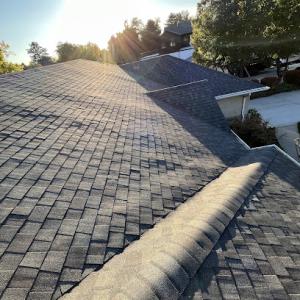
XL Roofing
(801) 706-5602 xlroofingsaltlakecity.com
Serving
5.0 from 19 reviews
Commercial and residential roofing repairs and installations. Over 20 years of experience we are licensed and fully insured. You will never be quoted for something you don't need.
Timp Roofing
(385) 223-5581 www.timproofing.com
Serving
5.0 from 21 reviews
When your property in Pleasant Grove, Lindon, Provo, or a surrounding area needs roofing expertise, you want contractors who understand Utah's unique weather challenges and building requirements. Timp Roofing brings together modern technology, premium materials, and transparent communication to deliver roofing solutions that protect your investment. We're a locally owned company that's built our reputation on honest pricing and dependable results.
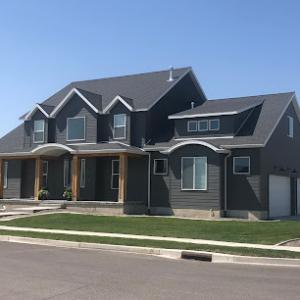
Provo Roofer
(801) 742-7855 rooferprovout.com
Serving
4.8 from 19 reviews
Roofing Contractor. We take care of our clients. Roof repairs and roof replacements. Don't wait too long we will be happy to give you a free estimate. If in doubt call us out. Okay that was really dumb but not as dumb as not getting your small leak repaired or looked at. We have seem many small leaks turn to huge property loss all because someone hoped it would go away. We hate to tell you but they never go away they only get worse. We are fast friendly and want to make sure you are safe and keep a roof over your head, a roof that keeps you dry. We work all cities in Utah County, but mostly try to stay close to home in Provo. Thanks for checking us our. Your friends at Provo Roofer.
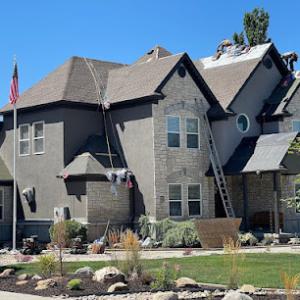
Integrated Roofing Solutions & Consulting
(801) 254-3673 www.roofingsolutionsutah.com
Serving
4.1 from 34 reviews
At Integrated Roofing Solutions & Consulting, we protect your most valuable investment—your home or business. We are a fully Licensed, Bonded, and Insured Roofing Service with experience in all phases of exterior construction and Roof Consulting. Our expertise covers Residential, Multi-Family, Commercial/Industrial, and High-Rise structures. We specialize in high-tech GAF Solar Shingles, traditional Asphalt Shingle Roofing, Metal Roof Installation, Tile Roof Repair, and Flat Roof Services. We are your local Skylight Contractor and offer Emergency Roof Repair for Storm and Hail Damage common in the Utah area. We install and repair Gutters, Soffits, Fascia, and Siding. Sandy, Draper, Midvale, West Jordan, South Jordan, and Taylorsville

On Top Roofing
(435) 503-3271 ontoproofing.com
Serving
4.7 from 65 reviews
We provide durable metal and shingle roofing solutions designed for Park City’s unique climate. From handling insurance claims to preventing ice dams, our family-friendly team ensures your roof is ready for heavy snow and mountain weather. Our mission is simple: a strong roof for life with minimal hassle. We offer expert installation, repairs, and maintenance subscriptions to protect your investment. Choose On Top Roofing for long-lasting quality and local expertise in Summit County. We look forward to serving you!

Exceptional Roofing
(801) 680-6499 www.exceptional-roofing.com
Serving
4.8 from 16 reviews
Exceptional Roofing has served Salt Lake City for over 25 years, providing trusted roof servicing and replacement. Backed by decades of experience, we deliver reliable solutions, personalized service, and a commitment to quality workmanship that protects your home or business year after year.”
Mountain West Roofing & Construction
Serving
5.0 from 32 reviews
Replace your old roof in no time If your roof is beyond repair, Mountain West Roofing and Construction can see that it's replaced safely and quickly. We provide home roof replacement services in the Payson, UT area. You can count on us to upgrade your home with a brand-new roof that will stand the test of time.
JD Roofing
(855) 554-7663 www.jdroofing.com
Serving
4.6 from 23 reviews
Get a Free Estimate Today Your Stress-Free Roofing Company Say goodbye to the stress and hassle of traditional roofing projects. With JD Roofing’s ultra-fast roofing experience, we’ll transform your home quickly and efficiently, leaving you with a beautiful, durable roof and peace of mind. Your Roof, Done Right, Done Fast We understand your time is valuable. That’s why we strive to complete most roofing projects in just 1-2 days, minimizing disruption to your life. Our efficient, streamlined process delivers a new roof without the hassle.
Arreola E Roofing
Serving
5.0 from 5 reviews
Arreola E Roofing Providing roofing services for your home and new homes under construction. Providing services for 14 years in Utah County we are highly recommended by our customers if you are needing some roof installation or reparation.
Asphalt shingles are common in this area, and they pair well with the existing roof lines you'll see across the valley. Yet the long snowy winters and frequent freeze-thaw cycles push asphalt beyond its comfort zone. Thermal cycling can cause the asphalt to become brittle and crack, hail bruising from spring storms can leave dented impressions, and summer UV aging accelerates granule loss. When you're evaluating a roof in this climate, pay attention to the granule retention and the shingle thickness, because those factors influence how well the roof withstands repeated cycles. If you already have asphalt, consider upgrading to a higher-density asphalt with a thicker shingle for better stiffness and weather resilience, and ensure a high-quality underlayment and proper ventilation to reduce heat buildup in the attic that accelerates aging.
Metal roofing can be a strong match for the snow-shedding needs of this region, especially on steeper slopes where sliding snow could overwhelm lower eaves. The key in this setting is detailing for snow retention, ventilation, and movement from temperature swings. A well-sealed seam system helps prevent ice infiltration at joints, while carefully planned snow guards or retention devices can keep snow from dropping in a hazardous block on walkways or doors. Ventilation matters to control condensation that forms when warm attic air meets a cold metal roof, so ensure soffit and ridge vents are matched to the roof's pitch and the attic's footprint. In addition, the fastener patterns and recommended sealants for metal roofs should be chosen with the local freeze-thaw cycle in mind to avoid micro-leaks that can worsen over multiple seasons.
Clay and concrete tile appear on higher-end homes in the valley, but their weight and brittleness demand careful planning for this climate. The weight requires a reinforced structural design, and the brittleness means edge and corner tiles can crack under freeze-thaw stress. Underlayment quality is especially important here, providing a secondary line of defense against water intrusion if a tile fractures. Freeze-thaw resilience hinges on both the tile choice and the substrate preparation. If underlayment is not robust enough to accommodate movement from temperature swings, you can end up with slow leaks or deterioration beneath the tiles. For homes with clay or concrete tile, consider premium underlayment that is rated for freeze-thaw cycles and ensure the roof deck has adequate drainage and a solid, well-ventilated attic space to minimize moisture buildup.
Regardless of roof type, the Wasatch Back climate rewards proactive maintenance. After heavy snowfall, inspect for ice dams along eaves and at penetrations, and clear ice and snow in a manner that protects shingles and tile edges. Regular inspections after the spring sun and hail season help catch early signs of wear before leaks develop. For all options, ensure flashing around chimneys, skylights, and vent stacks remains sound, because even small gaps can become bigger with freeze-thaw movement. In addition, prioritize attic ventilation to keep the roof deck closer to ambient temperatures, reducing thermal stress that accelerates aging in any roofing material.
When you're budgeting a roof replacement, use the local ranges: Asphalt Shingles 350 to 550 USD per square, Metal Roofing 600 to 1100, Clay Tile 1000 to 1700, Concrete Tile 950 to 1700, Synthetic/Composite Shingles 500 to 900, and Aluminum Roofing 700 to 1100. These figures reflect Heber City's mountain climate and the way a steep, snow-shedding design can influence material choice and installation complexity. In practice, the choice between a more affordable shingle system and a heavier tile or metal option often comes down to your home's slope, exposure to wind, and the extent of ice dam risk you're trying to mitigate.
Steep-pitch, mountain-style roofs are common here and they drive labor time and safety requirements higher than you'd see in gentler climates. Complex rooflines, multiple ridges, dormers, and integrated snow guards or solar considerations add to both material waste and installation difficulty. Expect crews to spend more time scaffolding, edge protection, and weather planning. Snow shedding designs help reduce ice damming, but they also demand careful integration with gutters, outlets, and roof features, which can push costs toward the higher end of the ranges listed above.
Seasonal demand spikes after hail and wind events are not rare in this valley. After a major hailstorm, you'll likely see a tightening of contractor availability and a push in pricing due to shorter windows of good weather. If possible, align the project with the broader late spring to early summer window when the weather is more predictable and there are more crews available. If you must replace during peak demand, factor in potential lead times and a contingency for slightly higher material and labor costs.
Start with a comprehensive roof assessment that notes slope, edge conditions, venting, and drainage. Prioritize designs that minimize ice dam risk-think effective underlayment, proper insulation, and appropriate ventilation paired with a snow-shedding profile. Get multiple bids from local contractors who understand the valley's freeze-thaw cycles, and request a breakdown that shows material costs, labor, and any required safety measures for steep pitches. Keep a modest cushion for weather delays and potential repair needs to ensure the project stays on track through the season.
In Heber City, a full roof replacement typically requires a building permit rather than being treated as a simple no-permit maintenance task. If a contractor suggests you can skip permitting, treat that as a red flag. A permit helps ensure the roof is designed and installed to handle heavy snow loads, freeze-thaw cycles, and the hail-prone summers that characterize the Wasatch Back. Skipping this step can lead to noncompliance with code, potential fines, and trouble when you try to sell or insure the home.
The local process centers on submitting plans and project details that show the intended roof assembly, fasteners, underlayment, ventilation, and any ventilation upgrades if needed. After submission, expect inspections at key milestones. The first isn't about aesthetics but about structure: underlayment execution, proper nailing patterns, and correct roof venting preparation. The second inspection occurs during the installation phase, confirming that materials are installed to code and meet wind uplift requirements. Finally, there is an inspection at final completion to verify the roof is watertight, sealed, and compliant with current standards. Keeping the plan set clear and accessible helps avoid back-and-forth delays.
The building department follows standard inspection practices but places particular emphasis on wind uplift and ventilation in this climate. Proper attic ventilation matters to manage condensation and ice dam risk; inadequate ventilation can compound freeze-thaw stress and shorten roof life. Wind uplift provisions, especially on steeper slopes and in exposed locations, must be demonstrated through approved fastening patterns and, if required, approved roof-to-wall details. Expect officials to check eave and ridge intake, baffle placement, and overall air movement. Final approval hinges on showing that the system resists typical Wasatch winds while providing enough ventilation to reduce moisture buildup. Being proactive with design details and documentation can prevent last-minute hurdles and ensure the roof stands up to Heber's distinctive seasonal demands.
In this high-elevation setting, repeated freeze-thaw movement can open vulnerable areas around penetrations, valleys, and eaves sooner than homeowners expect. Water that seeps into tiny gaps during warm days can freeze at night, expanding and prying apart seals, shingles, and flashing. Over time, those micro-movements create slow leaks and odd creaks when snow loads shift or wind gusts press against ridge lines. Regular inspection after thaws and before heavy snow periods helps catch separated caulk, lifted step flashing, and compromised vent boots before they become active leaks.
Summer heat and UV exposure accelerate aging of asphalt-based products even though the city is better known for winter weather. Granule loss, softening shingles, and accelerated brittleness near edges and valleys can occur where sun exposure is relentless and prevailing winds dry fast. When aging compounds become brittle, shingles crack or curl, and granules shed into gutters, reducing fire resistance and runoff protection. If asphalt roofs show matting, dark streaks, or missing granules in late season, underlying sheathing may already be stressed by prior cycles.
Autumn's variable temperatures and moisture swings can interrupt exterior work and leave partially completed roofs exposed if scheduling is too aggressive late in the season. Overnight freezes followed by warm days can cause sealants to set improperly or back out, leaving seams vulnerable. Incomplete installations may also invite wind-driven rain beneath flashing, or leave attic venting temporarily compromised as contractors juggle shorter daylight hours. Plan for steady progress and a buffer period to address any late-season weather surprises.
With steep-slope homes common here, transitions where roof planes meet chimneys, skylights, or vent stacks become frequent failure points. Seams around these features are particularly sensitive to moisture and seasonal movement. Punctures from fasteners or inadequate counter-flashing can invite slow leaks that are hard to trace from attic spaces. Regular, targeted checks around these zones help prevent creeping water damage and early deck rot.
In this high-elevation setting, storms can stack: a hail event, followed by heavy snow, then a warm spell that triggers freeze-thaw cycles. Utah is not seeing broad insurer pullback on the scale of some coastal or wildfire-heavy states, but claim scrutiny is common enough that documentation quality matters. Establish a simple routine to collect and store records in one place so when the insurer requests information, everything looks complete and organized.
After every notable hail, wind, or heavy snow period, take date-stamped photos of all roof areas visible from the ground and, if safely accessible, from the ladder or eaves. Focus on damaged shingles, granule loss, lifted edges, and any ice damming at gutters or vent penetrations. In Heber City, multiple seasonal hazards can affect the same roof in one policy year, so aim to photograph any new signs of trouble within two business days of a storm. Store images by date in a clearly labeled folder and back them up off-site.
Professional assessments are especially useful locally when distinguishing storm-created damage from wear related to age, UV exposure, and winter freeze-thaw stress. If a contractor or an independent roofing inspector notes hail impact, lifted granules, or hidden deck moisture, obtain a written report that names specific issues and their likely causes. A clearly dated, signed assessment helps separate weather-driven damage from normal aging, which can influence claim outcomes. For larger or ambiguous cases, a second opinion from a different local expert may provide additional clarity.
Maintain a running log of all conversations with the insurer, including dates, contact names, and the gist of each discussion. Save emails and letters in the same organized folder as the photos and reports. If a claim is opened, ensure all confirmations, requests for more information, and acknowledgments are kept with the documentation bundle. In practice, a well-kept file reduces back-and-forth and helps demonstrate the roof's condition at the start of a policy year.