
Last updated: Apr 19, 2026
In this valley corridor along the Wasatch Front, South Jordan faces repeat hail and wind events that drive roof claim activity. The pattern is familiar: a fast-moving spring or summer cell, then a calm day while you discover bruised shingles or lifted edges. The snowmelt cycles through freeze-thaw stress, which can exaggerate existing weaknesses on steep slopes. Homes rise quickly in master-planned neighborhoods, often with asphalt, metal, or tile roofs that bear the brunt of these weather extremes. Knowing this rhythm helps you act fast when a storm hits.
Post-storm inspections in this area focus on damage indicators tied to the common roof types seen here. Asphalt shingle roofs show bruising where hail has pressed into the granules, and edges can lift after wind gusts. Metal panels may reveal denting at hips, ridges, and fastener lines, sometimes with paint chipping where panels shift. Tile roofs-especially clay or concrete-often display cracked components, shattered ridge caps, and displaced or cracked edge tiles. Flashing around chimneys, vent stacks, and transitions to walls or valleys is another frequent failure point after a hail event. On a steep slope, it's crucial to inspect from a safe vantage point or use a drone or ladder assist to avoid missing subtle cues that can compromise waterproofing.
In this market, insurers commonly request date-stamped photos and thorough condition documentation. Gather clear pictures that show the roof from multiple angles and close-ups of bruising, lifted edges, cracked tiles, and flashing damage. Separate storm damage from age-related wear by noting prior issues and the storm date. Create a simple timeline: what changed after the hail event, what symptoms appeared, and when they were first observed by the homeowner. If you can, capture utility records or weather data that confirms hail size or wind intensity in the neighborhood. This documentation helps prevent disputes over what caused the damage and supports faster processing.
Begin with a careful, safe inspection of accessible roof zones if you have the right equipment and no roof-height hazards. For steeper slopes, focus on visible bruising, lifted shingles along seams, and any flashing anomalies around chimneys and vents. Document with date-stamped photos, then assemble a timeline that distinguishes storm effects from aging. Contact a local roofing professional who understands the typical fallouts in South Jordan neighborhoods and can provide objective assessments, collateral photos, and a plan to coordinate with your insurer. When filing, reference the storm date and emphasize the rapid onset of symptoms after the hail event to reduce back-and-forth disputes. Acting promptly helps protect interior spaces and supports a smoother claim experience.
Find local contractors experienced in assessing and restoring roofs after hail, wind, and severe weather events.
Ascent Solar & Roofing
(801) 644-4640 www.ascentroofutah.com
10808 S River Front Pkwy #357, South Jordan, Utah
4.9 from 225 reviews
Definitive Roofing
(801) 252-5124 www.definitiveconstruction.com
901 Baxter Dr, South Jordan, Utah
4.9 from 119 reviews
Legend Roofing & Construction
South Jordan, Utah
5.0 from 69 reviews
Welcome to Legend Roofing, the premier roofing company serving customers throughout Salt Lake City UT and surrounding areas. With years of industry experience, we offer a comprehensive range of roofing services, including installation, repair, replacement, and commercial roofing, all at competitive prices. Our team of expert roofers is dedicated to providing exceptional workmanship and customer service. We use only the highest quality materials to ensure lasting results for your home or business. Whether you need a new roof installation or require repair services, we have the knowledge and expertise to get the job done right the first time. Trust Legend Roofing & Construction for all your roofing needs in Salt Lake City UT and beyond.
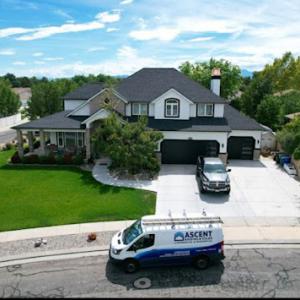
Ascent Solar & Roofing
(801) 644-4640 www.ascentroofutah.com
10808 S River Front Pkwy #357, South Jordan, Utah
4.9 from 225 reviews
Based in South Jordan and proudly serving the Wasatch Front, Ascent Solar & Roofing delivers high-quality solar panel installations, battery storage solutions, and complete roofing services for residential and commercial clients. With over 15 years of industry experience and an A+ BBB rating, our licensed team is committed to craftsmanship, customer care, and energy efficiency. We help homeowners maximize savings through federal tax credits, utility rebates, and seamless system design. Whether you're going solar, upgrading your roof, or adding battery backup, Ascent Solar & Roofing is your local, trusted partner in sustainable energy.
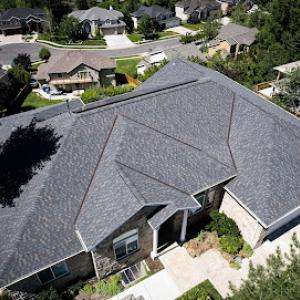
Definitive Roofing
(801) 252-5124 www.definitiveconstruction.com
901 Baxter Dr, South Jordan, Utah
4.9 from 119 reviews
Since 2008, Definitive Construction has been Utah’s trusted choice for residential and commercial roofing and solar energy solutions. We are excited to now offer siding, gutters, soffit & fascia, and painting! As a local, family-focused company, we treat every customer like a neighbor — with honesty, respect, and top-quality service. We use only premium materials and expert installation to deliver durable protection, energy efficiency, and lasting curb appeal. Our team is 5-star certified by leading manufacturers, allowing us to offer industry-best warranties for your peace of mind. Unlike other contractors, we don’t cut corners — we exceed code standards to ensure your property’s beauty, safety, and long-term value.
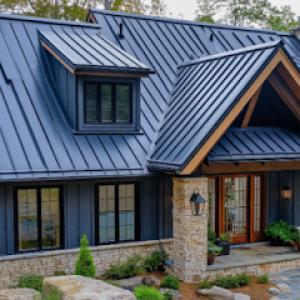
Top Local Roofing
(385) 307-7607 toplocaldevelopment.com
10929 S Redwood Rd Suite 201, South Jordan, Utah
4.9 from 72 reviews
Top Local Roofing is a trusted roofing contractor in South Jordan, UT, dedicated to protecting your home and business since 2019. Our skilled roofers specialize in residential and commercial roofing, offering insurance-backed roof repairs and comprehensive services including gutters, soffits, and fascia. We use high-quality materials for durable roofs and work with all major insurance providers for a hassle-free experience. Call us at (801) 839-4501 or visit 10929 S Redwood Rd for a free roof inspection!
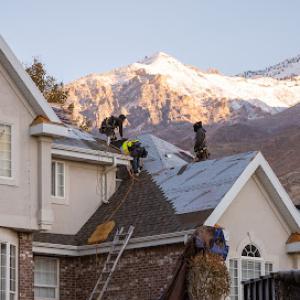
Aesthetic Roofing
(801) 630-7444 www.aestheticroofing.com
10653 S River Front Pkwy Ste 250, South Jordan, Utah
4.8 from 308 reviews
Aesthetic Roofing is a professional roofing company that specializes in acquiring full roof replacements paid for through homeowners insurance. We provide quick and clean installs with exceptional customer service and satisfaction being our first priority. Our experts will inspect and assess the storm damages at no cost to see if you qualify to get your roof paid for. Whether it’s residential or commercial, Aesthetic Roofing is the answer to all your roofing needs!
SoloTeck Roofing
(801) 245-0430 www.soloteckroofing.com
3512 Via Sudeste Way, South Jordan, Utah
5.0 from 18 reviews
Whether you're building a new home or replacing your home's existing roof, work with SoloTeck Roofing! We strive to make our customers happy with our free estimates, easy scheduling, and quick installation.
Mountain Valley Roofing
Serving
5.0 from 58 reviews
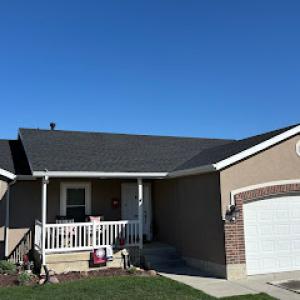
Mountain Valley Roofing is Riverton’s trusted roofing contractor, located at 1262 W 12700 South Suite C, Riverton, UT 84065. We deliver expert shingle, metal, tile, and TPO roofing for homes and businesses across Salt Lake County. With over 20 years of local experience, our certified team provides roof repairs, replacements, gutters, and siding — all built to handle Utah’s climate. We’re fully insured and work with top materials from GAF and Owens Corning. Whether you need storm damage repair or a full metal roof installation, we offer lasting solutions and honest service. Call today for a free estimate.
Intermountain West Contractors
(801) 232-5690 iwcroofingutah.com
Serving
4.9 from 499 reviews
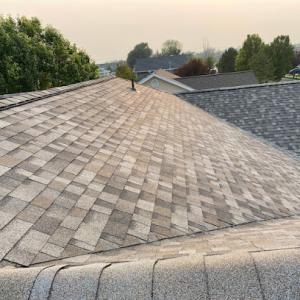
Rise above the rest with Intermountain West Contractors, your Platinum-certified partner in roofing excellence. As Utah's esteemed experts, we bring a legacy of quality that stands as tall as the Rockies themselves. Every shingle we lay is a pledge of trust, and with 25 years of experience, we've built a fortress of reliability with Owens Corning, the most trusted name in roofing materials. Our commitment is ironclad; we're held to the loftiest standards of craftsmanship, a standard confirmed by Owens Corning's own random quality inspections. We don't just cover homes; we elevate them with superior upgrades included at no extra cost. From the resilience of Ice & Water shield to the finesse of ridge vents, we ensure your bid encapsulates ...
Revive Roofing & Construction
(385) 446-8252 www.reviveroofingut.com
Serving
4.9 from 39 reviews
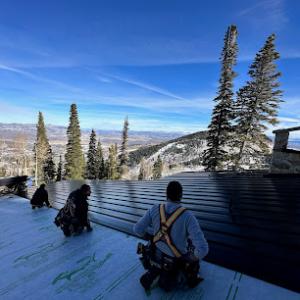
Here at Revive Roofing and Construction, we love helping build our community. Our goal is for you to have a stress free experience whenever you run into any roofing or exterior needs. We look forward to doing business with you!
MAD Roofing
Serving
4.8 from 298 reviews
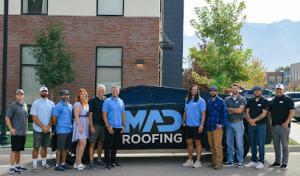
MAD Roofing is a roofing contractor in South Jordan serving Salt Lake City, Riverton, Sandy, and nearby areas. Our roofing company offers roof repair, roof replacement, and soffit or fascia repair. We also specialize in gutter services. Customers love us because of our comprehensive roof warranties and affordable roof financing options. We also have industry affiliations and certifications such as Owens Corning. Contact your reliable Salt Lake City roofing company for a free estimate!
ReRoofIt
Serving
4.9 from 49 reviews
ReRoofIt is one of the few Salt Lake roofing contractors that is Gephardt Approved. As a full-service roofing company, based in Sandy, UT, we specialize in fixing and replacing old or damaged roofs for both residential and commercial properties. We are experienced with a broad range of roofing types from flat roofs to extreme pitched roofs. We also work with a variety of roofing materials including asphalt shingles, TPO, EPDM, metal, and more. Whether you need roof repairs, roof maintenance, a roof inspection, or a roof replacement, we can help. At ReRoofIt, you can count on the highest quality for both workmanship and materials. We are committed to ending every project with a satisfied customer and a roof you can depend on.
Fresh Roof SLC
(385) 499-3221 www.freshroofdealers.com
Serving
4.8 from 17 reviews
At Fresh Roof SLC we specialize in getting you more life out of your roof! Our roof rejuvenation service and tune up process helps prevent early replacement and extends you roofs lifespan at a fraction of the cost of replacing. Give us a call today for a free inspection!
Late spring through early fall is the preferred replacement window for steep-slope roofs in this area. Utah's dry summer pattern tends to be more favorable for tear-off and installation than winter snow periods, which means crews can work with better airflow, fewer ice dams, and fewer moisture-related delays. Scheduling during this window aligns with the typical contractor availability after spring cleanup and before the worst heat of late summer, helping projects stay on track and minimize weather-related interruptions.
Winter snow and ice can limit roof access and increase the risk of moisture intrusion during active leaks or incomplete repairs. If a repair or replacement becomes necessary in the colder months, expect longer lead times and potential temporary measures to keep water from entering the home. Residual meltwater or sheet ice on slopes can slow progress, and roof access may depend on snow removal patterns and drive setup. When snowops are unavoidable, planners should build in a cushion for delays and ensure all flashing and sealant work can be completed once surfaces are dry.
Spring thaw introduces rapid shifts in moisture and surface conditions, which can complicate scheduling for tear-off work. Rains during early spring can create mud and access challenges at some sites, particularly on drive approaches or alley access. Summer heat challenges crews both physically and logistically, but the dry air usually accelerates asphalt, metal, or tile installation if mornings stay cooler. Fall wind swings can bring gusty days that complicate safety and material handling on exposed ridges. Homeowners should expect these swings to influence start dates and coordination with crews, particularly after storm periods that saturate the roof area or expose loose materials.
After notable hail or wind events, there is often a weather-related backlog as crews are redirected to urgent repairs and prioritized projects. In South Jordan, this means scheduling can slip by a few days or weeks following a major storm, especially when multiple neighboring homes experience damage simultaneously. Plan for a flexible start window if storms occur in late spring or early summer, and consider coordinating with neighbors to streamline debris control, material staging, and equipment access. A well-communicated plan with the chosen contractor helps keep the project moving when weather patterns shift from dry to unsettled.
In this part of the valley, the dominant materials you'll see on homes range from classic architectural asphalt shingles to premium metals and tile systems. The mix of newer suburban layouts and higher-end neighborhoods means that both cost-conscious replacements and long-term premium upgrades are realistic paths, depending on the structure and budget. The climate the area experiences-freeze-thaw cycles, hail potential, and gusty winds-shapes which options perform best over time.
Freeze-thaw cycling in northern Utah is especially relevant for tile, slate, flashing transitions, and underlayment performance because trapped moisture can expand during winter cold snaps. Clay and concrete tiles, while durable in many respects, can suffer from microcracking if water gets into fastened joints or through poorly sealed flashing during repeated freezes. Metal roofs tend to handle wind well and shed hail efficiently, but certain coatings and panels require attention to keep edges and seams watertight as temperatures swing. Asphalt shingles, when properly installed with a sound underlayment and accurate nailing patterns, often offer a forgiving balance of cost and performance, though hail can leave more cosmetic impact on lighter colors and certain profiles. Synthetic/composite shingles strive to blend the resilience of premium materials with a more flexible lower-maintenance profile, while slate delivers exceptional longevity but demands a careful installation and structure capable of supporting its weight.
A practical approach recognizes South Jordan's housing stock: steep-slope asphalt remains widespread for architectural styles and fast, predictable replacements, while metal roofs appeal in higher-end neighborhoods for their longevity and striking curb appeal. Clay and concrete tiles bring a timeless look with strong durability, but require solid roof decks and appropriate flashing to mitigate both wind uplift and moisture entry. Synthetic or composite shingles offer a middle ground, often leaning on lighter weights and easier handling while delivering robust performance in hail-prone settings. Slate stands out for its luxury image and durability, yet it is best paired with a structure designed to bear its substantial weight and with a budget that accommodates, over time, higher maintenance and repair costs. The reality in this market is that options are plentiful, and choosing among them hinges on the house's architecture, the roof's pitch, and long-term goals for energy efficiency and aesthetics.
For steeper slopes common in modern subdivisions, a well-seamed metal roof can provide excellent wind resistance and hail performance with a crisp appearance that complements both contemporary and traditional lines. Tile systems-clay or concrete-deliver superb life expectancy and a distinctive silhouette that suits Mediterranean-inspired or mission-style designs, yet require careful evaluation of roof deck strength and proper flashing transitions around chimneys, skylights, and valleys. Asphalt architectural shingles are often the easiest upgrade path for many homes, balancing beauty, installation speed, and a long service life when paired with a proven underlayment and proper attic ventilation. Synthetic shingles can bridge the gap between cost and performance, offering resistance to impact and better wind tolerance in some profiles. Slate remains a premium option when the structure supports the load and the design calls for elevated curb appeal.
Regardless of the chosen material, diligent attention to flashing details around penetrations and transitions helps prevent winter moisture from seeping into the attic. Inspect ridge lines, vents, and chimney bases after heavy storms or high-wind events, and keep gutters clear to avoid ice dam formation in colder snaps. For tile and slate, look for hairline cracks after hail seasons and arrange timely repairs to prevent moisture intrusion. Metal roofs benefit from periodic coating refreshes and sealant checks at seams, especially in exposed wind corridors. If a replacement is on the horizon, aligning the roof choice with both the house's architectural language and long-term performance expectations will serve the neighborhood's evolving character well.
In this market, cost expectations span from asphalt shingles at 350 to 650 USD per square up to slate at 1500 to 3000 USD per square. That spread reflects a mix of standard suburban reroofs and premium steep-slope systems common in master-planned neighborhoods. When hail events hit the Salt Lake Valley, regional demand spikes push scheduling pressure on crews and suppliers, which can push pricing and lead times upward for a stretch or two after a storm. In practice, you'll see a broad range here depending on system choice, roof pitch, and the overall complexity of the framing and drainage.
Tile, metal, and synthetic upgrades are not rare in parts of the area, and your choice will swing the total substantially. An entry-level asphalt replacement stays predictable and typically lands in the lower end of the spectrum, especially on straightforward, low-slope sections. If you're considering metal, concrete tile, or synthetic shingles, expect higher per-square pricing, but longer service life and potential energy savings can balance the short-term cost. Clay tile and slate sit at the high end, with long-term durability a major selling point but careful installation is essential to avoid cracking on the region's freeze-thaw cycles. This means that while the upfront price is higher, the payoff in performance and warranty coverage can be meaningful for steep-slope homes in this area.
Start with a conservative budget for asphalt if you're replacing standard shingles on a typical two-story home, allowing room for a guardrail of about 5% to 10% for contingencies. If your home features decorative ridge lines, high gables, or complex valleys, anticipate closer to the upper end of the asphalt range or into the mid-range for premium materials. For tile or metal, size the contingency higher still, because installation complexity and material logistics tend to drive costs in South Jordan's rapidly built neighborhoods. If hail has recently perturbed the market, expect immediate price volatility and longer wait times for quality crews and materials.
Don't let upfront costs delay a critical repair - these contractors offer payment plans to fit your budget.
Ascent Solar & Roofing
(801) 644-4640 www.ascentroofutah.com
10808 S River Front Pkwy #357, South Jordan, Utah
4.9 from 225 reviews
Aesthetic Roofing
(801) 630-7444 www.aestheticroofing.com
10653 S River Front Pkwy Ste 250, South Jordan, Utah
4.8 from 308 reviews
When a full roof replacement is on the table, the City of South Jordan Building Department requires a building permit. This isn't a courtesy; it's a formal step that sets the project parameters, including materials, workmanship, and safety standards. Homeowners should plan for the permit to cover the entire roof replacement, not just parts of the job. The process helps ensure the work can withstand South Jordan's freeze-thaw cycles, typical wind exposure, and hail-prone conditions that neighboring neighborhoods frequently experience.
The inspection sequence is a practical reality of replacing a steep-slope roof in this area. An initial inspection occurs before any new roofing material is installed, confirming site access, safety measures, and compliance with codes relevant to steep slopes, underlayment, and ventilation. A final inspection follows the completion of the roof installation, verifying that all components meet code requirements and that the work matches the permit scope. If deficiencies are found, re-inspections are possible, which can extend timelines and interrupt progress. Understanding this cadence helps avoid surprises during the work window.
Because the city inspection process is part of full replacement work, scheduling and closeout depend on inspection timing as much as on the roofer's crew. It's common for weather delays, material deliveries, or accessibility issues to push inspection appointments or re-inspections. Plan for a window that accommodates city review; a tight schedule often backfires if the project hits a waiting period for an inspection slot. A proactive approach-keeping clear access to the roof line, staging materials in approved areas, and coordinating with the roofing contractor on permit status-reduces the risk of costly delays tied to the inspection calendar.
Before work begins, verify that all required documents are submitted to the Building Department and that the permit reflects the scope of a full replacement, including warranty and ventilation considerations suited to steep slopes. Maintain a visible work area that's easy for inspectors to access, and address any notable site safety concerns upfront. If a re-inspection is needed, respond promptly to any deficiencies and ensure that corrective actions are completed in a timely manner to minimize disruption to the project timeline.
In these fast-growing master-planned neighborhoods, permit timing often mirrors the pace of neighboring projects. Communicate the anticipated inspection milestones with neighbors who might be affected by temporary staging or additional noise. Clear, compliant coordination helps keep the project on track and reduces the risk of delays that ripple through the community.
South Jordan sits in a Utah insurance environment with regular hail- and wind-related roof claims, which can affect deductibles, underwriting scrutiny, and renewal decisions. Severe weather seasons can trigger higher scrutiny on older or steeper roofs, a reality that shapes how carriers view your policy, your claim history, and the long-term affordability of coverage. Understanding that pattern helps you plan ahead for the surprises that often arrive after a storm, rather than reacting after the fact with a rushed repair or an patchwork fix.
Carriers may look closely at roof condition, ventilation upgrades, and impact- or wind-resistance expectations when a homeowner files a claim or renews coverage after storm seasons. A roof that shows even modest signs of wear, inadequate attic ventilation, or missing/loose fasteners can shift the assessment from a straightforward hail fix to a broader structural- or systems-related review. In this market, those nuances matter because they influence how a claim is paid and how a renewal premium is calculated. Being proactive about addressing vulnerable areas can help keep coverage stable after a major event.
For claims in this market, homeowners should preserve photos, inspection notes, and repair records because insurers often distinguish sudden storm damage from long-term wear in this market. Good records reduce ambiguity about what caused a problem and when it started, which can affect coverage decisions and timelines. Keep dated photos of roof surface, flashing conditions, ventilation components, and any contractor assessments. Store repair receipts and notes about any upgrades that improve resilience, so you can present a clear, continuous narrative if an adjuster requests clarification during renewal or after a storm.
Connect with contractors who help homeowners navigate the claims process from damage assessment to final approval.
Ascent Solar & Roofing
(801) 644-4640 www.ascentroofutah.com
10808 S River Front Pkwy #357, South Jordan, Utah
4.9 from 225 reviews
Definitive Roofing
(801) 252-5124 www.definitiveconstruction.com
901 Baxter Dr, South Jordan, Utah
4.9 from 119 reviews
Although the market is dominated by steep-slope residential roofs, contractor signals show meaningful local demand for flat-roof work on additions, porches, garages, and some commercial properties. When inspecting or planning these areas, pay close attention to membrane integrity, edge detailing, and drainage. In South Jordan, dry, canyon-wind days can bake membrane seams, so prioritize robust edge flashings and a continuous slope toward scuppers or internal drains.
Solar-related roofing is active in this market because many homes pursue PV or skylights without compromising roof performance. In practice, ensure roof penetrations for racking, conduit, and wiring are paired with durable flashing that resists uplift from winter winds and expansion from summer heat. Choose flashing materials and sealants that tolerate both cold cycles and heat soak, and keep a habit of verifying sealant longevity after winter transitions.
Skylight repair is a recurring specialty locally, making curb flashing and leak tracing important on homes with daylighting features. When servicing skylights, verify that curb flashing is integrated with the surrounding roof plane and that any penetrations through the curb are sealed with long-lasting sealants rated for temperature swings. Regularly inspect the skylight nailing flange, glass gasket integrity, and any plastic-to-metal transitions that can crack over time.
Wind exposure and hail impact are common triggers for early wear around roof edges, vents, and flashing. After severe weather, perform a targeted moisture check along the valleys and around penetrations. In low-slope areas, confirm drainage paths are clear and that membrane laps remain sealed. Freeze-thaw cycles demand attention to any lifted edges or micro-cracks that can propagate under repeated icing.
Develop a seasonally aligned maintenance plan that prioritizes solar penetrations, skylight flashings, and low-slope sections during shoulder seasons when temperatures moderate. Keep a local toolkit ready for quick edge resealing, debris removal, and minor flashing adjustments, so a small issue doesn't become a bigger repair.
Find specialists in TPO, EPDM, and built-up flat roofing systems for residential and commercial properties.
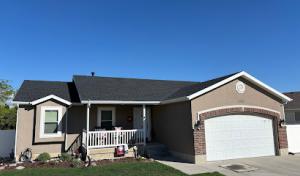
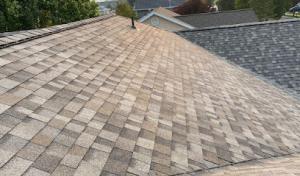
In South Jordan, homeowners are clearly prioritizing quick response and cleanup, which aligns with a market where storm calls and active reroofing volume are both high. When you call a contractor, note how fast they schedule an on-site visit after you reach out. A firm that can commit to a timely assessment is more likely to handle damage triage, paperwork, and debris removal efficiently during and after a storm event. Ask how cleanup is managed on the job, who handles disposal, and what kind of second-pass checks they perform to seal up after a storm.
The contractor mix includes many long-established firms alongside locally owned and family-owned companies, so homeowners in South Jordan often compare responsiveness and project handling as much as price. Look for a team with clear communication from the first call through completion. Check references for how they managed scheduling around weather windows, how they coordinated with insurance, and how they handled unexpected repair needs that come with hail and wind damage on steep slopes.
Manufacturer-certified and warranty-offering contractors are present in this market, which is especially relevant when homeowners want documentation that supports both product coverage and insurance discussions. Ensure the roofer can provide manufacturer information for the exact products you're considering, and confirm that the roofing system includes the standard workmanship warranty in addition to any material warranties. Request copies of both the manufacturer's and the contractor's warranties, and verify what each covers after installation.
A solid plan covers initial damage assessment, a staged replacement approach if weather interrupts progress, and a defined timeline with realistic milestones. The best South Jordan teams lay out a daily or near-daily briefing during active work, including updates on material deliveries, crew availability, and any weather-related adjustments. Expect a written outline of tasks, permit coordination if applicable, and a single point of contact who can answer questions promptly.
Before signing anything, confirm the contractor's license status, insurance coverage, and the scope of work in writing. In a community with fast-moving storms and strong wind exposure, a clear, documented process helps protect the home and the homeowner's interests long after the first hail calls have quieted.