
Last updated: Apr 19, 2026
Spring hail and wind events along the Wasatch Front can punch tiny bruises into asphalt shingles, crack tile surfaces, and loosen ridge lines or flashing before leaks show up. In Pleasant Grove, a quick roof scan in the hours after a storm can spare you from progressive water intrusion and bigger repair bills. Look for random granule loss on shingles, small bruises or dents on metal flashing, and any lifted or curled edges along the eaves and hips. If you see wet spots on ceilings or attic staining after a hail event, don't hesitate to reach out for a professional assessment-the clock is ticking when moisture enters the roof assembly. A fast, targeted inspection helps identify hidden damage in valleys and around vent pipes where water can track unseen.
Because the Wasatch Front weather can shift quickly, schedule an assessment within 24 to 48 hours after a storm peak, even if you don't see active leaks yet. In this market, storm-related demand spikes can compress contractor availability, so secure a visit as soon as conditions allow and communicate the exact storm timing to the roofer. Bring daylight photos of the roof taken from ground level and, if safe, from a ladder height to document visible bruising, lifted shingles, or displaced flashing. Focus the roofer's attention on ridge lines, transitions to chimneys, and around vent stacks, where damage is most likely to be concealed but costly if ignored.
Hail commonly bruises asphalt shingles in a way that isn't always obvious from the ground. If the granules begin washing away and reveal the mat, fast deterioration can follow. Tile roofs may show hairline cracks on clay or concrete surfaces, with higher risk of debonding around ridges or near penetrations. Wind-driven debris can peel back metal flashing at seams or ridges, creating micro leaks that only appear after a heavy rain. In Pleasant Grove, where freeze-thaw cycles amplify minor flaws, even small gaps can become a leak vector over time. If a contractor notes any moisture intrusion behind the attic insulation or signs of water tracking along sheathing, treat it as urgent.
After a spring storm, gathering evidence is essential for a smooth claim process. Photograph hail impact patterns on all roof surfaces, focusing on areas under heavy wind exposure and along transitions. Capture close-ups of damaged shingles, cracked tiles, and any lifted edges or missing granules, plus a wide shot to show the roof's overall condition. Save time by compiling a simple roof diary: note the storm date, the strongest wind directions, and any immediate water intrusion you observe inside the home. Request written assessments from your contractor that specify observable damage, suspected hidden damage, and suggested next steps. If a claim is filed, you'll want those documents ready to support the adjustment process and to assist the insurer in identifying the scope of necessary repairs.
Autumn wind events add debris and can disrupt scheduling, compounding the risk of minor issues becoming serious problems. In Pleasant Grove, the combination of lingering snow remnants and windy days can push water into attic spaces if flashing or ridge caps have loosened. Prepare a rapid-response plan: know which roofer you will call first, have a short list of backup options, and maintain clear access to the attic for a leak-tracing visit if needed. If a storm knocks down branches or debris onto the roof, address the hazard promptly to prevent punctures or concealed damage that could worsen with the next freeze-thaw cycle. Acting quickly after a storm protects the roof's integrity and reduces the chance of long, disruptive repairs.
Wasatch Front storms bring a mix of spring hail, windy blows, and snow-laden winters that stress roofs differently than milder climates. In Pleasant Grove, the dominant residential materials- asphalt shingles, metal roofing, clay and concrete tile, synthetic composites, and slate-must balance hail exposure, snow load, and hot, dry summers. Asphalt shingles are common here, but their aging accelerates in the heat and they take a direct hit from spring hail more readily than metal or tile. A roof plan that assumes rapid weather transitions-cool nights following sunny days, sudden hail, then melt-off-will hold up far better than one that treats the roof as if the season stays constant.
For a home in this climate, the choice hinges on how each material handles impact, freeze-thaw cycles, and heat. Metal roofs resist hail better than many other options and shed snow efficiently, which can reduce long-term moisture exposure in valleys and eaves. Clay and concrete tile perform well in dry heat but demand careful attention to underlayment longevity and roof structure because winter snow and repeated temperature swings can stress weak assemblies. Synthetic or composite shingles offer a middle ground-strong impact resistance with flexible performance in temperature swings. Slate delivers exceptional durability but requires a solid deck and careful flashing details to withstand freeze-thaw cycles; missteps here can lead to chronic leaks.
Spring hail is the most disruptive event for homeowners in this area. When hail strikes, inspect for cracked or missing shingles, lifted edges, and dented metal panels or flashing. If a leak is detected, act quickly: locate the source, place a temporary tarp or seal around the affected area, and minimize interior water intrusion while awaiting guidance from a trusted roofer or insurer. In many cases, a fast response prevents small penetrations from becoming large water intrusions after a thaw or additional storms. Keeping a basic supply of tarps, plastic sheeting, and roofing tape on hand during late winter and early spring is a practical precaution.
Given Wasatch Front temperature swings, underlayment longevity matters more than it might elsewhere. Roofing systems that rely on a single layer of underlayment can fail sooner under repeated freeze-thaw cycles. In tile or slate installations, attention to continuous underlayment, proper valley and ridge flashing, and sealed flashing around vents and penetrations is essential. For asphalt shingles, choose an underlayment rated for wide temperature ranges and ensure venting is adequate to handle winter moisture buildup without creating ice dams. A well-vented attic and properly sealed penetrate points help prevent wind-driven uplift and water entry during heavy spring winds.
Regular, proactive maintenance pays off. Clean debris from gutters and roof lines before the snow season, check for loose or damaged fasteners after severe weather, and schedule a mid-season inspection after major hail events. For homes with clay or concrete tile, monitor for cracked or displaced tiles after hail and promptly replace or reseal to maintain continuous underlayment protection. When evaluating a roof, consider both current condition and the expected performance during the next few winters, ensuring the assembly can tolerate the local mix of heat, wind, and freeze-thaw cycles.
In this town, storm-driven demand surges after spring hail events, and emergency work plus full replacements compete for crews. That means timely reroofs can carry a premium, especially in the first few weeks after a hail storm when crews are scarce and travel times stretch. If a daytime rush work window becomes the norm, you may see longer lead times and higher daily rates for labor. Planning ahead, coordinating with nearby neighborhoods, and scheduling during a lull after the initial demand spike can help keep costs closer to the base ranges. Homes with multiple steep pitches or complex roof lines also tend to push crew hours up, which shows up as higher per-square pricing in quotes.
Material choice matters sharply here. Asphalt shingles sit around 350 to 700 USD per square, metal roofing ranges from 700 to 1200, clay tile from 800 to 1600, concrete tile from 800 to 1500, synthetic or composite shingles from 550 to 900, and slate can run from 1200 to 3000 per square. The difference is not merely appearance; it affects installation speed, ventilation integration, and the ability to pass inspection smoothly. In areas with freeze-thaw cycles and wind in Wasatch Front terrain, a more robust underlayment and precise flashing details may be recommended, which can push a project boundary upward from the raw material cost. Expect the premium tier to show up more clearly on larger or multi-hip roofs where sheet counts and flashing runs multiply.
Costs in this area can rise when homeowners upgrade underlayment, flashing, or attic ventilation to satisfy permit review and inspection expectations during reroof projects. Upgrading underlayment to a closed or synthetic option improves moisture control and can help with long-term performance in freeze-thaw cycles. More elaborate flashing around chimneys, walls, and transitions adds material and labor time, especially if a roof has multiple penetrations or vented eaves. Upgrading attic ventilation can improve overall system health, reduce moisture buildup, and support energy efficiency, but it increases the upfront cost. If the roof covering itself is on the higher end of the price spectrum, these add-ons may be a more cost-effective way to improve performance without entirely changing the roof's footprint.
Spring storms can trigger insurance-related considerations, and the timing of a reroof relative to a major hail event can influence both availability and pricing. If a claim is involved, expect documentation and coordination to factor into the timeline and potential fluctuating costs. While the material price ranges remain the main driver, lulls between hail seasons can present opportunities for better scheduling, competitive bids, and shorter lead times. When storms recede, the market often returns to more stable pricing, but the cost impact of choosing higher-end materials or more thorough system upgrades can persist if those upgrades are pursued.
These ranges reflect typical local conditions and common stock for Pleasant Grove homes, where storm dynamics and rigorous inspection expectations shape both planning and final pricing.
Bartlett Roofing
(801) 980-9385 bartlettroofs.com
1982 Pleasant Grove Blvd F, Pleasant Grove, Utah
5.0 from 25 reviews
Bartlett Roofing is a trusted roofing company proudly serving Pleasant Grove and surrounding areas like Lindon, American Fork, and Orem. With more than 30 years of experience, our certified team partners with GAF, Owens Corning, and CertainTeed to deliver durable roofing solutions for both homes and businesses across Utah County. Recognized among the nation’s top roofing companies and honored on the Inc. 5000 list, we remain focused on raising the standard of roofing in the community. To make things easier, we also offer 24/7 scheduling for inspections and appointments, while our crews and office staff operate during regular business hours to provide the reliable service and craftsmanship we’re known for.
Olsen Roofing
(801) 854-8163 olsenroofers.com
4203 N 810 W, Pleasant Grove, Utah
4.8 from 41 reviews
Olsen Roofing is a full service roofing company specializing in flat membrane, metal and shingle roofs. We have been in business for 28 years and provide excellent work for our customers
JD Roofing
(855) 554-7663 www.jdroofing.com
Serving
4.6 from 23 reviews
Get a Free Estimate Today Your Stress-Free Roofing Company Say goodbye to the stress and hassle of traditional roofing projects. With JD Roofing’s ultra-fast roofing experience, we’ll transform your home quickly and efficiently, leaving you with a beautiful, durable roof and peace of mind. Your Roof, Done Right, Done Fast We understand your time is valuable. That’s why we strive to complete most roofing projects in just 1-2 days, minimizing disruption to your life. Our efficient, streamlined process delivers a new roof without the hassle.
Timp Roofing
(385) 223-5581 www.timproofing.com
Serving
5.0 from 21 reviews
When your property in Pleasant Grove, Lindon, Provo, or a surrounding area needs roofing expertise, you want contractors who understand Utah's unique weather challenges and building requirements. Timp Roofing brings together modern technology, premium materials, and transparent communication to deliver roofing solutions that protect your investment. We're a locally owned company that's built our reputation on honest pricing and dependable results.
CB Roofing Solutions, Utah
Serving
5.0 from 4 reviews
At CB Roofing Solutions, we know your roof is more than just a roof—it’s protection, peace of mind, and a major investment. That’s why we combine trusted service, elite craftsmanship, and clear, honest pricing to give you a roofing experience you can actually feel good about. ✅ Proven Trust & Reputation – We’re locally owned, fully licensed and insured, and we hold ourselves to elite standards on every job. Our customer service is second to none—and our 5-star reviews prove it. ✅ Top-Tier Quality + Unmatched Warranty – We use high-quality materials and complete most projects in just 1–3 days. Every roof is backed by a Platinum 50-Year Warranty that includes workmanship, labor, and materials—plus a maintenance package to.

R.B. & Sons Roofing/Construction
(801) 785-0770 rbsonsroofing.com
Serving
4.9 from 96 reviews
R.B. & Sons Roofing is a trusted, third-generation, family-owned roofing contractor based in Lindon, Utah, with over 40 years of experience serving homeowners across Utah and Salt Lake Counties. Founded in 1980, we specialize in residential roof replacement, new roof installation, reroofing, roof repairs, inspections, maintenance, multi-family asphalt roofing, and gutter services. Our primary focus is high-quality asphalt shingle roofing, with select metal roofing options available when appropriate. Our licensed and insured team is certified to install Tamko, Owens Corning, and Malarkey roofing systems and is committed to honest communication, transparent pricing, free inspections, and quality workmanship backed by dependable warranties.

Peak Roofing & Construction
(615) 925-9190 peakroofingandco.com
Serving
5.0 from 30 reviews
Peak Roofing and Construction is Utah County's expert for durable roofing and exterior solutions. Known for excellence, our skilled team ensures your home's longevity with top-quality materials and meticulous craftsmanship. Trust us to exceed expectations and safeguard your investment. Visit our website for unparalleled service.

Exceptional Roofing
(801) 680-6499 www.exceptional-roofing.com
Serving
4.8 from 16 reviews
Exceptional Roofing has served Salt Lake City for over 25 years, providing trusted roof servicing and replacement. Backed by decades of experience, we deliver reliable solutions, personalized service, and a commitment to quality workmanship that protects your home or business year after year.”

Pro Roofing Ut
(801) 512-9969 www.proroofingut.com
Serving
5.0 from 39 reviews
Pro Roofing UT is a local, family-owned roofing business that serves the Wasatch Front. With over 20 years of experience, our team excels on all types of roofs. Whether it is for new construction or re-roofing, call our team today for a free estimate.
XL Roofing
(801) 706-5602 xlroofingsaltlakecity.com
Serving
5.0 from 19 reviews
Commercial and residential roofing repairs and installations. Over 20 years of experience we are licensed and fully insured. You will never be quoted for something you don't need.
Some Guy Handyman Service
Serving
5.0 from 85 reviews
Newer contractor to the area. With competitive pricing and quality work We've got you covered. No repair too small no job too big. We even do after hours emergency repairs. If you need us we'll be there. Call today for a free quote.

A1 Roofing Utah
(801) 471-2055 a1roofingutah.com
Serving
4.9 from 520 reviews
34 years as a family owned and operated business!
Reroof projects in Pleasant Grove typically require a permit, and the city's building department reviews the roofing scope along with ventilation and underlayment documentation before work proceeds. This means you're not just picking shingles and calling it a day-the permit review looks closely at how the new roof will vent, where the soffit and ridge vents will run, and what underlayment sits beneath the shingles. The goal is to ensure the assembly meets current code and performance expectations, especially after harsh Wasatch Front weather. Your contractor should submit a complete plan that shows attic ventilation calculations, flashing details around valleys, chimneys, and skylines, plus a description of underlayment type and installation sequence. Owners who anticipate attic improvements or changes to venting should coordinate early with the permit reviewer to avoid hold-ups once work starts.
Pleasant Grove inspections are conducted during and after installation, with attention to flashing details, ventilation, and overall code compliance rather than treating reroofing as a no-review job. Expect inspectors to verify proper installation of step and counter-flashing at termination points, correct drip-edge placement, and that valleys are properly flashed to shed water in the seasonal melt cycles. Ventilation checks focus on ensuring that attic intake and exhaust paths exist and are balanced, reducing the risk of heat or moisture buildup that can compromise decking and shingles. After completion, inspectors typically review the finished product for adherence to the approved plan, confirming that any new ventilation components align with the original permit scope and that penetrations, transitions, and supports meet code requirements.
Homeowners planning a full replacement should expect the permit process to influence product selection and sequencing, especially when changing assemblies or correcting older ventilation deficiencies. If the existing roof has limited or poorly located intake vents, or if the attic has had moisture issues, the permit review may drive decisions about a ridge vent network, baffles, or improved soffit ventilation before new shingles go on. When assemblies are updated-such as moving from an older underlayment system to a modern, code-compliant layer-the sequence of decking prep, underlayment installation, and flashing must be clearly laid out and approved. Communicate any planned improvements to ventilation or attic access early, so the permit reviewers can assess how those changes affect overall performance and drainage. This proactive approach helps avoid delays and ensures the finished roof not only meets current standards but also withstands spring hail and wind events typical to the area.
Cold, snowy winters drive a regular freeze-thaw cycle that quietly stresses shingles, tile systems, sealants, and flashing transitions over time. In Pleasant Grove, those cycles are more than a nuisance-they are a quiet accelerant that can reveal vulnerability on roofs that seemed fine after a storm. Asphalt shingles, clay and concrete tiles, and metal flashing all respond differently, but the message is the same: repeated freezing and thawing invites cracking, granule loss, and seam failure if the roof isn't prepared for it. The result can be slow leaks that sneak in along a flashing transition or under failed sealants long after a windy or hail event.
Ice dam risk is a real local concern when attic ventilation and insulation are not balanced, especially on homes that hold snow through cold spells before daytime melting refreezes at eaves. If insulation is weak or vents get clogged, heat escaping into the attic melts snow near the ridge, which then refreezes at the eaves to form dams. Those dams push meltwater back under shingles or tiles, leading to interior staining, staining, and hidden moisture damage that can undermine roof deck integrity. In homes with steam or moisture from laundry or bathrooms, the issue compounds quickly. A cautious homeowner keeps vents clear, checks attic baffles, and arranges a mid-winter inspection after heavy snows and thaws to confirm there are no hidden leaks growing behind the façade.
Winter conditions in Pleasant Grove also affect replacement timing, since snow cover and low temperatures can delay full reroofing even when storm damage was discovered earlier. Temporary tarps or patching may buy time, but note that prolonged cold slows material set and sealant cures. If hail or wind damage is found, the prudent approach is to plan for a window when temperatures permit proper installation and flashing integration. Snow-free days don't just make the work easier; they reduce the risk of moisture intrusion that can worsen affected sections and complicate long-term performance of the roof system.
After a Wasatch Front hail-and-wind event, a homeowner in this area faces a claims environment where roof age, storm history, and documented damage can sway coverage decisions. Carriers serving Pleasant Grove are familiar with the pattern: a storm rolls through, damage appears unevenly, and recent weather history can color how a claim is evaluated. Understanding that context helps you present a smoother, more credible case when you file.
When a storm hits, the first practical step is to begin a documented record tied to the exact event. Insurers may request detailed photo records, adjuster reports, and evidence connecting damage to a specific storm rather than wear from the dry-summer climate. You should assemble a file that includes timestamps, storm dates, and notes about when damage was first noticed. Use clear, date-stamped photos that show the roof surface, gutters, flashing, and any interior signs of water intrusion.
Documenting what you observe on and around the roof is crucial. Elevations and visible impacts on soft metals, such as dented vents or curved flashing, are often pivotal. Interior leaks that appear after a storm should be noted with dates and affected rooms. Temporary tarping or coverings, if applied, should be photographed to reflect the condition and timing, since carriers vary in endorsements and post-storm scrutiny. Keep a log of communications with the insurer, including who spoke, what was asked, and what was promised.
Communication timing matters. After a Pleasant Grove storm, contact the insurer promptly and request a claim number. If an adjuster is assigned, provide your organized evidence package, including storm-specific photos and any independent assessments you have obtained. The goal is to connect the damage to the storm event with a clear, traceable sequence of observations that helps the claim move through without ambiguity.
Connect with contractors who help homeowners navigate the claims process from damage assessment to final approval.
Bartlett Roofing
(801) 980-9385 bartlettroofs.com
1982 Pleasant Grove Blvd F, Pleasant Grove, Utah
5.0 from 25 reviews
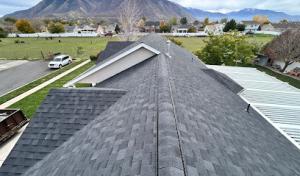
Olsen Roofing
(801) 854-8163 olsenroofers.com
4203 N 810 W, Pleasant Grove, Utah
4.8 from 41 reviews
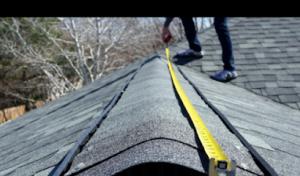
Pleasant Grove's sunny, dry summers put extra emphasis on how flashing performs because winter snowmelt can become an interior leak if flashing isn't sealed and integrated with underlayment. The quality of penetrations around skylights and any solar equipment directly affects long-term performance, especially after a hail season when flashing may take a beat and need resealing. When you plan a reroof, expect the skylight or solar opening to be a focal point for drainage and secondary venting concerns, not just a cosmetic cutout.
In this climate, reroof inspections verify flashing and code compliance, making penetration detailing more consequential than a simple shingle swap might suggest. A proper system means the underlayment layer is treated as part of an integrated envelope around every skylight and solar array. You will need to ensure that flashing transitions are continuous from the roof deck to the flashing flange, and that the underlayment is extended behind the flashing to shed any snowmelt runoff rather than funneling it into seams.
When reroofing, homeowners should plan sequencing for existing skylights or solar-related roof work so underlayment and flashing are rebuilt as one system. The typical approach is to address all penetrations in a single pass, with the new underlayment extending under the entire roof surface and around each penetration before final shingle, tile, or metal installation. If skylights are being replaced or relocated, coordinate their framing and fastening to align with the new flashing base. For solar installations, ensure mounting hardware and flashing bases are compatible with the chosen roofing material and that sealant transitions meet the same performance criteria as the rest of the roof assembly.
After installation, perform seasonal checks for lifted flashing, sealant separation, and any staining around penetrations. In a place with sharp winter swings and spring hail, catching and correcting small issues early preserves the integrity of the entire roof system and helps prevent interior leaks during melt cycles.
Find contractors experienced in skylight installation, flashing, and leak repairs to bring natural light into your home.


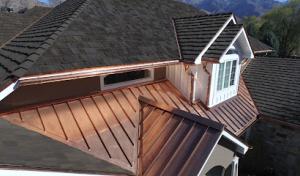
Although Pleasant Grove is largely a pitched-roof residential market, low-slope sections on additions, porches, garages, and some commercial buildings need different drainage and membrane detailing than the main roof. In these areas, a properly integrated membrane system and a clearly defined edge detail are essential to prevent premature leaks. Pay attention to the transition from the main roof to any low-slope deck or porch, ensuring the membrane overlaps adequately and the fasteners are chosen to resist wind-driven water. Plan to match the drainage plane with the overall roof, so water flow never relies on a single critical point.
Freeze-thaw conditions and debris from autumn storms can make low-slope ponding and edge leaks more noticeable in Pleasant Grove than during dry summer months. Inspect low-slope sections for standing water after storms, and check the edge detailing where the membrane terminates at parapets, walls, or flashing collars. Debris-pine needles, leaves, and gravel from renovations-can clog drainage channels and extend hold times for moisture. A simple maintenance routine after heavy rain or windstorms saves a lot of headache: remove debris from the edge, confirm the membrane seams remain watertight, and verify that the drainage outlets stay clear.
Homeowners replacing only part of a Pleasant Grove roof need to confirm that low-slope transitions, wall flashings, and drainage details are included in the project scope and inspection checklists. If a section integrates with an existing main roof, ensure the new and old materials meet compatibility needs for expansion and contraction. The goal is a seamless performance where the low-slope portion behaves as an integrated system, not as a separate patchwork. When planning, document the exact transition points where the low-slope area meets the main roof, and specify the membrane type, edge details, and flashing materials to avoid mismatches that can trigger leaks over time.
Find specialists in TPO, EPDM, and built-up flat roofing systems for residential and commercial properties.
Olsen Roofing
(801) 854-8163 olsenroofers.com
4203 N 810 W, Pleasant Grove, Utah
4.8 from 41 reviews
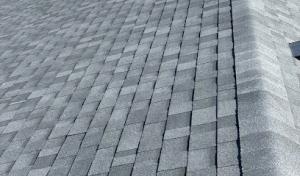
In Pleasant Grove, warranty value is tied closely to whether flashing, ventilation, and underlayment were documented correctly during permit review and inspection on a reroof project. When the permit review notes these components clearly and the inspection signs off, the warranty has a better chance of withstanding post-storm scrutiny. If the details were vague or overlooked, a warranty claim can stall or be narrowed, especially after a hail event that exposes any gaps in detailing or execution.
Storm-prone conditions make workmanship warranties more meaningful locally because post-hail callbacks often reveal whether ridge, valley, and penetration details were rebuilt properly. In this climate, tiny gaps around pipes, vents, and chimney bases can become leaks after repeated freeze-thaw cycles and wind-driven moisture. A warranty that covers these workmanship items is more likely to hold steady if ridge caps, flashing, and valley details were installed with solid sealing and then documented during the project.
Homeowners in this area should keep permit records, inspection approvals, and product documentation together because future storm claims and warranty questions often overlap. If a hail event tests the roof, having a complete file makes it faster to verify what was installed, when, and to which standards. Store receipts, manufacturer specs, and any contractor notes in a dedicated folder, so in the rare case a warranty dispute arises, the path to resolution stays clear and timely.