
Last updated: Apr 19, 2026
Orem homeowners contend with a mix of winter snow loading, freeze-thaw cycling, and warm-season hail and wind events. That combination creates a damaged pattern that isn't confined to a single season. Snowpack can hide wear until spring, while hail and wind can strike suddenly, exposing shingles, flashing, and edging that were previously sound. The result is a roof that bears both chronic wear and acute storm damage, often presenting as layered issues that complicate inspection and repair. Preparation now reduces the risk of costly surprises after the next storm front.
In this climate, damage looks different from year to year but often converges around flashing failures, lifted shingles, and granule loss. Freeze-thaw cycles push and pull at shingles and underlayment, creating hairline cracks that grow with each freeze. When spring rains arrive, rapid temperature swings can reveal hidden weaknesses beneath metal flashings and at roof-to-wall intersections. Hail damage tends to create dimples, bruising, and compromised surface integrity on sloped roofs, while wind can peel shingles at edges and around vents. A careful eye catches both sudden, storm-driven impacts and gradual, wear-related deterioration.
Utah claim activity is strongly influenced by hail and wind losses, so adjuster inspections often drive the pace of repair. Documenting whether damage is storm-related or pre-existing wear is crucial. Take dated photos from multiple angles after a storm, focus on shingles with bruising, granule loss, or curling, and photograph flashing and vent penetrations. Keep a running log of visible changes over weeks, especially after heavy precipitation or a rapid temperature swing. When talking to the insurer, present a clear narrative: new damage consistent with recent weather events, plus any pre-existing conditions that could affect claim outcomes.
Spring in this area brings heavy rain and rapid temperature swings that can expose flashing failures and shingle damage hidden by winter snow cover. Pay attention to step flashing along chimneys, valleys, and transitions to vertical walls, where thaw cycles can separate metal pieces from underlayment. Notice any moisture staining in attic spaces, which signals roofline leaks that may have started as small breaches but worsened with thaw. Addressing these issues promptly reduces the risk of interior staining, mold, and further structural exposure during the next round of storms.
If suspicious signs appear-buckle, curling, or granule loss on shingles, lifted edges after a wind event, or damp spots in the attic-move decisively. Lightly protect exposed areas with temporary tarps where safe, but avoid rushing risky repairs that could void warranty or complicate an insurance inspection. Schedule a thorough roof assessment with a contractor who understands Wasatch Front patterns: they'll map mixed damage, differentiate storm-related concerns from wear, and prioritize flashing and sealing fixes that mitigate future freeze-thaw cycles. Keep your findings organized for any adjuster visit, and align repair plans with the projected spring roofing window to maximize durability before the next round of cold snaps and spring rains.
After the long winter, the practical replacement window in Orem opens in spring when temps stabilize and snow has cleared from the roof. Tear-off work benefit from a dry, thaw-friendly ground, but the steady freeze-thaw cycles can still tighten schedules if storms roll in late March or early April. A typical spring plan accounts for lingering snow pockets on shaded slopes and morning dew that can slow drying times. By focusing on a window when daytime highs stay consistently above freezing and nights aren't dipping back into ice, the project can move from tear-off to dry-in without repeated delays. Expect a few rain-or-snow days; those pauses are less about damage and more about keeping shingles and underlayment from sitting wet. Scheduling with a crew that can block out those potential rain days helps maintain progress and keeps crews from mid-day heat if a second shift isn't available.
Summer heat accelerates underlayment aging and shifts work conditions on exposed roof areas, so plan for midday adjustments. In Utah's Wasatch Front climate, heat can push asphalt underlayment to shrink or kink if laid in direct sun for long stretches, and a hot roof makes material handling tougher for crews. Early morning work, followed by a late-afternoon finish, minimizes sun exposure while keeping material temps in a manageable range. Shingle alignment and nail seating benefit from cooler periods, so a crew that staggers tasks by shade pockets can maintain consistent quality. It's common to encounter quick, temporary pauses during peak heat to protect both the installers and the materials. Communication with the crew about hot-day contingencies-like shifting some steps to cooler parts of the day-helps keep the project on track without compromising the warranty or install quality. Storm watches during late spring and late summer also tighten the schedule when sudden gusts or heavy rain arrive, so a buffer in the plan is essential.
As fall approaches, the focus shifts to completing the final sections while temperatures remain above freezing overnight. The goal is to finish with a solid dry-in before the first hard freeze, because once snow begins to accumulate, inspections and final installation become harder to manage. Shortening the remaining finish work into a crisp early autumn window reduces the risk of a weather-driven delay pushing a project into winter. If a late-summer storm damages portions of the roof, a quick triage and prioritization of high-risk areas-valleys, dormers, and penetrations-helps prevent leaks during the initial dry-in. By the time crews are applying final sealants and flashing, the calendar for workable days narrows, so coordination with the homeowner on preferred completion dates is key to avoiding a freeze-induced hold pattern. The result is a robust, weather-conscious plan that respects the Wasatch Front's seasonal rhythms and keeps the roof solid through the next cycle of storms.
Get a clear picture of your project costs upfront - no commitment required.
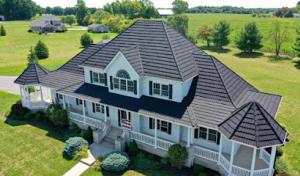
26.2 Roofing - Roofing Company in Orem UT
(385) 222-3533 26.2roofing.biz
532 E 800 N, Orem, Utah
5.0 from 17 reviews
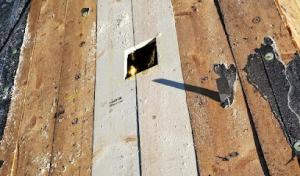
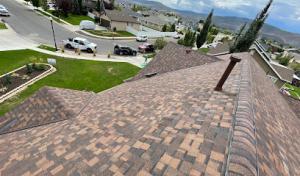

A1 Roofing Utah
(801) 471-2055 a1roofingutah.com
415 W 1200 N St Suite A, Orem, Utah
4.9 from 520 reviews
34 years as a family owned and operated business!
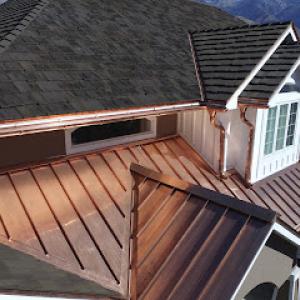
All Star Roofing
(801) 876-7781 www.allstarroofpros.com
321 w 1185 n, Orem, Utah
4.9 from 143 reviews
All Star Roofing in Orem provides professional roof replacement services designed to protect homes from Utah’s harsh sun, winter snow, and rapid temperature swings. We handle complete roof tear-offs, asphalt shingle upgrades, and inspections to address common issues caused by ice dams, UV damage, and aging roofs in the Orem area. As a local storefront business, we focus on reliable workmanship, clear communication, and long-lasting results. All Star Roofing is known for experienced roofers committed to trustworthy, professional service.
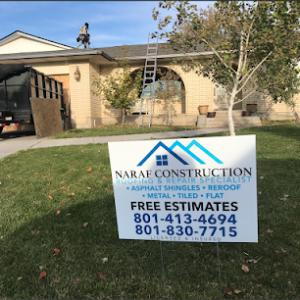
NARAF Construction
(801) 413-4694 narafconstructionllc.com
1210 N 900 W, Orem, Utah
5.0 from 28 reviews
NARAF Construction is a trusted roofing company proudly serving Utah County with top-quality roofing solutions. Specializing in residential and commercial roofing, we provide expert services, including roof installation, repair, replacement, and maintenance. With a commitment to excellence, we use durable materials and advanced techniques to ensure lasting results. Our team of skilled professionals focuses on delivering exceptional craftsmanship, outstanding customer service, and timely project completion. Whether you need a new roof, storm damage repair, or routine inspections, NARAF Construction is your reliable partner for all roofing needs. Experience peace of mind with roofing you can count on!
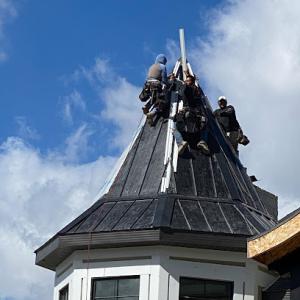
Cascade Roofing Services
(801) 831-4428 www.cascaderoofing.net
644 S 1325 W St, Orem, Utah
4.9 from 43 reviews
Cascade Roofing Services, Inc. is a locally owned full-service roofing contractor providing residential and commercial roofing services in Utah. For over 30 years, we have been dedicated to the evaluation, installation and maintenance of your roof. Our professional staff is qualified to evaluate your roof and will assist you in making the appropriate choice of materials and applications.
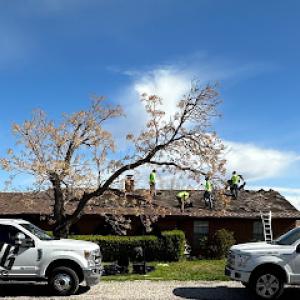
King Roofing
707 Technology Ave Suite E11-B, Orem, Utah
4.6 from 213 reviews
King Roofing is a GAF Master Elite contractor serving Utah, Salt Lake, and Summit Counties with expert storm damage roof repair & insurance roof replacement services. As one of the top 1% of roofers in Utah, we specialize in insurance restoration work for both single-family homes & multi-family properties. Our 4-hour emergency response time ensures fast storm damage assessment when you need it most. We handle the entire insurance claim process, working directly with your insurance company to maximize your coverage for hail damage, wind damage, and weather-related roof repairs. From residential roof replacement to commercial multi-family roofing projects, our experienced team delivers quality craftsmanship backed by industry-leading warranty
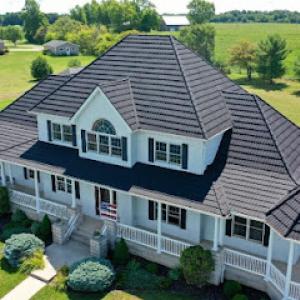
26.2 Roofing - Roofing Company in Orem UT
(385) 222-3533 26.2roofing.biz
532 E 800 N, Orem, Utah
5.0 from 17 reviews
26.2 Roofing is a trusted local roofing company serving Orem, UT and surrounding Utah County with over 27 years of experience. We specialize in residential roofing, commercial roofing, roof repairs, roof replacements, and emergency roofing services. Whether you need asphalt shingle installation, leak repair, storm damage restoration, or a full roof inspection, our skilled roofers deliver clean workmanship, durable materials, and honest communication. We provide fast scheduling, reliable service, and free estimates. If you’re searching for a roofer near me or a roofing company in Orem UT, call 26.2 Roofing today.
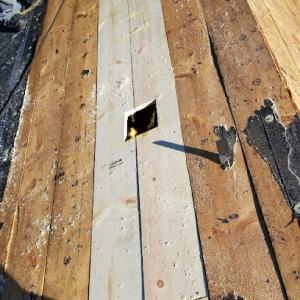
Weatherbuilt
(208) 760-8688 weatherbuiltpro.com
Orem, Utah
4.4 from 7 reviews
Weatherbuilt is a professional roofing company that services Ogden, Salt Lake, Heber, and Provo, in the greater Salt Lake area. We have a reputation for being honest and doing quality work. We specialize in residential, multi-family, and commercial construction. We are licensed, bonded, and insured. Call today for a free estimate.
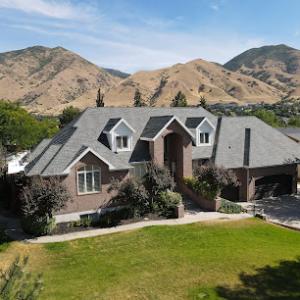
PowerHouse Roofing
(801) 874-9083 www.powerhouseroofing.com
Serving
5.0 from 59 reviews
PowerHouse Roofing delivers quality craftsmanship and reliable protection for your home or business. As experienced roofing contractors, we understand the importance of a strong, dependable roof. We serve both residential and commercial clients, ensuring every project is completed with expertise and attention to detail. Discover the PowerHouse difference and safeguard your property with a roof you can trust.
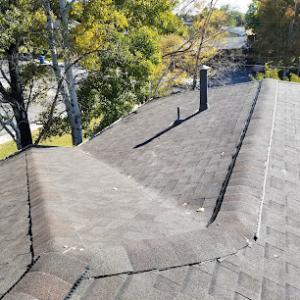
A-Star Roofing & Construction
(801) 830-4557 www.bestroofingbid.com
Serving
4.9 from 96 reviews
Residential Roofing for 21 years in Utah county.

R.B. & Sons Roofing/Construction
(801) 785-0770 rbsonsroofing.com
Serving
4.9 from 96 reviews
R.B. & Sons Roofing is a trusted, third-generation, family-owned roofing contractor based in Lindon, Utah, with over 40 years of experience serving homeowners across Utah and Salt Lake Counties. Founded in 1980, we specialize in residential roof replacement, new roof installation, reroofing, roof repairs, inspections, maintenance, multi-family asphalt roofing, and gutter services. Our primary focus is high-quality asphalt shingle roofing, with select metal roofing options available when appropriate. Our licensed and insured team is certified to install Tamko, Owens Corning, and Malarkey roofing systems and is committed to honest communication, transparent pricing, free inspections, and quality workmanship backed by dependable warranties.
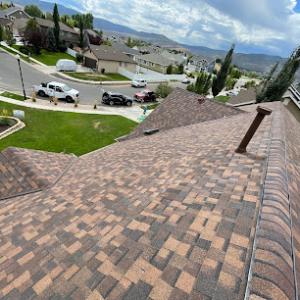
Signature Roofing Utah
(801) 420-1911 www.signatureroofingutah.com
Serving
5.0 from 62 reviews
Roofing in Northern Utah
Master Roofing
(385) 438-0250 www.masterroofingutah.com
Serving
4.9 from 311 reviews
Looking for a trusted roofing company near you in Salt Lake City or across Utah? Master Roofing delivers expert roofing services in Davis County, Salt Lake County, Summit County, Wasatch County, and Utah County. We specialize in roof installation, repair, and restoration near you, along with skylights, gutters, attic ventilation, and snow retention systems. With certified crews and industry-backed warranties, we provide peace of mind and lasting protection for your home or business. Whether you need a quick roof repair near Salt Lake City or full re-roofing in nearby counties, we’re the local roofing pros you can count on. Call today for reliable service near you!
Asphalt shingles and metal are the most practical mainstream choices for homes in this area. They handle Wasatch Front freeze-thaw cycles and variable wind well and fit a typical Utah roof pitch and overhang. Tile (clay or concrete) and slate can push total costs higher because their weight and detailing may require more structural and installation attention, plus longer labor times. If a home is older or has limited attic ventilation, a metal or asphalt option often keeps install days shorter and pricing more predictable.
Prices here reflect a short spring-to-fall window when crews are available, with a bump after hail and wind events that tighten schedules along the Wasatch Front. Asphalt shingles run roughly 350 to 650 USD per square, a blend that suits most mid-range homes and can often be completed before heavy snow sets in. Metal roofing typically runs 600 to 1100 USD per square, offering durability and a lighter tear-off impact if the roof is still structurally solid. Clay tile sits around 900 to 1800 USD per square, while concrete tile is commonly 800 to 1500 USD per square, both carrying higher total costs due to weight and the need for careful detailing. Synthetic or composite shingles land around 350 to 700 USD per square, giving a mid-range option with service life expectations closer to asphalt. Slate starts much higher, at 1200 to 2500 USD per square, and is usually reserved for homes with existing structural support and a preference for a long, premium lifespan.
Storm-driven demand spikes after hail and wind events can tighten contractor schedules in this market, which means faster planning and a more precise project window are essential. When a tear-off occurs after a storm, decking review may surface, and some days get booked tightly due to crew availability. In practical terms, anticipate potential delays if a major hail event hits between late spring and early summer, and plan for a few extra days for material delivery and inspection sequencing. If a roof is already near the edge of its life, a proactive approach to booking for the next available slot after the snow season helps avoid a rushed replacement in the worst weather.
During tear-off, decking and fascia checks often influence material choice. Tiles and slate require careful evaluation of framing and roof structure, which can add to the cost if reinforcement is necessary. For asphalt and metal, the sequencing is typically straightforward: confirm existing sheathing integrity, schedule underlayment and fasteners, then complete ventilation checks in step with the new installation. For projects using heavier tile or slate, ensure the crew has the right equipment and a plan for staged sequencing to prevent surprises in winter months.
Asphalt shingles are a common sight on Utah homes, and for good reason. In Orem, the blend of spring rain, summer heat, autumn wind, and winter freeze-thaw cycles means granule loss, cracking, and flashing vulnerability matter more than brochure lifespans. When choosing asphalt, look for Nordic or infrared-resistant granules and a sun-facing orientation that minimizes heat buildup on the attic side. A shingle with a robust sealant and a proven wind rating helps resist the gusts that roll through during fall storms. In addition, ensure the flashing around chimneys and vents is solid, because frequent freeze-thaw cycles can exploit small gaps over time. Routine inspections after spring rains catch issues early, especially after any hail events.
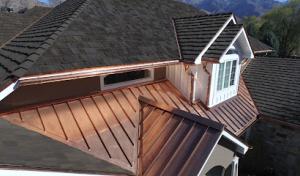
Metal roofing handles snow shedding and seasonal temperature swings differently from shingles, which makes installer experience particularly important here. If choosing metal, consider standing-seam or top-quality exposed-fastener panels with proper sealant details. In Orem's climate, metal can shed snow effectively, reducing rooftop ice dam risk, but improper installation or thin gauges can lead to panel oil canning, denting, or premature fastener wear. Look for a local installer who understands flashing transitions at eaves and penetrations, as cold snaps can stress metal joints. Regular maintenance-checking for loose fasteners and inspecting seams after heavy snow or hail-extends performance and minimizes leaks during the winter window when inspections are hardest.
Clay tile, concrete tile, synthetic/composite, and slate surface choices show up in the market, but heavier systems require careful evaluation. In the Wasatch Front, winter weather adds load considerations, and roof framing must be assessed for the added weight. Clay and concrete tiles can deliver long life, but their weight demands a precise structural assessment and a careful installation sequence to avoid cracking under freeze-thaw stress. Synthetic or composite options provide a lighter alternative with improved impact resistance, yet they still need proper underlayment and venting to manage moisture and temperature swings. Slate brings a premium, durable option, but its weight and stiffness demand exacting framing and elevated install expertise. Before selecting any of these, verify roof deck condition and ensure the system has adequate attic ventilation to temper thermal expansion and contraction.
Whatever the material, the key in this market is proactive maintenance. Spring inspections to address rain-driven issues, post-wallop winds after autumn storms, and mid-winter checks for flashing and sealants pay off by catching problems before they grow. Consider a yearly silhouette of your roof-look for granule loss, loose fasteners, and any signs of water intrusion near penetrations. In all options, selecting experienced local installers who understand Orem's snow, wind, and freeze-thaw rhythm makes a meaningful difference in long-term performance.
Explore specialists in steel, aluminum, and standing seam metal roofs built to last 50 years or more.
All Star Roofing
(801) 876-7781 www.allstarroofpros.com
321 w 1185 n, Orem, Utah
4.9 from 143 reviews
NARAF Construction
(801) 413-4694 narafconstructionllc.com
1210 N 900 W, Orem, Utah
5.0 from 28 reviews

In this area, a full roof replacement generally requires a building permit filed through the Orem City Building Department. The process starts with confirming the scope of work with a contractor or, if doing it yourself, clearly outlining the replacement methods and material choices. Submittals should include project address, permit type, a basic plan for debris containment, and notes on underlayment and venting. The aim is to establish a straightforward plan that aligns with local code expectations and avoids delays once the project begins.
Inspection in this town follows a practical sequence rather than a single closeout visit. Expect an underlayment inspection early in the project to verify the chosen felt or synthetic underlayment is properly installed and aligned with hip and valley details. A decking inspection comes next to confirm the substrate is sound, adequately fastened, and free of damage that could compromise the new roofing system. Finally, a final roofing inspection is conducted after the shingles or roofing material is laid and any penetrations, flashing work, and ventilation details are complete. This staged approach helps catch weather-related issues and material fit-ups before the project progresses too far, which is especially useful given freeze-thaw cycles and potential hail-related repairs on the Wasatch Front.
During review, the building department looks for a basic scope that matches the actual work, with clear material details and installation methods. Concrete specifics like underlayment type, deck condition, and roof ventilation plan help expedite the permit. The reviewer isn't estimating cost here, but accuracy matters; mismatches between submittals and actual field work often trigger questions or require revisions. Ensure the permit packet reflects any changes from the original plan and that all chosen materials meet code and local amendments.
Closure depends on passing the required inspections. If an inspection flags an issue, a re-inspection will be scheduled after corrections are made. Depending on the season, especially during the short spring-to-fall window, planning for inspection slots is important. Note that the final closure confirms that the work aligns with the approved scope, that all inspections are signed off, and that any required documentation is filed. With dependable scheduling and clear communication with the building department, the permit process stays on track even as weather patterns shift through the season.
Storms on the Wasatch Front leave roofs in a mixed state, especially where winter wear meets spring hail. Utah insurers serving Orem commonly scrutinize hail and wind claims by comparing storm damage against roof age, material type, and signs of prior deterioration. That means a claim can hinge on how your roof's history lines up with the latest weather event, not just the visible dent or missing shingle.
Adjuster inspections are a normal part of the Orem-area claims process, so photo documentation before temporary repairs can materially affect outcomes. Take clear, date-stamped photos of all affected areas from multiple angles, including interior signs like water stains or attic condensation. If a contractor temporarily covers a damaged area, capture those efforts too. After the visit, keep notes of what the adjuster identifies and any discrepancies between estimates and observed damage.
Because roofs in this climate may show both winter wear and storm impacts, homeowners need records that separate sudden event damage from long-term freeze-thaw or heat-related aging. Track when storms hit and how the roof looked before and after each event. Preserve repair records, warranties, and past maintenance so you can demonstrate whether issues appeared abruptly or progressed over time.
When damage is suspected, organize inspection-friendly timing: align a professional evaluation with your insurer's timeline, not a DIY-only narrative. Prioritize documentation of impact zones that commonly fail under hail or wind or where freeze-thaw cycles exacerbate existing vulnerabilities. Clear, organized evidence strengthens your position if a dispute arises and helps guide reasonable repair decisions.
Connect with contractors who help homeowners navigate the claims process from damage assessment to final approval.

A1 Roofing Utah
(801) 471-2055 a1roofingutah.com
415 W 1200 N St Suite A, Orem, Utah
4.9 from 520 reviews
Cascade Roofing Services
(801) 831-4428 www.cascaderoofing.net
644 S 1325 W St, Orem, Utah
4.9 from 43 reviews
King Roofing
707 Technology Ave Suite E11-B, Orem, Utah
4.6 from 213 reviews
In spring rain and rapid temperature swings, flashing and penetrations are the low-risk areas that become high-stakes. A minor seal failure at a vent boot, chimney joint, or vent stack can transform into an active leak after a few warm days followed by a cold snap. You'll notice that small drips or staining near joints often trace back to those seal points. Regular inspection after a wet spell helps catch hairline failures early, before water finds a path into the attic and behind ceiling drywall.
Ice damming risk rises during winters when snow and freeze-thaw cycles repeatedly refreeze at roof edges and vulnerable transition points. When meltwater cannot escape at the eaves, it backs up under shingles and into the underlayment, potentially causing warped decking and interior staining. In practice, that means paying attention to soffits, gutters, valleys, and chimney transitions after heavy snows or thaws. Clearing debris and ensuring proper ventilation reduce repeated freeze-thaw stress at critical edges.
Autumn wind events can test shingle edge security and expose weak fastening or aging materials before winter weather arrives. Lifted tabs, loose edge fasteners, or brittle shingles become obvious targets for wind gusts, leaving the roof vulnerable to rapid wear once snow begins. Regular checks of edge rows, sealant joints around dormers, and any deteriorated flashing after stormy autumn days can prevent a small issue from escalating when winter storms hit.
Find contractors experienced in skylight installation, flashing, and leak repairs to bring natural light into your home.
A1 Roofing Utah
(801) 471-2055 a1roofingutah.com
415 W 1200 N St Suite A, Orem, Utah
4.9 from 520 reviews
All Star Roofing
(801) 876-7781 www.allstarroofpros.com
321 w 1185 n, Orem, Utah
4.9 from 143 reviews
Cascade Roofing Services
(801) 831-4428 www.cascaderoofing.net
644 S 1325 W St, Orem, Utah
4.9 from 43 reviews
In this area, re-roofing is the dominant service pattern, and many contractors lean toward full replacements and storm restoration rather than niche custom work. That practical focus helps homeowners get quick, predictable results after a hail or wind event. Expect a local contractor to have a workflow that moves from rapid assessment to a comprehensive replacement plan, with strong attention to the timelines that come with Wasatch Front weather.
Quick response and thorough cleanup stand out in the contractor market here, reflecting how often leaks and storm aftermath require urgent attention. A reliable team will show up with a defined response window, bring a crew capable of handling tarps, temporary protection, and a clean, debris-free job site, and follow through with a professional debris haul-off. The emphasis is on reducing disruption to your home and neighborhood while restoring weather protection.
Long-established, family-owned firms remain a visible part of the local landscape, and that matters for permit management, inspections, and follow-up warranty issues. A firm with a residential focus is more likely to treat your home as a long-term relationship, not a one-off job. Look for a contractor with clear processes for project management, on-site supervision, and documented warranty commitments, and ask about who will be the point of contact after the project closes.
Ask about recent storm restoration projects in similar neighborhoods, and how they coordinated with insurance adjusters during peak season. Confirm that the crew is accustomed to working within the shorter spring-to-fall window and prepared for the freeze-thaw cycles that follow. Inquire who handles permit-facing tasks, inspections, and post-installation follow-ups to ensure continuity beyond the final shingle nail.
Get a clear picture of your project costs upfront - no commitment required.
26.2 Roofing - Roofing Company in Orem UT
(385) 222-3533 26.2roofing.biz
532 E 800 N, Orem, Utah
5.0 from 17 reviews