
Last updated: Apr 19, 2026
Salt Lake City homeowners face notable hail and wind claim activity, making post-storm roof documentation more important here than in many lower-claim markets. When a storm rolls through the Wasatch Front, the first 24 to 48 hours matter: photograph every angle of the roof from ground level and, if safe, inspect the attic for moisture or wind-driven leaks. Hail can leave subtle pockmarks on shingles, flashing, and ridge caps that aren't obvious from the ground. Wind can lift edges, snap valley flashing, or loosen fasteners along hips and ridges. Create a dated, time-stamped folder for photos and notes, and keep a log of any interior signs of leakage that appear after a storm.
Spring hail and heavy rain are a recurring scheduling and damage concern in Salt Lake City, especially when roofs already weakened by winter freeze-thaw enter the storm season. Freeze-thaw cycles crack and micro-damage roofing layers, creating pathways for water once spring moisture arrives. After a hail event, inspect for bruising or granule loss on asphalt shingles, dented metal, or displaced tiles. In windy weather, attention should be paid to flashing along chimneys, skylights, and vent pipes, as well as the integrity of ridge caps and eaves. If moisture penetrates under the surface, leaks often track along joints and seams, surfacing days later in ceilings or walls. A cautious approach is to tape a piece of clear plastic over suspected spots to observe for condensation, but only if it can be done without climbing on the roof or disturbing the area.
Autumn wind events in the Salt Lake Valley commonly stress flashing, ridge caps, and roof edges, which are already vulnerable after a hot, dry summer. Damaged or lifted flashing invites water to seep under the roof deck during the first winter storms. Ridge caps, especially on low-slope sections, can shed their protective seal, exposing underlayment to wind-driven rain. Roof edges and overhangs can suffer bending or splitting from gusts, increasing the likelihood of micro-leaks that evolve into larger issues when snow and ice accumulate. When spring arrives, those pre-existing vulnerabilities become stubborn leaks that mimic fresh storm damage, complicating claims and repair timelines.
In the wake of a storm, you should mobilize a rapid documentation and response plan. Contact a local roofing professional familiar with Wasatch Front conditions to perform a careful exterior and interior assessment within the first 72 hours if any moisture is suspected. Request a written, itemized evaluation that details shingle or panel damage, flashing integrity, flashing sealant condition, and any affected underlayment or decking. Keep the assessment handy for insurer review and for scheduling necessary repairs while weather allows safe access. Prioritize temporary measures to protect open penetrations and to divert further water intrusion, such as tarping exposed areas or covering with waterproof membrane where feasible and safe. When repairs are planned, coordinate replacements with materials proven to withstand freeze-thaw cycles, high sun exposure, and common hail impacts to minimize future claim risk and maintenance.
Find local contractors experienced in assessing and restoring roofs after hail, wind, and severe weather events.
Whitaker Roofing Services
(801) 758-7916 whitakerroofing.com
452 E 3900 S, Salt Lake City, Utah
5.0 from 350 reviews
Nelson Roofing Salt Lake City
(801) 845-3363 nelsonroofingslc.com
26 S Rio Grande St #2072, Salt Lake City, Utah
5.0 from 148 reviews
Vault Roofing
(801) 419-7655 www.vaultroofingutah.com
1711 Gregson Ave, Salt Lake City, Utah
5.0 from 104 reviews
Whitaker Roofing Services
(801) 758-7916 whitakerroofing.com
452 E 3900 S, Salt Lake City, Utah
5.0 from 350 reviews
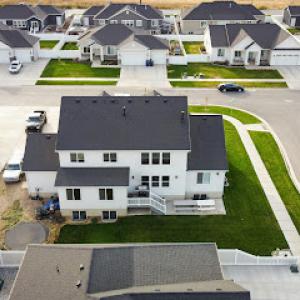
Whitaker Roofing in Salt Lake City Utah is committed to providing quality and efficient roofing services, ensuring that you have a roof over your head. Our dedication to providing our customers with a positive building experience is the secret to our success—one that we don’t take lightly. For two generations, we’ve served all of Salt Lake County, using quality roofing products from the best manufacturers in the area. As a company, we do so much more than installing new roofs—we do inspections and checkups, as well as snow and ice removal, skylight installation, removing swamp coolers, and cleaning out and replacing rain gutters. Please call us today to schedule a free consultation and estimate.
Nelson Roofing Salt Lake City
(801) 845-3363 nelsonroofingslc.com
26 S Rio Grande St #2072, Salt Lake City, Utah
5.0 from 148 reviews
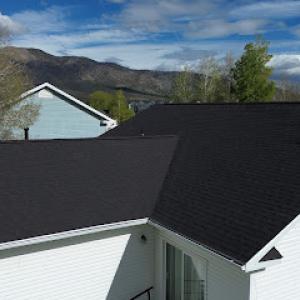
Nelson Roofing Salt Lake City has been the go-to roofing contractor for over 20 years, offering top-notch roofing services across the greater Salt Lake City area, including West Valley City, Murray, and Draper. Specializing in residential and commercial roofing, our expert team provides services such as roof repair, roof installation, and roof replacement. We pride ourselves on quality workmanship, transparent pricing, and exceptional customer service. With a 4.9-star rating from over 80 reviews, we are committed to enhancing the durability and value of your property. Contact us today at (801) 845-3363 for a free estimate or visit us in Salt Lake City to experience our expert roofing solutions.
Vault Roofing
(801) 419-7655 www.vaultroofingutah.com
1711 Gregson Ave, Salt Lake City, Utah
5.0 from 104 reviews
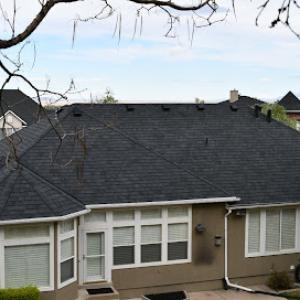
Are you in need of a roofing contractor in Salt Lake City, UT who can deliver exceptional results? Look no further than Vault Roofing With nine years of experience, we have proudly served residential and commercial customers with our locally owned and operated business. At Vault, we take pride in our craftsmanship and guarantee that you'll receive nothing but the best service for your roofing project. Whether it's asphalt shingle roofing, metal roof installation, or replacements, we've got you covered. We invite you to experience our commitment to quality and customer satisfaction. Choose Vault Roofing and protect your assets. We are OSHA 30 and NRCA Torch Certified. We stand out from the competition in many ways.
Vertex Roofing
(801) 618-3154 vertexroofingslc.com
3809 S 300 W, Salt Lake City, Utah
4.9 from 400 reviews
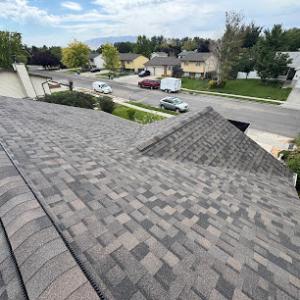
Vertex Roofing is your go-to roofing contractor at 3809 S. 300 W., providing top-notch roof repair services and new roof installations. As one of the best roofing companies near you, we specialize in affordable roofing solutions, including expert roof leak repairs and asphalt shingle roofing. Our seasoned professionals are commercial roofing experts, ensuring your business or residence is well-protected. We excel in residential roofing services and flat roof repairs, offering tailored solutions to meet your specific needs. Trust Vertex Roofing for quality craftsmanship and dedicated service that make us the best roofing company in town.
Chalk Line Roofing
(801) 448-8803 www.chalklineroof.com
4832 3475 W, Salt Lake City, Utah
5.0 from 59 reviews
Chalk Line Roofing provides expert roofing services with a focus on insurance claims for wind and storm damage. We specialize in helping homeowners restore and replace aging three-tab shingle roofs by working directly with insurance companies to maximize coverage. Our team prides itself on precision, professionalism, and transparent communication, ensuring every project is completed to the highest standards. From free inspections to full replacements, we’re here to protect your home and give you peace of mind.
Pioneer Roofing
(801) 943-7663 pioneerroofingutah.com
7041 S 2700 E, Salt Lake City, Utah
4.8 from 144 reviews
Pioneer Roofing based in Salt Lake City Utah is a full roof repair and roofing service company. Since 1980, Pioneer Roofing has been helping the local needs of SLC homes and businesses, residential & commercial. We are proud to offer quality roofing installation, repair, and expert service. We are a family & locally owned & operated company, we are proud to serve our awesome local community, and we perform ALL roofing services on time & budget. Our roofers are all knowledgeable & experienced about ALL aspects of the roofing process. We expertly handle repair, installation & standard maintenance for all roofing types. Whether you have shingles, tile, metal, or other, the team at Pioneer Roofing will help with any roofing need. 5 Star Revi...

On Top Roofing
(801) 316-3342 ontoproofing.com
1885 Milestone Dr Ste C, Salt Lake City, Utah
4.8 from 109 reviews
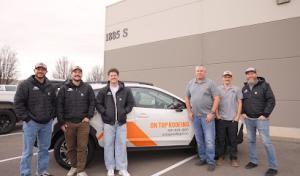
On Top Roofing is a local roof company with 25+ years of experience delivering durable, long-lasting solutions. We handle residential and commercial new roofs, full replacements, leak inspections and repairs, gutter installation and repair, heat cable installation, snow and ice removal, and snow retention systems. We specialize in asphalt shingle, metal, tile, and flat roofing, including insurance projects, and offer maintenance plans to keep your roof in top condition year-round. Honest service, clear communication, and dependable workmanship. Call us for roof installation, repair, maintenance, and more!
ASAP Roofing & Exteriors
(385) 222-7119 www.asaproofingpros.com
587 E 1st Ave, Salt Lake City, Utah
5.0 from 32 reviews
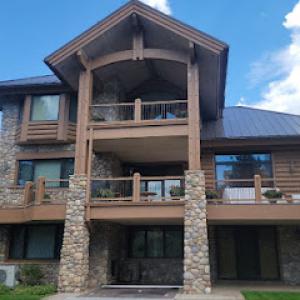
ASAP Roofing & Exteriors, established in 2022, offers superior roofing services in Salt Lake City. With two decades of expertise and a licensed team of roofers, they handle residential, commercial, and industrial roofing projects with reliability. Specializing in slate, metal, tile, and shingle installations, they help customers choose the right materials that align with their preferences and budget. As a highly experienced, cost-conscious, and accessible company, ASAP Roofing & Exteriors ensures customers' roofs are expertly installed by seasoned professionals, providing peace of mind and high-quality roofing solutions.
Brady Roofing
(801) 487-5151 www.bradyroofing.com
2729 Andrew Ave, Salt Lake City, Utah
4.8 from 76 reviews
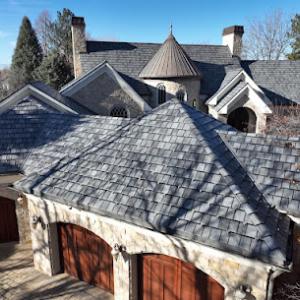
Brady Roofing is a locally trusted roofing company serving Salt Lake City and the greater Wasatch Front since 1996. We provide residential and commercial roofing services including roof repair, roof replacement, new roof installation, inspections, and emergency storm damage repair. Our certified roofers specialize in asphalt shingles, metal roofing, TPO roofing, and IB roofing systems for homes and businesses. Known for quality workmanship, honest recommendations, and durable results backed by strong warranties, Brady Roofing delivers dependable roofing solutions you can trust. Contact us today for a free roofing estimate.
EZ Roofing Utah
(501) 691-4283 www.ezroofingutah.com
357 S 200 E #205, Salt Lake City, Utah
4.8 from 50 reviews
A High-Quality Roofing Service Centered on Customer Satisfaction. Locally owned and operated here in Salt Lake City Utah. We specialize in Storm Damage, Hail Damage, Roof Replacement, and more. We are a company that takes care of everything so there isn't a need for multiple contractors or phone calls. EZ Roofing replaces and installs new gutters and siding. We are a professional company that looks at all aspects of new construction and repair. WE MAKE IT EASY FOR YOU! Give us a call to start your project today!
Utah Roofing & Exteriors
(385) 227-7223 utahroofingandexteriors.com
3167 S Highland Dr, Salt Lake City, Utah
4.8 from 74 reviews
Utah Roofing & Exteriors is a trusted roofing contractor in Salt Lake City, UT, proudly serving Utah homeowners and businesses since 2004. As a GAF Certified roofer, we rank among the top 7% of roofing professionals nationwide, built on integrity, craftsmanship, and reliability. Our experienced team specializes in roof replacement, commercial roofing, metal roofing, shingle roofing, and flat roofing, providing durable protection against Utah’s extreme weather. Whether it’s a new installation or repair, we deliver long-lasting results and unmatched customer care. Choose Utah Roofing & Exteriors, where experience meets excellence.
Action Roofing
(801) 875-7442 actionroofingllc.com
357 S 200 E #306, Salt Lake City, Utah
4.8 from 69 reviews
Action Roofing is a family-owned roofing company with 35 years in the industry and 30+ years running Action Roofing. Licensed, insured and bonded, and certified for roofing inspections, we specialize in asphalt shingle, metal and TPO roofing, commercial roofing, roof replacement, flat roof repair, storm-damage and emergency roof repair. Serving Salt Lake City and Utah County (Provo, Orem, West Jordan, West Valley City, Lehi, South Jordan, Draper), we're trusted roofers who find hard-to-find leaks and deliver honest inspections and competitive roof replacement cost estimates.
Asphalt shingles are common in Salt Lake City, but the dry, sunny summers can accelerate granule loss and surface aging compared with milder, cloudier climates. To make the most of asphalt here, choose larger granule-size shingle options with good UV stability and a robust nailing zone. Ensure the installation uses proper fasteners and is tied into a solid underlayment system that resists wind-driven moisture. In areas with strong sun exposure, consider lighter-colour or algae-resistant shingles to slow heat buildup and help extend the life of the protective surface. Regular cleaning of debris from valleys and roof surfaces helps prevent accelerated wear from grit and dust carried by the regional winds.
Metal roofing is especially relevant in Salt Lake City because it handles snow shedding and freeze-thaw cycling well, but detailing matters where sliding snow can affect eaves, valleys, and walk areas. Look for standing-seam or interlocking panels with corrosion-resistant coatings and a snow-shedding design appropriate to your home height and surrounding structures. Pay attention to ridge and seam sealant integrity after harsh winters, and ensure gutters and downspouts are sized to move heavy snowmelt quickly. Plan for protective guard rails or path clear zones along walk areas if you routinely rely on safe access around the roof edge after snow events.
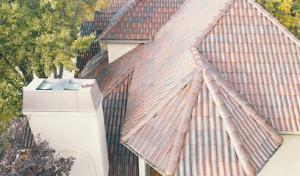
Clay and concrete tile appear in the market here, but Salt Lake City's winter freeze-thaw cycles make underlayment condition and crack detection especially important on tile systems. Tile roofs require a robust, integrated underlayment to cope with freezing and thawing cycles, plus proper flashing at chimneys and vents. Inspect tiles for cracks or spalling after hail events or heavy freeze-thaw cycles, since a small crack can grow with repeated cycles. Ensure installation includes battens and an appropriate lattice that maintains adequate ventilation to prevent ice dams and moisture buildup beneath the tiles.
Seasonal checks matter: in spring, inspect for wind-lifted shingles, loose metal fasteners, and any water stains under eaves after the snowmelt cycle. In mid-winter, monitor for ice damming and ensure heat cables or interior insulation aren't failing where you have problem areas. After hail events, document damaged areas with photos, focusing on granule loss, cracked or dented roofing components, and compromised seals around vents and skylights. A proactive approach to underlayment and flashing condition helps catch issues before they become leaks once the next freeze-thaw cycle arrives.
In Salt Lake City, spring and fall are typically the best reroofing windows because temperatures are more moderate and precipitation is usually lower than in winter or during summer storm stretches. If you've got an roof in fair condition but with signs of aging-curling shingles, granule loss, or a roofline that shows sagging or flashing gaps-planning a replacement for these shoulder seasons helps the crew work in comfortable weather and reduces the risk of weather-related delays. Aiming for a window where streams of weather are predictable also makes it easier to coordinate material deliveries and crew scheduling without the interruptions that come from sudden storms or heat waves.
Look for consistent granular loss across the surface, repeated hail-related dimples or bruising, widespread curling or warping, and failed flashing around chimneys, vents, or skylights. If your attic shows consistent condensation or an unusual spike in indoor humidity after short bursts of rain, that can signal decking or underlayment damage beneath the surface. In Salt Lake City, freeze-thaw cycles amplify small flaws into bigger issues over a season, so the absence of obvious damage on the exterior doesn't always mean the underlying deck is in good condition. If you've had multiple storm events, particularly hail, and you notice damp spots after heavy rainfall, it's reasonable to re-check the roof structure before choosing a replacement date.
Winter snowfall and freezing temperatures can delay tear-off, underlayment installation, and inspection timing. If a freeze-thaw pattern lingers, crews may halt work to avoid decking damage or slipping hazards. The decision to push a project into late winter or early spring should factor in how long it takes to remove old materials, replace or repair decking, and install a new underlayment that resists moisture infiltration. Plan with a buffer for potential cold snaps that force short work stoppages or rescheduling. In practice, a winter start is rarely ideal, but it's not unheard of if a storm-free period aligns with a coherent project plan and necessary material stock is secured.
Summer heat, combined with afternoon storms, can affect crew scheduling and material handling, so you may see tighter calendars after storm periods. Asphalt shingles and some composite products can expand in heat, making precise fitting critical; metal, clay, and concrete tiles demand careful handling in heat to avoid dents or mis alignment. If a major post-storm cleanup reveals more damage than expected, crews may need to reorder materials or bring in additional equipment, pushing some days out. To minimize risk, aim to finalize decisions before the peak storm season and keep your project buffer-friendly, especially if your roof includes tall ridges or complicated flashing details.
Start with a roof inspection after the shoulder seasons where the weather tends to be most predictable. Have a trusted local roofer assess decking integrity, underlayment needs, and flashing condition, then map out a replacement window that avoids peak heat and the heaviest snow months. If you've endured a hail event, request a thorough inspection and document observed damage with dated photos for your records and for any warranty considerations. Keep a flexible schedule that accommodates potential weather-driven delays, and coordinate delivery windows to align with a calmer stretch in spring or fall. This approach minimizes downtime and helps ensure the new roof materials perform as designed through Salt Lake City's freeze-thaw and sun exposure cycles.
Salt Lake City reroof pricing can rise after hail and wind events because storm-driven demand increases competition for crews and extends scheduling timelines. When a hailstorm hits, local crews shift from routine maintenance to full replacements, and supply chains tighten as suppliers and subcontractors juggle higher workloads. Expect some delays in material delivery and crew availability, which can push project start dates and, in turn, total costs. Planning with a cushion for timing can help prevent sticker shock when the crew finally tees off.
Costs vary sharply by material in this market, from asphalt shingles at 350 to 650 USD per square up to clay tile at 1200 to 2000 USD per square. Asphalt remains the most common choice for first-time replacements, especially on homes with standard roof lines and easier access. On higher-end or architecturally unique homes, metal roofs and cement or clay tiles are more common, but they come with bigger per-square premiums. If hail or wind has damaged existing layers, you may pay for additional fasteners, ice barriers, and starter courses, which can widen the gap between low and high-end options.
Structural or venting changes during a Salt Lake City reroof can add plan-review complexity beyond a straightforward replacement, increasing total project cost. Upgrades to attic ventilation, improved underlayment systems, or reworking load-bearing details to meet local freeze-thaw cycles can require engineering input and specialized installation. These elements are not unusual in this climate, but they can shift the price curve upward, especially on larger or multi-story homes with challenging access. Expect to factor in allowances for engineering or added inspections if the scope grows beyond a simple tear-off and re-cover.
Begin with a realistic baseline based on the current roof's condition and existing structure. If hail and wind have caused widespread damage, prioritize a thorough inspection to identify compromised decking, fasteners, and underlayment that may influence both cost and comfort in winter months. Compare material lifespans against upfront cost differences and potential insurance considerations. Build in a contingency for scheduling delays and deliverability, especially after severe storm years, and choose a contractor who can clearly outline why any structural or venting changes are necessary and how they impact the overall project timeline.
Don't let upfront costs delay a critical repair - these contractors offer payment plans to fit your budget.
In this city, a full re-roof typically requires a permit rather than treating the project as maintenance-only. That distinction matters because it changes timing, documentation, and the ability to proceed if inspection findings surface. When planning a re-roof, think through not just the shingles but any structural considerations that come with your attic, attic ventilation, or eave details. A full-coverage re-roof often triggers wind-rated underlayment, hip-and-ridge detailing, or venting upgrades to meet current code expectations, so the permitting process helps ensure those elements are considered from the outset.
Before tear-off begins, verify who is pulling the permit. The roofing contractor usually handles this step, but it is essential for homeowners to confirm in writing. If the contractor pulls the permit, ask for the permit number and a copy of the approval to post on-site. That transparency protects you during inspections and helps coordinate inspections with the schedule of work. If your contractor plans to defer or delegate this task, consider whether a licensed professional will still oversee the project to maintain compliance and safety.
Inspections in this area typically occur during installation, catching issues as the work progresses rather than after the fact. Expect at least one inspection to verify deck preparation, underlayment, and nailing patterns, plus ventilation and flashing details. The inspector may check for proper drainage plane integration with roof-to-wall transitions and ensure that venting is balanced for your attic space. Scheduling efficiency matters, so align material delivery, tear-off, and installation with the anticipated inspection windows to avoid rework or delays.
A final inspection is usually required to obtain approval for occupancy or warranty validation of the new roof. If the project includes structural changes, such as roof deck reinforcement, or venting modifications beyond standard upgrades, plan review may be part of the process. Prepare to submit any revised attic vent calculations, structural connections, or snow-load considerations if your home has an unusual span or retrofit needs. A smooth path to final approval depends on clear plans and ready access for the inspector to verify critical details.
Have the permit on-site and accessible, and keep a log of inspection dates and outcomes. Document changes to the scope in writing if any modifications occur after the permit is issued. Coordinate site access for the inspector and ensure temporary safety measures are in place for workers and residents. If plans change mid-project, notify the permit office promptly to avoid a stop-work order or a compliance hold. By aligning the project with permit timing and inspection milestones, the re-roof proceeds with fewer surprises and better long-term performance.
The local insurance landscape is shaped by frequent hail and wind events that punch through thin spots and reveal longer-term roof wear. Carriers may scrutinize age, prior condition, and maintenance records more closely than in areas with fewer high-stress storms. When a storm hits, the adjuster will often look for signs of prior damage or delayed repairs that could complicate a claim or reduce recovery.
Damage can appear minor at first glance, but one storm's impact can cascade with the freeze-thaw cycles that follow. After each significant hail or wind event, take dated photos from multiple angles and note any shingles curling, granule loss, or lifted edges. Keep a simple damage log and save records of professional inspections or timely repairs. Insurers in this market may request detailed roof condition records, so having a clear, contemporaneous trail helps avoid disputes or delays.
Storms that sweep across neighborhoods in a single weather cycle can overwhelm adjusters and extend claim processing. Timely communication with the insurer matters; delays can affect settlement timing and coverage decisions. If a claim is filed, respond promptly to requests for additional information, and coordinate any required contractor visits so the record stays aligned with the insurer's expectations. In this climate, speed often correlates with a smoother adjustment process.
Keep a current set of photos on file, especially after hail events that produce visible marks on the roof or gutters. Schedule a professional assessment sooner rather than later when you notice potential damage, and ensure the contractor documents the extent of issues and any repairs with dated notes. When weather windows open, address shingles that show vulnerability to prevent accelerated wear and reduce the chance of disputes during the adjustment process.
Connect with contractors who help homeowners navigate the claims process from damage assessment to final approval.
Vault Roofing
(801) 419-7655 www.vaultroofingutah.com
1711 Gregson Ave, Salt Lake City, Utah
5.0 from 104 reviews
Vertex Roofing
(801) 618-3154 vertexroofingslc.com
3809 S 300 W, Salt Lake City, Utah
4.9 from 400 reviews
Chalk Line Roofing
(801) 448-8803 www.chalklineroof.com
4832 3475 W, Salt Lake City, Utah
5.0 from 59 reviews
Flat and low-slope roofing has a meaningful place in the valley, especially on additions, multifamily properties, and commercial-residential hybrids common in the area. The way water behaves on a shallow plane matters as much as the roof system itself. In this climate, a well-planned low-slope design reduces the risk of delayed drainage, ice dam formation, and premature wear from sun and wind exposure. For property owners, a low-slope roof that's thoughtfully chosen and properly integrated with flashings and penetrations often pairs better with long-term maintenance plans.
Start with a drainage assessment during installation and after extreme weather events. Measure slope to ensure consistent shedding toward scuppers or internal drains, and look for any low spots that could pond after a heavy spring thaw. Confirm that the drainage plan accounts for seasonal snowmelt and ice buildup at edges. Use tapered insulation or drainage boards where needed to minimize ponding risk. Regularly inspect gutters, downspouts, and interior scuppers to prevent blockages that can turn a small pool into a long-term leak path.
Freeze-thaw cycling can widen small membrane or flashing defects quickly, so install high-quality edge detailing and penetration flashings with robust sealants. Pay special attention to transitions between roof and wall interfaces, edges, and any rooftop equipment. In Salt Lake City's freeze-thaw pattern, a conservative approach to seam sealing and ballast or mechanical fasteners helps resist movement and hairline cracks. Plan for periodic resealing and quick fixes in spring, when moisture and sun interact most aggressively.
Create a simple seasonal checklist: clear debris that can hold moisture, verify drainage paths, inspect for membrane edge lift, and test the integrity of flashing after snowmelt. Keep a log of after-storm inspections and any observed ponding, so future repairs are targeted and timely. This proactive stance aligns with Salt Lake City's moisture cycles and helps protect low-slope investments from recurring weather stress.
Find specialists in TPO, EPDM, and built-up flat roofing systems for residential and commercial properties.
Nelson Roofing Salt Lake City
(801) 845-3363 nelsonroofingslc.com
26 S Rio Grande St #2072, Salt Lake City, Utah
5.0 from 148 reviews
Vertex Roofing
(801) 618-3154 vertexroofingslc.com
3809 S 300 W, Salt Lake City, Utah
4.9 from 400 reviews
Pioneer Roofing
(801) 943-7663 pioneerroofingutah.com
7041 S 2700 E, Salt Lake City, Utah
4.8 from 144 reviews
Salt Lake City's intense summer sun makes every roof penetration for solar or skylight installations a long-term decision. The heat can bake flashing and sealants, causing micro-movements in the roofing assembly that show up years later as slow leaks or degraded seal integrity. When planning, ensure the mounting hardware, flashed penetrations, and any custom booting are rated for high UV exposure and thermal cycling. Avoid DIY shortcuts on roof penetrations near valleys or at the eave edge, where moisture and ice damming stress converge. Documented solar arrays should be paired with a robust sealant plan and annually inspect boot and seal longevity, especially after the first full season of sun exposure.
On older roofs, coordinating reroof timing with solar installation is crucial. If the roof is nearing the end of its life, installing solar before refreshing the roof means the solar system may need removal and reinstallation when the old shingles are replaced. In practice, scheduling a roof refresh prior to mounting panels minimizes repeated penetration work and reduces the chance of weather-driven damage during the solar job. When planning, align the roof's warranty-compatible edge conditions with the solar contract to avoid gaps where flashing seats or raised seams could fail after a hail or freeze-thaw event.
Skylight flashing tends to become a recurring leak point after freeze-thaw cycles and storm exposure, especially when surrounding roofing ages unevenly. In Salt Lake City's climate, the surrounding shingles or tiles may expand and contract at different rates, pulling at the flashing and creating hairline gaps. Choose flashing with reinforced corners and leak-tested seals, and insist on precise step flashing that tracks across multiple roofing materials. Where skylights sit near dormers or transitions, expect more movement; plan for continuous inspection and a proactive reseal policy after severe weather or rapid temperature swings. A dedicated inspection after the first winter can catch condensation or ice-damming issues before they become visible leaks.
Find contractors who integrate solar panels or solar shingles into your roof for long-term energy savings.
Action Roofing
(801) 875-7442 actionroofingllc.com
357 S 200 E #306, Salt Lake City, Utah
4.8 from 69 reviews
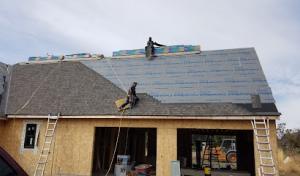
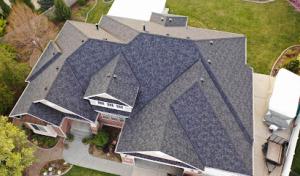
When the Wasatch Front sides with a hailstorm or a sudden freeze-thaw cycle, your roof type matters more than generic contractor claims. In practice, Salt Lake homeowners benefit from choosing a long-established, residential-focused firm that understands asphalt shingles, metal, tile, cedar, or low-slope systems as distinct needs. Your goal is to find a contractor who can speak specifically to the exact roof you have, not just a broad marketing pitch. Ask for recent local jobs that used the same material and climate conditions, and request references you can verify.
In this market, quick response and thorough cleanup are priorities. Expect a detailed written scope that covers storm documentation, triage for leaks, temporary protections, and the final six-month or year check-ins if the roof is newly installed. Clarify how quickly crews will respond after a storm and what the cleanup will include-tarps, nails, debris, and site neatness. Insist on a single accountable project manager who stays in touch, especially during peak seasonal deadlines when schedules tighten.
Documentation is a practical cornerstone here. Choose a contractor who can produce clear storm damage records, photos, and a comprehensive closeout package. The right firm will deliver an organized binder with warranty specifics, maintenance tips for your material, and a written confirmation of final inspection with the correct signatures. Focus on contractors who emphasize transparent, verifiable records and a clean, provable handoff at project end.