
Last updated: Apr 19, 2026
Ogden homeowners deal with winter snow loads and ice damming, spring hail and wind events, summer UV stress, and fall windstorms in the same annual roof cycle. The result is a relentless pace of stress on edges, seams, and sealants. When a storm hits, the clock starts ticking: damage may be subtle at first, but hidden failures can quickly escalate into leaks, fasteners pulling free, or compromised underlayment that invites rot or mold. The key is to read the cycle and act on the early warning signs.
Winter loads push against every slope and valley. Ice damming is not cosmetic: it can back up water under shingles, lifting flashing and letting it creep into ceilings. In canyon- and downslope-driven winds, edge metal and ridge caps take the brunt, bending or loosening as gusts surge through streets and canyons. After heavy snow events, inspect for lifted shingles, creased membranes, and ice-related gaps along eaves and penetrations. If you notice granular loss on shingles, frost-heaved ridges, or damp spots on ceilings near exterior walls, treat it as a red flag rather than a cosmetic issue. For Ogden, where the winter-to-spring transition is abrupt, make a plan to check the roof soon after meltwater runs clear, and don't wait for visible leaks to become widespread damage.
Spring hail in this region can punch through weaker sealants and loosen fasteners at a surprisingly low tolerance. Wind patterns around canyons tend to push debris and pressure along edges, making edge metal and flashing more vulnerable during storms. When hail scratches or dents reveal bare substrate, or when shingles start to curl or delaminate after a storm, think replacement as a real possibility rather than a temporary fix. The same period brings the driest, most workable weather for reroof projects; storms disrupt schedules, but the core concern remains ensuring the roof has a sound underlayment, continuous ventilation, and properly sealed edges before the next winter. If you voice concerns to a contractor, ask to carefully inspect for hidden damage under flashings and at penetrations, where moisture can hide until it shows up as a leak.
Hot sun tests every roof edge-molked shingles, brittle sealants, and fasteners stressed from repeated expansion and contraction. The shoulder seasons offer a practical window to address a storm-damaged roof before the next winter sets in, but timing matters. Vehicle traffic, debris, and sun exposure can accelerate minor issues into larger failures if left unattended. In fall, windstorms can expose weak spots where flashing or sealant has already been stressed by spring events. You should develop a rapid-response plan: set aside time for a professional inspection after major storms, prioritize inspection of ridge caps and edge metal, and confirm that the roof ventilation remains balanced so attic temperatures don't compound moisture problems.
If you see lifted shingles, lifted or damaged flashing, exposed underlayment, granule loss, or any interior signs of moisture after a storm, count that as a high-priority alarm. Do not wait for a visible roof collapse to schedule an assessment. In Ogden, the annual cycle is too tight and the stakes too high to gamble with delayed repairs. Schedule a professional inspection promptly after significant snow, hail, or wind events, then follow through on targeted repairs that restore edge protection, flashing integrity, and proper ventilation before the next cycle begins.
Utah Roof Consulting
(801) 200-8379 www.utahroofconsulting.com
2394 W 2400 S, Ogden, Utah
5.0 from 64 reviews
Since 2015, Utah Roof Consulting has been the trusted name in comprehensive roofing solutions and home inspections. Our team of skilled professionals specializes in a wide range of services, including roof replacements and repairs, with a particular focus on addressing storm, hail, wind, and snow damage. We also offer expert siding, asphalt, and metal work, as well as essential gutter cleaning and waterproofing services. Whether you need a full replacement or routine maintenance, our consultants and roof technicians are dedicated to providing top-quality workmanship and lasting results for your home.
Roofing Utah
(385) 381-8116 www.roofingutah.com
3856 Washington Blvd, Ogden, Utah
4.9 from 39 reviews
Our foundation is built upon 100% customer satisfaction and providing a solution to your investment, not an expense! On every roofing job, we will meet or exceed industry standards in materials and workmanship. The dedication of our employees and the structured teamwork in our company make us the roofing company you can rely on now and throughout the future. You can count on Roofing Utah to use state of the art roofing installation materials and procedures to meet building codes and utilize factory specifications in everything we do.

Bear Creek Roofing Services
(801) 668-6379 bearcreekroofing.com
2485 Grant Ave #318, Ogden, Utah
4.6 from 173 reviews
Bear Creek Roofing is a full-service roofing contractor in Northern Utah. Family owned and operated, we service homeowners from Brigham City to Provo and Tooele to Park City, Utah. Our goal is to offer great customer service and communication. We have over 30 years of experience in roofing with a reputation for roofing quality and integrity. Bear Creek Roofing services both commercial roofing and residential roofing repair and installation. We provide roof inspections and assist with insurance claims. In addition, due to our long lasting roofing experience and integrity Tim serves as an expert witness for legal matters. Bear Creek Roofing is a roofing company that can be trusted with your roofing project. Call our roofing team today.
Rogue Roofing
348 W 5150 S, Ogden, Utah
5.0 from 18 reviews
Rogue Roofing offers roof repair, replacement and inspections for homes in Davis, Weber, Morgan County’s and the surrounding areas. We are committed to getting the job done right so that you can have the peace of mind that comes with a leak free roof. We are serious about quality, honesty, and communication. Our founder, Bridger Anderson, has years of experience in roofing and in leading a professional team.

CBX Roofs
1140 36th St #200, Ogden, Utah
4.6 from 127 reviews
CBX Roofing works tirelessly to build a reputation of excellence in Moab, Northern Utah and surrounding areas. Serving local homeowners and businesses, CBX Roofing sees each job, and each customer, as an opportunity to live up to, and continue building on, our standard of excellence.

Legacy Roofing
(385) 481-6701 legacyroofingutah.com
206 24th St L22, Ogden, Utah
4.7 from 42 reviews
Legacy Roofing is Utah's trusted company when it comes to installing or repairing the roof on your home. We pride ourselves in using the highest quality materials and offering our customers fair pricing. We're Tesla's first solar roof installer in Utah. We have the knowledge and experience to install roofing the way it should be done so your home and family remain protected for years. We are GAF certified and provide a fifty year warranty on many of our GAF roofing materials. We offer no cost inspections and we are known for our honesty. Since roofing is our expertise, it is our job to make sure your home is safe throughout the year and especially after severe weather. Contact us today for free roof inspection.
Titan Roof
2532 1760 W, Ogden, Utah
3.6 from 31 reviews
Northern Utah's leading Roofing Contractor. We specialize in replacements & repairs of residential & commercial roofs, seamless gutters & exteriors. Servicing all of Cache Valley, Box Elder, Weber, Davis, Morgan, Salt Lake & Summit counties for full roof, seamless gutter & exterior replacements. Servicing all of Cache Valley, Box Elder, Weber, & Davis counties for all roof, seamless gutter & exterior repairs. We offer free estimates & financing. We also work with your insurance.
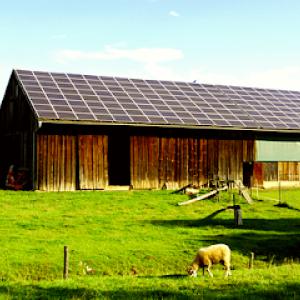
Utah Roof & Solar
238 25th St #5, Ogden, Utah
3.9 from 14 reviews
Utah Roof and Solar is a one-stop solution for all of your roofing and solar panel needs. Based in Weber County UT, we offer a diverse range of services, such as roof repair, roof replacement, roof inspection, solar panel installation, solar panel design, and many others. We service all kinds of roof shingles, which include slate shingles, metal shingles, and asphalt shingles. We design solar panel systems so solar panels can work at their highest efficiency and generate more energy. Our products and labor come with 25 years of warranty. Our licensed and certified experts provide personalized services and resolute excellent workmanship. Therefore, get in touch with us to get free estimates.
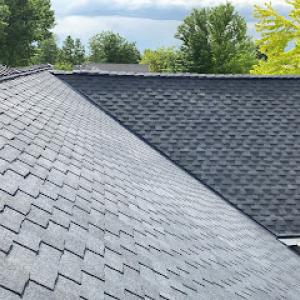
Lym All Weather Roofing
Ogden, Utah
5.0 from 2 reviews
We do all type of roofing installation to the best quality, repairs and replacements. We are licensed and insured company to trust.

Utah Roofing Company
(801) 921-6815 utah-roofing.com
Ogden, Utah
5.0 from 2 reviews
We are Utah Roofing Service! Utah's best roofing company! We specialize in new roofing, re-roofing, roof inspections and roof repair. Residential or Commercial - we got you covered! Give us a call or request a free estimate online. Serving Ogden Utah and surrounding cities.
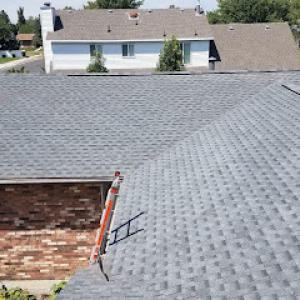
Climb Roofing
1150 US-89 STE K, Ogden, Utah
3.4 from 8 reviews
Climb Roofing offers a wide range of roofing solutions for residential and commercial properties. We have over 18 years of experience, backed by our commitment to provide quality service to the state of Utah!
SOS Roofing
(801) 564-2068 sosroofingutah.com
Serving
5.0 from 18 reviews
SOS Roofing is a Residential Roofing Contractor that specializes in roof replacement, roof repairs, and helping customers with insurance claims for their roof
Asphalt shingles and metal roofing are the established steep-slope defaults in this area. Asphalt remains the most common first choice because it balances good resistance to the seasonal mix you see-hot dry summers and cold, snow-heavy winters-and it plays well with the typical residential roof angles here. Metal, on the other hand, handles rapid temperature swings with less thermal expansion noise and tends to shed snow more predictably on slopes that see heavy winter loading. If you're replacing a standard gable or hipped roof, these two options give you a straightforward path through Ogden's seasonal demands without introducing unusual weight or structural concerns.
Tile exists in Ogden's housing stock, but it is less common and carries extra considerations. Clay and concrete tiles are heavier, so they can trigger a structural review if the existing attic framing or roof deck isn't already engineered for that load. In practice, that means tile surfaces can work well on homes with solid, properly braced structures, but they demand careful assessment of underlying framing and spacing to ensure long-term performance. Tile also requires precise flashing and underlayment detail to manage the front-range wind and the freeze-thaw cycles. If you're drawn to tile for its longevity or appearance, plan for a structural evaluation early in the decision process and install with a meticulous flashing plan to guard against wind-driven leaks.
Wood shakes bring a rustic aesthetic that many Ogden homeowners appreciate, yet they demand attention to moisture cycling and sun exposure. Dry summers accelerate UV aging, which can shorten the appearance life of shakes if coatings or protective finishes aren't maintained. In winter, moisture migration and freeze-thaw cycles can crack or curl shake edges, potentially opening routes for leaks and requiring more frequent maintenance. Synthetic or composite shingles can mitigate some of these risks with better color stability and lower maintenance, but they still need to be matched to your roof orientation and exposure. In practice, you should compare the performance expectations of wood or composite against the same roof's exposure to Ogden's dry heat and winter moisture shifts. If a shake roof is selected, a robust maintenance plan and high-quality underlayment become essential components of long-term performance.
Whatever material you choose, the seasonal stress points in Ogden come through flashing details and penetrations, as well as proper underlayment and ventilation. The heat of the dry summers accelerates aging of underlayment and can dry out roof decks if ventilation isn't balanced with intake and exhaust. In winter, snow retention places extra weight and increases exposure at valleys, chimneys, and vent pipes, so flashing must be continuously sealed and sealed again if you experience heavy snowfall years. If you opt for metal or asphalt, insist on superior installation details around the rake edges, valleys, and penetrations, and ensure the chosen underlayment is rated for both high UV exposure and cold-weather performance. A roof that breathes properly reduces the risk of ice damming and moisture intrusion after a heavy snow event.
Asphalt Shingles run roughly from 350 to 600 USD per square, offering a practical, weather-resilient option for many Ogden homes. Metal Roofing sits between 550 and 1000 USD per square, valued for wind performance and long life in canyon winds. Clay Tile ranges from about 800 to 1500 USD per square, with a distinctive look that can be appealing on older foothill-adjacent streets; concrete tile comes in around 700 to 1300 USD per square, delivering solid durability. Wood Shingles or Shakes typically fall between 650 and 1100 USD per square, prized for a traditional texture but requiring ongoing maintenance. Synthetic or Composite Shingles track roughly 420 to 900 USD per square, offering a mid-range option with decent longevity. Local pricing is influenced by storm-driven demand spikes after hail and wind events, which can tighten scheduling and labor availability across the Ogden area. Steep-slope homes common along older residential neighborhoods and foothill-adjacent areas can raise labor and safety setup costs compared with simpler low-pitch roofs. Tile projects in Ogden can cost more than the material itself suggests because permit review may involve added structural considerations before installation.
On a storm-heavy winter and spring, contractors often see shorter windows for scheduling, and crew availability can shift quickly after hail events. That timing pressure tends to push up overhead and mobilization costs, which translates into higher totals on replacement projects. For steep-slope roofs that are common in the older parts of the city, expect higher setup and safety costs, including equipment, staging, and additional time to protect landscaping and driveways. Tile installations are more sensitive to local conditions; even when the tile material is priced competitively, the underlying structure and installation sequence may require careful framing checks and, in some cases, stronger underlayment and nailing considerations. Those factors push overall price higher than the raw material figure alone.
If you live on a steep or canyon-adjacent lot, prioritize products with strong wind resistance and reliable fasteners, weighing the higher labor readiness costs against long-term performance. For hail-prone periods, metal or synthetic options can offer quicker returns on replacement through faster installation and lower maintenance demands, though tile and clay bring distinctive aesthetics and durability that appeal to certain neighborhoods. In areas with visible snow buildup, consider roof profiles and underlayment systems that shed snow efficiently while allowing adequate ventilation to minimize ice dam risk. Finally, when evaluating bids, confirm how the contractor accounts for steep-slope safety, staging, and potential weather-driven scheduling shifts-these factors commonly explain variance beyond the base material cost.
Get a clear picture of your project costs upfront - no commitment required.

A full roof replacement in Ogden typically requires a building permit rather than being treated as a no-paperwork maintenance item. Before any wrench turns, your contractor should file plans with the city, show the proposed underlayment, flashing details, and nailing patterns, and verify that the project complies with local wind and snow loads. Expect a review that can touch on roof deck conditions, ventilation strategy, and attachment methods for the chosen materials. The permit process helps ensure the replacement will meet the area's unique snow, hail, and wind challenges and that the roof remains compliant for decades.
Once the permit is approved, you'll usually begin with a pre-inspection or notice to proceed. Have the project scope clearly documented: roof type, layers, underlayment, flashing at all penetrations, and the ventilation plan. A common sticking point is underlayment and flashing continuity around dormers, chimneys, and skylights, so your contractor should flag these components for close review. If tile is chosen, expect the engineer's or reviewer's attention to structural loading and anchorage details, since weight and fastening patterns become critical factors in the approval. Plan for temporary protection to keep interior spaces dry during the work, especially through spring thaw cycles.
During the reroof process, inspections often verify that underlayment is continuous and properly lapped, flashing is integrated with wall penetrations, and ventilation openings are unobstructed and correctly placed to promote attic airflow. Nailing patterns-how and where fasteners puncture the deck-receive careful scrutiny to ensure wind resistance and long-term hold. After the roof is laid, the final inspection confirms everything remains correctly installed, including ridges, hips, and penetrations, to prevent air leaks and moisture intrusions. Expect questions about material compatibility with the existing structure and how the fastener schedule aligns with the weight and climate requirements of the region.
Tile installations may receive extra scrutiny because the city process can involve weight and structural considerations before approval is finalized. Structural calculations and, if needed, a stamped plan from a licensed structural engineer might be requested for heavier materials. The reviewer will look at how the installed tiles distribute weight across the deck and how the underlayment and nailing pattern accommodate seasonal loads and wind events. If you're moving from shingles to tile, anticipate additional documentation and possible on-site verification of deck strength and retrofit details.
Have a clearly labeled plan set on hand, including roof geometry, vent locations, and flashing details. Keep the contractor's installation guide accessible, along with any manufacturer requirements for underlayment and fasteners. Maintain neat, organized access to the roof for inspectors and ensure that any temporary covers or containment are in place to protect against snowmelt and wind-driven debris. After work concludes, ensure all punch-list items are resolved promptly so the final sign-off can be issued without delay.
In this market, the Wasatch Front's spring storm activity drives a careful approach to hail and wind damage, and the testing ground for a durable roof is the way a home is documented and inspected after a claim. The city's unique blend of heavy snow loads, canyon winds, and rapid spring weather shifts means that roof systems face a set of stressors that insurers scrutinize closely. A homeowner should expect that timing, condition, and proper records influence how quickly a claim moves toward settlement.
Documentation matters more here than in many other places. Insurers serving this area commonly expect photo documentation that shows the roof before damage, proof of impact or wear, and clear after-damage images. Before-and-after estimates help support scope and material decisions, while an adjuster visit can be a pivotal step in settlement. Take time to photograph vulnerable edges, flashing, and visible underlayment once the storm passes, and keep a dated log of any subsequent issues that appear as meltwater and wind-driven debris move through the season.
A careful record trail reduces surprises when the claim is opened. If a hail event is reported, gather details such as dates, how hail size was described by witnesses, and any observed granule loss or denting on metal fixtures. A clean set of images from multiple angles, paired with a professional assessment, gives an objective baseline that supports the claim regardless of weather delays or scheduling conflicts. In practice, timely documentation helps prevent a case where a delay becomes a question of whether the damage existed at the time of the initial storm.
Consider how code-compliant installation interfaces with claim handling. Some carriers emphasize proper installation in their files, and that emphasis can make finish-quality inspections and code-sign-off records more influential than homeowners expect. Keep your records organized around the point of sale, the original underlayment and flashing layout, and any subsequent repairs. A well-managed file can smooth the path from assessment to settlement when spring storms recur and the next round of wind and hail tests arrives.
Connect with contractors who help homeowners navigate the claims process from damage assessment to final approval.
Utah Roof Consulting
(801) 200-8379 www.utahroofconsulting.com
2394 W 2400 S, Ogden, Utah
5.0 from 64 reviews
Roofing Utah
(385) 381-8116 www.roofingutah.com
3856 Washington Blvd, Ogden, Utah
4.9 from 39 reviews
Bear Creek Roofing Services
(801) 668-6379 bearcreekroofing.com
2485 Grant Ave #318, Ogden, Utah
4.6 from 173 reviews
Ogden's cold, snowy winters make ice damming a recurring concern, especially where heat loss warms the roof deck above the eaves. When warmth from the attic creeps up the underside of the roof, meltwater can refreeze at the eaves, backing up under shingles and into soffits or ceilings. The damage isn't always visible right away and can hide along the roof line, in attic corners, or behind vaulted ceilings. If you notice icicles that seem to grow aggressively or water stains when snow begins to melt, inspect the eaves and attic hatch for gaps, missing insulation, or weak soffit vents. Correcting heat loss paths at the source helps reduce repeated damming and long-term water intrusion.
Local inspections place attention on ventilation, which matters in Ogden because poor attic airflow can worsen winter condensation and summer heat buildup in the same roof system. In winter, insufficient intake and exhaust create a humid, cooler attic that condenses on cold rafters and roof decks, feeding hidden ice dam issues. In summer, trapped heat drives attic temperatures higher, potentially pulling moisture into roof sheathing and accelerating deterioration. A balanced, unobstructed ventilation path-adequate soffit intake paired with properly positioned exhaust vents-helps keep attic temperatures stable and reduces condensation that can travel to living spaces.
Leak tracing in Ogden often has to distinguish between storm-driven flashing failure and winter melt-back entering at eaves, valleys, and roof-to-wall transitions. A cascade of water down a wall or across a ceiling can mask several entry points. Start with exterior paths: damaged or lifted flashing at valleys and along the eaves, loose siding or masonry joints at the wall line, and porch or dormer transitions. Inside, track stains and staining patterns to their highest point, then backtrack along framing to identify whether moisture followed a roof seam, a vent boot, or a seam in underlayment. Persistent cold-season leaks demand careful, systematic inspection of these common choke points.
Although steep-slope reroofing dominates the local market, Ogden also has a meaningful share of flat and low-slope work reflected in contractor specialization. When evaluating a low-slope or flat section, pay close attention to membrane integrity at transitions, the condition of edge metal, and the continuity of sealants around penetrations. In practice, confirm that the membrane seam laps are fully adhered, and check for any blisters or section lifting after seasonal freeze-thaw cycles. A well-sealed perimeter detail reduces the risk of slow drainage pooling that can sit on low-slope areas for days after a storm.
Snow retention and slow drainage on low-slope sections in Ogden can make membrane seams, scuppers, and transition flashing more failure-prone after winter weather. Plan for a robust snow-retention strategy that aligns with the roof's slope and local drift patterns, and verify that scuppers are clear of debris so meltwater can escape without backing up into seams. During inspections, pay particular attention to seam tapes and an exposed edge around parapets and rooftop accessories. If you see pooled water that persists after a melt, investigate drainage paths and consider re-sealing or replacing damaged flashing where the water tends to back up.
Skylights and chimney intersections deserve extra attention in Ogden because repeated snow, wind, and UV exposure can break down sealants and flashing details over time. Inspect skylight flashing for cracked or missing sealant and for any movement in the curb. For chimneys, examine counter-flashing transitions where the chimney meets the roof deck, and look for rust spots on metal flashings that indicate edge deterioration. Plan for seasonal resealing and, if a skylight or chimney shows uneven glazing or exposed fasteners, address it before spring runoff accelerates any leaks.
A practical maintenance cadence follows the local climate: inspect after heavy snow or hail events and again after the first warm-up of spring. In low-slope zones, schedule a targeted inspection of seams, flashing transitions, scuppers, and edge details every 1-2 years, more often if issues are found. When reinspecting, bring a moisture meter for suspect areas and verify that ventilation near low-slope sections remains unobstructed. A proactive approach reduces the chance of water intrusion during the next winter cycle and helps extend the life of membrane assemblies.
Find specialists in TPO, EPDM, and built-up flat roofing systems for residential and commercial properties.


When you're shopping for a re-roof in this market, your first hurdle is finding a contractor whose strength lies in full replacement projects rather than specialty restoration. The local demand leans toward tear-off and complete deck replacement, so firms with a proven track record on full reroofs will move faster, coordinate better with crews, and finish with fewer surprises. Look for references from recent replacements in comparable snow-load and wind-prone blocks, and check that their portfolio includes full-coverage installs rather than patchwork jobs.
A solid replacement-focused contractor will approach the job as a system: underlayment, flashing, ventilation, and nailing all align with a full roof replacement plan. In this market, you'll see better outcomes when the contractor demonstrates a step-by-step sequence for tear-off, disposal, and a clean, weather-tight finish by the first rain-free window. Ask about the crew's experience with rapid mobilization after a storm and how they protect adjacent landscaping and gutters during tear-off. Confirm that the team has established subcontractor clarification, scaffold safety, and a reliable material supply line to avoid delays that ripple into lengthy project timelines.
Cleanup is not an afterthought. In Ogden, debris management and quick response after hail or high-wind events matter as much as the roof itself. A contractor should outline a concrete post-storm response: immediate tarping when a roof is compromised, a defined debris containment plan, and a realistic timetable for re-roofing once conditions permit. Expect a supervisor on site who can communicate scheduling shifts, anticipated weather gaps, and contingency steps if a windstorm pushes work dates. The ability to start promptly and maintain tidy, predictable progress is a hallmark of reputable local operators.
The local mix of affordable operators and long-established firms means you should balance upfront cost with documentation quality. Seek detailed written warranties that cover both materials and labor, and request a pre-job inspection checklist showing what's being replaced, how ventilation is handled, and how the attic could be vented post-install. Ensure the contract includes a clear process for final inspection and any follow-up work. In this market, the best choice blends solid replacement know-how with reliable cleanup, swift scheduling, and transparent documentation.