Last updated: Apr 19, 2026
The Wasatch Front nation of weather places your roof in a constant game of hide-and-seek between heavy winter snow loads and the spring hail that follows. In Davis County, those patterns aren't just inconvenient-they shape when and how fast you need to react after a hit. A roof that looks fine in late winter can hide unseen damage from a March hailstorm, and then buckle under fresh snow load when spring thaws roll in. That cycle means the repair season isn't a neat calendar window; it breathes with the weather, sometimes compressing or expanding on short notice. If a storm bites hard, the clock starts ticking for reliable temporary protection, damage documentation, and a solid plan for replacement or repair before the next season's freeze or monsoon-like melt creates new complications.
In northern Utah, hail and wind drive most claim activity, so you should expect your reroof project to begin with storm documentation rather than simply chasing age or cosmetic wear. When a hail event rattles your neighborhood, take timely photos from multiple angles, capture any dented gutters or damaged flashing, and note any leaks or interior staining that appears after a thaw. This isn't about drama; it's about creating a credible record that supports a fast, accurate assessment when the weather window opens. You want the insurer and the contractor aligned on severity, because the longer a roof sits with unaddressed damage, the more you risk interior damage from moisture, ice dams, or blown-off shingles during a late-season wind.
Local replacement timing tends to drift into late spring through early fall. Cold-weather snow conditions and autumn weather swings shorten workable installation windows, so crews push for a conservative plan that avoids subfreezing work. That means, even if your roof looks salvageable in late winter, you should prepare for a spring or early summer stabilization window. If a hailstorm hits in March or April, you may find that the "best" installation time is a few weeks to a few months later, once crews can work efficiently and materials can perform as expected in the Utah sun. The real risk is letting a storm's aftermath sit too long, especially when moisture sits in the attic or in wall assemblies during the shoulder seasons. Plan for a rapid, staged response that moves from assessment to temporary protection, to full replacement when the weather allows.
Start with a clear post-storm plan. Have a reputable roofer come out quickly to document damage, measure the roof, and identify vulnerable areas-valleys, seams, and edge flashings that commonly take the first hits. If a claim is filed, coordinate with the adjuster to establish the scope while the house still sits under the pace of spring activities. Keep a close eye on high-wind days and spring hail alerts, because those events intensify the need for temporary protection and accelerated scheduling. Your goal is to lock in a practical sequence: secure the roof against further moisture, verify the extent of hail and snow damage, and set a realistic fall-back timeline that respects the local climate realities without sacrificing quality. The right response protects your home from the next wave of weather and keeps the life of your new roof solid through Davis County's next season.
Asphalt remains the dominant local choice, and that means most homes in this market share the same vulnerability and opportunity. The hot, dry summers push shingles to expand and contract, while winter freeze-thaw cycles test underlayment and edge details. For a reliable asphalt roof, focus on a higher-quality underlayment and well-planned ventilation from attic to soffit. Seal-strip timing becomes a practical concern: when the temperature swings are sharp, you want sealant that adheres reliably through winter freezes and spring thaw, reducing the chance of wind-driven leaks around the eaves. Ensure the attic is properly vented to avoid humid buildup, which accelerates granule loss and shingle aging. In spring, hailstorms can compress and fracture surface tabs; a roof with solid shingle placement and good edge detail is worth the extra setup. If a hail event hits, plan a quick, coordinated inspection window to catch damaged shingles before moisture seeps into sheathing or rafters. In this climate, routine maintenance and a proactive sealing strategy can materially extend the roof's life, especially on homes with shallow pitches or older sheathing that's closer to the elements.
Metal roofing has a strong local contractor presence, and its snow-shedding and hail-resistance advantages align well with Bountiful's seasonal demands. A metal roof can shed heavy snow more predictably, reducing the risk of ice dams and prolonged moisture contact on the roof deck. It also tends to perform better under repeated hail exposure than lighter materials. With metal, detail work matters: reliable flashing, proper installation of panels to avoid wind uplift, and careful sealing around vents and chimneys. Snow guards or a slope-friendly edge system help keep drift from sliding off in sheets, protecting gutters and entryways below. Ventilation remains important, as a metal roof doesn't inherently insulate the attic; ensure the soffit-to-ridge flow stays clear. If choosing metal, select a system with proven performance in cold-season conditions and work with a local crew accustomed to Bountiful's wind patterns, snow load expectations, and the way snow slides off during thaw cycles.
Tile, cedar, and synthetic roofs appear less frequently and require installers who understand heavier systems and steep-slope detailing. Heavier tiles or shakes demand a strengthened roof deck, careful fastening patterns, and attention to cold-season performance on the Wasatch Front. Cedar and synthetic options can offer attractive aesthetics and long-term durability, but improper installation in our climate leads to faster warping, cracking, or moisture entrapment if ventilation and flashing aren't tailored to the slope and exposure. For these materials, look for crews with demonstrated experience on steep pitches and with cold-weather install practices-especially around expansion joints, sealants, and frost-heave considerations. Ensure the warranty language covers freeze-thaw cycles and that the system's weight is supported by the existing structure. Given their relative rarity here, confirm project timelines, material handling, and compatibility with existing penetrations before proceeding.
No matter which roof you pick, establish a post-storm inspection routine. After spring hail or a heavy winter, check for loose or damaged shingles, denting on metal, cracked tiles, and ice dam indicators. Prioritize attic ventilation health and seal-strip integrity, and address any moisture intrusion promptly. In this market, timely, informed troubleshooting paired with the right material choice makes a notable difference in how long the roof protects and performs through the next cycle of snow and hail.
When you're planning a replacement, tidy numbers help. In this market, the provided local averages run per square: asphalt shingles 350 to 650, metal 700 to 1100, clay tile 850 to 1500, concrete tile 800 to 1300, wood shingles or shakes 750 to 1200, and synthetic or composite shingles 550 to 900. These ranges reflect typical bids for conventional roofs and give you a realistic ceiling and floor as you shop. A square is 100 square feet, so multiply by 10 for the total roof area to compare projects side by side. In practice, bids can cluster around these bands, but variations show up quickly with slope, roof complexity, and material choice.
Storm-driven demand spikes after northern Utah hail events tighten scheduling and push pricing pressure higher during the main late-spring to early-fall reroof season. In Bountiful, that means a sudden queue for crews and waste-haul capacity after a big hail event or heavy snow load on steeper sections. If a hailstorm prints a new dent map on your roof, expect bids to shift upward, and timelines to compress. It helps to line up estimates promptly after a storm and avoid waiting through the peak window when crews are most booked. When storm activity lingers, prices may firm up across all material types.
Costs in Bountiful can also move based on steep-slope access common along the Wasatch Front bench areas, tear-off complexity, ventilation corrections, and permit-related staging requirements. Steeper roofs, especially those with long or multiple pitches, demand additional safety measures and equipment, which adds to labor hours. Tear-off depth and the number of existing layers influence disposal costs and labor. If attic ventilation needs upgrading or tweaking to accommodate a new system, add a modest uptick in the bid. These elements tend to be most noticeable on the higher end of the cost spectrum, particularly for clay or concrete tile and premium architectural options.
Legacy Roofing
(385) 503-7740 legacyroofingutah.com
545 W 600 S Suite C, Bountiful, Utah
4.8 from 32 reviews
Legacy Roofing is Utah's trusted company when it comes to installing or repairing your roof. We pride ourselves in using the highest quality GAF materials and offering our customers competitive pricing. We're Tesla's first solar roof installer in Utah. We have the knowledge and experience to install roofing the way it should be done so your home and family remain protected for years. We are GAF Master Elite certified and offer 50 year warranties on GAF roofing materials. We offer free inspections and we have hundreds of Google 5 star reviews from happy customers. Since roofing is our expertise, it is our job to make sure your home is safe, especially after severe weather. Contact us today for a free roof inspection.

CTI Roofing
450 S 400 E Suite #701, Bountiful, Utah
4.5 from 143 reviews
CTI Roofing provides roofing installation and repair service for residential and commercial property. We are certified for IKO materials and are a member of the National Roofing Contractors Association. With an A+ Better Business Bureau rating, CTI Roofing prioritizes quality craftsmanship and customer satisfaction! When you need to cross “Roof” off your worry list, call CTI Roofing. CTI Roofing has been serving homeowners with new roofs and roofing repair since 2003. We provide roof installation and repair service to the counties of Weber, Salt Lake, Cache and Davis and specialize in Composition (asphalt) Shingle roofs. Call us when you need help with your roof. Because we know that everything you care about most is under your roof!
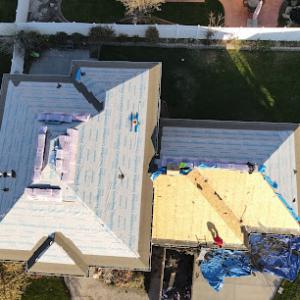
JM Roofing Solutions
(385) 775-1741 jmroofingsolutions.org
Bountiful, Utah
5.0 from 6 reviews
As a company dedicated to providing premier customer service, it is important to us to deliver unparalleled workmanship on every roofing job we do. We are accredited, licensed, bonded, and insured. With our experience and expertise, we can provide the support your project needs.
Bountiful Roofing-Residential & Commercial
(801) 823-4436 www.roofingbountifulut.com
989 N 200 W Suite C, Bountiful, Utah
5.0 from 1 review
Thank you so much for taking the time to check out our business here on Google. Bountiful Roofing has been fixing and installing roofs on homes in the area for many years. We are excited to have been able to expand our services to other areas as well as being able to service commercial buildings. We are a trusted roofing company and we always ensure the highest in customer satisfaction. With the wide range of options you have when installing a new roof we ensure you are able to have the knowledge so you can make a good decision whether it be a roof repair job or roof installation. We take pride in knowing we have extremely satisfied customers who we have done work for.
Redline Roofing
(385) 427-8169 www.redlineroofingut.com
Serving
4.9 from 37 reviews
Redline Roofing is your trusted local roofing contractor in North Salt Lake, UT, proudly serving North Salt Lake, Salt Lake City and surrounding areas. As a family-owned, licensed, and insured company, we bring over 50 years of combined experience to every project. Our GAF Certified team specializes in shingle, metal, cedar, EPDM, flat, TPO, and stone-coated steel roofing for both residential and commercial properties. We also provide professional gutter and solar solutions to protect and enhance your home or business. Looking for a reliable roofer near you? Contact Redline Roofing in today for a free estimate!
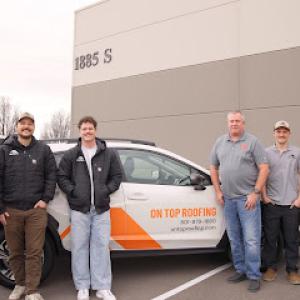
On Top Roofing
(801) 336-4566 ontoproofing.com
Serving
4.7 from 262 reviews
On Top Roofing brings long-lasting, durable roofing solutions right to your doorstep in North Salt Lake. As a local, family-friendly business, we focus on quality craftsmanship that saves you money in the long run. We are experts in metal roofing, asphalt shingles, and insurance claims restoration. Unlike other contractors, we prioritize the longevity of your roof, ensuring your home stays protected without the high cost of premature replacement. From the bench to the valley floor, we serve all of North Salt Lake with honesty and integrity. Call us today to experience a better way to roof!

Roof Maxx of Woods Cross, UT
Serving
5.0 from 27 reviews
Roof Maxx® is a scientifically formulated and 100% safe, plant-based roof rejuvenating spray treatment that was developed by renowned scientists from the world’s largest private research and development company.

Erie Home
Serving
4.4 from 160 reviews
Since 1976, Erie Home has manufactured, supplied, and installed the best-performing roofing on the market. By providing ironclad warranties and convenient financing, we ensure that every homeowner we work with receives top quality service and value for their homes and properties. Erie Home professionals are the roofing company of choice in the greater North Salt Lake, UT area. Whether you need roof inspections or roof damage repair services, Erie Home has been the go-to roofing contractor for nearly 50 years because of our attention to detail and dedication to making sure our customers are satisfied with their results. Contact us today for a quote and see why we're the trusted roofing company North Salt Lake counts on.
ASAP Roofing & Exteriors
(385) 222-7119 www.asaproofingpros.com
Serving
5.0 from 32 reviews
ASAP Roofing & Exteriors, established in 2022, offers superior roofing services in Salt Lake City. With two decades of expertise and a licensed team of roofers, they handle residential, commercial, and industrial roofing projects with reliability. Specializing in slate, metal, tile, and shingle installations, they help customers choose the right materials that align with their preferences and budget. As a highly experienced, cost-conscious, and accessible company, ASAP Roofing & Exteriors ensures customers' roofs are expertly installed by seasoned professionals, providing peace of mind and high-quality roofing solutions.
Nelson Roofing Salt Lake City
(801) 845-3363 nelsonroofingslc.com
Serving
5.0 from 148 reviews
Nelson Roofing Salt Lake City has been the go-to roofing contractor for over 20 years, offering top-notch roofing services across the greater Salt Lake City area, including West Valley City, Murray, and Draper. Specializing in residential and commercial roofing, our expert team provides services such as roof repair, roof installation, and roof replacement. We pride ourselves on quality workmanship, transparent pricing, and exceptional customer service. With a 4.9-star rating from over 80 reviews, we are committed to enhancing the durability and value of your property. Contact us today at (801) 845-3363 for a free estimate or visit us in Salt Lake City to experience our expert roofing solutions.
Lloyd's Quality Roofing
(801) 671-7576 www.lloydsqualityroofing.com
Serving
4.8 from 35 reviews
Whether you are looking for a re-roof or a new roof, we can assure you that you’ll be offered the best selection when it comes to us. Our clients have the most professionally installed roofs in the region. Your roofing services will be done timely as promised and in an orderly way by a team of experts. Servicing the Wasatch Front for over 50 years. We offer Asphalt shingle roofs, metal roofing, TPO roofing, TPO commercial roofing, and repairs. GAF Certified Contractor.
Homer Roofing
(801) 797-0418 homerroofing.net
Serving
5.0 from 7 reviews
We are a trusted roofing contractor specializing in both residential and commercial roofs. We service shingle, metal, and flat roof surfaces. We are dedicated to providing you with a "Worry Free Roof."
A full roof replacement in Bountiful typically requires a building permit, and the contractor usually files it with the City of Bountiful. The permit process is a practical hurdle to clear between storm seasons, so understanding the timeline helps you plan around spring hail and winter snow windows. The city's staff reviews plans for safety and code compliance, and the filing is typically handled by the contractor, not the homeowner, which helps keep the project moving in the right direction. Expect to allow healthily for review time before restoration work can begin in earnest, especially after a busy stretch of storms.
Permit review commonly takes about 1 to 2 weeks depending on workload, which matters when homeowners are trying to reroof between spring storms and fall weather shifts. If a storm cycle hits during submission, the review can stretch longer, so it is wise to coordinate with the contractor to lock in a start window that minimizes delays. In practice, a well-timed submission aligns with the end of winter and the lull before the next round of wind or hail, helping to reduce exposure to weather delays during tear-off and recovering phases.
Inspections are staged, including after tear-off and after completion, with local review focused on ventilation, underlayment, flashing, and code-compliant fasteners. The first inspection after tear-off verifies that the old deck and decking conditions are sound and that ventilation spaces meet code. The final inspection confirms that the new roof is properly secured, that the underlayment is correctly installed, and that flashing around chimneys, valleys, and vents adheres to current standards. Expect inspectors to check that fasteners penetrate at proper angles and meet the required corrosion resistance and load specs for Utah winters and spring hail events.
Coordinate your contractor's permit filing early in the planning phase, and keep communication lines open with the permitting office for any required plan revisions. Provide any site-specific notes about attic ventilation priorities or accessibility constraints that could affect inspection routing. Schedule inspections with a buffer to accommodate weather-related hold-ups, and confirm that all layers-underlayment, ventilation, flashing, and fasteners-are documented in the project records so the inspector can verify code compliance promptly.
Because restoration work in this area often adapts to rapid weather changes, it helps to plan around typical spring hail tilts and winter snow load considerations when choosing materials and detailing transitions. Your contractor should be prepared to address any city-specific concerns about attic ventilation balance and flashing integration with existing ridge lines and eaves. Keeping the permit and inspection steps transparent with neighbors and the HOA, if applicable, reduces surprises once the crew arrives to begin tear-off and install phases.
In Bountiful, the claim process often hinges on detailed, clearly dated evidence. Insurers commonly want a thorough set of estimates, date-stamped photos, and contractor quotes before approving the scope of a reroof. This means you should organize documentation early: capture wide-angle and close-up shots of all damaged areas, note the date of each storm, and keep correspondence with your contractor organized by the event. When a hailstorm punches through multiple neighborhoods along the Wasatch Front, adjusters will compare homes in similar exposure and construction, so consistency in measurements and photos matters.
Adjusters may request an on-site roof inspection, especially after spring hail events that affect several neighborhoods along the Wasatch Front. If an inspector is scheduled, coordinate access with the property and provide a current overview of visible leaks or roof debris inside the attic. You should be prepared to discuss the condition of underlayment, ventilation, and any known prior damage. In this market, the inspector's visit can be the turning point for approving a scope-so ensure accessibility and a direct line of communication between you, the roofer, and the insurer.
Temporary repairs are often important in claims because insurers may expect homeowners to mitigate active leaks while preserving evidence of storm-related damage. Prioritize safe, minimally invasive fixes that stop active leaks and limit further interior damage. Keep receipts and notes for any materials used and the dates of temporary patches. Document weather conditions at the time of the storm and any subsequent rainfall that exacerbated leaks. These details help the adjuster understand the urgency and the rationale behind the mitigation steps.
A practical approach is to have your contractor provide a detailed scope that aligns with the insurer's requirements and includes before-and-after documentation. Ensure the contractor's estimate references the same hail-related damage categories the adjuster is evaluating, and request a copy of the estimate be shared with the insurer promptly. Maintain a clear record of communications-dates, times, and who spoke with whom-so nothing slips through the cracks during the post-storm rush. If there's a disagreement about the scope, request a joint inspection where the adjuster, contractor, and homeowner can review the damage together and reconcile discrepancies.
Connect with contractors who help homeowners navigate the claims process from damage assessment to final approval.
Legacy Roofing
(385) 503-7740 legacyroofingutah.com
545 W 600 S Suite C, Bountiful, Utah
4.8 from 32 reviews
CTI Roofing
450 S 400 E Suite #701, Bountiful, Utah
4.5 from 143 reviews
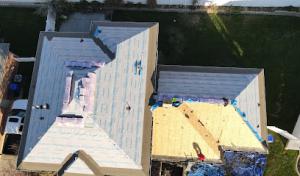
Cold winters create thick snowpack and rapid melt when storms switch to sun-bright days. If attic temperatures aren't kept close to the living space, meltwater refreezes at eaves and forms ice dams that back up under shingles. In practice, that means leaks find their way toward decking and walls during thaw cycles, even on a well-installed roof. Attention to attic sealing starts at the roof edge and extends inward toward soffits and vents.
Ventilation and proper underlayment are not upgrades in this market; they are core durability items. Continuous intake at soffits with balanced exhaust at the ridge helps move cold air across the roof deck, reducing warm pockets that drive ice dam formation. In Bountiful, winter cold is paired with spring melt events, so the underlayment must be grade-proven to channel water toward eaves while staying firmly in place through freeze-thaw cycles.
Local inspectors check for a complete attic layer: intact underlayment, proper nailing, and continuous ventilation. They expect eave-to-ridge airflow with no gaps that let moisture bypass the deck. On reroofs, the assembly must show a deliberate connection between underlayment, flashing, and the ventilation strategy so winter moisture never stagnates in the attic.
Davis County homes move from snow exposure to strong summer heat, so attic airflow and moisture control must perform across wide seasonal swings. A thoughtful plan uses baffles above the soffit, sufficient ridge ventilation, and a sealed but breathable attic space. When a reroof is planned, address these elements together to ensure the roof sheds water in spring and stays cool in summer.
Flat and low-slope roofing has meaningful contractor presence in this market, reflecting the number of homes and mixed-use buildings with sections that do not behave like simple steep-slope roofs. In such areas, snow can linger and spring rain can pool, stressing seams and flashing the way a steeper plane never does. A careful eye on edge details, transitions, and the way every joint sheds water can save a lot of trouble down the line.
Skylights are a recurring local service category, which matters because snow, ice, and spring storm water can expose flashing weaknesses around roof penetrations. When snow loads shift or melt abruptly, that flashing is the battleground where leaks often begin. Pay special attention to the sealant lines around skylights, vents, and a chimney where even small drips can migrate into framing and insulation.
Bountiful inspections emphasize flashing quality, making penetrations and transitions a common point where older reroofs fail local review or develop leaks later. That means a meticulous approach to step flashing, counter-flashing, and how new shingles tie into old fixtures. If a roof has flats, ensure the transitions around dormers, skylights, and any valley intersections are not treated as an afterthought. A robust patch or rebuild at these junctions can prevent slow leaks that only show up after a winter and spring cycle.
Before scheduling work, walk the attic during a thaw to look for condensation and any daylight through flashing. In the renewals around skylights, verify that the curb, flashing, and sealant joints are continuous and not cracked. When a roof has mixed slopes or flat sections, insist on detailing the intersection zones in the plan, and request a warranty that covers flashing integrity across seasonal shifts.
Find specialists in TPO, EPDM, and built-up flat roofing systems for residential and commercial properties.