Last updated: Apr 19, 2026
Spring hail storms are a recurring seasonal risk in West Jordan and commonly push homeowners from repair decisions into full replacement discussions. The pattern is predictable enough to plan, yet the damage picture can evolve quickly from minor cosmetic dents to compromised underlayment and staining on interior ceilings. When a storm hits, the clock starts ticking on documentation, assessment, and contractor scheduling. Delays can convert a straightforward repair into a larger project if inspectors or adjusters later determine more extensive damage. The key is to act with a clear eye on the damage trajectory: initial weathered impact may hide fast-developing issues once moisture penetrates and freeze-thaw cycles test every seam.
The local insurance environment is active around hail and wind losses, and carriers often want roof-condition photos, date-stamped damage documentation, and post-loss inspections before approving scope. Before contacting insurers, prepare a simple, dated photo set showing your entire roof and any affected areas from multiple angles. Include close-ups of eyelid gaps, granule loss, lifted shingles, or dented metal flashing. If you have prior roof work, keep that documentation handy to demonstrate pre-loss conditions. When filing a claim, you'll be asked to describe when the storm occurred and how the roof looked at that moment; a precise timeline helps prevent debates about "pre-existing" conditions. Once the adjuster visits, expect a post-loss inspection to confirm the scope. This is not the moment for vague recollections-provide dated evidence and a concise narrative of observed issues.
Because West Jordan also has snowy winters, many homeowners try to move replacement work into late spring through early fall after storm season begins but before winter access and dry-in conditions worsen. The window is tight: you want the roof fully sealed before heavier snows return and before roof decking or underlayment delaminates from repeated freeze-thaw exposure. If hail damage is confirmed and the scope includes significant decking or flashing replacements, planning ahead matters. A properties' structural access for contractors, material lead times, and potential weather delays all influence the decision to replace rather than repair. In practice, this means aligning insurance approvals, contractor availability, and material readiness in a compressed calendar. Do not assume spring scheduling will stay open; secure documented approvals and a booked start date promptly, or risk a later, more disruptive delay.
Create a robust damage diary that travels with the claim. Photograph damage on day of inspection, then capture any changes after a week of sun or after additional weather events. Store timestamps on photos if possible, and keep a simple log of conversations with the insurer, the adjuster, and contractors. If the claim requires a post-loss inspection, ensure access to the attic and roof areas and provide the inspector with a list of observed concerns, including any suspected moisture intrusion behind walls or in attic spaces. For fast-tracking a feasible scope, prepare a recommended sequence: secure temporary tarping if needed to prevent water intrusion, document with photos immediately after a storm, and coordinate with a licensed roofer to perform a thorough evaluation within days of the insurance assignment. This proactive approach reduces the risk of unexpected scope creep and keeps the project on track for a timely replacement if that becomes the required path.
Intermountain West Contractors
(801) 232-5690 iwcroofingutah.com
3680 W 9000 S, West Jordan, Utah
4.9 from 499 reviews
Rise above the rest with Intermountain West Contractors, your Platinum-certified partner in roofing excellence. As Utah's esteemed experts, we bring a legacy of quality that stands as tall as the Rockies themselves. Every shingle we lay is a pledge of trust, and with 25 years of experience, we've built a fortress of reliability with Owens Corning, the most trusted name in roofing materials. Our commitment is ironclad; we're held to the loftiest standards of craftsmanship, a standard confirmed by Owens Corning's own random quality inspections. We don't just cover homes; we elevate them with superior upgrades included at no extra cost. From the resilience of Ice & Water shield to the finesse of ridge vents, we ensure your bid encapsulates ...
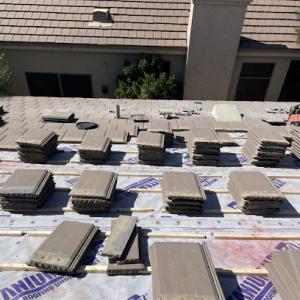
Gurr Brothers of Salt Lake City
(480) 572-8942 gurrbrothersroofing.com
West Jordan, Utah
4.9 from 672 reviews
At Gurr Brothers of Salt Lake City, we pride ourselves on providing exceptional roofing services for both residential and commercial properties. Our team of experienced professionals are dedicated to delivering high-quality workmanship, fair pricing, and outstanding customer service. Trust us to keep your roof in top condition. Schedule a consultation today!

IKON Roofing
1871 W 7800 S, West Jordan, Utah
4.9 from 85 reviews
Ikon Roofing is a top-rated, locally owned roofing company based in West Jordan, Utah, providing expert roof repairs, full roof replacements, storm damage restoration, emergency tarping, and insurance-approved roofing services throughout Salt Lake County and Northern Utah. We proudly serve West Jordan, South Jordan, Sandy, Draper, Taylorsville, West Valley City, Herriman, and surrounding areas, as well as Utah County cities including Lehi, Orem, and Provo. Our licensed, insured, and GAF-certified roofing contractors specialize in shingle and metal roofing built to withstand Utah’s hail, wind, and extreme weather. We offer free roof inspections, fast response times, and full insurance claims assistance for residential, commercial, and HOA ro
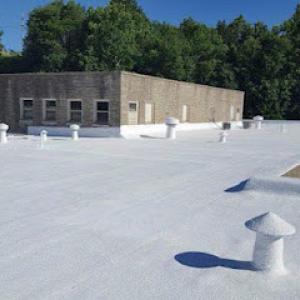
Elite Commercial Roofing
(385) 273-5295 elitecommercialroof.com
4196 Farm Rd, West Jordan, Utah
5.0 from 18 reviews
Hello, my name is Pete Miller, owner and CEO of Elite Commercial Roofing. We are a family-owned and operated commercial roofing company. Our specialty is the long-term restoration of commercial flat and low-slope roofs. Our commitment is to deliver a quality roofing solution custom-tailored to your needs and requirements.

Timberline Roofing
(801) 876-1871 timberlineroofingutah.com
8017 Hayden Park St, West Jordan, Utah
4.6 from 83 reviews
Your roof is an integral part of your home or business that protects it from the elements, so don’t choose just anyone as your preferred Utah roofing company. After all, a roof & gutter inspection, roof & gutter repair, roof & gutter installation is only as good as the company you hire. Timberline Roofing is one of Utah's most respected roofing repair and installation companies. In our 10+ years of service we’ve earned our reputation through hard work, quality customer service, and unbeatable savings! From small single-family homes to large restaurants and offices, no job is too complex or large for us. If you’re ready to hire the best roofers in town, contact us today. We service from St. George to Ogden. Based in Salt Lake County.
V3 Roofing & Renovation
(385) 900-4618 v3roofingandrenovation.com
6104 W 9860 S, West Jordan, Utah
4.8 from 26 reviews
At V3 Roofing and Renovation, we are more than just a roofing company. We are your whole home and exterior company. We specialize in everything from small roof repairs to extreme storm damage as well as gutters, soffit and fascia, and siding. Additionally, we work closely with your insurance to cover repairs if you have storm damage. When you call on us for repairs, we treat you like family. We are a local company and strive to be the best business ambassadors possible, for the great state of Utah.
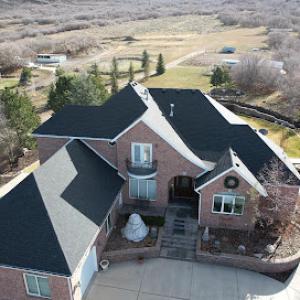
Preferred Roofing & Exteriors
3450 W 8600 S, West Jordan, Utah
4.8 from 24 reviews
Let's be honest, rotating subcontracted crews are low quality! We use the same crews every time and make sure they are receiving specific, consistent, continual training in their areas of responsibility. We never allow workers to “learn on the job”. The end result is a higher performing roofer, a happier customer, and a successful business. As the preferred vendor to insurance carriers like Bear River, Preferred Roofing has a long track record of taking care of Bear River customers at an affordable rate for everyone. Preferred has the trusted processes to ensure customers can be taken care of the right way the first time.
Fresh Roof SLC
(385) 499-3221 www.freshroofdealers.com
8929 Galilee Way, West Jordan, Utah
4.8 from 17 reviews
At Fresh Roof SLC we specialize in getting you more life out of your roof! Our roof rejuvenation service and tune up process helps prevent early replacement and extends you roofs lifespan at a fraction of the cost of replacing. Give us a call today for a free inspection!
Uinta roofing
(801) 661-8777 www.uintaroofing.com
5086 Pine Laurel Ln, West Jordan, Utah
5.0 from 9 reviews
We are a local family fueled company looking to help the salt lake valley and surrounding areas with any roofing needs! Contact us today at 801-661-8777 for your free estimate
ER Solution
(385) 210-6022 ersolutionwestjordan.com
West Jordan, Utah
4.5 from 2 reviews
Transforming houses into dream homes is what I do at ER Solution in West Jordan, UT. I am a general contractor providing a wide range of reliable services to meet your needs, with every project backed by workmanship you can trust. From high-quality deck builder services to expert metal roof services, I bring detail-oriented care and a commitment to excellence that ensures results are guaranteed. Being locally owned and operated, I take pride in delivering personalized and exceptional customer service to my community. My business covers everything from soffit repair services and fascia repair services to chimney repairs and gutter cleaning services, giving your home the comprehensive care it deserves.
Chalk Line Roofing
(801) 448-8803 www.chalklineroof.com
Serving
5.0 from 59 reviews
Chalk Line Roofing provides expert roofing services with a focus on insurance claims for wind and storm damage. We specialize in helping homeowners restore and replace aging three-tab shingle roofs by working directly with insurance companies to maximize coverage. Our team prides itself on precision, professionalism, and transparent communication, ensuring every project is completed to the highest standards. From free inspections to full replacements, we’re here to protect your home and give you peace of mind.
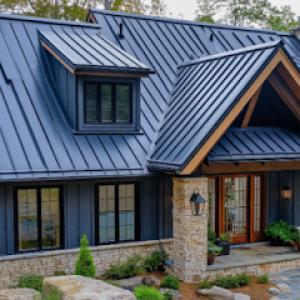
Top Local Roofing
(385) 307-7607 toplocaldevelopment.com
Serving
4.9 from 72 reviews
Top Local Roofing is a trusted roofing contractor in South Jordan, UT, dedicated to protecting your home and business since 2019. Our skilled roofers specialize in residential and commercial roofing, offering insurance-backed roof repairs and comprehensive services including gutters, soffits, and fascia. We use high-quality materials for durable roofs and work with all major insurance providers for a hassle-free experience. Call us at (801) 839-4501 or visit 10929 S Redwood Rd for a free roof inspection!
In neighborhoods around here, homeowners commonly choose among asphalt shingles, metal roofing, clay tile, concrete tile, synthetic/composite shingles, and slate. Each brings different strengths under the Salt Lake Valley's sun and winter cycle. Asphalt shingles are a familiar, economical option that holds up well when UV exposure is predictable and mild winters don't demand premium underlayment. Metal roofs deliver excellent hail resistance and wind performance, a practical match for spring threats when insurance documentation matters. Clay and concrete tiles bring long-term durability, but they require careful structural planning and winter maintenance due to the weight and snow load that occasional polar air can bring. Synthetic or composite shingles offer a balance between cost, ease of installation, and weather resilience, while slate provides exceptional longevity but imposes strict structural and maintenance considerations. The right mix depends on your roof's orientation, attic ventilation, and the existing roof structure.
Hot, dry summers in the Salt Lake Valley accelerate UV stress on any exposed surface, so you want materials that resist granule loss and fading. Asphalt shingles and composites tend to perform predictably under this pattern, especially when paired with a robust underlayment and a vented attic. Metal roofs shine here too, since the reflective characteristics help keep attic temps down and reduce thermal expansion concerns when paired with a quality sealant. In the cold season, freeze-thaw cycling can generate small cracks and movement in flashing. Tile and slate respond differently: their weight translates to higher snow retention risk, while their hardness can resist incidental hail damage. If you lean toward tile, you'll want a structural assessment and possibly upgraded fasteners to cope with seasonal snow loads.
Tile and slate carry a distinct set of maintenance needs that are especially relevant in the West Jordan climate. Structural load is a non-issue for a few homes, but others require reinforcement or beam assessment before installation. Underlayment longevity matters because a long winter can test moisture barriers, even with a sunny summer. Snow-season maintenance becomes practical habit: gentle removal of heavy snow builds, careful inspection of hips and ridges, and timely re-sealing of flashing so that meltwater doesn't creep into seams. If you choose tile or slate, plan for occasional professional inspections after severe hail or heavy snow years to catch hidden cracks or displaced fasteners before they worsen.
You don't need to commit to a single dominant roof type in this market. A home with mixed exposures-sun-facing slopes, shaded valleys, and windward edges-often benefits from blending materials. For instance, a metal or composite roof on the main slope facing the sun, with clay or concrete tile on a less exposed section, can balance heat reflection, weight, and cost, while preserving curb appeal. Consider how your attic ventilation, overhang depth, and gutter strategy integrate with your material choice to manage heat gain in summer and ice dam risk in winter. In all cases, discuss dimension and installation details with a local contractor who understands the seasonal rhythms of this climate and the expectations of local insurers.
In West Jordan, the cost landscape for replacing a roof follows material choice closely, and local pricing is notably influenced by spring hail events, wind, and the Salt Lake Valley's bolt-on demand. Typical local pricing runs about $350-$550 per square for asphalt shingles, $700-$1100 for metal, $1000-$1600 for clay tile, $900-$1400 for concrete tile, $450-$800 for synthetic/composite shingles, and $1200-$1800 for slate. Those ranges give you a practical baseline when you're comparing bids after a hail season or planning ahead for a winter-to-spring replacement window.
Seasonal spikes in West Jordan can push scheduling tight, especially after big hail and wind days across the Salt Lake Valley. When crews are booked solid, tear-off, dry-in, and inspection windows compress, and crews may need to prioritize homes with more straightforward tear-offs or where weather allows a faster dry-in. If your roof has heavier tile systems, skylights, or low-slope sections that require specialized detailing, expect the schedule to tighten even more. In practice, this means you'll want to reach out to preferred roofers promptly after a damaging event and secure a realistic timeline before choosing a plan.
Material choice drives cost, durability, and return-to-service time in this climate. Asphalt shingles stay the most budget-friendly option, keeping you in the $350-$550 per square ballpark, which is common for West Jordan homes with standard pitches. Metal roofs, while pricier upfront at roughly $700-$1100 per square, can excel in hail resistance and longer-term warranty terms, a compelling point if hail damage is a frequent concern. Clay and concrete tiles push into the thousands per square and bring substantial weight and stiffness into play; clay is typically $1000-$1600 per square, concrete $900-$1400, with tile systems often needing additional detailing around penetrations and transitions. Synthetic/composite shingles land in the middle at $450-$800 per square, useful when considering hail performance with lighter weight. Slate is the premium option in this market, usually $1200-$1800 per square, and often reserved for houses with existing slate or a specific architectural style.
Beyond material, the overall project total reflects the roof's size, complexity, and the pace of the local market. A larger home with multiple roof planes, numerous skylights, or low-slope sections demands more specialized detailing and faster coordination among crew, product suppliers, and weather windows. If a tear-off is required, anticipate extra days for removal, disposal, and ensuring a dry-in sequence that protects interior spaces from spring moisture. In practical terms, you'll want to match your material choice not only to long-term performance but to the likely scheduling cadence following a hail event, so you aren't left waiting for a favorable opening in a crowded spring.
Get a clear picture of your project costs upfront - no commitment required.
Uinta roofing
(801) 661-8777 www.uintaroofing.com
5086 Pine Laurel Ln, West Jordan, Utah
5.0 from 9 reviews
In this city, a full roof replacement requires a roofing permit issued by the Building Department, not a simple maintenance exemption. The permit process is designed to ensure the new roof is installed to meet local codes and wind resistance standards, and it anchors the project in a formal timeline rather than an on-a-dime re-roof. When a contractor and homeowner sign a replacement agreement, expect the permit to flow through an electronic system that handles the initial plan-check, followed by a scheduling window for inspections. This structure can slow the start of tear-off work compared to other jurisdictions, but it also provides clear milestones you can plan around, from permit issuance to final inspection.
The city's electronic permitting workflow means plan-check comments may arrive after the contract is signed, and the inspection window is calibrated to accommodate weather and scheduling. Plan for your contractor to submit roof diagrams, underlayment choices, flashing details, and venting configurations through the portal. While the plan-check portion may add a brief delay, it also creates a documented baseline for what will be installed. The inspection window is not a single moment; multiple checks occur during the job, so scheduling with the contractor about anticipated inspection dates is essential. Expect some coordination with your neighbors if a temporary tarping or debris containment area is needed during tear-off.
City inspections focus on installation details that impact durability and long-term performance: underlayment type and installation pattern, proper flashing around chimneys and vent stacks, and correct venting configurations. The inspector will verify that roof penetrations are flashed to resist water intrusion and that the eave and drip edge are correctly installed to channel runoff away from walls. After completion, the final inspection confirms that all components meet code requirements and that the roof system is integrated with attic ventilation and insulation. Because the emphasis is on installation quality, you should expect the inspector to review connections and junctions rather than merely check outward appearance.
Begin by aligning with a contractor who understands the electronic permitting timeline and can prepare the required documentation early. Keep a detailed record of all communications, permit numbers, and inspection codes as work progresses, since hail-season adjustments and insurance timelines can intersect with permit milestones. If weather creates a delay, stay proactive with the contractor about rescheduling inspections promptly to avoid extended project windows. Finally, ask the inspector for a quick walkthrough at key stages (after underlayment, after flashing, and after final venting) so you understand how the installation should look and what to expect during each check.
Late spring through early fall is the preferred replacement window in West Jordan because crews can avoid the worst snow access issues while still working before winter weather returns. The spring hail cycle is a real factor in timing your project, so you start by documenting any hail damage as soon as you notice it and coordinate with your insurer and contractor about a realistic start date. If a hail event has just happened, you may face a tight window to stabilize leaks, complete measurements, and order materials before the heat ramps up. Plan for a staggered sequence: temporary tarps or patching can buy you time while the crew secures the roof deck and protects interior spaces, then a coordinated tear-off and install once materials and inspections line up. In West Jordan, outdoor access improves as terrain dries and snow-free days increase, but a sudden afternoon storm can still interrupt work, so keep a flexible schedule and clear pathways for equipment.
Hot summer conditions can affect installation pace and handling of roofing materials during the day, especially on dark, sun-exposed slopes. Work typically proceeds in cooler morning hours or toward late afternoon to minimize heat exposure for workers and to reduce material expansion risks. If you're choosing shingles or composite products, talk through their heat tolerance with your contractor and plan for secure daytime shade options and proper hydration on site. Here, a practical cadence is to target consistent daily progress rather than pushing for full-day marathon sessions. Scheduling should accommodate occasional heat advisories, ensuring crews can pause during peak heat without delaying the overall timeline excessively.
Winter snow and ice in the city can delay tear-off, staging, and inspection timing, making emergency leak stabilization more realistic than full replacement during some cold-weather periods. If a leak is urgent, prioritize stabilization to protect interior spaces; a full tear-off and replacement can be staged for the return of accessible conditions. Snow accumulation on the roof complicates safety protocols and material handling, so expect shorter work days and potential delays after storms. Coordinating with your insurer for documentation and a clear scope of work helps maintain progress momentum when the calendar flips to clearer days, ensuring that temporary fixes transition smoothly into a complete replacement when the weather cooperates.
As you move from spring into summer, lock in a target start window that aligns with dry, predictable days and avoids peak heat. In late summer or early fall, monitor weather forecasts for stretches of stable weather that allow for full tear-off and re-roofing before the first freeze. Clear communication with your roofing team about weather contingencies and contingency days will keep the project on track without leaving you exposed to sudden shifts in West Jordan's rapid seasonal changes.
When you can't wait, these contractors offer fast response times to stop leaks and prevent further damage.
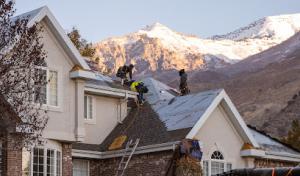
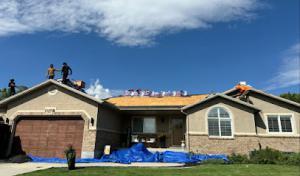
In this area, repeated freeze-thaw cycling can open vulnerable areas around flashing transitions and roof penetrations after moisture intrusion begins. That means a small leak today can push through over months as water expands and contracts behind metal step flashings, chimney edges, and vent penetrations. If you've had hail or a wet winter, it's especially important to recheck the apron flashing at valleys and seams where moisture tends to creep. When you notice damp spots on ceilings after a warm afternoon, don't assume it's just a light rain-trace it up to the flashing and the roof deck beneath.
High UV exposure in the valley accelerates aging on exposed roofing surfaces. Shingle granules can shed faster, membranes can become brittle, and earlier failure angles may show up where hail or winter stress already weakened the layer beneath. The risk isn't just about a single storm; it's about the cumulative sun damage that makes existing hail bruises or nail heads more likely to fail. Inspect the ridge lines, transitions from upper to lower slopes, and any darkened areas that look worn or "chalky" after the hot sun.
Inspection attention is especially important on roofs with skylights, mixed-slope sections, or tile systems because those assemblies are less forgiving when underlayment and flashing details start to fail. Skylight flashing can crack or lift, allowing moisture to migrate into the roof deck. Mixed-slope roofs create irregular shadows where wind-driven rain can pool and penetrate. Tile and concrete tile add weight and brittle edges; when underlayment is compromised, a single cracked tile can become a path for hidden damage. If you notice curling, shifting, or loose pieces, address it promptly before underlayment rot and deck damage set in.
Find contractors experienced in skylight installation, flashing, and leak repairs to bring natural light into your home.
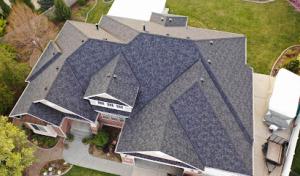
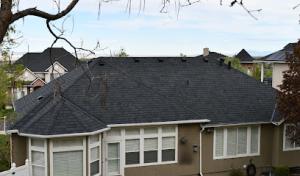
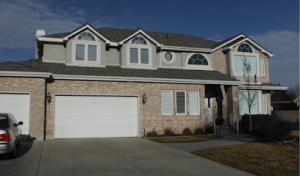
You're likely hiring in response to a leak, a hail event, or an aging roof discovery, so speed and reliability matter more than flashy marketing. When you reach out, you're not just looking for a good price-you're looking for a contractor who can show up quickly, document damage clearly, and line up a solid replacement plan that fits a tight spring schedule and the valley's freeze-thaw rhythm. Start by confirming that the contractor can handle rapid assessments, weather-appropriate scheduling, and a thorough tear-off and cleanup plan that won't leave debris in driveways or landscaping.
Cleanup dominates this market. Your best choice is a crew that treats debris removal as a core part of the job, not an add-on. Ask how they protect driveways, landscaping beds, and sprinkler lines during removal and how they'll handle haul-away logistics with minimal disruption. In established neighborhoods, a contractor's cleanup discipline often equals their reliability in following through on a timeline and leaving the yard as it was found, just with a modern roof.
You'll encounter long-established family-owned shops, locally owned firms, and manufacturer-certified outfits. Each has strengths, but comparison should focus on responsiveness and documentation quality as much as price. Check references for how promptly they returned messages after a storm, how clearly they explained the scope, and how well they coordinated with insurance adjusters. In practice, the best match balances quick response with thorough paperwork, so you're not chasing paperwork or delays after the crews leave.
Request a step-by-step outline of the project: initial inspection, damage assessment, material selection guidance, tear-off and disposal plan, and final inspection. Look for bids that include a clearly defined schedule, a written cleanup plan, and a point person you can text or call with updates. A contractor who documents every detail-photos, measurements, and a written scope-helps you navigate hail-season insurance processes without ambiguity.
The local market favors contractors who can respond fast after leaks or storm events and who emphasize documentation quality. Expect a mix of family-owned and manufacturer-certified crews; your best hire shows both responsiveness and a solid record of organized paperwork, not just a low sticker price. Consider how they communicate changes if weather pushes a schedule and how they keep you informed at every step.
West Jordan's strong summer sun makes roof-mounted solar part of the local roofing conversation more often than in cooler, cloudier markets. You're likely to see distinct advantages from adding panels when the roof is in good condition and aligned with prevailing sun angles. The heat and UV exposure can accelerate aging of any roof surface, so solar compatibility isn't just about generation-it's about ensuring long-term performance of the entire roof assembly.
When a roof is near replacement age, coordinating reroofing before or alongside solar work is especially important because the city requires permits for full roof replacement and inspections already review roof assembly details. If you're planning solar, map out a reroof timeline that keeps the roof deck, underlayment, and flashing in sync with panel mounting. A seamless plan helps prevent re-entrance for additional roof work after solar is installed, and it reduces the chance of patching or retrofit steps that can complicate a clean, long-lasting installation.
Homes with existing solar or planned solar need extra attention to penetrations, flashing, and future service access in a climate that combines UV stress with winter freeze-thaw movement. Each penetration for racking, conduit, and wiring is a potential weak point if not properly sealed and flashed. In West Jordan winters, improper flashing around skylines, vent stacks, and edge details can lead to moisture intrusion or ice dam complications. Ensure high-quality sealants, corrosion-resistant flashing, and clear drainage paths to mitigate these risks.
A solar-ready roof in this market also considers future service needs. Access to panels for cleaning, electrical disconnects, and routine inspections should not compromise roof longevity. Plan for pathways or clear routes to the solar array that respect snow piles, shade patterns, and potential debris buildup from spring storms. Keeping service access practical helps sustain both roof and panel performance through Utah's freeze-thaw cycles and hail seasons.
Ultimately, pairing solar with a reroof aims for a cohesive, durable system. Prioritize roof materials and underlayment that withstand UV and temperature swings, while choosing mounting hardware and layout that minimize exposure to hail impacts and wind uplift. In this climate, thoughtful integration supports not just energy generation, but reliable roof protection for years that follow.
Find contractors who integrate solar panels or solar shingles into your roof for long-term energy savings.