
Last updated: Apr 19, 2026
Yorktown sits in Virginia's Tidewater region, where hurricane season and tropical systems bring strong wind and heavy rain that commonly drive roof claims. A storm can sweep through with little warning, testing shingles, flashing, and edge detail in a way inland neighborhoods seldom experience. After a nor'easter or tropical system, the first sign of trouble is often not obvious from the ground-but attic condensation, stained ceilings, and sudden wind-driven leaks tell you the storm didn't spare your roof. In this heat-and-humidity cycle, moisture finds the weak spots fast. The moment you notice curling shingles, lifted edges, or granule loss, plan repairs fast before tiny issues become structural threats.
Spring weather in coastal Virginia can delay roofing due to wet conditions and occasional hail, which affects both inspections and replacement scheduling. Yorktown's damp springs mean scheduling windows are narrow: wet decks, mud, and soggy yards slow tarps and material delivery, and crews can be stalled by intermittent storms. If hail or a strong shower hits, expect an immediate pause in work until the roof is dry enough to lay underlayment and shingles properly. In practice, that means making temporary protective measures to keep moisture out while awaiting a dry day, rather than pressing on through rain and wind. Preparation matters: clear the yard, secure outdoor items, and ensure access to the roof is unimpeded so the crew can respond quickly when skies clear.
Because Yorktown is near the lower Chesapeake Bay environment, wind-driven rain is a bigger concern than in inland Virginia communities and makes flashing and edge details especially important. The wind can push rain under places you might not expect-where roof lines meet chimneys, vents, and skylights, or where two roof planes converge. A robust flashing plan and continuous edge protection can mean the difference between a one-season fix and a durable, long-term repair. When inspecting or preparing for a repair, you should pay particular attention to step and counter-flashing at wall penetrations, along valleys, and around dormers. Check the drip edge and fascia for rust, looseness, or gaps that can channel water into the attic. If any flashing appears compromised, treat it as an urgent priority rather than a cosmetic concern.
Humidity and temperature swings in Tidewater summers push moisture into roof decks and sheathing. Moisture management is not just about stopping leaks; it's about stopping the cycle of decay, rot, and mold that thrives in humid Yorktown air. Before the next storm season, ensure attic ventilation remains adequate to move moisture out efficiently: soffit vents paired with ridge vents, and seals around attic hatch gaps should be tight and unobstructed. A roof that breathes properly resists mold growth and prolongs the life of underlayment and decking. If a recent storm shows evidence of interior dampness or musty smells near attic access, treat it as a sign that the external roof system needs a comprehensive moisture management plan-not a quick patch.
In the immediate aftermath of a storm, perform a quick exterior check from ground level without climbing onto a wet roof. Look for missing shingles, lifted edges, exposed underlayment, or displaced flashing. If damage is found, document with photos and timestamps and contact a local roofing professional who understands Tidewater conditions and York County's typical roof profiles. For temporary protection, use sturdy tarps anchored to secure spots and avoid anchoring into weakened fascia or vent pipes. When rain is imminent, ensure interior spaces are protected with tarps below suspected trouble spots, so water intrusion is minimized while waiting for a professional assessment.
Find local contractors experienced in assessing and restoring roofs after hail, wind, and severe weather events.
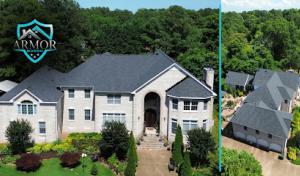
Armor Roofing
(757) 508-2212 armorroofingva.com
4111 George Washington Memorial Hwy, Yorktown, Virginia
5.0 from 71 reviews
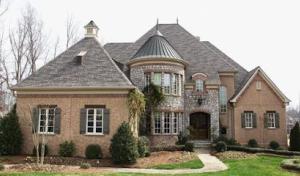
Chase Roofing
(757) 872-0700 www.chaseroofingva.net
1409 Oriana Rd, Yorktown, Virginia
4.7 from 121 reviews

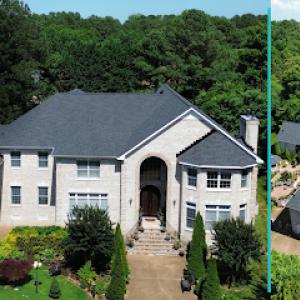
Armor Roofing
(757) 508-2212 armorroofingva.com
4111 George Washington Memorial Hwy, Yorktown, Virginia
5.0 from 71 reviews
Armor Roofing is a residential and commercial roofing expert in Hampton Roads, Virginia. Locally owned by Ricky Comer. We are committed to you and your roof from the first phone call to years after your roof has been installed. We provide personalized estimates so you get a detailed breakdown on the pricing of your project, not just a ballpark figure. We want to ensure you and your families happiness and safety always, which is why we use the highest-quality materials from leading manufacturers like Atlas, 3M & Scotch. We provide Roof Repairs, Free Roof Inspections, Roof Replacement, Emergency Leak Repairs, Gutters, Siding, Windows, and more!
Roof Masters
(757) 219-2106 roofmastersva.com
132 Production Dr, Yorktown, Virginia
4.8 from 57 reviews
Roof Masters provides residential and commercial roofing services to the Hampton Roads, VA area.
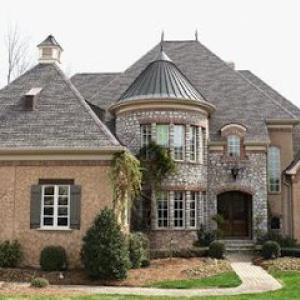
Chase Roofing
(757) 872-0700 www.chaseroofingva.net
1409 Oriana Rd, Yorktown, Virginia
4.7 from 121 reviews
Professional Roofing Done by Roofers When you choose to go with us here at Chase Roofing, you’re getting a team of professional roofers whose specialty is just that: roofing. So many other providers offering roofing in Yorktown or Smithfield do it as an add-on to their core services. Not us. We’re roof people. There isn’t a roofing issue that we can’t handle. Our services include: * Residential roof repair and replacement * Commercial roofing * Metal roofing installation
NanoShield Roofing & Coatings
(757) 255-5891 www.nanoshieldroofingandcoatings.com
501 Old York-Hampton Hwy, Yorktown, Virginia
5.0 from 12 reviews
We are a roofing, concrete and wood coatings company specializing in the sales of GoNano vapor permeable sealants. We will also perform roofing repairs all the way to full roof replacements.
Preston Roofing
(757) 592-5507 www.prestonroofinginc.com
326 Old York-Hampton Hwy STE H, Yorktown, Virginia
3.2 from 6 reviews
Preston Roofing is a family owned and operated business with more than 25 years experience serving all of Hampton Roads and Middle Peninsula. We take pride in quality workmanship that we provide for Residential and Commercial clients. Our company will not leave your site until all work is complete and inspected by Bob Preston, Owner/Operator. From beginning to end, Preston Roofing, a Class A Roofing Contractor, will provide a meticulous installation, with all work installed by our own men and not a subcontractors. You can be assured all workmanship is quality and superb, and superior to any roofing company in the area.
Xport Roofing
(757) 269-8887 www.xportroofingva.net
Serving
4.9 from 47 reviews
Roofing Leaks Repair Specialists

VA Commercial Roofers
(757) 529-3147 www.vacommercialroofers.com
Serving
4.9 from 47 reviews
VA Commercial Roofers is a roofing company based in Newport News, Virginia that provides services to commercial clients. With years of experience and hundreds of active customers, VA Commercial Roofers has established itself as the most trusted contractors for roofing in Newport News.
Top Stream Exterior
(757) 892-4621 www.topstreamexterior.com
Serving
4.9 from 114 reviews
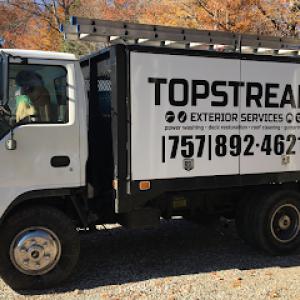
TOPSTREAM is a trusted exterior installation company serving Yorktown, Williamsburg, Newport News, Hampton, and surrounding Virginia communities. Founded in 2017, TOPSTREAM provides professional residential and commercial exterior services including roofing, siding, gutters, and exterior repairs. With multiple crews and specialized equipment, the team delivers efficient installations, long-lasting materials, and dependable workmanship. From roof replacements and siding upgrades to gutter guards and power washing, every project is handled with attention to detail and clear communication. Homeowners and businesses choose TOPSTREAM for reliable exterior solutions that protect property value and improve curb appeal across the Peninsula.
Wholesale Roofers
(757) 271-3803 www.wholesaleroofersva.com
Serving
5.0 from 96 reviews
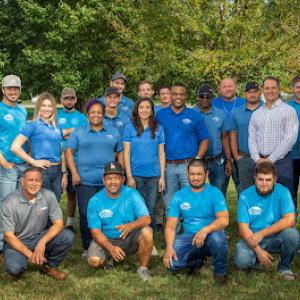
Wholesale Roofers Newport News is the #1 roofing company in Newport News Va. Our roofing company specializes in roof repair, roof replacement, and other roofing contractor services. We are the best roofer in Virginia Beach, Chesapeake, Norfolk, Portsmouth, Suffolk, Hampton, and Newport News. If you are looking for a “Roofer Near Me,” we are your best choice.

Best Roofing Of Virginia
(757) 463-2378 bestroofingva.com
Serving
5.0 from 52 reviews
Since 1997, Best Roofing of Virginia has been a trusted roofing contractor, providing professional, reliable, and high-quality roofing services to homeowners and businesses throughout Newport News, Hampton Roads, and surrounding communities. As a GAF Master Elite® Contractor, we specialize in roof installation, roof repair, and full roof replacements, ensuring every project combines exceptional craftsmanship with aesthetic appeal. Our experienced roofers use premium GAF materials, advanced tools, and proven techniques to protect your property and enhance curb appeal. Whether it’s addressing minor leaks, storm damage, or planning a complete roof upgrade, we manage every step with precision and clear communication.
Gray Line Roofing
(757) 263-0232 graylineroofingva.com
Serving
5.0 from 65 reviews
Gray Line Roofing is a professional and reliable Veteran-Owned Roofing Company in Williamsburg, VA, Hampton Roads, and surrounding communities, proudly serving homeowners and businesses with top-notch roofing solutions. We are highly experienced roofing contractors, specializing in roof repair, roof replacement & roof installation. We pride ourselves, offering long-lasting results that enhance protection and add value to your property. Whether you’re dealing with leaks, storm damage, or aging shingles, our expert team uses durable materials and precise workmanship to restore your roof’s strength and appearance. We handle projects of every size — from small residential fixes to complete commercial installations with honesty.
R.A. Woodall Roofing Newport News, VA
(757) 290-1570 www.rawoodallroofing.com
Serving
4.5 from 26 reviews
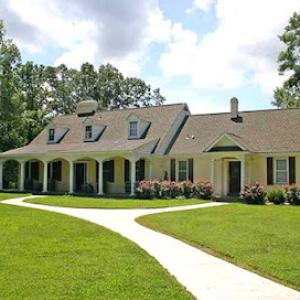
R.A. Woodall Roofing in Newport News, VA, is your premier roofing contractor for top-notch roofing services in Hampton Roads. We specialize in providing services for roof repair, roof replacement, residential roofing, and commercial roofing. As a roofing contractor, we bring over 35 years of experience to every project. Fully licensed and insured Class A Contractor, our team ensures quality craftsmanship with a focus on customer satisfaction. We handle everything from roof repairs to new roof installations, using only high-quality materials like asphalt shingles, metal, and slate. Contact us today at 757-290-1570 or online for a free estimate and experience superior roofing solutions tailored to your needs.
The local climate pattern is hot summers, mild winters, and regular rainfall, so dry moderate periods are generally the best replacement window in Yorktown. That means planning for a stretch when rain risk is low and humidity isn't crushingly high for days on end. In practice, look for several consecutive days of dry weather with moderate humidity, ideally in late spring or early fall. Because York County relies on a thorough reroof inspection process, aligning the roof replacement with a dry spell helps the crew complete tear-off and reinstallation without weather-driven delays that can stretch a project.
Summer heat and humidity in the Tidewater area can affect shingle handling, crew productivity, and seal-down timing during installation. In hot conditions, shingles can become plastic and seal-down might take longer, which influences the scheduling of adhesive and nail patterns. Consider starting work early to avoid the peak heat hours and reduce sun exposure on materials waiting to be laid. Bring more hydration breaks for crews and have shaded staging areas to protect underlayment and starter strips. If a heat spike coincides with a critical seal requirement, it may be prudent to pause certain steps until the temperature moderates, preventing premature sealing that can compromise wind resistance.
Winter in Yorktown is usually milder than farther inland, but freezes and occasional ice can still slow tear-off and inspection scheduling. Frozen or wet decking slows both removal and installation, and ice can complicate ladder and safety measures. Schedule around the most reliable dry periods and plan for potential micro-delays if a cold snap arrives. Maintain a contingency for indoor work when outdoor conditions become unsafe, and ensure that deck and attic access remain clear so moisture can be managed without creating bottlenecks in the sequence of steps.
Coordinate the project to maximize consecutive dry days, but build in buffers for late-season rain or surprise cold snaps. Align roof work with moderate humidity periods to improve adhesive and sealant performance. If possible, target a window that minimizes the number of startup/stop cycles the crew experiences, as every restart can introduce moisture risks and rechecking of skylights, vents, and flashings. Communicate with the crew about expected weather patterns for Yorktown, so they can plan tear-off thickness and material handling in a way that preserves roof integrity during the switching of layers.
Moisture control remains a core priority in this Tidewater climate. Use breathable underlayment and ensure proper attic ventilation during the process to prevent condensation issues. For homeowners planning around storm seasons, a timeline that avoids the peak of hurricane season reduces the chance of moisture-related setbacks and helps ensure a ready-to-seal roof when the storm risk remains elevated. In Yorktown, a thoughtful, weather-smart schedule supports a durable installation that stands up to both wind-driven events and regular rainfall.
In this jurisdiction, a full roof replacement generally requires a building permit rather than being treated as maintenance. That means you cannot start a major tear-off and re-cover without going through the official process. The county emphasizes proper venting, underlayment, flashing, and nailing details, especially given the Tidewater humidity and wind-driven coastal conditions that York County sees after storms. Treat this as a project with formal oversight, not a quick DIY refresh. Even if the roof itself seems straightforward, the permit helps ensure moisture control and wind-resistance strategies are coded into the install.
Permits are issued through York County's online portal. Before any work begins, both homeowner and contractor must account for digital application steps and scheduling windows. Have the project scope, weather plan, and product choices ready for the portal entry, since the system tends to prompt for underlayment type, ventilation plan, and nail schedule as part of the submission. Because inspections hinge on the precise sequence of work, assigning a realistic timeline in the portal and coordinating with the chosen contractor keeps the project moving. Expect digital reminders for permit status and required documentation, such as material manufacturer specifications and warranty details.
Inspections are scheduled to align with key installation milestones. The county typically requires an inspection during installation to verify the underlayment, flashing details around chimneys and vent penetrations, attic ventilation adequacy, and the correctness of nailing patterns. After the roof goes down, a subsequent inspection confirms that radiant barriers or attic vents, drip edges, and kick-out flashing meet code expectations and that moisture-control measures are in place. Final inspection is essential and must pass before the project can be closed. If any issue is identified, a follow-up inspection will be scheduled, so expect a couple of review steps as part of the moisture management goal.
York County inspectors prioritize details that impact long-term moisture resilience and storm readiness. Look for proper underlayment coverage without gaps, correct flashing around dormers and chimney stacks, and continuous ventilation at the eaves and ridge lines. The nailing schedule should reflect the local wind considerations common to coastal storms. In practice, this means confirming that every layer is installed in the correct order and that fasteners penetrate solid decking or substrate as specified. A well-documented inspection path reduces the chance of moisture intrusion after a storm and helps ensure the roof remains resilient through heavy rains and humid conditions.
Once the final inspection passes, the permit can be closed out. A clean closeout signals that the County has verified the installation meets moisture-control standards and storm-readiness criteria. Keep copies of all permit approvals and inspection reports in your records, and note any warranty-related documentation tied to the permit timeline. If possible, arrange a short post-installation walkthrough with the contractor to confirm attic ventilation balance and flashing performance under typical York County weather patterns. This proactive step helps catch any minor adjustments before the next storm season.
Asphalt shingles are a dominant choice locally, and for good reason: they balance cost, availability, and compatibility with a wide range of home styles in the Tidewater area. In Yorktown, heat, humidity, and frequent rain make attic ventilation and proper nailing more consequential than in drier Virginia markets. You want a well-vented attic with a continuous soffit-to-ridge ventilation path and a deck that's dry before shingle installation. Look for a shingles line that carries good UV resistance and a high windspeed rating, and insist on a nail pattern that ensures the shingles stay secure through coastal thunderstorms. The local climate also emphasizes moisture management: choose underlayment with strong moisture protection and ensure that the roof deck is dry and free of mold or prior water intrusion before re-sheathing. Proper nailing, including using the right length and driver for the sheathing thickness, helps prevent blow-offs during gusty storms.
Metal roofing is common enough in this market to matter, and it appeals in Yorktown because coastal storm exposure makes wind resistance and fast water shedding a priority. If choosing metal, prioritize styles with standing seams or interlocking panels designed to resist uplift and to shed rain quickly. The reflective properties of metal can reduce attic heat gain, which supports overall moisture control when combined with adequate ventilation. Pay attention to fastener seals and flashing around chimneys, skylights, and dormers-those coastal winds can pry at any weak point. Although metal can be louder during heavy rain, proper roof deck insulation and sound-dampening underlayment can mitigate noise. A well-installed metal roof also pairs well with a moisture-aware attic plan, helping reduce condensation in humid months.
Clay tile, concrete tile, wood shakes, and synthetic shingles all appear in the local material mix, reflecting historic character, higher-end homes, and varied architectural styles in the area. Clay and concrete tiles provide excellent longevity and distinct curb appeal, but they demand a reinforced deck and careful installation to handle wind and moisture loads on older homes. Wood shakes contribute a traditional look but require meticulous maintenance to prevent moisture-related issues and insect concerns in humid summers. Synthetic shingles can mimic other materials while offering improved resistance to humidity and faster water shedding. When selecting any of these options, ensure the roof structure is designed to handle the weight and that attic ventilation remains a priority to control moisture during hot, rainy seasons.
In this climate, routine inspection is essential after major storms or nor'easters. Inspect for wind-driven moisture intrusion around vents, skylights, and flashing, and check underlayment integrity where hail or debris may have caused damage. Attic ventilation should be evaluated annually, especially after long hot spells followed by heavy rain, to prevent condensation and mold growth. If a roof experiences repeated moisture exposure, consider upgrading underlayment and adding vented soffits or ridge vents to maintain a balanced attic environment. In Yorktown, the goal is to keep the deck dry, ensure fast water shedding, and maintain a reliable, wind-resistant barrier across all roof types.
Explore specialists in steel, aluminum, and standing seam metal roofs built to last 50 years or more.
Chase Roofing
(757) 872-0700 www.chaseroofingva.net
1409 Oriana Rd, Yorktown, Virginia
4.7 from 121 reviews
R.A. Woodall Roofing Newport News, VA
(757) 290-1570 www.rawoodallroofing.com
Serving
4.5 from 26 reviews
For a standard asphalt shingle roof on a typical Yorktown home, expect pricing in the $350-$650 per square range. In practice, this material remains the most common choice because it covers a broad spectrum of roof ages and designs found around Tidewater. When storm-driven demand spikes-such as after a tropical system-you may see a quick uptick in both material access and crew availability, which can nudge final numbers upward for a tear-off and quick dry-in. In homes where the roof deck is solid and lines up with traditional 3-tab or architectural shingles, labor tends to stay nearer the middle of the range, but it's not unusual to see modest inflations if weather windows are tight.
Metal systems sit higher, with typical costs around $700-$1,100 per square. This material is favored where long-term moisture control and wind performance matter most, which is a real consideration in the Tidewater climate. Labor demand can swing sharply: you'll see more variance when specialty crews are needed to handle standing seams, flashing in coastal joints, or integrating metal components with existing soffits and gutters. After a big storm, fast-response tear-offs and temporary dry-in work can push pricing up briefly, as crews prioritize moisture protection on metal roofs that require precise installation to prevent leaks.
Clay tile generally lands in the $900-$1,700 per square bracket. The weight and installation nuance of tile make it a specialized job, often requiring crews with tile experience and careful scaffold planning. In Yorktown's humidity and coastal exposure, tile roofs demand meticulous moisture control during installation and re-roofing, which adds to the skilled-labor component. Storm demand can intensify availability challenges, and thus marginally lift the cost, particularly when crews must coordinate replacements that preserve tile alignment and underlayment performance.
Concrete tile tends to run $800-$1,500 per square. It shares many of the same labor dynamics as clay tile but can differ in weight and substrate requirements. The local mix of standard asphalt and higher-end tile systems means some crews are general reroof specialists, while others are tile-specific. When a storm hits, the need for specialized rigs and careful deck prep during tear-offs tends to push line items higher for a period, especially if crew scheduling is constrained.
Wood options typically land around $600-$1,100 per square. In this market, installation quality hinges on deck moisture handling and proper underlayment decisions to avoid future shrinkage or cupping. Storm-driven demand can amplify costs because dry-in and ventilation considerations become more critical in humid conditions. Availability of experienced wood crews also affects price, as not all general reroof teams carry wood-shake credentials or know-how for moisture-sealed edge details.
Synthetic or composite shingles run about $550-$900 per square. This category offers a balance of durability and cost, often appealing where moisture resistance and wind performance matter. Local pricing reflects the need for crews familiar with hybrid underlayments and improved sealant systems. In the wake of tropical weather, fast-response work for synthetic systems can be in higher demand, nudging near the top of the range if crews are juggling multiple urgent assignments.
Don't let upfront costs delay a critical repair - these contractors offer payment plans to fit your budget.
Armor Roofing
(757) 508-2212 armorroofingva.com
4111 George Washington Memorial Hwy, Yorktown, Virginia
5.0 from 71 reviews
Weather-related roof damage claims are common in this region, and insurers increasingly rely on documentation to separate quick fixes from longer-term replacements. A simple repair invoice rarely satisfies an adjuster in a coastal market where moisture and wind damage can be cumulative. Prepare to provide detailed evidence of what happened, when it happened, and how the damage evolved.
Adjusters in this market commonly request photos and contractor scopes of work, making pre-storm roof photos especially valuable for homeowners near the coast. Start a damage folder early: take wide and close-up images of shingles, flashing, vents, gutters, and attic conditions. Save every contractor's scope of work, including materials and labor breakdowns, and keep a dated record of communications. For homes with visible signs of moisture intrusion, document attic vapor barriers, underlayment, and any mold concerns promptly.
Because storm events can affect many homes at once in the Tidewater area, keeping a timeline of damage, temporary protection, inspections, and communications is especially important. Log when you first noticed issues, when tarping or temporary protection was applied, and every inspection and report you receive. Share timely updates with the insurer, and coordinate with your contractor to ensure the scope aligns with what the adjuster will review.
When possible, schedule a pre-storm assessment of your roof to establish a baseline. After a storm, prioritize securing the roof and attic to limit further moisture intrusion. Clear communication channels with your insurer, your adjuster, and your contractor reduce back-and-forth and help verify that the right areas are addressed, reducing the risk of delays or misinterpretations in a coastal, storm-prone area.
Connect with contractors who help homeowners navigate the claims process from damage assessment to final approval.

R.A. Woodall Roofing Newport News, VA
(757) 290-1570 www.rawoodallroofing.com
Serving
4.5 from 26 reviews
Skylight work shows meaningful demand in the local contractor market, and that means leak troubleshooting around penetrations is a recurring homeowner concern. In the Tidewater climate, the combination of humidity and wind-driven rain makes skylight seals and framing more exposed than you might expect. If your skylight vents or fixed units sit on a roof that already carries seasonal battering, the risk of moisture finding its way around the curb or flange is real. Begin with a honest assessment: look for condensation between panes, shifting drywall stains under the head of the skylight, and any telltale damp patches along the interior trim.
In Yorktown's wind-driven rain environment, skylights, flashing transitions, and roof-to-wall intersections are more vulnerable than simple field shingle areas. The flashing around a skylight needs to shed water without pooling, and the transition at the eave or rake line should stay fully sealed as shingles creep and settle. Pay special attention to any metal flashing that shows dark staining, rust, or loose infill around corners. Water can wick through small gaps and travel along overlaps, so a tiny breach here often becomes a larger, stubborn stain.
York County's inspection focus on flashing and underlayment makes these details especially important on full replacements in this jurisdiction. This is not a place to skim over the underlayment or to assume a single layer of protection is enough. When a full roof is replaced, a meticulous approach to verify that each flashing leg-around vents, skylights, and wall interfaces-has proper counter-flashing, integrated seals, and adequate step and base flashing is essential. A thorough check before closing up can save unpredictable leaks after the first heavy rain.
For practical mitigation, pair proactive skylight maintenance with targeted flashing checks. Revisit sealant around skylight curb lines every few years, and have a trusted roofer verify that all transitions to vent stacks and chimneys are properly flashed. In this coastal climate, proactive moisture management and thorough flashing detail are not optional; they are prudent, neighborhood-tested steps to keep the interior dry through storms that arrive with little warning.
Find contractors experienced in skylight installation, flashing, and leak repairs to bring natural light into your home.
Armor Roofing
(757) 508-2212 armorroofingva.com
4111 George Washington Memorial Hwy, Yorktown, Virginia
5.0 from 71 reviews
Chase Roofing
(757) 872-0700 www.chaseroofingva.net
1409 Oriana Rd, Yorktown, Virginia
4.7 from 121 reviews
In a coastal Tidewater climate, roofs face more frequent wind-driven impacts and salt-laden moisture that can creep under edges and into fasteners. The local market sees more tear-offs and replacements than new construction, so planning around storm season matters. When a contractor inspects after a storm, expect a thorough check of underlayment, flashing, and edge protection, since even small gaps can invite recurring leaks with the next bout of rain. The emphasis is on quickly restoring a watertight envelope while preventing moisture from seeping into attic spaces, which in York County homes often feature older ventilation layouts that heighten the risk of condensation.
Yorktown homes commonly contend with humid air that lingers in attics and roof decks. A roofing project here benefits from upgraded underlayment and improved ventilation to mitigate mold risk and wood rot. If a roof is being replaced, pay attention to the condition of soffits, ridge vents, and attic baffles, and consider a system that complements existing moisture-control measures. Proper nail management and careful deck inspection reduce the chance of hidden mold pockets after installation. In this climate, ensuring a continuous, well-sealed chimney and penetration flashings is as important as selecting a resistant surface layer.
Cleanup is a strong local hiring signal in established neighborhoods where driveways, landscaping, and nail pickup are visible indicators of project quality. Expect crews to lay down ground protection, vacuum debris from gutters, and remove fasteners promptly at the end of each day. A responsible contractor will document waste removal, protect landscaping beds, and sweep for nails to minimize puncture risks to vehicles and lawn equipment. In neighborhoods with mature trees and frequent vehicle traffic, meticulous debris control isn't optional-it preserves property value and reduces post-project concerns.
Warranty offerings appear often enough to matter, especially when comparing standard asphalt replacements with higher-cost metal or tile systems. A clear, written warranty should cover installation workmanship, flashing integrity, and the roof's ability to shed moisture under typical storm conditions. When evaluating options, consider how the warranty addresses wind resistance, hail impact, and the potential need for future maintenance. A good warranty paired with solid cleanup and moisture-control practices provides lasting peace of mind for homes facing York County's climate.