Last updated: Apr 19, 2026
In the Piedmont Triad, spring and summer thunderstorms bring wind-driven rain and hail that can penetrate aging shingles or loosen flashing in minutes. Leaks that start in the attic after a storm can turn into ceiling stains and mold within days. Your priority is recognizing signs of trouble fast: granular loss on shingles, lifted edges, dented metal flashings, or a damp attic floor after a passing shower. When a storm hits, plan to tarp proactively on the first alert, even if you can't see active leakage yet. A quick tarp can prevent hours of interior water damage and reduce secondary costs later, especially during hot, humid Kernersville summers when water intrusion accelerates. Have a sturdy tarp, heavy-duty roofing tape, and a ladder-ready kit accessible, and set a clear, safe approach for immediate coverage if shingles are visibly compromised.
Kernersville sits in the Piedmont Triad, where spring and summer thunderstorms commonly bring wind-driven rain, hail, and sudden leak calls rather than hurricane storm surge issues. That combination creates episodic but severe stress on roofs, especially in neighborhoods with older shingle layers or mixed decking. After a hail event, expect bruising on asphalt shingles and possible granule wash into gutters; after strong winds, look for lifted tabs and displaced shingles along ridges and eaves. The fall wind season can reopen weakened spots from earlier damage, so a post-storm inspection should not be delayed. With freeze-thaw cycles in winter, any small cracks can propagate at the seams, flashing, or vent penetrations. This means the first 24 to 72 hours after a storm are critical: every affected area needs a professional assessment to distinguish temporary patchwork from real structural risk.
Storm response hinges on solid documentation. Photograph every affected area from multiple angles, including attic moisture, interior ceiling spots, and exterior damage on corners and roof edges. Keep a dated log of when leaks start, what theater of storms preceded the issue, and any temporary tarping you apply. When talking to a contractor, request a detailed scope that separates tarping, temporary stabilization, and permanent repair, so the insurance adjuster can see a clear progression of need. After the storm, gather contractor estimates, written repair plans, and prior roof condition notes to present a coherent case to the insurer. Clear, timely communication with your insurer often reduces back-and-forth and speeds the claim process, which matters when the first hot, humid days stress an already exposed roof system.
In this market, the signal mix leans toward emergency repair and rapid post-storm assessment. Seek a local contractor with a proven track record on storm damage, who can provide emergency tarping within hours of a call and schedule a thorough roof assessment within 24 to 48 hours. Ask for references from neighbors who had a hail or wind event and verify their response times, tarping capabilities, and documentation quality. Ensure the contractor can produce a written method for temporary stabilization, a comprehensive repair plan, and a staged timeline that aligns with insurer expectations. A dependable team will coordinate safety, debris management, and protected entry points to keep interior spaces dry while work is underway.
Seasonal risk in Kernersville is concentrated around spring storm damage, summer heat stress, winter freeze impacts, and fall wind events that can reopen older shingle weaknesses. Use these cycles to establish a pre-storm readiness check: verify flashing integrity, inspect fascia boards and soffits, and confirm attic ventilation that can mitigate rapid heat buildup during a repair window. Build a response calendar now-so when the next Triad storm rolls through, the roof is prepared to resist further damage rather than reactively patching after the fact.
Robinson Roofing
(336) 252-8760 www.robinsonroofingllc.com
1114 Piney Grv Rd, Kernersville, North Carolina
5.0 from 71 reviews
For all of your shingle and metal roofing, siding, gutters, windows and decking needs. Proudly serving Kernersville, Walnut Cove, Walkertown, Reidsville, Lewisville, Winston Salem, High Point, Greensboro, Archdale and other cities surrounding the triad. We pride ourselves on fair pricing, quality work, and transparency.
Perch Roofing & Construction
(336) 270-9496 perchconstruction.com
307 E Mountain St Suite 103, Kernersville, North Carolina
5.0 from 22 reviews
We are a full service, roofing and construction company- specializing in roofing, general, construction, and home services.

Gevara Roofing
(336) 425-0894 www.gevararoofingnc.com
6894 Old Valley School Rd, Kernersville, North Carolina
5.0 from 17 reviews
Gevara Roofing is a trusted Kernersville-based company providing high-quality residential and commercial roofing solutions with a focus on durability, integrity, and customer service. We are available before and after hours for emergency calls!
Best Choice Roofing
(336) 361-2093 bestchoiceroofing.com
121 Shields Park Dr Suite D, Kernersville, North Carolina
4.5 from 200 reviews
Best Choice Roofing is your trusted roofing expert and the Best Choice when it comes to choosing a Winston-Salem roofing company with a commitment to impeccable customer service. In business since 2009, Best Choice Roofing’s industry-leading contributions to the roofing industry include a customer-first mentality, a dedication to top-quality products and a leadership team focused on the growth of its people. Because of this framework, we have created a loyal base of customers all over the United States.

New Testament Roofing
(336) 828-9155 www.newtrfg.com
119 S Main St Unit #87, Kernersville, North Carolina
5.0 from 15 reviews
We are New Testament Roofing: Kernersville's premier roofing experts, specializing in high-quality roof repair and replacement services. Trusted across North Carolina for our commitment to integrity and service with excellence, we ensure every home is protected with care and professionalism. Our skilled team is dedicated to providing top-notch service and the latest roofing technology to safeguard your home against the elements. Whether you're looking for a reliable roof inspection, urgent repairs, or a complete roof transformation, New Testament Roofing is here to deliver you peace of mind. Connect with us today to secure your home's future.
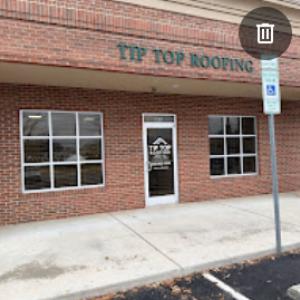
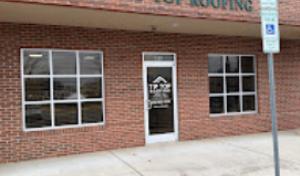
Tip Top Roofing
(336) 922-3325 www.tiptoproofing.net
853 Old Winston Rd STE 115, Kernersville, North Carolina
4.6 from 28 reviews
Tip Top Roofing, Inc. is a trusted roofing contractor located in Pfafftown, North Carolina. They specialize in residential and commercial roofing services including installation, repair, and maintenance. With years of experience, they deliver high-quality workmanship and use durable materials to ensure longevity and protection. They are dedicated to customer satisfaction and provide a professional, efficient service.
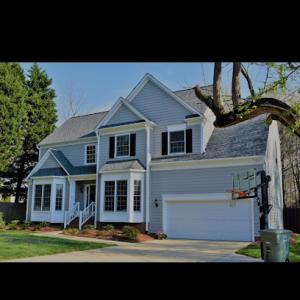
GQ Roofing & Contracting
1315 Somerset Crossing Ln, Kernersville, North Carolina
5.0 from 8 reviews
Whether your home has been compromised by natures elements, an old roof, or its appeal no longer meets your standards, don't stall. Give us a call. GQ Roofing and Contracting is here to offer you and your homes current complications a stress free solution. With our responsive customer service and safe, experienced contractors, we are ready to ensure your full satisfaction on all repairs and renovations.

Eagleeye Restoration
(336) 905-1458 eagleeyerestorationllc.com
Kernersville, North Carolina
5.0 from 4 reviews
We are your comprehensive roofing solution. We offer high-quality installation and repair services, backed by free inspections to ensure maximum protection for your home or business. Contact us today for a no-cost evaluation!
Allied Roofing
(336) 993-8038 www.alliedrfg.com
744 Park Centre Dr, Kernersville, North Carolina
5.0 from 4 reviews
Allied Roofing Inc. has been the premiere commercial roofing company in the Carolinas and Virginia for over two decades. With a focus on customer satisfaction, our adept team provides tailored roofing solutions that cater to your unique needs. Our specialties include new construction, re-roofing, and repairs, meticulously utilizing advanced technology and prioritizing safety. Trust us for reliable, cost-effective, and long-lasting results that will keep your business protected and looking its best.
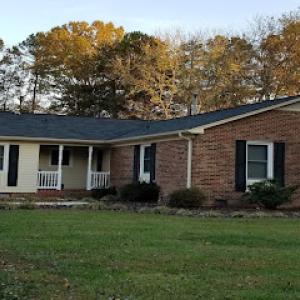
Price & Sons Roofing
(336) 869-6921 www.priceandsonsroofing.com
Kernersville, North Carolina
5.0 from 2 reviews
We offer a wide range of roofing services for every type of roof, including rubber, shingles, and tile.
Elite Roofing Concepts
185 Forrest Acres Dr Apt G, Kernersville, North Carolina
3.7 from 3 reviews
Elite roofing projects at cost-effective prices. We have been servicing the Triad and tackling home owners for the past 15+ years and are experts in all things roofing. Give us a call and let's figure out how to best suit your needs today!
NAT Home Solutions
(336) 558-9500 nat-homesolutions.com
Serving
4.2 from 27 reviews
NAT Home Solutions is a company in Browns Summit, NC that offers commercial and residential roofing services such as TPO roof installation and repair, metal roofing, siding, and more. Contact our contractor for more information and free estimates.
Asphalt shingles dominate local replacements because they fit the area's typical residential housing stock and cost expectations better than tile or specialty systems. In neighborhoods with mix-and-match facades, you'll see a straightforward asphalt roof that blends with neighbors' homes and keeps roofline details simple for rapid repairs after a hail event. For most homes, this choice delivers reliable performance across hot summers, and it also supports quick, expedient leak patching when a storm strikes. If a roof needs replacement after a wind or hail event, asphalt remains the most accessible option for timely service and consistent color and granule retention through the freeze-thaw cycles of late winter.
Metal roofing has a meaningful local specialist presence, making it a realistic upgrade option for homeowners trying to reduce heat-related aging and improve long-term storm durability. In Kernersville, metal panels or standing-seam profiles can shed hail energy more predictably and resist wind uplift better than many conventional shingles. Metal also reflects more solar heat, which helps limit attic temperatures and can extend the life of interior finishes during the hot, humid summers. The tradeoff is that metal requires precise installation to avoid leaks around edges, seams, and penetrations. If a house has clean roof lines and unobstructed eave details, metal becomes a compelling option to pursue with a local installer who has a track record in storm-dominated weather.
Clay tile, concrete tile, wood shakes, and synthetic products appear in the market but at much lower specialist prevalence, so installation quality and repair matching can be harder to source locally than for shingles or metal. Tile and shake systems demand experienced crews for proper nail patterns, underlayment, and flashing details, especially where gutters, dormers, or chimneys are present. In practice, homeowners should expect longer lead times for skilled trades and fewer local aftercare options if a repair is needed years down the line. Synthetic products offer a balance of look and performance, but local expertise for color matching and seam details may be more variable than with asphalt or metal.
With Triad hail and wind events, rapid response matters. Asphalt and metal roofs support faster leak detection, temporary tarping, and coordinated insurance documentation because installers in Kernersville tend to report and document damage consistently. If a live patch or temporary fix is needed after a storm, these materials are easier to stage and seal while awaiting a longer-term repair or replacement plan.
In the Kernersville climate, annual inspection after winter freeze-thaw cycles and post-storm checks are practical steps to catch minor issues before they become significant leaks. Asphalt shingles should be monitored for granule loss and edge curling, while metal roofs benefit from periodic fastener checks and sealant upkeep around penetrations. Regardless of material, prioritize a roof system that can tolerate hot summers, heavy winds, and the seasonal cycle of hail in spring.
After a Triad hail or wind event, you'll want to inspect the roof for rapidly spreading shingle loss, lifted edges, or slack underlayment. In this area, repairable damage is common, but once granules are flushed away or underlying decking shows, replacement becomes more practical. If multiple areas show extensive shingle blow-off, signs of pervasive granule loss, or widespread flashing deterioration, a full roof replacement is likely the right path. In spring and fall, you have a clearer window to evaluate these issues without fighting summer heat or winter ice, which helps you set a realistic plan with your contractor.
A patch here and there might buy time, but hot summers can accelerate aging of asphalt and other common materials. If you notice curling, cupping, or widespread granule loss that worsens after a few warm days, replacement is often more durable than piecemeal repairs. For metal, concrete, or tile roofs, localized fixes can extend life, but if fasteners or sealants show repeated failure across the roof, replacement saves more trouble in the long run. In Kernersville, where midwinter freezes can destabilize seals and create cold-weather leaks, timing matters: delaying a needed replacement to a warmer, drier season reduces the risk of rework from moisture and frost.
Spring and fall are the preferred replacement windows because they avoid the worst summer installation heat and reduce disruption from peak storm periods. Working in cooler, moderate weather helps materials cure properly and makes shingle or metal installation safer and more predictable. If a storm forces you to plan during summer, talk to the contractor about flexible scheduling and longer daytime hours to dodge the hottest parts of the day, while still maintaining warranty expectations. In winter, freezes and occasional ice can slow tear-off, affect seal-down timing, and expose brittle materials during repairs. If winter work is unavoidable, ensure crews have access to heated spaces for adhesive or sealant workflows and that temporary protection is in place to minimize further moisture intrusion.
This area's typical homes often feature asphalt shingles, with some metal or tile options on more updated or period-style houses. In a reroof decision, consider the attic ventilation and the potential for ice dam development during late fall and winter. A well-ventilated attic paired with a properly installed underlayment reduces leak risk during freeze-thaw cycles. For one-story bungalows or two-story colonials common here, the impact of wind-driven rain and hail can vary across elevations, so plan a targeted inspection of valleys, hips, and chimney flashing. If the roof has reached the end of its expected life or shows widespread roofing-fastener corrosion, a replacement tailored to the existing structure will smooth out maintenance needs and improve long-term performance.
Get a clear picture of your project costs upfront - no commitment required.
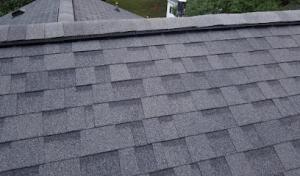
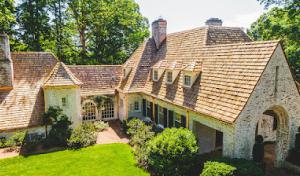
When you price a re-roof in this Triad area, you'll most often see asphalt shingles sitting at the lower end of the spectrum, roughly 350 to 650 per square. That's a common fit for the typical Kernersville home with standard ridge lines and decent attic control. Metal roofs, which show up a bit more in higher-end renovations or wooded lots, run about 900 to 1500 per square. If you're considering clay or concrete tile, expect 1000 to 1900 and 900 to 1600 per square respectively, with clay leaning toward taller roofs or a more Mediterranean look and heavier decking considerations. Wood shingles or shakes land around 650 to 1100 per square, bringing a rustic, durable option for certain styles, while synthetic or composite shingles sit in the 700 to 1200 range for those prioritizing longevity with lower maintenance.
During spring hail and wind events, demand spikes can sharply push scheduling and labor pricing higher. Fast re-roofing and emergency dry-in work become priorities after storms, and crews may prioritize quick turnarounds over the standard cadence. In Kernersville, where spring weather can bring sudden hail or gusts, that translates into tighter windows for inspection, material ordering, and full roof replacement. If your roof is damaged, expect a possible squeeze on availability and a rush to secure materials, especially for common profiles like asphalt shingles. Planning ahead with an inspection after a storm can help you avoid the peak-repair rush.
Costs in Kernersville are often moderated by the strong local re-roofing market and common use of asphalt shingles, but can rise with steeper residential rooflines, decking repairs after leaks, and specialty material sourcing. A steeper pitch adds labor and safety considerations, which can nudge the per-square price upward. If decking has suffered from leaks or rot, that adds a separate line item that can impact the overall total. Sourcing specialty materials quickly-such as a specific color blend or a premium synthetic option-can also influence the final figure. In practice, the most economical approach tends to be asphalt when that choice aligns with your home style and climate resilience goals, with other materials reserved for established preferences or architectural requirements.
A full re-roof in Kernersville typically requires a permit reviewed by the local Building & Development department. The process starts with the permit application and a set of framing or roofing plans from the contractor. In this area, plan review and permit issuance tends to move along at a relatively modest pace compared with bigger metro jurisdictions, so start the submission early in the project window to avoid weather-induced delays. Have the contractor provide typical details such as roof deck condition, underlayment type, and proposed venting to help the city reviewer move things along. If an HOA exists, obtain any necessary approvals before submitting, since the permit will not be issued until those commitments are in hand.
Roofing inspections in Kernersville are generally scheduled during and after installation, commonly including a rough-in or tear-off inspection followed by a final inspection. The rough-in or tear-off check verifies that the deck and any required underlayment are in place and that ventilation and flashing details meet code. The final inspection confirms that the completed roof is example-quality finished, that fasteners and accessories are installed correctly, and that everything aligns with the approved plan. Coordinate with the Building & Development department to select inspection dates that fit staggered weather windows. Have access ready for the inspector to walk the attic and roof lines, and keep documentation from the contractor handy in case questions arise about venting, ice/watertight protection, or drip edge details.
Expect a relatively short local lead time for plan review and permit issuance compared with larger jurisdictions. Plan to register inspections in advance and confirm any required access points, including temporary egress for ladders and safe stair access to the attic if a rough-in is needed. Bring any amendments to the approved plan to the final inspection, should changes occur during tear-off or installation. If work pauses for weather or supply issues, be mindful that permits can have expiration windows and may require re-approval if the project stalls too long.
North Carolina's frequent wind and hail activity makes Kernersville part of a high-claim roofing environment where storm documentation matters. After a storm, the window to capture accurate evidence is narrow, and carriers expect a clear trail of what happened to the roof and why repairs were needed. Immediate, organized records help prevent disputes about what was damaged, when it occurred, and how long the roof has been deteriorating.
Carriers commonly want date-stamped photos, contractor findings, and invoices, so homeowners should document damage immediately after storms before temporary repairs hide evidence. Take wide shots of the entire roof and close-ups of broken shingles, lifted tabs, exposed underlayment, and any interior signs of water intrusion. Note wind direction, hail size, and the storm date on every image. Obtain a written assessment from a reputable contractor that outlines observed damage, recommended repairs, and any urgent risks to the structure.
A steady, organized file helps prevent last-minute scrambles when the insurance company asks for more information. Keep all correspondence, photos, and contractor notes in one place with dates. Include invoices and the contractor's professional opinion on whether permanent repairs or a full roof replacement are warranted. After a major regional event, carriers may tighten coverage terms or adjust appraisal expectations, so having a thorough, readily shareable claim packet speeds the process and reduces the chance of delays.
Prompt claim filing is essential when the market tightens after a broad storm season. Delays in reporting can complicate coverage decisions and extend the time before a repair can begin. By prioritizing careful documentation and clear contractor input, homeowners position themselves to navigate the insurance process with less friction and more predictable outcomes.
The local contractor mix shows strong demand for re-roofing rather than niche restoration, suggesting many homeowners are dealing with aging shingle systems that are no longer worth repeated patching. In this market, a roof that has endured multiple seasons of spring hail, hot humidity, and snap freezes tends to lose granules, curl edges, and develop hidden leaks. If your shingles look wavy, are curling at the corners, or you notice granules gathering in gutters, plan for a full or substantial re-roof rather than endless patchwork. A solid, properly installed roof in this area helps resist wind-driven rain and reduces the chance of interior damage during the Triad's volatile spring storms.
Skylight repair is a meaningful specialty in Kernersville's market, indicating leak points around penetrations are common enough to justify dedicated service offerings. Valleys, pipe boots, chimneys, and skylights are frequent trouble spots after heavy winds or hail. If you notice staining on ceilings near a skylight or you hear dripping during a hard rain, expect to address both the flashing and the seal around the unit. For best results, hire a contractor who prioritizes flashing integrity, uses high-quality sealants, and verifies water shedding around parapets and joints to prevent recurring leaks.
Low-slope and flat-roof service exists locally but is secondary to pitched residential work, so these systems matter mainly for additions, porches, and some commercial properties rather than as the city's dominant roof type. Porch roofs and small flat sections should still be inspected in any re-roofing plan, because improper drainage or edge flashing here can funnel water into living spaces. If a flat or low-slope area shows ponding or blistered membranes, address it promptly with a qualified roofer who understands how a proper drain plan and edge termination prevent long-term pooling damage.
In Kernersville, timely storm response matters as much as the repair itself. After a hail or high-wind event, document everything with photos and notes, and flag urgent leaks for immediate tarping to minimize interior damage. When meeting with insurers, keep a clear record of the damage, the timeline, and the proposed scope of work, so claim reviews reflect the actual condition and needed repairs. A contractor who can guide you through filing, receipts, and scope details helps keep the process smoother and reduces the chance of patchwork that delays a durable solution.
Find contractors experienced in skylight installation, flashing, and leak repairs to bring natural light into your home.
Tip Top Roofing
(336) 922-3325 www.tiptoproofing.net
853 Old Winston Rd STE 115, Kernersville, North Carolina
4.6 from 28 reviews