Last updated: Apr 19, 2026
When a spring hail event or summer thunderstorm rolls through, one slope can take a direct hit while another looks nearly untouched. That pattern is common here, and it means you must act fast to protect the vulnerable areas of your roof and avoid interior water intrusion. Start with a careful walk-around only if it's safe to do so-watch for loose shingles, lifted flashing, or dented gutters. If you spot active leaks from the attic or ceiling, get a tarp in place to cover the most damaged area and prevent further moisture loading while you arrange a professional assessment. In High Point's inland Piedmont climate, repeated moisture loading from storms compounds damage quickly, even if the outside appearance seems mild.
Because local claims tend to hinge on the timing and progression of damage, you need strong documentation before any adjuster visits. Take date-stamped photos from multiple angles of every affected slope, ridge, and valley. Capture close-ups of lifted shingles, granule loss, damaged vents, and flashing separations. Gather roof-age records and any prior repair history so the adjuster can distinguish new storm damage from preexisting conditions. Keep a simple log: storm date, observed damage, and what was done to mitigate at each step. This is not a generic requirement-it directly reflects how claims are evaluated after High Point's spring hail and summer thunderstorms.
Seal exposed entry points to the attic with temporary coverings and ensure gutters and downspouts are clear to prevent water backing up onto the roof deck. If shingles are loose but not fully detached, avoid walking on them to prevent further tearing; instead, arrange a professional inspection to confirm the extent of uplift and hidden damage beneath the surface. In repeated moisture cycles, hidden rot can progress quickly; early mitigation reduces what the adjuster will see as compensable damage and can prevent secondary interior leaks.
Before an adjuster arrives, assemble the documentation again in a single packet: storm date(s), photos, roof-age records, prior repair history, and a concise list of observed leaks and interior water intrusion. On the day of the visit, you want a clear narrative of weather-driven damage, not a reactive afterthought. Remain present during the inspection to point out changes since the storm and to ensure the adjuster notes specifics about each area affected by hail, wind, or thunderstorm activity. This approach aligns with how weather-driven claims are evaluated in this region.
Once the adjuster completes the assessment, prioritize fixes by the most moisture-prone areas first, then address ancillary components like vents, underlayment, and flashing that influence wind-uplift performance. Revisit your documentation after any recommended repairs to confirm all conditions have been accurately recorded and that repairs reflect the actual damage pattern observed across the roof. In this climate, a staged, well-documented plan helps ensure resilience against repeat storms and protects against future leaks.
T.R.U.S.T Roofing & Property Maintenance
(336) 770-0289 www.trust-roofing.com
High Point, North Carolina
5.0 from 89 reviews
T.R.U.S.T. Roofing and Property Maintenance, LLC, renowned for providing top-notch roofing solutions in Winston-Salem since 2019, is a testament to reliable craftsmanship and unparalleled expertise. As an Owens Corning Preferred Contractor, trust our team to deliver exceptional roofing materials, executed flawlessly by skilled professionals. Let your roof become a symbol of durability and peace of mind, backed by industry-leading warranties and the confidence that comes from choosing a name synonymous with roofing excellence.

Excel Roofing Solutions High Point
(336) 281-3833 excelroofingsolutions.com
3980 Premier Dr Ste, 110, High Point, North Carolina
4.9 from 188 reviews
Excel Roofing Solutions is a family-owned, fully licensed, and OSHA-certified roofing contractor with over 40 years of industry experience and an A+ rating from the BBB. They specialize in residential and commercial roofing, siding, gutters, and maintenance, offering dependable service and quality craftsmanship. Known for using high-quality materials and offering 0% financing, Excel Roofing Solutions delivers expert installations backed by extensive training and a commitment to safety. From quick repairs to full roof replacements, they provide honest, professional service from start to finish.
Wimmer Siding Windows & Roofing
(336) 731-6875 www.wimmernc.com
1944 W Green Dr, High Point, North Carolina
4.9 from 110 reviews
Wimmer Siding, Windows & Roofing is a locally owned and operated business devoted to providing you the best in quality and service for your unique exterior home needs. We proudly serve the Piedmont Triad and surrounding areas in North Carolina.
Weather Master Roofing
(336) 687-4099 weathermasterroofing.us
3605 Northfield Pl, High Point, North Carolina
5.0 from 34 reviews
Welcome to Weather Master Roofing, your ultimate destination for all your roofing needs. We specialize in gutter repair and installation, roof repair and replacement; insurance claims assistance, asphalt shingle roofing, and metal roofing services for pro
LC Quality Roofing
(336) 481-7336 lcqualityroofing.com
3017 W English Rd, High Point, North Carolina
5.0 from 31 reviews
LC Quality Roofing is a premier roofing and exterior specialist serving the North Carolina Triad since 2000. Based locally, we provide expert residential roofing, siding, and gutter solutions across Greensboro, Winston-Salem, High Point, and the surrounding Piedmont area. With over 25 years of local experience, our team specializes in insurance restoration, helping homeowners navigate storm damage claims for hail and wind. Our core services include professional roof inspections, leak repairs, and full roof replacements. We also offer exterior maintenance, including seamless gutter repair and siding installation. LC Quality Roofing is known for craftsmanship and protecting Triad homes through meticulous leak detection.
Artisan Roofing Company
(336) 490-5740 artisanroofingcompany.com
772 Gallimore Dairy Rd, High Point, North Carolina
4.9 from 39 reviews
We are a locally owned company serving the Triad in residential roofing, siding, gutters, and windows.
Michael Jameson Roofing
(866) 658-9597 www.michaeljamesonroofing.com
High Point, North Carolina
5.0 from 23 reviews
Michael Jameson Roofing is a trusted roofing contractor in the Piedmont Triad, North Carolina, serving High Point, Greensboro, Winston Salem, Kernersville, Archdale, Asheboro, Lexington, Thomasville, Clemmons, Summerfield, and Oak Ridge. We handle roof replacements, roof repairs, storm damage inspections, roof ventilation, skylight installation, skylight replacement, and roof maintenance. Led by Johnathan, Michael Jameson Roofing is a veteran owned business that takes pride in honest quotes, hard work, and secure roofing services. With years of experience and strong community ties across the Piedmont Triad area, Johnathan helps homeowners protect their property with quality materials and professional Piedmont Triad roofing service.
Xterior
131 W Parris Ave # 18, High Point, North Carolina
4.7 from 96 reviews
Xterior is a Google Guaranteed residential roofing contractor serving High Point, Greensboro, Winston-Salem, Kernersville, Thomasville, Lexington, and Asheboro. We focus on asphalt shingle roof replacement, residential metal roofing, and wind/hail insurance claims. We also install vinyl siding, replacement windows, and seamless gutters.
Tar Heel Roofing Solutions
(336) 250-7993 www.tarheelroofer.com
High Point, NC
5.0 from 19 reviews
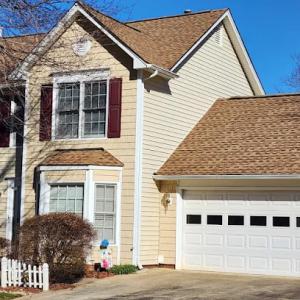
Are you searching for a roofing company you can rely on? Is it time to replace your roof? Make Tar Heel Roofing Solutions your first call for roofing services in or around the Thomasville, NC and the surrounding triad areas. With over 100 combined years of experience in the roofing industry, you can trust us to exceed your expectations. From metal to shingle roofing installation services, we can do it all.
Roofing Exteriors Pro
(336) 875-5002 roofingexteriorspro.com
2640 Willard Dairy Rd STE 110, High Point, North Carolina
4.6 from 96 reviews
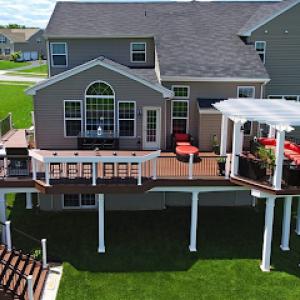
Roofing Exteriors Pro is your local roofing and exteriors contractor, proudly serving High Point, Greensboro, Winston-Salem, Kernersville, and the entire Triad area of North Carolina. Locally owned and operated, we specialize in roofing, siding, windows, gutters, deck installation, and fencing. As a CertainTeed Select Shingle Master, we deliver top-notch craftsmanship and reliable solutions for every project. We offer free estimates and flexible financing options to make your home improvement process easy and stress-free. Whether you need a new roof, exterior upgrades, or repairs, Roofing Exteriors Pro is here to provide exceptional service you can trust in High Point, NC, and beyond.
Statewide Roofing Specialist
(336) 936-5245 statewideroofingspecialist.com
1426 Johnson St, High Point, North Carolina
4.4 from 65 reviews
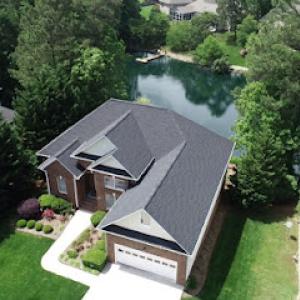
Statewide Roofing Specialist has been providing commercial and residential quality roofing throughout High Point, NC, since 2012. The experienced crew of expert roofers has the skills to provide solutions for any roofing issue with specialized inspection, maintenance, and repairs. Whether you have a small leak or are in need of a new roof, Statewide Roofing Specialist is dedicated to delivering exceptional service, ensuring your roof is in tip-top shape!
Shaver Roofing Services
(336) 886-1003 www.shaverroofing.com
328 Amhurst Ave, High Point, North Carolina
4.9 from 9 reviews
Commercial Roofing Contractor
Asphalt shingles dominate this market because they fit the area's mainstream residential housing stock and price expectations better than tile or slate. For a typical High Point home, a reliable asphalt system paired with a solid underlayment delivers predictable performance through spring hail and summer thunderstorms. When evaluating shingles, prioritize those with higher granule density and a well-rated wind resistance-look for products that meet or exceed local wind uplift expectations. The key is a complete package: reflective or laminated shingles, a stout underlayment, and continuous attic air flow that moves hot, humid air out of the attic before it damages decking or shingles. In practice, that means ensuring every ridge vent, soffit vent, and baffle has a clear path and no gaps. After a storm, inspect for lifted tabs, bruised shingles, and granule loss, then document damage promptly for insurance claims.
High Point's hot, humid summers stress attic ventilation and moisture control, and this is where shingle aging accelerates if ignored. A well-ventilated attic reduces ice dam risk in shoulder seasons and helps keep shingles from drying out too quickly, which can lead to curling or cracking. Pair that with a robust underlayment system-prefer breathable, water-shedding underlayment in roof planes facing prevailing summer storms-to maintain a dry base layer even if the outer shingles take a hit. The practical outcome is longer shingle life, more consistent warranty performance, and fewer nuisance leaks after heavy rain. Schedule a mid-life inspection to check for moisture staining, condensation, or ventilation blockages around soffits and baffles, and address any signs of trapped heat before they become material damage.
Metal roofing has a meaningful local niche, reflecting homeowner interest in longer service life and better rain-shedding during frequent summer storms. Metal panels stand up well to hail and can shed heavy rain quickly, which reduces the time water sits on the roof and potential intrusion through fasteners if corrosion or wear develops. If considering metal, opt for a profile with strong wind uplift resistance and a sealed panel-to-ridge system to minimize wind-driven leakage paths. A sound underlayment remains important in metallic systems to cover any gaps and to help manage thermal expansion, especially in the peak heat of July. For homes with flatter roof lines or those facing frequent storm bursts, metal can offer a durable, low-maintenance alternative to traditional shingles, provided installation quality is excellent and attic ventilation is balanced to accommodate the roof's thermal behavior.
A practical strategy is to pair asphalt shingles with a higher-grade underlayment and a comprehensive ventilation plan, especially if the roof is aging or exposed to frequent hail. If the home has a metal upgrade path, ensure the roof deck and edge details are prepared for the heavier panel weight and potential expansion stresses. In all cases, plan for a thorough post-storm inspection focusing on fasteners, sealant lines around chimneys and vents, and any visible uplift signs. Documentation of storm impact, weather timing, and photos of damaged areas will streamline any insurance conversations and support a faster recovery.
High Point experiences sharp price movements in the wake of spring hail and summer thunderstorm activity. When a burst hits, crews and materials are in high demand across the Triad, and you'll see bid ranges widen quickly. That means a reroof or major repair can jump from the typical local quote to a higher tier as sooner-start schedules fill up and supply chains tighten. If your roof shows hail bruising or wind-driven damage, anticipate a few extra days of scheduling friction and potential price bumps as trades respond to the surge. In practical terms, start phone calls early after a storm and request a written scope and itemized quote that captures potential escalation for materials and labor.
Asphalt shingles are the working baseline for most homes here, and you'll notice the entry-cost option sits comfortably within the lower half of the market. When comparing bids, asphalt shingles provide predictable performance for the typical Triad climate: hot, humid summers with occasional strong storms. If budget is a concern and the roof's structure is sound, sticking to asphalt often yields the most straightforward path to completion. For those chasing longer life and a more resilient surface, you'll see neighboring choices like metal or premium tiles clock in higher overall costs, but with differing maintenance profiles and lifespans that matter in a storm-heavy setting.
Slate and concrete or clay tiles represent the upper tier locally, and they require specialized labor that isn't as common in High Point as it is in markets with denser craft pools. Slate, in particular, can command a premium for both material and installation skill, while concrete and clay tiles add weight and potential structural considerations. These options deliver distinct aesthetic and longevity advantages, but they also bring higher upfront costs and longer lead times for skilled crews. If your roof already has the appropriate framing and you're aiming for a statement look or extended service life, these materials become viable, weathering the cost spikes more gracefully over time due to their durability.
Labor costs in this city reflect the mix of housing stock-from older bungalows to newer builds-with crews juggling multiple jobs during post-storm windows. Expect fluctuations in crew availability after a hail event, which can push project start dates and total project duration. The more specialized the installation (for example, slate or tile) or the more complex the roof geometry, the more price pressure you'll see on labor. Homeowners can mitigate some uncertainty by securing references, requesting a pre-storm maintenance check to address minor issues before they escalate, and choosing a material with a local install network that can reliably mobilize when demand surges.
Don't let upfront costs delay a critical repair - these contractors offer payment plans to fit your budget.

Excel Roofing Solutions High Point
(336) 281-3833 excelroofingsolutions.com
3980 Premier Dr Ste, 110, High Point, North Carolina
4.9 from 188 reviews
Roofing Exteriors Pro
(336) 875-5002 roofingexteriorspro.com
2640 Willard Dairy Rd STE 110, High Point, North Carolina
4.6 from 96 reviews
Most full roof replacements in this city require a building permit from the City of High Point rather than being handled as permit-free maintenance. Before any tear-off begins, you or your contractor should verify the project scope and file a permit package with the City's Building Inspections division. The package typically describes the roof work in detail, including materials, underlayment, ventilation plan, and any necessary structural considerations. This step is not optional; it anchors the project in the city's code framework and helps prevent later enforcement headaches or delays.
City inspections are commonly scheduled after underlayment is installed and again after the full installation is complete. The first checkpoint focuses on underlayment quality, attic ventilation adequacy, and adherence to wind-resistance requirements. The second checkpoint validates the finished roof assembly, orientation, fastener patterns, and penetration details. Scheduling these inspections in a timely fashion reduces the chance of work stoppages and keeps the project moving through the spring thunderstorm season with fewer surprises. Your contractor should coordinate these dates with the permit office and provide you with clear notes on what to expect.
In the review process, wind-uplift performance and ventilation compliance are common focal points. High Point's climate and roofing traditions demand a system that resists uplift forces from strong gusts and rapid temp swings, while also maintaining proper airflow to dry the roof space. The city's review can be particular about nailing patterns, sealant applications at penetrations, and the compatibility of underlayment with the chosen roofing material. Expect questions about attic intake and exhaust vent placement, soffit clearance, and the overall balance between moisture management and insulation compatibility.
The permit is not closed until the final inspection passes. If any concerns are identified during the final review, the contractor will need to address them and schedule a re-inspection. Keeping the permit box-current and ensuring a clean, accessible attic and roof line for the inspector can speed this process. Because approvals hinge on meeting wind-uplift and ventilation criteria, confirm that your chosen materials and installation details align with both the permit requirements and the city's standards before work begins. This alignment helps prevent backtracking and supports a smoother path from tear-off to a weather-ready, code-compliant roof.
When a storm rolls through Piedmont skies and hits membranes and shingles, North Carolina carriers will expect a clear paper trail. For a homeowner with a mid-life asphalt roof or an aging metal system, the insurer will commonly ask for roof age, prior damage history, and photo documentation to evaluate a storm claim. In High Point, losses often arrive not as one dramatic event but as a string of small, steady leaks or a visible hail dent after a thunderstorm. Your claim's outcome can hinge on whether damage is recorded as a sudden storm loss versus older wear. A careful, dated sequence of photos taken soon after each weather event can make the difference between a straightforward repair authorization and a prolonged back-and-forth.
Collect material that tells the story of what happened and when. Start with recent storm reports from your area, then map the roof's vulnerable spots-corners, vents, chimneys, and the drip edge-before and after each event. Photograph shingles, granule loss, and lifted flashing from multiple angles on sunny days so shadows don't obscure detail. If a leak is discovered, document interior damage with timestamped images of stained ceilings or attic moisture. Keep a running log of the dates you noticed issues, the weather conditions, and any temporary fixes. This is not about sensational claims; it's about presenting a credible sequence that a claims adjuster can verify.
Older asphalt systems and certain roof types can complicate claim decisions, especially when the damage spans several seasons. Roof age can influence how an insurer views wear versus storm-caused damage, so having a clear, organized record of maintenance and any prior repairs is especially valuable in a town where many homes show the marks of long service. If your roof has undergone earlier repairs, include invoices and contractor notes that explain what was addressed and when. A well-documented history helps the insurer see whether new damage aligns with recent weather events or traces back to cumulative aging.
After a significant hail or thunderstorm, inspect the roof with safety in mind and start building your documentation package immediately. Schedule a professional, unbiased roof assessment and request a written report that references observed hail impact points, wind-related uplift, and any compromised underlayment. Share this report along with your photo timeline when you file a claim. Being proactive with records reduces the risk of a stranded claim and supports a smoother, more transparent resolution.
Connect with contractors who help homeowners navigate the claims process from damage assessment to final approval.
T.R.U.S.T Roofing & Property Maintenance
(336) 770-0289 www.trust-roofing.com
High Point, North Carolina
5.0 from 89 reviews
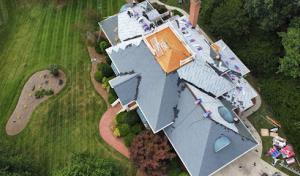
Weather Master Roofing
(336) 687-4099 weathermasterroofing.us
3605 Northfield Pl, High Point, North Carolina
5.0 from 34 reviews
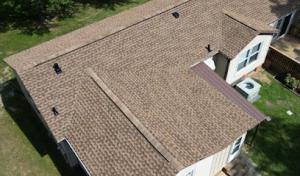
LC Quality Roofing
(336) 481-7336 lcqualityroofing.com
3017 W English Rd, High Point, North Carolina
5.0 from 31 reviews
As fall winds begin to ramp up, weak flashing and aging sealants show their vulnerabilities before winter temperature changes stress them further. Those little points along dormers, vents, and rake edges can go from barely perceptible to stubborn leaks after a heavy storm or a quick freeze-thaw cycle. Check around chimney flashing, step flashing where the roof meets a wall, and any low-slope transitions that carry water from the upper field to the gutter line. If stacks or vents haven't been resealed in several seasons, expect frequent rework when the wind carries moisture into seams that have already degraded. In High Point, where dramatic gusts are common, those edges deserve a closer look before a cold stretch.
Summer moisture exposure in the Piedmont makes penetrations and transition details more vulnerable to recurring leaks than homeowners expect after a single storm patch. Roofing materials can swell and contract with humidity, loosening fasteners and widening small gaps at skylights, vents, and valley intersections. Do not assume a patch fixes the problem for good-heat and humidity can redraw the leak path over weeks. Prioritize dried-in care: ensure underlayment remains intact beneath transitions, and inspect flashing around penetrations after the heaviest monthly storms.
The local contractor market shows meaningful demand for chimney and skylight work, signaling that these roof intersections are recurring service points. Inspect around chimney chase collars, step flashing where the chimney meets the roof, and sealant lines at skylights. Look for exposed nails, lifted shingles at the flashing base, and any visible signs of water staining inside the attic near these features. If moisture is noticed near any of these intersections, plan timely resealing and flashing upgrades to avoid cascading leaks when winter winds return.
Find contractors experienced in skylight installation, flashing, and leak repairs to bring natural light into your home.
Michael Jameson Roofing
(866) 658-9597 www.michaeljamesonroofing.com
High Point, North Carolina
5.0 from 23 reviews
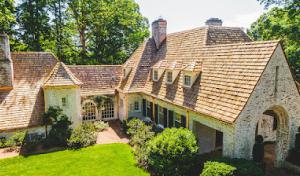
Flat and low-slope roofing is not the dominant residential system in High Point, but it remains relevant on additions, porches, multifamily buildings, and commercial properties in the city. The frequent summer rain makes drainage performance and seam integrity especially important on low-slope sections that hold water longer than steep-slope roofs. When inspecting these areas, look for signs of ponding, clogged scuppers, and poorly flashing to the main roof. Establish a routine after heavy rain to check for unexpected standing water, and plan targeted maintenance on low-slope sections before the next storm season.
In homes that pair shingles with a low-slope section, replacement planning often needs separate material scopes and inspection attention for each roof area. Seams between the shingle roof and the low-slope surface are common failure points, especially where edge details meet parapets or gutters. Ensure that the transition flashing is continuous, and verify that drainage channels remain clear where the two systems meet. If a renewal is planned, document the exact boundary line between the two roof types to guide scope decisions and prevent overlooked vulnerabilities.
Humidity and heat during the High Point summer amplify underlayment and ventilation needs on low-slope sections. The underlayment must be compatible with the chosen roofing material for that area, and the ventilation strategy should address potential trapped moisture in flatter areas. During a survey, check that fasteners are not overdriven, seams are sealed, and venting devices are unobstructed. On portions where the roof holds water longer, prioritize up-close testing of seam integrity and edge detailing for wind-driven rain resistance.
When replacing mixed systems, treat each roof area as a distinct project phase. Start with the low-slope area to confirm drainage performance, seam continuity, and flashings, then move to the steeper shingles. Use a two-step inspection checklist: first for water management on the low-slope surface, second for the structural and fastening integrity of the shingle section. This approach reduces callbacks and aligns with the city's emphasis on steady performance under storm exposure.
Find specialists in TPO, EPDM, and built-up flat roofing systems for residential and commercial properties.