
Last updated: Apr 19, 2026
Salem's spring storms and regular summer events can whip up sudden shingle loss, flashing damage, and active leaks that push homeowners into emergency tarping before a full replacement can be scheduled. If you notice shingles torn away, exposed decking, or discolored spots on ceilings after a storm, treat it as urgent. Leaks can travel and hide behind walls, so even a small drip warrants fast assessment. Do not wait for a rain-free window to diagnose; rising moisture can compromise structural integrity and invite costly secondary damage from mold or rot.
In the wake of a damaging event, your first move is to create a temporary shield. Place a sturdy tarp or roof tarp over exposed areas to slow or stop active leaks while you arrange a contractor visit. If wind is pushing water under flashing, secure the edges thoroughly and avoid leaving gaps that rain can exploit. Move valuables away from affected ceilings and walls to minimize water damage, and take photos from ground level and attic vantage points to document the extent of intrusion before any tarping or decking work begins. In this climate, local storms tend to arrive in batches, so acting within hours rather than days can prevent escalation.
The Virginia insurance environment around Salem-area homeowners commonly aligns with wind and hail damage. When a loss occurs, gather and organize key evidence:Fecha of the incident, time and duration of the storm, specific damage observed (shingles missing, granule loss, damaged flashing, dented vents), and clear photos of the roof edge, gutters, and attic spots. Save any contractor estimates and notes about the dates of inspection. If possible, obtain a written assessment from a roofing professional noting wind-driven or hail-driven damage. Insurance claims often hinge on showing a sequence of storm events and the resulting structural exposure, so your documentation should trace the timeline from storm onset to the protective tarping and subsequent repair steps.
Local project timing is affected by storm-driven demand spikes, so homeowners in Salem often need rapid documentation and temporary protection before contractor calendars fill. Create a concise damage log that can be shared with multiple contractors so you can compare timelines quickly. When emergency tarping is necessary, prioritize contractors who offer same-day or next-day service for temporary protection and who can commit to a rapid evaluation and a clear plan for a full replacement or repairs. If your roof has multiple penetrations or complex flashing, expect a longer window for mobilization; meanwhile, keep tarps secure and monitor for wind-driven shifts.
A trusted local roofer will confirm the damage type-shingle loss, flashing failure, or structural exposure-and distinguish between a temporary patch and a lasting repair. In Springfield-adjacent conditions with heavier materials and steep pitches common in this area, anticipate a thorough assessment of attic insulation, ventilation, and potential water entry points beyond the immediate visible damage. Request a written plan that outlines tarping status, temporary repairs if needed, and a clear path to a full replacement when weather and scheduling permit. Maintain open lines of communication with your contractor, and keep a log of any further leaks or wind-driven changes after the initial response.
Cenvar Roofing - Salem
(540) 384-9415 www.cenvarroofing.com
1390 Southside Dr, Salem, Virginia
5.0 from 10 reviews
We are roofing experts in Salem, VA. We prioritize customer satisfaction above everything and this is evident throughout each step of the process, from conception to completion. If you are in need of a roof repair or replacement in Salem, VA, request a free estimate appointment. We would be happy to serve you!
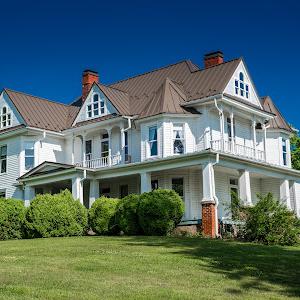
Commonwealth Roofing Specialists
(540) 988-4888 www.commonwealthroofingllc.com
Serving
4.9 from 239 reviews
Commonwealth Roofing Specialists, LLC, established in 2011, serves Roanoke and surrounding areas. Your premier roofing experts specialize in residential and commercial roofing. With a wide range of roofing services including free roof inspections, free estimates, metal roofs, re-roofs, siding, emergency storm repairs, skylights, gutter installs/repairs and much more! We are a CertainTeed SELECT ShingleMaster and are A+ rated contractor with Better Business Bureau! Fully licensed, bonded and insured, we offer a 10-year workmanship warranty on all our fully installed roofs to ensure our quality work and customer satisfaction for years down the road!
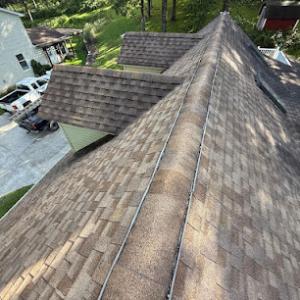
Appalachian Roofing
(540) 632-6938 appalachianroofingva.com
Serving
4.9 from 17 reviews
🏠 Appalachian Roofing is a trusted roofing company in VA, specializing in 🛠️ residential & commercial roof installation, repair & replacement. We handle 🧱 asphalt shingles, 🔩 metal roofing, 🔧 leak repairs, 🌪️ storm damage, 🕵️ roof inspections & maintenance. Fully licensed & insured ✅, we use top-quality materials and offer 💬 free estimates. Whether it’s a small repair or full replacement, our expert team delivers honest, reliable service across Virginia. 📞 Contact Appalachian Roofing today for your free quote!💪😊
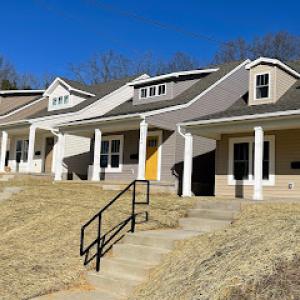
Clear Choice Exteriors
(540) 206-9026 www.clearchoiceexterior.com
Serving
4.9 from 109 reviews
Clear Choice Exteriors is an experienced roofing company providing Roanoke area homeowners with high-quality repairs and replacements for their home's roof. We have over a decade of experience as contractor, holding ourselves to the highest standards of quality in everything we do.
Best Choice Roofing
(540) 274-0970 bestchoiceroofing.com
Serving
4.6 from 322 reviews
Best Choice Roofing is your trusted roofing expert and the Best Choice when it comes to choosing a roofing company with a commitment to impeccable customer service in the Roanoke, VA area. In business since 2009, Best Choice Roofing’s industry-leading contributions to the roofing industry include a customer-first mentality, a dedication to top-quality products and a leadership team focused on the growth of its people. Because of this framework, we have created a loyal base of customers all over the United States.
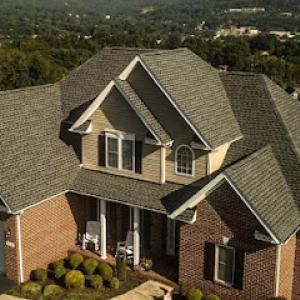
Big Lick Roofing
(540) 352-7989 biglickroofing.com
Serving
4.9 from 139 reviews
Big Lick Roofing is Southwest Virginia’s trusted Master Elite roofing company. Here at Big Lick Roofing our mission is to provide you with superior roofing installations with outstanding customer service you can count on. We’re here to build a relationship with you and exceed your expectations. Your roof is our proof! GAF Master Elite Certified GAF Presidents Club GAF Solar Certified Locally Owned & Operated Licensed & Insured Quick Turnaround Times Unmatched Workmanship & Material Warranty 100% Customer Satisfaction Guarantee Financing Available Online Estimates Available
IBC Roofing Roanoke
(540) 358-3058 www.ibcroanoke.com
Serving
4.9 from 61 reviews
As a leading family-owned business in the Roanoke area, IBC Roofing specializes in professional and dependable roofing services. Their experienced team is committed to excellence, handling everything from minor repairs to complete roof replacements with unparalleled skill. They focus on quality craftsmanship and attention to detail, ensuring every project is executed to perfection. Trust IBC Roofing for all your residential and commercial roofing needs, where their dedication to exceptional results guarantees your roof receives the best possible care.
Skywalker Roofing Company
(540) 418-3545 skywalkerroofingnc.com
Serving
4.8 from 64 reviews
Skywalker Roofing has been the trusted name in exterior home improvements providing exceptional service in Roanoke, Virginia for more than 25 years. As a local and experienced contractor, they provide residential and commercial customers with services for roof repair and replacement, siding and window installation, gutters, insulation, and soffit and fascia work. They are the best, most-awarded home exterior company in the area, having served over 30,000 homes and businesses. Read their hundreds of 5-star reviews to see why they are the #1 local roofing contractor. They serve Danville, South Boston, Martinsville, Roanoke, Stuart, Cana, Fancy Gap, Galax, Woodlawn, Hillsville, and everywhere in between.
Southern Roofing & Restoration
(540) 263-0300 www.southernroofingandrestoration.com
Serving
5.0 from 22 reviews
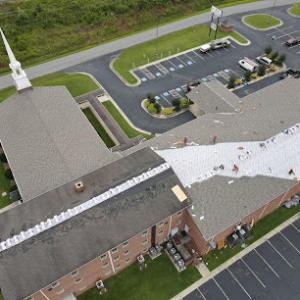
Southern Roofing and Restoration is a GAF Master Elite certified roofing company located in Southern Virginia. We offer high-quality roofing services, including repairs and installations, using only the best materials available. With a commitment to excellence and a reputation for providing exceptional service, Southern Roofing and Restoration is the go-to choice for all your roofing needs.
220 Roofing & Restoration
Serving
4.9 from 76 reviews
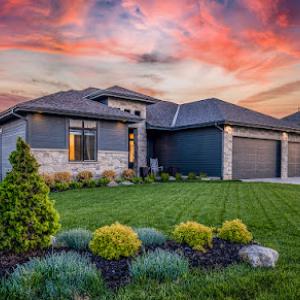
220 Roofing and Restoration is a roofing contractor in Roanoke serving Botetourt County, Salem, and nearby areas. Our roofing company offers residential roofing, asphalt shingle roofing, metal roofing, commercial roofing, and more. Customers love us because of our comprehensive roof warranties and our affordable roofing system options. We also have industry affiliations and certifications with manufacturers like Atlas, CertainTeed, Tamko, and Owens Corning. If you want to experience how your most trusted Southwest Virginia company embraces our motto "The 220 Difference!", call us now for an estimate!
Red Patch Roofing & Contracting
(610) 587-2709 redpatchroofing.com
Serving
4.9 from 31 reviews
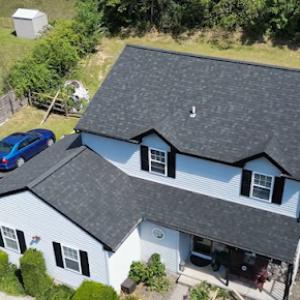
Red Patch Roofing & Contracting, LLC is a veteran-owned roofing company based in Leesport, Pennsylvania, providing expert residential roof replacements and repairs. We specialize in asphalt shingle installation and take pride in delivering honest service, clear communication, and professional craftsmanship on every job. Our team serves homeowners across southeastern Pennsylvania, including Berks, Lancaster, and surrounding areas. PA HIC #PA200867 | Fully Licensed & Insured
Vinton Roofing Company
(540) 890-1705 www.vintonroofing.com
Serving
4.9 from 452 reviews
Vinton Roofing Company has been providing exceptional roofing service to the Greater Roanoke Area for over 50 years. We offer a wide array of roofing services. We are fully licensed, bonded and insured, and have an A+ rating with the Better Business Bureau. If you need a roof, we've gotcha covered!
Storms roll through the Blue Ridge foothills with a distinct rhythm in this area. Winters bring cold snaps and occasional snow, followed by repeated freeze-thaw cycles that can stress underlayment and expose weak flashing details. Summers swing hot and humid, accelerating asphalt shingle aging and complicating installation during peak heat. Fall brings leaf buildup that clogs valleys and gutters, potentially backing water up at roof edges and penetrations. Knowing these patterns helps you spot trouble before it becomes a leak and guides how to respond when wind, rain, or hail hits your roof.
When temperatures swing above and below freezing, water trapped in the roof system freezes and expands. In the underlayment layer, that expansion can create micro-cracks or loosen fasteners, especially around penetrations like vent stacks and chimneys. In practice, this means you should pay close attention to areas where flashing seals meet underlayment, and inspect after a winter thaw for signs of moisture intrusion or staining along edges and around valleys. If a winter storm tests your roof, plan a quick inspection window once freezes subside and before the next thaw cycle. Look for loose shingles near eaves and along ridges, and test attic ventilation during warmer spells to ensure any interior condensation doesn't fog up insulation or plywood from the inside out.
Hot, humid summers shorten the window for safe, effective installations and repairs, especially on steep roofs or when using heavier materials. In the peak heat, asphalt shingles can become more pliable, making precise nailing critical to long-term performance. If a repair is needed during the hottest days, schedule it in the cooler early morning hours or wait for a forecast with moderate temperatures. For higher-end materials, high heat can accelerate expansion and contraction, so contractors should account for this in detail workmanship-tighten flashing in the right season, and avoid forcing square footage during the peak of a heat wave.
Leaf buildup isn't just a nuisance-it changes how water moves across the roof and through the drainage system. Clogged valleys and gutters can back water up at roof edges and penetrations, creating columns of moisture that weaken seals around vents and cause small leaks to appear well after a wind event. In practice, establish a routine fall cleanout: remove leaves from gutters and valleys every few weeks during peak leaf drop, and verify that downspouts extend away from the foundation. After storms, check for displaced shingles or backed-up flashing where water may have been trapped by debris. If a leak is suspected, trace it to the nearest penetration (vents, chimney, skylight) and inspect the associated flashing and underlayment for signs of lifting or abrasion.
When a storm hits, you want a disciplined approach. Start with a quick exterior walk, noting missing granules, lifted shingles, or peeled flashing. Photograph each issue from multiple angles and keep a dated log of any new damage. Inside, check the attic for condensation, brown spots, or damp insulation-these are clues that water found a path through the roof line. If damage looks confined to a small area, you may be able to cap it temporarily with a tarp or specialized roof cement, but avoid delaying a professional assessment for long. In all cases, detailed photos and a precise description of where the damage occurred will help when documenting the incident for insurance purposes.
Asphalt shingles dominate the local roofs, and for good reason: they're familiar, accessible, and can handle the seasonal swings you see on Blue Ridge foothills. In this market, you'll want to pay particular attention to wind ratings and ventilation. Salem springs and summers bring strong afternoon gusts that can peel back edges or lift loose tabs, especially on older installations. When you're evaluating a repair or replacement, check the shingle Granule loss and look for signs of curling along the eaves after storms. A well-vented attic backed by properly placed soffit vents helps prevent heat buildup that can shorten shingle life during our hot summers. If a roof is aging toward end-of-life or has recurrent leakage after wind events, a mid-life upgrade with upgraded underlayment and a more robust sealant can deliver noticeable improvements in performance.
Metal roofs are a meaningful specialty in this area and attract homeowners aiming for weather-wise durability. The smooth, fast-drying surface helps shed heavy summer rain and hail more efficiently than many other options, which is appealing after quick storm bursts. Metal's longevity is a strong pull for those facing winter freeze-thaw cycles, since its expansion and contraction patterns are predictable and manageable with proper fasteners. In practice, you'll want a metal system installed with careful attention to panel seams, through-fastened or concealed-fastener design, and a roof deck that's solid enough to support it without flexing. Local crews often suggest a well-sealed seam treatment and a hooded or vented attic to prevent heat buildup from spiking interior humidity in the damp weeks of late spring and early summer. If you expect frequent hail or dense wind exposure, metal can be a practical, long-term choice, provided the installation is precise and the system is well integrated with attic ventilation.
Clay tile, concrete tile, and slate sit at the premium end, and they show up in Salem's housing stock where homeowners want classic looks paired with robust performance. These materials deliver distinctive curb appeal and excellent longevity, but they also demand a stronger roof deck and careful design to handle the weight. The heavier masses can trigger structural review during the permit process, particularly on older or smaller homes, so the existing framing and truss system should be evaluated for the added load. In addition, practical install considerations come into play: clay and concrete tiles require a precise underlayment and careful layout to prevent breakage from seasonal temperature shifts and storm-driven impacts. Slate, while incredibly durable, is unforgiving to missteps during installation and requires skilled workmanship to maintain a watertight, wind-resistant barrier around valleys, vents, and chimneys. If a home carries one of these heavy materials, energy efficiency shifts and ventilation strategies should be revisited to ensure the attic remains dry and temperate throughout the year.
As a homeowner facing a replacement, you'll notice clear price bands by material. Asphalt shingles run from 350 to 650 USD per square, metal from 800 to 1200, clay tile 1000 to 1700, concrete tile 800 to 1500, slate 1500 to 3200, and fiber cement shingles 550 to 900. Those bands reflect both local labor realities and the premium you choose for durability, appearance, and wind resistance.
Costs in the spring and early summer can spike as storms roll through and demand climbs. In these windows, local crews book tighter schedules, fuel surcharges can creep in, and lead times extend. If a hail event or a heavy rain sequence hits the foothills of the Blue Ridge, expect prices to adjust upward even before materials arrive on site.
Heavier materials are common in the premium segment you'll see on steeper Salem homes. Tile and slate, in particular, bring more than a tear-off to the project. A structural evaluation may be prudent to confirm supporting members handle the load, and installation often requires careful staging, extra fasteners, and meticulous alignment. Those added steps translate into higher per-square costs beyond the basic material price.
Start with a material choice based on long-term durability and curb appeal, then factor in roof pitch, roofline complexity, and existing deck or attic ventilation. A complex roof with irregular ridges or multiple dormers will push labor time up, which can widen the gap between low and high estimates. Planning for weather-related contingencies during peak season helps avoid last-minute price hikes.
Get multiple written estimates and confirm each quote itemizes tear-off, disposal, underlayment, and fasteners. Ask for a stand-alone line item for any structural reinforcement if tile or slate is chosen. Document any storm-related damage promptly; clear, dated photos can help support insurance discussions and minimize delayed starts during busy months.
Don't let upfront costs delay a critical repair - these contractors offer payment plans to fit your budget.
Most full roof replacements in Salem require a building permit from the City of Salem Building Department. This isn't just bureaucratic red tape; it's what keeps your roof's structure, ventilation, and underlayment aligned with local codes after a big storm or winter freeze. The contractor is expected to pull the permit before work starts rather than leaving that step to you after the fact. If a contractor balks at securing the permit, that choice often translates into delays, disputes, and potential liability for you as the homeowner. In Salem's footing, where steep roofs and heavier premium materials show up, you want a permit trail that can be verified if any questions arise about weather readiness or warranty coverage.
Salem inspections are conducted during and after the project, often including a final inspection. The process isn't a single checkpoint; it's a sequence that helps verify that ventilation, underlayment, and fastener patterns meet county and city expectations for that neighborhood's climate swings. In practice, this means the inspector may review attic vent placement, ridge vent integrity, and attic plenum clearances to ensure proper airflow during hot summers and damp springs. A final inspection wraps up the record, confirming the roof meets current code standards and that any required structural considerations for heavier materials have been addressed. Expect some back-and-forth if any deficiencies are found, and budget a window for rework or adjustments tied to the permit phase.
Begin by confirming with the contractor that the permit has been pulled and is active. Ask for the permit number and the issuing inspector's contact details, and keep a copy of the permit on site. If the project stalls, check whether the permit has expired or if a required inspection has not been scheduled. In climate conditions typical for this area, inspections may flag ventilation and underlayment issues that aren't obvious from the ground; plan for a quick follow-up if the inspector notes something that needs adjustment. For heavier roofing materials, such as metal or concrete options, be aware that structural checks may be added to the inspection scope. If a permit or inspection lapse occurs, you face the risk of stop-work orders or penalties from the city and a potential delay in insurance claims, so staying proactive is essential.
Maintain all permit documentation, inspection approvals, and any corrective work notes in a single project binder. This record helps during future repairs, insurance reviews, or resale assessments, especially after a spring or summer storm event where wind uplift and hail concerns are common. The city's permit and inspection framework exists to protect your home through seasonal stress, gaps in ventilation, and the realities of Salem's varied weather.
When a storm rolls through the foothills and you notice shingle lift, granule loss, or a leaky ceiling, collect clear pre-loss photos if possible and immediate post-loss shots from multiple angles. In this market, insurers commonly want both pre-loss and post-loss imagery, plus notes from any wind or hail events. Keep a dated folder on your phone or computer labeled with your address and storm date, and include any records of prior repairs to show the roof's baseline condition.
After you file a claim, expect an adjuster visit. Prepare a concise walkthrough for the adjuster: show wind-damaged edges, missing shingles, flashing around vent stacks, and any interior signs of water intrusion. Have your photo set organized to align with what the adjuster notes. In Salem, a thorough inspection often focuses on anomalous wear from freeze-thaw cycles and spring/summer storm bursts that stress steeper roofs and heavier materials.
Insurers rely on documented damage that ties to the incident date. Create a simple damage log: include the time, weather notes (wind speed, hail size if observed), and photos timestamped to that event. If you can, obtain a brief statement from a neighbor who witnessed damage. Put these details near the top of your claim files so adjusters can quickly correlate evidence with the weather event.
Roof age, material choice, and wind rating can influence renewal premiums and coverage considerations. When evaluating repair versus replacement, weigh the documented damage against planned material upgrades and how those choices interact with existing policies. A well-documented claim in this climate helps ensure the right decision for the next roof cycle.
Connect with contractors who help homeowners navigate the claims process from damage assessment to final approval.
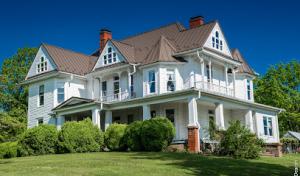
Older roofs around the ridge and valleys in this part of the Blue Ridge foothills show their age first at skylights and chimney flashing. In the spring thaw and late-summer storms, those penetrations become the most visible clues that a roof is aging. When a leak begins, it often starts as a trickle at the flashing, then travels along a rafter tail or through a sheathing seam. The consequence can be costly interior damage if the leak isn't found and addressed quickly. Keep a close eye on the flashing around skylights and the base of chimneys after heavy rains and hail, and look for rust spots on metal flashings that indicate corrosion or loose fasteners. Regular fall inspections of the flashing, gutters, and valley seams help catch trouble before storms return.
Leaf accumulation in fall matters more than people expect. Leaves collect in the gutters and around valleys, where water flow slows and small defects gain leverage. A blocked downspout or a clogged valley can force water to back up under flashing, especially where a roof age has already softened around edge provisions. In Salem, where the freeze-thaw cycle widens gaps, even a minor diversion of water can turn a small crack into a visible interior leak in a hurry. Inspect valleys after the first strong wind or wind-driven rain, and clear debris before the first freeze. If you spot damp spots on ceilings after heavy rain, treat it as a warning sign and map the likely path of water inside.
Because emergency repair is active in Salem's market, homeowners often address these leak points first with temporary protection before deciding on a full replacement. Temporary measures like tarps or sealed flashing patches can buy time, but they are not a substitute for proper flashing replacement and roof decking repairs. Use these measures to limit further damage while planning for a long-term fix with a trusted local roofer who understands the seasonal stresses and typical failure patterns. Keep photos and notes of staining, water paths, and roof age to support a repair plan and future discussions with a professional neighborly to the area.
Find contractors experienced in skylight installation, flashing, and leak repairs to bring natural light into your home.
Commonwealth Roofing Specialists
(540) 988-4888 www.commonwealthroofingllc.com
Serving
4.9 from 239 reviews
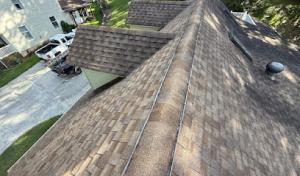
Spring and fall are the most practical times for roof work in this area. They avoid the peak summer heat that makes physical work harder and the winter freeze-thaw cycles that stress materials and slow progress. Steep residential roofs common in town respond best to steady, moderate temperatures, so aiming for the shoulder seasons helps crews move efficiently and minimizes weather-related surprises.
Spring in your neighborhood brings the risk of late-season storms and saturated conditions. If you notice new leaks after a wind-driven rain, address them promptly with temporary tarping and prompt scheduling for a full repair. Plan work as soon as the weather allows after a storm, but keep in mind that ground moisture or saturated decking can slow tear-offs and require extra safety checks for crews.
Fall brings cooler days and a predictable cooling trend before winter. It's ideal for underlayment performance and shingle handling without the fatigue of summer heat. If there is visible shingle damage or recurring leaks from summer storms, scheduling early in the season helps ensure the project completes before the colder months set in and reduces the likelihood of weather-driven delays.
Winter snowfall and ice can delay tear-offs and affect underlayment performance on active jobs. Extreme cold can slow material handling and complicate adhesive or sealant work. When a winter storm sweeps through, expect temporary pauses and plan for safety checks on roofing decks before resuming work.
Summer installations remain common, but high heat can complicate crew conditions and accelerate handling concerns for asphalt shingles. Plan to schedule early in the day, limit exposure on hot afternoons, and be prepared for a few weather-related interruptions if late storms roll in. A well-timed summer start often finishes before the height of heat and humidity.
In Salem, storm aftermath means contractors who can be on a roof, on a tight schedule, and with a tidy exit. Look for a crew that demonstrates rapid response after a storm, clear communication about scheduling, and a track record of clean, contained work sites. A clean jobsite at completion isn't just about curb appeal; it reduces fall hazards, debris in gutters, and unexpected follow-up visits. Ask for local references who experienced a spring or summer blow-through and can vouch for punctuality and cleanup.
Many homes in this market feature steep pitches and older configurations plus premium materials on the higher end. Prioritize contractors with direct experience installing and repairing those systems-especially when a full roof replacement is involved. The right crew will explain how they handle the unique angles, ventilation needs, and weather exposure common to this foothill climate, and will tailor their approach to your roof's age and material type.
Manufacturer certification and warranty-backed installation matter more here when comparing asphalt versus metal or heavier premium systems. A contractor who adheres to manufacturer guidelines and documents the installation steps provides longer-lived performance and easier warranty claims if a leak or failure occurs after a storm. Expect a clear plan for underlayment, fastener choice, and alignment with the chosen material's warranty terms.
Salem homeowners benefit from written estimates and a transparent scope of work. Insist on itemized details that capture the sequence of events from debris removal to final inspection. A contractor who records photos of damage and retains before-and-after documentation will help during any later insurance conversations and ensure nothing is overlooked in the handoff to you.