Last updated: Apr 19, 2026
In Staunton, the humid subtropical climate blends hot summers with cold winters and regular precipitation. That mix continually exposes roofing systems to moisture, which can soak into decking, reduce insulation efficiency, and accelerate aging of underlayment. On sloped older homes common here, you'll feel the impact through more frequent attic humidity, faster granule loss on asphalt shingles, and earlier wear at the eaves where moisture tends to pool. The Shenandoah Valley location adds seasonal swings that make spring and fall the preferred reroofing windows over peak summer heat or winter freeze conditions. If you're considering a replacement, plan for a shoulder-season project where daytime temperatures stay mild, allowing materials to acclimate and adhesive bonds to cure without the stress of extreme heat or cold.
Year-round moisture exposure is the central stress on Staunton roofs. In summer, heavy humidity can soften shingles and invite algae or mold growth on shaded sections, which shortens life and dulls appearance. In winter, freeze-thaw cycles push and pull at roofing joints, lifting nails and creating microcracks that let moisture migrate beneath the surface. Your attic ventilation and overall moisture control are not afterthoughts; they directly influence how long a roof system remains watertight. If your attic lacks proper soffit venting, ridge ventilation, or a well-sealed kneewall, you'll see more condensation and faster deterioration of decking. Practical step: assess attic ventilation with a simple airflow check during a warm, calm day. If you can't feel a steady breeze through soffits or at the ridge, plan improvements before starting a reroof.
Winter ice and snow in this area amplify moisture intrusion risks and can slow or halt roofing work compared with milder parts of Virginia. Ice damming happens when warm attic air melts snow near the top of the roof, refreezing at the eaves and creating backed-up water that seeks any available seam or seamless crack. To mitigate this, ensure both attic insulation and ventilation are adequate to maintain a cold roof deck in winter. In storm seasons, reinforced flashing and proper shingle configuration become crucial to resist wind-driven leaks, especially for older sloped homes with multiple roof pitches and valleys. A practical measure is to inspect and reseal flashing around chimneys, vents, and skylights ahead of winter storms, and to clear debris from gutters so that meltwater can drain away from the fascia rather than seeping behind it.
Because moisture and temperature swings drive deterioration, your proactive plan should combine targeted repairs with routine maintenance. Start with a moisture-reset in the attic: seal obvious air leaks, add or improve insulation where needed, and verify that baffles or rafter vents keep airflow unobstructed from soffits to ridge. On the roof surface, inspect for shingle lift, damaged or missing fasteners, and compromised seals around penetrations. Pay attention to stained decking or darkened spots that indicate moisture retention. Finally, align reroof timing with the Valley's spring or fall windows, coordinating with a contractor who understands local weather patterns and can schedule around expected rain and cold snaps.
Spring storms and heavy rainfall are a known scheduling and damage factor in Staunton, often exposing flashing, underlayment, and drainage weaknesses. When a warm front clashes with a cold snap, rain-heavy weeks can push deficits in protection that aren't obvious from ground level. If you notice damp spots along ceilings after a downpour, or see water tracking from vent pipes, don't wait for the next weather cycle to worsen the problem. Inspect the roof edge lines, flashing at chimneys and skylights, and the intersection of valleys. Quick tightening of exposed fasteners and reseating loose shingles can keep a small leak from becoming a larger, storm-driven failure. In practice, keep the attic well-ventilated and monitor soffit intake and exhaust flow after heavy rain, because moisture that lingers here accelerates wood rot and insulation deterioration.
Virginia wind and hail claims are common after storms, and Staunton homeowners should expect insurers to examine roof age and material type closely. If hail hits your area, be prepared for a thorough inspection that focuses on granule loss, dented metal, and compromised sealants around edges and penetrations. Even if you don't see a obvious dent, wind-driven rain can force moisture under edged shingles and through underlayment seams. Immediate action matters: capture photos from multiple angles after a storm, document dates and extent of damage, and schedule a rapid roof assessment with a qualified professional. Prompt repairs or temporary protections, such as tarping vulnerable sections, can prevent water intrusion during the next storm while a full plan is arranged.
Fall wind events in Staunton can interrupt active jobs and create debris or damage risks around nearby homes and yards. Trees, loose gutters, and blown shingles can become project hazards and homeowner exposures if not secured quickly. If a job is in progress when a stiff October gust arrives, pause and safeguard the site by clearing debris, covering exposed plywood, and securing ladders and extension cords to prevent trip hazards. After a wind event, walk the roof perimeter with a flashlight at dawn to catch loose flashing, uplifted shingles, or concealed leaks that may have developed overnight. Debris around the eaves and downspouts can mask a developing problem; remove it and inspect the fascia, drip edge, and gutter connections to ensure drainage remains unobstructed.
When a leak is suspected, your first move is to locate the closest interior signposts of trouble-stains, bubbling paint, or damp insulation near vertical lines like chimneys and vent stacks. Photograph it, then place a temporary seal over the area if you can do so safely, using a tarp or waterproof membrane. Next, contact a local roofer with Staunton-area experience who can evaluate flashing integrity, underlayment condition, and drainage pathways within 24 hours. In storm season, establish a rapid-response plan: know your preferred contractor, have access to a ladder and flashlight, and keep a bucket-ready interior option to catch drips while mitigating further damage. Immediate action reduces the chance of freeze-thaw stress compounding a small leak into a structural issue that affects the entire roof deck.
Find local contractors experienced in assessing and restoring roofs after hail, wind, and severe weather events.
Baber Enterprises Roofing & More
(540) 885-6514 www.baberenterprises.com
310 Parkersburg Turnpike, Staunton, Virginia
4.8 from 152 reviews
Pitch Perfect Roofing
(540) 383-2351 www.pitchperfectroofingva.com
103 Wilfong Ln, Staunton, Virginia
4.9 from 23 reviews
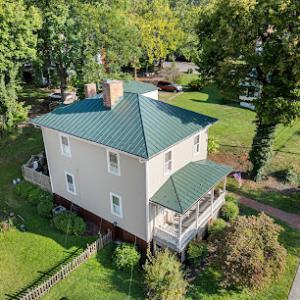
Baber Enterprises Roofing & More
(540) 885-6514 www.baberenterprises.com
310 Parkersburg Turnpike, Staunton, Virginia
4.8 from 152 reviews
Baber Enterprises Roofing and More - Staunton is your go-to roofing business in Staunton, VA. We specialize in a wide range of services from roof repair and roof replacement to the installation of metal panels and attic venting. Whether you're dealing with storm damage or need an entire roofing overhaul, our expert roofing contractors are ready to tackle any challenge. Our roofing company excels in both commercial and residential roofing projects, offering various options from architectural asphalt shingles to standing seam metal roofs. We take pride in delivering reliable roofing solutions, including gutter installation and repair. Count on us for all your roofing needs, ensuring quality service and customer satisfaction.
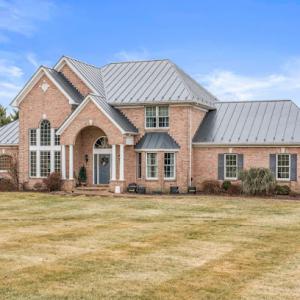
Pitch Perfect Roofing
(540) 383-2351 www.pitchperfectroofingva.com
103 Wilfong Ln, Staunton, Virginia
4.9 from 23 reviews
We Do Roofing Right. From replacing a few shingles to installing a new roof, Pitch Perfect Roofing is a roofing company that gets the job done on time and within budget. If your home or business is ready for a roof replacement or a new construction project, Pitch Perfect Roofing has you covered. Our experienced team can help with: - Residential & Commercial Roofing - Roof Installation - Roof Repair - Roof Painting - Roof Inspections - Siding Installation - Vinyl Siding - Hardie Plank - Cedar Siding - Metal Siding - Gutter Installation & Cleaning - and more! Contact us to schedule a free consultation in Harrisonburg, Staunton, Waynesboro and beyond.
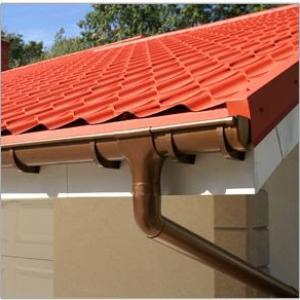
Wilfong Roofing
39 Shady Hollow Ln, Staunton, Virginia
5.0 from 4 reviews
Wilfong Roofing is a family owned and operated business that has been serving Staunton and the surrounding areas for more than 30 years. We offer complete shingle and standing seam metal roofing at affordable prices. Need a repair? Give us a call, because no job is too small! Also ask About Our Written Guarantee on all work.
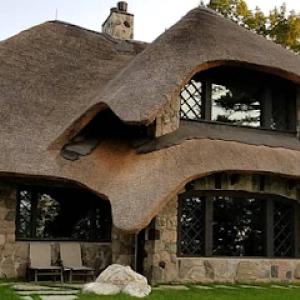
McGhee & Co. Roof Thatchers
(845) 767-5636 www.thatching.com
Staunton, Virginia
5.0 from 1 review
McGhee specializes in water reed thatching, a proven roofing system with a life expectancy in excess of 60 years. Contact us in Staunton, VA, today.
Staunton Roofing Pros
(434) 216-5300 stauntonroofingpros.com
317 Austin Ave, Staunton, Virginia
5.0 from 1 review
Your here reading this for a reason! You need a local contractor in or near me in Staunton VA to do some type of roof replacement or roof service to your home or business? Am I right? If not, then what type of exterior home service do you need, because we are your one stop shop for all things exterior on your home... We've been working here in the local area for over 17 years and completely rock the Roofing, Siding, and Windows game. As well as Commercial, Metal, and Flat roofs... We can do it all.
Valley Roofing & Exteriors
Serving
5.0 from 48 reviews
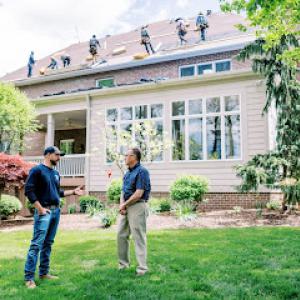
A roofing contractor you can trust. Valley Roofing & Exteriors is one of the most highly-certified, widely respected roofing companies in Stuarts Draft, Staunton, Waynesboro and throughout the Shenandoah Valley. We hold the highest GAF contractor certification and our professional team delivers superior installation and high-quality roofing materials, like metal roofing, asphalt shingles, copper, and more to homeowners and businesses across Central Virginia. We offer all types of home exterior services as well, including skylights, siding, guttering, roof repair, sunrooms, decks, porches and more. Choose Valley Roofing & Exteriors—We Make It Last A Lifetime.
Holloway Roofing
(540) 924-1553 www.hollowayroofingva.com
Serving
5.0 from 978 reviews
Your search for a reliable and affordable roofer ends with Holloway Roofing. Backed by 20+ years of experience, our licensed and insured roofing professionals are prepared to take on any service that comes our way, big and small. Equipped with state-of-the-art tools and technologies, we offer a comprehensive range of services, including roof repairs, roof installations, roof inspections, gutter services, and more. We have extensive experience working with all different types of roofing systems such as shingle roofs, metal roofs, flat roofs, cedar shake roofs, and copper roofs. As a proud recipient of the GAF President’s Club Award, we consistently adhere to the highest standards of service and never compromise on quality or safety
Quality Enterprise
(540) 949-0566 www.qualityenterpriseinc.com
Serving
4.8 from 60 reviews
Roofing services in Waynesboro, Staunton, Fishersville, Crozet, Ivy and Charlottesville, Virginia You ask a lot of your roof. You ask it to stand out in the wind, rain and sun, 24 hours a day, 7 days a week, 365 days a year. You ask it to protect your family and possessions from the elements, no questions asked. Is your roof doing everything you ask it to? If the answer is no, it's time to call Quality Enterprises.
Hi-Tech Siding
(540) 649-7436 hitechsidingandroofing.com
Serving
4.7 from 23 reviews
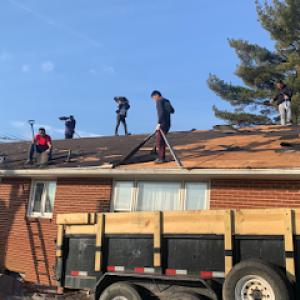
Roofing, siding, gutter or any exterior needs
Baker Roofing Company
(540) 442-7663 bakerroofing.com
Serving
4.8 from 13 reviews
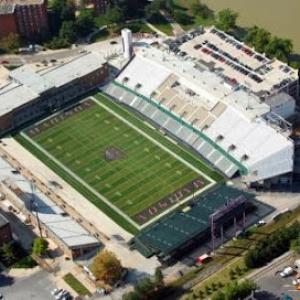
Baker Roofing Company, established in 1915, is a full service building envelope contractor recognized as one of the nation's leading roofing companies. Our team provides expert roof replacement and roof repair for commercial buildings and institutions. We are an experienced roofing contractor that will be around to stand behind our work for years to come.
Highest Roofing & Exteriors
(540) 560-9727 www.highestroofing.com
Serving
5.0 from 147 reviews
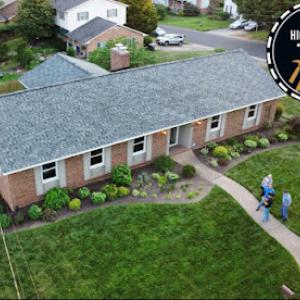
Highest Roofing & Exteriors is a leading professional roofing, siding, & contractor in the Harrisonburg, Virginia & surrounding areas. If you need experts in shingle roofs, metal roofing, roof repairs, vinyl siding or gutters, look no further. Our trained professional team is ready to install a new roof, new gutter system or new siding that will look great or repair any damages while adding incredible value to your home in the Harrisonburg, Virginia and surrounding areas. We use the highest-quality materials, customizable to fit your aesthetic, and we guarantee your satisfaction.
Burns Builders Roofing
(540) 607-6911 burnsbuildersinc.com
Serving
4.7 from 52 reviews
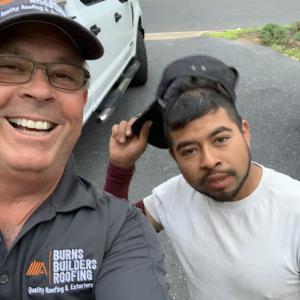
Burns Builders Roofing is a professional roofing contractor and construction company that provides residential clients with superior roofing and gutter installation services. Owner Bruce Burns holds the highest license contractor class, Class A #270515297. With many years of combined experience, Bruce and his team provide quality work to all customers, and we look forward to serving you next! Need a new roof? We offer high quality GAF shingles and a 50 year warranty as well as many different financing options. We serve the surrounding areas of Harrisonburg, Waynesboro, Staunton, Bridgewater, Grottoes and all of Rockingham and Augusta Counties! Licensed and insured - let us get you covered today!
In this Shenandoah Valley town, asphalt shingles and metal roofing dominate the contractor landscape, a reflection of strong local familiarity and steady availability. Asphalt shingles offer straightforward installation and reliable performance for typical sloped roofs found on many older homes with steep pitches common in the housing stock here. Metal roofs, appreciated for their durability and quick shedding of moisture, are a growing choice for hillside homes and those seeking a longer service life with modern aesthetics. Clay and concrete tiles arrive as a distinct option when a homeowner wants a heavier, long-lived profile, though they demand solid deck support and careful nailing patterns to handle the region's freeze-thaw cycles. Wood shingles or shakes provide a classic look but require attention to moisture and UV exposure, especially on exposed ridge lines. Synthetic or composite shingles present a versatile, often lighter alternative that can mimic natural materials while offering improved moisture resistance.
Staunton's four-season pattern brings both humid summers and cold, damp winters, making ventilation and moisture control a central design concern when comparing materials. Wet months push roofing assemblies toward higher moisture loads, so a breathier attic and properly sized soffit and ridge vents help avoid condensation that can lead to mold or wood rot inside roof decks. Roofs with natural materials like wood shakes or tile benefit from integrated moisture management strategies, including a robust underlayment, roof deck cross-ventilation, and vapor retarders where appropriate. In metal and asphalt systems, look for sealed or properly lapped underlayment, plus drip edge and flashing details that resist ice damming and wind-driven leaks. In all cases, the roof should be able to shed moisture quickly during rain events and winter thaws to minimize long-term moisture exposure.
Asphalt shingles are forgiving on modest roof slopes and easier to repair after a storm, which is practical in a climate subject to occasional wind-driven leaks. Metal roofs excel at rapid snow and rain shedding, reducing standing water risk, but they require careful edge detailing and proper sealants at penetrations to prevent ice formation along eaves. Clay and concrete tiles deliver exceptional durability and a distinct aesthetic, yet their weight means the existing structure must be evaluated for load capacity and the fastener pattern must resist freeze-thaw movement. Wood shingles/shakes bring warmth and character, but expect higher maintenance to manage moisture and potential insect exposure, especially on sun-exposed elevations or tree-shaded sections. Synthetic composites can offer improved moisture tolerance and design flexibility, but it is essential to verify UV stability and color retention in the local climate.
Because changes in weather can impact performance, installation quality plays a decisive role in longevity. Ensure proper deck preparation, especially on older homes with potential rot or insect damage. Ventilation components should be sized to handle Staunton's humidity profile, with attention to intake and exhaust balances that prevent condensation under the roofing material. Flashing and joints near chimneys, skylights, and vents must be robust against both summer deluge and winter ice. For any material choice, insist on an attic inspection as part of the project scope to confirm moisture control measures are in place and that any existing leaks are identified before new roofing is laid.
Explore specialists in steel, aluminum, and standing seam metal roofs built to last 50 years or more.
Baber Enterprises Roofing & More
(540) 885-6514 www.baberenterprises.com
310 Parkersburg Turnpike, Staunton, Virginia
4.8 from 152 reviews
Pitch Perfect Roofing
(540) 383-2351 www.pitchperfectroofingva.com
103 Wilfong Ln, Staunton, Virginia
4.9 from 23 reviews
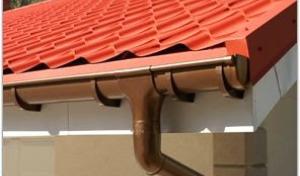
In Staunton, material cost ranges run from 350 to 600 USD per square for asphalt shingles, 700 to 1200 for metal, 900 to 1800 for clay tile, 800 to 1400 for concrete tile, 500 to 900 for wood shingles or shakes, and 600 to 1100 for synthetic or composite shingles. Those numbers reflect the valley climate's effect on choice, with metal and tile offering longer service under freeze-thaw cycles and moisture exposure. If the roof line is traditional and steep, the same material can feel pricier due to removal and installation time, but the core per-square cost remains the big driver.
Costs in Staunton can rise when spring storms or winter weather compress contractor schedules and create short-term demand surges for reroofing and repairs. Spring brings sudden leaks after heavy rain and hail, while winter can tighten crews and push prices up. Planning ahead helps lock in a more stable bid window, especially after tough winter months when crews are juggling multiple steep, complex jobs.
Older homes common in Staunton often have steeper rooflines, penetrations, chimneys, and ventilation upgrades that can add labor compared with straightforward modern layouts. Each penetration or vent pipe can require additional flashing, sealing, and careful caulking to prevent moisture migration. Chimneys and dormers often demand targeted shingle cutouts and precise ridge work. Those details push hours and sometimes the overall cost beyond a straightforward square-footage calculation, even if the material price stays within the standard range.
Begin by listing your preferred materials and acknowledging the steepness and penetrations on your roof. Request multiple bids that itemize labor, disposal, and any additional flashing or ventilation work. Consider long-term value: metal and tile may carry higher upfront costs but can offer greater durability in Staunton's freeze-thaw cycles and moisture exposure. If spring is approaching, set aside a contingency to cover scheduling tightness and potential weather-related delays, which are common in this market.
A full reroof in Staunton typically requires a permit through the City of Staunton Building Department. Before any tear-off or new covering begins, you or your contractor should file the permit application, provide a basic plan of the proposed roof, and note any venting or attic modifications. The emphasis here is on showing you understand the four-season cycle of the Shenandoah Valley and how moisture control and ventilation integrate with the reroof. The department tends to favor plans that address proper attic ventilation, flashing details at chimneys and dormers, and any required attic access improvements. After submission, you'll typically receive a permit number and a posted permit on-site before work starts. Keep a copy of the permit visible on the job site, along with a copy of the approved plans for reference during inspections.
The local process generally involves a simple submission followed by scheduled inspections, including rough-in and final inspection stages. Rough-in inspections verify that the deck or structural sheathing and the underlayment readiness align with the planned roof system, and that ventilation provisions are in place to manage summer humidity and winter freeze-thaw cycles. Final inspections confirm that the completed roof matches the approved design, flashing details, drainage, and attic ventilation are correctly installed, and that any exhaust vents or intake louvers operate properly. Your contractor should schedule these inspections with the Building Department ahead of time, coordinating around weather windows to avoid delays caused by rain or freeze-thaw cycles that are common in this valley climate.
Inspection timing in Staunton can vary with department workload, so project schedules should account for possible municipal delays. If a big storm rolls in or a cold snap tightens up the calendar, the city may push a follow-up inspection or require additional documentation. It's wise to plan for a window of time between the rough-in and final inspections, especially if specific storm-season conditions affect scheduling or accessibility. Communication with the Building Department and your contractor helps keep the permit process moving. Ensure all required adjustments or corrections identified in any inspection are addressed promptly to prevent re-inspection fees or extended timelines.
Have your contractor submit a concise, stamped plan that highlights ventilation strategy, attic moisture control, and flashing details tailored to your roof's slope and exposure. Keep a simple log of inspection dates and any corresponding corrective actions. If you're replacing a roof in an area with mature trees or nearby structures, discuss debris management and access routes with the inspector so that inspections proceed without obstruction. Finally, anticipate a potential hold if weather windows are narrow, and build that contingency into your project timeline to avoid last-minute rushes.
When storms roll through the Shenandoah Valley, wind and hail stand out as the main triggers for roof-related claims, not coastal storm surge or hurricane-specific patterns. Your home's older, sloped roofing stock can be vulnerable to wind-driven impacts and hail damage that may not be immediately visible from ground level. Being aware of these local dynamics helps you recognize when a claim is warranted and prevents delays caused by mischaracterizing the event.
Virginia insurers commonly require documentation of pre-existing conditions and detailed repair or replacement estimates before approving reroof-related claims. Start gathering clear records of the roof's condition before any severe weather hits, including recent maintenance, shingle wear, and visible wear spots on flashing or vents. When a storm is forecast, having an up-to-date set of photos and notes can expedite the process. If a contractor has recently worked on the roof, keep invoices and scope of work handy to demonstrate what was addressed and what remains.
Because adjusters may scrutinize roof age and material type in storm claims, homeowners should document the roof before and immediately after severe weather. Take time-stamped photos from multiple angles, noting any new dents, granule loss, lifted edges, or compromised flashing. Keep a log of dates, weather conditions, and any nearby hail reports or wind events. Share this documentation with your insurer promptly, and accompany it with a clear estimate from a reputable roofer that details needed repairs or replacement. The goal is to present a consistent, precise picture that reduces back-and-forth and supports a fair settlement.
Connect with contractors who help homeowners navigate the claims process from damage assessment to final approval.
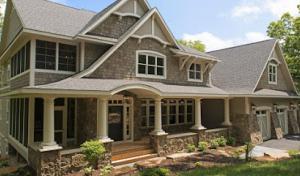
Staunton's older housing stock carries more roof penetrations, chimneys, and decorative details than newer subdivisions. Those features create a tangle of potential leak paths that are easy to miss during a quick inspection. When moisture cycles through the Shenandoah Valley climate, even a small misfit around a vent stack or chimney crown can become a stubborn drip that travels along framing. Expect that tracing leaks may require patience, careful probing, and a plan that treats every penetration as a potential source rather than assuming a single culprit. A careful relapse of flashing around every pipe, vent, and single-crystal chimney connection is essential to prevent hidden damage from freeze-thaw cycles.
Homes in and around historic areas often demand more than weatherproofing alone; they require attention to material appearance and roofline preservation. Matching historic curb appeal means selecting textures, profiles, and color tones that respect the original character without sacrificing performance. In practice, this means collaborating with installers who understand how certain refinements-like edge detailing, rake lines, and exposure-impact the overall look after reroofing. Expect conversations about subtle differences in shingle granule aging, the way metal gutters align with historic trim, and how new materials will patina over time. The goal is durable protection that remains visually compatible with the home's character.
Complex roof geometry on older homes makes flashing workmanship and cleanup during reroofing more critical. Where roofs bend, intersect, or form multiple valleys, misaligned flashing can trap moisture and debris, inviting slow leaks that are hard to diagnose after the roof is sealed. During replacement, insist on a clean, continuous seal around hips, valleys, dormers, and intersection points. Plan for meticulous cleanup of debris and careful resealing of all flashing joints. A thorough hand-off between roofers and the cleanup crew helps prevent stray materials from creating new moisture traps as seasons shift.
Find contractors experienced in skylight installation, flashing, and leak repairs to bring natural light into your home.