Last updated: Apr 19, 2026
When a wind-driven storm sweeps through the area, shingles can lift, flashing can fail, and attic leaks can appear in minutes. The strongest local contractor concentration is in storm damage, insurance claims, and emergency repair, showing that homeowners commonly hire roofers right after wind and hail events rather than only for planned replacements. If a storm hits, set safety first: avoid traversing a damaged roof, and use tarps or boards to cover obvious gaps only if it can be done without stepping on fragile spots. The goal is to prevent interior intrusion while you arrange professional help. In this market, timing matters: a rapid response reduces further damage from rain intruding into soffits, ceilings, and appliances below.
If shingles are visibly lifted, flashing is loose, or the attic shows active leaks, arrange for a same-day tarping or temporary roof cover. A sturdy tarp properly secured over the affected area buys you critical time while a crew arrives, preventing more water from seeping into insulation and framing. Do not delay seeking emergency service if rain is forecast or steady dripping becomes noticeable in the upper levels. Quick containment helps limit secondary damage that complicates claims and extends the repair timeline.
After a significant wind or hail event, insurers in this region expect photo documentation, roof age, material type, and replacement-cost detail. Start gathering evidence before any temporary repairs shift the appearance of the damage. Take wide-angle shots of the entire roof, close-ups of damaged shingles, dented gutters, and lifted flashing. Photograph interior leaks at the top floor or attic with daylight showing through gaps. Note the date and weather conditions, and keep timestamps on the images. Record any nearby hail marks on aluminum gutters or vent pipes, and preserve torn shingles as temporary samples if allowed by the contractor. This documentation helps demonstrate the scope of damage and supports the claim narrative when insurance adjusters arrive.
In this market, professional storm response is a common, practical path. Contact a locally active roofer with storm-damage credentials who can provide a rapid assessment and a detailed plan for both emergency repairs and a longer-term replacement if needed. Schedule a same-day or next-day inspection to match the insurer's expectations for prompt damage evaluation. When the adjuster arrives, present the organized photo log, a concise damage summary, and the roofing material type. Be ready to discuss the roof age, shingle class, and the typical performance of the existing system under high-wind events. Clear, factual communication speeds up the process and reduces back-and-forth misunderstandings.
Once the claim is underway, coordinate the reroof plan with the chosen contractor and the insurer's preferred timelines. Prioritize permanent repairs that restore weatherproofing and energy efficiency, while ensuring the work aligns with the local inspection cadence. Maintain a running file of correspondence, revised photos after temporary repairs, and any notes about warranty applicability. The aim is a durable, code-compliant restoration that minimizes the risk of repeat storm-related damage during the upcoming season. Stay vigilant for new wind events or hail forecasts, and keep access open for a trusted crew to address any emergent leaks promptly.
In this area, reroofing costs are tightly tied to the dominant mix of materials homeowners choose. Asphalt shingles sit in the 350 to 700 USD per square range, metal roofs run 700 to 1300, clay tile 900 to 1500, concrete tile 800 to 1400, synthetic or composite shingles 500 to 900, and slate 1000 to 2500 per square. The local market behaves differently after storms-the pace of need spikes, crews tighten up, and scheduling can push prices higher across Prince William County and nearby Northern Virginia. When a big wind or hail event hits, you'll notice both material and labor costs shift as crews mobilize and disposal queues lengthen.
The housing mix here includes everything from standard suburban asphalt roofs to heavier premium systems on older or higher-end homes. If your roof is a traditional asphalt layout, you'll typically stay near the lower end of the asphalt range unless storm demand bleeds into the market. On more complex or heavier systems-like slate or clay tile-the tear-off labor, flashing detail, and disposal requirements increase, which nudges total job cost upward. Even within a single neighborhood, a home with an aged deck and parapets will see different labor dynamics than a plain gable roof.
Expect regional storms to temporarily tilt supply and scheduling in favor of quick-response crews. This means not only higher labor rates but also tighter windows to complete tear-offs and re-roofs. If you're replacing after a spring or summer wind event, ask for a realistic timeline and a staged plan that avoids double-tripping on labor or material handling. In practical terms, plan for possible bumps in the higher end of the quoted ranges if your roof requires extra flashing, underlayment, or replacement of deteriorated sheathing that a milder season wouldn't expose.
For a straightforward asphalt roof, you're balancing cost per square with shingle quality and warranty. If you're considering metal, you'll gain durability and a longer life in exchange for higher upfront costs, which can be wise in a climate with hot, humid summers and freeze-thaw cycles. Tile options-clay or concrete-offer long-term performance but bring heavier load considerations and more complex installation. Synthetic shingles give some of the look and performance of premium materials without the same weight burden, while slate remains the premium path with dramatic styling and substantial price tags. Weigh each option against the home's current structure, potential reinforcement needs, and long-term maintenance expectations.
American Restorations
(571) 229-2277 www.americanrestorations.org
Manassas, VA
5.0 from 71 reviews
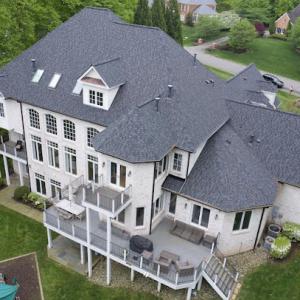
American Restorations specializes in roof replacement, siding replacement, gutter replacement, window replacement, and winter snow removal. We use high-quality materials to ensure long-lasting durability and reliable protection for your home. With over 16 years of experience, our team provides energy-efficient solutions that enhance both curb appeal and overall performance. Whether you need a complete roof installation or fast, professional repairs, we deliver expert craftsmanship designed to withstand the elements. As a trusted contractor in Northern Virginia, we offer comprehensive home improvement services that improve your property’s longevity, efficiency, and value. Homeowners throughout the area rely on us for high-quality service.
Warriors Contracting
(571) 510-1197 warriors-contracting.com
9300 Forest Point Cir #158, Manassas, Virginia
5.0 from 62 reviews
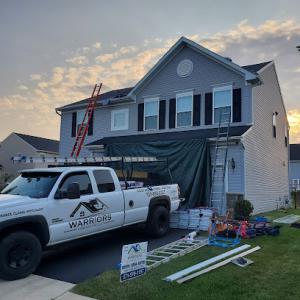
With years of expertise backing us and a long list of happy clients, Warriors Contracting is your best bet for a roofing contractor in Manassas, VA. We offer services in roofing, siding, gutters, and more. And with a high standard for quality work, rest assured that we'll never cut corners. Our team is always respectful of your space and makes every effort to bring your vision to life. That's why we're licensed and bonded for your comfort. Contact us today and we'll sit down to talk about your project!
Jakari Restoration & Construction
(866) 217-7277 www.jakarirestoration.com
Historic District, 11512 Robertson Dr, Manassas, Virginia
4.9 from 112 reviews
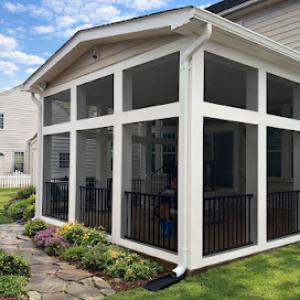
Jakari Restoration and Construction, LLC Providing professional residential exterior restoration and construction for our customers in Northern Virginia and Maryland. Since our beginning, we have worked tirelessly to earn our reputation for integrity, quality, and dependability start at home. Jakari specializes in the following services: Deck Building, Storm Damage Recovery, Roof Installation, Vinyl Siding Installation, Gutter Installation, Window and Door Replacement, and Home Additions.
Mello Contracting
(703) 405-2647 www.mellocontracting.com
8865 Mike Garcia Dr #133, Manassas, Virginia
5.0 from 44 reviews
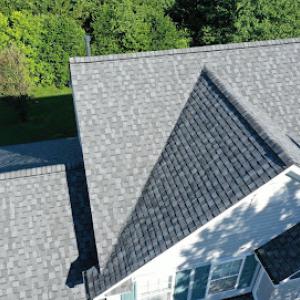
Your home's exterior protects you and your family from the elements and is the first impressions of your property. That's why it's important to make sure your home's exterior looks and functions its best year-round. Mello Contracting can keep your exterior in tiptop shape. We provide comprehensive exterior construction services in Manassas, VA, and surrounding areas.
Marshall Roofing, Siding & Windows
(703) 550-0055 marshallroofing.com
8561 Sudley Rd, Manassas, Virginia
4.9 from 62 reviews
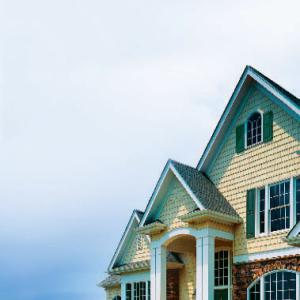
The Company Marshall Roofing, Siding & Windows is a top roofing, siding, windows, and gutters company based in Northern Virginia. Throughout the years providing the highest level of customer service and 100% homeowner satisfaction has been the pinnacle principle at Marshall Roofing Siding & Windows. The belief that each and every homeowner deserves to receive good value for their money is the driving concept on the functions of the company.
Colonial Contracting
(703) 754-9551 contactcolonial.com
11517 Robertson Dr, Manassas, Virginia
4.9 from 87 reviews
Colonial Contracting, Inc. is a locally owned and operated roofing contractor serving Haymarket, Chantilly, and the Northern Virginia area since 1997. Our mission is to ensure that the value, quality, and appearance of your home extends beyond your expectations. We provide exceptional customer service as well as attention to detail for every home improvement project we take on. We will also work closely with insurance and mortgage companies to ensure that everything goes smoothly during storm restoration and roof repairs. Our services include: Roofing Commercial Roofing Siding Services Gutters Remodeling Window Replacement Door Replacement Get a Free Inspection now!
Virginia Diamond Roofing
(202) 970-9201 virginiadiamondroofing.com
Manassas, Virginia
5.0 from 35 reviews
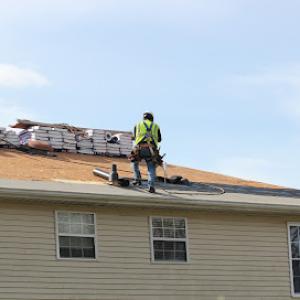
Virginia Diamond Roofing is a trusted, family-owned roofing company proudly serving the DMV area. We specialize in roof replacement and repairs, and also offer expert services in insulation, siding, and gutter installation and repair. With a commitment to quality craftsmanship and honest service, we’re here to protect and enhance your home.
Modern Remodeling
(703) 361-9944 www.modernremod.com
10550 Associates Ct, Manassas, Virginia
4.8 from 169 reviews
Modern Remodeling provides quality property restoration services and repairs in Manassas, VA and Northern Virginia exclusively for the insurance industry.
Storm Troopers
(703) 420-2988 www.virginiastormtroopers.com
8505 Euclid Ave Suite #4, Manassas, Virginia
4.9 from 54 reviews
We are Storm Troopers, a leading Restoration and Remodeling Contractor specializing in hail and wind damage. If you’re looking for a local, reliable, trustworthy, and efficient Remodeling Contractor to tackle your projects during this stressful time, then you’ve come to the right place.We take pride in our work and treat every homeowner as a part of the Storm Trooper family. Our Team of licensed and insured experts will assist you in your insurance claim, discuss available options, and negotiate to ensure that all costs are covered.
Inno roofing
(571) 991-2682 www.innoroofingservices.com
9916 Wellington Rd, Manassas, Virginia
5.0 from 34 reviews
Commercial and residential roofing company
Skyfall Exteriors
(571) 364-8946 skyfallexteriors.com
8832 Rixlew Ln, Manassas, Virginia
4.7 from 111 reviews
We are a family-owned roofing company with over a decade of industry expertise. Since 2018, we've proudly served homeowners across a wide range of communities across Northern Virginia. Guided by our core values of quality, integrity, and a customer-first approach, our dedication has earned us the loyalty and trust of our clients. Our commitment to excellence ensures that every project is completed with the highest standards of craftsmanship and attention to detail. With integrity at the heart of everything we do, our team of certified professionals is devoted to restoring your home to a better condition than before while providing a smooth and stress-free experience from start to finish.
G&F Construction
(703) 330-4407 www.gandfconstruction.com
8110 Oak St, Manassas, Virginia
4.9 from 58 reviews
Family Owned and Operated Class A General Contractor servicing families and business owners in Northern Va since 2001. "Experience That Makes a Difference"
A full reroof in Manassas typically requires a permit, and the permit is issued through the Manassas or Prince William County building process depending on jurisdictional address and project location. Before any shingle granules fly, your contractor should confirm which authority will issue the permit based on the project site. In practice, this means you may find yourself navigating two possible pathways: the City's process or the County's process, each with its own checklist and submission window. Digital plan review workflows are common, so plan to upload drawings, ventilation schematics, and flashing details in an online portal rather than delivering stacks of paper. Contractors sometimes verify their license status as part of the online review, so expect a quick verification step before the permit moves forward. Keep your project address handy and confirm whether the project crosses any jurisdictional line that could trigger a different review track.
Your proposal should include a roof framing plan, attic ventilation details, and flashing configurations that meet local code and the specific climate realities of hot humid summers and winter freeze-thaw cycles. Inspections will likely scrutinize not only the new roof covering but also any changes to ventilation and the integrity of flashing around chimneys, skylights, vents, and transitions to walls. Have your roof plan stamped or approved by a licensed professional if required by the jurisdiction, and be ready to provide product data for the chosen shingles, metal, or tile system. The permit review can flag nonstandard venting or unusual flashing arrangements, so align your documentation with what the local reviewer wants to see, not just what the manufacturer recommends.
Once the permit is issued, scheduling with the contractor should align with inspection windows. Inspections may occur at several milestones: after roof decking and underlayment are installed, after the vents and flashings are in place, and after the final roof cover is installed but before interior finishes are back in place. In practice, the inspector will pay attention to the integration between the roof system and attic ventilation, so ensure soffit vents, ridge vents, and any mechanical ventilation changes are coordinated with the permit plan. Communicate anticipated inspection dates to the contractor and, if possible, arrange for a pre-inspection walk-through to catch issues that could trigger a reinspection fee or a delay.
After completion, an inspection is generally required, and local reviewers may pay attention not just to the new roof covering but also to ventilation changes and flashing details. The final sign-off confirms that the install complies with building code, that the eave and rake details are properly flashed, and that any venting or exhaust penetrations maintain proper sealing. If the project involved wind-driven storm repairs or patchwork from a previous leak, reviewers will specifically look for moisture mitigation measures around penetrations and along roof-to-wall interfaces. Be prepared with all warranty documentation, product data sheets, and a concise record of any deviations from standard details that were approved during the plan review.
Homeowners in this area can run into local administrative quirks such as digital plan review workflows and contractor license verification before permit approval or final sign-off. Some reviewers will request additional documentation or a quick re-upload if the portal flags a mismatch between the plan and the actual field conditions. Allow extra time for these administrative steps, especially in the aftermath of wind and hail events when many homeowners are submitting reroof requests simultaneously. A smooth process depends on keeping correspondence, permit numbers, and inspection appointments clearly organized, with contingency dates in your calendar for possible re-inspections.
Manassas roofs face hot, humid summers that accelerate asphalt shingle aging and push attic ventilation toward the top of the priority list. In practice, that means paying close attention to how well your attic is ventilated year-round. If you notice persistent heat buildup in the attic, or see curling and cupping shingles sooner than expected, it's a sign that intake and exhaust pathways-soffit vents, ridge vents, or baffles-need adjustment or upgrades. Proper ventilation helps reduce the attic temperature spike that can degrade underlayment, adhesives, and the shingle seal over time. In practical terms, plan to inspect or refresh vents during routine roof checks, and look for signs of moisture buildup near attic access points after hot spells.
Winter cold and freeze-thaw cycles in this part of Virginia can stress flashing, sealants, and vulnerable roof transitions even when snowfall is not constant. Pay special attention to chimney and vent flashing, roof-to-wall transitions, and areas where repetitive freezing and thawing cause gaps to form. If you see hairline cracks in sealants or loose flashing tabs after a cold snap, address them promptly before a spring rain adds moisture. This region's winter weather can appear mild but still create micro-cycles of movement that gradually loosen fasteners or degrade seam seals. Regular inspection after the first freezes of the season helps catch problems before they propagate.
Because replacement timing is often driven by cumulative weathering rather than a single climate extreme, you should view the roof as a long-term weathered system. Seasonal rainfall, humidity, and temperature swings interact with roofing materials in ways that aren't immediately obvious. Look for patterns: recurring damp spots on ceilings, delayed drying after rain, and moss or algae growth on shaded sections. These indicators often point to ventilation gaps, insufficient drainage, or material wear that builds up over several seasons. Addressing modest issues early preserves the roof's integrity through the peak summer heat and late-season storms.
Spring-to-fall wind-driven storms are a common challenge in this area. Even if a roof appears largely intact after a storm, shifting temperatures and wind exposure can loosen fasteners or disrupt sealants. After a storm, perform a careful exterior check for lifted shingles, exposed underlayment, or displaced flashing. If damage is found, document it with dated photos and notes of its location and extent, since the record helps you evaluate replacement timing and coordinate any insurance or contractor discussions. Keep a log of annual inspections, noting changes in shingle condition, flashing integrity, and attic ventilation performance, so the roof's aging trajectory stays clear year to year.
Asphalt shingles remain the baseline choice in Manassas because they fit the dominant suburban housing stock and the local contractor market has strong asphalt specialization. They respond predictably to the region's hot humid summers and the spring-to-fall wind-driven helpings of storm claims. When you're weighing a reroof, you'll see plenty of local crews comfortable with this material, quick to install, and easy to source. For most homeowners in this area, asphalt shingles offer reliable performance, straightforward repair paths after wind events, and familiar maintenance routines that don't disrupt a busy schedule.
Metal roofing is a meaningful local option rather than a fringe upgrade. It reflects real contractor depth for homeowners looking for stronger wind performance and longer service life in the face of Virginia's spring gusts and occasional hail. In practice, metal systems here are installed with proven fasteners and underlayment choices that suit our climate. If longevity and wind resistance matter, metal can pay off through fewer roof-penetrating issues and reduced overhead from storm-related leaks over time. The right metal profile also preserves attic comfort by limiting heat transfer in the summer heat of the corridor.
Slate, clay tile, concrete tile, and synthetic alternatives all matter in this market, which means material guidance cannot stop at shingles. Heavier premium systems bring distinctive aesthetics and long-term durability, but they require careful assessment of roof structure, attic ventilation, and local wind considerations. In many Manassas homes, a premium option is chosen to achieve a certain curb appeal or to address specific leak-resistance goals after a severe wind event. Synthetics can mimic the look with lower weight and easier retrofit, offering a practical bridge between traditional heavy tiles and standard shingles. When evaluating these choices, consider how the weight and installation specifics align with your current rafters, trusses, and the typical storm exposure of your street.
In Manassas, flashing and edge details are where trouble tends to start after wind-driven rain. Local inspections commonly zero in on roof penetrations and edge conditions, because these are the spots most prone to letting moisture slip inside if the flashing isn't doing its job. The way rain moves through this area, especially after a gusty spring storm, makes the difference between a quick dry-out and a slow, creeping leak down the wall.
Skylight work is common enough in this market to stand out, suggesting that leak troubleshooting around skylight curbs and surrounding flashing is a recurring homeowner concern in Manassas. A poor seal or misfit at the curb can channel water right onto the interior side of the ceiling, even if the rest of the roof looks sound. When addressing skylights, focus on the interface between the curb, the counterflash, and the roof deck. In many cases, the fix is not a full replacement but a careful reseal, reseating, and proper flashing terminations that shed water toward the exterior.
Fall wind events and spring storms in this area make roof edges, ridge caps, and exposed flashing more vulnerable than a simple age-only roof assessment would suggest. Wind-driven rain can lift shingles at the edges and peel back flashing along ridges, creating a path for moisture to reach the interior at unexpected corners. Regular checks after heavy winds should pay particular attention to tape or sealant failures, metal step-flashing joints, and the condition of exposed fasteners. If flashing looks disturbed, act quickly before granules or shingles shift enough to expose underlying plywood or underlayment.
Find contractors experienced in skylight installation, flashing, and leak repairs to bring natural light into your home.
Jakari Restoration & Construction
(866) 217-7277 www.jakarirestoration.com
Historic District, 11512 Robertson Dr, Manassas, Virginia
4.9 from 112 reviews
Virginia Diamond Roofing
(202) 970-9201 virginiadiamondroofing.com
Manassas, Virginia
5.0 from 35 reviews
This is a regular wind and hail claim market, so insurance decisions in Manassas are tied closely to roof age, visible storm damage, and whether the installation appears code-compliant and well documented. After a storm, a homeowner should assess for missing shingles, curling edges, granule loss, and lifted flashing, then compare those findings against the age of the roof and the material. Insects or moisture signs at soffits and attic spaces can also influence how a claim is evaluated, especially if the attic shows prior leaks or improper ventilation. The way the roof was installed matters as much as what was damaged, so a clean, well-documented installation record can tilt discussions toward repair rather than replacement in some cases.
Because adjusters in this market commonly review photos, shingle type, and installation details, Manassas homeowners should keep records from prior repairs, permits, and full replacements. Gather receipts, warranties, and contractor notes for any work done in the last decade. Clear photos before and after a storm, showing roof planes, vents, and chimneys, help the adjuster visualize the issue. If a contractor previously identified an installation concern or a known defect, that documentation should travel with the new claim. Consistent documentation reduces back-and-forth and speeds up the review process.
There is no broad statewide insurer pullback noted for Virginia here, but some carriers serving this region have tightened terms for certain older roofs or materials after major weather events. Expect adjusters to weigh roof age against observed damage and to scrutinize whether the existing installation meets current expectations. Be prepared to distinguish between a repair for an isolated leak and a full roof replacement, and to present a clear scope supported by photos and records.
A well-documented installation helps, especially when the roof shows signs of being properly vented, flashed, and sealed. With common Manassas housing stock often featuring aging asphalt or metal systems, presenting a cohesive narrative-age, damage, and a compliant installation-can influence settlement direction after a wind or hail event. Keep a single, organized claim folder so the adjuster can review the entire history quickly.
Connect with contractors who help homeowners navigate the claims process from damage assessment to final approval.
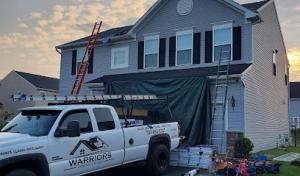
Warriors Contracting
(571) 510-1197 warriors-contracting.com
9300 Forest Point Cir #158, Manassas, Virginia
5.0 from 62 reviews
Jakari Restoration & Construction
(866) 217-7277 www.jakarirestoration.com
Historic District, 11512 Robertson Dr, Manassas, Virginia
4.9 from 112 reviews
In this area, flat and low-slope roofing sees a lot of seasonal rainfall, and membrane longevity can hinge on drainage and ponding control on porches, additions, and mixed-roofline homes. Winter freeze-thaw cycles can turn small drainage defects into flashing leaks if repairs drift too long. For these reasons, low-slope sections must be treated as an active part of the roof system, not an afterthought.
Start with a thorough live inspection after the first heavy rain. Look for standing water on flat runs, especially near transitions to steeper pitches. Ensure tapered insulation is present where needed to promote positive drainage toward scuppers or overhangs. Check drip edges, scuppers, and internal drainage to confirm there are no blockages or slow outlets. On porches or additions, verify that the membrane intersects properly with existing roof planes without creating a ponding corner.
Inspect flashings at transitions between low-slope sections and vertical walls or chimneys. In colder months, test perimeter and curb flashings for hairline gaps, especially where heat loss from the home is greatest. If repairs are deferred, a small seam leak can become a larger issue after a freeze-thaw cycle. Work with a local roofer who uses cold-weather seam tapes and compatible sealants, and confirm that new materials match the original system to avoid premature failure.
Develop a simple maintenance routine: after heavy rains, recheck for soft decking or damp spots around penetrations; in late winter, re-inspect for any signs of ice damning near transitions. Document any changes with photos and notes so you can track performance over the year and support insurance documentation if a storm event occurs.
Find specialists in TPO, EPDM, and built-up flat roofing systems for residential and commercial properties.
Virginia Diamond Roofing
(202) 970-9201 virginiadiamondroofing.com
Manassas, Virginia
5.0 from 35 reviews
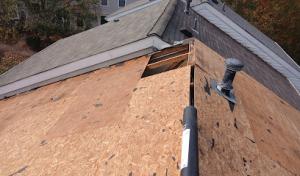
Inno roofing
(571) 991-2682 www.innoroofingservices.com
9916 Wellington Rd, Manassas, Virginia
5.0 from 34 reviews
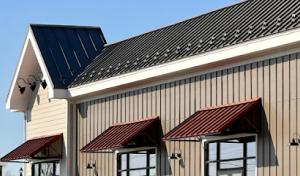
Commercial EPDM Roofing
(571) 338-7044 flatroofingspringfield.com
Manassas, Virginia
5.0 from 16 reviews
Solar roofing is present but still secondary in the Manassas market, so it should be treated as a timing and coordination issue rather than the city's main roofing story. When planning a solar attachment, you often get the cleanest outcome by scheduling it after a roof replacement is complete-ensuring penetrations and flashing are established on a solid surface before any array work begins. If a roof needs replacement anyway, aligning the solar plan with that reroof minimizes rework around flashing details and sealing transitions.
The local mix of asphalt, metal, slate, and tile means solar attachment planning varies significantly by roof type and should not be treated as one-size-fits-all. Asphalt shingles can usually accommodate standard mounting, but the approach must respect shingle layout and ventilation details. Metal roofs demand coated, low-profile rails and careful seam treatment to avoid leaks along fasteners. Slate and clay or concrete tile require broader layout planning to avoid tile breakage and to preserve the integrity of underlayment and flashing. For slate, you may need custom brackets and conservative penetration locations; for tile, consider spacing, risers, and potential for tile cutting or removal during installation.
Spring-to-fall wind-driven storms in the area mean a solar plan should account for potential wind loads and temporary exposure during phased work. Scheduling solar-only work after a reroof helps lock in a single set of penetrations and eliminates the risk of reworking flashing around shifting roof lines. If a roof already has active damage from a storm, prioritize temporary repairs and a solid roof deck before mounting any solar components, to protect the investment from wind-driven impacts and moisture intrusion.
Begin with a roof assessment that documents all penetrations, flashing details, and unique fastener types. Confirm that the chosen solar mounting system is compatible with the specific roof material and slope. Coordinate with the roofing contractor to finalize the roof sequence so solar installation follows a completed roof, not the other way around. Finally, plan for inspection-ready flashing transitions and a unified warranty approach that covers both roof performance and solar attachment.
Find contractors who integrate solar panels or solar shingles into your roof for long-term energy savings.
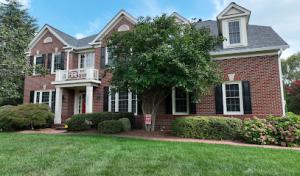
Freddy & Son
(571) 393-1983 www.freddyandson.com
9420 Forestwood Ln Ste 204, Manassas, Virginia
4.7 from 216 reviews
Five Star Contracting
(703) 932-7361 fivestarcontractinginc.net
9300 Forest Point Cir Unit 109, Manassas, Virginia
4.7 from 57 reviews