
Last updated: Apr 19, 2026
Snohomish County air feeds Arlington with persistent moisture from late fall through early spring, especially given its proximity to the Stillaguamish River system. That means roofs endure long stretches of damp underfoot conditions, frequent dew cycles, and slow-drying decks after rain events. Hail-driven losses are not the dominant pattern here; rather, moss pressure, high humidity, and cool, cloudy days drive how roofing materials perform and how long repairs or replacements take. The Cascade foothills' influence means weather can shift quickly-from valley rain and wind to occasional snowfall-creeping into the decision-making loop about when to schedule a roof project and how to stage work safely.
The short dependable dry-season window is a real constraint for Arlington projects. If the project hits a long wet spell, crews lose progress, and decking moisture levels can delay nailing, flashing work, or any roof-mounted underlayment installation. Practical planning means lining up material delivery and crew availability to align with the narrow dry stretch, while building in contingencies for rain days. Expect the install sequence to be adjusted around forecasted dry days rather than a fixed calendar; longer stretches of dry weather make everything from roof slope work to ventilation upgrades more efficient and safer for workers and homeowners.
Under-roof moisture management starts with adequate ventilation and a dry deck surface. In Arlington's climate, attic ventilation should move air across the entire roof plane rather than create stagnant pockets near the knee walls or in corners. A well-ventilated attic helps keep decking from absorbing excessive moisture, reducing the risk of warping or mold growth in the roof space. If soffit and ridge ventilation feels insufficient, address those gaps before or during new roofing; improved airflow reduces condensation on the underside of the deck, which, in turn, supports longer-lasting roof systems.
Moss thrives where moisture lingers and shade prevails. In this area, moss prevention isn't a seasonal afterthought; it's a year-round maintenance mindset. A roof that stays dryer between storms, through selective ventilation and timely cleaning, has a lower moss colonization rate. When you do clean gutters and remove debris, take care not to injure shingles or underlayment, since damaged areas become moss-prone entry points. Consider periodic inspections focused on shaded eaves, north-facing slopes, and dormers where moisture tends to linger longer after rain.
Effective drainage matters more here than raw roof slope alone. Clogged gutters and downspouts can back water onto the decking, creating micro-dips and slow-drying patches that moss loves. Ensure downspouts reliably discharge away from the foundation and at least meet local drainage guidelines. Flashing around chimneys, skylights, and vent stacks must be integrated with a continuous vapor barrier and a temperature-tolerant sealant. In this climate, flashing sometimes needs more frequent checks and resealing as seasonal temperatures swing and moisture loads change. A careful annual or semiannual inspection schedule will catch hairline leaks before moisture penetrates the decking.
Material selection should reflect Arlington's tendency toward damp conditions rather than hail-driven losses. Shingles with strong moisture resistance and solid dimensional stability perform well, while metal roofing offers durability and fast shedding of rain with good attic ventilation. Tiles or shakes bring character but can demand tighter attention to underlayment and ridge ventilation to cope with moisture and drying times. Regardless of material, ensure a robust underlayment system that can manage occasional sub-freezing nights followed by warm, wet days, which create condensation across the deck if not properly vented.
A practical maintenance rhythm aligns with the local climate: twice-yearly inspections that emphasize attic ventilation, gutter integrity, and moss-prone zones, plus interim checks after heavy rain or snow events. When a project is planned, prioritize a dry, mid-spring or early-fall window to complete decking work, insulation checks, and ventilation enhancements before the next damp season. Practically, this means coordinating timing with weather forecasts, allowing sufficient cure times for sealants, and setting expectations for staggered work if multiple roof tasks are required. This neighborhood's roof reality rewards proactive moisture control, mindful scheduling, and vigilant moss management.
In Arlington, damp Pacific Northwest conditions, moss and algae are a practical roof-life issue, especially on shaded slopes and on wood products. The moss doesn't just look unsightly; it holds moisture against shingles and underlayment, accelerating wear and inviting rot where it can't dry out. On metal, moss can trap moisture at joints and seams, increasing the risk of corrosion and panel buckling over time. If you have a north-facing roof, or a ridge line that never sees sun, plan for more aggressive moss control and routine moisture checks. The key action is not cosmetic care, but preventive moisture management: keep the surface drier, and intervene early at the first sign of green or black patches.
Long wet winters make underlayment integrity and attic ventilation more consequential because roofs may stay damp for extended periods rather than drying quickly after storms. A well-vented attic allows daytime heat to escape and reduces the condensation-driven moisture that can rot sheathing from the inside out. In practice, this means reviewing soffit, ridge, and gable vents for obstructions and ensuring baffles are in place to maintain airflow. Underlayment quality matters too: a tarp-like layer that sheds water but breathes is a must when extended rain cycles strike. If the attic feels muggy or cool to the touch in dry weather, there's a ventilation mismatch that needs correction before the next wet season.
Wood shingles and shakes are particularly vulnerable to moisture retention when shade and wetness linger. If your roof uses wood products, consider surface treatments that resist moss attachment and keep nails from loosening under repeated damp cycles. For asphalt, composite, or metal on shaded slopes, verify that edge ventilation and adequate slope for drainage are in place-moss can double as a moisture trap on those surfaces if drainage is poor. When choosing materials, prioritize options with proven moisture management performance in damp climates and ensure installation follows a pattern that promotes drying after storms.
Schedule a fall and late-winter inspection focused on moss spread, shingle lifting, and underlayment exposure. In areas with dense shade or nearby trees, plan for seasonal moss-removal tactics that don't damage granules or underlayment. Keep debris off the valley (if present) and ensure gutters are clear to facilitate quick drainage after storms. If attic access shows persistent dampness, address ventilation immediately, because the most effective fix is often improving air flow to allow prolonged moisture to dissipate rather than linger.
Axis Roof & Gutter
(360) 653-7663 www.axisroofandgutter.com
20932 67th Ave NE, Arlington, Washington
4.9 from 767 reviews
We are a full service roofing company, from removal of existing roofing and replacing, to minor and major roof repairs. Roof cleaning and treatments are a popular service that is provided as well. Full gutter service, from repairs to replacements, extruded to custom fit on site. Attic insulation and attic baffles, as well as full siding replacement and repair. Axis Roof and Gutter is a highly decorated, affordable roofing company that takes our customers satisfaction as a top priority. With very little company employee turnover, we are able to achieve that. Our full office staff is looking forward to hearing from you. Casey G - President
Orlando's Pro Roofing & Gutters
(425) 397-1985 orlandosproroofing.com
210 E 3rd St, Arlington, Washington
5.0 from 114 reviews
At Orlando’s Pro Roofing, we’re more than just roofers — we’re a trusted, family-owned company proudly serving Arlington, Marysville, Camano, Mount Vernon, Stanwood WA and surroundings. With over 15 years of hands-on experience, we specialize in residential and commercial roofing, offering full roof replacements, repairs, maintenance and gutter installations, What truly sets us apart is our personalized approach: Orlando and Lidia personally oversee each project to ensure quality workmanship, clear communication, and complete customer satisfaction from start to finish. Orlando’s Pro Roofing is here to protect your home with integrity, reliability, and top-tier service.
S & S Roofing
(360) 386-9903 www.sandsroofingllc.com
104 S W Ave, Arlington, Washington
4.9 from 387 reviews
S & S Roofing, located at 104 S West Ave arlington WA, is your premier local roofing company specializing in metal roofs, shingle roofing, and all your roof replacement and installation needs. As trusted residential roofing contractors, we provide exceptional roof repair, new roof installation, and maintenance services tailored to your needs. Our experienced roofers near you are committed to quality craftsmanship and superior customer service. Whether you're searching for reliable roofers in your area or expert roofing contractors for large-scale projects, S & S Roofing is your go-to choice for peace of mind and durable roofing solutions. Contact us today for the best roofing services in town!
Robinson Roofing
(360) 421-5405 robinsonroofing.org
17102 119th Pl NE, Arlington, Washington
5.0 from 46 reviews
Residential and commercial roof replacement contractor.
Beck Roofing
307 N Olympic Ave Suite 207, Arlington, Washington
5.0 from 16 reviews
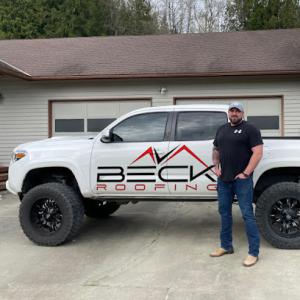
Beck Roofing is a premier roofing company. Our crew is devoted to providing exceptional service and craftsmanship to homeowners and businesses alike. We offer roofing services that include installations, repairs, and maintenance for roofing systems such as asphalt shingles, metal roofing, and flat roofs. Our dedication to customer fulfillment motivates us to use only the highest-quality materials and the latest roofing techniques, ensuring every project is completed to the highest standards. We believe in transparent communication and personalized service, tailoring our approach to meet each client's needs. At Beck Roofing, we aim to protect and enhance your property with reliable, long-lasting roofing solutions.
TopGable,Inc.
19111 61st Ave NE #2, Arlington, Washington
4.9 from 12 reviews
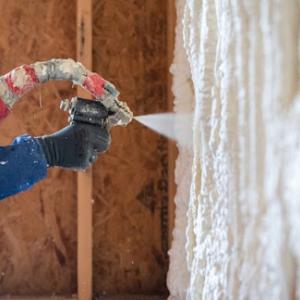
Here, at TopGable we specialize in providing our customers the best quality service possible. With 15+ years of roofing, insulation, and gutter experience we take pride in the work we do. Our focus is on our customers satisfaction and long lasting craftmanship.
Connolly Construction Company
(360) 850-5808 www.connollyconstructioncompany.com
5917 195th St NE #2, Arlington, Washington
4.6 from 19 reviews
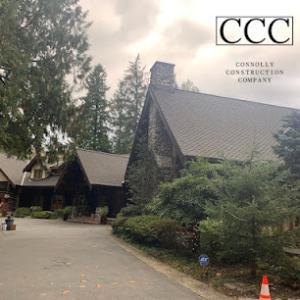
Connolly Construction Company is a Snohomish County construction company that specializes in roofing, siding and gutters. We service Picnic Point-North Lynnwood, Washington and the surrounding areas of Everett, Edmonds, Millcreek, Seattle, Bellevue and more from I-90 North. When looking for a top notch residential exterior contractor give Connolly Construction Company a call.
Straight line roofing & construction
(360) 320-1854 straightlineroofing.squarespace.com
Serving
5.0 from 9 reviews
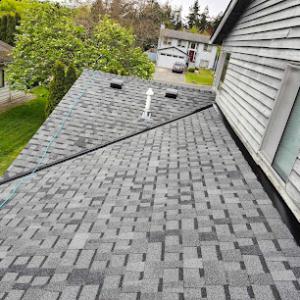
We are a locally owned and operated roofing company servicing all of whidbey island. Our owners worked alongside some of the island's most reputable roofing companies for years before opening our own business. We have been able to keep our pricing and timing competitive in today's market while not compromising the quality of craftsmanship because from start to finish your project is only touched by our owners! Although we specialize in roofing were available for all your woodcrafting and construction needs. We are licensed, bonded and insured. Our license #STRAILR794QQ Schedule a free estimate today!
Rob The Roofer
(360) 632-1633 robtheroofer.com
Serving
4.8 from 46 reviews
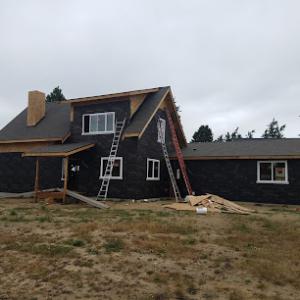
Count on certified roofers to repair or replace the roof on your home or office We’re certified to install IB roofing systems and offer a 10-year workmanship warranty to residents of Whidbey Island. When you call Rob The Roofer for an appointment, we’ll come to your home with samples and inspect your roof and siding. Then we’ll explain our installation process and get your go-ahead to start work.
Assurance Roofing & Construction
(425) 238-7738 www.assuranceroofingandconstruction.com
Serving
5.0 from 18 reviews
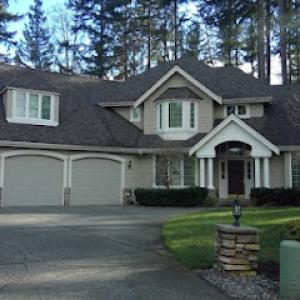
Assurance Construction is a family owned business that is dedicated to delivering the highest quality of work and the best possible building experience to our customers. With over twenty years experience in building, and thirty five years in roofing, Assurance manages projects with professionalism, careful planning, attention to detail and reliability. We will expand our efforts for growth by meeting customer needs today and in the future by continuing to build relationships based on trust.

Rivera Roof Repair
(425) 876-1540 www.riveraroofrepair.com
Serving
5.0 from 60 reviews
At Rivera Roof Repair, the focus is roof repair, maintenance and small projects, while having the skillset to take on roof replacements. Fourteen years of hands on experience within the roofing industry has brought me the skills to provide a roofing repair service built on trust. The goal is providing quality product and only what is needed. Not every roof needs to be replaced, but every home owner deserves assurance.
Complete Roofing & Contracting
(360) 421-5885 completeroofingcontracting.com
Serving
4.8 from 90 reviews
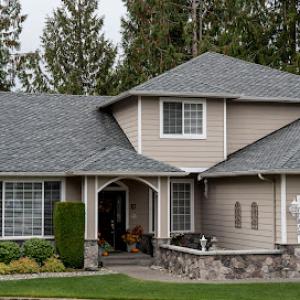
Superior roofing in Skagit County, Snohomish County and Camano Island. Locally owned and operated, offering free estimates. We install new roofs, replace old roofs and repair Roofs. We also offer Composition Roofing, Metal Roofing, TPO Roofing and Torch Down Roofing. We offer services in the following areas: Mount Vernon, Burlington, Sedro-Woolley, LaConner, Bow, Anacortes, Stanwood, Camano Island, Smokey Point, Arlington, Marysville.
In Arlington, the dry stretch between late spring and mid-summer is the practical window for major roof work. Dry summer windows are preferred to reduce weather delays during tear-off and installation. That means coordinating a project to begin when the forecast calls for multiple dry weeks in a row, and avoiding the shoulder months when a few warm days are interspersed with cold, damp spells. The goal is to complete critical steps-tear-off, underlayment, and shingle installation-before fall's moisture returns. If a project runs into the edge of monsoon-like weather, plan for contingency days and keep crews flexible so a mid-week rain doesn't stall progress.
To make the most of Arlington's short dry window, line up the demolition and plywood/underlayment work before the heat peaks or the first autumn storms roll in. A clear plan for sequencing matters: remove old roofing only after the roof deck is inspected and any repairs are made, then install underlayment and starter strips promptly to minimize exposure. Dry conditions help sealants and flashing to perform as intended, so avoid tying in future projects or extensions with the same season if a stretch of wet weather looms. Communicate with the crew about the forecast and set up a realistic, staged timetable that prioritizes critical waterproofing steps early in the window.
Winter rain, spring storms, and autumn wind narrow the practical reroofing calendar more than in drier parts of the state. When those wet spells arrive, execution slows: tarps and temporary protection become essential, and crews must pause where water intrusion could occur. In Arlington, maintaining drainage around the eaves and ensuring proper slope for runoff is key during any late-season work. If a project must extend into wetter months, emphasis shifts to protecting the interior and preventing overlapping moisture issues at valleys, ridges, and penetrations. Expect shorter daily progress and plan extra time for inspections and adjustments after each significant rain event.
Cold-weather installation matters here because asphalt shingle adhesive sealing and fastener performance can be affected by low temperatures. If temperatures dip, adhesive seals don't cure as reliably, and fasteners may not seat fully, compromising wind resistance and water sealing. If a cold snap cannot be avoided, consider delaying the final shingle set until temperatures are consistently above the manufacturer's recommended threshold. Use longer lead times for material delivery in advance of cold snaps, and ensure storage conditions keep shingles from becoming brittle or pre-saturated. During every cold install, verify that the underlayment remains dry and that flashing penetrations are properly sealed with wind and water barriers designed for cooler conditions.
Asphalt shingles are common in this area, and the moist winters mean the focus should shift from flashy durability to algae resistance, proper nailing, and ventilation. For shingles, choose an algae-resistant color and a profile that minimizes surface flat spots where moisture and moss can cling. Ensure the installation uses corrosion-resistant, corrosion-tested nails and follows a staggered, tight pattern to reduce wind uplift and capillary draw. Ventilation matters: a well-ventilated attic helps dry the underside of the roof deck after prolonged wet spells, slowing moss establishment on the eaves. Regular moss cleanups and a light scrub with a soft brush can keep shingle rows from discoloring and losing effectiveness.
Metal performs well in a wet climate because it sheds rain quickly, reducing surface saturation. In Arlington, pay attention to detailing around penetrations, ridges, and transitions to gutters and soffits, where moisture can linger and lead to corrosion or leaks if not sealed properly. Condensation control is key in cool, damp periods; consider a vented or semi-conditioned roof assembly to minimize interior humidity buildup. Look for panels with integrated sealants and a thoughtful fastener plan that minimizes penetrations through the deck. Regular inspections after heavy rain will catch loose flashing or fasteners before moisture penetrates.
Wood materials handle moisture differently and are locally relevant, but expect higher moss and moisture exposure. Treat wood for moss resistance and maintain clear slope for drainage to avoid pooled moisture on the surface. Shingles and shakes should be installed with adequate overhangs to shed rain away from the walls and to promote quick drying of the roof deck. Maintain a routine for moss control on shaded sections and consider spacing that reduces water retention on the face of each piece. Proper sealing and periodic reapplication of a protective finish help slow moisture ingress in the more humid months.
Clay and concrete tile are options, but they require careful attention to structural load and water-shedding during prolonged wet periods. Verify that the roof can bear the weight, and ensure underlayment choices support moisture movement without trapping water. Pay particular attention to the spacing at hips and valleys, where runoff concentrates. For long wet spells, ensure flashing around chimneys and vents forms a continuous barrier that directs water onto the tile face rather than behind it. Regular checks for cracked tiles and moss growth in shaded valleys will prevent moisture from seeping under classic rain-tiling configurations.
You'll encounter a clear ladder of costs depending on material choices, and Arlington's numbers align with that. Asphalt shingles sit in the 420-750 USD per square range, a practical fit for most starter homes and reroofs with modest slope. Metal roofing runs higher, generally 700-1200 USD per square, delivering longevity and wind resilience that can be worth the extra upfront for a Northwest climate with wet winters. Clay tile clocks in at 1200-2300 USD per square, and concrete tile at 1000-1800 USD per square, reflecting the heavier underlayment and structural considerations those products require. Wood shingles or shakes fall around 700-1300 USD per square, offering a traditional look but with added maintenance in moss-prone yards. Synthetic or composite shingles typically land 500-900 USD per square, delivering easier installation and a lower weight profile. In practical terms, material choice in Arlington often comes down to balancing cost with moss resistance, weight on the deck, and how much dry-season labor the crew can squeeze into a narrow window.
Costs in Arlington can rise when contractors must work around the region's narrow dry-season schedule, which concentrates demand into summer and early fall. That compression can bump labor rates modestly and push project timelines, especially on steeper roofs or intricate layouts where moss removal and deck drying are required before anything new goes on. If a roof has persistent moss or moisture concerns, expect additional prep time to remediate and a few more days of drying time between layers. These factors don't change the base material price, but they do push the overall project cost up and the schedule tighter in peak months.
Steeper roof designs common in Pacific Northwest residential construction add to labor costs because safer access and longer installation times are needed. If the roof has complex valleys, dormers, or shading from trees that keep it damp, crews may allocate more hours to ensure proper flashing and ventilation. In Arlington, a straightforward dry-climate reroof can be leaner, but moss-related prep or extra deck drying nudges the clock and the bill upward-especially with heavier options like clay or concrete tiles. Keep in mind that lighter options such as asphalt or synthetic shingles often present the most cost-stable path when you're balancing performance with a tighter dry-season window.
In Arlington, a full reroof typically requires a building permit handled through the Snohomish County Building and Planning department. The process can feel tedious, but rushing it often leads to delays when the weather turns and a cold, damp spell settles in. Start the permit early, and have your contractor ready to provide roof specifications, underlayment types, and ventilation plans. If there are any oddities about your home's roof geometry or dormers, document them now to avoid backtracking later. Remember that the permit isn't just a box to check; it's a safeguard that keeps critiques from the city at bay when a winter storm hits and the roof is still drying.
Inspections are commonly scheduled during installation and again after the work is complete to verify underlayment, nailing, and ventilation requirements. In rainy stretches, inspectors will want to see that the underlayment slopes and fasteners comply with code and that drip edges are properly installed to shed moisture away from the fascia. Expect the wind and weather to influence scheduling, since exterior checks are more challenging on days with persistent northwesterly winds or heavy showers. The rhythm of these visits matters: a smooth sequence helps prevent backtracking when days are short and the forecast calls for more wet weather.
Some local review and inspection practices may include attention to wind-rated underlayment and attic ventilation verification, which is especially relevant in this wet western Washington setting. If your attic space has limited intake or exhaust airflow, be prepared for questions about soffit, ridge, and turbine or powered vents. Proper ventilation isn't optional here; it mitigates condensation and moss-friendly moisture that can compromise sheathing. A contractor who plans for adequate venting and confirms wind ratings in the underlayment during the review will save you time and reduce risk when storms arrive.
Washington roof claims in this region are more often tied to wind and rain intrusion than to the severe hail patterns seen in other states. In this climate, insurers expect a careful look at what happened on the roof during the most recent storms and how the roof performed afterward. A calm, methodical description of wind-driven leaks or rain intrusion helps set the basis for a fair assessment. For homeowners, the emphasis is on whether moisture breached the roof system through seams, flashing, or underlayment rather than on isolated color-matched granules alone.
Arlington homeowners should expect insurers and adjusters to review prior damage documentation, photos, and whether underlayment and installation details complied with local requirements. Keep a dated folder of roof-related events: hail is less predictable here, but wind-driven events can create staggered damage that worsens with time. Photos taken before a claim, after a storm, and during visible leaks help connect the dots for the adjuster. Gather receipts or notes about patching, temporary tarps, or attempts to dry rooms, and note when staining or musty odors first appeared.
Because moisture intrusion can develop gradually in Arlington's climate, documenting leaks, staining, and storm timing quickly is important when separating sudden damage from wear-related deterioration. Establish a timeline that distinguishes a sudden storm breach from slow seepage due to aging components. If staining appears after a heavy rain, record the date, rain intensity, and which rooms show changes first. Share that sequence with the insurer to improve the chance of a precise, fair repair scope.
During initial contact with the insurer, provide a concise storm narrative, attach a sequence of photographs, and reference any prior maintenance or repairs that could influence the claim. Request a field inspection soon after a major rain event to prevent further deterioration from unnoticed leaks. If the first adjuster misses underlying issues, ask for a second review with emphasis on flashing, vent boot seal integrity, and underlayment condition, which are critical in this climate.
Moss growth and collected debris on shaded stretches of your roof can act like a sponge, holding moisture against shingles and slowing drainage. In Arlington's mix of evergreen shade and cooler mornings, that damp layer encourages surface wear long before a visible leak appears. If soggy pockets linger, granules can loosen, and small bare patches may form even on otherwise solid sections. Regular midseason cleaning and a proactive moss treatment can keep water moving toward gutters, reducing the chance of premature wear at management-critical areas.
When wind from the west drives rain sideways, weak spots at flashing transitions, valley intersections, and around vent pipes or chimneys become highlighted. Shingles may still look intact, but the seal around these joints can fail under repeated blows and pressure changes. The result is hidden seepage that travels along the roof deck before showing as a stain or ceiling drip. In practice, that means you should pay extra attention to any dark streaks or musty attic odor after windy storms and have those transitions inspected before a small issue becomes a roof-wide problem.
Cold snaps during the reroofing window can trap moisture and freeze-fasteners into place, leading to sealing and fastening issues on asphalt systems. If the roof is installed when temperatures are too low or between storms, underlayment and shingle tabs may not seat correctly. The long-term effect is accelerated wear around edges and valleys and a higher risk of micro-leaks as temperatures swing. Scheduling and weather awareness matter to keep those fasteners properly engaged and the system sealed.