
Last updated: Apr 19, 2026
In this area, winters are long, damp, and cool, while summers lean toward dry and pleasant, but not hot. That means roofs in Snohomish County foothills and along the lake spend extended periods exposed to moisture instead of heat-driven drying. Shaded sections stay damp longer, and moss and algae tend to take hold in those cooler, wetter stretches. This cycle drives how you schedule inspections, what materials you choose for exposure control, and how you time repairs and replacements. The aim is to balance moisture shedding, ventilation, and the deck's ability to dry between wet spells.
Moss shows up first on shaded, north-facing roof planes, valleys, and crest lines where runoff slows and moisture lingers. In Lake Stevens, a moss problem is less about a single storm and more about repeated damp intervals that let spore colonies gain a foothold. Moss holds moisture against the shingles or tiles, which accelerates surface wear and can lift or lift underlayment edges if not addressed. Regular vertical checks on chimneys, skylines, and dormer flashings help catch moss early before it penetrates nail lines or edge fasteners. You'll want to keep roof surfaces as free of organic buildup as possible, especially on slopes or sections under overhanging trees.
The wet-season cycle begins as temperatures drop and rain frequency increases. Gutters and downspouts should be clear before the season starts so water can shed freely. Roof vents, ridge, and soffit openings need unobstructed flow to move moisture away from the deck and underlayment. Because dry-season replacement timing matters locally, plan any major underlayment work for windows of extended warmth and dryness, avoiding the heart of the city's prolonged fall, winter, and spring wet periods. When projects must run through damp periods, expect longer drying times and confirm that deck surfaces can tolerate the work without trapping moisture inside. After the wet season, a post-storm inspection helps identify wind-driven debris, lifted edges, or compromised flashing that moss and moisture can exploit.
Ventilation is not a luxury here; it's a necessity. A roof that breathes reduces the risk of moisture entrapment behind underlayment and ridge caps. Inspect soffit vents, baffles, and radial soffit channels to ensure airflow reaches the attic and eave zones. In the attic, check for signs of condensation on sheathing after heavy rains and cool spells. Underlayment choice should reflect the local damp environment: a robust, water-shedding membrane with good UV resistance performs better when dry intervals are limited. If moss growth has begun to encroach on flashing lines or eave corners, add edge detailing that directs water away from fasteners and keeps the deck dry between storms.
Schedule a moss-removal plan for early-season damp windows before moss proliferates on shaded exposures. Use a soft-bristle brush or a low-pressure wash along the direction of shingle lines to minimize lift. Avoid aggressive scraping that can damage granules or sealants. For slopes with heavy shading, consider trimming back branches that overhang the roof to reduce moisture retention and sunlit drying cycles that encourage moss spores to settle. Address any micro-cavities where water may pond after rainfall, especially near valleys and roof joints. Finally, keep an eye on the transition zones where shingles or tiles meet flashings; moss can anchor there and catch more moisture as seasons evolve. By coordinating cleaning, vent checks, and minor repairs around the dry spells, you reduce the risk of moisture-related failures during the next damp season.
Winter storms and heavy rainfall in Lake Stevens can delay tear-off schedules and leave little margin for exposed decking. When a roof is opened up in the shoulder seasons, the window rough opening and flashing details are exposed to a damp crawl space and soaked sheathing if the sequencing isn't tight. That means your replacement window needs an installer who reads the weather like a map-accepting a delayed start if the first dry stretch isn't reliable, and protecting interior finishes from unexpected leaks during the wait. If a project hits a rain spell, prioritize temporary weather protection and plan a plan B for interior trim and drywall to minimize water damage risk.
Extended wet seasons in fall and spring can slow progress and complicate underlayment installation on local reroof projects. The same moisture challenges that foul shingle install help push back accurate window flashing and drainage planning, so the best crews coordinate roof and window work tight; they don't leave underlayment to chance. Choose a contractor who sequences the install to keep the window perimeter dry, with a continuous drip edge and heat-welded flashing that ties into roof flashing. In practice, that means waiting for several dry days, then bringing in a crew that can pair roof deck protection with a precise window install to prevent slow leaks and warped window frames.
Cool, damp months in Lake Stevens can slow material handling and drying, making summer the preferred installation window for full replacements. When the humidity drops and days stay consistently warm, sealants cure properly and interior finishes stay stable. A window replacement that cooperates with a clear roof tear-off plan reduces the risk of backtracking and rework-and keeps the roof line and siding tightly aligned. If planning around summer, ensure the crew uses dry-deck scaffolding, has airtight temporary barriers, and commits to a single, uninterrupted sequence so there is no window of exposed decking without protection. This focus on dry handling and rapid, coordinated installation is the best defense against moisture-driven damage in this climate.
Get a clear picture of your project costs upfront - no commitment required.

Creative Roof Solutions
(425) 268-3003 creativeroofsolutions.llc
12505 19th Pl SE, Lake Stevens, Washington
5.0 from 82 reviews
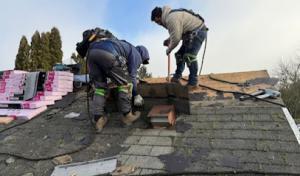
North Lake Roofing
(425) 219-8231 northlakeroofing.net
2531 Sunnyside Blvd, Lake Stevens, Washington
5.0 from 20 reviews
Diamond Roofing & Remodeling
(360) 395-5859 www.diamondroofingandremodelingllc.com
Serving
5.0 from 16 reviews

Creative Roof Solutions
(425) 268-3003 creativeroofsolutions.llc
12505 19th Pl SE, Lake Stevens, Washington
5.0 from 82 reviews
Creative Roof Solutions is a trusted family-owned business, proudly serving Snohomish, King, Skagit and Island counties since 2021. With over 30 years of industry expertise, this father-and-son team specializes in residential roofing and is a CertainTeed Shingle master Certified Contractor. They offer comprehensive services, including expert waterproofing and solar panel installation, ensuring your home is protected and maintained by seasoned professionals. From new installations to essential upkeep, Creative Roof Solutions provides top-quality craftsmanship and reliable solutions for your home. Call today for your free estimate and to learn more about our 12 month no interest financing program.
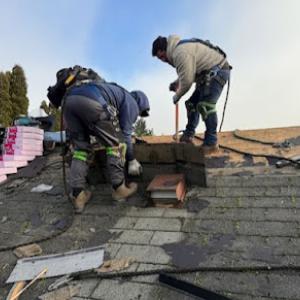
North Lake Roofing
(425) 219-8231 northlakeroofing.net
2531 Sunnyside Blvd, Lake Stevens, Washington
5.0 from 20 reviews
North Lake Roofing, a registered contractor in Lake Stevens, WA, is led by Mike Leary, a Washington native and proud U.S. Army veteran. We bring that same dedication and discipline to every residential roofing project in King and Snohomish Counties, specializing in both roof repair and replacement for single-family and multi-family homes. We believe in transparent service, offering FREE estimates without high-pressure sales tactics. Additionally, we show our appreciation to our community by offering discounts to seniors, active-duty military personnel, and veterans.
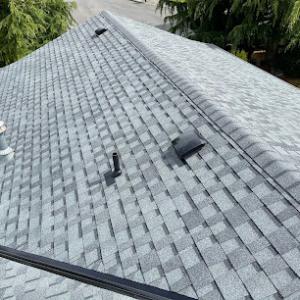
Sierra Top Roofing
(425) 270-1869 www.sierratoproofingwa.com
Lake Stevens, WA
4.8 from 28 reviews
Sierra Top Roofing provides roof repair, roof replacement, and gutter services in the Seattle, WA area.
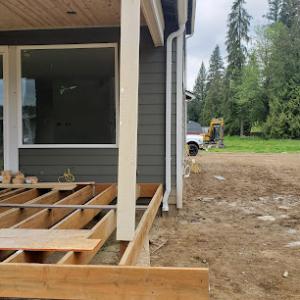
Hillcrest Roofing & Remodeling
(425) 399-5663 hillcresthomesnw.com
517 S Lake Stevens Rd, Lake Stevens, Washington
4.8 from 21 reviews
Hillcrest Roofing & Remodeling is the trusted local choice for roofing and home renovation services in Lake Stevens, WA, proudly serving nearby areas including Snohomish, Everett, Marysville, Mill Creek, & Mukilteo. Our experienced team specializes in roof installation, roof repair, storm damage restoration, & home remodeling with unmatched attention to detail. We also provide gutter installation, siding repair, drywall replacement, flooring, insulation upgrades, & water damage restoration to protect and beautify your home. Whether you need an expert roofing contractor near me, a professional home remodeling company, or emergency repairs, Hillcrest Roofing & Remodeling delivers reliable service & lasting value for every homeowner.
Washington greatest services
(425) 220-7072 wagreatestservices.com
Lake Stevens, WA
5.0 from 12 reviews
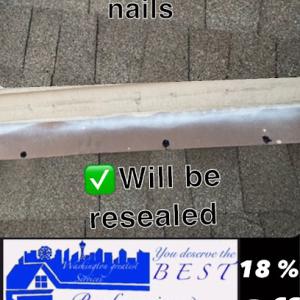
WASHINGTON GREATEST SERVICES proudly serves its customers with pride, integrity and attention to the details that matter most to you. This is one of the many things that sets us apart from the rest We are locally owned and operated All first time customers, military veterans and seniors will receive an 18% discount on our roofing services give us a call today because you deserve the best!!!
Evee Roofing & More
10519 20th St SE, Lake Stevens, Washington
4.9 from 10 reviews
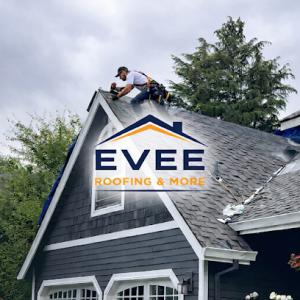
Evee Roofing & More offers exceptional roofing and water damage restoration services in the Lake Stevens area. Their experienced team is dedicated to protecting your home with top-tier roofing installations and repairs. When unexpected water damage strikes, they provide prompt, professional restoration to mitigate damage and restore your peace of mind. Located on 20th St SE, Evee Roofing & More is committed to quality craftsmanship and reliable service, ensuring your home remains safe and secure, come rain or shine.
Diamond Roofing & Remodeling
(360) 395-5859 www.diamondroofingandremodelingllc.com
Serving
5.0 from 16 reviews
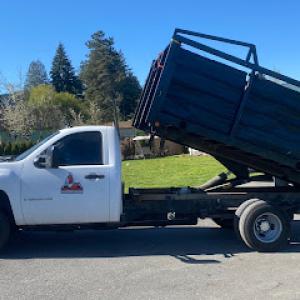
Diamond Roofing & Remodeling was founded 14 years ago under the values of professionalism, diligence, and integrity in the city of Mount Vermon, WA. Our team is locally known for its professionalism and cost-effectiveness. Our company grew from ground up thanks to the referrals from our clients. Our clients don’t hesitate to recommend us to their families, friends, and co-workers because they know what we deliver; an exceptional service with high-quality finishes and great customer service. Here in Diamond Roofing & Remodeling we have a free estimate company policy, so feel free to contact our customer service number to ask for a free estimate for your upcoming project; you can also schedule an on-site visit.
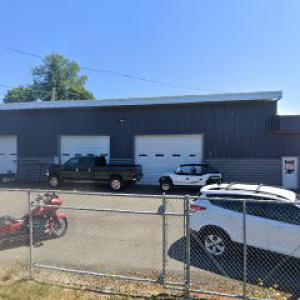
Snohomish Valley Roofing
2709 Hartford Dr, Lake Stevens, Washington
5.0 from 1 review
Residential Roofing and Re-Roofing Roof Repair and Inspections Residential Metal Onsite Roofing Fabrication and Installation Recycling BIn Rental Only
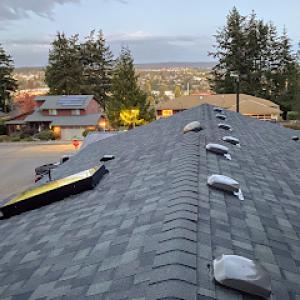
Wind Proof Roofing
(360) 840-5554 www.windproofroofing.com
Serving
5.0 from 7 reviews
Wind Proof Roofing provides roofing replacement, repairs, and installation along with gutter services to the snohomish and skagit county area.
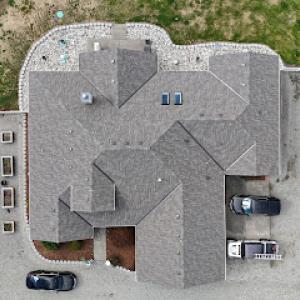
Robinson Roofing
(360) 421-5405 robinsonroofing.org
Serving
5.0 from 46 reviews
Residential and commercial roof replacement contractor.
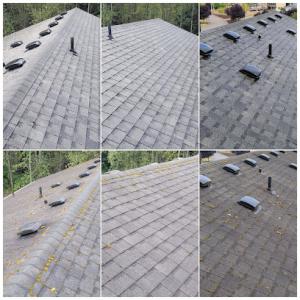
Farmers Roofing
(425) 535-6079 farmersroofingllc.com
Serving
5.0 from 10 reviews
At Farmers Roofing llc, we are a local, family owned and operated business with over 25yrs exp. Based in Snohomish County and serving the surrounding areas, we treat you like family. We ensure the highest quality of roof cleanings, repairs, replacements, and general contracting as possible. We take all your projects serious! Offering services for roof maintenance, chemical soft washing, leak repairs, complete roof replacement, hard surfaces & siding cleaning, and most all general contracting services. We specialize in servicing/ maintaining all types of roof systems, we have the experience to keep your home or business weather tight, and safe from the NW weather. We're here to help you with all your roofing and general contracting needs.
MCS Roofing & Construction
(425) 224-7277 www.mcsroofingcompany.com
Serving
4.9 from 131 reviews
We are a roofing and costruction company. We also specialize im small remodeling. We work in the Snohomish and King Counties.
In this area, the damp seasons around the lake and in the Snohomish County foothills create a persistent moisture load that shapes how roofs must shed water and resist moss. The key is timing and drainage: roofs that shed rain quickly, dry out between storms, and permit air movement under the deck or attic surfaces perform better in the long wet season. Materials and assemblies that tolerate lingering moisture and resist moss growth have a clear edge. This is less about heat resistance and more about continuous moisture management, air circulation, and easy maintenance access for cleaning or moss control.
Asphalt shingles and metal roofing are the most common choices, reflecting a practical balance of performance, cost, and ease of repair in a wet climate. Asphalt shingles offer strong water shedding when installed with proper underlayment and vented insulation, and they pair well with a drip edge and ridge vent strategy that promotes neutral airflow across the attic. Metal roofing, with its fast runoff and durability, handles persistent rain well if the underlayment and trim details are robust against moss and ice dam tendencies. Both choices benefit from careful overhangs and solid flashing at valleys and chimneys to minimize water intrusion during heavy, extended rain events.
Wood shingles and shakes remain part of the local mix, but they require closer attention to moss, moisture retention, and maintenance intervals. Without proactive care, moss can anchor in the micro-pores of wood fibers and hold moisture against the substrate. When wood is used, expect a more frequent inspection cycle: look for wood-destroying fungi, check for surface drying after storms, and schedule periodic resealing or staining to maintain water repellency. In this climate, wood surfaces should be paired with a high-grade underlayment and a maintenance plan that includes moss control treatments and regular cleaning to prevent moisture buildup in shaded sections.
Clay tile, concrete tile, and synthetic/composite shingles are present in the market, but their suitability depends heavily on structure, slope, and how well the assembly handles persistent moisture. Clay and concrete tiles need a solid substrate and precise slope to avoid water pooling along ridges or at fastener points. They also benefit from moss-resistant underlayment and meticulous cleaning around fasteners and edge details. Synthetic or composite shingles can mimic the look of other materials while offering improved moss resistance and dimensional stability, but installation quality and ventilation remain critical to keep moisture from seeping into the roof deck.
Regardless of material, the local moisture load makes periodic maintenance non-negotiable. Plan for seasonal inspections after the wet season and before the next cycle of heavy rain, focusing on moss development, debris buildup in valleys, and the condition of flashing and drip edges. Ventilation remains a recurring theme: ensure soffit, ridge, and attic vents are clear and functioning to prevent condensation from seeping into the decking. A good cleaning routine that removes moss and organic debris without damaging the surface will extend the life of the roof and keep moisture from penetrating the substrate.
When choosing a system, consider how the roof handles persistent moisture in the long run. Overhangs, flashing quality, and the ease of moss control should steer decisions toward assemblies that shed water efficiently and stay dry between storms. For asphalt and metal, verify that fasteners and sealants tolerate cycling wet-dry conditions. For wood, anticipate more frequent sealant or stain refreshes and moss management. For tile systems, ensure the structure can support the weight and that slope and underlayment choices align with a climate that experiences steady moisture.
Dry, bright summer days are cherished for roof work around the lake, and that preference in this community shapes pricing. Dry windows are limited, and crews get booked quickly, especially when the calendar tightens after persistent rain. That means a reroof may carry a premium if the project pushes into shoulder seasons or conflicts with popular weekends. When planning, anticipate some bid-to-completion lag tied to weather and contractor availability, and consider booking the most time-sensitive phase for the end of the dry spell to minimize delays and extra days on site.
Moisture handling drives both material decisions and labor steps. In this area, long damp seasons keep roofs wet longer and encourage moss, lichen, and delicate shingle edge wear. A roof replacement often reveals underlying moisture conditions that must be addressed before the new covering goes on. If decking or underlayment shows soft spots, rot, or hidden damage after tear-off, the project faces additional framing or plywood costs. This is not rare after a particularly soggy winter, so budgeting for a thorough inspection and potential deck repair is prudent.
When a tear-off exposes compromised substrate, repair work doesn't just add labor time; it can alter material scheduling and waste management as moisture-damaged boards are replaced and fasteners reset. In practice, this means a five- to ten-day delay and material upcharges for higher-grade plywood or pressure-treated stock if the existing deck framing needs reinforcement. Account for removal of moss-damaged sections of sheathing or fascia, and anticipate disposal costs for wet debris. These contingencies are common enough to factor into the overall reroof budget before choosing a finish.
Lake Stevens homeowners have a spectrum of options: asphalt shingles provide the lowest entry price, while metal, clay or concrete tile, and synthetic composites sit at the higher end. Local demand leans toward practical reroofing that balances longevity with cost, rather than specialty architectural looks. Asphalt shingles typically run in the lower cost bracket, while metal, tile, and composites stretch into higher per-square pricing. For reference, the per-square cost spectrum starts with asphalt at the lower end and extends to metal and tile options, with medium-range composites offering a middle ground. Weigh durability against the wet-season cadence when selecting a finish.
A practical strategy emphasizes moisture-resilient underlayment, prompt moss prevention measures, and a planning buffer for weather delays. Schedule core tear-off and installation during the driest available week, but budget a contingency for unexpected rain days. Have a contingency fund for deck repairs revealed during teardown, and choose a material that aligns with both the long-term moisture demands and the seasonal pace of Lake Stevens. This combination tends to yield steady progress and more predictable total costs through the wet-season roofing cycle.
Don't let upfront costs delay a critical repair - these contractors offer payment plans to fit your budget.
Creative Roof Solutions
(425) 268-3003 creativeroofsolutions.llc
12505 19th Pl SE, Lake Stevens, Washington
5.0 from 82 reviews
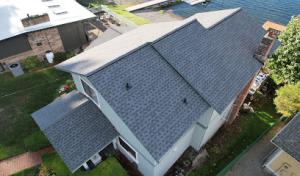
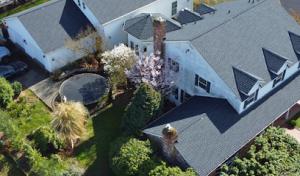
When a full roof replacement is on the table, a building permit is typically required in this area. The permitting process is handled through the local building department, and the path depends on whether the property sits within the City of Lake Stevens or in unincorporated Snohomish County. It is essential to confirm which jurisdiction governs the project before any work begins, because the rules, inspections, and required forms can vary between the two areas. Skipping a permit or misclassifying the project can lead to complications, including hold-ups for obtaining final approval and potential penalties that complicate future home improvements or resale.
Your contractor should verify the correct agency during planning. In the City of Lake Stevens, the building department handles permits with its own checklist and inspection schedule. If the property lies outside city limits in unincorporated Snohomish County, the county's permitting office applies, and the inspection cadence may differ. Since roofing work interacts with drainage, flashing details, and underlayment, having the right permit path aligned early helps prevent rework or delays. The process can include plan review, application fees, and scheduling inspections at key milestones, so understanding the timeline ahead of time reduces surprises.
The final inspection commonly concentrates on flashing, underlayment, and roof deck condition. Documentation of any sheathing repairs matters on local reroof jobs, so keep records of original deck condition and any replacements or reinforcing work performed during the project. The inspector will look for proper water-shedding details, secure fastenings, and correct integration with vents and chimneys to prevent moisture intrusion in the wet season. If discrepancies arise, expect guidance on correcting issues before the certificate of occupancy or final sign-off is issued, which can mean scheduling a reinspection after remedial work. Planning ahead with your contractor to address these specifics reduces the risk of post-inspection setbacks.
In this wet region, storm damage claims hinge on clear, well-kept records. In Washington, roof replacement claims are generally viable when storm damage is well documented, but carriers often want photos, invoices, and weather reports. Keep dated photos that show both the condition before and after storms, and save contractor invoices that detail repair steps and materials. A simple, organized folder-digital or physical-will pay off when an adjuster questions whether damage came from a covered event or longer-term moisture intrusion. If you rely on temporary fixes, capture those as part of the record, including the date and scope of the temporary repair.
Lake Stevens homeowners may need moisture or decking documentation because adjusters can ask for evidence showing whether damage came from a covered event or long-term deterioration. That means you should document interior signs of moisture, such as staining, mold spots, or soft decking, with dates and locations. Include attic ventilation checks, insulation condition, and roof deck conditions, especially in areas that see frequent dampness. Store any prior roof reports or home maintenance notes. While the claim process moves, keep a running log of weather events-storms, heavy rains, and wind gusts-that align with the reported damage. This helps demonstrate a link between a weather incident and the observed roof failure.
Claim timing in Lake Stevens can be affected by seasonal weather patterns, especially when repeated rain events delay inspection access or temporary repairs. Inspections may be postponed by ongoing rain, snowmelt, or damp conditions that complicate safety and accuracy. If a weather window opens, coordinate promptly with your insurer and chosen contractor to document the current state, schedule a professional assessment, and secure any necessary temporary measures. Understand that delays can shift repair timelines and, in turn, affect coverage interpretation, so keep communications clear and timely with the insurer.
Before filing, assemble a concise packet: recent photos, a list of affected areas, moisture readings if you have them, and any prior roofing or decking assessments. Communicate known weather events that correlate with the damage and note any temporary repairs already performed. When talking with adjusters, present the moisture narrative alongside the physical evidence, so it's clear whether the issue stems from a covered event or long-term deterioration. In this climate, proactive documentation is your best defense against gaps in coverage and delays in resolution.
Connect with contractors who help homeowners navigate the claims process from damage assessment to final approval.
Creative Roof Solutions
(425) 268-3003 creativeroofsolutions.llc
12505 19th Pl SE, Lake Stevens, Washington
5.0 from 82 reviews
North Lake Roofing
(425) 219-8231 northlakeroofing.net
2531 Sunnyside Blvd, Lake Stevens, Washington
5.0 from 20 reviews
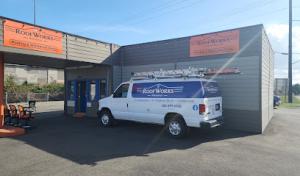
In this market, local inspectors check flashing closely, and flashing-related failures are a key concern on reroofs and repairs. The damp seasons around the lake mean flashing sits under constant exposure to moisture, and any misalignment, lift, or sealant degradation becomes an invitation for water intrusion. Pay particular attention to step and base flashings around vents, skylines, and where the roof meets the wall line. When a contractor surfaces the roof, insist on a full assessment of metal transitions, caulking continuity, and proper drip edge integration. In Lake Stevens, copper, aluminum, or galvnized steel can behave differently with the local moisture and freeze-thaw cycles, so ask for material-specific recommendations and a visible, well-sealed counter-flashing installation where walls meet roofs.
Skylights are a meaningful specialty in the local market, signaling that leak-prone roof penetrations are common enough to require dedicated contractor experience. Check the skylight curb for proper flashing integration with the surrounding roof plane, including a watertight seal at the curb, continuous sealant at the shell, and secure fasteners that won't back out in winter rain. Confirm flashing around the skylight transitions smoothly to the main roof flashing, with appropriate counter-flashing on the sides and top. If the skylight sits in a valley or near a ridge, demand extra attention to drainage routes and shingle-to-flashing contact points that could trap moisture over time.
Chimney intersections are a recurring feature in the local contractor market, which suggests homeowners should pay close attention to masonry-to-roof flashing details in this area. Inspect the base and sides of the chimney for cracked mortar, deteriorating mortar joints, and any loose or missing flashing. The ring around the chimney must be sealed to the roof deck with corrosion-resistant flashing, and the vertical joint between masonry and metal should have a properly sealed counter-flash and crown flashing to shed winter rain and meltwater effectively. Reroutes near valleys or deck penetrations around chimneys need to be assessed for ice dam risk and proper venting behind the flashing.
Find contractors experienced in skylight installation, flashing, and leak repairs to bring natural light into your home.
North Lake Roofing
(425) 219-8231 northlakeroofing.net
2531 Sunnyside Blvd, Lake Stevens, Washington
5.0 from 20 reviews
Diamond Roofing & Remodeling
(360) 395-5859 www.diamondroofingandremodelingllc.com
Serving
5.0 from 16 reviews
Emergency repair is one of the strongest service signals in Lake Stevens, reflecting homeowner demand for rapid leak control during winter rain events. When a leak starts during a storm, the message is plain: stop the water intrusion now, then plan for a stable, longer-term fix. If you hear dripping inside or see staining that grows after a heavy shower, act fast. The local market expects a rapid response that prioritizes containment over full repair to prevent further interior damage.
Quick-response service is highly prevalent in the local market, which aligns with the city's need for fast tarping and temporary drying measures during stormy periods. As soon as you identify a leak, call for immediate tarping to isolate the problem area. Cover delicate interiors with plastic sheeting and use a tarp anchored with weights or fasteners on a secure surface. If water bypasses a tarped area, place a temporary drain or bucket to reduce interior pooling. While tarps are in place, photograph the damage and note the time of every rain event to help prioritize follow-up work.
Lake Stevens weather can interrupt full repairs in winter, so temporary stabilization often becomes part of the local roofing process before permanent replacement. Expect crews to schedule daylight-only windows, with weather-driven delays. Prioritize securing the roof edges, flashing joints, and any moss-burdened seams first, then plan a staged fix when sunny days return. If shingles lift or granules wash away, request a temporary sealant or flashing adjustment to reduce further moisture intrusion while awaiting permanent materials and dry conditions.
When you can't wait, these contractors offer fast response times to stop leaks and prevent further damage.
Creative Roof Solutions
(425) 268-3003 creativeroofsolutions.llc
12505 19th Pl SE, Lake Stevens, Washington
5.0 from 82 reviews
North Lake Roofing
(425) 219-8231 northlakeroofing.net
2531 Sunnyside Blvd, Lake Stevens, Washington
5.0 from 20 reviews
Hillcrest Roofing & Remodeling
(425) 399-5663 hillcresthomesnw.com
517 S Lake Stevens Rd, Lake Stevens, Washington
4.8 from 21 reviews
In this market, reroofing takes precedence over new-construction projects. Look for contractors who demonstrate strong tear-off capabilities, thorough deck assessment, and a plan for managing moisture during and after the replacement. A competent crew should show how they inspect the underlying decking for rot, algae, or moss damage and how they address any delamination or sheathing exposed by removal. Prioritize teams that describe a step-by-step approach to drying out and ventilating the attic space before laying down underlayment and new roofing.
The damp climate around the lake and foothills means moss growth and lingering moisture are ongoing concerns. Choose a contractor who integrates moisture management into the reroofing sequence: proper underlayment selection, attention to ridge and soffit ventilation, and a plan for moss prevention on return visits. Ask for details about drip edges, flashing, and how meltwater will shed away from the eaves without pooling. A reliable answer includes a seasonal maintenance window for moss-suppressing treatments and a compatible maintenance plan that fits the typical wet-season cycle.
Cleanup is a common service expectation locally, making site protection a real hiring factor. Seek contractors who lay out how they protect landscaping, driveways, and neighboring properties during tear-off. Verify they commit to daily debris containment and a thorough post-job cleanup. A credible firm will walk through their hammer-out plan for tarping, containment barriers, and a final debris sweep that leaves no nails or shingle tabs behind.
Long-established, family-owned, residential-focused firms are well represented, signaling responsiveness and strong reputations. Prioritize contractors with a local track record and verifiable references from neighbors with similar housing stock. The best choice is a team that communicates clearly, shows up on schedule, and treats customer concerns with practical, on-site solutions rather than generic promises.
Get a clear picture of your project costs upfront - no commitment required.
Creative Roof Solutions
(425) 268-3003 creativeroofsolutions.llc
12505 19th Pl SE, Lake Stevens, Washington
5.0 from 82 reviews
North Lake Roofing
(425) 219-8231 northlakeroofing.net
2531 Sunnyside Blvd, Lake Stevens, Washington
5.0 from 20 reviews
Diamond Roofing & Remodeling
(360) 395-5859 www.diamondroofingandremodelingllc.com
Serving
5.0 from 16 reviews