
Last updated: Apr 19, 2026
Monroe sits in western Washington's persistently damp climate, where frequent rainfall and humidity keep roof surfaces wet for long stretches and accelerate moss and algae growth. That perpetual wetness isn't just uncomfortable; it quietly ages shingles, soaks under flashing, and corrodes fasteners. When the sky finally clears, the surface may look dry, but beneath the shingles the moisture can linger, inviting rot and gutter- and fascia-related failures. In short, you're not dealing with a single dry season of wear-you're dealing with a long, wet season that compounds every flaw in the roof assembly.
Winter storms in this area commonly combine rain with wind, so leaks often show up at flashing, valleys, roof-to-wall transitions, and around penetrations rather than from field shingles alone. If you've got vent pipes, skylights, or chimneys, pay close attention to the seams where metal flashing meets roofing material. Valleys that carry heavy runoff during gale bursts are prime failure points, especially when moss or debris clog drainage. And don't forget the roof-to-wall transition - a small lapse in sealant here can wick water into attic spaces during a high-wind, soaking rain event. In this climate, a leak can travel along underlayment and rafter bays long before it drips from a ceiling, so you must respect the hidden pathways.
The best installation window is typically the drier summer into early fall period, because spring and fall weather windows are shorter and winter conditions can delay tear-off, drying, and sealing. If you're contemplating a full or partial roof replacement, plan ahead for long stretches of dry weather. Delays in tearing off old material and allowing sealants to dry out during wet months can compromise the wind-driven rain barrier and invite rapid moisture intrusion. For homes with moss pressure, you'll want a replacement schedule that secures treated surfaces, proper ventilation, and a robust underlayment before the next wet season arrives.
You should proactively remove loose moss and debris from the upper surface, but do so gently to avoid lifting shingles or disturbing granules. Schedule an inspection after a significant rainfall event when damage is more likely to be visible from the attic and eaves. Have all flashing joints, valleys, and roof-to-wall transitions reviewed-these are the common leak sources during winter storms. If you notice curling shingles, soft spots, or daylight in the attic framing, treat those areas as urgent. Ensure attic ventilation and soffit intake are not blocked by insulation or debris, because proper airflow reduces condensation that feeds moss growth and wood rot. Consider a high-quality moss prevention treatment and a timely cleaning regimen to keep the surface drier longer between maintenance visits.
When speaking with a roofer, request a detailed assessment of flashing integrity, valley condition, and penetrations around vents and chimneys. Ask about underlayment choice and the sequencing of the tear-off, drying, and sealing during cooler months. Confirm the planned approach to moss control and roof cleaning, and require a clear plan for attic ventilation improvements if needed. Finally, insist on a winter-ready installation checklist that prioritizes moisture control, ensuring the new roof will resist wind-driven rain and moss resurgence in the coming season.
Asphalt shingles and metal roofing are the most common practical choices in this area. Asphalt is familiar, easy to repair, and tends to ride out Monroe's damp seasons with manageable maintenance. Metal roofing feels sturdy against wind-driven rain and can shed moisture quickly when installed with proper flashing and ventilation. Tile and cedar appear but are less prevalent in the active contractor market, so sourcing skilled installation and ongoing maintenance can be more variable. If you're choosing between these materials, lean toward what crews in the area regularly handle and what your roof line and attic space can support.
Western Washington moisture exposure makes underlayment quality, ventilation, and flashing execution especially important regardless of surface material. A high-quality roof underlayment that resists moisture ingress is worth the extra effort in the valley's damp climate. Ventilation helps manage attic condensation and reduces the chance of mold-dampness-related damage in long, wet seasons. Flashing around chimneys, vent pipes, and transitions must be continuous and sealed to prevent leak paths that can be hidden until a heavy rain tests them. For any material, plan for a robust installation sequence that prioritizes a dry-in during the brief dry spells.
Wood shingles and shakes in this damp environment need closer attention for moss buildup and moisture retention than many homeowners expect. Moss can trap additional moisture next to the roof surface, accelerating degradation and rot in framing and sheathing if the roof isn't kept dry. If you choose wood, insist on a high-grade, rot-resistant finish and a proactive moss-control strategy, including periodic cleaning and selective replacement of moss-prone areas. In practice, consider shorter intervals between inspections in colder, wetter months and after severe storms when damp debris can accumulate in valleys and gutters.
In this climate, the most durable installations pair a strong underlayment with thoughtful ventilation and precise flashing. For asphalt and metal, confirm that the fastener schedule aligns with the climate's freeze-thaw patterns and that ridge and soffit vents are balanced to move air without creating pressure points. For any choice, ensure professional crews verify roof-to-wall transitions and provide a maintenance plan that targets moss-prone zones, valley joints, and chimney brackets. Your best defense against moisture-driven aging is a well-sealed, well-ventilated roof that stays dry at the system's core.
After a winter wind and rain event, active leaks can spread quickly into sheathing and attic insulation. In this climate, moisture moves fast, so the first 24 to 48 hours are critical. Start with a rapid assessment from the exterior: look for soaked fascia, curling shingles, missing granules, and any new dark streaks along the eaves. If you see active dripping inside the attic or along a ceiling seam, treat it as urgent. Do not wait for daylight; if the weather allows, safely place a tarp or heavy plastic over the most vulnerable area to slow water intrusion while you arrange temporary protection. If a tarping job is needed, prioritize openings around penetrations, skylights, or chimney/chase areas that often become weak points in damp air.
You need fast, durable temporary protection to minimize damage until a contractor can seal and repair properly. Use a leak tarp anchored with roofing nails and plywood boards; avoid sharp edges that can abrade the tarp in wind. For small leaks, heavy-duty plastic sheeting overlapped beyond the leak and secured with masonry or roofing tape can buy time. If insulation or visible insulation fibers are damp in the attic, create a dry zone by placing a quick-drying barrier between the leak area and insulation, and keep airflow moving with a portable fan if conditions permit, but avoid directing air into wet spots. Remove valuable items from the path of cascading moisture and document the leak with clear photos from multiple angles for quick contractor review.
In spring and fall, Monroe experiences wind-driven rain and occasional hail, creating short-notice repair demand spikes. Document the date and time of the leak, take close-up photos of affected roof areas, attic vents, and any interior staining, and note recent weather events. Call a trusted local roofing contractor who can provide emergency triage, prioritize moisture-control measures, and outline a rapid plan for temporary protection and permanent repair. When communicating with the contractor, share the attic insulation condition, visible sheathing moisture, and any signs of mold or mildew. If multiple leaks appear after a storm, report all affected zones-this helps the team stage emergency repairs more efficiently.
Once the initial response is in place, schedule a thorough roof inspection within 48 to 72 hours of the event, weather permitting. Ensure ventilation paths remain unobstructed to prevent trapped moisture. Have the contractor verify that temporary protections are still secure after wind gusts and re-tighten as needed. If any interior signs of spreading moisture reappear, treat them as high priority; delayed triage in damp conditions can accelerate roof system aging and attic damage. Keep a running log of all repairs and protective measures to guide the next phase of replacement decisions.

NW Moss Removal
(360) 348-6824 nwmossremoval.com
Monroe, Washington
4.9 from 211 reviews
NW Moss Removal has been your one stop shop for cleaning and exterior maintenance for over 20 years. We proudly service the greater Seattle area including: Snohomish, King, Pierce, Skagit, Island, and Whatcom counties! NW Moss Removal is a fully licensed & insured Seattle area moss removal and roof cleaning company. Our services include: Moss Removal, Roof Cleaning, Gutter Cleaning, pressure washing, window cleaning, and other exterior maintenance tasks for residential and commercial clients.
Gallardo Roofing
(425) 244-8687 www.gallardoroofingllc.com
115 3/4 W Main St Suite 211B, Monroe, Washington
5.0 from 20 reviews
Residential and commercial roofing services
Continental Roofing
(425) 445-1873 continentalroofingllc.com
25325 120th St SE, Monroe, Washington
5.0 from 16 reviews
Continental Roofing is a family-owned roofing company with over 20 years of experience serving residential and commercial clients across Washington State. We specialize in roof repairs and installations using high-quality shingles and specialty metal roofing. Fully licensed, bonded, and insured, we’re committed to delivering dependable service, lasting results, and honest pricing. Whether it’s a small repair or a full replacement, you can count on us for professional, timely work you can trust.

Global Roofing & Construction
(425) 737-2235 globalservicesnw.com
Serving
5.0 from 24 reviews
We are a small, family owned roofing and construction company in Washington state. At Global our team strives to make your experience a good one by providing high quality workmanship, along with honesty, and integrity. We value building long lasting customer relationships, and achieve this goal by treating every project like it's our own. Don't trust just anyone with your investment, give the team at Global a call to schedule your free estimate. We proudly serve the greater Western Washington areas, and we look forward to earning your business. Please ask about our discounts for veterans, military, and first responders. FREE ESTIMATES!!!
State Roofing & Exteriors
(866) 766-3766 www.stateroofing.com
Serving
4.5 from 132 reviews
For over 55 years, State Roofing and Exteriors has set the benchmark for quality and care, delivering trusted craftsmanship and exceptional service. As a leader in roofing, siding, decking, and window services, we blend decades of expertise with innovative solutions to protect and elevate homes across the Pacific Northwest. As a family owned and operated company, we have built a foundation of trust and a commitment to excellence since 1968. Using premium materials and precision installation, we ensure your home not only stands strong but looks extraordinary. Our customer-first approach means we listen to your needs, tailor our solutions, and guide you every step of the way. Choose State Roofing and Exteriors for lasting value.
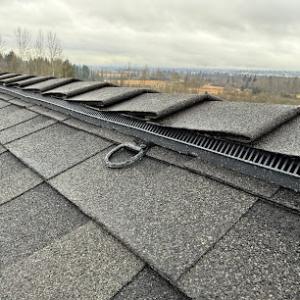
Honey Bee Roofing & Exteriors
(425) 275-1298 honeybeeroofers.com
Serving
5.0 from 15 reviews
Honey Bee Roofing & Exteriors, founded in 2024, excels in comprehensive exterior home improvements at competitive prices. From seamless roof replacements to siding transformations, and stunning window installations, their expertise extends to exceptional deck building and custom exterior living spaces. Whether refreshing aesthetics with a new coat of paint or seeking a complete makeover, Honey Bee Roofing & Exteriors offers a wide range of services to bring visions to life with impeccable craftsmanship and attention to detail.

Klim Roofing & Construction
(425) 485-5546 www.klimroofing.com
Serving
4.9 from 132 reviews
We are a locally-owned, family-operated roofing company serving the greater Puget Sound area. We specialize in both pitched and flat residential and commercial roofing. Our dedicated, company employed, factory-trained team of installers deliver top quality installations every time. We embrace a low pressure, consultative sales approach that prioritizes our clients best interest. You can enjoy peace of mind with our Zero Money Down Guarantee and explore our flexible financing options for a seamless roof purchasing experience. To learn more about our roof repair or replacement services or to get a hassle-free roof consultation, contact us today. KLIM proudly covers the North End, South End, East Side, Seattle and the surrounding areas. Our...
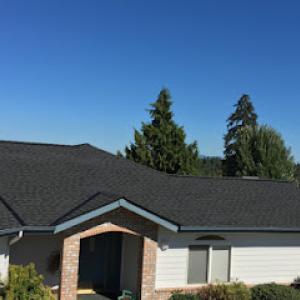
Pro-Long Roof Care
(425) 822-2345 www.prolongroofcare.com
Serving
4.0 from 61 reviews
Pro-Long Roof Care is a Snohomish-based company that cleans roofs and repairs roofs and installs gutters. We are a family-owned small business and have enjoyed working from Arlington to North Renton for more than 12 years. Our specialty is compressed air roof cleaning, manufacturers recommended method of cleaning roofs safely. We have specially designed pressure washing equipment for gentle washing your roof if you need it pressure washed, or if you need your home or hardscapes pressure washed. We also install continuous seamless gutters in K5 and K6 ( standard) sizes. The K-Style gutter is the most commonly seen installed homes in the Western Washington area.
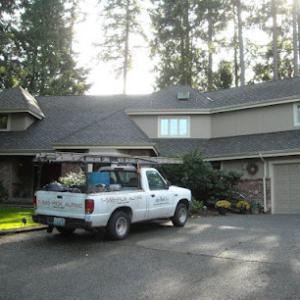
Alpine Roof Care
(425) 487-2884 alpineroofcare.com
Serving
4.8 from 116 reviews
Locally owned and operated, Alpine Roof Care is your trusted roofing contractor, providing professional, quality roofing services to keep your home safe and sound. From spot repairs to full roof replacements, our roofing experts provide free estimates based on thorough examinations of your home’s current state. We proudly serve the greater Seattle area, including Snohomish, Everett, Bellevue, Kirkland, and Renton, WA. Our comprehensive services include roof repair and maintenance, roof replacement, cedar roof cleaning, roof cleaning, moss removal, and asphalt shingle roof repair. Looking for experienced asphalt shingle roofers in Snohomish? Our team is here to help with expert craftsmanship and reliable service.

Elite Roofing & Remodel
(425) 482-0676 www.eliteroofingnw.com
Serving
4.9 from 603 reviews
Elite Roofing & Remodel is a Snohomish-based Roofing Company. We offer a full line of roofing services including roof replacement, roof repair, roof cleaning, and gutter installation. Our services also include siding repair and installation. We have been in business for over 25 years and have many happy referrals as reference per request. Accredited by the Better Business Bureau and Members of the Master Business Association. Our Service area covers the majority of Snohomish and King County. We offer Elite Service, Elite Quality and the Elite Experience. Financing options available.
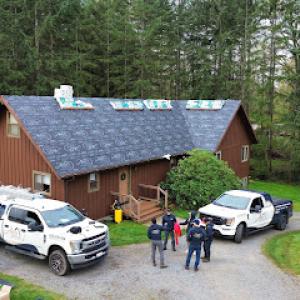
Amor Roofing
(425) 229-2198 www.amorroofing.net
Serving
5.0 from 103 reviews
From the start, family has been the heart of Amor Roofing. Our founders are cousins whose fathers, uncles, and grandfathers began roofing over 40 years ago. We take pride in the fact that our family has been providing quality roofing services for generations. We deeply understand the industry and the importance of a robust and reliable roof. We use the best materials and techniques to ensure that each job maintains the highest standards. Our customers trust us to protect their homes and families, and We take that responsibility very seriously. Working in roofing has been more than just a job for us - it's a family legacy and a source of pride. We are honored to carry this tradition and provide the best roofing services to our community.
In this market, typical Monroe pricing follows the provided western Washington ranges, but final bids often move when moisture-damaged decking is discovered during tear-off after the long wet season. Roofs that looked sound from the exterior can reveal soft spots, cupping, or delamination once the old shingles are lifted. That discovery drives cost up quickly, since replacing decking and updating fasteners, underlayment, and ventilation becomes necessary to restore long-term performance against persistent moisture and moss pressure. Expect bids to reflect these contingencies, especially on homes with capped valleys or historically shaded eaves that stay damp.
Montage costs shift with the calendar as well. Costs in Monroe can rise when contractors must schedule around narrow dry-weather windows in summer and early fall, when reroof demand is strongest. If a crew is squeezed between weather front moves and short windows to keep flashing and ventilation from freezing or warping, labor hours surge. Material deliveries may also compress the timeline, causing premium charges or weekend work to fit the schedule. For a homeowner, this often translates into a tighter bid range and a quicker decision cycle.
Material choice matters sharply in Monroe. Asphalt shingles are the entry-price leader, and they continue to be a sensible baseline given the region's moisture, moss pressure, and wind-driven rain. However, metal roofing, clay or concrete tile, wood shingles, and synthetic options bring additional labor and accessory costs, particularly when a reroof requires upgraded ventilation, ridge vents, and flashing with proper detailing around protrusions. Metal typically adds durability against wind-driven rain but may require more elaborate deck prep and insulation considerations in wetter seasons. Tile systems demand careful roof geometry and underlayment choices to avoid moisture traps and freeze-thaw stress over time. Synthetic or composite shingles can offer good moisture resistance but still depend on proper underlayment and moss mitigation.
A practical path to a solid bid in this climate starts with a careful assessment of the existing deck, underlayment, and ventilation strategy. If moss growth and moisture infiltration are significant, expect an emphasis on upgraded underlayment, upgraded drip edge, and enhanced attic ventilation. Bids that address these items upfront-rather than as add-ons-tend to provide better value over the life of the roof. When reviewing bids, compare not just the material price, but the scope of tear-off, decking replacement, venting upgrades, flashing around chimneys and skylights, and the anticipated maintenance plan for moss control in the years ahead.
Don't let upfront costs delay a critical repair - these contractors offer payment plans to fit your budget.


A full reroof in Monroe typically requires a permit through the City of Monroe building department or Snohomish County, depending on jurisdiction. The local authority can influence the exact steps, required forms, and the duration of the permit. Knowing which jurisdiction applies before planning the project helps avoid delays once crews are ready to start. In practice, many older homes with shared lot lines or accessory structures may fall under county oversight, while newer or city-specific developments land under Monroe's municipal process. Start by confirming the correct authority early in the planning phase to align with timelines tied to your dry-season install window and moisture-sensitive roof condition.
Applications are commonly handled online or in person, and plan review may be triggered when structural changes are part of the reroof scope. In this region, the emphasis is often on ensuring attic ventilation, flashing details, underlayment compatibility with persistent moisture, and roof-penetration integrity. If the reroof involves modifying roof pitch, replacing decking, or altering skylights, expect a more thorough review. Even when the surface surface appears straightforward, inspectors will look closely at how the new system integrates with existing ventilation baffles and soffit intake to manage dew and moss pressure in the wet season.
Gather site plans, roof framing notes, and a bill of materials showing underlayment type, flashing method, and any vented ridge or soffit alterations. Some applications require photos of the current roof, attic ventilation, and access points for inspections. Having a clear sequence of stages-from deck repair (if any) through underlayment installation to final shingle or tile application-assists reviewers and reduces back-and-forth. Plan for potential moisture-related considerations, such as ensuring decking is dry and free of rot prior to new layers, since the long wet season in this valley can complicate work beyond the finished surface.
Inspections in Monroe-area reroof projects commonly verify underlayment, flashing, ventilation, and final installation details rather than only the finished surface. Expect at least a rough-in inspection for decking and underlayment, a mid-roof inspection if structural changes occurred, and a final inspection to confirm weatherproofing, drip-edge, and proper sealant at penetrations. Inspectors will check attic venting to ensure adequate air exchange, which reduces moss-driven moisture buildup and wind-driven rain infiltration. Coordinating these checks with the weather and crew schedule helps prevent delays.
Coordinate inspection appointments with the permit office and the roofing crew to ensure access to attic spaces and roof edges during the specified time windows. Dry-season install opportunities are limited by weather, so align permit approvals with planned start dates to avoid rework caused by rain exposure. Keeping communication concise with the inspector and having drafts of the construction sequence ready often shortens review cycles and supports a smoother transition from permit approval to final completion.
Washington homeowners in the Monroe market commonly file roof-related claims after storms, especially when wind and rain events create sudden leaks or visible shingle damage. The quiet weeks between storms can hide slow-mo wear, but a sharp downpour or a gusty front can expose vulnerable spots quickly. Expect shingles to fail in spots where moss has already begun to lift edges or where wind-driven rain finds a seam.
Adjusters in this region often want date-stamped photos, contractor findings, and an on-site inspection report before settling roof claims. On a storm day, take clear before-and-after shots if safe to do so, focusing on flashing, gutters, and any visible debris. A simple contractor note that identifies suspected moisture entry points, whether underlayment shows signs of cupping or curling, and any moss-related edge damage can speed the process. Keep receipts and a simple log of repair steps to show the sequence of damage and remediation.
Coverage and premiums in Monroe can tighten after broader regional storm or hail activity even though the Washington insurance market is generally more stable than severe-catastrophe states. A claim can trigger a review of roof age, material condition, and maintenance history. If a claim is involved, the insurer may request additional inspections or documents from both the homeowner and the contractor. Being prepared with organized records reduces back-and-forth and helps prevent unnecessary delays.
Connect with contractors who help homeowners navigate the claims process from damage assessment to final approval.
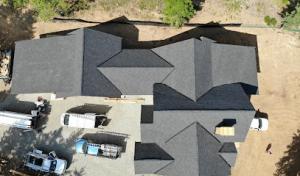
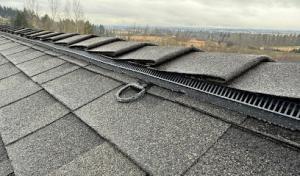
In Monroe, the long rainy season makes skylights and other roof penetrations frequent leak points. Flashing details are repeatedly wetted and buffeted by wind-driven rain, so gaps and improper transitions show up first as moisture around the skylight perimeter rather than as isolated glass failures. Expect flashing to wear where it meets the deck, curb, and vented soffit, and watch for small drips that travel along rafters or crown moldings after a storm.
Skylight issues are often diagnosed alongside ventilation and flashing problems, not as standalone glass flaws. When a leak is suspected, check the upstream flashing at the skylight curb, the step flashing where it meets adjoining roof planes, and the vent connections nearby. Examine drip edges and any sealant joints for cracks or shrinkage. If the roof is due for reroofing, pay particular attention to how the skylight transitions are integrated into the new system, because improper detailing tends to show up soon after installation.
Owner reports frequently point to wind-driven rain finding its way through gaps created by poorly seated or aged flashing, deteriorated sealants, and moving skylight frames. In Monroe, moss growth and sustained moisture accelerate deterioration around skylight perimeters, corner flashing, and curb flashing. When repairs are needed, the focus is usually on re-flashing, resealing joints, and sometimes replacing the skylight curb or flashings rather than simply replacing the glass.
If you're overseeing a repair, start by removing any moss near the skylight edge and cleaning the flashing surfaces to inspect for hairline cracks. Test for leaks with a careful water test around the skylight and adjacent flashing after a dry spell, paying attention to wind-driven spray directions. If leaks persist after resealing, plan for flashing replacement at the curb and along the side joints, and consider upgrading to continuous flashing membrane where roof planes meet the skylight.
Find contractors experienced in skylight installation, flashing, and leak repairs to bring natural light into your home.
Gallardo Roofing
(425) 244-8687 www.gallardoroofingllc.com
115 3/4 W Main St Suite 211B, Monroe, Washington
5.0 from 20 reviews
Continental Roofing
(425) 445-1873 continentalroofingllc.com
25325 120th St SE, Monroe, Washington
5.0 from 16 reviews
The Monroe market is heavily oriented toward reroofing rather than new construction, so homeowners should expect many bids from crews focused on tear-off, replacement, and cleanup. When evaluating proposals, prioritize crews that clearly outline a tear-off plan, disposal method, and site protection steps. Ask for a timeline that aligns with possible short dry windows and weather gaps, since moisture pressure is a constant consideration in this valley.
Cleanup is a strong local hiring priority in Monroe, reflecting homeowner concern about debris control on occupied residential properties during reroof work. Look for crews that specify daily cleanup, tarping of landscaping and driveways, and a dedicated onsite supervisor during the project. Request a written cleanup protocol and confirm they include post-project debris removal and a final waste haul. A clean site reduces the chance of wind-driven debris during winter storms.
Quick response and long-established reputation stand out in this market, which matters because leak calls often come during active weather rather than planned remodel timelines. When you call, gauge how rapidly the crew can assess damage, provide a temporary fix if needed, and commit to a realistic start date. Check references for responsiveness during bad weather and after-hours calls. A crew with a local footprint tends to know typical storm patterns and can prioritize scheduling around vulnerable periods.
Clear, local-oriented communication helps prevent surprises. Insist on a written scope that includes roof replacement details, underlayment choices suitable for high moisture, and a warranty summary. Request a project calendar with milestones: tear-off, underlayment, new roof installation, and final inspection. Ensure the contractor provides a thorough cleanup checklist and a warranty-issuance timeline so you know exactly what to expect after the crew finishes.