
Last updated: Apr 19, 2026
Battle Ground sits in southwest Washington's wet-season pattern, where prolonged winter rainfall and shoulder-season storms can interrupt tear-off and dry-in sequencing. The practical upshot is that a re-roof project is seldom a clean, single-week sprint. Weather windows in late fall through early spring can close with little notice, forcing crews to pause at critical transitions. Understanding that rhythm helps you set expectations with your contractor and plan for contingencies without letting a half-finished roof linger over the rainy months.
The local replacement window is usually most favorable in the dry summer period, when lower moisture exposure reduces underlayment and decking complications during installation. Dry heat, calmer days, and minimal rain mean the underlayment can be laid, inspected, and dried in more reliably. If you're coordinating with a contractor, aim for a start date between late June and early September, when the daily chances of soaking storms are at their lowest. Planning ahead for the summer window also gives you a buffer to address roof penetrations, vents, and flashing without competing with winter storms that can force reschedules.
A critical decision point is whether the project will proceed with a full tear-off followed by a dry-in, or with a staged approach that protects the home as weather allows. In wet-season climates, many projects benefit from delaying any long soak of the attic space. If a tear-off must occur during shoulder rain periods, expect some on-and-off workdays. Your crew should use temporary tarping and reinforced edging to keep moisture out of decking and insulation during short pauses. If the schedule slips into shoulder seasons, the contractor may implement a rapid dry-in strategy with roof protection to minimize exposure while awaiting a drier spell.
Because this market sees frequent re-roofing activity, weather-driven scheduling backups after stormy periods can push homeowners into temporary leak mitigation before full replacement. Plan for a proactive mitigation step if a storm stalls progress: use temporary leak barriers around penetrations and openings, and ensure exterior doors and vents are weather-sealed to reduce indoor moisture ingress while waiting for the next dry window. Communicate a clear plan with your roofer about what constitutes an acceptable pause and what measures will be taken to protect interior spaces in the interim.
When a dry window is secured, set a clear sequence with your contractor. Start with mobilization and a thorough roof deck inspection to identify any soft spots or hidden rot that would slow progress once tear-off begins. If decking needs replacement, schedule that work during the first dry spell rather than letting moisture linger on exposed boards. After tear-off, ensure underlayment installation is completed on a continuous cycle, with flashing carefully integrated around chimneys, skylights, and vent pipes. Dry-in should occur swiftly during the same dry spell to limit prolonged exposure of interior spaces; if that's not feasible, arrange for a robust temporary cover system to bridge the gap.
During the wet season, weather forecasting becomes part of the project plan. Your contractor should provide a reasonably accurate forecast-based schedule and offer a contingency plan for rain events. Ask for daily progress updates and a visible, updated plan board at the job site. When delays happen, request a revised timeline that accounts for forecast windows, material lead times, and crew availability. The goal is to minimize time the roof remains open to weather while balancing the risk of a rush-job that compromises quality.
Even with careful scheduling, moisture control inside matters. Ensure installed tarps or plastic sheeting direct water away from attic access points and electrical conduits. If the interior spaces show signs of dampness once roofing resumes, revisit ventilation and insulation checks-wet seasonal cycles can reveal or exacerbate hidden moisture issues. A quick follow-up inspection after the dry-in phase is completed helps verify the deck's dryness before the final layer is installed and sealed.
As fall and spring storms approach, keep a standby plan for temporary protection if a workday is interrupted. Clear access to the property, secure storage for materials, and a contact line with the contractor for emergency weather-related actions keep the project from stalling when the skies turn unsettled. The more your plan incorporates Battle Ground's typical storm patterns, the smoother the re-roof experience will feel for you and your neighbors.
Asphalt shingles dominate the Battle Ground housing stock, especially for the many detached homes that dot the exurban landscape around Clark County. Their practical fit comes from a balance of durability, ease of installation, and compatibility with typical roof pitches found on these homes. In wet-season conditions, asphalt shingles respond well to the frequent rain-driven load while keeping maintenance approachable for homeowners dealing with ongoing moisture. When choosing a shingle, look for features that support moisture resistance and solid wind performance, as battles with long wet seasons often mean gusty days that test edge seals. Long-term performance in this climate benefits from a shingle with good granule adhesion and a durable sealant strip, which helps resist wind uplift during stormier months.
Metal roofing presents a meaningful upgrade option for homeowners prioritizing rapid rain shedding and long-term performance through repeated wet winters. In this market, metal panels or standing-seam systems can offer excellent water resistance, reduced risk of leaks at joints, and a sturdier profile against severe weather. Metal tends to shine in areas with persistent moisture because it dries quickly and can resist the gradual degradation that can accompany repeated exposure to wet conditions. For Battle Ground homes, metal can be especially advantageous on structures that experience recurrent moisture buildup around eaves, valleys, or penetrations, where robust fastener systems and proper sealing are crucial. The payoff is often reflected in lower maintenance needs and a decisive reduction in potential moisture intrusion over time.
Clay and concrete tile are present in the market but carry much higher installed costs and structural considerations than the asphalt-heavy housing stock common around the area. Tile systems bring visible durability and a distinctive look, yet their weight requires a careful structural assessment of existing trusses and decking. In wet-season climates, tile edges and fasteners must be carefully detailed to manage water drainage and potential freezing cycles. If considering tile, anticipate a more involved inspection process to confirm that the roof structure can safely bear the weight without compromising attic ventilation or insulation. Tile can be a strategic choice for limited-footprint updates or for homes with design goals that favor this traditional aesthetic, but it demands readiness for a higher upfront investment and more complex installation.
Wood shingles or shakes offer an authentic appearance and can pair nicely with certain architectural styles common in this area. However, wood requires thorough moisture management, with attention to potential rot, mold, and fastener corrosion in damp years. If moisture control is already a priority, wood may be best suited for structures that feature robust ventilation and a climate-controlled attic. Synthetic or composite shingles provide a more uniform performance profile in wet climates. They can deliver durable moisture resistance and a lower maintenance burden without the heavier weight of tile options. For Battle Ground homes, synthetic options can bridge the gap between traditional asphalt and premium materials while still delivering dependable protection through frequent rains.
Across all materials, attention to underlayment and ventilation remains critical in a climate with long wet seasons. A well-sealed deck, continuous insulation, and appropriately vented attics reduce the risk of moisture migrating into the attic space and interior. In the Battle Ground context, selecting a roofing system that coordinates with the local exposure to wind-driven rain and the seasonal moisture cycle helps extend the roof's life. Look for systems with proven moisture management, reliable fasteners, and compatibility with seamless gutters to manage water flow away from the eaves and foundations. The choice should align with the home's existing structure, local aesthetic, and the goal of minimizing long-term moisture-related maintenance.
In this market, skylights are a frequent service conversation during re-roofs. You will notice that skylight flashing and curb details tend to be repeated needs from homeowners who've lived with long stretches of wet-season rain. The problem isn't just the seal around the glass; it's the transition from the flat curb to the curved plane of the roof surface. If the curb flashing isn't precisely integrated with the surrounding roofing membrane, puddling near the skylight becomes a slow drip you might overlook until the next round of heavy rain. Local crews know to look at the entire skylight assembly-flashing, curb, fasteners, and the edge of the roofing material-rather than patching one piece in isolation. When a leak starts, it often shows up low on the wall below, or as staining along interior ceiling joints that have endured multiple storm bouts.
Chimney flashing is another common focal point for Battle Ground homes. The mix of moisture-heavy winters and persistent wind-driven rain pushes the limitations of roof-to-wall junctions. If the chimney is older or the masonry has shifted even slightly, flashing can fail where it meets the roof plane. The result is a slow, sometimes almost unnoticeable seep that becomes a bigger leak after several sustained rain events. Contractors consistently report that chimney-related work extends beyond a simple cap or flashing reintegration; it often involves re-flashing the chimney-side, resealing the counter-flash, and ensuring the top shingle course sits flush against the chimney chase. The goal is to prevent water from wicking down the side of the chase and finding its way into attic vents or interior gaps.
In this climate, a small flashing fault can stay active for days or weeks rather than a quick, isolated burst of rain. That means a minor misalignment, a hairline crack in sealant, or worn step flashing around a valley can become a full-blown leak under continuous rainfall. Homeowners may notice a damp attic insulation odor, or you might see dark staining spreading across ceiling drywall after a long wet spell. The caution here: the absence of a dramatic, single storm does not equate with stability. A persistent drip during multiple storms is a sign that a flashing detail or transition is not performing as it should, and delaying a professional assessment can convert a manageable repair into a larger, more disruptive fix.
Start with the skylight area: look for loose or buckling flashing where the skylight meets the roof, and inspect the curb with a level eye for any gaps or gaps that may have widened over time. Around chimneys, check the immediate roof surface for soft spots or lifted shingles near the chase, and note any staining on the underside of the attic vents where water might be traveling. In the attic, scan along the ridge and around penetrations for any dampness on structural members or signs of mold growth that align with intermittent dripping. If you identify repeated dampness near these high-risk transitions after a stretch of rain, don't delay-these are the telltale indicators of issues that can escalate quickly once the weather turns again.
Find contractors experienced in skylight installation, flashing, and leak repairs to bring natural light into your home.

HOMEMASTERS Battle Ground
(360) 667-5211 homemasters.com
18814 NE 92nd Ave, Battle Ground, Washington
4.9 from 87 reviews
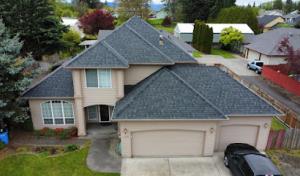
Rivera Roofing Service
(360) 524-5889 riverasroofingservicesllc.com
11 S Parkway Ave, Battle Ground, Washington
4.9 from 32 reviews
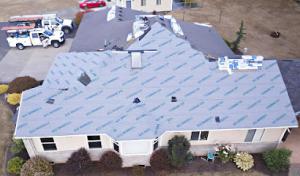
Grant Roofing & Pressure Washing
(360) 600-8027 www.grantpw.com
400 NW 14th St, Battle Ground, Washington
4.9 from 630 reviews
Grant Roofing & Pressure Washing, established in 2000, has become the trusted choice for roofing, gutter cleaning, and pressure washing services in Battle Ground, Washington. Our proficient team guarantees 100% satisfaction by offering exceptional routine maintenance, prompt emergency leak repairs, and meticulous moss removal and prevention treatments for roofs. Moreover, our specialized gutter cleaning and maintenance enhance your home's aesthetic appeal and energy efficiency, complementing our deep cleaning power washing services that restore the vitality of every surface.

HOMEMASTERS Battle Ground
(360) 667-5211 homemasters.com
18814 NE 92nd Ave, Battle Ground, Washington
4.9 from 87 reviews
Since 1990, HOMEMASTERS Battle Ground has been the trusted local expert for all your exterior home needs. Specializing in roofing, gutters, siding, and windows, our team delivers superior craftsmanship and dedicated customer service. We provide durable, energy-efficient solutions, from solar system services to pressure washing, tailored to protect and enhance your property. With a commitment to quality and precision, HOMEMASTERS ensures every installation, repair, or maintenance project is completed with care, keeping your home beautiful and built to last.
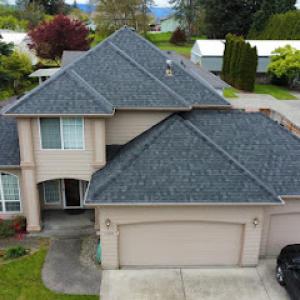
Rivera Roofing Service
(360) 524-5889 riverasroofingservicesllc.com
11 S Parkway Ave, Battle Ground, Washington
4.9 from 32 reviews
Rivera Roofing Service offers a superior level of expertise and professionalism in the Battle Ground, WA area. With over three years of delivering exceptional service within the roofing industry, they have established themselves as a leading choice for discerning homeowners seeking impeccable roofing solutions. With an unwavering commitment to excellence, Rivera Roofing Service consistently strives to exceed customer expectations with their prompt, reliable, and high-quality services.

Alfred's Roofing
(360) 504-4685 alfredsroofingwa.com
18522 NE 122nd Ave, Battle Ground, Washington
4.9 from 32 reviews
Alfred's Roofing is the leading roofing company in Vancouver, WA & the surrounding areas. We proudly offer residential roof repair in Vancouver, WA! Get in touch with us if you are in need of residential roof replacement. Alfred's Roofing is here to provide only the best roofing service for your home, ensuring that it will stand the test of time for years to come! We ensure you are satisfied from start to finish by keeping you well-informed of your options during the whole process. Come see why Alfred's Roofing is the best choice for all your go-to roof needs in Vancouver, WA!
CAPO Construction
(360) 713-4001 capoconstructionnorthwest.com
Battle Ground, Washington
5.0 from 18 reviews
We are a contractor working out of Vancouver, WA and surrounding communities. We are a top rated construction service provider, and from the first nail to the final creative touches our contractor and crew will turn your home into a modern, unique, and comfortable place to live. We proudly offer general contracting, roofing service, and painting service.
Dagmar Pros
911 W Main St, Battle Ground, Washington
4.6 from 58 reviews
At Dagmar Pros, we are dedicated to high-quality construction services for homeowners. Our customers are our neighbors – and we treat them that way. We proudly serve Southwest Washington and Portland Oregon area homeowner for their home improvement service needs! Guided by values like responsibility, collaboration, and authenticity, we aim to exceed expectations with clear, transparent home improvement processes. With over 60 years of industry expertise, we focus on creating exceptional experiences for both our customers and employees.
Ed’s Roofing
(360) 687-2963 www.edsroofing.com
Serving
4.8 from 95 reviews
Ed’s Roofing, a local, family-owned and operated business in Brush Prairie, WA, has been providing high-quality roofing services all over Clark County since 1977. Our trained staff has over 100 years of combined experience in the roofing industry and can help make sure you get the best roof possible for your property. From new roof installation to reroofing, depend on us for a wide variety of roofing services. We offer FREE estimates on our roofing services. Let us evaluate the condition of your roof and provide the necessary solutions. Trust us to repair your roof! We’re a BBB-accredited business.
All County Roofing
(360) 869-1141 www.allcountyroof.com
Serving
4.9 from 40 reviews
All County Roofing has been offering Clark County Washington affordable quality roofing services for 30+ years and counting. Specializing in roof replacements, roof installations, metal roofing, and roof repair services, All County Roofing is your top choice roofer in Brush Prairie, WA and surrounding cities. Local family owned roofing contractor based out of Brush Prairie, WA we know the area and what it takes to make customers happy. A dry home and a small bill. All County Roofing is affordable with a high caliber efficiency and expertise in roofing installation. Before choosing your roofing contractor call All County Roofing today and set up a free estimate.
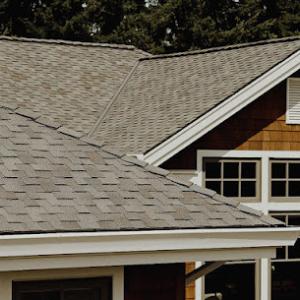
Weather Built Homes- Residential Roofing Services
(360) 258-0936 weatherbuilthomes.com
Serving
4.7 from 234 reviews
As a proud woman-owned roofing company, our commitment at Weather Built Homes is to put your family's best interest first. With a keen eye for detail, we visit your home and provide custom solutions tailored specifically to your needs. From precision roofing to installing sturdy siding, windows and gutters, we'll make your home ready for any weather challenge. Experience the blend of craftsmanship and care. Contact our qualified contractors today for a free estimate!
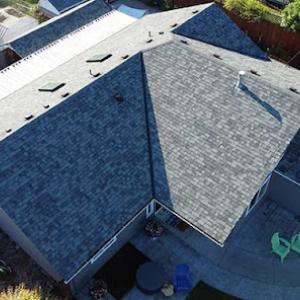
J&J Roofing & Construction
Serving
5.0 from 110 reviews
We have been a family owned roofing company in Vancouver Washington since 1984. We value you and your Home and look forward to providing you with the most outstanding new roof replacement, roof repair, or roof cleaning in Vancouver WA. From minor roof repairs to a full roof replacements, our roofers are here to help you. Trust us for the best roof service and care! We have an unrivaled 50 Year roofing warranty because we are GAF master elite certified roofing contractors in Vancouver Washington serving all of Clark County. We want to help you make your property the best it can be. Give J&J Roofing a call today.
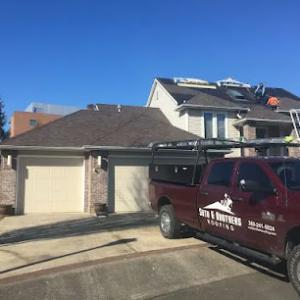
Soto & Brothers Roofing
(360) 241-5024 www.sotobrothersroofing.com
Serving
5.0 from 138 reviews
Soto and brothers Roofing is a locally owned business here to serve and protect your home this business started in 2014 we strive our best to bring you the best service with honesty and loyalty.
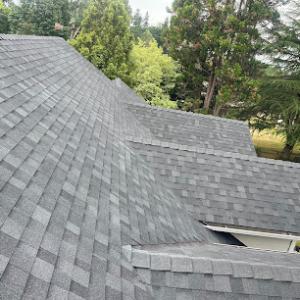
JH Roofing & Gutters Specialist
(503) 890-6912 www.jandhroofingspecialist.com
Serving
5.0 from 19 reviews
We are ready to tackle your roofing projects- new roof installations, roof repairs & roof maintenance. We are J & H Roofing Specialist, a local roofing contractor proudly serving Vancouver, WA and the Greater Clark County region. We are family owned business with over 24 years of combined experience and look forward to continue serving our community for many more years to come. We believe in quality work every time and have developed credible safety practices that keep us ahead of our competition. Our work will always be done safely and on time, every time. Be sure to contact us for your Free Estimate, we are willing to accommodate to your schedule
If you're evaluating a re-roof in this market, asphalt shingles typically run about $350 to $700 per square, metal $900 to $1600, clay tile $1500 to $2600, concrete tile $1200 to $2100, wood shingles or shakes $600 to $1000, and synthetic or composite shingles $700 to $1200 per square. These ranges reflect the local housing stock and contractor pricing, with modest differences from project to project based on roof complexity and waste factors.
Wet-season tear-offs can reveal moisture-damaged decking that must be replaced before the new roof can pass inspection. If rotted sheathing or warped boards are found, expect cost increases tied to material and labor for deck repair. In practice, you may see add-ons for roof decking replacement, insulation adjustments, or ventilation improvements that align with the severity of moisture damage. Planning for this possibility helps avoid budget shocks once the old roof is off and a new one is ready to go.
Pricing pressure in this area comes from a re-roofing-heavy contractor market. After storms or during the height of summer, quick-response scheduling and tighter labor availability can nudge both material and labor costs upward. When demand spikes, some crews may require minimum project sizes or scheduling blocks, which can indirectly affect the total price or the timeline. If timing is flexible, shopping across several local crews and requesting itemized bids helps align value with need.
Start with a simple comparison of material choices against climate and expected maintenance. Asphalt shingles stay the most affordable option, but clay or concrete tiles offer longer life in a climate with wet winters, at higher upfront costs. If moisture damage is found, budget for decking repair before installing underlayment and the selected roof system. Ask for a written plan that outlines decking replacement scope, ventilation adjustments, and any insulation improvements tied to the re-roof. Finally, forecast potential seasonal price shifts by requesting bids that include a preferred installation window, so a contractor can lock in a fair price before peak demand.
Get a clear picture of your project costs upfront - no commitment required.
CAPO Construction
(360) 713-4001 capoconstructionnorthwest.com
Battle Ground, Washington
5.0 from 18 reviews
A full roof replacement in Battle Ground typically requires a building permit. The local permitting framework sits under Clark County's building department, so the process is tied to the county's systems rather than a standalone city department. Understanding that structure helps align timing with the wet-season realities common to this area. Since projects can span several months of moisture-heavy weather, securing the permit early and aligning inspections with favorable weather windows reduces the risk of weather-related delays.
In most Battle Ground projects, the contractor handles the administrative side by filing the permit with Clark County and coordinating required inspections. It is wise to confirm this arrangement before work begins and to obtain the permit number for reference on-site and with the inspector. This avoids friction if a weather window opens up and work needs to progress. If a homeowner is managing the project independently, ensure the permit filing and inspection scheduling are clearly delegated, and keep a written log of all dates and inspectors' names.
The permit must be posted on the job site where it remains visible throughout the project. This posting acts as a quick reference for inspectors and neighbors alike, signaling that the installation adheres to county-approved methods and timelines. In a climate with persistent moisture, visibility also helps crews coordinate between layers of underlayment, ventilation, and leak prevention. Keep the posted permit current, especially if any scope changes arise during the re-roof.
Clark County inspections commonly review installation practices during the job and again at final completion before closeout. On a moisture-heavy schedule, it is common to encounter at least a mid-project check to verify underlayment, flashing details, and fastener patterns meet code and manufacturer requirements. The final inspection confirms that the roof elevation, ventilation, and closure details reflect proper workmanship and that all components are installed to specification. Planning for these inspections into the project calendar helps prevent unexpected hold-ups caused by weather gaps or material delays.
Coordinate inspection windows with predictable weather, especially during the wet season when rain can affect access and interior dryness. Have readily available documentation-permit card, plan set, and any variance approvals-in a dedicated folder so the inspector can verify details quickly. If a modification is needed after an inspection, ensure the contractor or permit holder documents the change and obtains the appropriate addendum before continuing. Finally, treat the posted permit as a live anchor for the project: any changes that alter roof geometry, venting, or drainage require prompt review to maintain compliance and avoid rework.
Battle Ground homeowners are dealing more with rain-and-wind documentation than with a single catastrophic peril pattern, so claim support often depends on clear condition records before and after storms. When a weather event rips through the corridor, the first step is to gather objective evidence: dated photos showing roof surface, flashing, and any visible damage, plus a simple written log noting the date of the storm, wind speeds if available, and your observations of whether leaks or drips appeared inside the home. Insurers in this area expect to see steady, trackable documentation rather than isolated anecdotes. Keep a file on your phone or computer labeled with the storm date and a brief description of what changed on the roof between inspections.
In western Washington, insurers generally cover standard roof replacements when documentation is complete, including before-and-after photos, contractor invoices, and photos of venting and underlayment. For a Battle Ground roof, the focus tends to be on reporting how moisture moved through the system and whether the underlayment remained intact under wind-driven rain. Before any claim is filed, secure high-quality images from multiple angles: eave edges, hips and ridges, valleys, and any areas where flashing shows exposure or damage. After the replacement, capture the same angles to demonstrate the new configuration, venting, and the condition of the underlayment. The more you show continuity across the claim, the smoother the review tends to go.
Insurers may also expect compliance with wind-rated nailing patterns, which makes installation documentation especially important when a Battle Ground roof is replaced after storm-related damage. If a claim involves wind-driven damage, retain product data and installation details that verify the nailing pattern meets wind-resistance expectations for the local climate. This includes the batten or nail counts in critical zones, the type and age of fasteners, and any deviations justified by existing code or manufacturer guidance. Having precise installation notes can help translate a storm event into a supported, repair-ready claim.
Connect with contractors who help homeowners navigate the claims process from damage assessment to final approval.

The contractor market here leans toward re-roofing, so you'll see many bids centered on replacement rather than specialized systems. If a bid sounds light on tear-off detail or skips a thorough inspection of underlayment and ventilation, question it. In practice, you want a bidder who presents a clear path from assessment to installation, not a quick upgrade pitch. Look for crews who can explain how they manage moisture, drying times, and potential patch work during a wet-season window.
Cleanup is a major local hiring priority. Homeowners expect crews that protect landscaping, fences, and surface features during tear-off and replacement, then leave the property neat after the job. Ask for a written plan that covers tarping, debris containment, nail removal, and final rake-and-sweep. On daily walk-throughs, verify that disturbed areas are restored before leaving, especially around flower beds, edging, and driveways where stubborn granules and nails hide.
Moisture-heavy conditions require careful scheduling. Seek a crew that can commit to a predictable start date, with contingency for rain delays and efficient, staged work during shoulder weather. A solid contractor will outline how they handle tarping and temporary weather protection, plus how long roof decking and underlayment stay exposed between stages. If a leak or sudden storm hits, you'll want a plan for rapid response without sacrificing long-term performance.
In a re-roof-focused market, vendors often bundle underlayment, ventilation, and drip edge in the proposal. Get a line-by-line scope that covers tear-off, disposal, and reinstallation specifics. Request a written warranty that spells out what is covered, for how long, and who handles warranty work. Beware proposals that promise a fast timeline without detailing moisture-control steps or proper attic ventilation upgrades.
Ask for recent Battle Ground projects with similar homes and weather exposure. A genuine local reference should speak to supervisor communication, post-install follow-up, and the crew's respect for landscaping. If possible, arrange a short on-site visit to observe cleanup discipline and how crews protect your property during tear-off.