
Last updated: Apr 19, 2026
Ridgefield experiences wet winters and relatively dry summers, so the timing of a full tear-off and reroof hinges on maximizing dry days and minimizing moisture exposure. The goal is to complete removal, decking inspection, underlayment, ventilation work, and new roofing in a continuous window that keeps attic moisture under control and reduces the risk of wind-driven leaks during the wet season. In practice, that means planning for a multi-step process that starts when the forecast reliably shows prolonged dry spells and ends before the first significant autumn rain.
Full tear-offs are typically best scheduled from late spring through early fall. That window aligns with Ridgefield's dry-season profile and gives crews enough uninterrupted days to remove old roofing, address decking concerns, install underlayment, and complete ventilation upgrades without repeatedly pausing for rain. If the calendar shifts toward late spring with a wet spell, or if a heat wave arrives in early fall, shift to a shorter, tightly scheduled project that prioritizes dry-in and ventilation rather than a long, multi-visit plan.
Heavy winter rainfall and frequent storms in Clark County can delay dry-in, expose decking longer, and reduce the number of workable installation days. When storms push projects into late fall or winter, contractors prioritize weather shutdowns, tarp protection, and rapid temporary fixes rather than pursuing a full replacement. If a project is already underway and a wet spell arrives, expect temporary setbacks like delayed decking inspections or back-venting needs, which can extend the timeline and complicate moisture management inside the attic.
Spring thaw and freeze-thaw conditions in southwest Washington can complicate attic moisture control and make ventilation details more important during reroofing. During the shoulder seasons, ensure that attic ventilation remains functional before removal begins, and plan for additional venting checks after underlayment is installed. If there is any sign of elevated interior humidity, address it promptly with a temporary dehumidification strategy and a rapid inspection protocol so insulation and decking don't suffer while the roof is open.
A typical sequence starts with pre-inspection to identify decking rot, failed underlayment, or compromised fascia and drip edge. The next step is a weather-aware tear-off, prioritizing dry days to complete decking repairs and ventilation retrofits before the new roof goes on. If moisture is detected in the attic, implement targeted ventilation improvements first to prevent trapping moisture under a new roof. Finally, ensure proper drying time for any sheathing or insulation materials before applying the final roof covering. For homes with complex eaves or vented soffits, double-check flashing transitions and ridge vent compatibility to maintain reliable dry-in through the ensuing wet season. In practice, keep a conservative buffer for wet-weather contingencies and coordinate closely with a local crew familiar with Ridgefield's seasonal patterns.
In Ridgefield's rain-driven storm pattern, leak investigations often center on flashing transitions, penetrations, and areas where repeated moisture exposure overwhelms aging details. If you notice staining along chimneys, vent pipes, or where roof valleys meet siding, treat it as a red flag. Water doesn't travel far in this climate before it seeks a hidden path into attic spaces or ceiling cavities. When you see damp insulation, musty odors, or sudden drops in indoor humidity control, move quickly to a professional assessment. The goal is to map every entry point with precision and prioritize the most vulnerable transitions for immediate sealants and temporary protection until a proper fix can be scheduled.
Skylight work is a meaningful local specialty, which aligns with homeowner concern about water entry around roof openings during long wet stretches. Skylights, roof hatch flashings, and vent assemblies are notorious chokepoints after extended rain. Look for cracked curb joints, lifted kerfs, or loose flashing pans around these features. If a leak appears around a skylight during heavy rainfall, don't wait for the next dry day-shrink-wrap or temporary boot protection can buy you hours of time while you arrange a focused repair. A trained crew will re-flash the unit, reseat the curb, and replace aging seals, but securing a temporary shield first keeps attic spaces dry and avoids interior damage.
Because winter storms can interrupt normal scheduling, quick-response temporary protection matters more here than in drier inland Washington markets. When storms threaten, cover exposed roof openings with sturdy tarps, secure protrusions, and close any attic access doors to minimize wind-driven infiltration. If a leak is actively dripping into living spaces, set up a temporary interior barrier like a moisture-containment tray or plastics-draped curtain to reduce rapid staining while you arrange a proper sequence of repairs. Your goal is to disrupt the water's pathway before it etches through insulation and creates ongoing mold risk. Communicate with your contractor about ramp schedules so that a repair window can be maintained even when weather shifts.
Rooms with vaulted ceilings or attic spaces directly under high-slope sections frequently reveal aging details first in a rain-heavy year. Leaks that start as pinpoints near flashing transitions or penetrations can expand quickly with repeated moisture exposure. Create a simple maintenance log for flashing joints, counterflashing, and sealant wear around roof penetrations. Schedule pre-winter inspections to catch compromised sealants, loosened fasteners, or degraded step-flashing before a single strong storm exposes a larger flaw. In this climate, a rapid-fire response culture-where a call triggers a same-week visit and expedited temporary protection-saves you from escalating interior damage and budget stress associated with long-wet seasons.

RedBird Roofing
(360) 605-3127 www.redbirdroofs.com
5573 S 1st Cir, Ridgefield, Washington
4.9 from 178 reviews
RedBird Roofing is a family-owned and operated roofing company dedicated to providing high-quality roofing services throughout Vancouver, Portland, and the surrounding areas. We specialize in reroofing, repairs, and maintenance, ensuring your home or business is protected and looks its best. With a commitment to integrity and exceptional customer service, our skilled team works hard to deliver reliable and affordable solutions for all your roofing needs. Contact us today to schedule your consultation
IBEX Roof
(360) 946-0554 www.ibexroof.com
104 NE 194th St Suite 101, Ridgefield, Washington
4.8 from 737 reviews
IBEX Roof proudly serves the communities of Vancouver and Ridgefield with exceptional roofing solutions. Our dedicated team specializes in a wide range of roofing services, including repairs, replacements, gutter services, and Skylight for residential properties. At IBEX Roof, we prioritize quality craftsmanship and use premium materials to ensure long-lasting, durable, and visually appealing roofing solutions. Trust our experienced professionals to protect and enhance your property with top-tier roofing services in the Vancouver and Ridgefield areas.

HOMEMASTERS - Vancouver
(360) 226-2067 homemasters.com
17115 NE Union Rd, Ridgefield, Washington
4.7 from 98 reviews
HOMEMASTERS Vancouver is your trusted local expert for roofing, gutters, skylights, and siding in Vancouver, WA and nearby areas like Camas, Washougal, Ridgefield, and Battle Ground. Locally owned and operated since 1990, we provide expert roof installation, roof repair, gutter cleaning and installation, siding replacement, and skylight installation. Our certified installers with Owens Corning and CertainTeed deliver lasting results—backed by warranties and our HOMEMASTERS Workmanship Guarantee. Expect honest quotes, no sales pressure, and top-quality home protection built to last.
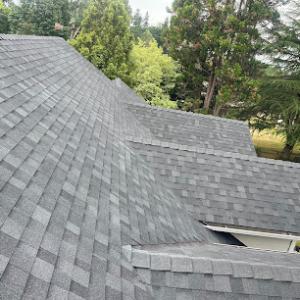
JH Roofing & Gutters Specialist
(503) 890-6912 www.jandhroofingspecialist.com
Ridgefield, Washington
5.0 from 19 reviews
We are ready to tackle your roofing projects- new roof installations, roof repairs & roof maintenance. We are J & H Roofing Specialist, a local roofing contractor proudly serving Vancouver, WA and the Greater Clark County region. We are family owned business with over 24 years of combined experience and look forward to continue serving our community for many more years to come. We believe in quality work every time and have developed credible safety practices that keep us ahead of our competition. Our work will always be done safely and on time, every time. Be sure to contact us for your Free Estimate, we are willing to accommodate to your schedule
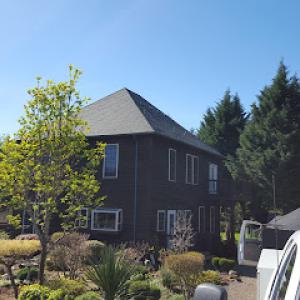
Ridgeline Roofing
(360) 215-8700 www.ridgelineroof-wa.com
Ridgefield, Washington
4.9 from 17 reviews
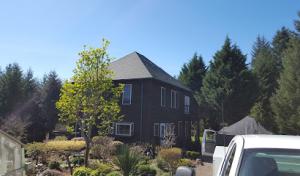
Ridgeline Roofing is a trusted roofing company and roofing contractor in Vancouver, WA, and the surrounding areas. We provide top-notch roofing services, including roof repair, roof replacement, and gutter replacement. Our team of professional roofers has the knowledge and experience to work on any type of roof, from residential to commercial properties. We prioritize our customers' needs and satisfaction, ensuring that we provide them with excellent workmanship and exceptional customer service. When you need a reliable and trustworthy roofer, contact Ridgeline Roofing.
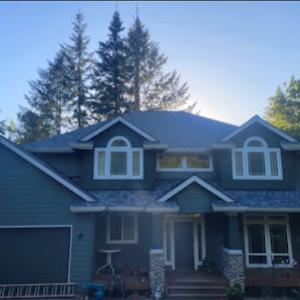
Stallion Roofing
(360) 869-5684 www.stallionroofing.biz
Ridgefield, WA
5.0 from 11 reviews
Stallion Roofing is a local family owned roofing company proudly servicing the greater Portland-Vancouver Metros. We provide the highest degree of quality craftmanship and 100% client satisfaction, while offering the honest and fair pricing you deserve.
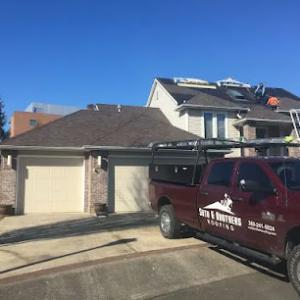
Soto & Brothers Roofing
(360) 241-5024 www.sotobrothersroofing.com
Serving
5.0 from 138 reviews
Soto and brothers Roofing is a locally owned business here to serve and protect your home this business started in 2014 we strive our best to bring you the best service with honesty and loyalty.
Northwest Roof Maintenance
(360) 910-8938 northwestroof.com
Serving
4.9 from 586 reviews
Founded in 2004, Northwest Roof Maintenance is the trusted roofing company for Vancouver, Camas, Portland, and surrounding Southwest Washington and Northwest Oregon communities. We specialize in roof repairs, moss treatment, cleanings, and expert replacement of cement tile and asphalt shingle roofs. Our consultants provide detailed, personalized inspections, while our certified technicians arrive in uniform, document every step with photos, and ensure clear communication from start to finish. Whether it’s a small repair in Camas, a full roof replacement in Vancouver, or preventative maintenance in Portland, we deliver quality workmanship and customer satisfaction every time.
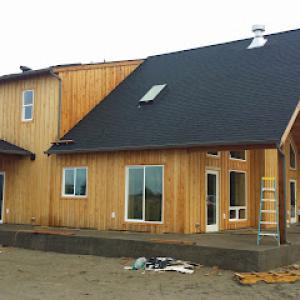
Dr. Roof
(360) 852-8884 www.drroofinc.com
Serving
4.7 from 56 reviews
Welcome to Dr. Roof, Inc! At Dr. Roof, we specialize in ensuring your home stands strong against nature's toughest elements. Harsh winds, driving rains, and blistering heat can ruin the exterior of your home, building or commercial structure. That’s why our trusted professionals use the best quality materials when serving our clients all over Vancouver, WA and beyond! From roof installation and repair to metal and flat roofing, siding installation, gutter services, and more! We offer comprehensive solutions tailored to protect and enhance your property. Whether you need a new roof, repairs, or upgrades to your exterior, Dr. Roof, Inc is here for you. Visit our website or give us a call today to learn more. We can't wait to hear from you!
Grant Roofing & Pressure Washing
(360) 600-8027 www.grantpw.com
Serving
4.9 from 630 reviews
Grant Roofing & Pressure Washing, established in 2000, has become the trusted choice for roofing, gutter cleaning, and pressure washing services in Battle Ground, Washington. Our proficient team guarantees 100% satisfaction by offering exceptional routine maintenance, prompt emergency leak repairs, and meticulous moss removal and prevention treatments for roofs. Moreover, our specialized gutter cleaning and maintenance enhance your home's aesthetic appeal and energy efficiency, complementing our deep cleaning power washing services that restore the vitality of every surface.
Matador Exteriors
(360) 836-0369 www.matadorexteriors.com
Serving
4.9 from 38 reviews
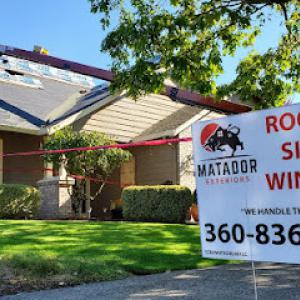
Welcome to Matador Exteriors! Your trusted Vancouver roofing company with 25+ years of experience. Our skilled roofers are trained to 'Handle The Bull,' ensuring top-notch craftsmanship in shingle, flat, and metal roofing. Owner-led projects guarantee perfection. We also handle repairs, siding, windows, and gutters, complementing your new roof. Free roof inspections and trusted estimates provided. Experience excellence with Matador Exteriors today! Your satisfaction is our priority.
AE&I Roofing & Construction
(360) 209-6818 aeiconstruction.net
Serving
4.9 from 61 reviews
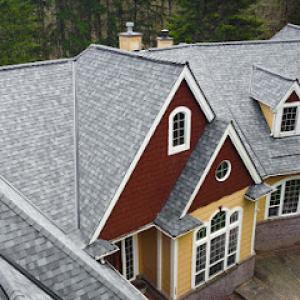
AE&I Roofing and Construction is a trusted roofing and home improvement contractor serving Vancouver, WA, Portland, OR, and surrounding areas. We specialize in roof replacement, roof repair, roof installation, James Hardie siding installation, gutters, windows, flooring, and both interior and exterior renovations. As a licensed and insured roofing contractor, GAF-certified installer, and James Hardie siding partner, our experienced team delivers high-quality craftsmanship, reliable service, and honest communication. Whether you need a new roof, siding upgrade, window replacement, or full home renovation, AE&I provides custom solutions in Vancouver, WA, and Portland, OR, designed to last.
Asphalt shingles remain the dominant practical choice for re-roofing in this wet climate, aligning with the area's large re-roofing market and the typical homes that need replacement on more regular cycles. For most homeowners, asphalt offers a straightforward combination of installation familiarity, reliable water shedding, and a broad selection of profiles that can maximize attic ventilation and drainage details. When planning a replacement around the wet season, focus on a high-quality underlayment and a well-sealed ridge vent strategy to minimize moisture intrusion during heavy rains. A good asphalt package also gives a reliable surface for cap flashing around chimneys and vent pipes, which is a common leak pathway after long wet spells. In practice, choosing architectural or dimensional shingles can provide extra durability and a longer appearance life in this climate, where relentless rain leads to accelerated wear on edges and fasteners.
Metal sits high on the list for shedding the frequent Pacific Northwest downpours that characterize the local year. A metal roof can move a lot of water quickly off the roof plane, reducing the risk of slow leaks during unusually long wet spells and after storm events. Key considerations for metal in this area include ensuring a robust sealing strategy at fasteners and around penetrations, plus attention to attic ventilation so you don't trap heat and humidity under the metal deck. For homes that see repeated moisture buildup in the attic or ceiling cavities, metal can be a practical upgrade, but the installation tends to be more technical than asphalt. A well-ventilated attic, closed-use roof vents, and carefully sealed edge details will help prevent condensation issues that can mimic leaks in the cooler, wetter months. If noise during rain is a concern, add solid insulation and thoughtful ceiling finishes to keep comfort levels consistent inside the living space.
Clay tile, concrete tile, wood shakes, and slate do appear in the market, yet they play a smaller role in the mainstream reroofing rhythm here. Clay and concrete tiles offer long lifespans and strong water shedding, but their heavier weight and higher cost can complicate retrofits on existing structures with limited roof framing. Wood shakes bring a rustic look and effective water shedding when properly installed, but they require diligent maintenance to prevent rot and insect intrusion in a consistently damp climate. Slate delivers exceptional longevity and a premium profile, though installation complexity and weight limit its practicality for most typical homes in the area. When considering these options, assess roof framing, attic ventilation, flashing around penetrations, and the ease of ongoing maintenance required to keep moisture from infiltrating unsealed edges.
In this climate, ventilation isn't just about comfort-it's a moisture management tool. Ensure the attic is adequately vented to keep ceiling temperatures and humidity levels in check, especially after a wet season ends. A well-sealed underlayment and modern flashing practices at valleys, ridges, and transitions reduce leak risk during the rainy months. Plan for inspections that target common ingress points: chimney bases, skylight surrounds, vent pipes, and old flashing joints. A proactive approach, paired with the right material choice for your home's structure, can keep leaks at bay and extend the life of a roof through Ridgefield's rain-heavy seasons.
In this climate, the installed cost per square for common materials sits in a tight, seasonally driven range. For asphalt shingles, expect roughly 350 to 650 USD per square. Metal roofing generally lands between 700 and 1200 USD per square. Clay tile runs from 900 to 1800 USD per square, while concrete tile is typically 600 to 1100 USD per square. Wood shingles or shakes come in around 500 to 1000 USD per square, and slate certifies the higher end, about 1200 to 2400 USD per square. Those figures reflect typical Ridgefield pricing and give you a baseline when comparing bids.
Wet-season leak prevention and the local supply chain add subtle pressure in this market. When the rain-heavy months compress into the drier late spring to early fall window, crews often face tighter schedules and higher daily rates. If a contractor can't line up a full installation block in a single dry spell, you may see pricing creep as crews juggle weather-safe days and back-to-back projects. That dynamic matters especially for roofs with complex detailing or limited access, where every dry day counts.
Beyond weather, project pricing can move upward when the job requires more than just shingles. If the scope includes permit review, ventilation planning, staging details, or moisture-sensitive tear-off sequencing under Clark County or Ridgefield jurisdiction, expect additional line items. These factors can shift the total by a meaningful margin, particularly on larger or more intricate roofs where ventilation and attic balance are integral to long-term performance.
To plan effectively, evaluate your roof's orientation and exposure alongside material choice. Asphalt shingles provide a cost-effective baseline with reliable performance in wet-season conditions, but if a home leans toward longevity and a long dry season can be anticipated, metal or tile options may be worth the premium for fewer maintenance cycles. For projects with higher moisture risk, prioritize a thorough underlayment and a sealed edge detail, since the strongest protection against slow leaks hinges on both material quality and installation precision. Align expectations with the local pricing bands, time-of-year scheduling realities, and any extra steps that moisture-sensitive sequencing may demand.
Don't let upfront costs delay a critical repair - these contractors offer payment plans to fit your budget.

RedBird Roofing
(360) 605-3127 www.redbirdroofs.com
5573 S 1st Cir, Ridgefield, Washington
4.9 from 178 reviews
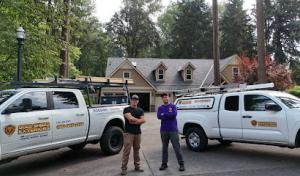
A full roof replacement in this area generally requires a building permit filed with the local building department under Clark County or the Ridgefield jurisdiction. Before any nails go into your new roof, you need to line up the permit so you're not chasing delays once the crew is on-site. The process helps ensure the rain-heavy season won't catch you with an noncompliant installation or missed ventilation considerations.
The permit review typically asks for clear project details, material specifications, and a plan for staging and ventilation. You'll be expected to outline the exact shingle or panel product, underlayment type, flashing methods, and the sequence of steps for tear-off and installation. The plan should also address attic ventilation and soffit intake to help manage Ridgefield's damp winters. Having these items prepared ahead of time reduces back-and-forth with inspectors and keeps your project moving toward a solid, long-lasting roof.
Inspections are commonly performed during and after installation to verify critical details. Inspectors will check underlayment and flashing at all penetrations, the method of attachment, and the overall alignment of the roof system. In a climate with frequent wet-season moisture, they'll pay particular attention to dry-in quality and proper venting. Expect at least one inspection during the tear-off or installation phase and another post-completion check to confirm everything meets code.
Permit timelines can add several days to the project schedule, especially if the weather window narrows or if submittals require revision. To minimize delays, have your contractor submit complete plans the first time and ensure all required documents are ready for review. Keep the job site accessible for inspectors and communicate any weather-related pauses promptly; moisture and debris management matter just as much as the roof layers themselves in this area.
Wind and rain damage claims are not unusual in this region's weather pattern, so you should start with careful documentation. Take clear photos of exterior conditions as soon as it's safe after a storm, then again after any temporary repairs. Roof surfaces, flashing, gutters, and vents all deserve attention, because a single overlooked detail can influence an insurer's assessment later on.
In this climate, insurers will look beyond a visible interior leak. Washington has not seen a broad carrier pullback, but carriers may closely review roof age, prior repairs, and ventilation quality when evaluating claims and settlements. If the roof has undergone recent patches or vent changes, expect questions about how those choices were made and whether moisture pathways were properly addressed.
Ridgefield-area homeowners should expect insurers to request a roof condition assessment and supporting documentation rather than assume approval based only on interior signs of trouble. A well-documented claim packet makes a real difference. Include dated storm reports, neighborhood weather notes, and any professional opinions obtained before or after the event. The more you show about pre-storm conditions and post-storm findings, the clearer the case becomes for an accurate settlement.
After a storm, organize a clear, dated record trail. Start with exterior photos from multiple angles, then move inside to capture ceiling stains, attic moisture, and ventilation issues. Note any temporary repairs you initiate, but photograph them before you remove or alter them for a contractor's evaluation. Keep old invoices for previous work and warranty information for roofing components, as insurers often correlate these with expected performance and remaining service life.
Engage a roofing professional who understands how local moisture cycles stress Ridgefield roofs. A timely assessment can prevent a small issue from blossoming into a larger claim dispute. If you encounter delays or unclear guidance from an insurer, seek a consultant who can translate technical findings into a coherent narrative that aligns with your documentation package. That clarity helps protect your home's structure and your own peace of mind when storms recur.
Find local contractors experienced in assessing and restoring roofs after hail, wind, and severe weather events.
IBEX Roof
(360) 946-0554 www.ibexroof.com
104 NE 194th St Suite 101, Ridgefield, Washington
4.8 from 737 reviews
Ridgeline Roofing
(360) 215-8700 www.ridgelineroof-wa.com
Ridgefield, Washington
4.9 from 17 reviews
Flat and low-slope roofing is an active but secondary specialty in this market, suggesting relevance mainly for additions, porches, multifamily sections, and some commercial-adjacent structures rather than as a dominant roof type. For homeowners, those areas often act as the first line of defense against streamflow in wet seasons and as a source of continuous moisture exposure on the roof deck. Expect more frequent inspection needs on these sections because they sit closer to grade and often share edges with surrounding eaves and parapets.
In prolonged wet periods, low-slope sections are especially sensitive to drainage and flashing workmanship because water remains on the roof longer than on steeper residential slopes. Poorly directed valley flow, clogged scuppers, or undersized roof drains can create standing moisture that accelerates membrane wear and leaks. When a reroof is planned, these areas should be treated as a separate micro-system from the main pitched roof, with dedicated attention to transitions, edge detailing, and any penetrations for vents or skylights.
Flashing joints at transitions between low-slope sections and crickets, parapets, or walls are frequent failure zones. Look for loose metal flashings, compromised sealant joints, and any signs of ponding that hasn't been properly relieved. The edge treatment where the low-slope roof meets gutters or downspouts needs regular maintenance-blocked drainage can trap water and promote leakage into substrate and insulation layers. Inspections after major rainfall should focus on these seams, penetrations, and any signs of blisters or lifted membrane.
During a reroof project, instruct the contractor to evaluate the low-slope area separately from the main roof deck. Confirm that the chosen membrane is rated for the specific slope and climate conditions, and verify that drainage paths are unblocked and clearly routed away from wall assemblies. Request a detailed water-test plan for the low-slope portion, including check points for transitions around doors, porches, or covered walkways. Finally, ensure flashing details extend adequately onto adjoining structures to prevent slow leaks that can creep under coping or edge metal.
Find specialists in TPO, EPDM, and built-up flat roofing systems for residential and commercial properties.
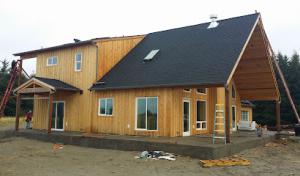

In this market, homeowners usually replace rather than build new. When selecting a contractor, think through logistics for replacement work, debris management, and performing jobs while homes stay occupied. The right team is comfortable coordinating with you and your family schedule, and they keep the yard clean to minimize leaks and mess during wet-season work.
Cleanup included and quick response are two of the strongest signals from Ridgefield homeowners. Look for crews that demonstrate a proactive cleanup plan, including tarping, daily debris containment, and post-project cleanup. Ask how crews handle wind-driven debris during storms and what the protocol is for responding to leaks or weather-related concerns in the next rain cycle.
Long-established, family-owned providers are common in this market, and the strongest options tend to balance a reasonable price with a proven track record and responsiveness. Seek contractors with a visible local presence: storefronts, neighborhood references, and ongoing service calls in nearby streets. A solid track record for occupied-home work and careful, staged replacements is a good predictor of smooth logistics and minimal disruption.
Ridgefield roofs span asphalt, metal, and tile, all common here. Ask for detailed project examples that match your roof style and the wet-season demands: leak prevention strategies, ventilation considerations, and how they protect interior spaces during removal and installation. Favor roofers who can walk through their step-by-step plan for keeping moisture out while shingles are replaced and the attic remains properly vented.
Clear expectations about start dates, daily progress, and end-of-day cleanup help reduce stress during replacement. Ask about on-site supervision, daily cleanup routines, and who to contact if weather interrupts work. Favor teams with a dedicated point of contact who coordinates timing with you and coordinates with neighbors if access or driveway space is tight.
Warranties should be straightforward and written, covering both materials and workmanship. Confirm the process for future leak concerns and how service calls are handled in the event of a post-install issue during the first year. A reliable Ridgefield contractor remains accessible after the job is done, ready to address any lingering moisture worries.