
Last updated: Apr 19, 2026
Long wet winters and relatively dry summers define a typical roofing rhythm in this area. Most full replacements are scheduled from late spring through early fall when weather windows are more predictable and the driest conditions align with a long project day. The goal is to avoid the heart of the wet season while still finishing before the first serious wind events of late fall. This cadence helps crews keep tear-off and dry-in phases moving without undue rain delays. Keeping to this window also helps protect interior spaces from prolonged exposure to weather during a roof teardown and rebuild.
Winter rain and cold temperatures in southwest Washington are not just a nuisance - they slow the entire process. Tear-off piles up faster in wet conditions, and the subsequent dry-in and shingle sealing steps require consistent warmth and dry surfaces. In Camas, every wet spell can shift the installation pace by a day or two, which matters when a crew is balancing multiple jobs and aiming to wrap before the rains return in earnest. If a weather front sits over the Gorge for several days, crews may need to pause, cover, or resequence tasks, which can stretch a job longer than a dry-season schedule would. Expect slower progress if a project bleeds into late fall or early winter and plan accordingly so critical sealing steps aren't rushed in marginal temperatures.
The Columbia River Gorge corridor adds a gust factor that matters during replacement. Wind can push around loose materials, complicate scaffolding, and affect temporary dry-in measures. A roof that sits with a long exposed eave or ridge line near the Gorge tends to demand tighter temporary coverings and more secure fasteners during the wind-prone months. When planning, factor in the need for secure tarps, wind-resistant attachment of underlayment, and a dry-in strategy that doesn't rely on perfect conditions. In practice, this means more contingency time for weather-driven delays and a preference for windows where relatively calm days are anticipated to allow finish sealing and flashing work to set properly.
A reliable dry-in is the backbone of a smooth replacement, especially in a windy locale. The goal is to establish a weatherproof barrier early in the process and keep it intact through the critical sealant stages. In practice, this means prioritizing underlayment installation on the first decent day after tear-off, followed by flashing and edge metal on days with stable, dry conditions. Temporary weatherproofing should be robust enough to withstand gusts that sweep along the river corridor, without creating water traps or leaks. If forecasts show a cold snap or freezing overnight temperatures, scheduling adjustments may be needed to ensure sealant temps stay within workable ranges.
Begin with a conservative start date in late spring, choosing a window that promises a solid run of dry days. Build in buffer days for back-to-back storms or dry stretches that could stall progress. During the project, monitor the forecast closely and set a short horizon plan for the upcoming week, highlighting days with favorable wind and dry conditions for the most fragile steps: tear-off completion, dry-in, and shingle sealing. Communicate a revised sequence to the crew if an unexpected weather gap appears; the ability to reorder tasks within a day or two keeps the project on track without sacrificing quality. For shingle types with longer cure requirements, align the installation order to optimize sealant performance during the warmest part of the day.
Rushing into a late-season replacement without a solid dry window invites weather-driven delays that ripple through every phase. Underestimating wind risk near exposed eave lines can lead to recurring tarp adjustments and patch work. Failing to secure an effective dry-in before a forecasted rain event compromises warranty performance and long-term shingle integrity. Choose a start date with the clearest forecast block you can reliably secure, and keep the scope flexible enough to extend into a slightly longer dry-season window if a wet spell arrives early. The more you align the project with the Gorge-influenced wind and rain patterns, the smoother the replacement will proceed.
Spring wind and hail events are a noted seasonal risk in this area and can create intermittent damage that changes project timing. Those gusts off the Gorge can slam exposed ridges, loosen shingles, and punch granules loose without obvious signs at first glance. If a storm hits, inspect immediately after the sky clears, focusing on fasteners, flashing joints, and valley intersections. Small, stubborn dents or lifted corners often signal broader underlayment exposure that will worsen with more rain. When wind and hail clusters roll through, plan for rapid assessment rather than waiting for a convenient dry spell. The pattern in this neighborhood tends to be bursts rather than steady rain, so don't delay a closer look after the next front moves through.
Washington homeowners commonly file weather-driven roof damage claims, so Camas owners often need photo documentation, contractor estimates, and a post-damage inspection after storms. Keep a dated photo trail that shows roof surface condition before and after events, especially near transitions from metal flashings to shingles and around skylights. Capture any granule loss, lifted edges, and dented vents. Collect two or three contractor estimates from reputable local roofers who can distinguish weather-related wear from preexisting issues. A clear report linking storm events to observed damage strengthens a claim and guides the replacement or repair plan, reducing back-and-forth with insurers when the weather window is tight and the stakes are high.
Because wet weather can quickly turn minor damage into interior leaks, emergency tarping and rapid leak response are especially relevant. If you see active leakage during a storm or when rain is persistent, place a tarp over the affected area as a temporary safeguard, focusing on overlapping seams and secured edges to withstand wind gusts. Time is critical: the goal is to buy dry time while you line up professional repairs, not to let water creep further into ceilings and insulation. Coordinate a fast post-storm inspection with a trusted, local contractor who can verify roof deck condition, confirm hatched valleys or cracked flashing, and identify hidden pathways where water might travel along rafters or joints. In this climate, the first 48 hours after a storm are often the most telling for whether a fix will hold under the next rain cycle. Stay proactive, stay documented, and keep a rapid-response plan ready so that a temporary fix doesn't become a long-term leak.
Find local contractors experienced in assessing and restoring roofs after hail, wind, and severe weather events.
Gregg Roofing
(360) 834-3902 www.greggroofing.com
27001 SE 15th St, Camas, Washington
4.9 from 30 reviews
IBEX Roof
(360) 334-3888 www.ibexroof.com
737 NW 7th Ave #4, Camas, Washington
4.9 from 122 reviews
IBEX Roof, serving the vibrant city of Camas, specializes in top-tier roofing solutions. Our dedicated team excels in providing high-quality roofing services tailored to meet diverse needs. Whether it's residential roofing, repairs, replacements, new installations, gutter services and Skylight. IBEX Roof stands as a beacon of reliability and craftsmanship. Our commitment to using premium materials and employing skilled professionals ensures durability, functionality, and aesthetic appeal for every project. Trust IBEX Roof in Camas to safeguard your property with exceptional roofing expertise.
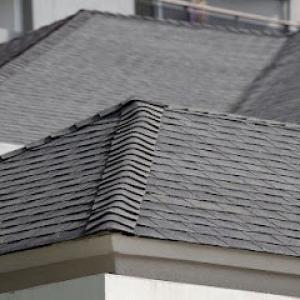
Gregg Roofing
(360) 834-3902 www.greggroofing.com
27001 SE 15th St, Camas, Washington
4.9 from 30 reviews
Established 1944 Founded by Steve Gregg in Portland, Oregon, Gregg Roofing is a trusted roofing contractor with a long-standing tradition of quality roofing services. In 1953, operations moved to Camas, Washington to accommodate growth, and the company remains based there today. In 1983, Steve Gregg’s son-in-law, Allen Tiffany, took over management, allowing Mr. Gregg to retire. Gregg Roofing operates a diverse fleet of trucks, hoists, and pumps to handle a variety of roofing applications. We proudly serve an approximately 50-mile radius around the Vancouver/Portland area, including the scenic Columbia River Gorge. Fully licensed and insured in both Oregon and Washington, we offer roofing services to residential and commercial customers ...
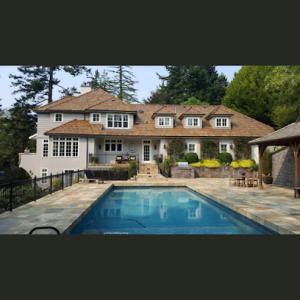
Leak Seal Roofing
(360) 576-6826 www.leaksealroofing.com
2518 NE 252nd Ave, Camas, Washington
5.0 from 6 reviews
Leak Seal Roofing is a locally owned and operated company delivering quality products & installations; commercial & residential.

Northwest Roof Maintenance Camas
(360) 835-6443 www.northwestroof.com
2005 SE 192nd Ave Suite 200, Camas, Washington
5.0 from 4 reviews
Northwest Roof Maintenance is a trusted, full service roofing company serving Camas, WA and surrounding Clark County communities. Since 2004, we have specialized in roof repair, roof maintenance, moss treatment, roof cleaning, and full roof replacement for asphalt shingle and tile roofing systems. Our maintenance-first approach focuses on extending the life of your roof whenever possible, helping Camas homeowners make informed, cost-effective decisions. Our uniformed, certified technicians provide detailed roof inspections, photo documentation, and clear recommendations so you understand exactly what your roof needs.
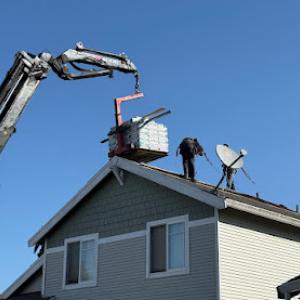
J & P Roofing & Construction
(360) 901-6905 www.jnproofing.net
Serving
5.0 from 2 reviews
Roof construction and reroofs for residential and commercial construction. Get a quote with competitive pricing from our estimators by getting in touch. Certified Emerald Pro installer of Malarkey Roofing products. Serving Southwest Washington and Portland Oregon customers, general contractors and businesses.
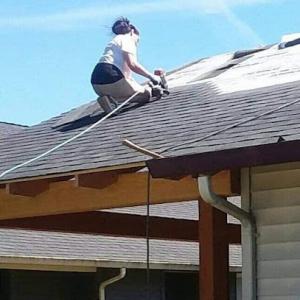
Watchtower roofing
632 NE Birch St APT 306, Camas, Washington
4.5 from 2 reviews
Low cost solar tube install
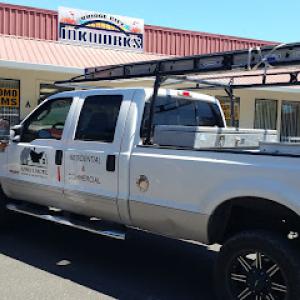
Jumbos Pacific Roofing & Construction
Serving
4.9 from 23 reviews
CCB#224384 Commercial General Contractor Level 2 Residential General Contractor
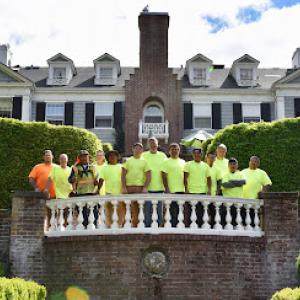
Roofing Rain OR Shine
(503) 839-9222 www.roofingpdx.com
Serving
5.0 from 32 reviews
A roof must protect your home and keep it looking sharp through every season. At Roofing Rain OR Shine, we provide trusted residential roofing in Portland, OR, with skilled work. Our services cover full roof replacement, roof installation, and repair to match each need. From metal roofing to asphalt shingles, every job is built for style and strength. We also provide gutter installation in Portland, OR, to direct water away with care. Our crew installs new gutters, repairs weak lines, and offers reliable cleaning to prevent blockages. Each project is done with focus and detail. Contact us today and let us guard your home from roof to base.
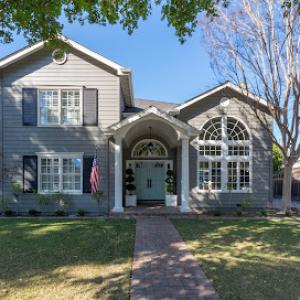
Exterior Home Solutions
(360) 448-5925 exteriorhomesolutionsnw.com
Serving
4.9 from 122 reviews
Exterior Home Solutions the best roofing company in Vancouver is your trusted partner for high-quality roof installations and complete roof tear-off replacements in the Pacific Northwest. Worried about how long it takes for a new roof to be installed on your home? It takes our roofing company usually one day to install a new roof. In addition to roofing, we also offer expert window installations and fiber cement siding services, enhancing both the beauty and protection of your home. With a focus on delivering exceptional results tailored to your needs, we are committed to ensuring your home’s exterior stands strong against the elements. Contact us today to discuss your next roofing or exterior improvement project.
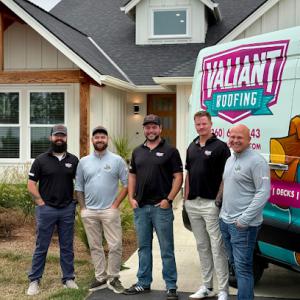
Valiant Roofing
(360) 345-3546 www.valiantroofing.com
Serving
4.9 from 211 reviews
Valiant Roofing is a family-owned, licensed roofing contractor built on craftsmanship, integrity, and customer care. We specialize in residential and commercial roofing, roof repair, roof replacement, emergency roof leak repair, and professional roof inspections. Our certified roofing crews install complete roof systems using premium materials including asphalt shingles, architectural shingles, metal roofing, TPO, and PVC. We provide free roof inspections, honest evaluations, and fair pricing with no pressure. From storm damage repairs to full tear-offs and one-day roof replacements, we deliver clean job sites, clear communication, and results that last. When you need a trusted local roofing company, choose Valiant Roofing.

Fox Roofing & Construction
(503) 660-6225 foxroofingpdx.com
Serving
5.0 from 110 reviews
Discover the Fox Roofing and Construction difference in Gresham, Happy Valley, Clackamas, and Portland. We’re not just any contractor; we’re your partners in maintaining your sanctuary. With us, you're choosing respect, quality, and integrity. Unlike others, we never call to pressure or harass you; we inform and empower. Our certified team specializes in personalized roofing and exterior solutions, ensuring your needs and budget are front and center. Experience stress-free service with a family-owned company that puts you first. Join our family of satisfied customers and see why we're the trusted choice for your roofing needs. Be aware that there are other companies with similar name with a bad reputation. Trust our 5 Star Reviews.
AA Rite-Way Roofing
(503) 669-3712 aarite-wayroofing.net
Serving
4.8 from 341 reviews
We are family owned and operated Roofing Company, in business since 1994 in Oregon. We do full roofs and repairs. We do residential & commercial roofs, pitched roofs & flats roofs.
Asphalt shingles are a dominant roofing material in Camas, fitting the area's large stock of residential re-roof projects and a variety of suburban home styles. They strike a practical balance between cost, ease of installation, and repairability, which matters when spring rains can crop up mid-project. When selecting asphalt, look for thicker (architectural) profiles that shed water efficiently and resist wind uplift on exposed ridge lines. A solid underlayment and proper attic ventilation help prevent moisture-related issues during wet winters, especially for homes with attic spaces that see frequent temperature swings. If your home has moderate-slope sections, asphalt remains forgiving to retrofit and repair without requiring extensive structural changes.
Metal roofing is also common in Camas and appeals to homeowners looking for strong rain-shedding performance and durability through wet winters. Metal panels offer excellent wind resistance and quick shedding of heavier rain nuisances that can bruise or seep into damaged seams on other materials. For perched or higher-exposure roofs near the Gorge edge, consider a standing-seam system with sealed fasteners to minimize the risk of leaks between panels. Aesthetically, metal can blend with many suburban styles if you choose profiles that mimic traditional shingles or tile. Maintenance is generally straightforward, but flashing around chimneys, vent stacks, and skylights should be inspected regularly, as wind-driven rain can exploit even small gaps.
Clay tile and concrete tile are active material categories in this market, reflecting a mix of higher-end homes and roof sections with unique slope configurations. Tile brings excellent longevity and a distinct curb appeal, but it requires a strong substrate and careful installation to handle Camas' wet climate and occasional heavy winds along the Gorge. Synthetic/composite shingles offer a middle ground: they imitate traditional look while delivering greater impact resistance and lighter weight in some assemblies. For low-slope or flat sections, synthetic options can provide reliable drainage and a modern aesthetic without the weight of tile. EPDM rubber roofing serves specialized needs on flat or low-slope sections, delivering durable, watertight performance that remains flexible in cold, wet winters.
Your roof's shape, slope, and exposure determine the best fit. In areas with persistent winter moisture or high wind exposure, prioritize materials with proven wind uplift resistance and robust waterproofing details. Consider how your roof's color and texture interact with the neighborhood's styles, as well as the ease of maintenance and potential replacement timelines in a market where dry spells can influence scheduling. For Camas homes, the most durable long-term choice blends proven performance with compatibility to your home's architecture, while ensuring the roof remains a reliable shield through the Gorge's varying moods.
EPDM rubber roofing is one of the dominant materials seen on Camas homes, especially on additions and low-slope sections. That prevalence means you'll encounter long runs of membrane where wind-driven rain and lingering moisture can creep under edges and around penetrations. In these zones, the seam details and edge terminations become high-priority repair targets. When moisture sits on a flat or near-flat surface, tiny leaks can spread quietly, so proactive checks at flashing laps and terminations are essential. If your roof relies on EPDM, keep an eye on any signs of ply separation, blisters, or unusual wear patterns near skylight shoulders and vent flashings.
Skylights are a common local specialty signal here, and installations frequently sit where glazing meets roofing and wall transitions. The rainy climate amplifies stress on flashing around skylights, especially where the underlayment transitions to a vertical surface or the curb. In Camas, a failing skylight install often manifests as a slow drip that worsens after a cold front or a windy, rainy spell. When you notice condensation between panes, damp insulation around the skylight, or staining along the curb, inspect the surrounding roofing-roof-to-wall transitions, step flashings, and the integration of the skylight base with the underlayment. Poorly sealed fasteners or aging sealant can create ongoing leaks that are expensive to chase down once the wet season arrives.
Transition zones where the roof meets the wall are exposed to gusts funneled off the Gorge, making them common trouble spots for water ingress. In Camas, these joints demand extra attention to the integrity of underlayment, edge detailing, and flashing rebates. Over time, fastener heads can back out, or flashing can develop micro-tears from movement, allowing moisture to migrate into the attic or wall cavity. If there is a nearby skylight or a dormer, the combined complexity increases the risk of hidden leaks. Regular checks should focus on sequencing of flashing layers, the continuity of the underlayment, and the condition of sealant lines that can dry out and crack in wet winters.
During dry spells, do a careful walk-around to inspect for fresh stains, paint or caulk pulling away near skylights, and any lifted membrane edges on low-slope planes. If a leak is suspected, prioritize the most reachable points first-skylight perimeters and transitions-before tearing into larger areas. Because Camas experiences long wet winters, a staged, careful approach that targets problem zones around skylights and roof-to-wall joints tends to save time and reduce damage from ongoing exposure.
Find specialists in TPO, EPDM, and built-up flat roofing systems for residential and commercial properties.
Typical Camas material pricing runs about $350 to $650 per square for asphalt shingles, $700 to $1200 for metal, $1200 to $2600 for clay tile, $900 to $1900 for concrete tile, $600 to $1000 for synthetic/composite shingles, and about $4 to $8 per square foot for EPDM. Those ranges reflect the mix of housing stock in the area, from modest Capes and bungalows to newer, larger craftsman-style homes. When you're budgeting, the roof's slope, existing decking, chimney work, attic ventilation, and any necessary ice barrier or underlayment upgrades can push costs within or above these ranges.
In this climate, the wet season and Gorge wind exposure push many projects toward a late spring or early fall window, with a priority on dry-in days. If scheduling slips into winter or spring storms, crews may incur more downtime for tarping, staging, and protective measures, which can add to the overall price and extend the timeline. If a replacement is attempted during peak wet months, you'll likely see higher labor overhead and potential temporary shingle losses from wind exposure, which can further impact a project's cost and completion date. Plan for a few extra dry days, and account for a contingency in your budget.
Camas homes sit in a corridor where winds off the Columbia Gorge can test every roof edge. Heavier or more complex profiles, like steep pitches or large overhangs, can require additional fasteners, higher-grade underlayment, and sometimes supplemental flashing. These enhancements cost more but improve long-term performance against blowing rain and wind-driven debris. If your home has multiple roof planes or a prominent ridge line, expect the square footage to be more expensive in practice than a simple single-plane job.
Costs can rise when a contractor must navigate scheduling around typical Camas weather, arrange temporary dry-in solutions, and absorb weather delays into the project plan. In this market, a clear, phased timeline with built-in buffers helps prevent last-minute price spikes from urgent rescheduling or material bottlenecks. The City's process adds administrative steps that influence timing and total replacement planning, so align your purchase order, material delivery, and crew availability with anticipated dry windows and permit-related milestones.
Don't let upfront costs delay a critical repair - these contractors offer payment plans to fit your budget.
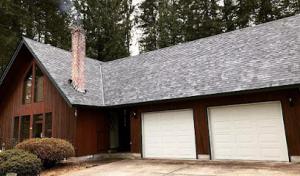
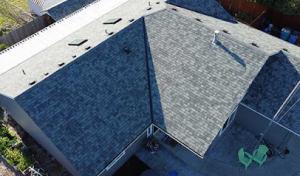
A building permit is typically required for a full re-roof in Camas. That permit is issued through the City of Camas/Clark County building department after plan review. Before any old roofing comes off, your contractor should file plans that show roofing type, underlayment, flashing details, and venting. The process helps ensure the work will stand up to the Gorge's wet winters and the wind that often sweeps off the column of air along the river. Expect a review period that may require minor plan tweaks, especially if your home sits near shade trees, has multiple roof faces, or includes dormers.
Inspections are scheduled during and after installation to verify underlayment, flashing, and final completion. The first inspection typically occurs after the roof deck is ready and underlayment is installed but before shingles go on. A mid-project check helps confirm proper fastener patterns, edge detailing, and critical transitions around chimneys and skylights. The final inspection confirms completion to code and that venting and attic insulation are consistent with your permit plans. In Camas, weather windows matter: plan for the dry, calmer stretch in late spring to early fall, when inspections are easier to coordinate and the risk of winter rain delaying leaks or flush-outs is lower.
Coordinate with your contractor to time the permit submission a few weeks before planned work, aligning with the City's review cadence. Have a clear plan for drainage and tarping to protect landscaping during wet spells. If a storm rolls in during replacement, you'll want the project documented and shielded so that inspections aren't postponed. Keep copies of all permit-related correspondence handy for inspections and potential re-inspections.
Washington is a weather-claim-active roofing market, and Camas homeowners often need to make decisions quickly after wind or hail events to prevent additional water intrusion. When a storm hits, a rapid assessment matters: if you observe missing shingles, lifted edges, or granules in gutters, plan to document promptly. Delays can turn minor damage into a broader leak problem, especially with the Gorge's exposure to wind and rain.
Insurers commonly require thorough documentation including photos, contractor estimates, and a post-damage inspection for roof claims affecting Camas homes. Start with wide exterior photos showing chimney lines, valleys, and hips, then close-ups of damaged areas. Collect a dated list of affected rooms and any interior moisture signs. Have contractor estimates ready that itemize materials, labor, and any temporary protections. A post-damage inspection from a qualified professional can help verify the extent of loss and support the claim.
Adjusters may request professional assessments and approve replacement where warranted, which can shape contractor scheduling and material decisions in Camas after storm events. Expect questions about the roof's age, prior repairs, and the storm's timing. A contractor who understands local exposure, wind-driven rain patterns, and the region's common roofing assemblies can translate adjuster notes into a practical replacement plan. Keep notes of all communications, and confirm any plan in writing to minimize back-and-forth.
Given Columbia Gorge-edge conditions, timing your response matters. If a claim is approved for replacement, align scheduling with drier parts of the year to reduce weather risks and ensure proper installation conditions. In the interim, implement tarps or temporary coverings as recommended by a trusted contractor to limit water intrusion while awaiting the full replacement window.