Last updated: Apr 19, 2026
Prolonged fall and winter rain are the real test for shingles here, not hail or heavy snow loads. In this area, roofs endure long stretches of wet weather that push water toward vulnerable edges, corners, and flashing. When a roof is aging, those edges and penetrations become the first places water finds a way in, especially after months of dampness and wind-driven spray from American Lake and nearby basins. The risk isn't just a single storm; it's the cumulative exposure of months of rain, wind, and shifting decks.
Winter storms in the South Sound often arrive with a strong wind component that drives rain under mis-seated or deteriorating flashing, around vent pipes, and at roof-to-wall transitions. That combination raises the odds of leaks at shingle edges and at the corners of dormers or chimneys. If the roof has aged sealing strips, deteriorated underlayment, or exposed fasteners, every gust compounds the chance of moisture finding a path into the attic or ceiling. The longer the wet season lingers, the more likely those small leaks become noticeable moisture problems upstairs or in closets below.
Because spring and fall are rainy here too, exposing the decking during tear-off creates a scheduling risk. A straightforward reroof can turn into a moisture-control problem if rain arrives mid-tear-off and the new underlayment or decking isn't fully protected. Exposed decking during a long wet season can wick moisture upward, saturate plywood, and compromise the roof assembly before the new roof is fully installed. Planning around wetter windows and having a weather-ready sequence is essential to prevent a temporary project from becoming a moisture headache.
Coordinate a reroof window that minimizes days with open decking during rain-prone months. Use tarps and temporary underlayment where extended exposure is unavoidable, and ensure the roof deck is dry before laying new felt or underlayment. Inspect and, if needed, repair flashing at joints, chimneys, vents, and transitions before the project begins-these are the likely leakage paths in wet weather. Keep overhanging branches trimmed back so wind-driven rain doesn't whip against the edge of the roof and push water toward vulnerable spots. Verify attic ventilation and insulation are in good order so condensation doesn't compound moisture issues during the work. Finally, arrange for a staged tear-off and install approach that creates a continuous barrier against rain, even if a late-season storm sneaks in between steps.
Stay ahead of storms with a revised work schedule that avoids long exposure of deck and underlayment. Have a plan for rapid tarp deployment if sudden rain is forecast, and keep a close eye on shingles at any edge or penetration during high-wind events. After rain events, perform a focused inspection of flashings, seams, and penetrations from the attic or interior rooms for early signs of moisture intrusion. If any early leaks appear, address them immediately to prevent concealed damage from compounding as the season wears on.
Dry, temperate summers in Lakewood are the most favorable window for full reroofing because crews have fewer rain interruptions and less risk of wet sheathing. This means planning the project for mid-to-late summer when the pattern of wet months eases and the worst of the storms hasn't yet rolled in. The goal is to stack favorable weather with a predictable work pace, so the crew can finish flashings and underlayment without fighting constant showers. This is especially true if the roof uses underlayment that needs a dry surface to seal properly and when you want to minimize exposure of interior spaces to moisture.
Summer sun can still affect underlayment and sealants, so installation quality matters even in the city's milder warm season. If the plan is to reroof during this period, discuss with the contractor how they protect asphalt or synthetic underlayment from UV degradation during staging and how long sealants are allowed to cure before rain returns. A careful crew will schedule granular installation steps in cooler parts of the day, lay out materials to reduce heat buildup, and use reflective or ventilated components where possible to keep the roof deck from heating up too much during the week of work. Coordinating hooded or shaded work areas can also help maintain material integrity, especially during the peak of summer.
Homeowners who wait until active winter leak season may face longer scheduling times because emergency repair demand rises when wind-driven rain hits older roofs. If you're aiming to avoid winter delays, aim to lock in a start date in the drier late spring through early fall, with an eye toward mid-week slots when crews aren't stretched thin by storms. Reserve contingency days for back-to-back showers, and discuss with the contractor how they handle rain delays without compromising warranty-backed workmanship. The idea is to minimize the number of weather-related hold-ups while still allowing enough dry time between stages to ensure proper drying and sealing of all flashings.
Plan to begin the process with a thorough inspection and material selection during a long stretch of dry weather. Schedule the actual tear-off and deck inspection for a window of several consecutive sunny days with a small weather buffer built in-ideally a 7- to 10-day dry spell. Coordinate with the contractor to stage materials and protective coverings so the crew can move efficiently from deck to eaves without standing water or re-wetting treated surfaces. Build in a brief post-installation phase with a final inspection after the first good rain to confirm flashings, seals, and ventilation are performing as intended. Keeping the timing aligned with a predictable stretch of dry days helps minimize moisture exposure to sheathing and reduces the risk of wind-driven interruptions that can complicate a reroof in a hurry.
Get a clear picture of your project costs upfront - no commitment required.

LAKEWOOD ROOFING Restoration Experts
(253) 533-3896 www.lakewoodroofingwa.com
4200 108th St SW, Lakewood, Washington
4.7 from 149 reviews
Lakewood Roofing is a locally and family-owned roofing company based out of Lakewood, WA. We provide restoration, residential and commercial roofing services in Lakewood and the surrounding communities of Pierce County.
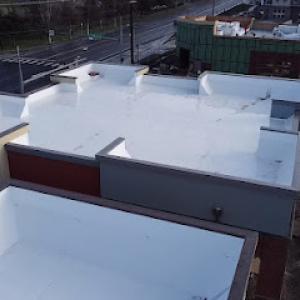
Tacoma Roofing & Waterproofing
(253) 472-3484 www.tacomaroofco.com
12626 Pacific Hwy SW, Lakewood, Washington
3.8 from 14 reviews
As the most trusted roofing and waterproofing contractor in the greater Seattle area, we've got you covered for any commercial or residential project.
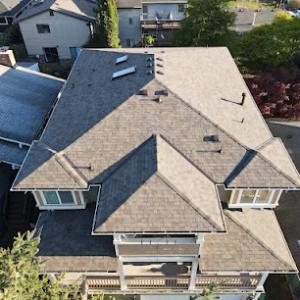
Veterans Roofing WA
(253) 457-7663 veteransroofingwa.com
Serving
4.4 from 13 reviews
Your neighborhood friendly roofing system experts!
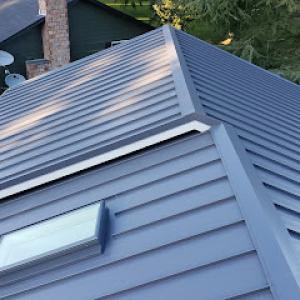
Techo Roofing
Serving
5.0 from 17 reviews
Techo Roofing is one of the best roofing companies in Tacoma, WA providing roof cleaning, tile roof cleaning, roof maintenance, roof repair, tile roof repair, tile roofing, metal roofing, flat roofing, roof replacement, Chimney repairs and rebuilds, skylight replacements and commercial roofing. We are company that prides ourselves in providing excellent customer service, and top-notch work, so if you are wanting quality work done and peace of mind that your project will be done correctly with no corners cut, we are the contractors for you!

Do It Right Roofing
(253) 432-7663 dir-roofing.com
Serving
4.9 from 168 reviews
There is a difference between doing it and doing it right! We at Do It Right Roofing are the South Puget Sound’s answer to quality roofing repair, maintenance, and replacement. We serve the Tumwater, Lacey, and Olympia to Tacoma, Puyallup, Kent and Renton markets, with residential Lifetime Roofs, Commercial Thermoplastic Polyolefin Roofing, One-Piece Gutter installation, and quality repair and maintenance. We take pride fulfilling our customers roofing needs while adhering to our core values of: (1) Integrity, doing what is right at all times, no matter the cost (2) Leadership, putting people first through trust and cooperation (3) Quality, of service and workmanship to the best of our abilities Contact us today to get a quote!
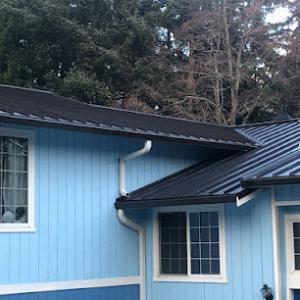
Dht Construction & Roofing
(253) 363-1948 www.dhtconstructionwa.com
Serving
5.0 from 165 reviews
DHT Construction is a family owned construction and roofing company that proudly provides Tacoma and the surrounding areas with professional roofing and exterior services to keep their homes and businesses safe. If you are looking for a new roof, siding, painting or windows you have come to the right place. Our services are available throughout Tacoma, King County, Pierce County, and the surrounding areas with professional roofing and construction solutions that homeowners can rely on.
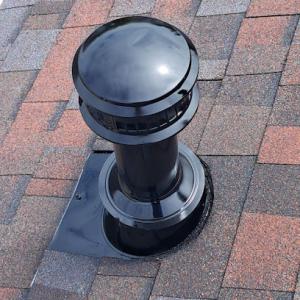
Trustworthy Roofing
(253) 455-4347 www.trustworthy-roofing.com
Serving
5.0 from 42 reviews
Trustworthy Roofing is a locally and family-owned roofing company proudly serving Tacoma, Puyallup, Sumner, Bonney Lake, Graham, Spanaway, Kent, Seattle, Bellevue, Olympia, Tukwila, Federal Way, Monroe, and Lynnwood, Washington. Founded by Pat Wheeler, with over 10 years of roofing experience and 14 years in construction, our mission is to protect homeowners from poor workmanship and unfair pricing. We specialize in full roof replacements, roofing repairs, gutters, fascia board repair, and emergency tarping. Known for outstanding service, strong warranties, and honest craftsmanship, Trustworthy Roofing delivers dependable results you can count on.
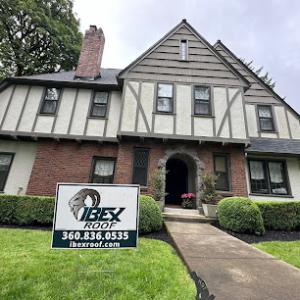
IBEX Roof Tacoma
(253) 220-9803 www.ibexroof.com
Serving
4.9 from 343 reviews
IBEX Roof is a trusted roofing company serving Lacey, Tacoma, and the greater Seattle area. We specialize in residential and commercial roofing, offering expert roof repairs, full replacements, gutter services, and skylight installation. Our experienced team is committed to exceptional craftsmanship and uses premium materials to deliver durable, long-lasting roofing solutions that protect and enhance your property. When you choose IBEX Roof, you can expect reliable service, clear communication, and results you can count on.

Pierce Roof Pros
(253) 453-5086 pierceroofpros.com
Serving
5.0 from 19 reviews
Looking for a trusted roofing company in Tacoma, WA? At Pierce Roof Pros, we bring experience and reliability to every project. As a licensed roofing contractor, we specialize in roof repair, replacements, storm damage restoration, and emergency services. With expertise in skylight installation, attic insulation, gutter cleaning, and water damage repair, we deliver complete solutions to protect your home. Serving Lakewood, Puyallup, Spanaway, South Hill, University Place, and communities across Pierce County, our team is committed to honest communication, quality craftsmanship, and fair pricing. Call Pierce Roof Pros today to schedule your free estimate.
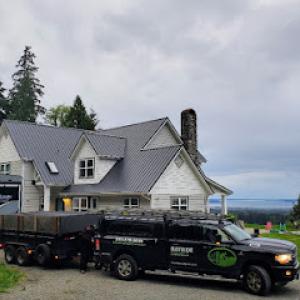
Bayside Roofing
(253) 579-8686 baysideroofpros.co
Serving
5.0 from 30 reviews
We are a local family owned roofing business with over 20 years experience in University Place, WA. We pride ourselves in treating our customers like family. We take pride in our business and will treat you right. Give us a call or text us today for your free quote.

HG Contractors
(253) 754-4347 hgcontractorsllc.com
Serving
4.6 from 10 reviews
We are willing to help you, contact us
William's Roofing
(253) 905-2039 www.willyroofing.com
Serving
5.0 from 42 reviews
family owned and operated, william's Roofing was started by william, a second-generation roofer with over 12 years of personal roof experience. serving all the counties of the Greater Puget Sound in Washington State. Our success is highly dependent upon satisfied customer and we are continually committed to enhancing and improving the customer experience. William's Roofing provides the strongest workmanship warranty in the industry. When you put your trust en William's Roofing, you can be confident that you will have a roof that is installed by some of the most experienced and skilled professionals in the greater areas
Asphalt shingles are a dominant choice in this market because they fit the large reroof market and the broad mix of established residential housing. They install relatively quickly, tolerate the persistent wet season, and pair well with standard underlayments and flashing details that handle frequent rain and wind around American Lake and Joint Base Lewis-McChord. For homeowners concerned about leak prevention during long wet spells, asphalt shingles offer a straightforward balance of wind resistance, sealing performance, and cost-effectiveness. When choosing profiles, opt for architectural or laminated options with robust granule coatings and reinforced asphalt layers to improve wind uplift resistance on exposed ridges and eaves.
Metal roofing has a meaningful local specialty presence and is often considered by homeowners looking for stronger rain-shedding and wind performance in Western Washington conditions. In this climate, metal panels or standing-seam systems can provide superior resilience against prolonged downpours and gusts that sweep across the Sound. The key for Lakewood homes is to pair metal with a proven underlayment and precise fastener patterns designed for high-wind episodes. Consider metal options with corrosion-resistant coatings and integrated sealing details at hips, valleys, and roof-to-wall interfaces. A careful installation plan reduces the risk of leaks at fasteners and seam overlaps during the wet season and helps maintain continuity of the roof system through winter storms.
Tile, slate, and synthetic/composite options are present in the market, but unusual material changes or transitions may trigger closer plan review during Lakewood permitting. Clay and concrete tiles deliver excellent longevity and a distinctive look, but can be heavier and more fragile in specific framing configurations. Slate provides exceptional durability but demands precise structural support and careful detailing at penetrations and dormers. Synthetic or composite shingles offer a lighter, easier-to-handle alternative that mimics the appearance of traditional materials while enhancing impact resistance and wind performance. For homes in areas with long wet seasons, ensure the chosen tile or synthetic system has appropriate underlayment, proper overlap, and secure fastener strategies to prevent water intrusion during heavy rain and high winds.
In Lakewood, the best approach often involves aligning material choice with existing roof geometry, attic ventilation, and drainage paths. For reroofs that prioritize leak prevention and wind protection, pairing asphalt shingles with a high-quality underlayment and robust flashing details can deliver reliable performance across most residential designs. If opting for metal, focus on seam integrity and attention to edge details where wind exposure is highest. When tile or slate is considered, confirm structural compatibility and plan for meticulous installation at valleys, chimneys, and transitions. In all cases, discuss long-term moisture management with the installer to ensure attic ventilation, vapor control, and drainage work together to minimize leak risk during Lakewood's long rainy season.
Skylights in this area are a common sight, but their edges aren't just a small add-on's concern. The flashing around skylights and the curb alone can be the first spots to show moisture trouble after long stretches of rain. Treat skylight work as its own inspection topic, not a quick once-over alongside shingles. Look for cracked or missing sealant, gaps at the curb, and age-related wear where the flashing meets the roof deck. In practice, a dedicated check during a roof replacement or major repair helps catch trouble early, reducing the chance of slow seepage that travels along the underlayment and shows up as stained ceilings weeks later.
Chimneys and their surrounding roof interface are a regular source of leaks in older homes and in areas with persistent moisture. Masonry-to-roof flashing tends to fail where brick or stone meets asphalt or metal, especially if the chimney has settling or mortar deterioration. The local contractor market often highlights this intersection as a distinct vulnerability. Expect to see step flashing or counter-flashing that has pulled away, and be vigilant for cracks at the chimney crown. A proactive approach means inspecting the flashing every few years, not waiting for a visible drip inside the house.
In a climate where the rain is king, penetrations-vent pipes, plumbing stacks, and attic access hatches-and transitions between roof planes are the nodes most prone to failure. Water travels along fast once it gains entry, and weak spots here can flood the attic before the rest of the field shows wear. The long wet season makes careful maintenance non-negotiable: check seals around vent collars, ensure boot flashing is intact, and verify that transition strips and valley intersections are properly integrated with the underlayment. A single compromised seal or misaligned flashing can become a chronic leak source after heavy rains, so skimping on these details invites ongoing moisture damage inside the roof system and ceiling. In Lakewood, this reality means regular, targeted inspections post-winter and after the biggest storms.
Find contractors experienced in skylight installation, flashing, and leak repairs to bring natural light into your home.
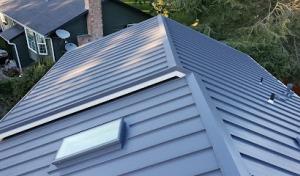

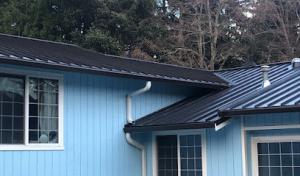
In this market, asphalt reroofs typically sit in the 350-700 USD per square range. Lakewood sees demand surge after winter wind and rain, so you may encounter faster-turnaround pricing when crews are juggling multiple rainy-season jobs. If a contractor adds dry-in protection or tarping to keep decking dry during a prolonged tear-off, expect the higher end of that range. Asphalt remains a practical choice when timing is tight and moisture management is prioritized, especially with older homes that have standard roof lines common to local housing stock.
Metal options run about 700-1400 USD per square. In Lakewood, metal can be advantageous for shedding moisture quickly and resisting wind, but the wet season can compress scheduling availability. If dry-in phases are required due to persistent rain, or if a phased tear-off is used to avoid exposing decking to prolonged moisture, costs move toward the upper end of the range. Metal also handles attenuating wind-driven leaks well when installed with careful underlayment and flashing details.
Clay tile reroofs typically fall between 1000-1800 USD per square. The long wet season makes tile work more sensitive to moisture exposure, often necessitating extended dry-in protection. Expect higher labor complexity if long rains require additional temporary barriers or staged work. Unusual roof transitions or detailed penetrations, more common in older Lakewood homes, can push pricing toward the top of the range.
Concrete tile commonly runs 900-1700 USD per square. Moisture management remains critical, and rainy-season scheduling can trigger premium charges for tarping and staggered tear-offs. In homes with complex rafters or multiple roof planes, the cost pressure from time-sensitive work tends to rise during peak moisture periods.
Synthetic or composite shingles sit around 400-900 USD per square. The price flexibility helps when timing shifts due to storms, but dry-in requirements during the wet season can still lift costs if longer protection measures are needed. These materials often offer a balance between moisture resilience and installation speed in rainy Lakewood weather.
Slate reroofs typically range 1100-2100 USD per square. Slate work is particularly sensitive to moisture exposure, so dry-in planning and staged tear-offs are common, which can push costs higher during the wet season. Unusual transitions or high-end detailing in slate roofs may add review complexity through longer scheduling windows and specialized subtrades.
Don't let upfront costs delay a critical repair - these contractors offer payment plans to fit your budget.
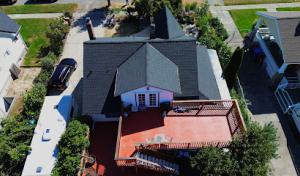
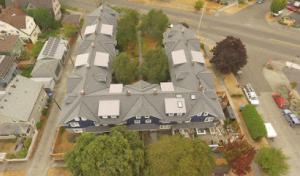
For a full reroof, the permit is a requirement in this city, and the process centers on the Building Division. The contractor typically files with Lakewood's Building Division and submits the project scope plus material details as part of the permit process. Expect the submittal to outline underlayment choices, fastener type, and venting plans, along with any transitions between roof surfaces. The timing of the permit submission should align with rain cycles, since a dry window helps the plan-check phase run smoother and reduces the chance of weather-related hold-ups. Having a clear, up-to-date scope helps avoid delays if inspectors have questions about unusual details or mixed materials.
Inspections are scheduled during installation and again after completion, with a final inspection required before permit closeout. The sequence typically starts with framing or roof deck confirmation, then moves through underlayment, flashing, and final roof covering installation. In Lakewood, unusual materials, atypical transitions, or nonstandard venting often receive plan-check attention, so expect additional review if the project includes a metal step-down, concrete or clay tile sections, or synthetic overlays. A successful final inspection confirms that moisture management, fastener pattern, and roof edge details meet code requirements and have been executed in a way that minimizes leak risk during Lakewood's wet season.
You should coordinate closely with the contractor to track submittal status and inspection dates. Ask for copies of the permit packet and inspector notes, and keep a calendar of scheduled inspections and any required weather holds. Ensure temporary protection is in place if rain interrupts work, and verify that the project plan addresses drainage and flashing around critical intersections, so leak risk is mitigated while awaiting final approval.
In Western Washington, roof claims tied to wind and rain are common, so you should expect that claim adjusters will focus on whether damage is storm-related or pre-existing wear. When a winter storm lashes American Lake and the surrounding areas, rapid leaks may appear even if exterior damage isn't obvious yet. Your job is to help the adjuster separate new storm-caused issues from aging components that failed beforehand. That distinction can determine whether a claim moves forward smoothly or stalls for clarification.
Insurers commonly want pre-loss condition records and post-damage photos. After a Lakewood winter, leaks can show up in ceilings or walls before shingles look obviously damaged. Before you file, gather recent roof-related maintenance notes, contractor reports, and any supplier warranties on materials. As you document, take clear photos from multiple angles after a storm, and caption them with dates and observable conditions. If you've had a recent repair, keep receipts and summaries handy. Having a concise timeline helps the adjuster see whether moisture issues are drifting from ongoing wear or a discrete storm event.
Washington's state insurance oversight influences claim handling and dispute resolution, and broad market-wide insurer pullbacks are not typical outside individual carrier actions. In practice, that means the process can feel meticulous, but it's designed to protect homeowners from rushed settlements. Expect questions about moisture sources, attic ventilation, and any interior signs of water infiltration. Be prepared to discuss how the roof system performed during the most recent wet season and to demonstrate that ongoing moisture management was considered, especially when leaks surface during the long Northwest rainy period.
Keep a running log of every weather event that might impact the roof, and limit temporary fixes to short-term measures that won't mask underlying damage. When you file a claim, present your gathered records with a concise narrative of the storm sequence and observed leaks. If an adjuster requests access to attic or crawlspace areas, provide safe, well-lit access and note any existing conditions that could influence assessment. The goal is to prove that the moisture issue is tied to recent wind and rain rather than deferred maintenance alone.
Connect with contractors who help homeowners navigate the claims process from damage assessment to final approval.
LAKEWOOD ROOFING Restoration Experts
(253) 533-3896 www.lakewoodroofingwa.com
4200 108th St SW, Lakewood, Washington
4.7 from 149 reviews