
Last updated: Apr 19, 2026
Reroofing in this area hinges on timing because the Columbia Gorge edge weather throws a wrench into tear-off and underlayment work the moment moisture is allowed to linger. The typical window that keeps exposure risks manageable runs from late spring through early fall. Beyond that, chilly, damp days become common, and open roof work loses its margin for error. When a crew peels back shingles in a late-season wet spell, rain can soak the deck, mist can blow under new underlayment, and a few extra days of drying time become a reality you didn't budget for. In this climate, you cannot afford to treat dry weather as a nice-to-have-it's a hard requirement to protect the interior and the integrity of the new roof.
Winter rain and freezing temperatures in this area can slow tear-off, extend drying time, and raise the chance of trapping moisture beneath new roofing layers. When temperatures dip, asphalt underlayment stalls and adhesives lose bite, creating a fragile bond that can fail once a cold snap hits. Metal, tile, and shake systems aren't immune: wind-driven rain can drive moisture into vulnerable seams and fasteners, and once water sits on a bare deck, it can wick into plywood or sheathing before the new layer is complete. The result is not just delayed project timelines but a higher probability of mid-winter callbacks to address moisture-related issues that would have been avoidable with a smarter scheduling choice.
Spring storms and lingering wet conditions around east Clark County can disrupt underlayment installation windows even when daytime temperatures seem workable. The area's unique blend of hillside and suburban homes means roof lines catch more wind-driven spray, and high humidity can slow or sabotage adhesive cures. If a crew is forced to rush or compress the underlayment phase, you risk inconsistent seams, poor drip-edge performance, and a finish that looks good at first glance but leaks after a heavy downpour. Scheduling during a dry spell of spring weather isn't merely convenient-it's a shield against these unpredictable, moisture-prone setbacks that occur even when the forecast looks mild.
Coordinate with the roofing team to lock in a dry, consecutive period for tear-off and underlayment; avoid gaps that let a late-season system creep in. Aim to complete the bulk of work during a stretch of consecutive dry days with moderate temperatures, ideally avoiding mornings when fog and dew linger. Inspect the roof deck ahead of time, so any soft spots or moisture-prone areas are found before removal begins, reducing the risk of trapping moisture as soon as the new layers go down. If a forecast shows a march of storms on the calendar, be prepared to push to the next window rather than let work proceed with even a minor chance of rain. In this location, a deliberate, moisture-conscious plan isn't just smart-it's essential to prevent moisture intrusion and ensure the roof performs as intended for years to come.
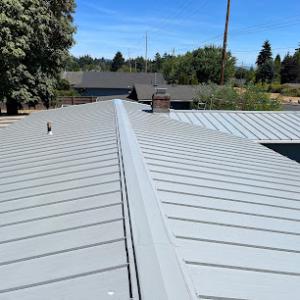
Townsend Roofing
(360) 281-5971 townsendroofingwa.com
741 Washougal River Rd, Washougal, Washington
5.0 from 3 reviews
Roofing company
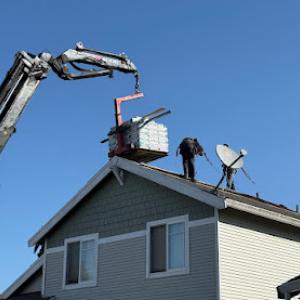
J & P Roofing & Construction
(360) 901-6905 www.jnproofing.net
Washougal, Washington
5.0 from 2 reviews
Roof construction and reroofs for residential and commercial construction. Get a quote with competitive pricing from our estimators by getting in touch. Certified Emerald Pro installer of Malarkey Roofing products. Serving Southwest Washington and Portland Oregon customers, general contractors and businesses.
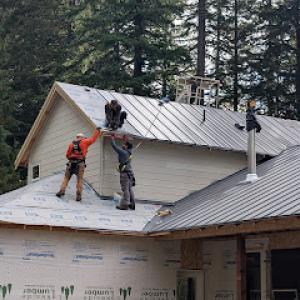
Columbia Sheet Metal
Serving
5.0 from 20 reviews
Est. in 1960, Columbia Sheet Metal has been serving the greater Portland area and more recently focusing on east Multnomah county primarily in metal roofing and gutters. Family run company that offers keeping your home, investment, or company building safe from the Pacific Northwest's climate through reliable and fully recyclable metal materials.

Roofing Rain OR Shine
(503) 839-9222 www.roofingpdx.com
Serving
5.0 from 32 reviews
A roof must protect your home and keep it looking sharp through every season. At Roofing Rain OR Shine, we provide trusted residential roofing in Portland, OR, with skilled work. Our services cover full roof replacement, roof installation, and repair to match each need. From metal roofing to asphalt shingles, every job is built for style and strength. We also provide gutter installation in Portland, OR, to direct water away with care. Our crew installs new gutters, repairs weak lines, and offers reliable cleaning to prevent blockages. Each project is done with focus and detail. Contact us today and let us guard your home from roof to base.
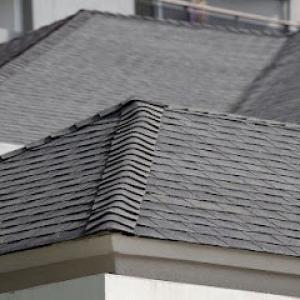
Gregg Roofing
(360) 834-3902 www.greggroofing.com
Serving
4.9 from 30 reviews
Established 1944 Founded by Steve Gregg in Portland, Oregon, Gregg Roofing is a trusted roofing contractor with a long-standing tradition of quality roofing services. In 1953, operations moved to Camas, Washington to accommodate growth, and the company remains based there today. In 1983, Steve Gregg’s son-in-law, Allen Tiffany, took over management, allowing Mr. Gregg to retire. Gregg Roofing operates a diverse fleet of trucks, hoists, and pumps to handle a variety of roofing applications. We proudly serve an approximately 50-mile radius around the Vancouver/Portland area, including the scenic Columbia River Gorge. Fully licensed and insured in both Oregon and Washington, we offer roofing services to residential and commercial customers ...
IBEX Roof
(360) 334-3888 www.ibexroof.com
Serving
4.9 from 122 reviews
IBEX Roof, serving the vibrant city of Camas, specializes in top-tier roofing solutions. Our dedicated team excels in providing high-quality roofing services tailored to meet diverse needs. Whether it's residential roofing, repairs, replacements, new installations, gutter services and Skylight. IBEX Roof stands as a beacon of reliability and craftsmanship. Our commitment to using premium materials and employing skilled professionals ensures durability, functionality, and aesthetic appeal for every project. Trust IBEX Roof in Camas to safeguard your property with exceptional roofing expertise.

Gresham Roofing
(503) 492-7663 www.greshamroofing.com
Serving
4.8 from 128 reviews
Gresham Roofing and Construction is fully licensed, bonded and insured, and we hold one of the best safety records in the industry. We are also a manufacturer-approved installer for most major brands, and all our roof installations include a full warranty and manufacturer guarantee. Whether you need a full roof replacement or simply require a few patches here and there, our experienced roofing contractors and construction experts are here to help. We offer a full range of services, including: Residential Roofing, Commercial Roofing, Maintenance & Repairs and Construction Services.
AA Rite-Way Roofing
(503) 669-3712 aarite-wayroofing.net
Serving
4.8 from 341 reviews
We are family owned and operated Roofing Company, in business since 1994 in Oregon. We do full roofs and repairs. We do residential & commercial roofs, pitched roofs & flats roofs.

Fox Roofing & Construction
(503) 660-6225 foxroofingpdx.com
Serving
5.0 from 110 reviews
Discover the Fox Roofing and Construction difference in Gresham, Happy Valley, Clackamas, and Portland. We’re not just any contractor; we’re your partners in maintaining your sanctuary. With us, you're choosing respect, quality, and integrity. Unlike others, we never call to pressure or harass you; we inform and empower. Our certified team specializes in personalized roofing and exterior solutions, ensuring your needs and budget are front and center. Experience stress-free service with a family-owned company that puts you first. Join our family of satisfied customers and see why we're the trusted choice for your roofing needs. Be aware that there are other companies with similar name with a bad reputation. Trust our 5 Star Reviews.
New Generation Roofing
(503) 519-6421 www.newgeneration-roofing.com
Serving
5.0 from 39 reviews
A Gresham roofing company, providing high-quality residential roofing services including installation, replacement, repair, and maintenance since 2021. New Generation Roofing is a local, family-owned and operated business with a team of experienced installers ready to go above and beyond to get the job done right. We proudly stand behind our work with warranties for both labor & materials for a minimum of 10 years and go the extra mile to ensure a clean job site, making us one of the most highly rated Gresham roofing companies. Trust your Gresham roof replacement & repair needs to our skilled team, dedicated to customer satisfaction at a reasonable price point. Contact us today to schedule your inspection and get your free roofing estimate!

Blue Moon Roofing & Gutters
(971) 272-8812 www.bluemoonroofs.com
Serving
5.0 from 29 reviews
At Blue Moon Roofing and Gutters, we deliver elevated care that’s oh-so rare. Based in Portland, OR, we specialize in high-quality residential roof replacements, repairs, gutter installations, and skylight upgrades. Our expert team combines craftsmanship, clear communication, and exceptional service to make the roofing process smooth and stress-free. Whether you're looking to protect your home, boost curb appeal, or increase energy efficiency, we offer premium products, third-party inspections, and long-term warranties to give you peace of mind. Discover a better roofing experience—one that’s built to last. CCB #256565
Rainy City Roofing
(503) 577-2176 rainycityroofing.com
Serving
4.9 from 61 reviews
Rainy City Roofing: Premier roofing company Portland & Vancouver Metro Areas trust for quality and reliability! 🔨 Since 2008, Rainy City Roofing has been providing top-rated roofing Portland solutions across Portland and the greater Vancouver metro areas. Our team of skilled Portland roofers specializes in roof installation, replacement, leak repair, moss removal, gutter cleaning, and maintenance. As a leading Portland roofing company, we serve both residential and commercial properties, ensuring durable and aesthetically pleasing roofs. Our unwavering dedication to quality means every project is handled with precision and attention to detail, delivering exceptional results every time.
In this edge-of-Columbia Gorge environment, wind can bite harder than you expect, and the terrain around Washougal amplifies gusts that skim across hillside homes and slip under poorly sealed edges. That exposure means every exposed roof edge, ridge vent, and flashing joint faces a tougher pace of wear than inland neighborhoods see. When the wind rips across the slope, loose granules and shingles can start moving sooner, and even small defects in the underlayment or fasteners will show up as you watch the season's weather accumulate. The result is a roof that feels fine on a calm day but reveals vulnerabilities after a few storms.
Autumn wind and rainstorms in the Washougal area drive debris onto roofs with surprising speed. Branches, pine needles, and gravel sifted by gusts can abrade flashing and drip edges, accelerating deterioration along the most exposed parts of the roof. Ridge components take the brunt where wind flows over the peak, and any looseness in cap shingles or ridge vent seals tends to become a noticeable weakness after a few days of wet weather. Expect to inspect those edges after the first heavy blow of the season, and plan for more frequent eyeballs on the criticial transitions as winds shift from fall to early winter.
Heavy seasonal rainfall makes leak paths around penetrations and transitions especially important because small flashing defects can show up quickly in prolonged wet weather. A mis-seated step flashing at a chimney, a dry but aged boot around a vent stack, or a sandy sealant joint that has hardened over time-these issues become problematic when rain is persistent. The water doesn't always arrive with a dramatic fountain; it can creep along joints and misalignments, finding the tiniest opening and tracking behind fascia boards and underlayment. If moisture lingers, the problem compounds, revealing itself as stains, soft spots, or damp attic air.
The takeaway is practical vigilance aligned with the Washougal climate. After a sequence of storms, walk the roof edge with a flashlight in the late afternoon sun to spot lifted shingles, loose fasteners, or obvious edge gaps. Pay particular attention to flashings around chimneys, skylights, and vent penetrations-the kinds of spots that can hide small defects until they're overwhelmed by rain. If a tear-off or reroofing project is underway, maintain a tight schedule that minimizes the window where underlayment is exposed to back-to-back wet conditions. Early resealing and re-fastening of loose components save expensive water intrusion later in the season.
Find local contractors experienced in assessing and restoring roofs after hail, wind, and severe weather events.
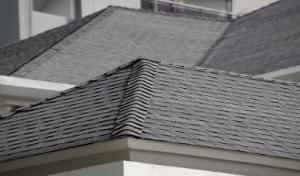

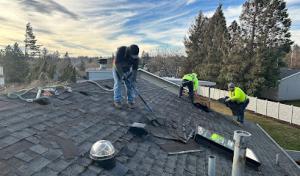
In this area, the material mix runs from asphalt shingles to metal, clay tile, concrete tile, wood shingles or shakes, and slate. When you compare moisture performance, weigh it against structural weight and the typical hillside or suburban roof lines found here. Asphalt shingles stay light and familiar, but metal panels offer wind resilience and easier shedding of damp air in the few drier windows. Clay and concrete tiles carry substantial weight and a longer lifespan, yet they demand solid deck support and careful attention to underlayment to prevent moisture intrusion during wet seasons. Slate makes an impressive statement for durability, but its heaviness and edge loads require a strong, well-anchored structure. Wood shingles or shakes bring traditional warmth, yet this climate amplifies moss growth and moisture retention, so maintenance becomes a regular habit, not a once-a-decade check.
Heavier systems can complicate reroofs in a town where wet seasons linger and the ground stays damp longer. Before replacement proceeds, verify deck condition and structural support are up to the task of bearing extra weight. The installation sequence matters: inplaces with persistent damp weather, underlayment quality and continuous moisture barriers are more than insurance-they're a practical safeguard against leaks during tear-off and re-roofing windows. With tile or slate, consider a full assessment of rafters, sheathing, and any signs of prior water damage. If there's any doubt about the deck or framing, address those issues now rather than discovering them after the new roof is down and underlayment is in place.
Wood shingles and shakes require ongoing moisture monitoring, especially through long damp spells. Look for dark staining, soft spots, or moss clusters that indicate sustained moisture contact. Regularly trim overhanging branches and ensure gutters are clear to keep the roof surface dry enough to prevent rot. Asphalt remains the best all-around balance for homeowners who want predictable maintenance in a wet climate, while metal can reduce moisture pockets at ridge lines and along eaves if installed with proper flashing. Clay and concrete tile, when paired with careful deck and flashing details, offer excellent longevity but demand attention to fastener corrosion and mortar joints where water can intrude. Slate, while elegant and long-lasting, benefits from a thorough pre-install inspection to confirm that fasteners and roof spacing accommodate its weight and expansion under temperature swings.
For Washougal homes under Clark County jurisdiction, a full reroof requires a building permit rather than informal replacement without review. The permit ensures that roof deck conditions, underlayment choices, and fastening methods meet local codes and weather considerations. A reroof project typically starts with a clear plan that shows the new materials, underlayment type, and any structural work tied to the tear-off.
The local reroof permit process includes plan review and staged inspections, typically including a tear-off or underlayment inspection and a final inspection. Plan review confirms that the chosen roofing system and installation sequence align with county rules and site specifics, such as roof pitch and ventilation. Inspections are scheduled at key milestones: once the old roofing is removed or the underlayment is installed, and again after the final finishing and detailing. Being prepared for each inspection with labeled, accessible access to the roof and attic space helps avoid delays.
Permit turnaround for Washougal reroof work often runs about one to two weeks depending on Clark County workload, which can affect how early homeowners need to book contractors before the dry season. Because the long wet season increases the risk of moisture intrusion during tear-off and underlayment installation, aim to align the permit approval window with an upcoming dry period. In practice, secure the permit earlier in the year and coordinate contractor scheduling to maximize windows of dry weather. If a project must begin during a rainier stretch, plan for rapid mobilization of tarps and temporary weather barriers to protect exposed decking during inspections.
Before submitting, have the project address, property lines, and any necessary access permissions ready for the county portal. Confirm that the contractor accepts the staged inspection cadence and can accommodate any required re-inspections without pushing the schedule into a wetter period. Maintain clear sightlines to the roof and keep crawlspace access unobstructed for the final inspection.
Typical Washougal-area pricing runs about 350 to 650 USD per square for asphalt shingles, 600 to 1100 for metal, 900 to 1800 for clay tile, 900 to 1700 for concrete tile, 700 to 1200 for wood shingles or shakes, and 1200 to 2500 for slate. These ranges reflect local labor, material transport, and the short but frequent wet spells that define your year. When you're budgeting, note that the final number for your home can drift with roof complexity, ventilation needs, and attic conditions, but the statewide rhythm stays similar: cheaper basics in the low range, premium and specialty options pushing higher.
The city's Columbia Gorge edge location makes moisture management a resident's daily concern. Reroof work that tears off and reunderlays during prolonged rains can invite moisture intrusion, and compressed dry-weather windows squeeze crew efficiency. In practice, that means you'll pay more per square if the crew is trying to hit a tight, rain-prone schedule. If possible, plan to start in a dry spell and push a finish before the next big front arrives. For houses with limited access or steep slopes, the risk of weather delays compounds quickly, so a slightly longer lead time can save both time and money.
Tight windows force crews to double up on backtracking-covering, tarping, and rechecking underlayment-leading to higher labor hours and potential material waste. In Washougal, expect these effects to show up as modest bumps in your per-square cost and overall schedule. If weather turns on you, delays aren't just inconvenient; they translate into carrying costs that show up in the final invoice as extended mobilization or standby rates. Clear, early scheduling with your contractor helps avoid these additive costs.
Before work begins, inventory roof geometry, venting, and any skylights that affect moisture management. Communicate preferred start dates aligned with the dry season and discuss contingency buffers for weather interruptions. If your roof is multi-section or has irregular rafters, request a staged work plan that staggers tear-off and underlayment so moisture exposure stays minimal. This approach tends to stabilize both the schedule and the cost envelope in a climate like ours.
Clark County-style scheduling realities can influence timing and total carrying costs for homeowners. Narrow dry-weather windows, even in a mid-season lull, can compress crew productivity. Build in a few budgetary cushions for delays and consider a phased payment plan that aligns with completed milestones. Doing so helps minimize cash-flow pressure while ensuring the project remains on track through Washougal's characteristic mix of drizzle and sun.
Don't let upfront costs delay a critical repair - these contractors offer payment plans to fit your budget.


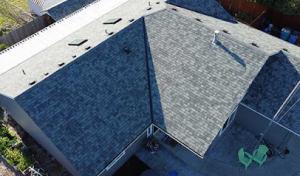
Because Washougal experiences long stretches of rain, leak complaints often become visible first at roof penetrations and transition details rather than across broad field shingles alone. That pattern isn't a flaw in your shingles; it's a weather-driven reality. In areas with extended wet seasons, small failures at edges, around flashing, or where a valley meets a penetration can cascade into noticeable drips long before you notice a roof surface problems. Pay attention to any damp spots that track inward from ceilings or walls near skylights, vents, or chimneys, especially after a storm cycle.
Skylight-related service is notably active in the Washougal market, indicating that many local homeowners need repair work where glazing units and flashing meet the roof plane. When glazing units age or flashing is compromised, wind-driven rain can push moisture into seams, causing interior staining or soft spots around the unit. If you notice condensation on the interior panes during rain, or if the flashing shows exposed screws, address it promptly. The combination of frequent rain and hillside siting increases the likelihood of slow leaks that gradually widen a small problem into a noticeable repair.
In a city where reroofing and quick-response repair are both common, recurring leaks around chimneys, skylights, and vents are a practical concern before full replacement is scheduled. Chimney flashing that has dried out, vent boots that crack with age, or any transition from roof plane to vent stack can become persistent leak paths after a wet spell. Don't rely on a visual glaze of dry shingles to rule out trouble-these penetration zones require routine checks, especially after heavy rains or seasonal temperature swings.
Walk the roof with caution after a wet spell and inspect around skylights, chimney flashing, and vent collars for signs of lifted flashing, granular loss at the edges, or rusted fasteners. Interior signs-stains, musty odors, or peeling paint near ceilings-should prompt a targeted inspection by a pro who understands local moisture behavior and the specific challenges of Washougal's long wet season.
Find contractors experienced in skylight installation, flashing, and leak repairs to bring natural light into your home.


Wind, hail, and heavy rain drive roof claim activity in this edge of the Columbia Gorge. The wet season stretches longer here, and seasonal wind events can lift shingles or expose underlayment sooner than typical inland conditions. That combination means damage may show up after a late storm or a series of soaking fronts, not just in the first 24 hours after a storm.
After storms or leaks, expect insurers to want thorough photo documentation that clearly shows the affected area, open underlayment, and any fascia or gutter damage. Include photos from multiple angles and close-ups of any loose or missing fasteners. Be prepared to attach contractor estimates for the proposed repairs or replacement, including the scope, materials, and access considerations. Timely, organized submissions help prevent delays in processing and keep the claim moving.
There is no broad Washington regional insurer pullback policy affecting Washougal, but adjuster review timing and state market conditions can still shape claim outcomes and repair timelines. Weather-driven scheduling pressure can push the process-both the claim review and the actual reroof work-into slower, wetter parts of the year. Coordinate with the insurance adjuster to align the repair window with the drier stretches in late spring or early fall when feasible, while keeping moisture intrusion risks in check during tear-off and underlayment installation.
Find local contractors experienced in assessing and restoring roofs after hail, wind, and severe weather events.
The local contractor market in this area is heavily oriented toward reroofing, which means homeowners are often comparing replacement experience more than new-construction specialization. That focus shows up in how crews are assembled, how projects are staged, and how warranties are framed. When you talk with crews, expect questions about tear-off technique, underlayment choice, and how they coordinate debris control with the home's interior and landscaping. Cleanup included and quick response are especially prevalent signals in this market, reflecting homeowner concern about debris control and fast leak handling during wet periods. That practical emphasis tends to filter through references, schedules, and the way crews communicate on the first site visit.
Long-established and family-owned firms are present in the Washougal market, but affordability remains a strong hiring factor alongside residential experience. A solid reroof contractor should be comfortable with the typical housing stock-ranchers, split-levels, and hillside homes-where eaves, gutters, and venting interact with steep pitches or tight access. Look for a track record that includes complete tear-off, proper disposal, and a thorough deck or sheathing assessment before new underlayment is installed. Ask for project photos or a brief portfolio that demonstrates attention to moisture management in damp conditions. The right contractor will detail how rain maintenance and temporary protection are handled during the critical tear-off window.
Because moisture intrusion is a major concern during tear-off and underlayment installation, a strong contractor will outline a practical weather plan, including contingency steps for extended wet spells. Expect clarity on site protection-tarps, edgeing, and containment measures-and how crews minimize exposure of open roof decks between layers. Communication should be proactive: a reliable crew will provide a clear start date, daily progress updates, and a defined response protocol if leaks or rain interruptions occur. In addition to scheduling, confirm who handles cleanup, how debris is contained daily, and how waste disposal is coordinated, especially on hillside properties where runoff control matters.