
Last updated: Apr 19, 2026
Enumclaw sits in the inland foothill zone of southeast King County, where roofs stay wetter longer than drier central Puget Sound locations. The combination of a damp marine air mass, frequent rainfall, and the angle of the foothills means roofs experience extended periods of surface moisture, especially on north-facing slopes and homes shaded by mature evergreens. In practice, this creates a steady challenge: roofs that dry slowly, moss and algae that take hold where sun is scarce, and drainage routes that stay overworked during the wet season. Understanding that pattern helps you set up maintenance rhythms that prevent moisture-related damage before it becomes visible.
With longer wet spells, moss growth and algae staining become common issues, even on otherwise sound roof assemblies. Moss acts like a sponge, holding moisture against the surface and retaining shadowed microclimates under overhangs and near gable ends. On steep, foothill roofs, this can translate to slippery surfaces and slower shingle drying after rain events. In shaded areas, you may notice dark streaking or green filaments along the shingles or tiles, indicating biofilm activity. The practical response is to keep growth under control while avoiding aggressive mechanical removal that can nick shingles or tiles. Regular, gentle moss management should be part of your seasonal routine.
Because rain tends to linger, drainage performance matters more here than dramatic summer strains. Gutters and downspouts should be sized for frequent, lower-intensity flow rather than rare, heavy bursts. Check for blockages after wet stretches and before winter rains begin; even small clogs can create standing water on roof surfaces or overflow onto fascia. Downspout outlets and splash blocks should direct water away from foundations and into landscaped areas, not along walkways or into crawlspace vents. On steeper roof sections, ensure that valley and seam areas stay clear of debris so that runoff follows the intended path without creating pockets of lingering moisture.
Steep residential roofs common in this area shed water quickly when surfaces are free of debris, but partial shading can slow that process. North-facing roofs and those shaded by tall evergreens tend to stay damp longer, which elevates moss risk and algae staining. When evaluating a roof, pay attention to the performance of flashing at chases, skylights, and transitions-these joints are more prone to moisture creep if dampness persists. Consider the orientation of the home: sun exposure on south-facing sections will help dry these areas, while cooler, shaded segments need closer attention. If your roof is near mature trees, you'll likely see more debris accumulation and moss proliferation in the tree line; plan for more frequent cleaning and a proactive maintenance cadence.
Set a practical seasonal routine that targets prolonged moisture periods. In late fall and winter, inspect gutters, downspouts, and leaf guards for clogs that would back up water onto the roof. After rain-heavy spells, walk the roof only if safe and remove any visible moss patches with a soft brush or plastic scraper to avoid damaging shingles or tiles. For moss prevention, consider copper strips or zinc-aluminum products installed along the ridge line as a gradual deterrent, understanding that these measures require professional installation for best results and to avoid roof damage. Ensure attic and under-eave ventilation stays effective, since proper ventilation reduces the interior moisture load and helps roof decking dry out between storms. In shaded, evergreen-rich zones, plan for slightly more frequent inspections of flashing, sealant joints, and edge detailing where moisture tends to accumulate.
Start with a targeted cleaning plan: remove debris that traps moisture and blocks drainage paths around the roof edges and near penetrations. Then address any persistent moss growth with a soft, non-abrasive approach to minimize surface damage. Improve drainage by trimming overhanging branches that shield sections of the roof from sun and wind-this both reduces moisture retention and helps dry surfaces after rain. Finally, verify that roof penetrations are properly sealed and that flashing remains tight in areas where moisture is most likely to pool, such as near dormers, chimneys, and exhaust vents. This combination of targeted cleaning, light maintenance, and vegetation management aligns with Enumclaw's foothill moisture dynamics and helps extend the life of the roof system in this climate.
In this foothill climate, heavy tree influence means fir needles and leaf debris pile up in valleys, behind chimneys, and in gutters. Debris dams hold water on the roof longer than you'd expect, accelerate granule loss on asphalt shingles, and create a moisture-friendly environment for moss. When moisture sticks around, edges lift, granules shed faster, and the roof becomes a slow drip, not a single dramatic blow-off. The risk isn't one event; it's chronic leakage from clogged drainage paths and persistent moss growth.
Valleys collect the most danger: they trap debris the fastest and stay damp the longest, feeding moss and degrading shingles. Behind chimneys, flues, and vent flashing, debris banks up and blocks proper drainage, turning a simple rain into a newsletter of leaks. Gutters and downspouts that don't move water away quickly are the culprits behind hidden water contact along eave edges and ridge lines. In the soil-rich Northwest air, wood products suffer from decay when moss blankets the surface and holds moisture against the deck boards and fasteners. Inspect these zones monthly during heavy rain months, and after storms, to catch early signs of backing, sagging, or edge lifting.
Moss acts like a sponge on a slope. It sits on shaded, moist faces and pries shingles up as it expands, especially along valley intersections and at flashing. When moss lifts the edges, granules loosen, and the underlying adhesive can fail sooner than expected. This isn't merely cosmetic; it invites water to linger and seek underlayment gaps, flashing seams, and nail heads. If you see moss spreading toward intersection points of roof planes, treat it urgently before it seeds into new areas.
First, clear all debris from valleys, behind chimneys, and along the eaves with a roof-safe approach. Maintain a routine twice yearly: one clear-out after fall leaf drop, another after spring growth. Use a roof rake or gentle brushing method to remove moss without tearing shingles; never power-scrape or yank at edges. Trim back overhanging branches that shed needles year-round and create new debris dams. Ensure gutters are clean and downspouts discharge away from the foundation, with extensions if necessary to prevent splash-back onto the roof edge. Seal any flashing gaps promptly and inspect for loose or lifted shingles at valleys and along ridges after heavy rains. If moss returns aggressively or granule loss accelerates, consider a dedicated moss treatment plan or professional assessment to prevent accelerated decay and lingering leaks.
In this foothill climate, most re-roof projects and related upgrades, including window replacements, line up best for late spring through early fall. Winter rain and spring moisture regularly interrupt tear-off and dry-in schedules, and that pattern can push window openings into wetter windows if not planned carefully. For a replacement window that sits near roof flashings or along a rainline, aim for a stretch with predictable weather and solid daylight for inspections. Summer generally offers the most reliable installation window, but hot dry stretches can still affect adhesive set and material handling, especially if high temperatures drive rapid curing or warp window framing paints. If autumn is your target, expect tighter scheduling as incoming storms reduce safe access days and can delay final inspections; plan for pre-staged materials and a contingency date just in case a late-season storm rolls through.
Choose a window style that minimizes risk of water infiltration on a steep, moss-prone roof. A flush-mount or low-profile exterior trim helps keep flashings clean and accessible during routine moss maintenance. Consider vinyl or fiberglass frames with good thermal performance for Enumclaw's damp cycle, and opt for glazing that resists condensation on cool mornings. Ensure the window manufacturer provides sill and cap flashing details compatible with roof-to-wall transitions common near eaves and valleys. A quick check of surrounding trees is worth doing: branches can drop debris and create extra moisture load near the new unit, increasing cleaning and maintenance needs.
The most critical workstation for a replacement window on a sloped roof is the integration with existing flashings. Confirm that the window is framed with a continuous, weather-tight flange or compatible flashing kit, and that it can be integrated with the roof's drip edge and gutter line without creating dead spaces for moss buildup. Use a waterproof sealant rated for exterior use around the perimeter, and ensure proper backer rod placement to prevent paint or caulk from shrinking away in wet seasons. A small, unobstructed drainage path beneath the sill is important to avoid capillary action pulling moisture toward the interior during heavy rain.
Enumclaw's moisture profile means moss growth can extend down to nearby shingles and siding, then wick moisture toward openings. Prioritize a clean, dry installation surface; remove any moss or algae on the wall line before sealing the window. Consider treating the surrounding roof edge with a moss-control guideline and plan for a preventive flashing inspection after the first heavy rain season. Keeping the exterior margin of the window clear of organic debris will reduce moisture retention and simplify maintenance.
After installation, establish a routine to inspect around the window after major storms and during the wet season. Check flashing seals and caulk for any hairline cracking or lifting, especially near roof junctions prone to ice dam formation. Schedule a seasonal check of the window's drainage path to ensure no standing water accumulates at the sill, which can contribute to interior condensation and potential water seepage. A modest, proactive approach will help the new window perform reliably through Enumclaw's varying moisture cycles.
Asphalt shingles remain the most common choice for Enumclaw homes because they fit the area's typical detached-home roof forms and offer the lowest entry cost in a wet climate. On steep, foothill roofs, a quality asphalt system with a composite mineral surface dribbles water efficiently and accepts a wide range of drip edge and underlayment configurations. When selecting an asphalt package, prioritize a high-quality underlayment and properly sealed nail patterns to resist wind-driven rain common in exposed ridgelines. Color choices that reflect light can help manage heat gain on sunnier days, but in the wet season the emphasis should stay on rain shedding and moss resistance.
Metal roofing is especially relevant for Enumclaw if rain and debris accumulation are persistent concerns, because the panels shed water quickly and allow debris to slide off more readily than some other textures. The key to long-lasting performance is paying close attention to penetrations, flashing, and transitions where water can linger and frost can form. In hillside and overhanging-tree areas, install continuous eave and rake edge protection, and choose a standing-seam or well-sealed snap-lock system designed to handle the typical wind and moisture patterns. Sealant joints should be reviewed after the first few wet seasons, since moisture exposure can reveal installation gaps sooner than expected.
Wood shingles and shakes present a distinct local challenge: persistent dampness and tree shade increase maintenance demands compared with sunnier inland markets. In Enumclaw, shade from conifers can keep sections of the roof damp for extended periods, which elevates the risk of moss and mildew growth if moisture management isn't thorough. If wood is chosen, consider a durable, medium-density overlay with a modern, rot-resistant underlayment and a high-quality roof coating to reduce moisture entrapment. Regular inspection after wet seasons is prudent to catch cupped or warped shingles early, and annual cleaning of any moss-prone areas helps extend the life of the wood surface.
Regardless of material, the foothill climate makes proactive drainage planning essential. Ensure adequate slope and clear pathways for water to move toward gutters and downspouts, and maintain proper clearance around eaves to prevent moisture from lingering on the most exposed sections. Moss-averse strategies-such as zinc strips, copper care near ridges, or targeted moss inhibitors-should be considered as part of a preventative routine, especially on roofs shaded by trees. For wood roofs, the shade-intolerant balance strengthens the case for regular cleaning and timely replacement of any compromised shakes to keep moisture from penetrating deeper into the roof system.
When planning a roof in this foothill setting, you'll see asphalt shingles priced roughly from $450 to $750 per square, metal from $800 to $1200 per square, clay tile from $1100 to $1900, concrete tile from $900 to $1700, wood shingles or shakes from $700 to $1300, and synthetic or composite shingles from $700 to $1150. Those ranges reflect Enumclaw's mixed stock of steep, moisture-prone roofs and the need for robust drainage and moss control. If a bid looks notably higher, check whether the quote itemizes moss remediation, extra underlayment for slope, or a full tear-off versus a re-cover. The cheapest option may end up costing more later in repairs if moisture and debris aren't properly addressed.
Steep Northwest-style pitches are common here, and they push both labor time and safety requirements. A roof that's steeper or longer to reach often increases per-square pricing and can slow down crews, especially when rain or moss is present. Heavy tear-off from mossed or wet assemblies adds disposal and staging costs, plus the need for more protective PPE and equipment. Tree debris amplifies cleanup, sometimes requiring staged cleanups or extra tarping, which shows up as higher material and labor numbers. Expect bids to rise if the roof needs additional underlayment, better ventilation, or moss-resistant fastening systems to extend life in damp conditions.
Seasonal demand spikes after regional storm periods and during the short dry-season installation window can tighten contractor availability and push pricing upward. If a project lands right after a storm or near the tail end of dry spells, you may see longer lead times and a few percentage points in cost difference. To avoid sticker shock, align replacement plans with your typical weather lull and secure a firm, written schedule and price early in the process. If a bid includes moss remediation, confirm whether pre-cleaning and treating the roof deck are counted separately or included.

Covington Roof Repair
Enumclaw, Washington
5.0 from 86 reviews
Covington Roof Repair have been operational in Covington since 2003, and happily services the 98042 zipcode and neighboring areas Our company offers solutions in roofing contractor in the Covington region Should you need help with roofing contractor within the Covington district Covington Roof Repair is perfect for you We're located in Washington, in Covington
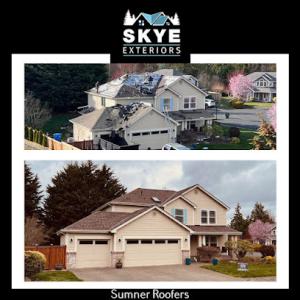
Skye Exteriors
(360) 226-3397 www.skyeexteriors.com
Enumclaw, Washington
5.0 from 32 reviews
At Skye Exteriors, we exemplify craftsmanship and reliability. With seasoned expertise, they tackle roofing projects with finesse, ensuring durability and aesthetic appeal. Committed to excellence, these professionals prioritize quality materials and meticulous installation techniques, safeguarding homes against the Pacific Northwest's elements. Their comprehensive services encompass inspections, repairs, and installations tailored to each client's needs and budget. Known for their integrity, Sumner's roofers offer transparent communication and trustworthy guidance throughout the process. From asphalt shingles to metal roofs, they execute projects with precision and timeliness, earning the community's trust and admiration.

Bruce's Roofing
(360) 825-1356 www.brucesroofing.com
27605 SE 401st St, Enumclaw, Washington
4.4 from 36 reviews
Bruce’s Roofing is a family-owned roofing company providing superior roofing services in the Pacific Northwest. Our owner and operator, Bruce Sprague, has been in the roofing business for almost 40 years. Cedar Shake Roof Installation Composition Roof Installation Emergency Roof Repair Leaking Roof Reroofing Roof Installation Roof Repair Roof Replacement Roofer Torch Down Roofing
Robb's Roofing & Waterproofing
Serving
5.0 from 42 reviews
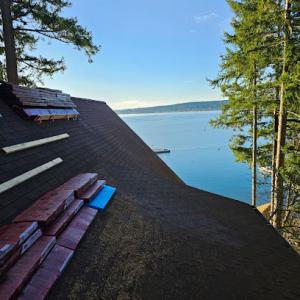
Robb's Roofing & Waterproofing is a premier roofing contractor located in Buckley, Washington, servicing the local area. With a wealth of experience, our skilled roofing professionals specialize in residential roofing, offering comprehensive solutions for all your roofing needs. From storm damage repairs to complete roof replacements, we strive to make the process seamless and stress-free, ensuring top-notch craftsmanship and exceptional customer service every step of the way.

Rain Proof Roofing
(253) 355-4831 therainproofroof.com
Serving
5.0 from 19 reviews
We are a family owned roofing contractor with over 30 years of experience in the industry. Rain Proof Roofing is dedicated to delivering outstanding quality at competitive prices, combined with excellent customer service. We specialize in roof replacements, and roof repairs. We now offer financing! Call today for a free estimate.
JT Roofing Contractor
(253) 222-1136 www.jtroofingcorporation.com
Serving
3.9 from 29 reviews
Our roofing services include asphalt shingles roofing, TPO roofing, and torch down roofing. Obtaining a quality roof service is a phone call away. You can trust us to install a durable top-quality roof to protect your home and family. Trained and dedicated, our staff uses advanced approaches to get all tasks done efficiently. With us, you'll be updated on the progress of your project so that we're all on the same page.
Span-A-Gram Construction Company Lllp
(360) 556-4513 www.span-a-graham.com
Serving
1.0 from 1 review
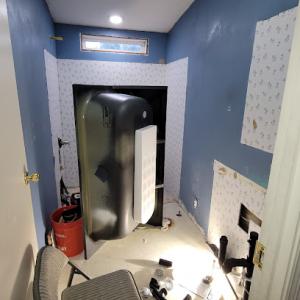
I Remodel Manufacturered and Stick built Homes Inside and Out
For a full re-roof, a permit issued by the city building department is required. That permit ties your project to the proper drainage, wind uplift, and fire separation rules that matter on these foothill lots with tree cover and frequent moisture. Before any roof work starts, make sure the permit is in hand and the project scope matches what's described on the application. If the job includes converting from one material to another, or altering roof lines, plan review will flag those changes early.
Inspections follow the city's system and are typically scheduled through the city's inspection process. Expect an inspection at the underlayment or sheathing stage to verify proper moisture barriers, fastener patterns, and necessary ventilation. A second inspection occurs at final to confirm the completed roof meets code, flashing details, and drainage requirements. Scheduling is usually straightforward, but timing can shift if the inspector has a tight route-especially during wetter months when projects cluster on weekends or after rain delays.
Plan review is usually straightforward when no structural changes are proposed, which helps keep the process predictable for Enumclaw neighborhoods with standard rafters and attic vents. If the project includes new skylights, altered roof lines, or added dormers, be prepared for a faster review if the work fits typical configurations, and slower if the city needs extra detail on how drainage and ventilation are addressed. Peak-season backlogs can slow permit issuance or inspection timing, so plan accordingly and align dry-weather windows with inspection slots.
Coordinate the permit pickup with a dry-weather window so insulation and underlayment can proceed without pauses due to rain. Have contractor contact information ready for the inspection office to minimize gaps between stages. If the project pauses, notify the building department to keep the schedule current and avoid rescheduling fees or missed inspection opportunities.
When a roof issue crops up in this foothill area, solid documentation is non-negotiable. Roof claims in this area typically require strong documentation, including photos of pre-existing conditions, active damage, and completed work. You should photograph the entire roof edge to edge, note any moss growth, spacing of shingles, and obvious wear near valleys and chimneys. Keep old photos for comparison, and log dates of storms or heavy moisture events that could have accelerated deterioration. Clear, timestamped images help separate long-term aging from recent damage in a way an adjuster can trust.
Adjusters commonly ask Enumclaw-area homeowners for contractor estimates and notes identifying the roofing materials used. Have a current, detailed estimate ready that lists materials, quantities, and the scope of repairs. If you replaced or repaired sections before, include notes about those changes and the dates. Documentation should spell out whether replacements were partial or full, and how the work addresses water intrusion, drainage, or moss-related damage. A concise, material-specific narrative that ties observed damage to the repair plan makes the claim smoother.
After large regional weather events, some carriers may tighten eligibility or scrutinize roof condition more closely before renewing or writing coverage. Expect longer review times and possibly stricter standards for evidence of damage versus wear. If a policy is up for renewal soon after a storm, proactively gather your photos, notes, and contractor input so you don't end up scrambling. Have a contractor's assessment on hand that clarifies which components are under warranty, which are beyond reasonable repair, and how drainage and moss prevention are addressed in the proposed fix.
Moss, wind exposure, and steep roof angles common to this area amplify the chance of disputes over wear versus new damage. Carriers may question pre-existing conditions if the roof shows extensive moss-related staining or balding shingles that predate a recent event. Keeping a careful, organized file with dates, storm calendars, and a clear path of repairs helps you navigate the claim with less friction and preserves the chance for a fair settlement.
In Enumclaw, leak sources often show up first at valleys, skylights, chimney intersections, and low-slope transitions where water lingers during long wet periods. Those junctions invite pooling, ice damming, and slow-drying moisture that can infiltrate under shingles or flashing. You should inspect these areas after heavy rain or sustained drizzle, paying attention to any staining, soft decking, or warped flashing. When valleys or transitions show signs of wear, address the flashing and sealant promptly, and consider adding a temporary barrier during prolonged wet spells to slow water intrusion. Regular navigation of this terrain means prioritizing maintenance around these chokepoints before damage spreads to sheathing and rafters.
Repeated wetting can expose underlayment weaknesses quickly if a roof was installed during marginal weather or dried in poorly. In our damp foothill climate, underlayment that seemed sound at install can degrade with every soaking cycle, especially on mid-slope or lower sections where wind-driven moisture lingers. If you notice granule loss, blistering, or damp smells inside the attic after rain, look to the underlayment and ventilation as a team. Poor attic ventilation compounds the problem by trapping humidity, so ensure soffit and ridge vents are clear and functioning. Acting before soft spots and mildew become widespread will save costly repairs down the line.
Tile and heavier roofing systems need careful evaluation on older homes because straightforward re-roof permitting can become more complex if structural changes are triggered. In homes with clay, concrete, or heavy shingles, a hidden step may be confirming the roof framing can support renewed weight and ensuring the deck is dry-ventilated. If an aging roof shows sagging in valleys, cracked tiles, or compromised fasteners, treat it as a warning that more than surface replacement may be required. A measured assessment now helps avoid cascading failures during the next long wet season.