
Last updated: Apr 19, 2026
The Pacific Northwest pattern of wet winters and mild summers creates persistent roof dampness that accelerates moss growth compared with drier inland markets. In this climate, you'll notice moss creeping across shingles, competing with algae, and holding moisture against the underlayment. The result is a roof that ages more quickly if moisture stays in place. Moss isn't just an aesthetic problem; it can lift shingles and trap moisture against decking, speeding deterioration. This means aggressive moss control and timely care aren't optional-they're essential to protect the roof's integrity over decades.
Extended autumn and early spring rainfall in the north Puget Sound area can compress replacement windows and leave underlayment or decking exposed longer if a project is delayed. In practice, that means a window that might seem reasonable in dry seasons can shrink dramatically when autumn storms arrive. Delays aren't a cosmetic inconvenience here; they invite accelerated decay behind visible surfaces. When planning a tear-off, aim for a dry, contiguous stretch, ideally avoiding the heart of prolonged wet seasons. If a delay is unavoidable, steps should be taken to minimize exposure, because even a few extra wet weeks can stress underlayment and decking that are already compromised by moss and moisture.
In Marysville, replacement timing is not just about convenience because prolonged moisture exposure can affect whether hidden deck repairs are discovered once tear-off begins. When moss and moisture persist, the likelihood of concealed damage-rot, soft spots, or fastener corrosion-rises. If a tarred or painted deck surface hides issues, tearing away shingles and underlayment can suddenly reveal problems that require quick framing or structural fixes. The timing decision, therefore, carries risk: a rushed tear-out during wet months can force emergency decisions about repairs that were not visible during a pre-inspection. Plan for these possibilities and coordinate sequencing so that discovered issues don't derail the project or leave vulnerable areas exposed.
To reduce risk, prioritize replacing a roof at the end of the wet season when days are longer and rain intensity is lower, yet before the next bout of heavy moisture. If autumn storage or weather windows compress, preparation matters: install temporary protections that guard exposed decking and underlayment, and schedule contingencies for quick deck repairs if rot or insect damage is found. In a fast-growing area, homes often have complex roof lines and multiple penetrations that become allure points for moisture. Don't defer inspection of valleys, flashing transitions, and chimney crickets; moisture pressure concentrates there and can be the first sign of broader failure. Align the project timeline to avoid back-to-back storm fronts and choose a contractor who can stage work efficiently without sacrificing quality.
During scheduling, insist on a thorough moisture assessment that includes decking condition, underlayment integrity, and hidden rot behind any moss-laden surface. Ask for a clear plan for addressing discovered issues, including how long each step will take and what weather contingencies exist. If the project starts in damp conditions, ensure temporary coverings or dehumidification measures are part of the plan to prevent rapid moisture intrusion. Ultimately, the choice to proceed should hinge on minimizing prolonged exposure and ensuring that both visible and hidden components are protected from the relentless Pacific Northwest damp.
In this area, moisture management isn't optional. The roofs you see around town live with frequent soakings, damp mornings, and for several months at a time, high humidity that keeps materials under steady load from moisture. Asphalt shingles and metal are practical fits for the wet climate, providing reliable performance without forcing you into heavy maintenance cycles. The key is to design for drying, ensuring that any trapped moisture can escape and that the roof deck has a clear path to ventilation. When you plan a re-roof, think through how rain events line up with your project schedule, so you aren't caught mid-storm during critical stages of installation.
Asphalt shingles and metal stand out as sensible defaults for most Marysville homes. Asphalt shingles dry out quickly after rain and are forgiving if installation windows are limited by weather. Metal roofs shed water rapidly, resist moss, and can be a long-lasting option with proper attic ventilation and sturdy underlayment. For most homes with a standard second-story slope, these two choices strike a practical balance between performance and ease of repair when moss becomes a concern.
Clay tile, concrete tile, synthetic or composite shingles, and slate require closer attention. Clay and concrete tiles are visually appealing and durable in dry climates, but in this region they demand careful structural loading reviews before installation. Homes originally built for lighter roofing may need framing adjustments, additional strapping, or even a re-evaluation of attic ventilation to handle the added weight and ensure the deck dries properly. Synthetic or composite shingles can offer a good middle ground, but drying performance and moss resistance should still be evaluated in the context of the local wet season. Slate is the premium option for longevity, yet its significant weight and unique drainage needs can push you into additional structural checks and meticulous detailing to keep joints from trapping moisture. If a slate or clay path is pursued, plan for extended installation windows that align with dry spells and be prepared for more complex drainage detailing at eave lines and hips.
Moss pressure is a persistent factor around here. Regardless of material, the roof system should be paired with a robust underlayment and an effective ventilation strategy. Moss-friendly climates benefit from a deck that dries between storms and from a back-to-basics approach to roof detailing: clean eaves, tight fasteners, and well-sealed penetrations for vents and plumbing. For heavier tile or slate options, pay particular attention to flashing details at valleys, chimney bases, and skylight openings. The goal is to create a surface where moisture can move down the slope and away from the deck, rather than lingering at joints or low spots.
Cedar shake remains a visible regional specialty in the contractor market, offering a rustic look that suits many homes in the area. Yet moisture and moss management sit at the center of concern for this material. If cedar shakes are considered, expect a more aggressive maintenance routine: periodic cleaning to reduce moss buildup, careful inspection for cupping or splitting, and ensuring that the underlayment and ventilation are well matched to the cedar's moisture behavior. In practice, cedar can be a workable aesthetic choice, but it requires a proactive maintenance plan and a thoughtful detailing approach to avoid moisture hiding in the seams.
When replacement timing is on the table, consider how a more complex roof (tile, slate, or cedar) compounds the planning with a longer installation window and potential staging across good weather days. For heavier, more intricate roofs, confirm that the structure can bear the load and that the dry-in sequence respects the city's typical wet season rhythm. If a complex material is chosen, anticipate staggered work and a longer drying-out phase after installation to ensure the deck remains moisture-balanced as the season shifts. The practical takeaway is to align material choice with your local climate realities and the home's existing structural capabilities, so the roof performs well through the long wet season and moss-heavy months.
The Puget Sound area brings long, wet seasons that push roofing systems to their limits. In fast-growing Snohomish County neighborhoods, heavy rain and persistent moisture can exploit small gaps in flashing, valley water barriers, or aging underlayment, turning minor blemishes into active interior leaks quickly. Heavy winter downpours in particular mean you should plan for roof response that happens on the same timeline as weather events-fast and decisive. That means your roof must be able to shed water efficiently, even when multiple storms arrive back-to-back.
Carriers in this market expect a thorough paper trail when a storm-related claim lands on their desk. Adjusters will look closely at underlayment and decking conditions, especially if moss has been allowed to persist. Moss can hide soft spots or hidden rot, which complicates repairs and shifts the responsibility toward replacement rather than cosmetic fixes. In Marysville, adjusters may request pre-loss or post-loss photos, detailed repair scopes, and documentation that clearly separates storm damage from long-term moisture wear or moss-related deterioration. Collecting that information promptly can keep the process moving and reduce back-and-forth delays.
If a winter storm reveals a leak or you notice shingles cupping, start by documenting the area with dated photos showing the extent of moisture intrusion and any visible flashing failures. Note signs of moss buildup near valleys or along eaves, especially where shingles meet roof-to-wall transitions. From a repair perspective, prioritize securing the area to prevent further interior damage, then contact a local roofer who understands the typical Marysville roof stock-asphalt, metal, and various composite options-that can handle long wet seasons without sacrificing drainage or venting. When communicating with your insurer, provide a clear timeline of moisture exposure, the sequence of events, and how moss or wear contributed to the current condition. This targeted documentation helps distinguish sudden storm impacts from lingering moisture exposure, which is essential for a straightforward claims path.
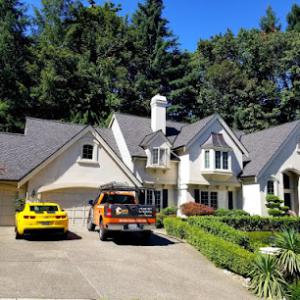
MCS Roofing & Construction
(425) 224-7277 www.mcsroofingcompany.com
4525 94th Pl NE, Marysville, Washington
4.9 from 131 reviews
We are a roofing and costruction company. We also specialize im small remodeling. We work in the Snohomish and King Counties.
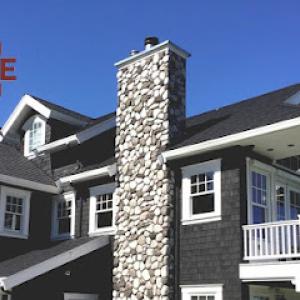
State Roofing & Exteriors
(866) 766-3766 www.stateroofing.com
3922 88th St NE, Marysville, Washington
4.5 from 132 reviews
For over 55 years, State Roofing and Exteriors has set the benchmark for quality and care, delivering trusted craftsmanship and exceptional service. As a leader in roofing, siding, decking, and window services, we blend decades of expertise with innovative solutions to protect and elevate homes across the Pacific Northwest. As a family owned and operated company, we have built a foundation of trust and a commitment to excellence since 1968. Using premium materials and precision installation, we ensure your home not only stands strong but looks extraordinary. Our customer-first approach means we listen to your needs, tailor our solutions, and guide you every step of the way. Choose State Roofing and Exteriors for lasting value.
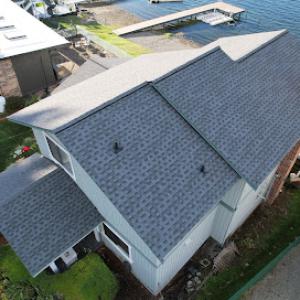
Riverside Roofing & Gutters
(425) 584-1539 www.riversideroofingllc.com
514 Ash Ave B, Marysville, Washington
4.6 from 41 reviews
At Riverside Roofing, we're proud of the work we do. It means a lot to our team to help people protect their homes by servicing their roofs. You can count on our crew of local roofing contractors because we have over 35 years of experience, are certified GAF Master Elite roofers, can offer special enhanced warranties, use high-quality materials, offer competitive pricing and financing, plus we always return calls within the same day. As a GAF Master Elite contractor, we can install a variety of roofing systems. These include standard and designer composition roofs, metal roofs, wood shake, asphalt shingle roofs, flat TPO roofs, PVC roofs, and more! Call today for a free estimate!
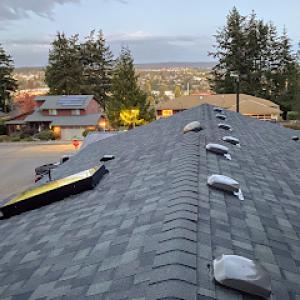
Wind Proof Roofing
(360) 840-5554 www.windproofroofing.com
8612 57th St NE, Marysville, Washington
5.0 from 7 reviews
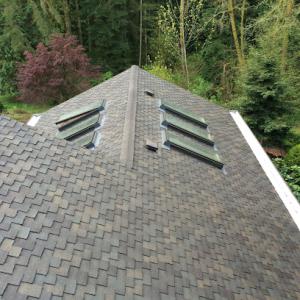
Wind Proof Roofing provides roofing replacement, repairs, and installation along with gutter services to the snohomish and skagit county area.
United Roofing & More!
(425) 830-5981 www.roofingservicenw.com
5232 93rd Pl NE, Marysville, Washington
4.1 from 9 reviews
Welcome to United Roofing & More! - your trusted roofing contractor dedicated to delivering top-quality roof installations, repairs, and maintenance services. As a leading roofing company, we specialize in providing expert solutions to protect your home or business from the elements. Our team of experienced professionals is committed to excellence, ensuring your complete satisfaction with every project. Whether you need a new roof, repairs, or ongoing maintenance, we've got you covered! By choosing us, you can expect reliable service, superior craftsmanship, and attention to detail. Don't let roofing issues compromise the safety and integrity of your building. Contact us today for a free estimate and experience the difference with us!
North Lake Roofing
(425) 219-8231 northlakeroofing.net
Serving
5.0 from 20 reviews
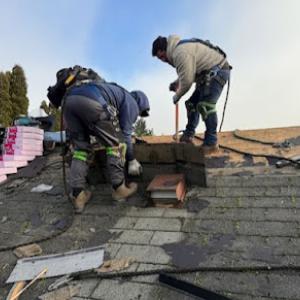
North Lake Roofing, a registered contractor in Lake Stevens, WA, is led by Mike Leary, a Washington native and proud U.S. Army veteran. We bring that same dedication and discipline to every residential roofing project in King and Snohomish Counties, specializing in both roof repair and replacement for single-family and multi-family homes. We believe in transparent service, offering FREE estimates without high-pressure sales tactics. Additionally, we show our appreciation to our community by offering discounts to seniors, active-duty military personnel, and veterans.
Washington Roofing Services
(206) 944-5409 www.waroofingservices.com
Serving
4.9 from 204 reviews
When my Wife and I opened this company, we vowed to bring the best service to our community without price gouging like some of these other local companies. When you call, you will speak directly with the Owner, me, and I will come out to your house to meet with you personally. Myself or a member of my team will do the repair/ replacement. We are certified at the Premium level with the top Manufacturer, Malarkey. This is the longest lasting, most durable, and only sustainable shingle on the market. This took us 5yrs to earn, and a nomination. We are a Christian family. Honest, fair, communicative, and personable. We serve Camano, Everett, Arlington, Mt. Vernon, Marysville. Etc... LIC# WASHIRS820PB Licensed, bonded, Insured, Certified
Alternative Roofing Systems
(206) 587-6211 www.altroofing.com
Serving
5.0 from 23 reviews
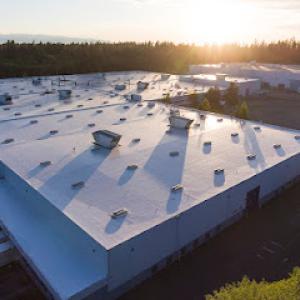
Alternative Roofing Systems, Inc. has served the PNW since 1982, specializing in Duro-Last's Single-Ply PVC Membrane installations on commercial flat and low slope buildings. Our team members have installed over 15 million square feet of Duro-Last alone, all while achieving an average quality inspection rating of 99 out of 100. "Work and Quality Guaranteed!"
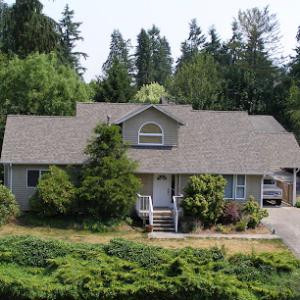
Hillside Roofing & Gutters
(206) 362-7663 www.hillsideroofing.com
Serving
4.9 from 79 reviews
Since 1983, Hillside Roofing has been the leading provider of outstanding roofing services in Lynnwood, Everett, and the surrounding areas. Our commitment to excellence and adherence to the highest standards of quality has set us apart from other local roofers. Our family owned and operated company offers a personalized experience ensuring your roofing project meets and exceeds your expectations.
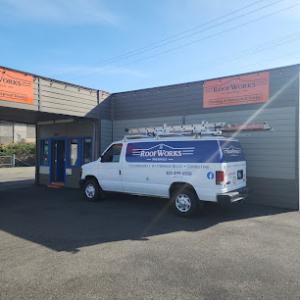
Roofworks Northwest
(206) 718-4931 www.roofworksnorthwest.com
Serving
5.0 from 32 reviews
Roofworks Northwest - We do Roofs, Waterproof Decks, and Consulting. Please reach out with any roofing questions or needs, we want to earn your business! -Sam
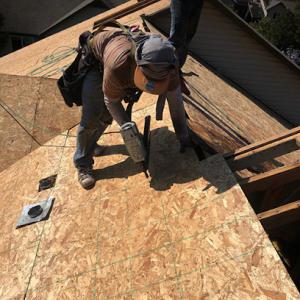
Premier Roofing Services
(425) 587-8290 premierroofingnw.com
Serving
5.0 from 39 reviews
We are licensed and bonded and Shinglemaster Certified. Our services include but are not limited to composite roofing, PVC roofing, metal roofing, cedar shakes, tile roofing and flat roofing.
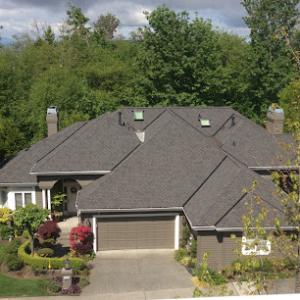
Axis Roof & Gutter
(360) 653-7663 www.axisroofandgutter.com
Serving
4.9 from 767 reviews
We are a full service roofing company, from removal of existing roofing and replacing, to minor and major roof repairs. Roof cleaning and treatments are a popular service that is provided as well. Full gutter service, from repairs to replacements, extruded to custom fit on site. Attic insulation and attic baffles, as well as full siding replacement and repair. Axis Roof and Gutter is a highly decorated, affordable roofing company that takes our customers satisfaction as a top priority. With very little company employee turnover, we are able to achieve that. Our full office staff is looking forward to hearing from you. Casey G - President
In a damp climate like the one you experience here, moisture-related discoveries are a common cost driver once old roofing is removed. When the old roof comes off, you often uncover softened or warped decking, degraded underlayment, and pockets of mold or mildew. Those findings push both material and labor expenses higher and can lengthen the replacement timeline. Expect crews to spend extra time leveling and re-fastening new underlayment where the deck shows evidence of moisture intrusion. This is especially true after multiple wet seasons, when subtle rot tends to accumulate behind old shingles or in hidden flat spots. A thorough inspection during the tear-off helps prevent surprising upgrades later, but it also means a larger, more visible impact on the bottom line.
Long rainy stretches compress available tear-off days, so scheduling becomes a practical constraint. In Marysville, dry windows are brief, and crews may cluster projects into tight sequences to maximize productive days. That can push the project timeline and labor cost into higher demand periods, particularly if a preferred crew books up weeks in advance. If you're charting a course, prioritize a window with a reliable dry stretch, even if it costs a little more for expedited scheduling or a second crew. Being flexible with start dates can reduce downtime and reduce the overall project duration, which helps avoid weather-induced delays that throw off material delivery and staging.
Material choices in this market span from asphalt shingles at 450 to 750 USD per square to slate at 1800 to 4500 USD per square, with metal, tile, and synthetic products filling the middle ranges. In practice, you'll see asphalt as the budget-friendly path, while metal offers durability with a lighter footprint on longer-term maintenance. Clay and concrete tiles bring distinctive aesthetics but require careful structural checks due to their weight. Synthetic shingles provide a middle-ground option, balancing cost and performance in damp conditions. Your choice should consider expected wind and moisture exposure, as well as the existing roof's pitch and support structure. If the roof is nearing the end of its life and decking has shown moisture damage, the cost per square can rise quickly as replacements or reinforcements are needed.
Begin with a candid inspection of the decking and underlayment after the tear-off. Gather two or three quotes that explicitly itemize decking repairs, underlayment upgrades, and venting improvements to mitigate moisture retention. Build a contingency into the budget for longer tear-off days caused by wet weather and for potential staggered deliveries of specialty materials. If you're weighing materials, run side-by-side estimates that include labor, waste disposal, and any necessary re-nailing or flashing work. Finally, align your schedule with drier periods to minimize lost tear-off days, while ensuring the chosen product's warranty and expected performance match the long, wet season you regularly navigate.
Get a clear picture of your project costs upfront - no commitment required.
Riverside Roofing & Gutters
(425) 584-1539 www.riversideroofingllc.com
514 Ash Ave B, Marysville, Washington
4.6 from 41 reviews
United Roofing & More!
(425) 830-5981 www.roofingservicenw.com
5232 93rd Pl NE, Marysville, Washington
4.1 from 9 reviews
In Marysville, most full roof replacements require a building permit through the City of Marysville Building Division. The process starts with submittal of the project scope, including roof type, underlayment, ventilation, and any structural modifications. Because the city operates on a permit-driven workflow, plan review and approvals can take time, especially when complex systems are involved. Scheduling your work to align with permit issuance helps minimize delays during the wet season, when long stretches of rain can compress outdoor work windows. Expect that the permit set will need to show code-compliant details for projects like reroofs, underlayment choices, and venting changes.
The local process includes permit issuance and scheduled inspections, and a final inspection is required to confirm the roof matches the approved permit scope and code requirements. Inspections typically follow key milestones: a pre-roof or framing check if any structural work is involved, a mid-construction inspection for critical connections and underlayment installation, and a final inspection once the roof is completed. In practice, rain can force postponements, so it helps to coordinate inspection dates with anticipated dry windows. During the final inspection, inspectors verify that the installed materials, flashing, and ventilation align with the permit documents and the current code provisions, and that any required protective measures around eaves, skylights, or vents are properly in place.
For complex roof systems such as slate or clay tile, Marysville may require additional plan review before approval. These materials bring unique loads and fastening requirements, so the plan review focuses on stability, seismic considerations, and proper weight distribution on existing structure. If your project involves significant changes-like adding or relocating venting, adopting a heavier tile set, or altering roof geometry-the planner may request more detailed drawings, product data, and installation details. Preparing a thorough submittal package that clearly demonstrates compliance can speed up the review and keep the project on track, especially during the peak rainy months when inspections are in higher demand.
To avoid weather-related delays, coordinate permit timing well ahead of the anticipated dry spells, and build a buffer for inspections in the schedule. Before applying, gather hold-harmless and contractor licensing information, confirm that the contractor plans to pull the permit in their name if required, and ensure that material selections are consistent with the approved scope. Once approved, keep a copy of the permit and all inspection notices on site, and be ready to show the inspector the as-built details and any changes made during installation. A smooth permit and final inspection cycle reduces the chance of rework, especially on long, damp stretches typical of the season.
Find contractors who specialize in clay and concrete tile roofs, known for their durability and curb appeal.
MCS Roofing & Construction
(425) 224-7277 www.mcsroofingcompany.com
4525 94th Pl NE, Marysville, Washington
4.9 from 131 reviews
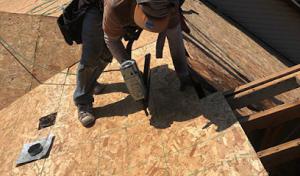
The long wet stretches in this area make low-slope transitions, skylight curbs, and flashing details especially vulnerable because water sits longer and minor defects show up as leaks sooner. A roof that looks fine after a brief dry spell can reveal hidden trouble after a heavy rain, when small gaps in membrane or misfit flashing begin to leak. In practice, that means careful inspection of every seam, corner, and penetration before the next winter arrives. Pay attention to any discoloration or damp spots along flat or near-flat sections, and plan repairs that address the root cause, not just the visible drip.
Skylights are a frequent source of trouble in this climate, where moisture can creep under curb boot remains and into fasteners over time. The water follows the path of least resistance, so even a modest defect can translate into a noticeable leak down the line. When choosing materials or upgrading a skylight, prioritize curb and flashing components designed to handle prolonged exposure to wet weather, plus a transition detailing that reduces standing water on the surface. A careful, staged approach to replacement helps keep the assembly dry during work, but it also heightens the risk if rain returns mid-teardown.
The contractor market shows meaningful local specialization in both flat roofing and skylight work, indicating these are recurring homeowner pain points rather than edge cases. That local focus can be a signal of deeper experience with the unique challenges of chronic damp conditions, but it also means responses can vary widely. When evaluating bids, ask for specific installers who outline their approach to low-slope membranes, flashing envelopes, and skylight curb details. Clear communication about what to expect during wet weather windows helps prevent surprises and staged work from turning into open-ended exposure.
Repeated rain delays can be harder on low-slope assemblies because exposed membranes, seams, and penetrations are less forgiving during staged tear-off and dry-in. If a project must pause for weather, insist on robust temporary protection and a concrete plan for resuming, with attention to re-sealing any temporary penetrations and re-checking flashing interfaces upon re-entry. A thoughtful schedule minimizes the risk of moisture intrusion during the critical transition from tear-off to final seal.
Find specialists in TPO, EPDM, and built-up flat roofing systems for residential and commercial properties.
Riverside Roofing & Gutters
(425) 584-1539 www.riversideroofingllc.com
514 Ash Ave B, Marysville, Washington
4.6 from 41 reviews
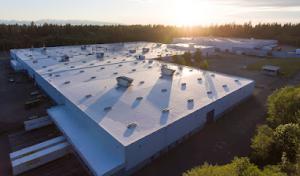
In this climate, decking and underlayment deserve scrutiny, so the written scope should separate visible roofing work from concealed repairs discovered at tear-off. Document the exact extent of shingle or panel replacement, then spell out what will be repaired or replaced only if moisture damage or rot is found behind the scenes. This avoids disputes when a tear-off reveals hidden issues after a permit-closeout inspection is requested. The scope should identify access points, flashing details, and any replacement of rotted framing that would trigger a revised warranty.
Warranty value hinges on moisture-management practices more than the panel brand. The document should specify flashing materials and installation details, attic ventilation practices, and the dry-in sequence-who, when, and in what order the roof is dried in and weather-sealed. Include acceptance criteria for underlayment, roof deck moisture levels, and fastener patterns in roof zones prone to repeated wetness or moss pressure. A clear, testable standard reduces the chance of a claim being denied due to installation gaps rather than material failure.
The local contractor mix includes warranty-offering and manufacturer-certified firms, which matters for documentation that supports permit closeout and future claims. Note which party is responsible for warranty transference, maintenance reminders, and follow-up service. Require a written warranty that lists coverage start dates, duration, and what triggers a claim. Ensure the scope document ties warranty language to specific on-site details such as flashing details, ventilation arrangements, and dry-in sequencing, so future buyers or adjusters can verify compliance without back-and-forth.
Ask for a single, consolidated scope that remains valid for all teams working on the project. Request including photos, deck condition notes, and a moisture baseline before tear-off begins. Keep a digital folder of all warranty certificates, contractor certifications, and any amendments to the scope as work progresses. This makes permit-closeout documentation smoother and supports any future claim discussions. In this city, meticulous documentation pays dividends when moisture and moss pressures intensify.