
Last updated: Apr 19, 2026
Stanwood's heavy winter rainfall and milder summers keep roofs damp for long stretches, which increases moss growth and moisture retention compared with drier inland climates. That sustained dampness isn't just a nuisance-it feeds moss, which can hide leaks and worsen surface deterioration. You'll want to treat moss growth as a warning signal, not a cosmetic issue. Prioritize regular inspections after the wet months and before the first dry stretch of late spring. If moss has begun to blanket shingles, address it promptly with safe, vetted moss removal methods and a fresh coat of protective underlayment or a low-profile membrane in problem areas. When you see dark streaks, or the roof feels slick to walk on, slow down any planned upgrades and focus on moisture control, even if the shingle color still looks fine. The key is preventing moisture from seeping under edges, corners, and transitions before it has a chance to compromise fasteners, sealants, and flashing.
Wind exposure during fall and winter storm events can push rain under vulnerable shingle edges, flashing transitions, and ridge details between weather windows. That means every edge, vent boot, and flashing corner deserves attention. Inspect and reseal step flashing along valleys, drip edges, and chimney/chimney-penetration flashings after severe winds or heavy rain cycles. Look for loose granules on shingles or any lifted tabs that could channel wind-driven moisture inward. In addition to regular checks, consider upgrading aging flashing to corrosion-resistant materials and adding extra sealant at critical joints. Pay special attention to ridge caps and any roof-to-wall transitions; those areas are common entry points when gusts howl and rain drives diagonally. If leaks pop up between storms, don't chalk it up to a single weather event-track where water shows up in the attic and address the root edge and flashing condition. A proactive approach now saves money and avoids messy interior damage during the next winter storm.
Because the city favors replacement timing from late spring through early fall, many homeowners are balancing active leak risk against limited dry installation windows. That tension can tempt delay, but it also raises the stakes for careful project planning. If a leak is actively present, prioritize temporary weatherproofing and scheduling a roof replacement or critical repairs during the first clear sequences in late spring or early summer. Coordinate with crews to minimize exposure of vulnerable flashing and edging during adverse winds. When a full replacement isn't immediately possible, implement targeted reinforcement: stabilize or replace compromised edging, reseal flashing joints, and treat moss-prone areas with a moss-resistant coating or surface treatment that reduces moisture retention while you await the next dry window. The goal is to prevent ongoing water intrusion and maintain roof integrity until the next dry spell allows a durable, long-term solution.
When planning a re-roof, the chosen window matters as much as the materials. In this area, projects are commonly planned for late spring through early fall because winter rains and shorter daylight hours can slow tear-off, dry-in, and inspection timing. That means you should aim to lock in dates early, not as the last-minute scramble that mid-winter storms force you into. If you're eyeing a window, start coordinating with your contractor right after the first dry spell of spring and confirm a backup plan for an overrun in case a late cold snap or extended drizzle pushes work behind schedule. The goal is a solid dry-in with daylight, so you're not left with lingering moisture under new underlayment when the first fall wind picks up.
Stanwood projects contend with moss-prone moisture and wind-driven rain, which can complicate inspection and drying times. A best-re-roof window includes a temporary but effective weather shield: synthetic underlayment and secured edge protection that resists wind-driven rain during tear-off. Before tearing off, verify the roof deck is dry and sound or repair decking promptly. If moisture persisting on west- and north-facing slopes is a pattern, schedule additional drying time on those faces or adjust the dry-in plan to avoid re-wetting the deck after it's exposed. Your crew should schedule a mid-project moisture check, especially after any overnight rain, to confirm the roof's interior side remains dry. In moss-prone zones, ensure that gutters and downspouts are functioning to divert water away from the work area, reducing pooling on the scaffold or tarps.
Stillaguamish lowlands contribute gusty exposure that can stress temporary coverings. The best re-roof window accounts for wind risk by using sturdy temporary enclosures and properly fastened tarps. If a forecast calls for wind storms, consider delaying nonessential phases, such as finishing the ridge and valley detailing, until a calmer day. A practical approach is to seal the work area with rated tarps fastened to existing rafters or battens, not just to the fascia, to prevent wind flaps that can lift materials or expose the deck. This reduces the chance of rain intruding and also limits debris from blowing into the attic or living spaces during the re-roof.
Local scheduling pressure can build when many homeowners try to book the same dry-season window after a wet winter. To avoid overlap, coordinate a fixed start date with your contractor and request a concrete milestone plan: tear-off, underlayment, deck drying, and flashing installation. Ask for daily progress checks and end-of-day moisture assessments, so you're always aware of how the roof is drying and whether any additional dry-out time is needed before shingles go on. In practice, a clear schedule with build-in dry days reduces the risk of rain-delayed re-integration of the interior space and helps protect recently installed underlayment from sustained dampness. If a late storm creeps in, you'll already have a defined path to shorten non-critical phases and preserve the integrity of the roof system.
Get a clear picture of your project costs upfront - no commitment required.
Western Sierra Roofing
(425) 328-9124 www.westernsierraroofing.com
3003 181st Pl NW, Stanwood, Washington
5.0 from 5 reviews

Allen Roofing Construction & Remodel
(360) 529-3802 www.allenroofing.com
32010 68th Ave NW, Stanwood, Washington
4.9 from 136 reviews
Allen Roofing Construction and Remodel is a trusted roofing contractor serving Stanwood, WA, and nearby communities. With years of experience, we provide reliable roofing solutions built for the Pacific Northwest climate. As one of the established roofing companies in the area, we specialize in roof repair, new roof installation, reroofing, and remodeling services for residential and commercial properties. Our company's roofing approach focuses on durable materials, skilled craftsmanship, and attention to detail on every project. Locally based in Stanwood, we understand regional weather conditions and building standards, allowing us to deliver roofing services customers can trust for long-term protection and peace of mind.
Interlock Metal Roofing (PNW) Inc. - Stanwood
(206) 202-7814 www.washingtonmetalroofing.com
26910 92nd Ave NW #425, Stanwood, Washington
4.5 from 50 reviews
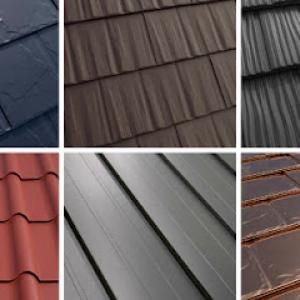
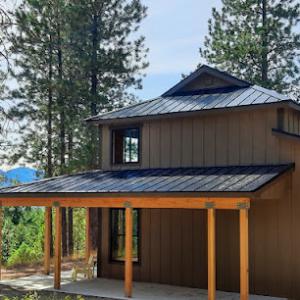
Washington Metal Roofing — The official Interlock® Metal Roofing installation company serving the Pacific Northwest. Interlock Metal Roofing - WA is a roofing contractor in Seattle, WA. We have installed thousands of roofs for nearly 25 years all across the Pacific Northwest. We are one of the largest residential metal roof installation companies in Washington State. We install From Blaine to Seattle, Everett to Vancouver — and everywhere in between! Interlock® Metal Roofing Systems: Choose from five durable aluminum roofing profiles including Slate, Cedar Shingle, Shake, Mediterranean Tile, and Standing Seam. All profiles are available in Solid Copper. With the addition of solar brackets, all our roofing systems are solar compatible.
Western Sierra Roofing
(425) 328-9124 www.westernsierraroofing.com
3003 181st Pl NW, Stanwood, Washington
5.0 from 5 reviews
Washington's best metal roofing and siding company. 32 years experience, 8,000+ sales, 20-year warranty. Serving Washington State including Seattle, Bellevue, and the Eastside. Seattle area's best metal roofing contractor since 1992. A+ Rating on the Better Business Bureau. We'll handle it all, from free estimate to metal roof installation.

Endurant Roof
(206) 714-0121 www.endurantroof.com
Serving
5.0 from 89 reviews
Welcome to Endurant Roof, your trusted roofing experts, specializing in both commercial and residential services. As a licensed and bonded small business, we pride ourselves on delivering exceptional craftsmanship and outstanding communication. Our team of dedicated professionals is committed to quality, ensuring each project, big or small, meets the highest standards. Whether you need a durable new roof for your business or a stunning upgrade for your home, Endurant Roof is here to transform your vision into reality. Experience the perfect blend of reliability, skill, and customer-focused service with us. Contact Endurant Roof today for your roofing needs!
Washington Roofing Services
(206) 944-5409 www.waroofingservices.com
Serving
4.9 from 204 reviews
When my Wife and I opened this company, we vowed to bring the best service to our community without price gouging like some of these other local companies. When you call, you will speak directly with the Owner, me, and I will come out to your house to meet with you personally. Myself or a member of my team will do the repair/ replacement. We are certified at the Premium level with the top Manufacturer, Malarkey. This is the longest lasting, most durable, and only sustainable shingle on the market. This took us 5yrs to earn, and a nomination. We are a Christian family. Honest, fair, communicative, and personable. We serve Camano, Everett, Arlington, Mt. Vernon, Marysville. Etc... LIC# WASHIRS820PB Licensed, bonded, Insured, Certified
Axis Roof & Gutter
(360) 653-7663 www.axisroofandgutter.com
Serving
4.9 from 767 reviews
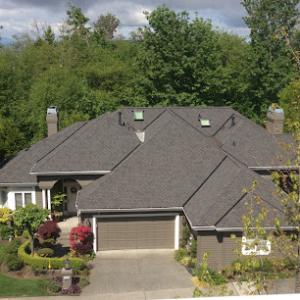
We are a full service roofing company, from removal of existing roofing and replacing, to minor and major roof repairs. Roof cleaning and treatments are a popular service that is provided as well. Full gutter service, from repairs to replacements, extruded to custom fit on site. Attic insulation and attic baffles, as well as full siding replacement and repair. Axis Roof and Gutter is a highly decorated, affordable roofing company that takes our customers satisfaction as a top priority. With very little company employee turnover, we are able to achieve that. Our full office staff is looking forward to hearing from you. Casey G - President
Orlando's Pro Roofing & Gutters
(425) 397-1985 orlandosproroofing.com
Serving
5.0 from 114 reviews
At Orlando’s Pro Roofing, we’re more than just roofers — we’re a trusted, family-owned company proudly serving Arlington, Marysville, Camano, Mount Vernon, Stanwood WA and surroundings. With over 15 years of hands-on experience, we specialize in residential and commercial roofing, offering full roof replacements, repairs, maintenance and gutter installations, What truly sets us apart is our personalized approach: Orlando and Lidia personally oversee each project to ensure quality workmanship, clear communication, and complete customer satisfaction from start to finish. Orlando’s Pro Roofing is here to protect your home with integrity, reliability, and top-tier service.
S & S Roofing
(360) 386-9903 www.sandsroofingllc.com
Serving
4.9 from 387 reviews
S & S Roofing, located at 104 S West Ave arlington WA, is your premier local roofing company specializing in metal roofs, shingle roofing, and all your roof replacement and installation needs. As trusted residential roofing contractors, we provide exceptional roof repair, new roof installation, and maintenance services tailored to your needs. Our experienced roofers near you are committed to quality craftsmanship and superior customer service. Whether you're searching for reliable roofers in your area or expert roofing contractors for large-scale projects, S & S Roofing is your go-to choice for peace of mind and durable roofing solutions. Contact us today for the best roofing services in town!

Beck Roofing
Serving
5.0 from 16 reviews
Beck Roofing is a premier roofing company. Our crew is devoted to providing exceptional service and craftsmanship to homeowners and businesses alike. We offer roofing services that include installations, repairs, and maintenance for roofing systems such as asphalt shingles, metal roofing, and flat roofs. Our dedication to customer fulfillment motivates us to use only the highest-quality materials and the latest roofing techniques, ensuring every project is completed to the highest standards. We believe in transparent communication and personalized service, tailoring our approach to meet each client's needs. At Beck Roofing, we aim to protect and enhance your property with reliable, long-lasting roofing solutions.
TopGable,Inc.
Serving
4.9 from 12 reviews
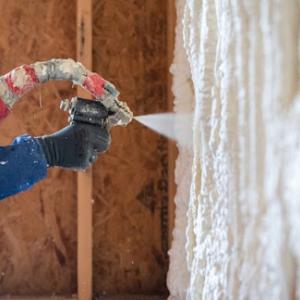
Here, at TopGable we specialize in providing our customers the best quality service possible. With 15+ years of roofing, insulation, and gutter experience we take pride in the work we do. Our focus is on our customers satisfaction and long lasting craftmanship.
Connolly Construction Company
(360) 850-5808 www.connollyconstructioncompany.com
Serving
4.6 from 19 reviews
Connolly Construction Company is a Snohomish County construction company that specializes in roofing, siding and gutters. We service Picnic Point-North Lynnwood, Washington and the surrounding areas of Everett, Edmonds, Millcreek, Seattle, Bellevue and more from I-90 North. When looking for a top notch residential exterior contractor give Connolly Construction Company a call.
MCS Roofing & Construction
(425) 224-7277 www.mcsroofingcompany.com
Serving
4.9 from 131 reviews
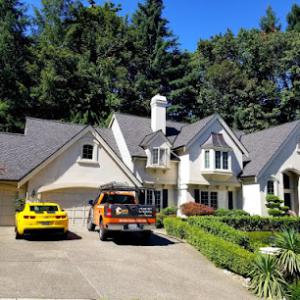
We are a roofing and costruction company. We also specialize im small remodeling. We work in the Snohomish and King Counties.
Asphalt shingles remain a dominant choice in Stanwood because they fit the area's common residential re-roof market, but moisture exposure makes ventilation, underlayment, and algae or moss management especially important. If you pick asphalt, prioritize a roof venting plan that moves wet air out of the attic during damp seasons, and pair the shingles with a high-quality underlayment and a ventilated ridge system. In this climate, a practical step is to install zinc or copper strips near the ridge or gutters to slow moss growth, plus a slate-blue preservative wash every couple of years to keep algae at bay. Regular inspection after heavy rains helps detect lifting shingles caused by wind-driven rain and wind gusts along the Stillaguamish lowlands.
Metal roofing is notably active in this market and is well matched to the wet, windy climate because it sheds water quickly, though detailing at fasteners, penetrations, and edges matters in windy rain. When choosing metal, consider a standing-seam profile for better wind resistance and fewer micro-leaks around fasteners. Pay attention to edge trim, fastener type, and proper sealant at penetrations such as vents, chimneys, and skylights. In Stanwood, moss-prone moisture means you should plan for a robust, long-lasting underlayment beneath metal, and consider a continuous eave or overhang with drip edges to reduce ice-dam risk and water infiltration during the wet season. Regular cleaning of metal panels to remove debris and moss is essential to maintain coating longevity.
Tile, slate, and composite options are present locally but can add structural, handling, and repair complexity in a damp climate where underlayment performance is critical. If choosing clay, concrete, or slate, verify the roof structure can carry the weight and that the deck is reinforced where needed. Moisture-heavy conditions elevate the importance of a fully waterproof underlayment system and properly sealed fastener penetrations. For synthetic or composite shingles, look for products with proven moss resistance and a factory-backed warranty against moisture-related deterioration. In areas with persistent wetness, periodic moss removal and a careful inspection of tile or shake intersections reduce creep and cracking, especially where wind-driven rain meets the edges.
Across all materials, implement a consistent moss management routine. Keep roofs clear of fallen branches and shaded areas with adequate daylight to slow moss growth. Ensure gutters and downspouts are clean and pitched to drain efficiently, so moisture doesn't back up onto the roof. At edges and valleys, use corrosion-resistant flashing and sealants designed for prolonged exposure to rain and salt air, if relevant to your coastal influence. The right combination of ventilation, underlayment, and moss control will help any material hold up longer in this damp, windy market.
When budgeting a replacement, use the square-foot cost ranges common to Stanwood: asphalt shingles 350 to 700 per square, metal 600 to 1100 per square, clay tile 1000 to 1900 per square, concrete tile 900 to 1500 per square, synthetic or composite 450 to 900 per square, and slate 1200 to 2400 per square. These figures reflect the region's moisture, wind exposure, and moss-prone conditions, and they are the starting point for estimator conversations. The exact price will hinge on roof complexity, local crew availability, and the chosen elevation or finish details.
In this coastal-influenced area, Stanwood projects often stretch when contractors must work around narrow dry-weather windows, then return after rain delays. A replacement plan should include buffers for weather, with the dry-in phase treated as a major milestone. If a project runs into unsettled weather, expect adjustments to start date, material staging, and potential expedited dry-in work once clear skies return. These interruptions can add days and increase temporary labor costs, so build contingencies into the budget and timeline.
Steeper residential rooflines add difficulty and risk, pushing both labor and equipment requirements higher. If during tear-off moisture-damaged decking is discovered, replacements climb in price quickly due to additional framing, underlayment, and potential insulation considerations. Heavier materials, such as tile or slate, tilt costs toward the upper end of local ranges because of extra scaffolding, crane use, and longer installation times.
Moss resistance and water-shedding performance are practical priorities here. Asphalt, metal, and synthetic/composite options often present the best balance of durability and cost given damp seasons. Clay and concrete tiles provide excellent longevity but can demand stronger framing and moisture management. Slate offers longevity in theory, but the upfront cost and handling logistics make it the most significant investment. Align material choice with the home's exposure to wind-driven rain and the likelihood of moss growth to optimize value over time.
Don't let upfront costs delay a critical repair - these contractors offer payment plans to fit your budget.
When replacing a roof where the entire roof deck is involved, a building permit is typically required in this area. That means you should expect the project not to be treated as a simple maintenance item with no permitting, even if the work seems straightforward. The permit process helps ensure the roof and underlayment choices, ventilation, and flashing details meet local standards for the wet climate and moss-prone conditions that characterize the area. If the scope changes mid-project, update the permit to reflect the new materials or methods to avoid compliance issues down the road.
The local building department does a two-part review in practice: an administrative plan review and field inspections. Before work begins, plans and specification details are checked for compliance with current codes and local practice, especially concerning moisture management, underlayment, and ventilation-critical factors for long-term performance in Stillaguamish lowland winds and marine-influenced humidity. During the project, expect inspections at key milestones (roughly at installation phases) and a final sign-off after completion. Being prepared for both stages - plan approval and field checks - reduces the risk of work stoppage or rework.
Processing typically runs about one to two weeks, influenced by department workload and the complexity of the project. In Stanwood, reliable weather windows are essential because extended periods of rain can push moisture-sensitive work into wetter conditions. Start the permit process early in the planning phase, and align your contractor's schedule to avoid back-to-back delays that could trap you in wet months. If a weather-lead project plan is unavoidable, coordinate with the inspector to identify the earliest feasible inspection dates to keep the project on track.
Have your contractor prepare a complete package: a scope of work, material specifications, ventilation details, and any moisture-control measures specific to moss-prone conditions. Keep a clear line of communication with the building department; ask about required documentation, site access, and any local nuances in inspections. Document questions and decisions in writing to prevent misunderstandings during plan review and field sign-off.
Expect that inspections will cover flashing, underlayment, roof ventilation, and drainage connections. If plans show unusual details or less common materials, anticipate a longer review and potential revisions. Planning around these processes reduces the likelihood of weather-driven delays and keeps the project moving toward a compliant, durable roof for the local climate.
In Stanwood, Washington insurers closely track wind and storm-related roof claims, so you should expect requests for photos and documentation of pre-existing conditions. Being prepared means understanding that history matters: a long moss-prone season and frequent wind-driven rain can influence how a claim is evaluated, even when damage seems straightforward. If you have prior repairs or known moisture issues, have those records ready.
Adjusters visits are common after reported roof damage, which makes date-stamped photos of shingles, flashing, skylights, and interior leak evidence especially useful. Capture exterior shots from multiple angles during daylight, then zoom in on vulnerable details like roof-to-wall transitions, vent stacks, and edge metal. Inside, photograph attic signs of moisture, staining, and any signs of active leaks. Store images with clear dates and locations to streamline the review.
Coverage remains broadly available, but pricing and appraisal expectations can reflect local weather risk and prior claim history. If an adjuster notes pre-existing wear or moss-related wear patterns, you may be asked for maintenance records or recent service reports. Honest, thorough documentation can help separate weather-driven damage from aging or improper maintenance, which matters in Stanwood's moist climate.
Keep a running record of weather events that impact your roof, including dates of heavy rain, wind gusts, and hail reports if any. After a storm, make temporary water-stopping efforts only if safe, then photograph the affected areas promptly. Having a concise, organized file of timestamped images and notes reduces back-and-forth and helps an adjuster assess moisture and wind-driven rain correlations with your roof's current condition.
If an initial assessment seems incomplete, you can request a second opinion or a re-inspection, especially when moss accumulation or moss-related moisture is suspected. In this market, patience and precise documentation can shape the final determination, so approach the process with steady, organized records and a cautious, factual presentation of the roof's condition.
Connect with contractors who help homeowners navigate the claims process from damage assessment to final approval.
In Stanwood, the long wet season makes low-slope sections, porch tie-ins, and drainage transitions more vulnerable to standing moisture and slow leak development than simple steep-slope fields. Moisture sits longer on flat or gently pitched surfaces, so small flaws can fester into costly problems over multiple storms. The roof's resilience hinges on explicit attention to how water moves at edges, transitions, and any flat planes that don't shed rain quickly.
Low-slope areas demand extra care because wind-driven rain can force moisture into seams where water would otherwise shed. Porch tie-ins and transitions between roof planes are common trouble spots because they create micro-ponds if flashing isn't continuous and properly sealed. In this climate, a deliberate approach to flashing continuity, drip edges, and sealant compatibility matters more than ever. Plan for robust, integrated drainage paths that keep water from lingering on transitions and curb any potential ice-damming behavior when cold snaps occur.
Skylights are a meaningful local specialty category, and in this climate their curbs, flashing kits, and surrounding roofing details are common points of concern during re-roofing. Poor curb flashing or mismatched sealants around skylights invites slow intrusion that can worsen with repeated wetting. Ensuring a flush, weather-tight interface at every skylight curb, plus matching flashing colors and materials to the surrounding roof, helps prevent creeping moisture a few seasons down the line.
Chimneys, vent stacks, and other penetrations become higher-risk details when repeated wetting and wind-driven rain test sealants and flashing laps over many months. Each penetration should be treated as a line of defense rather than a single-layer barrier. Prioritize continuous flashing laps, verified sealant compatibility, and secure, wind-resistant bootings to minimize slow leaks that creep around joints.
Find specialists in TPO, EPDM, and built-up flat roofing systems for residential and commercial properties.
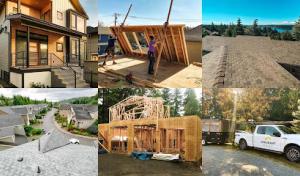
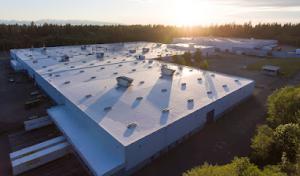
In this market, quick response during active leaks matters as much as the roof itself. You're balancing long wet seasons, wind-driven rain from the Stillaguamish lowlands, and moss-prone moisture. When a leak starts, the first test is how fast a contractor can tarp and dry-in, then how clearly they communicate about the steps, schedule, and expected rain windows. You'll want a contractor who prioritizes rapid mobilization, clear estimated timelines, and a single point of contact for updates amid back-to-back storms.
During a first call, ask how the crew will secure tarps, fasten temporary drainage, and protect interior spaces from water intrusion. Contractors should walk you through their plan for tarp placement, wind resilience, tarp maintenance during storms, and steps to minimize further moisture penetration before permanent work begins. Look for written expectations on daily progress reports, photos, and a predictable chain of communications so you're not left guessing between rain events. In Stanwood's climate, the ability to respond within hours rather than days often makes the difference between a manageable leak and secondary damage.
Cleanup signals you care about your yard almost as much as the roof. Ask about magnetic sweeping to catch nails and shingle fragments, debris containment to protect landscaping, and daily site cleanup at the end of each workday. A clear plan for protecting garden beds, mulch, and irrigation from wind-driven debris shows you're prioritizing long-term yard health as much as a solid re-roof. Expect contractors to set up containment zones and to remove runoff from hard surfaces so you don't battle grit after every rain.
The local mix leans toward residential re-roofing with family-owned firms that value responsiveness and discipline on the job site. You'll want to compare how quickly crews arrive, how orderly their staging areas are, and how reliably they keep to the agreed-on plan-often with a focus on trimming moss-prone areas and ensuring proper ventilation and moisture management. Price is considered, but you're screening for a partner who communicates well, protects your landscaping, and keeps the jobsite tidy from start to finish.