
Last updated: Apr 19, 2026
Blacksburg's higher-elevation New River Valley climate brings colder winter conditions than much of Virginia, increasing the roofing impact of repeated freeze-thaw cycles. When overnight temps dip below freezing and days briefly rise above, moisture in shingles, underlayment, and sheathing expands and contracts. Over time, this can loosen shingles at edges, peel sealant around flashings, and weaken fasteners. In homes with asphalt shingles or metal roofs, that cycle magnifies wear on hip and ridge lines, valleys, and eaves where snow sits longer. The result is accelerated granule loss, minor warping, and a gradual path toward leaks if ignored. You'll want to treat these cycles like a yearly stress test for the roof rather than a one-off event.
Occasional snow followed by daytime melting and nighttime refreezing raises the risk of ice damming at eaves and around valleys on local sloped roofs. The dam acts like a stopper, forcing meltwater to back up under shingles and into the attic or wall cavities. In Blacksburg, where attic spaces can hold many degrees hotter or colder depending on insulation quality, warmed attic air can melt an upper snow layer, feeding a dam that refreezes at the colder eave zone. You'll see small icicles, stained soffits, or damp ceiling spots as telltale signs. If ice damming forms regularly, flashing and insulation needs an upgrade, and you should plan targeted remediation rather than broad, costly roof replacement.
Spring weather swings after winter freezing make hidden moisture intrusion around flashing and penetrations a common concern when homeowners assess whether to repair or replace. Freeze-thaw cycles can push out sealants around vent pipes, skylights, and chimney flashings, creating micro-leaks that only show up after a thaw or during heavy rains. In Blacksburg, those hidden intrusions often ride along valleys or along the rake edge where sun exposure is uneven, so a close inspection after the first warm, wet spell is essential. Look for dark spots on ceiling drywall, musty attic odors, or damp insulation in the eaves-these signal moisture has penetrated beyond the surface.
Start with a winter-to-spring inspection focusing on eaves, valleys, and flashing around chimneys and vents. Check attic insulation and ventilation; ensure soffit vents aren't blocked and that insulation doesn't spill into the eave spaces, which can funnel heat into the roof deck and worsen ice damming. From the ground, inspect for missing or curling shingles and for loose or deteriorated flashing at roof penetrations. If you see repeated ice damming or new staining after thaw cycles, plan a targeted repair-sealed flashing, improved underlayment, and enhanced insulation-before the next freeze event. In short, treat moisture management as a year-round priority, with emphasis on the transition seasons when Blacksburg's climate bites hardest.
In this mountain valley, the roof endures cold winters, rapid freeze-thaw cycles, and heavy snowfall that stress shingles and underlayment differently than in flatter Virginia markets. Freeze-thaw damage often shows up first as hairline fractures in asphalt and granule loss on the face of shingles, which accelerates aging and reduces UV protection. Ice damming is a recurring concern when attic ventilation is insufficient or insulation is uneven, particularly along eaves and at penetrations like chimneys and dormers. Look for staining, staining along interior ceilings, or damp spots near soffits after a thaw. The moisture swings can push sealant and flashing joints to fail earlier, especially on older roofs or where metal collars around pipes have hardened and cracked.
Blacksburg's substantial Virginia Tech-driven rental market means many properties are occupied by students or short-term tenants, which can delay routine roof maintenance until leaks or ventilation problems become obvious. That delay often translates into clustered repair needs when turnover spikes, just before or after semesters end. For homeowners keeping rental units in good shape, set a predictable inspection cadence: a fall pre-winter check to catch loose flashing and gutter blockages, plus a mid-spring inspection to assess winter damage. If a property changes tenants, prioritize a quick exterior scan for loose shingles, missing granules, and obvious flashing gaps around chimneys or dormers. A rapid attic check after heavy snows or a rapid warm spell can reveal hidden moisture that would otherwise go unseen until it escalates.
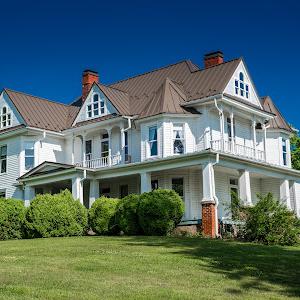
Older homes near the town core frequently feature plenty of penetrations: chimneys, dormers, multiple skylights, and wraparound porch elements. Each penetration adds potential flashing joints to inspect, and every dormer can create a valley with unique drainage. In these layouts, water tends to pool at lower edges and along seams where two roof planes meet. Pay special attention to step flashing at chimney bases and transitions from roof to dormer cheeks. In corridors of aging roofs, flashing material may have softened or delaminated, allowing water to creep behind shingles even before visible signs appear on the surface. When replacing a section, consider upgrading to more durable metal step flashing and ensuring a continuous ice-and-water shield extends at least three feet up from all eave and valley intersections.
Turnover tied to the academic calendar can compress reroofing demand into late spring and summer, affecting contractor availability and scheduling. If a full roof replacement is needed, expect a window where skilled crews are most available, but also plan for potential delays from weather or material logistics in peak months. For smaller repairs, target the shoulder seasons-late spring or early fall-when contractors are less congested and can allocate time for thorough inspections and careful flashing work. In all cases, insist on a detailed plan: confirm roof-access logistics, outline the sequence of flashing inspections, and request a written punch list to avoid missed details in busy turnover periods. These steps help ensure moisture control remains robust through the most demanding months.
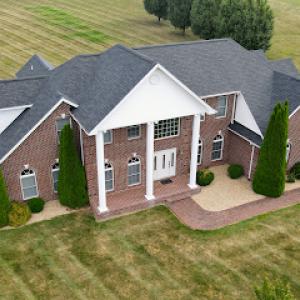
Modern Day Roofing
(540) 553-6007 moderndayroof.com
Serving
5.0 from 225 reviews
Our company prides ourselves on customer satisfaction as that is always our goal. We aim to exceed each customers expectation, with our experience and expertise, we can guarantee your overall satisfaction as we value each job from punctuality to affordability. Give us a call today & we'll assure you've made the right decision by doing so! We're not happy until you are!
Crockett Home Improvement
(540) 382-8747 crocketthomeimp.com
Serving
5.0 from 114 reviews
Experience… Quality… Customer Satisfaction… At Crockett Home Improvement, we specialize in quality home renovation and repair services in Christiansburg, VA, and surrounding areas. From roofing and siding to bathroom remodeling, deck construction, and home additions, we are committed to exceptional craftsmanship and superior customer service. Serving Christiansburg and nearby communities like Montgomery, Pulaski, and Roanoke, we work closely with you to enhance your home’s beauty, functionality, and value. Our process is simple and stress-free, offering free, no-obligation estimates and personalized solutions. Contact us today to bring your dream home to life!
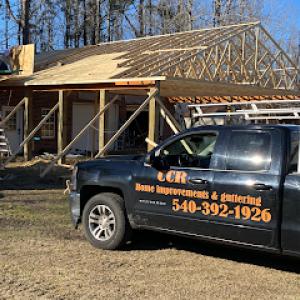
CCR Home Improvements - Roofing, Guttering & Siding
Serving
4.3 from 38 reviews
Ccr home improvements also offers all types of home improvement needs such as gutters gutter repair gutter cleaning and whitening remodeling drywall kitchens and baths painting (interior exterior) pressure washing ground up framing garages homes out building's additions sun rooms log homes concrete pads sidewalks land clearing gravel driveway install are repairs water drainage issues culverts and replacement windows roofing siding custom cabinets book shelves handyman service and house cleaning we also offer free estimates give us a call know for your free estimate
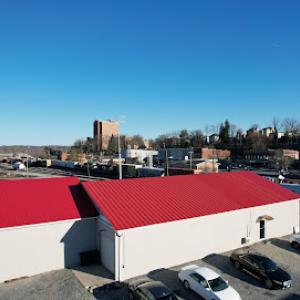
Blue Ridge Roofing & Home Improvement
Serving
4.8 from 56 reviews
Established in 2007, Blue Ridge Roofing & Home Improvement has served the New River Valley and surrounding areas for over 15 years. We specialize in a variety of exterior home improvement projects, including shingle and metal roof installation and repair, gutter systems, siding, decks, and window installation. From minor repairs to complete renovations, our team of experienced professionals provides quality craftsmanship and personalized service. Call us for a FREE estimate today.
Dave’s Home Experts & Roofing
(540) 392-3800 www.daveshomeimp.com
Serving
4.8 from 26 reviews
DAVE’S- ROOFING Class A; Licensed and Insured Providing Quality Service to the NRV, with over 30 years of experience Dave’s was opened up with one thing in mind, CUSTOMER SATISFACTION.
Henderson Roofing
(540) 552-8259 hendersonroofingva.com
Serving
5.0 from 9 reviews
Family owned and operated roofing company since 1994. We offer both residential and commercial roofing. We believe in providing the highest quality workmanship at the lowest possible price. We pay attention to detail & stand behind all of our work.
Roof Replacement Solutions
(855) 537-3682 roofreplacementsolutions.com
Serving
5.0 from 7 reviews
If you're looking for a roofing contractor in the Roanoke, Virginia area, you've come to the right place! At Roof Replacement Solutions, we can help you with roofing repair or replacement, roof cleaning, and even repairs of roof damage caused by rain, wind, or hail. We also offer services for gutters and downspouts, including repair and replacement, as well as gutter guard installation. All of our roofing installations come with a five-year no-leak warranty for workmanship, as well as a lifetime shingle warranty, and we are a HAAG certified roofing inspector. To learn more or request a quote, please contact us today!
Red Patch Roofing & Contracting
(610) 587-2709 redpatchroofing.com
Serving
4.9 from 31 reviews
Red Patch Roofing & Contracting, LLC is a veteran-owned roofing company based in Leesport, Pennsylvania, providing expert residential roof replacements and repairs. We specialize in asphalt shingle installation and take pride in delivering honest service, clear communication, and professional craftsmanship on every job. Our team serves homeowners across southeastern Pennsylvania, including Berks, Lancaster, and surrounding areas. PA HIC #PA200867 | Fully Licensed & Insured
Commonwealth Roofing Specialists
(540) 988-4888 www.commonwealthroofingllc.com
Serving
4.9 from 239 reviews
Commonwealth Roofing Specialists, LLC, established in 2011, serves Roanoke and surrounding areas. Your premier roofing experts specialize in residential and commercial roofing. With a wide range of roofing services including free roof inspections, free estimates, metal roofs, re-roofs, siding, emergency storm repairs, skylights, gutter installs/repairs and much more! We are a CertainTeed SELECT ShingleMaster and are A+ rated contractor with Better Business Bureau! Fully licensed, bonded and insured, we offer a 10-year workmanship warranty on all our fully installed roofs to ensure our quality work and customer satisfaction for years down the road!
Clear Choice Exteriors
(540) 206-9026 www.clearchoiceexterior.com
Serving
4.9 from 109 reviews
Clear Choice Exteriors is an experienced roofing company providing Roanoke area homeowners with high-quality repairs and replacements for their home's roof. We have over a decade of experience as contractor, holding ourselves to the highest standards of quality in everything we do.

Cenvar Roofing - Roanoke
(540) 202-4364 www.cenvarroofing.com
Serving
4.9 from 682 reviews
We are roofing experts in Roanoke, VA. Since the Roanoke branch opened in 2016, we have provided high-quality roofing service to thousands of members of the Roanoke community. We prioritize customer satisfaction above everything and this is evident throughout each step of the process, from conception to completion. If you are in need of a roof repair or replacement in Roanoke, VA, request a free estimate appointment. We would be happy to serve you!
Southern Roofing & Restoration
(540) 263-0300 www.southernroofingandrestoration.com
Serving
5.0 from 22 reviews
Southern Roofing and Restoration is a GAF Master Elite certified roofing company located in Southern Virginia. We offer high-quality roofing services, including repairs and installations, using only the best materials available. With a commitment to excellence and a reputation for providing exceptional service, Southern Roofing and Restoration is the go-to choice for all your roofing needs.
In a mountain climate with steep-slope homes and the winter-to-spring freeze-thaw cycle, the roofing you choose should prioritize moisture control, durable flashing, and reliable ice-darm resistance. Asphalt shingles remain a practical fit in Blacksburg because they handle the area's common steep-slope residential roofs and are widely used across town. They pair well with the typical roof geometry found on Tech-era dormer homes and ridge-heavy designs, and modern asphalt options offer solid impact resistance and good shingle warranties. If you have a roof with many valleys or complex transitions, choose a high-quality shingle with good nail retention and integrated moisture protection to help reduce edge failures that come with freeze-thaw swings.
Metal roofing is especially relevant in this climate because it sheds precipitation efficiently, which helps reduce moisture buildup at eaves and in low-lying valleys during heavy wet winters. In Blacksburg, the fasteners, valleys, and penetrations require extra attention; metal panels must be paired with a robust underlayment and properly sealed with exposed-fastener or concealed-fastener systems that are rated for freeze-thaw. Seams and flashing should be designed to accommodate seasonal expansion and contraction, preventing ice dam scenarios where meltwater refreezes at the eave. A well-installed metal roof can offer decades of performance, but the detailing around penetrations-chimneys, vents, and skylights-drives long-term reliability in this mountain climate. If replacing a roof with metal, plan for a layout that minimizes long, unbroken panels across low-slope transitions, which can be more prone to ice dam-related leakage without careful sealing.
Clay and concrete tile are available locally but are less typical for housing stock in this area and can be harder to justify where winter weather, roof structure limits, and cost sensitivity intersect. These tiles bring aesthetic appeal and high durability in milder, drier environments, but in a winter-heavy setting they demand a strong structural frame and careful underlayment to handle freeze-thaw cycles, especially if there are parapets or planters. Weight considerations matter: unreinforced or undersized roof structures can struggle, and the additional load must be evaluated against the existing deck and truss design. If a clay or concrete tile option is considered, engage a structural engineer early to confirm the roof can carry the weight and that flashing around hips, valleys, and penetrations is compatible with tile movement. In practice, these materials are best reserved for homes with robust framing and a long-term plan for maintenance of the tile system under snow load and ice accumulation.
Across material types, the carpet of moisture control lies in ventilation, attic insulation, and the quality of underlayment used beneath the primary roofing surface. In this climate, a high-permeance underlayment and ridge vent strategy that promotes continual airflow can significantly reduce condensation, especially when heat leaks up through the roof during cold snaps. Ensure flashing at rake edges and transitions into exterior walls is snug and continuous, with sealants and metal details compatible with freeze-thaw cycles. For steep slopes common in Blacksburg, shingle overhangs should be adequate to divert meltwater away from fascia while leaving room for ice dam mitigation measures during severe winters.
Replacement work in this mountain climate follows a clear pattern: the window from late summer through early fall tends to be the most workable before colder weather returns. That stretch avoids the peak of spring storms and gives crews enough dry, cool days to finish tear-off and installation without overheating in the attic or deck. If a project starts in late summer, plan for a pause if an early cold snap sets in; you want steady daytime highs and dry evenings to help shingles seat properly and minimize ice-related issues down the road.
Winter reroofing can be slowed by freezing temperatures and snow, which affect shingle handling and safe installation conditions. When temperatures stay near or below freezing, asphalt shingles can become stiff and less forgiving, making accurate nailing harder. Metal, synthetic, or tile options can offer better performance in cold snaps, but installation still requires dry, non-iced surfaces and safe access. If a replacement must push into winter, expect longer schedules and confirm that the crew's winter precautions-heated work zones, proper toe boards, and clear access-are in place.
Spring is a high-risk season for scheduling because thunderstorms and frequent rain can interrupt tear-off and expose roof decks to moisture. Water intrusion concerns rise when decks are exposed between removal and replacement. If the roof needs to be torn off in spring, consider compressing the timeline with contingency days or staging a quick deck dry-out before laying new underlayment. Coordinating with the local crew to monitor forecast windows helps reduce wasted days and minimizes moisture exposure to interior spaces.
Moisture management becomes critical in a mountain climate where freeze-thaw cycles are common. A replacement plan should include a first-pass moisture check for the roof deck, proper underlayment selection, and integrated attic ventilation adjustments if needed. Ice damming risk increases where gutters are clogged or insulation is uneven; this makes a thorough attic inspection part of the replacement plan. After installation, ensure flashing around chimneys, vents, and valleys is continuous and robust to handle snow loads and icicles. This proactive approach helps extend the roof's life in this elevated, moisture-prone setting.
In the mountain climate and housing stock common to Blacksburg, material choice drives most of the project's headline cost. Asphalt shingles run roughly 350-650 USD per square, a practical baseline for average homes with standard rooflines. Metal roofing sits higher, around 600-1100 USD per square, but pays back in longer life and better ice dam resistance on exposed ridgelines. If clay or concrete tiles are on the table, expect 900-1800 USD per square for clay and 1000-1900 USD per square for concrete, reflecting their heavier weight and longer install time. Wood shingles or shakes tend to fall in the 700-1200 USD per square range, offering classic look and good performance when properly maintained. Synthetic or composite shingles sit at 500-900 USD per square, delivering a middle ground of durability and cost. These ranges are your starting point when planning a replacement, and they hold steady for standard, single-roof geometries.
Pricing in older in-town homes can rise noticeably. When chimneys, dormers, or complex rooflines are present, flashing labor and tear-off time increase, sometimes significantly. In Blacksburg, those features are common, and crews must budget more time for detail work around dormer walls, chimney flashing, and valley intersections. If the roof contains multiple planes, hips, or irregular eaves, expect the crew to devote extra hours to waterproofing and seam details. This is not rare here; it's part of getting a job that will hold up through freeze-thaw cycles.
Prices and availability can shift with contractor demand around the Virginia Tech calendar. Spring storm backlogs can push starts later and compress schedules, while permit processing and weather-related delays in the New River Valley may push crews to re-sequence work. A tighter schedule often means higher labor charges or the need for partial replacements, which can change the per-square cost even within the same material type. When you're lining up color selections and substrate considerations, think through how a late-winter or early-spring start might cascade into extended project windows and potential cost bumps.
To lock in a fair price, get multiple quotes that clearly itemize material costs, flashing and waterproofing, tear-off, disposal, and any crane or extra access fees for steep pitches. For homes with dormers or multiple attic access points, request a separate line item for porch or bay-area flashing. Ask how the crew handles ice dam prevention in the valley and edge details, since Blacksburg's freeze-thaw swings demand robust moisture management. Finally, align your project timeline with your preferred protection plan-hooded gutters, temporary coverings, and roof edge barriers can influence both price and finish quality during load-bearing weather events.
When replacing a roof in this mountain climate, you cannot assume it's a simple swap. Blacksburg generally requires a building permit for a full roof replacement through the Town of Blacksburg Building and Zoning Department. The permit process is not just a formality; it signals the project will be reviewed for safety, moisture management, and proper attachment in the freeze-thaw cycle. If the project isn't properly permitted, you risk delays, respiratory insurance questions from contractors, and challenges at closeout when you finally try to file for occupancy or resale.
Applicants may need to submit a roof replacement plan rather than treating the job as a simple over-the-counter repair. That plan should show underlayment details, flashing transitions around chimneys and vents, and how the chosen materials will perform against our wet winters. Expect questions about ice dam protection, attic ventilation, and roof deck venting. A well-thought-out plan reduces back-and-forth with inspectors and helps align the work with local codes that address moisture control and durability in our freeze-thaw environment.
Inspections are typically scheduled during and after the work, with attention to underlayment, flashing, and overall code compliance before closeout. A timely inspection hinges on clear communication with the contractor and readiness to demonstrate proper attic ventilation, drip-edge installation, and correct nail patterns for the chosen material. If any step fails to meet code, it can trigger rework that complicates scheduling and increases exposure to moisture issues once the roof is in service.
Choose a contractor experienced with local conditions and known moisture challenges. Maintain documentation of all permit actions, replacement plans, and inspection stickers. A newly installed roof that bypasses permit steps or shortchanges flashing details is more vulnerable to winter leaks and costly remediation down the line.
In this mountain valley, claim activity tracks wind, hail, and spring storm damage more than coastal hurricane loss patterns seen elsewhere in Virginia. When a storm blows through, you're more likely to encounter issues with gust-driven impacts, shingle lift, or hail bruising than with coastal surge effects. That reality shapes what adjusters expect to see and how they judge whether damage is storm-related or age-related. Rely on this distinction when you're gathering information for a claim, because misattributing wear to a storm can slow or derail approval.
Virginia insurers may ask for documentation of roof age, wear condition, and damage assessments before approving reroof-related claims. You should assemble a clear timeline: when the roof was installed, any known maintenance, and all events that preceded or followed a storm. Photos should cover attic and exterior evidence of moisture intrusion, flashing around dormers or chimneys, gutters and downspouts, and any penetrations that show signs of wear or movement. Having a dated record from a local contractor or roofer that notes freeze-thaw wear helps anchor your claim to the seasonally challenging Blacksburg climate.
Expect adjusters to scrutinize flashing, gutters, and roof penetrations, especially where freeze-thaw wear may complicate whether damage is storm-related or age-related. To prepare, document run-off patterns after a storm, and map any new leaks or damp spots inside the attic with timestamps. If possible, obtain a third-party assessment focused on moisture control and flashing integrity. Keep a log of weather events tied to the dates of observed issues, because the correlation between a specific storm and subsequent damage is often the deciding factor for coverage. This local approach helps ensure that repairs reflect the actual cause rather than the presumed age of the roof.
Across the elevated New River Valley, eaves are routinely the first line of trouble when winter arrives. Ice damming forms where snow melts from the warmer roof areas and refreezes at the cold eave, backing up into soffits and gutters. In older homes with less robust flashing around chimneys, this failure is amplified by repeated freeze-thaw cycles that stress roofing joints. You'll notice damp patches along interior ceilings near the eaves, and sometimes stained attic rafter bays from repeated moisture exposure. The fix hinges on better eave detail: continuous insulation to keep roof decks closer to indoor temperatures, properly installed gutter systems that drain away meltwater, and enhanced downspout routing to prevent water backing up under shingles. If you spot ice forming along the drip edge or see icicles forming in soffits during a thaw, consider a targeted ice dam prevention plan that focuses on improving attic ventilation and sealing gaps above the ceiling line.
Blacksburg's winter snowmelt creates valleys that can hold runoff longer than expected. When moisture pools in these low areas, shingles and underlayment endure concerted exposure to moisture, leading to cupping, curling, or early granule loss. Valleys on older homes with aging flashing are especially prone to leakage during spring thaws. The practical response is to verify valley flashing integrity, ensure proper shingle installation in the valley zones, and consider additional protection like metal valley liners where appropriate. Clearing debris from valleys in autumn reduces moisture retention that compounds during the first spring melt. If you've got mature trees nearby, the leaf litter can compound the problem, so plan a focused cleanup before the snow starts to accumulate.
Chimneys are common failure points, particularly on homes built decades ago with older flashing materials. In a mountain climate, repeated heating and cooling cycles stress the flashing, leading to slow leaks or sudden drips after heavy snows. Inspect the step and counter-flashing where the chimney intersects the roof line, and look for loose or lift-prone shingles around that junction. The best remedy is a careful reseal with weatherproof flashing sleeves and a tight seal along any gaps between brick or siding and the roof edge. If you notice water patterns along interior walls near the chimney, that's a telltale sign the flashing needs attention.
Humid summers can magnify attic moisture, especially if the roof entered the season with winter damage already in place. Shingle aging accelerates when moisture sits in the attic, and you'll notice loft temperatures rising and potential condensation on underside of sheathing. Addressing ventilation-balanced intake and exhaust, vented soffits, and properly sized attic fans-helps manage moisture before summer heat compounds the issue. If attic insulation is shallow or compressed, upgrade to improve dryness year-round. A clear indicator is a musty odor, damp ceiling spots, or peeling paint on interior roof lines during warm months.