
Last updated: Apr 19, 2026
You live in a place where substantial rainfall year-round and brisk temperature swings hammer roofs from both sides of the calendar. In the Virginia-Tennessee line, a steep residential roof has to endure constant moisture exposure, not a single dry season surprise. The result is leak risk that compounds over time as dampness works its way through shingles, flashing, and underlayment. When spring storms roll in and late-spring hail rings the Highlands, the wear becomes more than cosmetic. Older shingles that looked fine a year ago can crack, curl, or separate under new impact, and that damage can flip a repair job into a full replacement if you don't act quickly and decisively.
A Bristol roof sits under both perpetual rain and winter chilling that last well into late spring. Freeze-thaw cycles push water into small cracks and expand them when temperatures dip below freezing, forcing shingles to delaminate and flashing to loosen. The environment also means that dew, fog, and driving rain aren't isolated events-they are ongoing conditions that leave a moist roof deck susceptible to rot, mold, and fast deterioration around penetrations such as vents, chimneys, and skylights. In late spring, hail can expose older shingle damage and accelerate the need for replacement rather than a mere repair, especially on roofs that already show signs of moisture intrusion. The result is a cycle of softening, shrinking, and cracking that weakens overall roof performance and increases the risk of interior damage.
Watch for dark, glossy patching, curling edges, or missing granules on shingles after storms. Any damp attic odor, rising mold signs, or unusually warm attic spaces indicate hidden leaks that need prompt attention. If you notice active leaks during rain, focus on temporary, watertight measures to slow intrusion while you arrange professional assessment. Loose or displaced flashing around chimneys and vents is a common early failure point in this region, and it often fails during the first heavy rain after a storm. Don't assume a small leak is harmless; water follows gravity and can travel along rafters, fascia, and soffits, creating hidden damage behind walls and ceilings.
Shingles and underlayment on a steep Bristol roof respond differently to repeated moisture than to a single dry season. Asphalt shingles can shed granules and curl with age, making them more vulnerable to later hail impacts. Metal roofing resists punctures better but requires precise flashing and panel seals to handle freeze-thaw cycles. Wood shingles or shakes face accelerated decay if moisture sits against the deck long enough, and synthetic or composite shingles, while durable, still rely on a sound underlayment and proper installation to resist ice damming and wind-driven water. Clay and concrete tiles are heavy but excellent in dry heat; in this climate, they demand a solid deck and careful alignment to prevent water ingress during thaw cycles.
Establish a high-frequency inspection cadence that coincides with seasonal shifts-post-storm checks for hail damage, after major thaw cycles, and following long, wet periods. Replace damaged or delaminated shingles promptly rather than waiting for a larger project window. Ensure attic ventilation is balanced with adequate insulation so warm, moist air doesn't condense on cold surfaces, which invites rot and ice dam formation. Clean gutters and downspouts before and after heavy rain events to prevent back-flow onto the roof and fascia, a common multiplier of water damage in this region. Keep flashing around penetrations tight and corrosion-free, especially around chimneys and vents where heat and moisture converge.
If multiple sections show curling, widespread granule loss, or soft deck areas due to prolonged moisture exposure, or if hail has produced widespread granule loss and compromised shingle integrity, replacement becomes the prudent choice. In a climate with ongoing moisture and freeze-thaw stress, a comprehensive replacement also allows proper ventilation and a continuous, weather-tight seal that a patch job cannot guarantee. A professional assessment will weigh the extent of hidden rot, deck integrity, and flashing condition to determine whether repair or full replacement will deliver lasting protection against Bristol's year-round moisture and spring storm cycles.
East TN Gutter Pros
(423) 957-6260 www.easttngutterpros.com
1127 Volunteer Pkwy Suite 535, Bristol, Tennessee
5.0 from 26 reviews
East TN Gutter Pros is your premier local source for professional gutter solutions. Specializing in 6-inch seamless K-style gutter installation, our team provides comprehensive services to keep your home protected. From expert gutter cleaning and repairs to new installations, we ensure a flawless finish. We also offer flashing replacement, fascia metal installation, and snow guard services. Committed to quality and craftsmanship, we proudly stand by our work, offering a warranty on all services and parts. As a locally-owned business, we are dedicated to serving the community with reliable, high-quality gutter care.
Leonard Roofing
(276) 466-2707 leonardroofingtn-va.com
1570 Euclid Avenue, Bristol, Virginia
4.2 from 47 reviews
Leonard Roofing has highly trained roofing professionals who are dedicated and efficient in offering the best services they can. Even though we offer outstanding services, we do not inflate our prices which are among the lowest in the Tri-Cities and SW Virginia for residential and commercial roofing. No other roofing company in the Tri-Cities and SW Virginia can match the quality of service we offer. They may make all sorts of claims, but when it comes to delivering on their promise, they may fall short. At Leonard Roofing, we’re different – we’ll tell you what we can do for you and we live up to our promise.
Tiger Precision Roofing
136 E Central, Bristol, Tennessee
5.0 from 6 reviews
With our 10+ years of experience we take pride in protecting families with high quality roofing while building relationships at the same time. Call us today for a free estimate.
Summit BSR Roofing
(423) 764-2528 www.summitbsr.com
2130 Industrial Blvd, Bristol, Tennessee
5.0 from 2 reviews
Summit BSR Roofing is a commercial/industrial roofing contracting company based in Bristol, TN with a full working branch office in Mount Holly, NC.
Kelt Roofing Company
Bristol, Tennessee
3.7 from 3 reviews
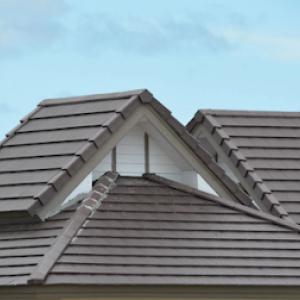
Protect your largest investment with our reliable roofing services. We are a locally owned and operated roofing company currently serving Blountville, TN and surrounding communities. If you want to make your roof last as long as possible, it is vital that you never put off a roof repair. Small issues with roofing become big issues in a hurry. No matter how major or minor the repair you need, we are here to help. We offer roof repairs, residential roofing, and commercial roofing.
Big M Roofing & Construction
1187 Sugar Hollow Dr, Bristol, Tennessee
3.0 from 2 reviews
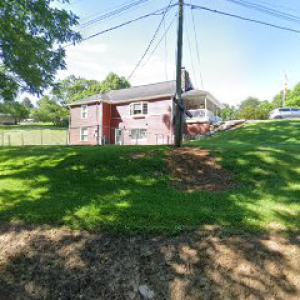
For a reliable roofing and construction company in Bristol, TN, look no further than Big M Roofing & Construction. For many years we have offered a wide variety of services including home remodeling, siding installation, roof repair and much more. We continually strive to offer our great services at rates that are affordable. For a great service in Bristol, TN, call on Big M Roofing & Construction.
JS Construction Roofing
(276) 206-8226 jsconstructionroofing.com
Serving
4.6 from 171 reviews
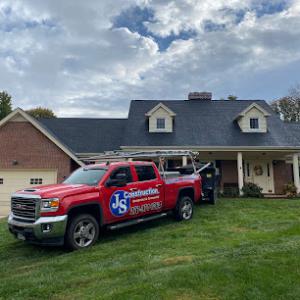
JS Construction Roofing is a family owned and operated business providing the highest quality roofing materials and services to Virginia, Tennessee and North Carolina homeowners and businesses since 2008
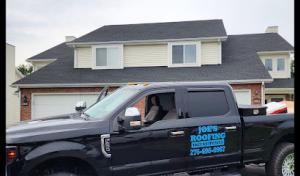
Joes Roofing
(276) 698-0967 www.joesroofingllc.com
Serving
4.9 from 104 reviews
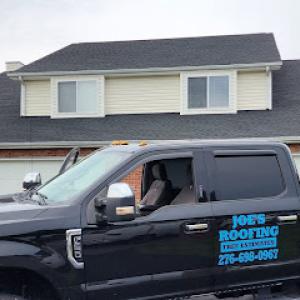
Protect your largest investment with our reliable roofing services. We are a locally owned and operated roofing company currently serving Bristol, VA and surrounding communities. If you want to make your roof last as long as possible, it is vital that you never put off a roof repair. Small issues with roofing become big issues in a hurry. No matter how major or minor the repair you need, we are here to help. We offer roofing contracting, roof installation, and roof repairs.
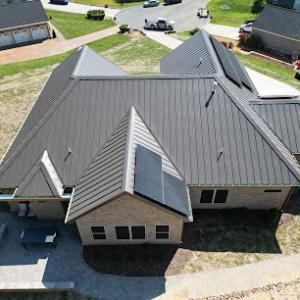
Palisade Roofing
(423) 549-2065 www.palisaderoofingtn.com
Serving
5.0 from 102 reviews
At Palisade Roofing, our commitment extends beyond exceptional roofing Bristol; it's about fostering lasting connections with our clients. We take pride in our community-driven ethos, infusing each project with a personalized touch that speaks volumes. Consider us your premier choice for roof replacement services. Beyond merely installing roofs, we create protective shields above your home, ensuring peace of mind and security for years to come. Our meticulous craftsmanship isn't just about nailing shingles; it's about safeguarding what matters most to you. To fortify your roof, contact us today for your complimentary inspection. Let's secure your home together.
Ritz Home Run Exteriors
(423) 765-7691 ritzhomerunexteriors.com
Serving
5.0 from 32 reviews
Ritz Home Run Exteriors is a family-owned contractor for exterior construction, specializing in residential roofing and gutters.

Speedy Pro Roofing Tri-Cities
(423) 251-8821 speedyproroofing.com
Serving
4.9 from 156 reviews
Looking for installation, repair, or general maintenance for your residential roofing needs? Look no further than Speedy Pro Roofing! Our certified roofers offer durable and reliable solutions that meet your style, timeline, and budget. With our Best Price and Never Roof Again guarantees, you can trust that you're making a sound investment for the future. Choose Speedy Pro Roofing for all your roofing needs and experience our commitment to speed, integrity, and quality. Service Offered: - Roof Inspections - Free Quote - Fixed Cost Proposal - Water Drainage Evaluation - Emergency Roof Repair - New Roof Installation - Gutter Repair and Installation - Metal Roof - Architectural Shingles - Lifetime Guarantee Your #1 Local Roofing Contractor.
OMNIA Roofing
(423) 589-1122 omniaroofing.com
Serving
4.8 from 92 reviews
Serving TN, NC, SC & VA! Omnia Roofing is a local, quality roofing installation, inspection, and repair service. We have over 20 years of roofing experience in residential and commercial roofing. We offer specialized services in metal roofing, shingles, standing seam, 5V, trapezoidal, flat roof rubber membrane roofing, gutters, and commercial-grade fluid applied roofing systems! We offer the finest products in our installations, including the AkzoNobel paint system on our metal roofing offerings. This comes with a LIFETIME warranty (10 year transferrable)! We would love to give you a free quote! Please give us a call and one of our staff will be glad to help you.
In Bristol, Alaska-level weather isn't the pattern, but the blend of year-round rain, freeze-thaw cycles, and late-spring hail on steep Appalachian slopes makes certain roof types work harder. Asphalt shingles and metal roofing dominate practical options for most hillside homes. Asphalt, with its broad compatibility and ease of repair, handles the wet conditions and variable sun exposure that come with tall, shaded rooflines. Metal roofing, meanwhile, offers standout durability against hail and wind and tends to shed water quickly, which matters on steep pitches. Tile and wood products show up selectively: tile can resist rain longer-term but weighs more and often carries higher maintenance needs in a constantly damp climate, while wood shingles or shakes demand more ongoing care to avoid moisture-related issues on air-heavy, hillside sites. On a Bristol hillside, those choices live and die by the house's frame, the roof's pitch, and the way water moves off the roof.
Older housing stock and varied rooflines are common in Appalachian border communities, and the way flashing integrates with chimneys, valleys, and additions matters more here than in flatter towns. When choosing materials, plan for robust flashing around transitions and for leak-first details when the roof wraps around dormers or expands to cover additions. Asphalt shingles provide a forgiving and repair-friendly option in lines where flashings meet a number of planes, but you still want a meticulous installer who treats chimney parging, step-flashing along sides, and valley linings as essential components, not afterthoughts. If metal is your pick, ensure the panels and seams are designed for the peak rain exposure and that edge details are reinforced to withstand wind-driven rain that can race along the slope. With tile or wood options, expect extra attention to underlayment, fastener patterns, and proper sealant around all penetrations to prevent winter moisture from seeping into attic spaces.
Heavy materials such as clay and concrete tile may require closer attention to structural capacity if used on older Bristol homes, especially when replacement involves any framing concerns. A common older-home scenario is a roof that originally carried lighter coverings but now needs reinforcement to safely bear heavier tiles. If the framing hasn't been upgraded, invest in a structural evaluation before committing to a heavy finish. Conversely, lighter options like asphalt or certain metal profiles pair well with older framing when you're balancing performance with the likelihood of future repairs. Ensure the attic and crawl spaces have adequate ventilation to handle the extra moisture that four-season weather brings, which, in turn, helps protect sheathing and rafters from warping or rot.
Storm-driven wear in the Bristol highlands means ongoing vigilance. Yearly inspections after winter and after late-spring hail events should focus on flashing performance, sealant integrity, and any signs of moisture intrusion around chimneys and at valley intersections. For hillside homes, debris from confluence trees and wind-driven rain can clog gutters quickly-keep them clear to prevent ice damming and water backup during freeze-thaw cycles. When choosing between materials for a retrofit, prioritize systems with serviceable flashing, proven wind resistance, and compatibility with a steep-pitch profile to optimize rain shedding and long-term performance in this climate.
In this region, spring and fall are the preferred seasons for roof work because these months tend to deliver dry, mild conditions ideal for a tear-off and installation. The milder temperatures help asphalt shingles seal properly and reduce the risk of premature adhesive issues on newer materials. Late-wade weather-after the heavy winter freeze and before the heat of July-gives crews a comfortable work rhythm and minimizes shingle handling fatigue. If a roof is nearing the end of its life, aim for a spring or fall project to align with these favorable windows.
Spring storms and heavy rains in this area can complicate scheduling and introduce moisture risks if decking is exposed during a wet stretch. If last spring's hail or pounding rain left granules washing away or exposed plywood, a proactive replacement during a dry window becomes more cost-effective and less prone to moisture-induced decking issues. Before committing to a tear-off, ensure the roofing crew can secure tarps or plastic to keep the underlayment dry during any unexpected showers. If a scheduled window gets rained out, it's wise to pause and pick up again when the forecasts show several consecutive dry days.
Summer brings higher heat and humidity, which can affect installation conditions, especially for shingles that rely on ambient warmth to seal. Winter introduces freezes that slow installation and can cause moisture in the attic to condense on colder days. These factors make weather windows more critical than in milder markets. If a roof is replaced in peak summer or mid-winter, plan for shaded work hours, extended cure times for sealants, and potential adjustments to the sequence of tear-off and deck repair. In practice, aim to start a project after a stretch of moderate temperatures and before the first sustained heat spikes or deep cold snaps.
Consider replacement if the roof shows several of these indicators: missing or curling shingles, significant granule loss in gutters, widespread curling or cupping of the shingles, widespread leaks or widespread interior attic staining after rain, or persistent ice damming in late winter. If there are multiple periods of small leaks that recur after repair, the structural deck may be compromised, signaling a replacement rather than another patch.
Coordinate with a roofing crew to secure a dry stretch in spring or fall, and have a contingency plan for brief rain delays. Ensure attic ventilation is addressed to avoid condensation during a tear-off. For late-spring or early-summer projects, schedule early-morning starts to beat the heat and plan on longer cure times for critical sealants. When in doubt, an on-site inspection by a trusted local roofer can confirm whether a full replacement or targeted repairs are the appropriate course of action.
Get a clear picture of your project costs upfront - no commitment required.

Local replacement costs should be framed around the provided per-square ranges for asphalt shingles, metal, clay tile, concrete tile, wood shingles or shakes, and synthetic or composite shingles. In practice, asphalt shingles sit at the lower end, typically 350 to 700 USD per square, while metal roofs run higher, roughly 600 to 1100 USD per square. If clay or concrete tiles are the choice, plan for 900 to 1800 USD per square for clay and 800 to 1500 USD per square for concrete. Wood shingles or shakes usually land around 450 to 900 USD per square, and synthetic or composite shingles fall in the 400 to 850 USD per square range. These figures reflect ongoing year-round weather exposure in the highland setting, where storms and freeze-thaw cycles push the need for durable, weather-ready systems.
In Bristol, project cost can rise when storm periods compress contractor availability in the preferred spring and fall work windows. If a hail-laden late spring or a wet autumn delays access to crews, you may see bid competition tighten and scheduling squeeze costs upward. Plan ahead by lining up a trusted contractor well before those windows, so bidding stays competitive and material price shocks don't hit the final invoice.
Costs can also increase on older homes with complex roof geometry, chimney flashing, or any structural work that triggers added review beyond a standard replacement. Peculiar roof angles, multiple valleys, or a chimney offset can demand extra flashing detail, additional underlayment, or custom edge detailing. These nuances frequently occur on Bristol homes that settled into steep, irregular shapes after decades of weather exposure. When such features exist, be prepared for higher labor hours, more materials, and a longer project timeline.
Begin with a material decision tied to long-term weather resilience-especially for year-round rain and freeze-thaw cycles. Get at least three detailed, written estimates that show line items for underlayment, flashing, and ventilation. Ask contractors to document how they will address storm-season access and any anticipated extra work from complex roof geometry. Having this transparency helps keep the replacement within the material-range expectations while accommodating Bristol's specific climate and housing stock.
Don't let upfront costs delay a critical repair - these contractors offer payment plans to fit your budget.
In Bristol, a building permit is typically required for a full roof replacement through the City of Bristol Building Department. That permit helps ensure the work meets local codes, drainage considerations, attic ventilation, and proper flashing at valleys and chimneys, which is especially important given the year-round rain and frequent freeze-thaw cycles in the highlands. The responsibility for obtaining the permit usually falls to the contractor, but a homeowner can also apply directly if preferred. It is common for the project to be recorded with the city so that future inspections and any necessary follow-ups are traceable. Before starting, confirm which documents the department will need: a project scope, ventilation details, and a roof plan showing eave overhangs, ridge lines, and attic access. If the plan involves any changes to the structure or to load paths, a permit office reviewer will request more detail. Keep a copy of the permit number and inspector contact information on site for quick reference.
Inspections are scheduled during and after the job to verify installation details such as ventilation and flashing. A typical sequence includes an initial inspection to confirm shingles are compatible with the existing roof decking and underlayment, followed by mid-project checks as framing or decking work progresses, and a final inspection once the purge of debris is complete and all penetrations are properly sealed. In areas with pronounced freeze-thaw patterns and heavy spring hail risk, inspectors pay close attention to roof ventilation, attic insulation continuity, and the integrity of drip edges and valley flashings. If nails or fasteners show signs of improper spacing, corrosion, or inadequate embedding, the inspector will require corrections before the project can proceed to final approval. It is common for inspectors to request proof that attic vents remain clear of obstructions and that soffit vents are unobstructed so air can circulate, which helps prevent ice damming and moisture buildup after storms.
If the Bristol project includes structural work rather than a straightforward re-roof, additional review steps may be required before final approval. This can include assessment of new load paths, reinforcement of roof edges, or confirmation that sheathing and fascia framing can support upgrade choices. Structural work may trigger a more detailed plan review and possibly the involvement of a structural engineer. In such cases, allow extra lead time for plan reviews and any required revisions. Coordinate with the contractor to stage inspections so weather events don't delay critical milestones, especially after late-spring hail, which can uncover hidden damage that affects ventilation and flashing integrity. Maintain open lines of communication with both the contractor and the Building Department so the process remains transparent and aligned with local codes.
For Bristol homeowners, claims commonly depend on documenting storm-related damage with photos, roof age information, and a licensed contractor's assessment after hail or wind-driven rain events. When a storm bends a rule or reveals new wear mid-season, a clear, dated trail of evidence helps ensure the claim reflects actual damage rather than guesswork. Photos should capture both the overall roof and close-ups of shingles, flashing, and fascia, with dates and weather notes where possible.
Virginia carriers can vary in how they handle older roofs, so Bristol homeowners need to confirm whether their policy pays full replacement cost or applies age-related limitations. This can influence the timing of a repair or replacement, especially after a late-spring hail event that might expose preexisting vulnerabilities. The slower or more conservative adjuster approach common in markets with varied roof ages can create friction if the roof is near or beyond its expected life.
Adjusters in this market may ask for a detailed scope of work and replacement estimate, which matters when late-spring hail reveals damage that was not obvious before. Having a licensed contractor's assessment on hand provides a credible, objective reference for the scope, materials, and workmanship required. A well-documented file reduces back-and-forth and helps protect against unpaid or disputed items later in the process.
In practice, plan ahead for the claim sequence after a storm: take fresh photos right after the event, note wind directions and hail sizes if known, and gather any prior roof records or maintenance logs. If possible, secure a written assessment from a contractor who can describe the extent of damage, needed replacements, and anticipated life left on the current roof. Avoid relying on memory alone, since memory can fade once the paperwork trail is reviewed by an insurer.
The local contractor mix shows a clear preference for affordable re-roofing with cleanup included, signaling that homeowners want straightforward replacements and tidy jobsites. In a raised Appalachian climate with year-round rain and freeze-thaw cycles, a crew that prioritizes cleanup reduces the chance of stray nails and debris causing leaks after a heavy storm. A Bristol crew that arranges debris removal as part of the project reduces the risk of wind-driven debris blowing into gutters or into neighboring yards.
Fast response is a visible hiring factor in this area, especially when a heavy rain event leaves a fresh leak. Seek a crew that can schedule a temporary tarp or quick seal to stop active leaks while materials are on the way. Response time matters more here than depth of craft alone, because a delayed fix can worsen interior damage through a lingering rain episode or a late-spring hail event. Ask about typical turnaround after storm damage and how they manage urgent repairs.
Family-owned, locally owned, and long-established companies are part of the landscape, so weighing local credibility is natural. Look for a three-way check: neighborhood references, a verifiable history in Bristol, and a demonstrable track record with similar roof styles found on nearby homes. A crew that has endured local weather patterns over decades often knows the best underlayment and fasteners for steep, rain-soaked slopes.
Discuss workmanship warranties, coverage for leaks, and what conditions void a warranty. In this high-rain, freeze-thaw area, including hail, you want a contractor who can stand behind repairs for multiple seasons and who clearly outlines how they handle warranty claims if a leak develops after a storm. A straightforward written agreement helps prevent miscommunication when moisture returns.
Before committing, confirm licensing or registration as applicable, confirm who will be on-site during removal and installation, and request a detailed schedule with start and end dates. Verify that cleanup is included and that the crew will perform a thorough nail patrol and debris removal at project completion. This final step prevents slow leaks from hidden nails after rain storms.