
Last updated: Apr 19, 2026
Nestled at roughly 2,000 feet in Montgomery County, this area sees cooler winters and more freeze-thaw cycles than lower parts of Virginia. The Blue Ridge and the Eastern Continental Divide contribute mountain-influenced shifts, bringing snow, sleet, and cold rain in the same season. For a roof, that translates to a simple premise: during winter, drainage must stay reliable even as temperatures swing above and below freezing. Daytime melt water can refreeze overnight, turning small drainage issues into leak points at eaves, valleys, and around penetrations if water isn't shed quickly and effectively.
In this climate, the first priority is robust drainage performance on a sloped roof. Ensure your system promotes rapid water runoff at the rake and along the eaves, with a clear path for meltwater to reach gutters and downspouts. Pay attention to the valley configurations common in mountain homes, since those areas are prone to ice dam formation if water backs up. Gutter alignment should minimize splash-back onto soffits, and downspouts need to carry runoff away from the foundation, especially on homes perched on slope where drainage patterns differ from flat parcels. During installation or replacement, favor roof geometries and flashing details that keep water moving toward the gutters even when debris slows the flow.
The cold-season reality in Christiansburg means you want materials that resist cracking and maintain seal integrity after repeated freeze-thaw cycles. If selecting shingles or panels, consider products with proven performance in freeze-thaw-prone climates and with nail patterns or fasteners that hold through temperature shifts. In snow-prone zones, roof membranes or underlayments should provide a secondary line of defense beneath the visible covering, especially at eaves and penetrations where ice dams first threaten. For metal roofs, a standing-seam or composite panel system with integrated seals helps shed snow load while resisting wind-driven water intrusion during late-season storms. If slate or tile is under consideration, confirm the substrate and fastener schedule account for this elevation and the potential for freeze-thaw stress without sacrificing drainage.
These features are the typical trouble spots after a thaw-cycle day. Eaves need a continuous, unobstructed path for water to flow into gutters. Valleys should be properly flashed with a durable, weather-tight transition that remains behind ice forming along the roof edge. Chimneys, vent pipes, and skylights require robust flashing designed to resist ice back-up and wind-driven rain. Pay particular attention to any flat or low-slope areas where water can pond briefly; even small areas of ponding can become leak points when refreezing occurs. Ensure joints between materials are sealed with products rated for cold-weather performance.
Seasonal checks are essential in this mountain climate. After heavy storms or winter thaws, inspect for loose shingles, lifted flashing, or clogged gutters. Confirm that snow guards or snow-retention devices are in place if the roof experiences persistent snow buildup, but avoid devices that create additional drip points or ice-bridge formations along the eaves. When inspecting, look for evidence of attic condensation or poor ventilation that could accelerate ice dam formation. A well-ventilated attic, with a balanced intake and exhaust, reduces the warm-air buildup that worsens thaw-induced damage. In homes with slate, tile, or metal, verify that the edge detailing remains sound, since edge failures often precede interior leaks during rapid freeze-thaw cycles. All told, the goal is predictable water shedding through mid-winter thaws and clean, continuous drainage through the shoulder seasons.
Winter in the Blue Ridge foothills hits differently than coastal or southern regions. For you, the priority stress on the roof comes from mountain cold snaps, rapid freeze-thaw cycles, and heavy snow events that drive ice into the fascia and gutters. Ice forming at gutters and eaves creates a dangerous back-up: meltwater can back up under shingles, launching a cascade of leaks that run unseen along rafter tails and into soffits. This isn't just a cosmetic issue-if ice dams persist, they push water under the roof deck, rot flashing joints, and threaten insulation and interior ceilings. The risk is highest where attic temperatures are uneven, and where heat above the living spaces sneaks into the attic more than it should.
Neighborhoods with mature trees and shaded roof planes can hold snow and ice much longer, especially on north-facing slopes common in hilly New River Valley subdivisions. You'll see thicker ice along overhangs and under gutter lines in these homes. On sun-starved surfaces, the freeze-thaw cycle can start early and linger, turning once-tiny icicles into stubborn dams that block eaves ventilation. If your roof has a long, shaded run or a valley that collects drifting snow, you'll notice ice "pockets" forming where moisture is forced to shed slowly. This is where damage can accumulate before you even spot a wet spot inside.
Christiansburg's emphasis on attic airflow and flashing integrity isn't a bureaucratic formality-it's a practical line of defense against ice dams. Poor attic ventilation lets warm attic air rise and heat the roof deck unevenly, creating warm spots that melt snow at the eaves while still freezing higher up. That differential drives ice dam formation. If flashing around chimneys, vents, dormers, and skylights isn't integrated with proper ventilation, meltwater will follow those seams into the attic system. You should routinely inspect for gaps, failed sealant, and any rust or movement in metal flashing that could invite water ingress during thaw cycles.
Walk along gutter lines after a snowfall and during sunny thaw days. Look for peeling shingles at the eaves, gaps in flashing, and any frost buildup that lingers along the roof edge. Inspect soffits for moisture stains or peeling paint-these signal attic condensation issues that feed ice dam risk. If you notice roof areas holding snow unusually long or forming heavy ice shelves at the eaves, plan a proactive approach: improve attic airflow with balanced soffit and ridge ventilation, and address flashing joints where two roof planes meet. In single-story or low-slope sections, consider targeted insulation upgrades in the attic to reduce heat loss that weakens the roof's own defenses against meltwater. Time is of the essence when you see ice forming at gutters-address it before it migrates into shingles and into living spaces.
Spring in this mountain climate brings thunderstorms that can drop hail and whip up sudden wind without the long-range forecast you might expect from coastal or plain-country storms. The up-and-down temperatures of the Blue Ridge foothills mean shingles, metal, and even tile can take different hits over a single event. Local roofs often show a patchwork pattern after a strong afternoon storm: a few hail dents here, a lifted shingle edge there, and perhaps a ladder of granule loss along the rake and valleys. If your roof shows any of these signs post-storm, treat it as potentially material damage worth a professional look, especially if the rest of the house didn't suffer comparable impact-small, localized damage can still drive a big insurance decision.
Because damage can be highly localized in the New River Valley, homeowners often need date-stamped photos and a professional roof assessment to show that a Christiansburg storm actually affected their property. Start with clear, timestamped images from multiple angles: the roof surface, any visible penetrations, and the perimeter drainage paths. Capture close-ups of curled, missing, or cracked shingles, along with any dented metal edges or compromised flashing. A post-storm assessment from a licensed roofer is especially persuasive when there is a question of whether damage existed before the event or was aggravated by wind-driven debris. Document nearby trees or limbs that could have contributed to impact, noting the specific storm date and local weather report corroboration.
Virginia claim handling rules matter here because insurers commonly ask for roof age, prior repair history, and clear documentation after weather events rather than approving replacement based on age alone. If a claim is filed, expect questions about when the roof was last maintained, what repairs were performed, and whether prior damage has been fully addressed. Independent assessments carry weight: a professional camera-ready report with annotated photos, measurements, and a written explanation of wind/post-storm effects helps establish causation. Keep a file of communication with the insurer, including dates of storms, the dollars promised versus dollars paid, and any adjustments proposed by the adjuster. In this climate, proving that a particular spring event caused a noticeable deterioration requires careful, dated evidence.
Start with a simple storm-resistance check: look for missing granules on asphalt shingles, lifted edges along hips and ridges, and any failed sealant around vents and valleys. For metal roofs, note any paint chipping, panel deformation, or seam leaks; these flaws often line up with hail exposure. If damage is found, arrange a same-season roof assessment with a local roofer who understands the mountain drainage patterns and how water flow should behave on angled surfaces. A clear plan-photos, professional assessment, and a well-documented storm timeline-helps prevent a drawn-out process and clarifies whether a claim should proceed based on actual storm-related damage.
Asphalt shingles remain the practical default on many homes in this mountain climate. In summer, mountain UV exposure can fade and stress the edges of lower-grade products, so choosing a mid-range or better shingle helps resist sun damage over time. In winter, freeze-thaw cycles test the integrity of the surface, especially on shingles with thin or compromised granules. For a house with a modest slope and traditional framing, a quality architectural asphalt shingle offers a good balance of ease of installation, repairability, and wind resistance. When you plan a replacement, prioritize thicker, granule-loaded options and verify a binding warranty that covers heat- and freeze-related wear. If a roof faces strong westerly sun or high elevations nearby, extra attention to edge and ridge flashing will reduce edge curling and wind uplift.
Metal stands out for slip-free snow shed and reliable performance on steeper rooflines common to many Southwest Virginia homes. In this climate, metal's narrow panel profile and fast installation make it a solid choice for a roof with a pronounced pitch, where snow can move off quickly and drainage remains critical. A standing-seam system tends to perform best in freeze-thaw conditions because it minimizes open seams where ice can form. When evaluating metal, look for coatings that resist chalking and fading, and ensure the roof is sealed thoroughly at vents and penetrations to prevent ice dam-related leaks. For homes with multiple dormers or complex geometry, a well-designed metal layout reduces the number of seams tucked into valleys, which helps with water control during thaw cycles.
Clay and concrete tile are less common choices in this area because their weight and brittleness introduce structure and winter-performance questions. Heavy tiles demand a capable supporting structure, and freeze-thaw can cause tiles to crack if water penetrates the facial edges and freeze cycles. In a home with marginal attic insulation or limited rooftop support, tile installation can become problematic during heavy snows. If clay or concrete tile is being considered, a full structural assessment and a proven underlayment system are essential. For homeowners with existing tile on a sloped roof or near shade pockets, plan for targeted repairs to cracked tiles after winter storms to maintain drainage and minimize ice accumulation in valleys.
Across all material choices, drainage performance matters more than coastal or flat-slope concerns. In Christiansburg's mountain climate, snow tends to linger in steeper sections, while thaw cycles push meltwater toward eaves and valleys. Prioritize a roof with well-graded slopes, clean gutters, and properly spaced downspouts that channel water away from the foundation. Valleys and corners deserve extra attention during maintenance so ice dams don't form along eave lines. Consider upgrading underlayment and flashing in high-wall or high-wind areas to improve long-term performance under repeated freeze-thaw events. A sound drainage strategy reduces the risk of leaks and helps any chosen material reach its expected life in this climate.
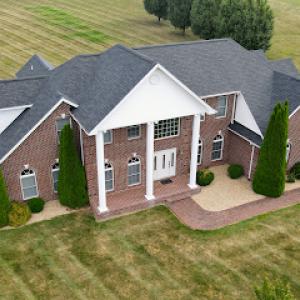
Modern Day Roofing
(540) 553-6007 moderndayroof.com
80 College St R, Christiansburg, Virginia
5.0 from 225 reviews
Our company prides ourselves on customer satisfaction as that is always our goal. We aim to exceed each customers expectation, with our experience and expertise, we can guarantee your overall satisfaction as we value each job from punctuality to affordability. Give us a call today & we'll assure you've made the right decision by doing so! We're not happy until you are!
Crockett Home Improvement
(540) 382-8747 crocketthomeimp.com
1255 Radford St, Christiansburg, Virginia
5.0 from 114 reviews
Experience… Quality… Customer Satisfaction… At Crockett Home Improvement, we specialize in quality home renovation and repair services in Christiansburg, VA, and surrounding areas. From roofing and siding to bathroom remodeling, deck construction, and home additions, we are committed to exceptional craftsmanship and superior customer service. Serving Christiansburg and nearby communities like Montgomery, Pulaski, and Roanoke, we work closely with you to enhance your home’s beauty, functionality, and value. Our process is simple and stress-free, offering free, no-obligation estimates and personalized solutions. Contact us today to bring your dream home to life!

Dave’s Home Experts & Roofing
(540) 392-3800 www.daveshomeimp.com
Christiansburg, VA
4.8 from 26 reviews
DAVE’S- ROOFING Class A; Licensed and Insured Providing Quality Service to the NRV, with over 30 years of experience Dave’s was opened up with one thing in mind, CUSTOMER SATISFACTION.
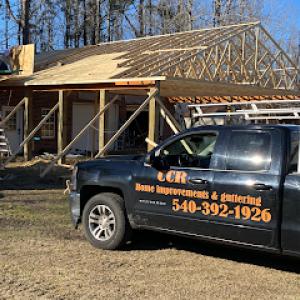
CCR Home Improvements - Roofing, Guttering & Siding
240 Lucas St NE, Christiansburg, Virginia
4.3 from 38 reviews
Ccr home improvements also offers all types of home improvement needs such as gutters gutter repair gutter cleaning and whitening remodeling drywall kitchens and baths painting (interior exterior) pressure washing ground up framing garages homes out building's additions sun rooms log homes concrete pads sidewalks land clearing gravel driveway install are repairs water drainage issues culverts and replacement windows roofing siding custom cabinets book shelves handyman service and house cleaning we also offer free estimates give us a call know for your free estimate
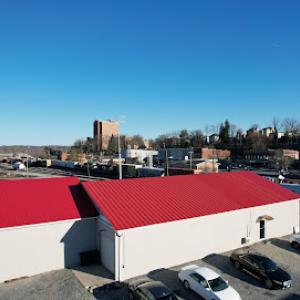
Blue Ridge Roofing & Home Improvement
Serving
4.8 from 56 reviews
Established in 2007, Blue Ridge Roofing & Home Improvement has served the New River Valley and surrounding areas for over 15 years. We specialize in a variety of exterior home improvement projects, including shingle and metal roof installation and repair, gutter systems, siding, decks, and window installation. From minor repairs to complete renovations, our team of experienced professionals provides quality craftsmanship and personalized service. Call us for a FREE estimate today.
Henderson Roofing
(540) 552-8259 hendersonroofingva.com
Serving
5.0 from 9 reviews
Family owned and operated roofing company since 1994. We offer both residential and commercial roofing. We believe in providing the highest quality workmanship at the lowest possible price. We pay attention to detail & stand behind all of our work.
Roof Replacement Solutions
(855) 537-3682 roofreplacementsolutions.com
Serving
5.0 from 7 reviews
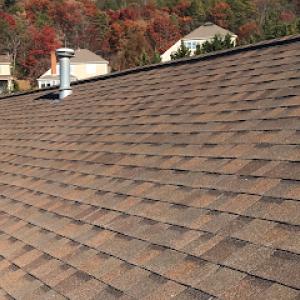
If you're looking for a roofing contractor in the Roanoke, Virginia area, you've come to the right place! At Roof Replacement Solutions, we can help you with roofing repair or replacement, roof cleaning, and even repairs of roof damage caused by rain, wind, or hail. We also offer services for gutters and downspouts, including repair and replacement, as well as gutter guard installation. All of our roofing installations come with a five-year no-leak warranty for workmanship, as well as a lifetime shingle warranty, and we are a HAAG certified roofing inspector. To learn more or request a quote, please contact us today!
Red Patch Roofing & Contracting
(610) 587-2709 redpatchroofing.com
Serving
4.9 from 31 reviews
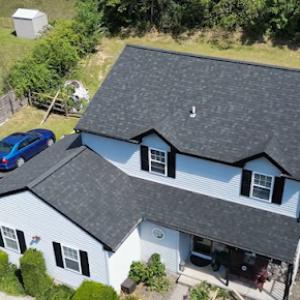
Red Patch Roofing & Contracting, LLC is a veteran-owned roofing company based in Leesport, Pennsylvania, providing expert residential roof replacements and repairs. We specialize in asphalt shingle installation and take pride in delivering honest service, clear communication, and professional craftsmanship on every job. Our team serves homeowners across southeastern Pennsylvania, including Berks, Lancaster, and surrounding areas. PA HIC #PA200867 | Fully Licensed & Insured
Commonwealth Roofing Specialists
(540) 988-4888 www.commonwealthroofingllc.com
Serving
4.9 from 239 reviews
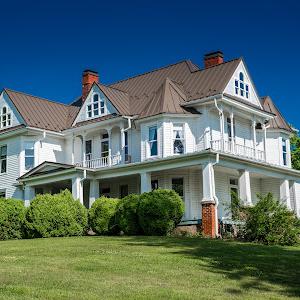
Commonwealth Roofing Specialists, LLC, established in 2011, serves Roanoke and surrounding areas. Your premier roofing experts specialize in residential and commercial roofing. With a wide range of roofing services including free roof inspections, free estimates, metal roofs, re-roofs, siding, emergency storm repairs, skylights, gutter installs/repairs and much more! We are a CertainTeed SELECT ShingleMaster and are A+ rated contractor with Better Business Bureau! Fully licensed, bonded and insured, we offer a 10-year workmanship warranty on all our fully installed roofs to ensure our quality work and customer satisfaction for years down the road!
Clear Choice Exteriors
(540) 206-9026 www.clearchoiceexterior.com
Serving
4.9 from 109 reviews
Clear Choice Exteriors is an experienced roofing company providing Roanoke area homeowners with high-quality repairs and replacements for their home's roof. We have over a decade of experience as contractor, holding ourselves to the highest standards of quality in everything we do.
IBC Roofing Roanoke
(540) 358-3058 www.ibcroanoke.com
Serving
4.9 from 61 reviews
As a leading family-owned business in the Roanoke area, IBC Roofing specializes in professional and dependable roofing services. Their experienced team is committed to excellence, handling everything from minor repairs to complete roof replacements with unparalleled skill. They focus on quality craftsmanship and attention to detail, ensuring every project is executed to perfection. Trust IBC Roofing for all your residential and commercial roofing needs, where their dedication to exceptional results guarantees your roof receives the best possible care.
Southern Roofing & Restoration
(540) 263-0300 www.southernroofingandrestoration.com
Serving
5.0 from 22 reviews
Southern Roofing and Restoration is a GAF Master Elite certified roofing company located in Southern Virginia. We offer high-quality roofing services, including repairs and installations, using only the best materials available. With a commitment to excellence and a reputation for providing exceptional service, Southern Roofing and Restoration is the go-to choice for all your roofing needs.
When planning a roof replacement or repairs, you'll see these local ranges reflected in bids: Asphalt Shingles 350-800 USD per square, Metal Roofing 700-1600, Clay Tile 1200-2400, Concrete Tile 900-1800, Wood Shingles/Shakes 600-1100, Synthetic/Composite Shingles 450-1000. In practice, most detached homes in the area land somewhere in the middle of that spread, with actual quotes moving up or down based on roof complexity and the pace of work. Costs in Christiansburg can rise after spring storm clusters because the New River Valley has a smaller contractor pool than major Virginia metros, which can tighten scheduling and labor availability.
Steeper roof pitches, chimney flashing, and cut-up rooflines found on many local detached homes can push pricing upward even when material choice stays the same. If your home has multiple valleys, dormers, or a steep slope to access the ridge, expect crews to spend more time on details like ice and water barriers, proper flashing around chimneys, and careful shingle alignment. The same materials can end up costing more simply because the work requires more surface handling, more edge trimming, or longer ladder and safety setup.
Spring storm clusters in this region tend to compress schedules and tighten crews. If you're bidding right after a major round of storms, plan for possible delays and a higher likelihood of contractor backlog. Conversely, if you can stage the project for a lull in demand, you may secure a tighter window and more consistent labor. budgeting a small cushion for delays is prudent, especially if you're coordinating with other exterior work and access issues.
Flooding drainage and freeze-thaw cycles are real concerns with sloped roofs here. Ensure bids account for adequate attic venting and insulation to minimize ice dam risk, especially on steeper pitches. Gutters and downspouts should be integrated into the plan to handle snow melt effectively; improper drainage can negate good flashing work. If your roof line is cut-up or intersects with a chimney, insist on a detailed plan for shingle installation, drip edge, and kick-out flashing to prevent leaks during rapid thaw cycles.
For climate resilience and value, asphalt shingles remain common for retrofit projects, but metal can offer longer life and better drainage on steep slopes. Clay or concrete tiles bring durability but add weight and installation complexity in our terrain; expect higher per-square costs. Wood shakes offer character but require more maintenance in freeze-thaw conditions. Synthetic/composite shingles can strike a balance between cost and performance, especially where complex roof geometry is a factor.
A full roof replacement in this area typically requires a building permit through the Town of Christiansburg Building Department. Before any shingle, metal, or tile work begins, verify that the permit is pulled in your name and that the project scope matches the planned materials and ventilation strategy. The town expects you to follow standard construction practices that hold up to the winter freeze-thaw cycles and occasional snow in the mountains, so plan reviews will focus on structural integrity and moisture control as part of the permit review.
For standard re-roofing with substitute materials, plan review is generally straightforward, but the town still expects the project to meet installation, flashing, and ventilation requirements. Materials chosen should align with local climate realities-adequate underlayment, properly lapped flashing at valleys and chimney connections, and a vented roof deck to manage condensation during rapid temperature swings. The Building Department looks for details showing that drainage remains effective and that roof penetrations are sealed to resist wind-driven rain and ice damming along the eaves and overhangs.
Town inspections are conducted during the project and again at completion, with attention to proper flashing, ventilation, and overall installation before final approval. Expect inspectors to verify that soffit and ridge ventilation is continuous, that flashing around skylights, vents, and chimneys is sealed and integrated with chosen materials, and that fastener patterns meet the chosen product's warranty requirements. If deviations occur, be prepared to address them promptly, as winter conditions can amplify small gaps into larger moisture issues.
Coordinate timing with the Building Department to avoid weather-driven delays, especially when freeze-thaw cycles are imminent. Have all product data, installation manuals, and venting calculations ready for review, and ensure crew members are trained on the specific permit conditions. Clear a safe path for inspections, and keep access to eaves and soffits free of obstruction to allow inspectors to verify drainage and ventilation performance before final approval.
In this mountain town, the insurance decision process is not driven by hurricane inspections. Instead, hail, wind, fallen limbs, and winter-related leaks tied to specific weather events steer coverage decisions. That reality means proactive documentation after each storm matters more than ever, especially for roofs exposed to upslope snow, freeze-thaw cycles, and strong mountain thunderstorms.
Keep a simple, organized file that includes the roof age, any prior replacements, and clear post-storm photos. Virginia insurers commonly request documentation before confirming the scope of coverage, so having dated pictures from different angles helps. After a storm, take wide exterior shots of the entire roof, then close-ups of suspected problem areas-shingle lifting, bruising, granule loss, flashing movement, and any new or widened gaps around vents and chimneys. Record the date, weather conditions, and the observed damage with notes you can share with an adjuster.
A professional roof assessment is especially useful when damage is subtle or multi-faceted, such as granule loss or minor bruising that doesn't look dramatic from the ground. In Christiansburg, storm-induced issues often show up after a thunderstorm with rapid temperature swings, so a licensed roofer's report can confirm whether those signs indicate isolated wear or broader leak risk. Have the assessor document shingle condition, flashing integrity, gutters and drainage alignment, and any evidence of stress from wind or ice damming.
When you file a claim, supply the dated photos, the roof-age record, and the professional assessment in one cohesive packet. Include a brief timeline of events since the last major weather event and note any previous repairs that relate to the current condition. Clear visuals and a concise narrative help insurers quickly align coverage with the actual damage observed on the mountain roof.
Christiansburg neighborhoods with established deciduous trees face a real fall maintenance issue: leaf buildup in valleys and gutters can trap moisture before winter freeze events. When leaves collect in low spots and along the eaves, water slows, freezes, and creates ice pockets that push against shingles and underlayment. This is especially true on roofs with pronounced valleys where debris concentrates.
On sloped roofs common around quiet, tree-lined streets, valleys act like natural drainways. In autumn, a dense leaf layer can block those channels, forcing runoff to find alternate routes. That redirected flow can dive over rakes and eaves, accelerating wear at vulnerable seams and flashing. In damp patches, the risk of ice dam formation rises as meltwater refreezes at the eave line.
Shaded roof sections in this part of Montgomery County tend to stay damp longer, which can hide wear and accelerate localized deterioration compared with sunnier exposures. Moss and algae often grow where shade lingers, softly lifting shingles and loosening fasteners over time. This quiet damage reduces the roof's ability to shed snow and ice efficiently during cold snaps.
Homeowners often worry less about salt air or desert heat here and more about branches, moss-prone shade, and clogged drainage around wooded lots. Regular inspection after leaf drop matters: check valleys, gutters, downspouts, and any spots where branches brush the roof. Addressing small issues early prevents bigger problems once winter weather arrives.
A practical plan focuses on constant, mindful upkeep: remove leaves from valleys and gutters in late fall, verify drainage paths, and trim overhanging limbs that hover above critical eaves. By staying proactive, you reduce moisture retention and the cascade of damage that damp, shaded roofs can invite through the winter months.