
Last updated: Apr 19, 2026
Fond du Lac experiences cold, snowy winters that make ice dams and repeated freeze-thaw cycling a primary roof-life issue. Snow that sits and melts from solar gain or attic heat refreezes at the eaves, forming ice barriers that drive water back under shingles and into soffits or ceilings. When temperatures swing from above freezing to well below, that cycle accelerates roof wear and shortens the life of flashing, underlayment, and the attic seal. Snow loads compound the stress on rafters and ridge lines, especially on aging or shallow-pitched roofs common in our housing stock. If you hear icicles banging on gutters or notice damp spots that appear after thaw cycles, that's a sign to act-before an interior leak or widespread deck damage shows up.
Local re-roof inspections commonly focus on whether ice and water shield is installed where applicable, reflecting winter leak risk in this market. In practical terms, a winter-ready roof means more than just new shingles; it means a continuous barrier at the eaves and penetrations to resist meltwater that refreezes at the edge. For homes with existing ice dams, expect checks on missing or compromised ice barriers, seal around flashing at chimneys and vents, and the alignment of drip edges with gutter systems. In this climate, venting and insulation take on new urgency: a well-vented attic or a well-sealed ceiling prevents warm roof issues that feed the very ice dam formation you're trying to avoid. If work is planned in late fall or winter, contractors will evaluate how underlayment handles cold installation and how sealing compounds perform when temperatures dip.
Scheduling winter roof work in Fond du Lac can be disrupted by snow cover and temperature swings that affect underlayment handling and sealing. When a warm spell hits, ice dams can thaw rapidly, and crews need steady temperatures to lay down self-adhering ice barriers properly. If the forecast calls for a day or two of above-freezing mornings followed by dipping temps, plan only essential cut-in work that benefits from temporary heat and wind protection. Expect contingencies for snow removal, safety harnessing on slick surfaces, and the need to pause work during heavy snowfall or prolonged subfreezing spells. Communicate with the contractor about preferred install windows that minimize exposure of vulnerable underlayment and flashing to repeated freeze-thaw cycles. In this market, a proactive approach-preseason planning for ice shield placement, vent check, and sealant readiness-yields the most durable results when February swings return.
Thunderstorms rolling off Lake Winnebago can slam Fond du Lac skies with quick, ferocious gusts. Shingle damage from wind becomes visible in moments-lifted corners, curled edges, and granule loss that looks like sandy snow at the edge of gutters. If a storm hits, you might notice sudden leaks after hours of heavy rain, even if the rest of the roof seemed fine yesterday. Pay attention to attic or ceiling staining, musty odors, and daylight showing through from the attic hatch-these are red flags that wind-driven damage has created a path for water. In this climate, the risk isn't just one event; it's a pattern of rapid freeze-thaw and recurring wind pulses that can expose shingles to premature wear. Acting quickly when you spot damage can limit interior damage and reduce the chance of a second wave of leaks when the next storm moves through.
Fall is a tricky window in this area. Wind storms arrive with debris that can clog gutters, loosen flashing, or strike the roof with branches and fencing material. When scheduling repairs or a replacement, crews need to contend with seasonal debris, sunset-early work schedules, and the variable accessibility of driveways after a storm. Your neighbor's tree line and the way your roof meets the alley can influence how a contractor approaches the job safely. Plan for contingencies: secure loose yard items, clear the path to the roof, and designate a clear staging zone for drop cloths and materials. If you anticipate a storm or a late-season repair, coordinate timing to avoid overnight exposure during wind events and heavy rain, which complicate access and raise the risk of injury.
Insurers handling hail or wind claims in this area expect a clear storm timeline, dated photographs, and specific references to damaged areas tied to a defined event. After a storm, take wide shots of the entire roof, then close-ups of any lifted shingles, damaged flashing, or granule loss. Note the exact date and time of the storm, track the winds if possible, and identify where leaks occur inside the home. Store these images with the corresponding room and ceiling location labeled for easy reference. When contacting a contractor, describe the wind event, point to the damaged sections on the photos, and ask for a temporary tarp or board cover if rain is imminent. Temporary measures can prevent additional interior damage while waiting for a full repair window. Ensure workers use proper fall protection, work with stable ground, and keep a clean, clearly marked path to the roof so debris won't create new hazards. In Fond du Lac, alignment between the storm narrative, the photo evidence, and the repair plan is the fastest route to a smoother claim process and a timely fix that stands up to the climate's rigors.
Find local contractors experienced in assessing and restoring roofs after hail, wind, and severe weather events.
A & C Exteriors
(920) 933-7408 www.aandcexteriors.com
Serving
5.0 from 48 reviews
Protect your home with a new roof from A & C Exteriors. With 45 years of combined experience, our team is the one to call for roofing repairs, upgrades, and new construction. Serving Fond du Lac, WI, and the surrounding areas.
Allied Contracting
(920) 948-2528 alliedcontractingwi.com
Serving
5.0 from 47 reviews
Allied Contracting offers roof installation, repair, and maintenance plans in Fond du Lac, WI. Call our roofing contractor today for a free estimate!
LakeView Roofing Systems
(920) 948-1434 lakeviewroofingsystems.com
Serving
5.0 from 7 reviews
Certified and Licensed contractor with over 15 years of roofing experience, supporting Fond du Lac, WI and surrounding areas.
Kottke Construction
(920) 979-9024 www.kottkeconstruction.com
Serving
4.5 from 20 reviews
Kottke Construction is a residential & commercial Roofing Contractor based in Fond du Lac, WI. Locally owned and operated, we have built a great reputation for providing top quality roofing service.
Jerry Tighe Roofing
Serving
4.2 from 5 reviews
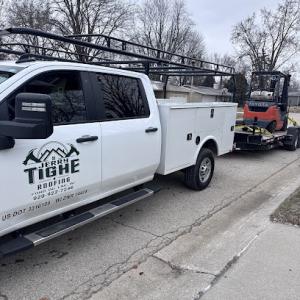
For over five decades, Jerry Tighe Roofing has been a family-owned and operated third-generation company. Fully insured and Owens Corning Certified, their pride in serving the Fond du Lac area with exceptional quality roofing solutions, while upholding the highest standards in the industry, ensures that your property's integrity is in the safest of hands.
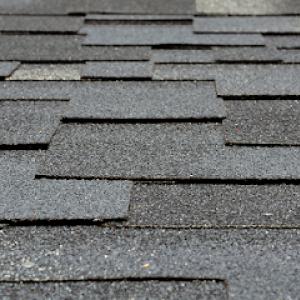
JAM Exteriors
Serving
5.0 from 24 reviews
JAM Exteriors is the leading roofing company in Fond du Lac, WI, and the surrounding area. We proudly offer roofing services including roof replacement, roof inspection, and roof repairs in Fond du Lac County, WI! Contact us for all your roofing needs.
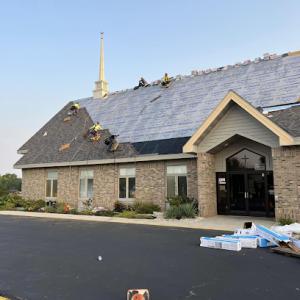
Right Choice Improvements
(920) 926-3314 www.rightchoiceimprovements.com
Serving
4.8 from 58 reviews
Our Company has been in the business of helping homeowners for over 10 years and we are committed to serving many more under the satisfaction of our customers. We are family owned and operated and aspire to portray that family friendliness to our customers and in our workmanship! It is our desire to be the Right Choice for you and your family when it comes to your home projects.
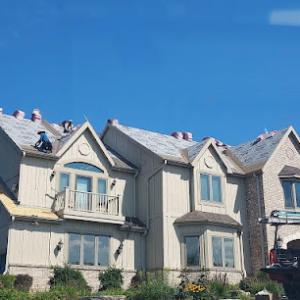
Great Seal Roofing & Fencing
(920) 539-8098 www.greatsealroofandfence.com
Serving
4.9 from 49 reviews
Great Seal Roofing, your trusted roofing and fencing specialists in Milwaukee, Madison, and the Fox Cities, delivers excellence year-round. Their expertise spans from roof repairs and replacements to sturdy fence installations, ensuring the security and beauty of your property.
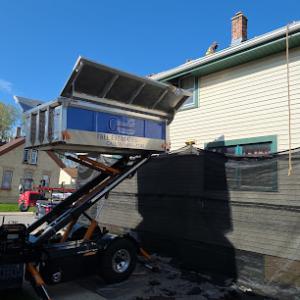
Gellings Roofing & Siding
(920) 693-2240 gellingsroofing.com
Serving
5.0 from 4 reviews
The best residential roofers are certified, qualified, insured, highly recommended, and they guarantee their work. Gellings Roofing & Siding is proud to be part of the Top 2% of all residential roofers in North America ( GAF M.E ) . If you're looking for the best, Gellings offers: a 4.9 Star Review Rating on Google Reviews + 50 Yr Extended Warranties on our Roofs + A 5-30 Yr Workmanship warranty on Roof Replacements + Limited Warranties on Roof Repairs + 0% financing available .. “We have more than 30 yrs of experience in the exterior remodeling business. We provide outstanding warranties that meet or exceed industry standards because we believe in our products and workmanship. Let us prove it to you!" - Nick Gellings, President"
Home Pro Roofing
(920) 922-2692 homeproroofing.biz
Serving
5.0 from 3 reviews
Home Pro Roofing is a Northeast and Central Wisconsin-based roofing contractor. We will (at absolutely no charge) come to your home, diagnose any problems you may be having with your roof, and give you an exact upfront price to repair or replace the roof, if necessary. Not having any problems, but still want an honest, expert opinion regarding the condition of your roof? No problem! We do that too, and if your roof still has a bit of life left in it, we'll let you know. Home Pro Roofing has many different roofing solutions for you, starting with the Standard Roof Package, all the way up to the Lifetime Shingle Package... Home Pro gives you options. Let us help you find the right roofing package that fits both your needs, and your budget
JF Lopez Roofing
(920) 933-6440 jflopezroofing.com
Serving
4.5 from 49 reviews
JF Lopez Roofing is a locally owned and operated roofing contractor dedicated to serving our customers with superior solutions. Whether it's roof replacements, repairs, storm cleanup, or new construction our passionate team of experts is ready to work with you.

Rutters Roofing
(920) 420-2212 www.ruttersroofing.com
Serving
5.0 from 59 reviews
Locally owned and operated roofing company specializing in storm damage restoration. Highly trained in insurance claims, steep slope roofing applications, gutter installation, and siding replacement. Free inspections, free estimates. From small-town neighborhoods to business buildings, Rutters Roofing is the name Wisconsin trusts for roofing built to last.
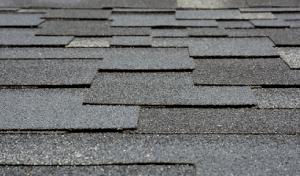
Asphalt shingles are the backbone of residential roofing in this area, reflecting the town's dominant mix. Typical costs run in the range of 350 to 700 USD per square for standard installations. In Fond du Lac, this option balances upfront price with rebuild resilience needed after a harsh winter and occasional summer storm. When winter damage or a rapid-response repair becomes necessary, those costs can spike as crews pile on urgent re-roofing work. Look for shingle options with good ice-damming resistance and solid wind uplift ratings to stand up to lake-effect winds and freeze-thaw cycles.
Metal roofs are a practical choice for long-term performance, especially where snow loads and ice management matter. Expect 500 to 1100 USD per square for metal, depending on profile, coating, and installation specifics. Metal generally fares well through repeated freeze-thaw cycles and can shed snow more predictably, which matters in pile-up areas near eaves. In busy post-storm periods, metal installations may command a premium due to quick-turnaround demand, but the durability often translates to lower long-term maintenance costs.
Concrete tile sits in a higher-cost tier and tends to draw niche interest from homeowners upgrading from lower-cost materials or pursuing a specific aesthetic. Costs typically run from 700 to 1500 USD per square. In Fond du Lac, concrete tile can be appealing where long-term hail and wind performance is a concern, but the heavier weight requires structural assessment and careful detailing to manage winter loads and ice-barrier connections. Availability and skilled installers for concrete tile can also influence pricing after winter storms.
Wood remains a specialty choice for certain historic or character homes. Price ranges commonly fall between 450 and 900 USD per square. In this market, winter conditions can accelerate wear, and summer storms may drive demand for fast re-roofs where wood needs treating or replacement. Expect higher maintenance costs over time, especially in climates with strong temperature swings and moisture exposure, but if the look and natural insulation appeal fit the home, wood can be a durable option with proper maintenance.
Synthetic or composite shingles offer a middle ground between cost and performance, typically 550 to 1000 USD per square. They can mimic slate or wood while delivering better resistance to freeze-thaw stress and reduced maintenance. In Fond du Lac, these products are favored where homeowners want a proven performance with somewhat lower weight than natural materials. After winter damage or storm events, synthetic options may come in with quicker install timelines and flexible color choices.
Slate is a premium, low-porosity option that appeals to homes with a historic or upscale profile. Costs range from 1000 to 2000 USD per square. Slate's durability is compelling in snow-heavy seasons, but long lead times, installer availability, and the weight of the material influence overall project timelines and total cost. In markets with older or higher-end structures, slate remains a niche but respected choice, especially when a long lifespan is a priority.
Ultimately, the best material choice balances upfront cost, expected life under freeze-thaw stress, and how quickly a re-roof can be completed after a damaging winter or summer event.
A residential re-roof in Fond du Lac typically requires a building permit through the City of Fond du Lac Building Inspection Department. Before any shingles come off, you'll want to have the project on record with the permit office, and the permit will specify the scope, materials, and ventilation requirements that the city expects for a safe, durable roof. This is especially important when winter conditions are around the corner, since the permit helps ensure that the job plan addresses ice-dam mitigation and proper attic ventilation from day one.
Fond du Lac uses staged inspections that commonly include a rough or underlayment inspection and a final inspection before project closeout. The rough/underlayment check is performed after the roof deck is prepared and the first layer is in place, but before the final layers are installed. The final inspection confirms that all components-underlayment, flashing, ice barriers, ventilation outlets, and penetrations-meet code and the permit's requirements. Scheduling these inspections with the Building Inspection Department helps avoid delays, especially when weather windows are brief. If the weather turns during a project, the inspector will often coordinate a follow-up to ensure that critical details are not compromised by frost, snowfall, or thaw cycles.
Inspection timing in Fond du Lac is often coordinated around weather, and local review commonly checks attic ventilation and ice/water shield details. Because winter conditions can create ice dams and freeze-thaw wear, the city's expectations emphasize a continuous, properly vented attic and a continuous ice/Water shield at the eaves and in critical valleys as part of the re-roof assembly. Plan for an inspection sequence that aligns with dry, above-freezing days for the best results; the inspector will look for clear ventilation paths from soffits to the ridge, unobstructed soffit vents, and proper screening at vents to prevent rapid moisture buildup. If a portion of the roof will be replaced in stages, verify with the permit office how a staged re-roof should be sequenced to preserve compliance across phases.
To avoid surprises, confirm what documentation the city expects at each inspection milestone: project drawings or note sheets detailing vent locations, the type and extent of ice barriers, and a summary of any ventilation upgrades tied to the attic space. Communicate anticipated weather-sensitive milestones with both the contractor and the Building Inspection Department, so scheduling remains flexible yet compliant. In this climate, a well-planned permit and disciplined inspection regime keeps a Fond du Lac re-roof on track, reducing the risk of weather-related setbacks and helping the roof perform reliably through heavy snows and freeze-thaw cycles.
Asphalt shingles remain a dominant choice in Fond du Lac because they fit the local replacement market and broad contractor availability. For a typical home, this material pairs well with a standard attic ventilation strategy and an ice barrier at eaves, which helps reduce ice dam risk during harsh winters. If a project needs to be completed quickly or you value a straightforward match with nearby homes, asphalt shingles are usually the easiest path. When evaluating options, look for a product with good wind resistance and a granular surface that handles freeze-thaw cycles without cracking. For long-term performance, prioritize shingles with a sealed nailing strip and a durable warranty, then confirm that the roof deck is solid enough to support the chosen shingle thickness. A shingle with a slightly higher weight and a proven track record in cold climates tends to stay put through seasonal swings.
Metal roofing is a common upgrade path for homeowners focused on snow shedding and long-term durability through harsh winters. In this market, metal panels or standing-seam configurations can dramatically reduce snow buildup along the eaves and reduce ice dam formation when paired with proper underlayment and ventilation. Metal systems require careful planning for flashing around chimneys, skylights, and intersections with existing walls, so hire an installer who understands Fond du Lac's snow load patterns and the need for a robust ice-and-water shield at transitions. If a metal roof is chosen, budget for a precise fastening plan and professional sealing of all seams. While installation can be more involved than asphalt, the payoff is a roof that sheds snow more predictably and holds up under low-temperature stress. Pay attention to color and coating choices that resist ice cracking and maintain reflective properties during long winters.
Heavier materials such as concrete tile and slate appear in the market but sit at the top of Fond du Lac's cost range and require careful fit for the home's structure and detailing. These materials can deliver exceptional durability and long lifespans, but they demand a skilled install, a solid substructure, and precise matching of chimneys, skylights, and roof penetrations. In homes with traditional framing or marginal attic clearance, verify that the structural supports are ready to carry extra weight and that the roof pitch aligns with the tile or slate's performance needs. Sloped roofs with adequate drainage are essential to prevent water backup during freeze-thaw cycles. If considering these options, expect more design coordination with fascia, gutters, and ice barrier placement to ensure consistent winter performance without added risk of water intrusion.
Across all options, the enrollment of proper insulation, ventilation, and ice barriers remains central to minimizing ice dams and freeze-thaw wear. In Fond du Lac, the balance between available contractors, local housing stock, and the specific winter demands should guide the final decision, with asphalt offering the most straightforward path and metal presenting a durable alternative for snow-prone roofs. Heavier materials may be compelling for longevity, but require careful structural assessment and detailed detailing to perform well in this climate.
Find specialists in TPO, EPDM, and built-up flat roofing systems for residential and commercial properties.
Great Seal Roofing & Fencing
(920) 539-8098 www.greatsealroofandfence.com
Serving
4.9 from 49 reviews
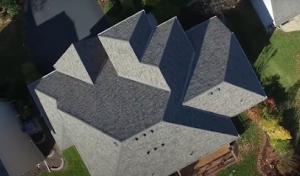
Fond du Lac homeowners generally rely on standard Wisconsin coverage rather than a uniquely specialized coastal or wildfire market. After a hail or wind event, insurers often review the claim under more traditional definitions of sudden damage, so understanding how your policy handles shingles, flashings, and ice barriers is essential. The winter-influenced wear from freeze-thaw cycles can blur the line between preexisting deterioration and new storm impact, which can affect settlement decisions.
After hail or wind events in the area, adjusters may request photo evidence, repair histories, and close-up documentation of damaged slopes and accessories. Clear, timestamped photos of missing granules, dented metal, lifted shingles, and damaged gutters help establish the scope of loss. Close-ups of valleys, soffits, and vents can prevent misinterpretation of wear that predated the storm. Having a recent set of roof photos before a storm is valuable to compare post-event condition.
Local climate-related wear can complicate claim outcomes, so Fond du Lac homeowners need to separate sudden storm damage from older winter deterioration. Freezing temperatures, edge ice dams, and snow load contribute to wear that looks similar to storm effects. Document both the date you first noticed issues and any rapid changes following a hail or wind event. A professional roof inspection that dates findings to a specific season can support your claim.
Maintain an organized record: dated photos, a simple repair log, and any contractor assessments. When communicating with your insurer, present the sequence of events promptly and clearly. If a response stalls, reference your documented timeline and the seasonal symptoms of wear that align with the storm's timing to support a fair evaluation.
In Fond du Lac, cleanup after a job is a standout expectation. Homeowners want a crew that leaves no nails, debris, or shingles scattered around driveways or flower beds. The practical approach is to confirm in writing that cleanup includes removal of all disposal materials and a final sweep of the yard and gutters. A contractor that trains crews to protect landscaping during work and to address stray granules on asphalt shingles earns extra trust. Ask for a clear checklist and a post-job walk-through so nothing gets left behind.
Quick response matters when leaks show up or after a rain-driven storm event, which are common in winter thaws. You should expect a contractor to return calls promptly, schedule an inspection quickly, and provide a realistic timeline for tarping, diagnosis, and repair or re-roofing. In practice, this means a dedicated point of contact during emergencies and a transparent plan for weather-related delays. The market favors firms that can offer reliable, predictable scheduling and a straightforward communication style, without sacrificing workmanship quality.
The local field includes a notable mix of long-established families and locally owned companies rather than brands that feel distant. Homeowners value familiarity, neighborhood reputations, and a company that treats every house as a neighbor's property. Look for references from nearby blocks, proof of local service capabilities, and crews that stay on-site until the job is finished. A strong recommendation from a nearby homeowner can carry as much weight as formal credentials.
Start with a clear cleanup promise and a written post-work inspection. Check response times for leaks and storm-related calls. Ask about neighborhood references and how the crew minimizes disruption to surrounding yards. Finally, verify that the company maintains ongoing relationships with local suppliers and has a stable workforce to ensure consistent workmanship.