
Last updated: Apr 19, 2026
Madison's cold winters bring repeated freeze-thaw cycles that drive shingle cracking, flashing movement, and leak development. When snow sits on the roof and temperatures swing above and below freezing, water can back up behind damaged shingles or loose flashing, then refreeze at the eaves. That process pries apart underlayment, widens nail holes, and creates slow leaks that start as a bead along the edge and work inward. The result is a homeowners' quiet crisis: a leak that appears after a thaw or a night above freezing, often with hidden damage behind interior walls. Protecting the roof means acting quickly when a thaw begins and inspecting the eaves for discharge, ice buildup, and flashing shifts.
The city's lake-influenced setting and long snow season magnify ice dam formation in practical terms. Along eaves and at roof transitions-areas where ice tends to accumulate-tiny gaps become bigger problems over weeks. Snow on the roof acts as an insulating blanket, yet as meltwater runs to the gutter and refreezes, the dam grows. This is not just cosmetic: dam formation can push water under shingles and behind flashing, accelerating rot and interior staining. In a lake-adjacent climate, even well-vented roofs can struggle if gutters clog or if attic insulation is uneven. Keep a mindful eye on those transition zones where two roof planes meet, and where vented soffits meet the attic air.
Replacement work is commonly pushed into late spring through early fall because winter conditions complicate tear-offs, sealing, and inspection scheduling. The cold, wind, and snow make it hazardous to work on steep pitches, and frozen underlayment slows dry-in. As soon as temperatures stabilize and the ground becomes workable, scheduling repairs or full replacement should be treated as a priority to prevent further ice dam damage. If a leak is suspected, delaying action until spring can mean deeper damage behind walls, which complicates repairs and extends downtime for the home. In practice, planning a spring project with a clear start window helps ensure the roof is fully dry before the next winter cycle.
Start by removing loose snow from the roof edge with a roof rake from the ground, careful not to damage shingles or flashing. Clear clogged gutters so meltwater doesn't back up and spill onto the fascia. Check the attic at the first warm spell for signs of condensation, damp insulation, or stained rafters-these are red flags that ice dam damage is already underway. If icicles form long enough to be touched by a ladder, that's a signal to investigate the eaves, fascia, and any exposed roof transitions for compromised sealing or missing shingle tabs. Prioritize any areas where video or flashlight inspection reveals gaps or water staining along interior ceilings near exterior walls.
If ice dam buildup recurs after a thaw, or if a visible leak appears around roof penetrations, it's time to call a local roofer with ice dam experience. A professional will safely assess shingle integrity, sealant movement, and flashing stability, and they can determine whether underlayment has been compromised. Do not chase temporary fixes that don't address the root causes: inconsistent insulation, improper ventilation, and shifting flashing are the kinds of problems that reappear after the next winter. A targeted repair or controlled replacement, planned for spring, can stop the cycle before next year's freeze-thaw stress.
Plan ahead for spring transition by arranging a phased approach: first, gasket and vent checks in the eaves; second, a careful inspection of shingles and flashing; third, a dry-in window for any needed repairs. Use the warmer, drier days of late spring to complete any partial repairs or a full roof replacement if necessary, ensuring the roof is stable before the next winter. Surface-level fixes without addressing insulation and ventilation will only yield short-term relief and invite repeat ice dam issues. This is the moment to lock in a durable solution that withstands Madison's signature climate.
Spring hail and heavy rain are a known seasonal risk in Madison and can trigger sudden shingle bruising, flashing damage, and active leaks. With the isthmus and lakes shaping weather patterns, a quick, local response matters: a bruised shingle can fail silently until a heavy storm, and flashing damage often hides behind the roof edge until water finds its path. In neighborhoods with a mix of asphalt, metal, and tile roofs, hail can compromise the protective granules or smooth seams, leading to accelerated wear and potential interior disclosure if a leak sits over a warm attic during a thaw. The moment you notice hail impact or a pounding rain that follows, act as if the roof is already compromised-because in Madison, that assumption isn't far off.
Wisconsin insurers typically expect thorough photo documentation and a detailed damage assessment before approving roof-related claims. Take clear, timestamped photos from multiple angles: the general roof, one or two representative damaged areas, flashing seams, gutters, and any interior staining or attic condensation you can safely access. Photograph after every notable storm event, and keep a simple log of dates, hail sizes you observed, and any visible leaks or signs of moisture. If a contractor notes wind-driven damage or displaced shingles, request a written report that ties those findings to the specific weather event. When talking to the insurer, present this package first, then supplement with an estimate that outlines necessary repairs, replacement scope, and any matching concerns for existing materials. A well-documented file can accelerate the approval process and reduce back-and-forth that wastes precious time during seasonal backlogs.
Winter and post-storm claim handling can slow down when weather or regional backlog affects adjuster availability and contractor scheduling. In Madison, a fast-moving hail event can trigger a spike in claims where response windows squeeze between lingering snowmelt and spring storms. Your plan should include immediate temporary measures to stop leaks-cover exposed areas with a tarp or weatherproof tarp-secured membrane only if safe to do so-and a clear calendar for the next steps once an adjuster can be scheduled. If multiple storms hit in quick succession, prioritize securing a written damage assessment as soon as possible and secure a provisional repair path that maintains the home's weather resistance while awaiting approvals. Coordinating with a local, seasoned roofer who understands Madison's typical shingle bruising patterns and flashing vulnerabilities can help you align the assessment, documentation, and repairs to minimize further risk when the next storm arrives.
Connect with contractors who help homeowners navigate the claims process from damage assessment to final approval.
Modern Exterior Roofing
(608) 705-7965 modernexteriorroofing.com
2829 Perry St, Madison, Wisconsin
5.0 from 84 reviews
Wisconsin Quality Roofing
(608) 451-1290 www.wiqualityroofing.com
Madison, Wisconsin
5.0 from 64 reviews
Ridge Top Exteriors
(608) 218-4904 www.ridgetopexteriors.com
4620 Dovetail Dr, Madison, Wisconsin
4.8 from 1137 reviews
Modern Exterior Roofing
(608) 705-7965 modernexteriorroofing.com
2829 Perry St, Madison, Wisconsin
5.0 from 84 reviews
Roofing contractor providing high quality roofing services for residential and commercial properties. We handle everything from new roof installations to repairs and maintenance. Whether you need to fix a leak, replace damaged shingles, or install a brand-new roof, our team of experienced professionals is here to help. We pride ourselves on using durable materials and delivering top-notch craftsmanship to ensure your roof is strong, long-lasting, and looks great.
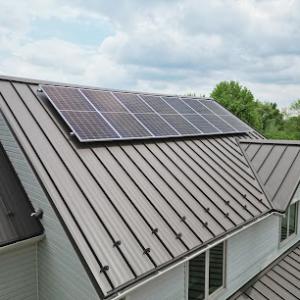
Swita Metal Roofing
(608) 298-7334 switametalroofing.com
3369 Basil Dr, Madison, Wisconsin
5.0 from 72 reviews
Swita Metal Roofing Madison, in Madison, Wisconsin, is the area's leading roofing company serving Brooklyn, Madison, Verona, Stoughton, McFarland and surrounding areas. We specialize in roof consultations, metal roof installation, professional and daily cleanup, and owner involvement from start to finish. For all your roofing needs, contact Swita Metal Roofing Madison in Madison.

Infinity Exteriors
(608) 680-3070 www.infinityroofing.com
2830 Progress Rd, Madison, Wisconsin
4.9 from 331 reviews
Established in 1997, Infinity Exteriors is the most trusted home exterior company in Madison, Wisconsin specializing in roofing, siding, windows, and gutter replacement services. As a locally owned and trusted contractor, our licensed technicians provide residential and commercial customers with roof repair and replacement, siding and window installation, and gutter systems. Infinity Exteriors prioritizes honest communication and offers no-pressure inspections for all projects. Since our founding, we have completed thousands of projects and earned an A+ rating with the Better Business Bureau. No roofing contractor in Madison, Wisconsin offers the same high caliber of roofing installation and repair at prices as competitive as ours.
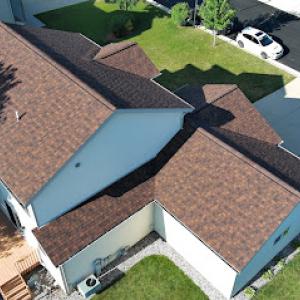
Wisconsin Quality Roofing
(608) 451-1290 www.wiqualityroofing.com
Madison, Wisconsin
5.0 from 64 reviews
All your Roofing needs, with quality you can trust! Contact us today for your free quote!
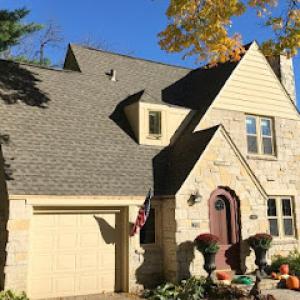
Ridge Top Exteriors
(608) 218-4904 www.ridgetopexteriors.com
4620 Dovetail Dr, Madison, Wisconsin
4.8 from 1137 reviews
Ridge Top Exteriors in Madison specializes in roofing, siding, windows, and gutters, providing expert craftsmanship and premium materials to protect and enhance your home. We offer energy-efficient vinyl, fiberglass, and wood windows and LP SmartSide siding for stylish, durable, and low-maintenance solutions tailored to Wisconsin’s weather. Backed by over 20 years of experience and multiple industry awards, our team is committed to delivering superior service and long-lasting results. With free consultations, transparent pricing, and a dedication to customer satisfaction, Ridge Top Exteriors is proud to serve Madison homeowners as their trusted home improvement partner.
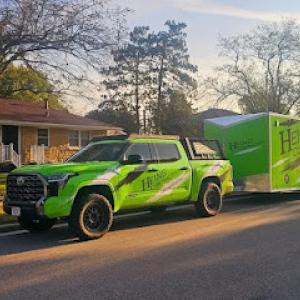
Heins Contracting
(608) 889-2598 heinscontracting.com
1930 S Stoughton Rd, Madison, Wisconsin
4.8 from 328 reviews
Heins Contracting is family owned & operated and brings over 20 years of experience to every project ensuring your complete satisfaction. We specialize in residential, commercial, and industrial exterior improvements. When you choose us for your home exterior improvement needs, you will see that we are number one in quality, customer service, and efficiency. We handle all exterior improvement needs here at Heins Contracting. We are one of the top-rated home exterior contractors in Wisconsin with the experience to back it up. We’ve spent years installing, repairing, and replacing roofing, siding, windows, gutters, and gutter protection as well as providing ice dam removal services in Wisconsin.
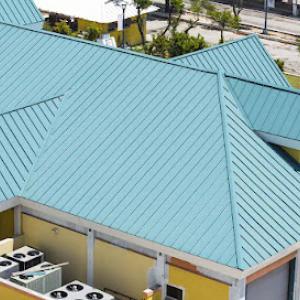
Elite Roofing Pros
(608) 206-9166 eliteroofingprosinmadison.com
4510 School Rd, Madison, Wisconsin
5.0 from 43 reviews
When it comes to Roofing Companies, Roofing Contractors, Roofers, and more, no one compares to Elite Roofing Pros With years of combined experience, Elite Roofing Pros has worked hard to build the trust of our clients in Madison and surrounding areas. Visit our website to learn more or better yet, call us today!
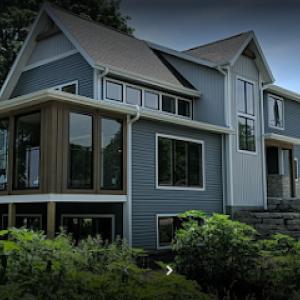
Storm Guard Roofing of Madison
(608) 889-9332 www.stormguardrc.com
2605 S Stoughton Rd Suite 400, Madison, Wisconsin
4.9 from 102 reviews
Storm Guard Roofing and Construction of Madison provides 24/7 top-quality roofing services in Madison and nearby areas. Our team listens to your needs, assesses the best options, and even handles your insurance claims. You’ll have direct contact with a dedicated supervisor who provides regular progress updates and photos. We offer high-quality, weather-ready solutions to keep your home strong through Madison's storms. Whether you need roof repair or a new installation, we prioritize quality and satisfaction to protect your home. Find peace of mind with Storm Guard—let’s fortify your home together against the elements! Contact us today!
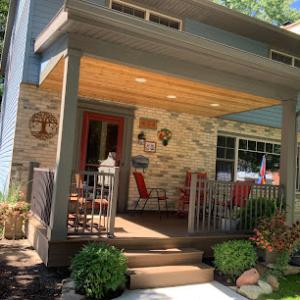
A-Team Construction
(608) 237-8680 www.ateamunlimited.com
3119 E Washington Ave, Madison, Wisconsin
4.8 from 104 reviews
A-Team Construction. provides residential and commercial construction to the Madison Wisconsin area.
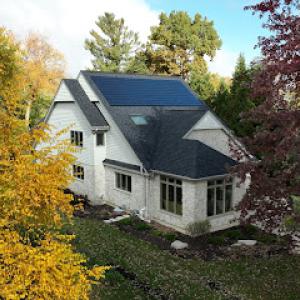
Sun Vault Roofing
(608) 608-1082 www.sunvaultroofing.com
6709 Raymond Rd, Madison, Wisconsin
5.0 from 32 reviews
Sun Vault Roofing provides premium roof replacements, repairs, and optional solar integration across Madison and southern Wisconsin. As a CertainTeed SELECT ShingleMaster™, we offer extended warranties and expert workmanship. Whether you’re dealing with storm damage, planning a full re-roof, or considering solar shingles, we deliver honest inspections, clean job sites, and long-lasting results. Contact us today for a free roof inspection and see why homeowners trust Sun Vault Roofing.

Standard Roofing & Restoration
(262) 212-5853 standardroofingandrestoration.com
2810 Crossroads Dr, Madison, Wisconsin
5.0 from 31 reviews
Standard Roofing and Restoration specializes in residential and commercial roofing services in Madison, Wisconsin. Unlike other roofing companies, we’re roofers – not salesmen – first. So, when you partner with us, you won’t just get a new roof for your home or business – you’ll also get an expert in the field or roofing, who has extensive knowledge of and experience working on roofs.
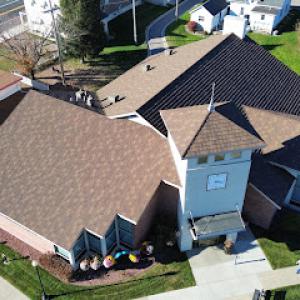
AFC Exteriors | Madison, Wisconsin
(608) 571-0717 afcexteriors.com
6709 Raymond Rd Unit 210, Madison, Wisconsin
4.9 from 59 reviews
We are a commercial and home exterior renovation company with broad industry experience. With a dedication to quality and a passion for excellence, our team specializes in transforming businesses and homes with top-notch roofing, siding and gutter services. Our comprehensive range of services ensures that every aspect of your exterior renovation needs is covered. From repairing storm damage to conducting complete overhauls, we deliver solutions tailored to your specific requirements. Our expert team is skilled in working with various materials and styles, ensuring a perfect match for your business' or home's aesthetic and structural integrity.
In this market, most full replacements are booked during late spring through early fall. That creates short peak-season windows that can limit contractor availability and push pricing upward. You may notice bids coming in more tightly clustered around those months, with tighter calendars for weather-sensitive work like roof replacements after winter freeze-thaw cycles. If you're aiming to complete a project before winter, plan early and expect a bit more competition for slots once warm weather arrives.
Madison homeowners commonly choose from asphalt shingles, metal roofing, clay tile, wood shingles or shakes, synthetic or composite shingles, and slate, with asphalt and metal dominating practical replacement decisions. Each material has its own performance profile in our freeze-thaw and ice dam conditions. Asphalt shingles tend to be the most price-stable and quickest to install, while metal roofing offers long-term durability against ice and wind but at a higher initial price. Clay tile and slate are premium options that hold up well but require precise roof structure and install timing. Wood shingles or shakes bring aesthetic warmth but can demand more maintenance in our climate. Synthetic or composite shingles often balance cost with resilience. When budgeting, consider both the base material cost and the labor variability tied to seasonal demand.
Ice dam risk and freeze-thaw stress spike after long freezes, especially when sun and rain thaw雪 mid-season. That means a spring thaw following a cold spell can create urgent damage scenarios, and storm-driven demand spikes after spring hail or heavy rain can tighten contractor availability. If a storm weakens roofs during spring, you may see accelerated need for repairs or full replacement, and the timing can shift quickly due to contractor schedule constraints. In practical terms, that translates to having a plan B: a prioritized list of preferred materials and a short window for securing labor, so you can lock in a reliable crew before the pace of spring weather accelerates.
From a cost perspective, asphalt shingles sit toward the lower end of the spectrum, generally aligning with a practical replacement decision for many homeowners. Metal roofing sits higher but offers strong resilience against winter moisture and ice dams. Clay tile and slate sit at the premium end, with substantial installation complexity that's sensitive to roof structure and framing. Wood shingles or shakes fall between asphalt and metal in price, with aesthetic appeal offset by potential maintenance needs. Synthetic or composite shingles often land mid-to-high in cost, offering versatility and good resistance to freeze-thaw cycles. When you obtain bids, compare not only per-square prices but also installation crews' experience with Madison's winter-related stresses.
First, line up multiple estimates during the late winter or early spring shoulder season to secure scheduling options before peak windows fill. Second, specify that you want a clear plan for weather-related postponements and the anticipated sequence of work to minimize exposure of vulnerable areas to thawing conditions. Third, ask for material-specific notes that address ice dam risk, attic ventilation, and insulation improvements, so the project contributes to long-term performance beyond the immediate replacement. Finally, prepare for potential price adjustments tied to spring storm demand by having a defined decision timeline for accepting or negotiating bids.
A full roof replacement generally requires a permit in the City of Madison. This isn't just a bureaucratic step-it's a safeguard for winter conditions, flashing details, and proper attachment that withstands ice dam risk and freeze-thaw cycles. Getting the permit right from the start helps ensure the work aligns with local code, snow load considerations, and Madison's unique drainage and ventilation expectations. The permit process is handled through the City of Madison Permit Center, with inspections scheduled as work progresses. Knowing this flow helps homeowners plan around weather windows and avoid delays that push projects into tougher spring conditions.
City review commonly focuses on flashing, underlayment, ventilation, and nailing patterns, and seasonal delays can affect inspection timing and final approval. In practice, this means your contractor should prepare a detailed scope that addresses step-flashing at chimneys and walls, continuous underlayment that stands up to spring rains and late-season freeze events, ridge and soffit ventilation to manage attic moisture, and a nail pattern that ensures wind resistance without compromising the roof deck. The inspector will walk the job as it unfolds, checking transitions at valleys, eaves, and penetrations. If any of these elements aren't up to standard, you'll be asked to remedy them before moving forward.
The inspection cadence is tied to progress milestones: after roof deck, after underlayment, mid-shingle installation, and final completion. In Madison, inspections can be intermittently delayed by weather and snow melt, which means winter and early spring projects may see longer waits between steps. Plan for potential rescheduling around thaw cycles or sudden temperature swings that affect roofing crew efficiency. Communicate clearly with the Permit Center and your contractor about anticipated inspection times so you don't lose a window during favorable melt-free days.
Coordinate your project timing to avoid piling tasks into the tight spring window, when storms and city scheduling can collide. Have a clear installer plan for ice dam risk mitigation-adequate ventilation and proper underlayment are critical as temperatures swing. Ensure the contract explicitly ties permit approval milestones to payment schedules and clearly communicates what happens if an inspection fails and requires rework. Keep all permit paperwork accessible on site, including any amendments for changes in materials or scope, so inspectors can verify compliance without unnecessary holds. By aligning your roof replacement with the permit process and focusing on the flashing, underlayment, ventilation, and nailed patterns, you reduce the risk of delays and future leaks tied to Madison's distinctive climate.
Asphalt shingles remain the most common practical choice in Madison because they fit the local housing stock and replacement budget range. For most homes, they offer straightforward installation and a reliable track record against freeze-thaw cycles and occasional ice dam pressure. When selecting asphalt, focus on higher granule density, a good warranty, and an underlayment that tolerates cold snaps. In this climate, ensure the roof has adequate overhangs at the eaves to help control meltwater and reduce ice dam formation on gutters and the attic.
Metal roofing has a meaningful specialist presence in the area and is often considered by homeowners planning for snow shedding, durability, and longer service life. If metal is on the table, you'll want a profile that promotes snow sliding while preserving insulation and attic ventilation. Look for durable coatings that resist corrosion in the winter mix of salt and moisture. Pay attention to flashing details around vents, chimneys, and parapet walls, since proper edge and seam work matters more in a midwest snow belt than in milder climates.
Wood shakes, slate, clay tile, and synthetic products exist in the market but require closer attention to structural load, detailing, and specialized installation compared with standard asphalt systems. Wood and slate add significant weight; ensure the existing structure can handle it without compromising the attic space or framing. Clay tile and synthetic composites demand precise deck preparation and sturdy support, especially if a roof line has complex geometry. In Madison, the choice often hinges on how well the project can manage ice dam risk and freeze-thaw stress without compromising ventilation or gutters.
Your roof should harmonize with your attic ventilation and insulation strategy to curb ice dam formation. If the house sits on a taller footprint or has a history of spring thaw damage, consider how the selected material behaves with rapid temperature shifts and heavy moisture. A well-rounded choice aligns with the existing roof plane, typical Madison winter patterns, and the long-term maintenance plan you're prepared to follow.
In a climate where ice dams form when meltwater refreezes, the transition between skylights, chimneys, and roof planes becomes a prime leak point. Flashing that is careless or mismatched with the surrounding roofing can trap water and force it into seams that weathered shingles no longer cover. A single misstep in this area can turn a small drip into a wall cavity problem.
Freeze-thaw movement, combined with strong spring and fall winds, tests every seam around penetrations. Watertight detailing around skylights and roof-wall intersections must accommodate movement without creating creases or gaps. If flashings buckle, expand, or compress, water finds the path. Inadequate detailing here often shows up as hidden leaks that only show up after mid-winter thaws.
Fall winds carry more debris, and leaf buildup near gutters and around penetrations can redirect water flow toward unsafe edges. Clogged drainage increases the pressure on flashing zones and can lift flashing higher than the surrounding roof line. The result is a slow, creeping leak that travels along the underside of the roofing deck before you notice it.
Inspect skylight curb seals for cracking or lifting, and look for dried or smeared sealant that has lost elasticity. Run a careful hand along chimney-to-roof joints in calm weather to feel for softness or gaps. When cleaning gutters, pay attention to edges and transitions where water should shed cleanly away from flashing. If you see staining or dampness around a penetration after a storm, treat it as a warning sign rather than a nuisance. In a residence with these features, precise flashing detail is a quiet guardian against expensive damage. In Madison, proper detailing can mean the difference between a durable roof and a recurring headache.
Find contractors experienced in skylight installation, flashing, and leak repairs to bring natural light into your home.
Modern Exterior Roofing
(608) 705-7965 modernexteriorroofing.com
2829 Perry St, Madison, Wisconsin
5.0 from 84 reviews
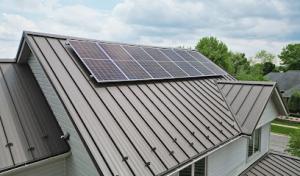
Swita Metal Roofing
(608) 298-7334 switametalroofing.com
3369 Basil Dr, Madison, Wisconsin
5.0 from 72 reviews
Infinity Exteriors
(608) 680-3070 www.infinityroofing.com
2830 Progress Rd, Madison, Wisconsin
4.9 from 331 reviews
Flat-roof specialists have a meaningful presence in Madison, reflecting demand from low-slope residential sections and mixed residential-commercial building stock. That familiarity translates into better attention to edge details, penetrations, and membrane choices that stand up to our winter and spring extremes. A local contractor will recognize how snow buildup, freeze-thaw cycling, and spring rain interact with your specific roof assembly, and can tailor sequencing for drainage, vapor control, and long-term performance.
On low-slope roofs, drainage performance is not optional-it is a first-line concern during Madison's snow load and rapid thaw cycles. Ensure roof drains, scuppers, and edge channels are free of debris and fatigue, especially after heavy storms. Pay attention to where water tends to pool and how surface coatings or membranes shed it. When a roof is close to the threshold between low slope and zero slope, the transition details become common failure points; ask for explicit attention to these transitions in both the design and installation notes.
Attention to underlayment is particularly relevant on low-slope details, where a small lapse can let moisture migrate to insulation and decking. Flashing around penetrations, curbs, and vertical walls should be continuous, with proper sealant choices compatible with the membrane. Madison projects benefit from mock-up testing of flashing details under winter-like conditions before full installation, ensuring joints hold through freeze-thaw cycles and spring rain.
A targeted spring inspection should verify that membranes remain securely bonded, edges are sealed, and the drainage path is unobstructed. Look for signs of wind uplift, fabric delamination, or moisture in the insulation. If any doubt arises, bring in a flat-roof specialist to confirm membrane performance and transition integrity, then schedule timely maintenance before the next freeze.
Find specialists in TPO, EPDM, and built-up flat roofing systems for residential and commercial properties.
Wisconsin Quality Roofing
(608) 451-1290 www.wiqualityroofing.com
Madison, Wisconsin
5.0 from 64 reviews
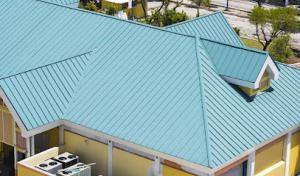
Elite Roofing Pros
(608) 206-9166 eliteroofingprosinmadison.com
4510 School Rd, Madison, Wisconsin
5.0 from 43 reviews
Brothers Roofing
(608) 770-0606 brothersroofing.online
4235 Argosy Ct Unit D, Madison, Wisconsin
4.8 from 53 reviews
In Madison, homeowners often prioritize quick response after storms because active leaks and tarping needs can coincide with spring weather events. The right roofing partner keeps a tight, real-time communication line during and after a storm, so issues are identified, tarps deployed, and temporary protections installed quickly to minimize interior damage. Expect a clear plan for temporary fixes and a realistic timeline for permanent repair, with updates you can track by phone or text. A good crew arrives prepared for winter remnants, not just sun and dry days, and can adapt when wind-driven rain complicates the job.
Cleanup is a major local hiring signal, suggesting homeowners here care about debris control and property protection during re-roofing. Look for crews that lay down drop cloths, contain nails and shingle fragments, and remove rubbish at the end of each day. Ask how waste and old materials are hauled away, and whether the contract specifies site cleanup expectations. A firm with strong cleanup habits reduces the risk of stray fasteners on driveways or in landscaping, which matters after a long winter and in busy spring yards.
Long-established and locally owned firms stand out in Madison's market, which matters when homeowners want continuity through permits, inspections, and warranty follow-up. Check how long the company has maintained local ownership and whether staff rotation affects project oversight. Prefer contractors who assign a dedicated project lead, so communication remains consistent from tarp to final inspection. Ask for a concise list of recent local projects and references you can contact about responsiveness, workmanship, and follow-through on post-job questions.
Start with a straightforward three-step vetting process: verify licensing and insurance, confirm storm-season response times, and review the warranty terms in plain language. Request a written project outline that includes a progress schedule, material choices for your home's roof shape, and a plan for protecting gutters and heating cables during fragile late-winter to early-spring periods. Ensure the firm can accommodate access needs and parking restrictions common in tight Madison neighborhoods.
Get a clear picture of your project costs upfront - no commitment required.
Wisconsin Quality Roofing
(608) 451-1290 www.wiqualityroofing.com
Madison, Wisconsin
5.0 from 64 reviews
Madison Metal Roofing
(608) 949-7855 www.metalroofmadison.com
Madison, Wisconsin
5.0 from 16 reviews
Hardtland Home Improvement, Inc.- Roofing Contractor
(608) 575-9317 hardtlandhomeimprovement.com
5821 Thrush Ln, Madison, Wisconsin
4.8 from 27 reviews
In Madison, winter ice dam risk and freeze-thaw cycles put extra stress on roof edges and gutters, and spring storms add a seasonal spike in claim activity. Wisconsin roof claims typically move more smoothly when homeowners provide date-stamped photos, interior leak evidence, and a contractor-prepared damage assessment. These elements help the adjuster see the full picture-from attic condensation and roof deck exposure to shingle lifting and flashing failures that often accompany thawing cycles.
As soon as damage is suspected, gather date-stamped photos from multiple angles: the attic rafters, attic insulation and any signs of water intrusion, the roof edge, and any visible shingle or vent damage. Interior proof of leaking-stains on ceilings, warped drywall, or mold signatures-anchors the claim in real consequences rather than conjecture. A contractor-prepared damage assessment that itemizes the affected roof area, identifies membrane exposure, and notes ice dam-related blockages helps keep the scope aligned with what's actually compromised, which can matter when adjusters collaborate with contractors for scope verification.
Adjusters in this market commonly coordinate with contractors for scope verification, making accurate line-item documentation important in Madison storm claims. Expect requests for repair estimates, photos of prior condition, and validation of roof area measurements. Keeping a consistent, professional record-photos dated at the time of damage, written notes from on-site observations, and a clear path from damage to suspected failure points-reduces back-and-forth and speeds review.
Weather timing matters: capture post-storm conditions quickly, but also document any pre-existing wear that could influence coverage decisions. A neighborly, well-documented file can help distinguish sudden storm-caused damage from long-term wear. In this climate, demonstrating a clear cause-and-effect trail-ice dam formation, freeze-thaw stress, and resulting leaks-supports a straightforward narrative for the insurer, while preserving the option to pursue proper repair.
Connect with contractors who help homeowners navigate the claims process from damage assessment to final approval.
Modern Exterior Roofing
(608) 705-7965 modernexteriorroofing.com
2829 Perry St, Madison, Wisconsin
5.0 from 84 reviews
Wisconsin Quality Roofing
(608) 451-1290 www.wiqualityroofing.com
Madison, Wisconsin
5.0 from 64 reviews
Ridge Top Exteriors
(608) 218-4904 www.ridgetopexteriors.com
4620 Dovetail Dr, Madison, Wisconsin
4.8 from 1137 reviews