
Last updated: Apr 19, 2026
Spring hail season in Janesville drives spikes in claim activity and can quickly tighten contractor availability across Rock County. When the radar image lights up and hailstones start rattling off soffits, you're not just bracing for dents-you're watching for a scramble of roof claims, adjusted estimates, and scheduling backlogs. If a storm hits, don't wait to assess damage. A rapid, honest appraisal right after the hail event is essential, because waiting can leave you stuck with scarce local crews and longer gaps between inspection and replacement. Have a short list of two or three trusted local roofers ready to call, and keep your insurance information accessible so you can contact your carrier the moment damage is confirmed. Document damage with clear photos from multiple angles, and note signs that aren't always obvious (soft spots, granule loss, dented flashing, lifted shingles).
Late summer thunderstorms and high winds are a recurring local replacement trigger, especially for lifted shingles and exposed underlayment. When those fast-moving fronts roll through, the first telltale signs are wind-lifted edges, curling tabs, and curling underlayment that reveals the roof deck. If you notice lifted shingles or loose flashing, treat it as an urgent maintenance issue rather than a cosmetic one. Wind-driven damage can escalate quickly with subsequent rain, and claims can be delayed if the roof is allowed to worsen between storms. Prioritize quick temporary protection-tarps or sturdy coverings over exposed areas-to prevent further water intrusion while you work through the insurance process. If an adjuster visits, be ready with a concise weather timeline, photos from before and after the event, and a list of any prior repairs. The goal is to establish a clear narrative so the scope aligns with what actually failed due to wind and exposure.
Because Janesville also has harsh winter freeze-thaw cycles, some roofs show mixed storm and cold-weather damage at the same inspection, complicating scope decisions. Freeze-thaw cycles can crack flashing, loosen fasteners, and create hidden voids that aren't immediately visible after a spring hail hit. By the time summer arrives, those latent issues may manifest as leaks or accelerated shingle deterioration, blurring the line between storm-related and weather-related damage. When an inspection reveals both water intrusion and frost-related cracking, you'll need a scope that covers both categories, not a narrow, storm-only fix. Work with an adjuster who understands how winter damage can look after a thaw and how hail damage may have weakened surrounding components. Your roofer should prepare a combined plan that addresses the actual failure mechanism-whether it's a hail-dented ridge cap, compromised underlayment, or gapping around valley flashing-without assuming all issues stem from a single storm event.
Start by securing temporary protection immediately after a damaging event, even if you don't yet have an official claim. This buys valuable time and reduces the risk of further interior damage, which can complicate both the claim and the repair scope. If you're dealing with a surge in claims after a spring hail event, contact at least two local roofing teams early in the week following the storm day, and ask for written assessment windows. Keep a detailed log of all communications with insurers and contractors, including dates, names, and promised timelines. When a contractor arrives for an inspection, provide a copy of any prior roof-related work and a calendar of freeze-thaw cycles that may have affected the roof's integrity. Finally, align expectations with your insurer on how mixed damage will be evaluated and approved, so there's no last-minute shift in the project's scope or timing.
When a hailstorm or strong wind hits, a storm-driven replacement often starts with documentation. Wisconsin's ongoing hail and wind claim environment means you should expect insurers to ask for thorough photo documentation before and after work. Start by taking clear photos of the entire roof from multiple angles, plus close-ups of damaged areas, flashing, and any hail impact marks on siding or gutters. Do not rely on memory-date-stamped, high-resolution shots help prevent later questions about when damage occurred. Keep a dated folder of these images to share with the insurer and the contractor.
The timeline in this market hinges on how the adjuster reviews the case. Adjuster review can affect both timeline and approved scope in Janesville, which matters when local storm demand is already pushing scheduling backlogs. Expect phone calls for supplemental information, and respond quickly with the requested details. If the adjuster identifies areas beyond the obvious hail hits, you may see scope adjustments that change the work plan or material selection. A prompt, accurate reply helps keep the project moving, even when the calendar is crowded with similar claims.
Documentation gaps are a frequent cause of delay. In this market, claim handling often overlaps with permit timing and city inspection scheduling, so documentation gaps can delay replacement even after damage is obvious. Before the contractor starts, assemble a complete damage packet: the initial claim form, the adjuster's estimate or notes, your pre-existing photos, and a clearly labeled map of affected sections on the roof. Maintain a log of all communications with the insurer, including dates, names, and what was discussed. If something changes-such as an added area of damage or a revised scope-update the packet immediately and push it to both the insurer and the contractor.
Communication with the contractor should be coordinated around the adjuster's findings. If the adjuster approves a specific scope, the contractor should align materials and methods to that scope to avoid rework. When the scope shifts, request a revised estimate in writing and confirm any impact on scheduling. In Janesville, weather windows matter; plan for the worst-case sequencing so a temporary fix doesn't become a prolonged exposure during mid-winter thaw cycles or a spring storm. Keep in touch with the insurer and the contractor about anticipated inspection times so you're not scrambling when a city inspector needs access for the next phase.
To prevent back-and-forth that stalls progress, prepare a ready-to-share digital folder that includes the insured's claim number, the adjuster's contact, the contractor's written scope, and a timeline of milestones. If questions arise about coverage or replacement timing, address them promptly with the insurer and the contractor in a single, documented thread. This approach helps weather the potential delays caused by high demand and ensures the roof replacement advances as the winter thaw cycles and spring storms unfold.
Connect with contractors who help homeowners navigate the claims process from damage assessment to final approval.
Roofing Built To Last
(743) 500-2153 roofingbuilttolast.com
20 E Milwaukee St, Janesville, Wisconsin
5.0 from 52 reviews
Thiele Roofing & Construction
(608) 751-1196 www.thieleroofinginc.com
2134 US-14, Janesville, Wisconsin
4.9 from 42 reviews
Distinct Exteriors & Roofer in Janesville
(608) 208-6088 janesvilleroofer.com
1327 N Wright Rd #100, Janesville, Wisconsin
4.9 from 35 reviews
Rooster Roofing
(608) 631-0004 rooster-roofing.com
2000 E Racine St Ste 130, Janesville, Wisconsin
4.9 from 173 reviews
For over 25 years, Rooster Roofing has been the go-to roofing contractor in Janesville, WI, providing top-quality roofing services for homes and businesses. Whether you need new roof installations, roof repairs, maintenance, or emergency roof repair, our expert team ensures reliable solutions. We specialize in residential and commercial roofing and offer professional gutter & siding installation to protect & enhance your property. Thanks to our unwavering commitment to excellence, we have earned the Best of the Best 2024 & 2025 Official Community Choice Awards. Proudly serving Janesville, Milton, Beloit, Madison, Evansville, Edgerton, WI. Contact us today to ensure your project is managed with the highest standards from start to finish.
Thiele Roofing & Construction
(608) 751-1196 www.thieleroofinginc.com
2134 US-14, Janesville, Wisconsin
4.9 from 42 reviews
Thiele Roofing & Construction is a professional roofing company in Janesville, WI, delivering reliable solutions for homes and businesses. We specialize in commercial roofing services, durable shingle roofing, precision roof repair, and weather-resistant metal roofing built to last. Our team also handles low-pitch roofing with expert installation techniques to ensure proper drainage and long-term performance. Unique advantages include transparent estimates, quality materials, insurance claim guidance, and experienced crews committed to safety and workmanship. Contact Thiele Roofing & Construction today for trusted roofing services that protect your property with confidence.
RNF Roofing Company
(773) 654-4462 roofingcompanyjanesville.com
12 N Parker Dr, Janesville, Wisconsin
5.0 from 25 reviews
Looking for reliable roofing companies near you? Our expert roofing contractors offer top-notch services for both residential and commercial needs. Whether you need roof replacement, roof installation, or specialized flat roofing, we’ve got you covered. Our team of professional roofers near you handles every project with precision and care. We excel in both commercial roofing and residential roofing, providing durable solutions that stand the test of time. Trust our local roofing company for exceptional craftsmanship and unparalleled service. Contact us today for all your roofing needs and experience the best in quality and reliability.
Distinct Exteriors & Roofer in Janesville
(608) 208-6088 janesvilleroofer.com
1327 N Wright Rd #100, Janesville, Wisconsin
4.9 from 35 reviews
YOUR JANESVILLE AREA ROOFING & EXTERIOR SPECIALIST Distinct Exteriors is a roofing company in Janesville that provides professional installation and replacement services for almost every aspect of your home’s exterior. You’ll appreciate our high construction standards and our competitive pricing. Our roofing projects always meet the latest building codes, and our team is fully licensed (DC-051900370) and certified. We provide Janesville, Delavan, Milton, Edgerton, Newville, Evansville, & beyond with roof replacements, asphalt roofing, replacement roofs, metal roofing, flat roofs, rubber roofs, steel shingles, siding, solar, and much more. Make an appointment now with the roofing contractor you can depend on in Avalon or Janesville, WI.
Weatherseal & Roofing
(608) 330-3626 www.weathersealinsulationandroofing.com
1220 W Court St, Janesville, Wisconsin
5.0 from 18 reviews
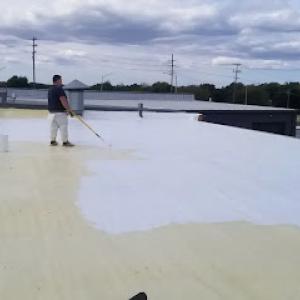
Weather Seal Insulation and Roofing, LLC brings over 27 years of expertise to Rock County, WI, and surrounding areas, delivering trusted roofing and insulation solutions. Specializing in residential and commercial roofing, including asphalt shingle, flat roofs, and silicone coatings, we’re dedicated to providing lasting quality and energy efficiency. From professional insulation and ventilation to reliable siding installation, we’re committed to safeguarding homes and businesses with services tailored for Wisconsin’s unique climate.

Infinity Exteriors
(608) 795-3943 www.infinityroofing.com
20 E Milwaukee St number 105, Janesville, Wisconsin
4.9 from 25 reviews
Established in 1997, Infinity Exteriors is the most trusted home exterior company in Janesville, Wisconsin, specializing in roofing, siding, windows, and gutter replacement services. As a locally owned and trusted contractor, our licensed technicians provide residential and commercial customers with roof repair and replacement, siding and window installation, and gutter systems. Infinity Exteriors prioritizes honest communication and offers no-pressure inspections for all projects. Since our founding, we have completed thousands of projects and earned an A+ rating with the Better Business Bureau. No roofing contractor in Janesville, Wisconsin, offers the same high caliber of roofing installation and repair at prices as competitive as ours.
JM Construction Group
(608) 795-7000 www.jmconstructiongroupwis.com
425 E Milwaukee St, Janesville, Wisconsin
5.0 from 10 reviews
JM Construction Group, LLC provides roofing, siding, windows, and gutters to all of Wisconsin.
United Exteriors
3070 N Wright Rd, Janesville, Wisconsin
4.6 from 30 reviews
Welcome to United Exteriors, your dependable roofing company in Janesville, WI. Our professional roofing contractors have the experience and ability to assist you in your property's roofing needs. Our company strives for customer satisfaction which is our number one priority. We only use the latest equipment to ensure we provide you with the best results.
Martindale Pinnacle Construction
(608) 852-2254 www.mp-construction.org
1828 N Washington St #100, Janesville, Wisconsin
4.2 from 86 reviews
With 18 years of experience, MP Construction has proven to be a veteran in the growing storm restoration field. You can depend on our fully trained and certified roofing professionals to provide you with fast, efficient service at an honest price. Your roof is the only thing standing between you and the weather outside. Let us protect your home or office from the elements with our quality roofing systems
Roofing Guy Janesville
1709 E Milwaukee St, Janesville, Wisconsin
4.7 from 14 reviews
Roofing Repair Guy Contractors of Janesville Wi offers high-quality roofing design and services in Janesville. We are seasoned roofers who deliver top quality and budget-friendly roofing services. Get in touch with us on +16085300679.
C & R Roofing
223 Clover Ln, Janesville, Wisconsin
3.0 from 4 reviews
C and R Roofing Uses the best quality roofing material on the market. After 43 years of roofing I have been able to determine what roofing material works the best not only for my roofers but for the homeowners or commercial contractors. INSTALLING ROOFING FELT METAL ROOFS FLAT ROOFS TPO ROOF SYSTEMS HOT TAR ROOF SYSTEM ROOF REPAIRS
Tabco Roofing & Siding
(608) 364-0546 tabcoroofingandsiding.com
Serving
5.0 from 4 reviews
Serving the communities of Beloit, Janesville, and nearby areas since 1993, Tabco Roofing & Siding in Beloit, WI, has earned a reputation as the premier roofing company in the region. Our expertise extends to both residential and light commercial roofing services, ensuring every project is handled with precision and care. Whether you need a roof repair, replacement, or a new installation, our experienced team is ready to deliver outstanding results. For trusted roofing solutions, reach out to Tabco Roofing & Siding in Beloit today and discover the difference expertise can make.
Janesville's cold winters with repeated freeze-thaw cycling heighten the risk of ice dams and edge damage compared with markets that stay cold less of the year. When ice builds up along the eaves, meltwater can back up under shingles and ridge vent stops, sneaking into the roof system where it's hardest to spot until a thaw exposes staining or moisture inside the attic. The most visible alarm signs often show up at the roof's edge: cracked shingles, loosened tabs, and hairline leaks tracing along the ceiling during or after a heavy thaw. If your roof's edge isn't sound, the problem compounds quickly as moisture cycles through freezes, expands, and refreezes. The consequence is not just a soggy attic but also accelerated wear on flashing, fasteners, and underlayment. Planning for edge protection during installation and maintaining it afterward is a practical defense you can implement now.
The city's post-installation inspection emphasis on ventilation and underlayment reflects how crucial moisture control is in this climate. Adequate intake and exhaust ventilation keeps roof temperatures more uniform and reduces the probability of interior condensation and ice-dam formation. Underlayment choices matter: a well-sealed, durable layer beneath the shingles provides a second line of defense if snow loads push water toward the eaves. After installation, expect a thorough check that shows the attic has enough breathable space, that vents are unobstructed by insulation or debris, and that the underlayment is continuous, with no gaps around penetrations. If anything looks marginal, address it now rather than later. In practice, that means seasonal reminders to clear soffits, confirm attic baffles remain in place, and verify that vapor barriers don't trap moisture where it can't escape. The payoff is a roof that resists ice dams longer and retains its structural integrity through another winter's cycle.
Winter damage in this area often appears as shingle cracking and new or widening gaps between tabs, which may seem minor until a thaw reveals a leak path across ceilings or walls. Snow load can conceal fastener issues and small roof penetrations, so pay attention after storms when the snow begins to melt. If you notice fluttering or loose shingles after a wind event, address them promptly; wind-driven damage often compounds with freeze-thaw stress. Keep a basic winter-maintenance routine: clean gutters and downspouts to prevent icicles from forming along the edge, inspect exposed edging for lifting, and check attic access openings for drafts. Early action on modest edge and vent issues reduces the chance of a cascade of winter-related failures when temperatures swing from cold to warmer and back again. This climate rewards vigilance, not delay.
Replacement windows in this market follow a practical rhythm: milder spring and early fall windows are favored because winter snow and summer humidity can compromise installation quality. If a harsh winter or an especially humid summer looms, you'll see crews push starts toward those calmer periods. Aligning with this cadence helps ensure insulated seals, precise trim, and long-term performance without rework from seasonal stress.
Storm events, especially spring hail, can put you at a crossroads. The local pattern often means a surge of projects, which can slow scheduling and extend lead times. When you're evaluating bids, consider not just the material but installation efficiency, crew experience with storm-related projects, and how quickly your insurer approves the scope. A stress-tested plan helps avoid rushed decisions during peak demand.
Fall brings a shorter daylight window that limits production pace, particularly on larger tear-offs where crews need ample daylight to manage weatherproofing and flashing details. If your home has complex angles or a multi-story reach, expect a deliberate timeline. Prepare by trimming landscaping late in the season and coordinating with your contractor about arrival times that maximize usable daylight without sacrificing quality.
Freeze-thaw cycles dominate durability concerns here. Choose windows with proven performance against repeated freezing and thawing, including robust insulation and airtight seals. On homes with prior ice dam issues, prioritize enhanced drip edge and effective interior condensation management. A well-sealed installation reduces the risk of cold drafts and interior moisture damage during the long winter months.
If a spring hail event has occurred, weigh the benefit of moving promptly into a busier season against waiting for a calmer window that still fits your home's exposure and interior comfort needs. A balanced plan minimizes disruption while ensuring a finish that endures through Janesville's dynamic weather.
Get a clear picture of your project costs upfront - no commitment required.
Rooster Roofing
(608) 631-0004 rooster-roofing.com
2000 E Racine St Ste 130, Janesville, Wisconsin
4.9 from 173 reviews
Weatherseal & Roofing
(608) 330-3626 www.weathersealinsulationandroofing.com
1220 W Court St, Janesville, Wisconsin
5.0 from 18 reviews
Roofing Guy Janesville
1709 E Milwaukee St, Janesville, Wisconsin
4.7 from 14 reviews
In Janesville, asphalt shingles remain the most budget-friendly common option at 350 to 650 USD per square, while metal commonly runs 700 to 1400 and slate 1500 to 2800. Storm-driven demand surges can raise labor pressure and extend lead times, especially after hail events when many re-roofing projects hit the market at once. Costs here are also influenced by how quickly after a storm a contractor can coordinate inspections and start work, and whether winter damage has forced urgent temporary protection before full replacement.
Asphalt shingles are typically the go-to for homeowners watching every dollar. Expect a straightforward install in the 350 to 650 USD per square range, with quicker lead times than premium options after a hail event. In years with heavy freeze-thaw cycles, shingle layering and edge detail can suffer more quickly, so plan for potential edge repairs or ice-dam mitigation as part of the replacement scope. If a hail pulse hits, anticipate some ramp-up in scheduling as crews juggle multiple homes in the same neighborhood.
Metal roofing commonly runs 700 to 1400 USD per square and can be worth the investment for homes facing frequent wind or hail exposure. In Janesville's freeze-thaw climate, metal panels tend to shed ice more reliably and resist cracking, though fastener integrity and flashings require careful installation. Weather-driven demand after a storm can push lead times, but the payoff is a roof that stands up to long winters with less frequent lifting and curling of shingles.
Clay tile (1000 to 2200) and concrete tile (900 to 1800) present strong storm resistance but come with heavier structural considerations and higher install complexity. Slate sits at 1500 to 2800 per square and delivers exceptional longevity, but the weight requires careful framing assessment and often longer scheduling windows. After severe hail, expect extended lead times and more involved inspections as crews verify substrate condition and tile alignment before the final pass.
Synthetic or composite shingles run about 550 to 1000 USD per square and can offer a middle ground between cost and resilience. They handle freeze-thaw cycles reasonably well and can be a practical option when storm damage exposes existing underlayment or decking vulnerabilities that need addressing. As with other materials, heavy post-storm demand can tighten scheduling and increase coordination efforts with crews.
Janesville's roofscape reflects a mix of asphalt shingles, metal, clay tile, concrete tile, synthetic/composite shingles, and slate. Among these, the freeze-thaw cycle is a key differentiator. When water seeps into small gaps and then refreezes, even sturdy materials can experience micro-cracking or edge lifting if expansion and contraction aren't managed well. Asphalt remains approachable for most homes, but the performance of metals and tiles hinges on proper fastening, attic ventilation, and a solid underlayment to resist seasonal stress. The material choice should align with how often the roof experiences rapid temperature swings, not just appearance.
Clay tile, concrete tile, and slate bring long lifespans, but they are heavy. In a climate with heavy snowfall and repeated freeze-thaw cycles, the snow load and ice formation patterns matter as much as aesthetics. Those traditional heavy roofs perform best when the structure is designed with appropriate rafter spacing and a reinforced ridge line. If a retrofit is being considered, ensure the roof deck and support structure can safely handle the weight, especially in areas that accumulate deep snow or experience ice dam development along eaves.
Synthetic/composite shingles offer a premium look with improved resilience in cold and hail-prone weather. They tend to resist cracking better than some traditional asphalt when exposed to cold temperatures, which reduces brittleness under repeated freeze-thaw cycles and hail impacts. For homes facing brisk winters and storm-driven cycles, these products can provide a good balance of appearance, weight, and durability. They also pair well with upgraded underlayment and ice-dam防 measures, which helps address Janesville's typical winter conditions.
When evaluating materials, consider how each one responds to snow loading and ice dam potential, not just upfront aesthetics. Metal roofs can shed snow more quickly but need precise flashing and venting to prevent condensation issues. Clay and concrete tiles require a sturdy supporting structure and careful edge detailing to minimize crack risks from freeze-thaw movement. Synthetic options can offer a more forgiving profile under hail and cold stress while preserving a premium look. In all cases, ensure the chosen system includes robust underlayment, proper ventilation, and reliable sealants at joints and penetrations to curb ice dam formation and wind-driven leaks.
A building permit is typically required for a full roof replacement, processed through the City of Janesville Inspections Department. The permit ensures the work meets local codes, especially for storms and freeze-thaw cycles that Janesville experiences. Before any shingle tear-off or new roofing goes on, contact the city to file for the permit and to schedule the necessary inspections.
Permit processing in Janesville can take several days to a couple of weeks, depending on backlog. This timing becomes especially relevant during storm-recovery periods when crews are rushing to restore damaged roofs. Plan ahead for permit approval before ordering materials or starting work, and factor in potential delays caused by weather events or high demand after a hail or wind event.
An inspection is required after installation in this city. The focus of the city review centers on ventilation, underlayment, and nail spacing rather than treating roofing as a no-inspection trade. Ensure the installation crew follows venting guidelines, uses appropriate underlayment, and nail spacing aligns with code or manufacturer requirements. Having the details documented on site will smooth the final inspection.
Begin by calling the Inspections Department to confirm current permit forms and any storm-specific waivers. Have the contractor provide a preliminary plan that shows attic ventilation, underlayment type, and fastener layout. After work is complete, schedule the final inspection promptly to avoid delays in occupancy or driveway access. If any deficiencies are found, address them quickly and request a reinspection without delaying the rest of the project.
While Janesville is primarily a re-roofing market, local contractor signals show meaningful demand for flat or low-slope roof work rather than only steep-slope residential replacement. The mix means you should evaluate drainage, flashing, and transitions as part of every project, not as afterthoughts. In homes with flat or low-slope sections, neglecting a proper membrane, edge detailing, or mid-assembly flashing can invite slow leaks that worsen under freeze-thaw cycles. Treat these areas with the same attention you'd give a steep roof, because the consequences are often less dramatic to start but more costly to repair later.
Skylight-related repair experience appears often enough in local contractor profiles to suggest leak-prone transitions are a real local service need. Leaks there tend to show up after a storm and, once moisture gets behind the curb or curb-flashing, they migrate quickly. Prioritize ensuring the skylight curb is square, properly sealed, and integrated with the surrounding roofing membrane. Look for signs of degraded sealant, bushings, or tile-penetration flashings that may have shifted over time. If a skylight is evidencing condensation or staining on multiple surfaces, treat the issue as a system problem rather than a single point leak.
Freeze-thaw conditions in Janesville make penetrations and low-drainage areas more vulnerable when water backs up, refreezes, or lingers after storms. Penetrations-vent pipes, plumbing stacks, chimneys, dormers-need robust flashing and a continuous membrane that spans beyond the penetration. Clogged or slow-draining valleys, scuppers, or gutters create pooled water that refreezes and creates ice dams, forcing water under shingles and canoes of roofing materials. Regular inspection of seams, flashings, and drainage paths helps catch early deterioration before ice and thaw cycles exaggerate the damage.
Find specialists in TPO, EPDM, and built-up flat roofing systems for residential and commercial properties.
RNF Roofing Company
(773) 654-4462 roofingcompanyjanesville.com
12 N Parker Dr, Janesville, Wisconsin
5.0 from 25 reviews
Distinct Exteriors & Roofer in Janesville
(608) 208-6088 janesvilleroofer.com
1327 N Wright Rd #100, Janesville, Wisconsin
4.9 from 35 reviews
Weatherseal & Roofing
(608) 330-3626 www.weathersealinsulationandroofing.com
1220 W Court St, Janesville, Wisconsin
5.0 from 18 reviews
After a storm in Rock County, you need a contractor who answers calls quickly and can be on-site with a clear plan within days. Look for a roofer with a track record of rapid response to hail and wind events, and a willingness to book a site visit promptly even when schedules are tight. Ask how they triage urgent leaks versus full replacements, and whether they assign a dedicated point of contact for the project.
Cleanliness and debris handling aren't luxury features here - they are part of the job expectation. When you visit, note whether the contractor uses ground covers, crews sweep up nails and shingle fragments daily, and how they manage material waste and run-off. A responsible crew should protect landscaping, driveways, and outdoor furniture, and leave the site neat at the end of each day.
The market includes long-established, affordable contractors who balance price with a solid track record. Ask for several local references, especially homeowners who faced freeze-thaw cycles and storm damage in recent winters. Check how long the company has served this area, and whether they employ seasoned crews rather than seasonal workers. In conversations, gauge whether the contractor prioritizes ongoing service after the project is complete.
Get a written outline of the work, including sequence of repairs or replacement, estimated timelines, and daily communication expectations. Confirm who will supervise the crew on-site, how weather windows are handled, and how changes to the plan get approved. A clear, detail-focused contractor minimizes miscommunication during the critical weeks after a storm.