
Last updated: Apr 19, 2026
Spring hail and high-wind bursts ramp up roof stress in this area, and the window can re-open again with fall tropical storm rainfall sweeping across North Alabama. A storm-heavy pattern means roofs endure repeated impact, fast-drying sun, and micro-erosion from strong gusts. When a hail event hits, the clock on timely documentation and rapid action starts ticking, because insurers in Alabama commonly scrutinize photo histories and pre-existing-condition records before approving replacements. If a major storm comes through, thinking you have time can backfire-damage compounds, leaks appear, and the claim becomes more complex. The Athens market reflects this reality: emergency repairs and storm-damage claims surge in the wake of a storm, and the best protection is fast, documented decisions rather than second-guessing later.
Because insurers routinely request date-stamped proof, you should secure a detailed record after every significant event. Take date-stamped photos of the roof from multiple angles within 24 hours of a storm, then again after temporary repairs or a full assessment. Capture high-resolution images of curb-appeal indicators like granule loss on shingles, compromised flashing, and any visible dents or creases in metal sections. Keep a simple log noting the exact storm dates, wind speeds if you can obtain them, and the areas most affected (e.g., east-facing slope, eaves). If a contractor arrives proposing an emergency fix, document what is involved in the repair, materials used, and whether a permit or permit-like coordination is necessary. This proactive record-keeping supports a smoother path through the insurer's evaluation process and can prevent disputes about pre-existing conditions.
If hail or wind damage is suspected, arrange for a rapid roof assessment by a trusted local contractor who understands Athens' storm patterns and the common housing stock in the area. Prioritize securing temporary measures to mitigate water intrusion-tarps or patches-while avoiding over-repair during the initial visit, since insurers often want to see the full scope of damage before a replacement decision is made. Request a written inspection report that itemizes visible damage, potential hidden damage, and recommended steps. When you communicate with the insurer, provide the date-stamped storm records and the before-and-after photo set to demonstrate the impact window and the roof's condition trajectory. If a claim is approved, align with a contractor who can document subsequent repairs with the same level of photographic detail, ensuring continuity in the claim file.
Assess whether damage is primarily cosmetic, functional, or structurally consequential, and weigh replacement timing against storm-season risk cycles in North Alabama. In this market, delaying a necessary roof replacement after a major event can increase exposure to leaks during the next storm season and complicate the claim narrative. Proactive scheduling with a reliable, storm-focused contractor helps anchor your project in a timeline that supports insurance documentation and minimizes out-of-pocket disruption. Stay vigilant during spring and fall windows, and maintain your storm-record routine to keep the process streamlined.
Impact Roofing
(256) 333-2363 impactroofing.us
1700 US Hwy 72 E, Athens, Alabama
5.0 from 710 reviews
Whether it's a small repair or a complete roof replacement, our team is trusted throughout North Alabama and Southern Middle Tennessee for reliable, high-quality roofing services. Certified by leading manufacturers like IKO, Owens Corning, and GAF, we specialize in both asphalt shingle and standing seam metal roofing systems, offering a variety of designer and high-performance options, as well as solutions for flat roofs. We are also proud to offer Alabama Power Smart Financing. Don’t let roof damage escalate. Contact Impact Roofing, your local roof specialists, for quick, professional service.
Yellowhammer Roofing
(256) 232-1933 www.yellowhammerroofing.com
26795 US-72, Athens, Alabama
4.8 from 1354 reviews
The Yellowhammer Roofing team believes roof repair and replacement is more than a job — roofing is our Career! We are vested in bringing you the best knowledge, service, and solutions possible for your residential or commercial roofing needs. Providing roofing service throughout Alabama with free inspections and estimates!
Roof Tech Solutions
(256) 862-3970 www.roof-techsolutions.com
16000 Shaw Rd, Athens, Alabama
4.9 from 133 reviews
Roof Tech Solutions provides roofing and construction services and 24/7 emergency services to the North Alabama area.
Ridgeline Construction Roofing & Exteriors
(256) 617-5912 www.ridgelineconstructionhsv.com
13800 Mooresville Rd, Athens, Alabama
4.8 from 272 reviews
Ridgeline Construction Roofing & Exteriors offers roof replacement, roof repair, siding and gutter services for residential and commercial properties. As a family owned and operated business, it is our goal to provide our customers with the highest quality service for the best price. We understand that your home is one of your most important financial assets and that it protects your most valuable personal asset: your family. That is why we take great care to ensure that each and every job we do is done correctly and with the best materials available. We understand that choosing a roofing contractor can be a difficult decision, so we are confident in our ability to give you the service you need at a price you can afford.
Re-Roof It
(256) 364-5197 www.reroofitllc.com
17104 US-72, Athens, Alabama
5.0 from 38 reviews
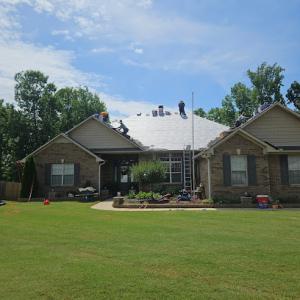
Re-Roof It provides shingle roofing repair and replacement services in Madison County, AL and Limestone County, AL.
Top Line Roofing & Construction
(251) 463-7919 toplineroofconstruction.com
15380 Greenfield Dr, Athens, Alabama
5.0 from 15 reviews
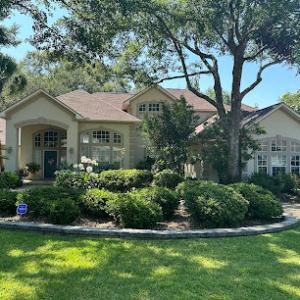
We provide high-quality roofing services. We have been working in Alabama for several years and in that time have helped countless businesses and residences alike with their roofing problems.
Roof Restorations
18223 Glen Ln, Athens, Alabama
5.0 from 13 reviews
Does your roof need to be repaired or replaced? Do you need a new roof installed? If so, Roof Restorations has great news for you! We are one of the leading roofing companies in the region, providing a variety of roofing services for commercial and residential properties. We are a local, veteran-owned company with many years of experience. From minor repairs to complete installation, you can trust that our licensed contractors will provide you with the high-quality service you deserve.
Tycon Roofing
500 Wellington Rd, Athens, Alabama
4.6 from 25 reviews
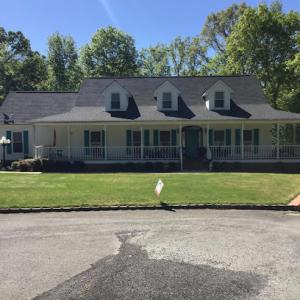
Tycon Roofing is the best roofing company in Athens, AL so for any quality roofing services you may need, don’t hesitate to give us a call! Family-owned and -operated, Tycon Roofing proudly serves families and businesses across the greater northern Alabama region with superior and comprehensive roofing services. With a hardworking team of experienced and skilled contractors, we will cover all your commercial and residential roof repairs, roof installations, and roof inspections. Whether you’re in need of a simple roof inspection, roof repair, or more complex roof work such as roof replacement and commercial work, Tycon Roofing has you covered. No project is too big or small for us, so call us anytime for a free inspection!
Green Valley Roofing & Construction
(205) 793-5578 greenvalleyroofers.com
Athens, Alabama
5.0 from 6 reviews
Green Valley Roofing & Construction provides the state of Alabama with the highest quality roofing services. This expert team is licensed and insured, and they have an A+ rating from the BBB. Call today for roof maintenance, inspection, repairs or full roof replacement - we do it all! The Huntsville team of roofers provides both residential and commercial services and they always offer free estimates so there will never be any surprises. We provide discounts to veterans and senior citizens and offer a variety of financing options. Call Green Valley today and get the exceptional service you deserve!
F & S Roofing & Restoration
Athens, Alabama
4.2 from 5 reviews
F&S Roofing & Restoration provides reliable roof repairs, replacements, and restoration services. Serving North Alabama, we deliver quality craftsmanship and trusted solutions to protect your home or business.
Alliance Roofing & Restoration
(256) 444-5694 allianceroofingrestoration.com
605 US-31 STE A, Athens, Alabama
5.0 from 2 reviews
THE PREFERRED ROOFING TEAM FOR HOME AND BUSINESS OWNERS IN ALABAMA
Top Notch Roofing & Home Improvement
Serving
4.8 from 18 reviews
Top Notch Roofing and Home Improvement is locally owned and operated for 15 years. We are licensed and insured and BBB accredited. If you need a leak fixed, help dealing with insurance, or full roof replacement look no further.
Asphalt shingles and metal roofing are the dominant practical choices in Athens, while tile and wood products are present but much less aligned with the area's mainstream contractor specialization. That practical split matters for how you plan a reroof or a repair after a storm: the installed base in town means most crews have fuller toolkits, warranties, and service habits around asphalt and metal. In this climate, the typical homeowner benefit comes from selecting products that your local crew can install quickly, accurately, and with predictable sealants and fasteners that suit standard flashing details. If a project leans toward tile or wood, you'll want to confirm the contractor's track record with that material in this service area and be ready for longer timelines and closer attention to flashing details.
Athens roofs must handle repeated wet-dry cycling from humid summers and frequent thunderstorms, which makes underlayment quality, flashing execution, and attic ventilation especially important for service life. Your underlayment should be a high-quality felt or non-bituminous synthetic with a durable surface, installed with staggered joints and proper nailing patterns to resist wind uplift and moisture migration. Flashing at valleys, chimney transitions, and vent penetrations should be continuous, not piecemeal, to prevent water intrusion during heavy rain events. Attic ventilation matters more here than in drier markets: a balanced plan that pairs soffit intake with ridge or upper vents helps prevent condensation and reduces attic heat buildup that can prematurely age shingles and metal panels alike. If you choose asphalt, pay attention to overhangs and drip edge alignment so rainwater flows cleanly into gutters rather than seeping under decking during storms.
Asphalt shingles respond well to careful installation that respects wind zones, nail placement, and dealer-recommended sealant usage. In a humid, storm-prone setting, granule retention matters; choose a shingle line with good granule adhesion and UV resistance to slow gradual weathering from sun exposure after storms. Metal roofing, when installed with the right underlayment and a solid fastener pattern, can resist wind-driven rain and hail impacts while offering excellent longevity under repeated moisture cycles. However, metal work hinges on precise panel spacing, proper seam sealing, and correct closure perimeters-areas where a seasoned local team can make the difference between a decade of trouble-free performance and recurring service calls.
The city's material mix reflects local demand signals: asphalt and metal each have meaningful contractor specialization, while tile roofing appears only rarely in the active market. If tile or wood is pursued, be prepared for limited local service options and longer lead times for replacement parts, resealing, and hail-related repairs. For any non-mainstream choice, confirm a clear warranty path with the installer and verify that the crew can source compatible underlayment and flashing accessories tailored to that material. In rain-heavy periods, ensure ventilated attic space is not sacrificed during retrofits or repairs, as that can shorten the life of any roof system.
The recurring storms and the insurance-driven repair cycle mean your project hinges on a crew that can document damage clearly, manage replacement timing, and execute flashing and ventilation upgrades without delaying permanent protection. For asphalt or metal, prioritize crews with a strong track record in weatherproof detailing, storm response, and post-install inspection checks. If tile or wood is in play, require a dedicated installation plan and warranty path that recognizes the material's particular care needs under Alabama's humidity and hail patterns.
In Athens, the local cost ranges reflect the mix of housing stock and storm-focused demand. Asphalt shingles come in around $350 to $700 per square, while metal roofs run about $700 to $1100 per square. For homes that opt for clay or concrete tile, expect roughly $1200 to $2500 per square and $1000 to $1800 per square, respectively. Wood shingles or shakes typically land in the $600 to $1200 per square band, and synthetic or composite shingles fall between $450 and $900 per square. These figures are the ballpark you'll see from reputable local installers who understand the spring thunderstorm cadence and the way insurance-driven work ends up shaping schedules.
Provided local cost ranges run about $350 to $700 per square for asphalt shingles, $700 to $1100 for metal, $1200 to $2500 for clay tile, $1000 to $1800 for concrete tile, $600 to $1200 for wood shingles or shakes, and $450 to $900 for synthetic or composite shingles. In Athens, reroof pricing can rise after major spring storm clusters because the market shows strong demand for storm work, emergency response, and insurance-related replacements. That spike can show up as tighter scheduling, faster commitments, and, on some projects, premium materials or added crew time to manage debris, debris containment, and post-storm inspections. If your project follows a cluster of hail events, expect the upper end of the local ranges more often than not.
Costs can also shift based on whether the project is a full tear-off requiring staged inspections and major decking work, especially when decking repairs, upgraded ventilation, or drip-edge corrections are needed to satisfy local review. In practice, a straightforward re-shingle on a sound roof will stay closer to the lower edge of the ranges, while a full tear-off with decking repair or ventilation upgrades can push the price higher. In Athens, contractors factor the likelihood of weather interruptions into scheduling and labor logistics, which can influence the final bill. If the roof is older or shows signs of moisture damage, expect cost guidance to tilt upward as repairs become part of the plan rather than a clean sheet replacement.
Start by obtaining multiple bids from local crews who track spring storm patterns closely, so pricing reflects Athens' typical weather cycle rather than a generic market. Ask for a clear breakdown: disposal, underlayment or decking repairs, ventilation, drip-edge work, and any necessary flashing updates. Compare not only the price per square but also the timeline, payment terms, and the contractor's insurance coverage. Given Athens' storm-driven demand, a plan that documents hail impact and aligns with your insurer's preferred repair path can help keep timing reasonable and minimize long gaps between assessment and installation.
Don't let upfront costs delay a critical repair - these contractors offer payment plans to fit your budget.
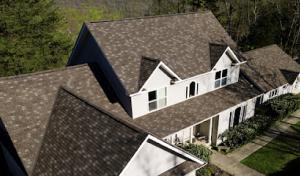
Impact Roofing
(256) 333-2363 impactroofing.us
1700 US Hwy 72 E, Athens, Alabama
5.0 from 710 reviews
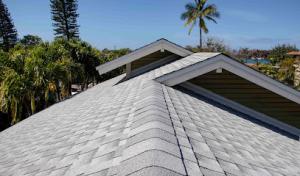
Green Valley Roofing & Construction
(205) 793-5578 greenvalleyroofers.com
Athens, Alabama
5.0 from 6 reviews
When a full reroof is on the schedule, the project is not treated as simple maintenance. Instead, the city building department handles the permit process, and that oversight can shape the entire timeline from contract to completion. Before any shingles come off, you'll want to confirm that the contractor has submitted the permit package and that the inspector has a clear scope of the tear-off, attic ventilation, and final installation criteria. In practice, the permit review often prompts the contractor to align on materials, underlayment choices, and sequencing of the tear-off and replacement, so expect a conversation about what constitutes a complete reroof rather than a quick patch job.
Local inspections are a routine part of the reroof sequence. An initial inspection typically occurs during the tear-off phase to verify underside conditions, roof deck integrity, and underlayment installation. A follow-up inspection is common after the new roof is installed, focusing on alignment with code, flashing details, and final quality checks. The city's emphasis on these checks helps catch issues like improper fastener patterns, inadequate underlayment coverage, or gaps in critical transitions around penetrations. If any deviations are found, the contractor should address them promptly to keep the project moving and to avoid re-inspection delays.
A notable point for Athens homeowners is that the city process explicitly calls out ventilation and drip edge as items to verify before work begins. Proper roof ventilation helps manage heat and moisture in the attic, which in turn protects decking and insulation. Drip edge ensures proper water shedding and helps prevent roof deck edge rot. Before signing off on permits, review with the contractor how intake and exhaust vents will be arranged for the attic space, and confirm that the drip edge will extend along all eaves and rakes as required by local code. If the inspector notes any shortfalls in these areas, expect a corrective plan and re-inspection requirement before the project can progress to final stages.
In this market, storm response and insurance documentation are central concerns. Communicate with the contractor about the timing of tear-off and reinstallation in relation to anticipated storms, and ensure that inspection reports, permit receipts, and any code-required documentation are collected and organized. Having a clear file for city approvals, inspection stickers, and changes to ventilation or drip edge helps streamline insurance reviews and any potential claim adjustments. Remember, successful inspection outcomes often hinge on aligning the field work with the city's checklist, not just on the roof's visible appearance.
Athens sits in an Alabama insurance environment where hail and wind claims are common enough that roof documentation materially affects claim outcomes. When a storm rolls through, a quick mental tally of what survived and what shows new impact can save you weeks of back-and-forth with a carrier. Take clear photos after each serious weather event, and keep a dated gallery that shows typical wear over the years alongside any storm-marked spots. This is not about exaggeration-it's about having objective records when adjusters arrive.
Coverage remains generally available in this region, but carrier-specific deductible structures can strongly influence whether Athens homeowners repair, patch, or fully replace after a storm. If a large deductible applies only to roof damage, a partial fix might seem tempting even when a full replacement would yield better long-term protection. Conversely, a smaller deductible paired with frequent hail events can push toward proactive replacement to avoid repeated small fixes that never feel truly secure. Understanding your exact deductible language before a claim is filed helps you weigh options calmly rather than reacting in the heat of a storm aftermath.
Adjusters commonly review prior photos, maintenance history, and evidence separating new storm damage from older wear, which is especially important in a market with frequent thunderstorm exposure. You should keep a simple log that notes gutter cleaning, shingle replacements, flashing repairs, and any roof work done in the years leading up to a storm. When you suspect new damage, photograph from multiple angles, including attic views if there's visible moisture or daylight around flashing. If possible, align your documentation with what the contractor and the insurer will request: dates, locations, and descriptions of what was learned from prior inspections.
In a storm-prone area, timing matters. If a claim is filed soon after hail or high winds, you may be able to secure temporary protection and limit interior damage while the adjuster inspects. Yet if damage is masked by older wear, the adjuster might determine a portion is not covered unless new damage is clearly documented. Stay aligned with your contractor about what needs to be photographed and what constitutes fresh impact versus wear. Honest, detailed records reduce back-and-forth and help ensure the claim outcome reflects the actual condition of the roof after the storm.
Connect with contractors who help homeowners navigate the claims process from damage assessment to final approval.
Impact Roofing
(256) 333-2363 impactroofing.us
1700 US Hwy 72 E, Athens, Alabama
5.0 from 710 reviews
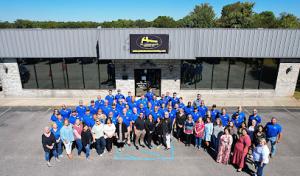
Yellowhammer Roofing
(256) 232-1933 www.yellowhammerroofing.com
26795 US-72, Athens, Alabama
4.8 from 1354 reviews
Roof Tech Solutions
(256) 862-3970 www.roof-techsolutions.com
16000 Shaw Rd, Athens, Alabama
4.9 from 133 reviews
Thunderstorm season in this area brings wind-driven rain that races through missing shingles or flashing failures. When a leak appears, act fast: move valuables away from water, catch dripping lines with a bucket, and avoid stepping on a wet, slippery roof. If a flashlight helps, use it to pinpoint entry points and locate detached shingles or flashing seams without risking a fall.
Emergency repair is a meaningful local specialty signal, indicating that temporary drying-in and tarping are a real part of the market rather than a fringe service. A licensed roofer should be able to deploy a tarping solution the same day the leak is photographed and logged, especially after a hail or wind event. Tarps should cover the entire affected area, secured with weighted boards and fasteners that won't fail in gusts.
Short-notice leak response matters when wind-driven rain follows shingle loss or flashing failure. Look for a contractor who answers calls promptly, assesses risk within hours, and offers immediate temporary protection while scheduling a full roof recovery. Document the scene: take photos of damaged areas, flashing gaps, and punctures, and share them with the contractor to accelerate authorization and insurance coordination.
Ask for a trained responder who can communicate clearly with adjusters and provide a simple drying-in plan. A dependable team will walk through temporary protection, a tarp installation checklist, and a solid plan for returning rain-free coverage without leaving you exposed to a fresh storm. Prompt, clear action reduces exposure and supports faster decisions when the next storm rolls in.
When you can't wait, these contractors offer fast response times to stop leaks and prevent further damage.
Roof Tech Solutions
(256) 862-3970 www.roof-techsolutions.com
16000 Shaw Rd, Athens, Alabama
4.9 from 133 reviews
In Athens, the typical home renovation revolves around asphalt shingles or metal on steep roofs, but a notable share of contractors also work on commercial properties or mixed residential and low-slope projects. That mix means you'll encounter pros who can handle a sloping main roof and a flat or low-slope section-such as a porch extension, carport, or guest addition-without switching crews. Flat-roof specialization exists here, but it is limited compared with storm response, insurance documentation, and metal work, so you may need to screen more carefully when porches or low-slope sections are involved. The local market signal balance suggests low-slope work is available but not dominant, which affects contractor selection for homes with nonstandard roof geometry.
Start by identifying every flat or gently sloped area on your roof. If a sizable low-slope section is present, prioritize contractors who regularly tackle mixed roofs and can coordinate seamlessly between the steep main deck and the flat portion. Ask for recent projects that include low-slope additions or porches, and request specific details about underlayment, drainage, and edge detailing. If you have a stand-alone flat or low-slope area, verify that the contractor's crew includes technicians trained for proper insulation and seamless transitions to the higher-slope sections.
When interviewing, press for experience with storm-related damage and insurance documentation, since hail-prone springs heighten the need for accurate damage assessment and claim handling. Look for clear communication about timelines after hail events, documentation of damage, and a straightforward process for submitting notes to your insurer. Because low-slope work is not the dominant market here, you should prefer teams with demonstrated capacity to coordinate nonstandard roof geometry-especially where a low-slope addition meets an existing steep roof. Ask for a written plan that covers materials compatibility between sections, drainage continuity, and edge detailing to prevent leaks at transitions.
Find specialists in TPO, EPDM, and built-up flat roofing systems for residential and commercial properties.
Impact Roofing
(256) 333-2363 impactroofing.us
1700 US Hwy 72 E, Athens, Alabama
5.0 from 710 reviews
Roof Tech Solutions
(256) 862-3970 www.roof-techsolutions.com
16000 Shaw Rd, Athens, Alabama
4.9 from 133 reviews
Cleanup included is one of the strongest contractor-market signals in this area, signaling homeowners value post-job debris control during reroof projects. When a bid includes a thorough cleanup-footing nails, packaging, and leftover debris hauled away-trust that the crew will keep driveways and yards clear during the process. If a contractor skips debris containment, press for explicit cleanup commitments in writing and plan to inspect the final sweep before payment. In storms, crews move fast, but Athens homeowners expect a tidy finish that minimizes nail hazards for children and pets after a hail event.
Reroofing is far more prominent than new-construction emphasis in this market, so homeowners should expect many contractors to be optimized for replacement rather than custom new-build roofing. Look for crews with a track record of efficient tear-off and reinstallation, plus a clear plan for roof deck assessment and ice-dam prevention in hot, humid summers. If a bid sounds tuned to unique, one-off designs, verify whether the firm also handles standard, reliable reroof installations with consistent warranty terms. The emphasis here is durability and speed without sacrificing inspection-driven attention to attic ventilation and flashing details that hold up under repeated spring storms.
Warranty and financing signals are present but not universal, which means homeowners should verify these terms rather than assume they are standard across bids. Ask for a written warranty outline covering materials, workmanship, and seasonal maintenance checks. Confirm how long coverage lasts, what conditions void it, and whether fabrications or replacements due to hail impact are included. For financing, seek clear terms that align with raingear-season cash flow and storm-repair timelines. If a contractor offers flexible financing, request specifics in writing and compare to quoter timelines to avoid gaps in protection after a claim.
Prioritize crews with a proven track record in storm response and insurance documentation, strong cleanup commitments, and transparent warranty language. Ask for local references, especially from homeowners who faced hail events, and verify their work with a quick drive-by or site visit. Ensure the crew assigns a single point of contact for scheduling, cleanup follow-up, and warranty questions to prevent miscommunication during the crucial post-storm period.