
Last updated: Apr 19, 2026
Hartselle sits in North Alabama where severe spring thunderstorms commonly bring hail and strong straight-line winds that damage shingles, ridge caps, flashing, and exposed metal panels. When a storm hits, the clock starts ticking on protective measures, evidence gathering, and the trajectory of an insurance claim. Quick, decisive action after a hail event or wind gust can make the difference between a smooth claim and a rushed, compromised repair. Understand that time is your ally only if used strategically to protect the roof deck and interior from moisture intrusion.
Right after the storm, you need a clear, focused assessment. Look for lifted shingles, curling, missing granules, cracked flashing, and dented vents or metal panels. Photograph from multiple angles-ground level, rooftop if safe, and close-ups of damaged areas. Keep a running log of dates, storm intensity, and any changes in exterior moisture or interior humidity. If shingles are loose or missing, cover the affected area with a tarp or roof felt as a temporary shield, but do not delay a professional inspection. Insurance claims work best when you show a documented, organized sequence of damage.
In this region, late-summer to early-fall tropical moisture can push repeated rain bands into North Alabama, increasing the risk of moisture intrusion if tear-off and dry-in are not tightly scheduled. As soon as you file a claim, coordinate with a local, reputable roofer who understands the insurance process and how weather windows shape work plans. The goal is to minimize the time the roof is open to the sky. Insurance-backed repairs hinge on accurate assessment, proper rapid mitigation, and a clear schedule that aligns with available dry spells. Delaying inspection beyond a storm-impacted week can complicate coverage and extend the exposure window.
After a severe weather event, the sequence matters: secure the site, document all damage, and prioritize critical failures that threaten the home interior or attic ventilation. Ridge caps, flashing, and metal panels often suffer the fastest wear, and those gaps are invitations for leaks. If your roof deck has been exposed for more than a season, or if you notice interior staining, escalate the claim promptly. Local crews know how to stage a tear-off efficiently, so the goal is a tight dry-in window that minimizes the chance gutters and soffits pull moisture into the attic during a storm-season lull.
Because hot, humid summers also bring frequent afternoon thunderstorms, many local reroof projects are pushed into drier spring and fall windows when crews can keep roofs open for less time. Plan with your contractor around reliable weather forecasts, not just the calendar. A well-structured plan starts with a rapid claim conclusion, followed by a staged teardown only when dry-in is forecast for consecutive days. If a storm comes while a project is underway, your contingency should be a safeguarded interior with temporary barriers, so the interior remains dry while crews adjust the sequence to the forecasted weather pattern.
Coordinate with your roofer to secure a detailed, weather-conscious schedule that prioritizes a tight dry-in. Request a written plan that specifies when tear-off will occur, how long the roof will be open, and what protective measures will be in place for moisture management. Keep your claim documents, photos, and permit-ready notices organized and accessible. If a storm hits again during the repair window, communicate immediately with the insurer and contractor to adjust the sequence without sacrificing protection. In this market, resilience hinges on rapid documentation, strategic scheduling, and disciplined mitigation during every exposed moment.
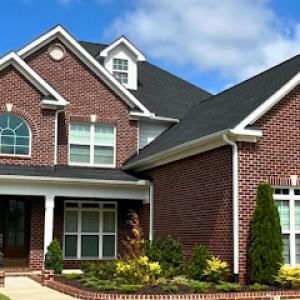
Boxwood Roofing & Restoration
(256) 206-3277 www.boxwoodroofing.com
415 Spring Valley Rd, Hartselle, Alabama
5.0 from 76 reviews
Boxwood Roofing and Restoration provides roofing contractor services to the Hartselle, AL area.
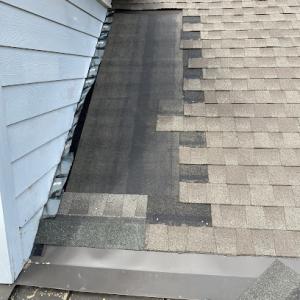
G.T Roofing
(256) 945-1998 gtroofing-llc.com
Hartselle, Alabama
5.0 from 4 reviews
G.T Roofing serves Decatur, AL as a reliable roofing contractor that specializes in asphalt and shingle roofing, flat roofing, and chimney repair. Furthermore, they offer lawn care, pressure washing, and yard cleaning, setting themselves apart with their dedication to quality and providing free estimates, along with top-notch solutions for all your roofing needs.
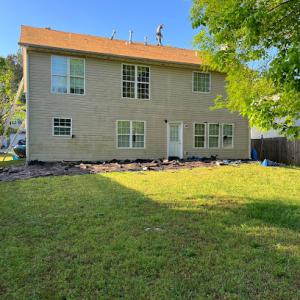
Southern Construction & Roofing
(470) 794-0794 www.scratlanta.com
Serving
5.0 from 13 reviews
We are a small family owned business. We require ALL of our employees and vendors to operate at the highest standards. We believe in a no hassle, non complicated quote process. There will never be ANY high pressure sales from our client relations department. We would rather earn your business the old fashioned way.
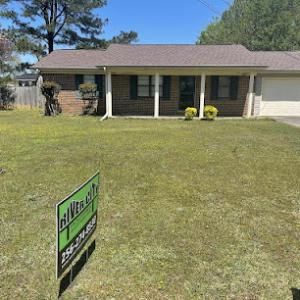
River City Roofing Solutions
(256) 274-8530 rivercityroofingsolutions.com
Serving
4.7 from 272 reviews
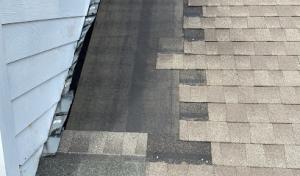
We Provide Quality Roofing Solutions in North Alabama. We will work with your insurance company to repair or replace your roof. We also offer Repair services. We are open 24/7 for emergency roofing services. The owners have over 30 years of combined experience in the roofing industry. We can install roofs in a variety of different styles and materials. We do metal roofing, traditional shingle roofing, metal shingle roofing, commercial roofing and residential roofing. We've partnered with IKO & Boral to provide the highest quality shingles for any building. We hold a Preferred Contractor status with Owen’s Corning. Our office is located on Central Pkwy in Decatur, AL. We work in all areas around including Huntsville, Madison & Cullman.
Yarco Roofing & Construction
(256) 227-6998 www.yarcoroofing.com
Serving
5.0 from 59 reviews
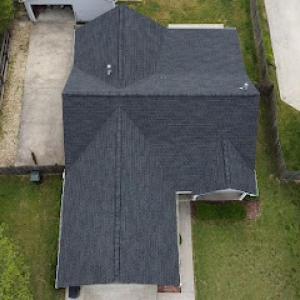
Yarco Roofing and Construction is a locally owned roofing contractor serving Decatur, Huntsville, Madison, and surrounding North Alabama areas. We specialize in residential roof replacement, roof repairs, storm damage restoration, and insurance claim assistance. Since 2021, homeowners have trusted Yarco Roofing for honest inspections, quality craftsmanship, and dependable service. Our experienced team works directly with insurance companies to help simplify the claims process and ensure your roof is properly restored after hail or wind damage. Whether you need a full roof replacement or a professional inspection Yarco Roofing and Construction is committed to protecting your home with long lasting roofing solutions and clear communication.
HW Roofing
Serving
5.0 from 51 reviews
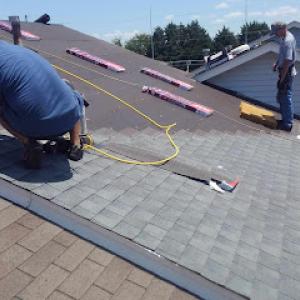
Local roofing company owned and operated by Herman Wallace with 30+ years roofing experience. We are licensed, insured and bonded. New installation, replacement, repair & maintenance. Call to schedule your free estimate today.
Quality Choice Roofing
(256) 563-5656 qualitychoice-roofing.com
Serving
5.0 from 100 reviews
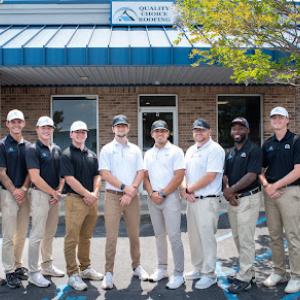
𝗤𝘂𝗮𝗹𝗶𝘁𝘆 𝗖𝗵𝗼𝗶𝗰𝗲 𝗥𝗼𝗼𝗳𝗶𝗻𝗴, a trusted 𝗿𝗼𝗼𝗳𝗶𝗻𝗴 𝗰𝗼𝗻𝘁𝗿𝗮𝗰𝘁𝗼𝗿 in 𝗗𝗲𝗰𝗮𝘁𝘂𝗿, 𝗔𝗟, specializes in 𝗿𝗼𝗼𝗳 𝗿𝗲𝗽𝗹𝗮𝗰𝗲𝗺𝗲𝗻𝘁, 𝗿𝗲𝗽𝗮𝗶𝗿, 𝗮𝗻𝗱 𝗶𝗻𝘀𝘁𝗮𝗹𝗹𝗮𝘁𝗶𝗼𝗻 for property owners in 𝗠𝗮𝗱𝗶𝘀𝗼𝗻, 𝗔𝗟, 𝗔𝘁𝗵𝗲𝗻𝘀, 𝗔𝗟, 𝗮𝗻𝗱 𝗛𝗮𝗿𝘁𝘀𝗲𝗹𝗹𝗲, 𝗔𝗟. We offer 𝗳𝗿𝗲𝗲 𝗲𝘀𝘁𝗶𝗺𝗮𝘁𝗲𝘀, top 𝗾𝘂𝗮𝗹𝗶𝘁𝘆 𝘄𝗼𝗿𝗸, and 𝗴𝘂𝘁𝘁𝗲𝗿 𝗶𝗻𝘀𝘁𝗮𝗹𝗹𝗮𝘁𝗶𝗼𝗻 𝗮𝗻𝗱 𝗴𝘂𝗮𝗿𝗱𝘀. As a 𝗽𝗿𝗲𝗳𝗲𝗿𝗿𝗲𝗱 𝗰𝗼𝗻𝘁𝗿𝗮𝗰𝘁𝗼𝗿, we provide 𝗲𝘅𝘁𝗲𝗻𝗱𝗲𝗱 𝘄𝗮𝗿𝗿𝗮𝗻𝘁𝗶𝗲𝘀 backed by the 𝗺𝗮𝗻𝘂𝗳𝗮𝗰𝘁𝘂𝗿𝗲𝗿. Serving 𝗡𝗼𝗿𝘁𝗵 𝗮𝗻𝗱 𝗖𝗲𝗻𝘁𝗿𝗮𝗹 𝗔𝗹𝗮𝗯𝗮𝗺𝗮, visit our 𝘄𝗲𝗯𝘀𝗶𝘁𝗲 or 𝗴𝗶𝘃𝗲 𝘂𝘀 𝗮 𝗰𝗮𝗹𝗹 𝘁𝗼𝗱𝗮𝘆!
Advanced Roofing & Construction, LLC - Decatur
(256) 603-9171 www.advancedalabama.com
Serving
5.0 from 29 reviews
Advanced Roofing & Construction, LLC was founded on the core principles of serving our community when Mother Nature strikes. We provide roof replacement and roof repair services while going the extra mile to ensure the very best service for our customers. Our knowledge and expertise in roofing combined with our experience working with a multitude of insurance companies allows us to manage both ends of the job and save our customers the headache of navigating the insurance world while making sure the work is done correctly at the same time. We know the process front to back and guide our customers through it every step of the way. At Advanced, Integrity Comes First!

Ridgeline Roofing & Restoration
(256) 677-6118 www.ridgeline-roofing.com
Serving
5.0 from 251 reviews
Ridgeline Roofing & Restoration is your go-to expert for all your roofing needs in north Alabama. Whether you need a free roof inspection, roof repair, roof replacement, or storm damage restoration, we have you covered. We serve residential and commercial properties across Huntsville and surrounding areas with quality workmanship and customer satisfaction. Our team of experienced roofers uses only the highest quality materials to ensure durability and longevity for your home. We also have flexible financing and warranty options to suit your needs. Contact us today and let us take care of your roofing needs!
Jones Roofing
(256) 350-0249 jonesroofingal.com
Serving
5.0 from 101 reviews
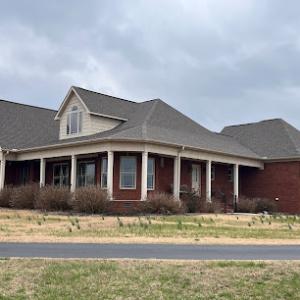
Jones Roofing, based in Decatur, AL, has been Morgan County’s trusted roofing contractor since 1972. With decades of experience, we specialize in high-quality residential roofing services, from repairs and replacements to complete roof installations. Known for our reliability, craftsmanship, and commitment to customer satisfaction, we proudly serve Decatur and surrounding areas.
Romans Roofing
(256) 686-1466 www.romansroofinginc.com
Serving
4.9 from 9 reviews
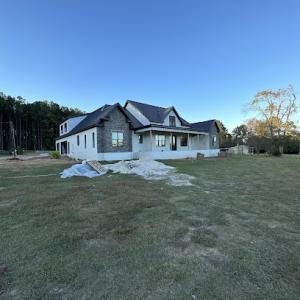
We’re a family-owned business based in Decatur, Alabama. We are committed to providing service focused on quality, value and customer satisfaction. We love what we do—and it shows.
Pioneer Roofing Company
(256) 250-6917 www.pioneerrooftop.com
Serving
4.5 from 24 reviews
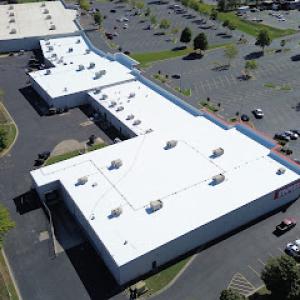
Pioneer Roofing is a family-owned roofing company serving North Alabama since 1973. We specialize in both commercial and residential roofing, offering expert installations, repairs, and maintenance. With decades of experience, we’re committed to providing reliable, high-quality service for all your roofing needs
Asphalt shingles fit the common residential stock you'll see across the area's neighborhoods. They're straightforward to replace after hail and wind events, which is a regular consideration in this thunderstorm belt. Installation crews in this market are plentiful, and repairs tend to stay manageable when damage clusters are widespread but not extreme. For a homeowner facing a storm-damaged roof, asphalt shingles offer predictable availability, a familiar fast repair footprint, and a wide range of styles to match brick and siding textures typical on Hartselle homes. When choosing asphalt, consider a mid- to high-profile shingle with good wind resistance and impact resistance ratings to help timing and claim outcomes after a hail event.
Metal roofing is a visible specialty in North Alabama, including this area, and it answers the demand for wind performance and rapid rain shedding during frequent thunderstorms. A metal roof can help with hail resistance when installed with the correct panel profiles and underlayment. It sheds water quickly, which reduces the chance of interior leaks during those sudden downpours that follow a storm. If a home already has metal, the replacement process tends to be quicker and less prone to weather delays. When considering metal, pay attention to panel seams, fastener types, and proper sealing around vents and chimneys to maintain that reliable performance through the region's thunderstorm cycles.
Clay and concrete tile are available options, but they demand closer attention to structural load, underlayment durability, and replacement logistics in this market. Crews that specialize in these materials are less common than asphalt and metal, so scheduling can hinge on local crew availability after a storm. Tile systems offer long life and a distinct look, yet heavier roofs require a careful assessment of rafter capacity and anchoring details. If choosing tile, ensure the roof deck is rated for the additional load, and work with a contractor who can coordinate tile-specific underlayment and accurate matching of profiles to minimize wind-driven failures during the next round of storms.
In this region, the impact of heavy summer rains and hail means roof assemblies must withstand rapid weather shifts. Underlayments should be robust enough to keep moisture out during transitional weather. Ventilation and attic condensation control become more relevant when selecting heavier systems, as temperature swings can stress seals and fasteners after hail events. In practice, this means pairing chosen materials with a durable underlayment, appropriate attic ventilation, and a repair plan that considers common storm-driven damage patterns seen in neighboring homes.
When weighing options, start with the roof area and existing structure. If wind and hail are the repeated concerns, metal or high-wind asphalt options tend to deliver the most reliable performance with the quickest return-to-service after a storm. If curb appeal and tile aesthetics drive the choice, verify structural support and installation expertise first, and align expectations with crew availability for post-storm replacement windows. Regardless of material, prioritize crews familiar with storm damage sequences and insurance-friendly documentation to keep the project on track during the region's typical weather windows.
In this part of North Alabama, typical local pricing ranges are about $300 to $550 per square for asphalt shingles, $600 to $1100 for metal, $1100 to $1800 for clay tile, $900 to $1600 for concrete tile, $600 to $1000 for wood shingles or shakes, and $500 to $900 for synthetic or composite shingles. Those numbers reflect the way crews in this area handle wind-driven damage and the demand you'll see after a hail event or a fast-moving thunderstorm front. If a contractor quotes well outside these bands, it's worth asking for the breakdown and whether decking, ventilation, or disposal are driving the delta.
Storm-driven demand spikes after hail and wind events can tighten crew availability and push reroof scheduling and pricing, especially for fast-response repairs and full replacements filed through insurance. In practice, that means you may see shorter windows for temporary repairs turning into longer waits for full replacements, and prices can edge up as crews are juggling multiple storm claims. Weather windows in spring and late summer often tighten the calendar, so you'll want to have a plan in place for possible delays and be prepared to confirm a preferred start date quickly with your insurance adjuster and contractor.
Costs can also move based on whether the project needs decking replacement from hidden moisture, upgraded ventilation to satisfy final inspection, and disposal logistics during a full tear-off. Hidden moisture can pop up once old shingles are lifted, which means a larger, more expensive deck repair or replacement could be required to prevent future leaks. Ventilation upgrades, such as additional soffit or ridge vents, may be necessary to meet local inspection expectations after a complete reroof. And if the job requires a full tear-off, disposal logistics-including dumpster placement and haul-off timing-can influence both the schedule and the bottom line.
First, document hail or wind damage with photos and keep a detailed log for your insurer. When you choose a contractor, request a two-part estimate: a scope that lists materials, square footage, decking status, ventilation needs, and disposal, plus a separate line for labor and project management. Given the local demand patterns, ask about crew availability for an insurance-driven replacement and whether the contractor can align the start date with the insurer's inspection timeline. Finally, discuss staging options: a partial repair to address leaks now, followed by a broader reroof if the claim supports it, can sometimes smooth out both cost and scheduling in this storm-heavy region.
Get a clear picture of your project costs upfront - no commitment required.
River City Roofing Solutions
(256) 274-8530 rivercityroofingsolutions.com
Serving
4.7 from 272 reviews
In this jurisdiction, permits for reroofing are issued by the City of Hartselle Building Department. A full reroof generally requires a permit, so the process starts with the contractor submitting the scope of work for review. This isn't a you-sign-and-forget moment; a thorough scope helps align expectations for materials, ventilation, and flashing details that matter in a humid climate. The permit creates a paper trail that protects both you and the contractor if questions arise later, especially after a severe storm season when documentation becomes critical for insurance adjustments.
Inspections are scheduled after rough-in and again upon completion, rather than being treated as a one-visit formality. The first inspection checks critical items such as decking, anchoring, underlayment, and the routing of ventilation paths. The second inspection confirms that the project has been finished to code, including proper fastening patterns, flashing at peaks, valleys, chimneys, and vents. In Hartselle's thunderstorm belt, this two-step approach helps catch issues early-before they multiply during the next summer shower or hail event. If inspection items aren't met, the schedule can slip, and delays can extend exposure to weather and interior damage.
Homeowners should confirm the permit is fully closed with a final inspection and that ventilation requirements were addressed. Ventilation matters more here than in drier regions because humid air trapped under roofing assemblies can lead to condensation, mildew, and faster deck degradation if not properly managed. Ensure attic vents or soffit-to-ridge ventilation is installed or upgraded as part of the reroof, and that the intake and exhaust balance is appropriate for the attic size. A completed final inspection that includes verified ventilation helps safeguard both code compliance and roof performance through Alabama's hot, humid summers and sudden summer storms. If the final paperwork isn't in order, or ventilation was skimped, plan for corrective work before the weather window closes.
Alabama is a frequent severe-thunderstorm claim market, and Hartselle homeowners commonly deal with roof claims tied to hail and wind rather than hurricane surge or heavy snow collapse. That reality makes pre-loss and post-loss documentation not a luxury but a practical necessity. When a hailstorm rattles shingles or a gusty afternoon leaves granules on the driveway, the clock starts ticking on evidence investors and adjusters expect. Thorough, date-stamped photos and organized notes can mean a smoother claim process and fewer disputes about what happened and when.
Adjusters in this market often expect thorough pre-loss and post-loss photos, date-stamped storm documentation, and clear evidence separating storm damage from age-related wear. Start with a clean, high-resolution set of photos taken from multiple angles: the entire roof, close-ups of damaged shingles, gutters, flashing, and the chimney if present. Keep a dated photo log for the weeks surrounding a storm event, noting wind speeds if available, hail size, and any observed indoor leaks after a rain. For the post-loss phase, document any new stains, attic moisture, or peeling paint inside, then cross-check those with attic inspection findings. The goal is a coherent narrative that distinguishes generic aging from storm-induced damage.
A clear narrative helps prevent friction when the insurer reviews the claim. Mark damaged areas on photos or create a simple yard-map showing where each issue sits on the roof plan. If you notice granule loss, bruising, or lifted shingles after a storm, photograph those specifics and note the date and location on the image. Keep weather data handy-even a basic record of a thunderstorm that day can reinforce the timing of the damage. When discussing the roof with the adjuster, reference these documented points calmly and consistently, avoiding emotional language or assumptions about the roof's overall life expectancy.
State-level weather losses can influence coverage terms in Alabama over time, so homeowners should review deductible structure, actual cash value versus replacement cost language, and any roof-age limitations before storm season. Store digital copies of all documentation in a cloud folder and back up the originals on a physical drive. Establish a routine: after any significant storm, perform a quick roof inspection if safe, capture fresh images, and add them to the file. This disciplined approach minimizes miscommunication and keeps the claim process direct and focused, even amid the storm season's unpredictability.
In Hartselle, hot, humid summers put extra stress on attic heat buildup and moisture management, making balanced intake and exhaust ventilation more than a comfort issue. A properly configured system helps keep attic temperatures nearer outdoor levels in long heat waves, reducing rapid shingle aging and helping roof deck condensation stay in check. Focus on achieving steady airflow: you want enough intake vents low and wide, paired with effective exhaust near the ridge or high on the roof. If attic air becomes stagnant, you'll notice accelerated plywood warping and faster deterioration of underlayment. Don't overlook the importance of clean, unobstructed soffit and gable vents, and verify that attic fans, if present, are sized to match the home's attic volume and are properly wired for continuous duty during heat spikes.
Winter temperature swings and occasional ice events in North Alabama can expose weak sealant bonds and marginal shingle sealing that may not show up during warmer months. When cold air infiltrates the attic, it can contract around seals and fasteners, making it easier for small gaps to open up. High humidity can then condense on interior surfaces or along roof penetrations, weakening metal flashings and caulk seals. In practice, this means checking for small, stubborn penetrations around vents, plumbing stacks, and chimneys during off-peak seasons. If you notice hairline cracks or dried, brittle sealant around flashings after a cold snap, plan for resealing before the next thaw. A well-ventilated attic helps prevent these issues by reducing seasonal condensation and by keeping temperatures more even, which supports more durable sealant bonds.
In this market, ventilation is also a permit-closeout concern, so poor airflow can create both performance problems and inspection issues on a reroof. A balanced system helps with long-term energy efficiency and reduces the risk of interior moisture damage that could complicate inspections. When evaluating or replacing a roof, verify that the ventilation plan clearly covers intake and exhaust paths, with adequate net free area calculated for the attic size. Ensure attic openings are not blocked by insulation baffles, that soffit vents remain clear, and that ridge or high vents are free of debris. This careful attention to ventilation not only protects shingles and underlayment but also keeps the roof tied to the home's overall moisture management strategy for the region.
After a severe storm rolls through the North Alabama belt, the clock matters more than fancy claims. The Hartselle market shows strong demand for quick-response residential reroofing contractors, which matters when leak control and temporary dry-in speed are critical. Look for a crew that can be on site within 24 to 48 hours for an initial tarping and assessment, with a clear plan to shore up the roof and protect the interior while the claim is processed.
A notable share of contractors market themselves as long-established, locally owned, or family owned, which reflects a local preference for firms with staying power during warranty and claim follow-up. Favor companies that list an office address, a reliable phone number, and a dedicated project manager who will be reachable during the claim phase. Confirm that the contractor has a track record of completing full tear-offs when needed and returning for follow-up on warranty items without a runaround.
Cleanup is a major local hiring priority, suggesting homeowners care about nail pickup, debris removal, and protecting driveways and landscaping during full tear-offs. Ask for a written cleanup plan that covers daily debris containment, nail sweep after every shift, and protective mats or tarps around landscaping and paved surfaces. A clear policy on tarping and containment reduces the risk of storm debris becoming a neighbor or street hazard.
Storm work in this area hinges on proper insurance documentation and accountability. Seek a contractor with strong references who can demonstrate a solid process for documenting pre- and post-storm conditions, notes on dry-in milestones, and a transparent method for tracking changes during the project. Request a site-specific timeline that anticipates typical Alabama weather windows and outlines contingency steps if a second storm threatens the area.