
Last updated: Apr 19, 2026
Central Tennessee thunderstorms and occasional hail keep roof claim activity active in Columbia-area years with stronger spring weather. When a storm dumps tennis-ball hail or sheets of rain, the first hours matter. If you notice a sudden rise of water on ceilings or feel damp spots after a heavy shower, act fast: tarping to cover exposed roof sections and vulnerable penetrations buys you crucial time before a full roof evaluation. Heavy spring rain can turn small shingle or flashing failures into active leaks quickly, making post-storm tarping and same-week inspection timing especially important in this market. A lingering leak can saturate attic insulation and foster mold growth, so treat any sign of moisture as urgent rather than routine.
Local carriers in this market may adjust settlements based on roof age and material type, so photo documentation before and after work is essential. Start with wide shots that establish the roof's overall condition, then close-ups of damaged shingles, curled edges, lifted flashing, and any hail impact marks. Date-stamped photos taken from ground level and from the attic looking up at penetrations provide a clear narrative of pre-existing wear versus storm-induced damage. Keep a simple, dated log of each weather event, noting wind speeds, hail size, and the date you first noticed leaks. A written statement from a trusted local roofer describing observed damage and whether it aligns with the storm timeline can help when adjusting coverage. If temporary repairs are needed to stop ongoing leaks, document those fixes as well-carriers will want to see that prevention steps were taken promptly.
In Columbia, delaying an inspection after a major storm can escalate damage quickly, especially during heavy spring rains. Coordinate a same-week inspection with a licensed roofer who can provide a third-party assessment, document findings, and mark any compromised flashing, vent boots, or drip edges. A fast professional evaluation helps prevent further interior damage and frames the claim with precise measurements and notes. If the roof is older or composed of certain materials, the insurer may scrutinize the replacement strategy; having a detailed plan and documentation prepared reduces back-and-forth and accelerates the process. If a contractor recommends temporary repairs, ensure those actions are traceable with receipts and photos, and schedule a follow-up inspection to confirm that the temporary patch held during subsequent storms.
Hail often leaves discrete impact marks along the ridge cap, rake edges, and valleys. In hot, humid summers, aging shingles can curl or lift at the seams, creating weak points that storms exploit. Flashing around chimneys, skylights, and vent pipes frequently suffers from wind-driven rain and thermal cycling; these areas are frequent sources of leaks after a storm. When documenting, note not only visible damage but also signs of moisture intrusion, staining on rafters, and attic condensation. Your report should clearly connect the observed failures to the storm event, not incidental wear, to avoid confusion during the adjustment process. A well-documented case with organized photos, dates, and professional assessments helps ensure that the settlement accurately reflects the true scope of the damage and supports a smoother claim journey.
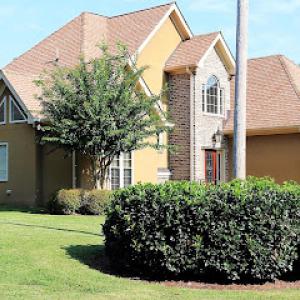
Ritco Group
2488 Park Plus Dr #1, Columbia, Tennessee
4.9 from 94 reviews
Ritco Group provides residential roofing, commercial roofing, residential remodeling, commercial remodeling, and storm damage roof repairs to the Columbia, TN area.
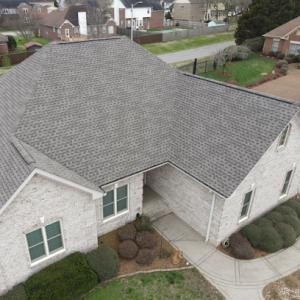
Roof Systems
(931) 398-5977 www.roofsystems-inc.com
202 Nicholas Long Dr, Columbia, Tennessee
4.9 from 92 reviews
RSI - Roof Systems is your trusted Middle TN Roofing Contractor, specializing in both Commercial and Residential Roofing services. We deliver top-quality roofing solutions, including new roof installation, reroofs, and 24-hour emergency roof repair across Middle Tennessee. Our professional roofers carry an unlimited license, an A+ BOND RATING, and are HAAG certified experts in wind and hail damage. We pride ourselves on providing fast, reliable service and superior workmanship on every project. Call RSI today for all your roofing and maintenance needs.
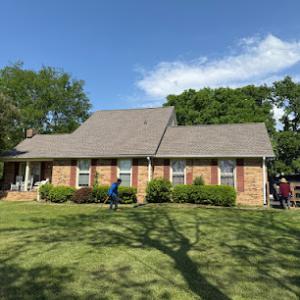
Veteran Roofing Systems
(615) 237-8856 veteranroofingsystems.com
1501 Carmack Blvd, Columbia, Tennessee
5.0 from 27 reviews
Veteran Roofing Systems is a trusted Columbia roofing contractor providing expert roof replacements, roof repairs, storm damage restoration, and free roof inspections. We serve homeowners and businesses in Columbia, Lawrenceburg, Spring Hill, Thompson Station, Franklin, and surrounding Tennessee areas. Our team installs durable asphalt shingle and metal roofing systems, backed by strong warranties and certifications from GAF and CertainTeed. Whether you need a minor roof repair or a full roof replacement, we deliver reliable results on time and within budget.
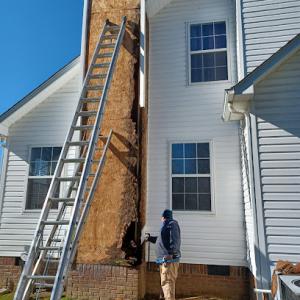
Velasquez Roofing
202 Gardendale Dr, Columbia, Tennessee
4.8 from 30 reviews
Roof repair/ installation (asphalt/ metal), Gutters, Siding

J.P. Roofing Siding & More
98 S Laurel Cir, Columbia, Tennessee
4.5 from 8 reviews
Roofing Siding Windows and more!
Remington Roofing
627C James M Campbell Blvd S Box #381, Columbia, Tennessee
5.0 from 4 reviews
Welcome to Remington Roofing a family owned business. We are Professional fully insured roofers serving Middle Tennessee.

Anchor Roofing
(615) 478-4419 anchorroofingtn.com
Serving
5.0 from 204 reviews
Welcome to Anchor Roofing. We are a full service exterior restoration and repairs contractor. Our primary work includes roofing, siding, and gutters. Our experienced team excels in hail and wind damage repairs, ensuring your home or business remains protected against the harshest weather conditions. Our mission is to provide top-notch craftsmanship and dependable storm restoration services to restore the safety and integrity of your property. We offer free no obligation inspections and estimates.

Legacy Exteriors LXI
Serving
4.9 from 84 reviews
We are a full-service exterior home improvement company specializing in roofing, siding, and gutters. Our experienced team handles insurance claims to make the process smooth for our customers. Offering retail estimates and free inspections, we ensure top-notch services and customer satisfaction.

JL Construction
(615) 979-2433 www.jlconstructionroofing.com
Serving
5.0 from 453 reviews
JL Construction is a Trusted Roofing and Construction Company serving Spring Hill, Franklin, Brentwood, Nashville, and Nearby Areas. We specialize in Residential and Commercial roofing, offering expert roof replacements, roof repairs, storm-damage inspections. In addition to Roofing, JL Construction provides a full range of Home Improvement services, including Fencing Installation, Gutter Replacement, Siding Repair and Installation, and customized property improvement solutions. Proudly serving homeowners and businesses across Spring Hill, Franklin, Brentwood, Murfreesboro, Nashville, and Nearby Areas. We are committed to Honesty, Quality Craftsmanship, and Customer Satisfaction.
Royal House
(615) 631-2468 goroyalhouse.com
Serving
5.0 from 54 reviews
Roofing and construction company servicing all of middle Tennessee
Precision Roofing & Construction
(615) 806-3443 www.precisionroofingandconstructiontn.com
Serving
4.9 from 57 reviews
A sturdy roof can make all the difference in protecting your home or business Thompson’s Station, TN. At Precision Roofing and Construction, our qualified roofers build confidence and peace of mind. With over 30 years of experience, we’ve mastered the art of delivering durable, high-quality roofing solutions tailored to your needs. Serving the community since 2018, we are proud to be a licensed and insured roofing contractor trusted by residential and commercial customers alike. From asphalt shingle roof installation to metal roofing solutions, we offer a comprehensive range of services to meet your unique needs. Whether your roof requires repair, replacement, or a complete installation, we handle every project with precision and care.

USA Roofing Contractors Spring Hill
(931) 998-2121 usa-roofingcontractorsspringhill.localo.site
Serving
5.0 from 7 reviews
In the dynamic landscape of Middle Tennessee, encompassing cities like Nashville, Murfreesboro, Franklin, Spring Hill, Brentwood, Smyrna, and Gallatin, roofing services stand are vital to the integrity and longevity of homes and buildings. We are skilled roofing contractors and offer a comprehensive array of solutions, from roof repair and replacement to the installation of various materials such as shingles, tiles, and metal roofing. From Lebanon to Spring Hill, Columbia to La Vergne, residents rely on meticulous roof inspections, maintenance, and leak repairs to ensure the resilience of their structures against the elements. We are experts at installing flashing, gutters, and ventilation systems while adhering to best roofing standards.
Asphalt shingles are common on homes across this area, and they're familiar to crews who work the Maury County line with its mix of older and newer builds. The hot humid summers can accelerate granule loss, curling, and shortened sealing performance, which means you'll see more maintenance needs on roofs that were installed decades ago. When you're evaluating asphalt, look for a high-quality granule formulation and a heavier shingle profile that can better resist heat buildup. If you're replacing, consider upgraded shingles with enhanced algae resistance and UV stabilizers to extend appearance and life in the sun-drenched months. In storm season, a careful inspection after a hail event is essential: check for bruising or missing granules in exposed areas, especially along roof edges and hips where wind-driven impacts are common.
Metal roofing has a meaningful local presence and is often considered where homeowners want better performance through repeated thunderstorm cycles and high summer heat. Metal stands up well to hail and heavy rain when installed correctly, and the reflective properties can help keep attic temperatures lower if paired with proper ventilation. If opting for metal, focus on panels with corrosion-resistant coatings suitable for humid conditions and ensure the underlayment and fasteners are rated for prolonged exposure to moisture. A well-sealed edge detailing and integrated flashing reduce the risk of leaks during sudden downpours. Be mindful that improper installation can lead to noise issues during heavy rain or hail, so look for installers who emphasize attic ventilation and roof deck preparation as part of the project.
Clay tile and concrete tile exist in the market, but their suitability hinges on moisture handling, roof structure, and installation quality during humid conditions. On steeper roofs with solid framing, tiles can perform well, but they're heavier and may require structural upgrades to support the load. In humid climates, tile roofs need precise underlayment and careful lapping to prevent water intrusion caused by shifting moisture levels. Wood shakes bring a traditional appearance but can struggle in humid air if not properly treated and maintained; they demand regular resealing and inspection for rot or insect damage, particularly on sections shaded or consistently damp. Synthetic and composite shingles offer a more uniform performance, with some products designed to resist moisture and temperature swings, yet installation quality and matching the product to the local climate remain critical. If these options are chosen, insist on a system that includes a moisture-control underlayment, proper ventilation, and trusted fasteners that resist corrosion in humid air.
Start with roof structure assessment: heavier tiles or metal may require structural reinforcement or updated fasteners, especially on older homes. Prioritize attic ventilation to manage heat and moisture simultaneously; adequate intake and exhaust vents help reduce aging effects on any roofing type and minimize condensation risk in summer humidity. For hail-prone springs, request impact resistance ratings for asphalt or metal options and verify warranty coverage for hail damage. In humid conditions, ensure installation includes vapor-permeable underlayment where appropriate and careful sealing at eaves, valleys, and penetrations to prevent leaks during heavy storms. A quality installation with attention to flashing details is the best assurance that the chosen roof type will perform through Columbia's seasonal stresses.
Typical Columbia pricing by material runs about $350 to $650 per square for asphalt shingles, $700 to $1100 for metal, $900 to $1500 for clay tile, $700 to $1100 for concrete tile, $650 to $1200 for wood shingles or shakes, and $500 to $900 for synthetic or composite shingles. In practice, those ranges reflect the combination of local labor rates, material availability after a storm, and the typical roof sizes seen on homes here. If your home has design features like dormers, skylights, or complex valleys, expect the higher end of the range, especially for metal or tile roofs that require specialty installation.
Storm-driven demand spikes in Central Tennessee can push Columbia scheduling and labor costs higher after severe spring weather events. After a hail or fast-moving thunderstorm, crews can be booked out weeks, and supply chains for shingles, underlayment, and flashing can tighten. If your roof is visibly damaged or you're dealing with multiple leaks, begin documenting damage early and be prepared for a tight window to secure an insurer-approved scope. Temporary patching to stop leaks may be feasible, but plan for a permanent replacement once the weather settles and crews can travel locally again.
Costs in Columbia can also move based on permit requirements for full replacement, ventilation corrections flagged during inspection, and repair of flashing details stressed by freeze-wind events and repeated thunderstorms. Even when the core material is inexpensive, adding properly sized ventilation or correcting attic airflow to prevent heat buildup can add to the project. Flashing around chimneys, skylights, and dormers often requires meticulous metal work; subtle wind-driven damage can demand additional fasteners and sealants to restore a watertight seam. Clay or concrete tile roofs, while durable, require careful handling and specialized equipment, which can significantly affect both price and scheduling when weather patterns force delays.
Before you call a contractor, gather recent insurance correspondence, your most recent homeowners policy declarations, and notes on when leaks were first noticed. Take clear photos of damaged shingles, granule loss, and any interior signs of water intrusion. If there's attic staining or dark stains near roof penetrations, document that as well. When meeting with a roofer, share the storm date, observed damage, and any temporary fixes you've already implemented. A clear, dated history helps the insurer understand the scope and can keep the project moving toward an approved replacement instead of a piecemeal repair.
Get a clear picture of your project costs upfront - no commitment required.
Ritco Group
2488 Park Plus Dr #1, Columbia, Tennessee
4.9 from 94 reviews


For a full roof replacement, a building permit is required through the Maury County/City Building Department. This means your project will be reviewed in the context of the intended scope of work and the roofing material being installed, not treated as a simple swap of shingles. In practice, that review helps ensure the new roof will stand up to Columbia's spring hail risk and hot summers without surprising the next home inspection. Before scheduling work, gather the planned materials, the proposed underlayment, ventilation approach, and any attic alterations you expect. Having these details ready speeds up the permit process and helps avoid delays caused by missing documentation.
In Columbia, permit review is tied to what you actually plan to install, not to whether the swap is merely cosmetic. That means the chosen roofing material and its installation method drive the permit review. If a different material is later substituted, expect a permit revision or a supplemental review. Work with the permit office to confirm whether components such as attic ventilation, drip edge, and valley flashing meet current code requirements. Local staff pay close attention to how the roof integrates with existing soffit and vent systems, as proper ventilation is critical for prolonging shingle life in humid summers.
Inspections occur at rough and final stages. The rough inspection focuses on the structural aspects of the roof deck, roof ventilation plan, and fastener pattern to ensure they align with code and the chosen material. The final inspection confirms that installation was completed per the approved plan, that fasteners penetrate correctly, and that flashing around chimneys, skylights, and vents is properly sealed. Expect the inspector to check for consistent nail size, proper nailing pattern for the chosen shingles or metal panels, and continuous underlayment coverage. Having a clear set of shop drawings and material specifications on hand helps the process move smoothly and reduces the likelihood of rework.
Coordinate your contractor's schedule with the building department's timeline to minimize weather-related delays. Keep a folder of all permit-related documents, inspection receipts, and approved plans in a central spot. If a storm season triggers a rapid replacement scenario, ask for a temporary permit approval path or expedited review options, and confirm that the selected roofing material aligns with local wind and hail considerations. Remember that code compliance isn't just paperwork-it's what supports long-term performance in Columbia's challenging climate.
Spring and fall are the windows that usually work best for a full roof replacement in this area. The milder temperatures mean shingles seal properly without fighting extreme heat, and you're less likely to run into winter weather interruptions that stall projects. If you're planning around Columbia's calendar, target the shoulder seasons when spring storms are tapering and fall humidity is rising, but temperatures remain comfortable for roof crews and material handling. Even with milder days, you'll still want to coordinate with your contractor to avoid days that swing from warm to unexpectedly cool, which can affect sealing or nail gun performance.
Hot summer conditions in Central Tennessee can affect asphalt shingle handling and sealing behavior during installation. Plan for early-morning start times and shaded staging areas if possible, and be prepared for occasional pauses when heat makes synthetic underlayment or ice-and-water shield more pliant than ideal. Schedule crews to avoid the peak heat of the day, and ensure access to water and shade for workers. If you're weighing options, understand that metal roofs and some clay or concrete tiles react differently to heat and expansion-these materials may have distinct installation windows to achieve the best long-term performance.
Fall rain and humidity around Columbia can slow tear-off, drying, and material staging even when temperatures are otherwise favorable. Keep a plan for weather bursts: tarps over open roof sections, secure temporary containment for debris, and a clear route for hauling away old material. Even with good fall conditions, a late summer or early autumn shower can push staging times back and make it harder for adhesives and breathable underlayment to dry properly. Talk through rain-day contingencies with the contractor so that a backup plan exists for scheduling, material storage, and on-site safety.
After a severe storm, immediate assessment matters. If hail or wind damage occurs, you'll want to document affected areas with photos, especially flashing, vents, and edge details. Quick, organized documentation helps speed up insurance communication and prevents delays in replacement timelines. When planning around a storm aftermath, confirm that the chosen replacement window aligns with forecasted weather gaps-while still prioritizing a prompt response to minimize exposure to further leaks or weather-related wear.
In Columbia's weather pattern, flashing and roof joints are vulnerable after winter freeze cycles and occasional wind events. Freeze-thaw cycles can widen tiny gaps where flashing meets the roof, allowing water to creep behind shingles during a spring thunderstorm. Wind can lift edges and reveal fasteners or sealant failures that were barely noticeable in the prior season. The practical consequence is that a small, unseen defect can become a seepage path after a heavy rain or hail event. Regular checks around roof penetrations-chimneys, vents, and exhaust stacks-after damaging winds or thawing periods help catch trouble early. If flashing shows corrosion, lifted corners, or loose sealant, plan for professional resealing or flashing replacement before a leak develops.
Frequent thunderstorm exposure makes leak paths around penetrations and edge details a recurring concern for local homeowners. The first telltale signs are staining on ceilings or damp spots along interior walls near chimneys, vents, or skylights. Edges and drip edges can corrode or bend, creating a kissing point where water wicks inward during heavy rain. Water also travels along nail lines if fasteners back out or the underlayment has degraded. After a severe storm, inspect around every penetration and along eaves. If flashing looks loose, there is corrosion, or sealant is cracking, address it promptly with reinforcement or replacement to prevent a slow, creeping leak from turning into attic moisture.
Ventilation matters more in Columbia because prolonged summer heat and humidity can compound shingle aging and attic moisture issues if the roof system is poorly balanced. Poor ventilation dries out shingles too slowly and traps warm air that accelerates adhesive deterioration and gasket wear around vents and skylines. When attic moisture rises, condensation can travel to decking, inviting rot or mold. Ensure a balanced intake and exhaust path-soffit vents paired with ridge or roof vents-and keep soffit areas clear of insulation blockages. A well-ventilated attic helps extend roof life and reduces hidden leak risk from internal moisture buildup. Regular checks after hot months or storm season help catch a ventilation shortfall before it becomes a visible leak.
After a thunderstorm or hail event, log the exact date and time of the storm, and note any recurring weather patterns in the days that follow. In this market, documentation discipline matters because carriers often want a detailed claim file that ties damage to specific events. Record how long the home sat without protection, and any subsequent weather that could compound damage. This timeline helps avoid claim disputes later when adjusters review roof age and material type in relation to Central Tennessee claim handling.
Take clear, dated photos of all visible roof damage from multiple angles, including shingles with cracks, granule loss, dents, or lifted edges. Also photograph gutters, fascia, and any nearby structures for correlation. Exterior images should extend to the chimney, vents, and any surrounding trees or hail impact marks on siding. Columbia homeowners should document storm dates, exterior damage photos, interior leak evidence, and all temporary protection steps because carriers in this market often want detailed claim files.
Inside the home, capture evidence of leaks promptly. Photograph stained ceilings, peeled paint, or moisture on attic insulation, along with any mold or musty odors. If there is any water intrusion during rainfall, note the room locations affected and the time of discovery. Keep a running log of when leaks are first observed and after any temporary tarping or coverings are applied.
Document every temporary protection step taken, such as tarping, boards over skylights, or covering exposed roof lines with plastic. Save receipts for materials and any contractor visits to implement these protections. That record supports the claim by showing proactive measures to prevent further damage while awaiting inspection. In central Tennessee claim handling, this level of detail helps establish the severity and immediacy of the response after a storm.