
Last updated: Apr 19, 2026
Spring thunderstorms and hail are a major roofing trigger for this foothill area on the southeast side of the Huntsville cluster. Weather here behaves like clockwork: a sudden hail punch or fierce wind can shred shingles, dent metal, or loosen flashing in a matter of minutes. The local contractor landscape reflects that reality, with storm-damage and insurance-driven work among the most common specialties. When a storm rolls through, you can expect a quick surge in demand for inspections, tarping, and, if damage is found, rapid decisions about replacement. This pattern is not a rare disruption; it is the local norm, and timing often hinges on how fast documentation and claims move through the process.
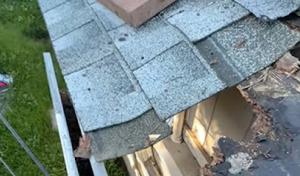
After a hail event or high-wind gusts, look for dimpling, bruising, or granule loss on shingles. Asphalt shingle surfaces may show rounded impact marks or coating flaking away, while metal roofs can exhibit denting or scraped finishes. Metal flashing around chimneys, vents, and edges can pull away or lift; see if any warping or rippling appears along seams. Inside the attic, check for suddenly accelerated moisture staining, unusual attic heat buildup, or newly visible daylight through roof penetrations. In Owens Cross Roads, storm patterns come in waves; if a storm was especially loud or long, assume a higher likelihood of rooftop injury even if visible damage seems minor from the ground. Document everything with clear photos from multiple angles, and note the date and the storm's rough intensity. A common trap is dismissing small imperfections, only to discover them spreading as sun and rain exploit weak points.
If hail or wind damage is suspected, immediate action matters. Schedule a roof inspection with a licensed, storm-focused contractor who understands the local climate and the typical homeowner concerns here. Ask for a written damage assessment that includes photos, a roof-on inspection summary, and a clear list of recommended repairs or replacement options. Do not rely on a casual estimate; insist on a formal proposal that identifies affected components-shingles, underlayment, flashing, vent boots, and attic ventilation. If the assessment confirms damage, protect the interior with tarps or plywood to prevent leaks while you coordinate next steps. Quick but careful temporary measures can keep interior spaces dry and limit secondary damage.
Spring storm activity here creates a predictable pattern of sudden claim activity. Insurance-driven timing often means there is pressure to decide quickly, but speed must not replace due diligence. You need a documented claim trail: reports from the contractor, independent third-party assessments if available, and written correspondence with the insurer. Keep track of all communications, dates, and the scope of work approved or contested. Understand how depreciation, replacement options, and contractor selection affect settlement outcomes. If the insurer approves a full roof replacement, you'll want a plan that aligns the project timeline with weather windows, material availability, and crew scheduling-especially after a severe storm where backlogs are common.
Prepare for rapid response windows when storms hit: have a trusted storm-focused contractor on call, a plan for temporary protection, and a clear understanding of the preferred replacement pathway. In this market, a properly documented claim can drive faster approvals and smoother coordination. Keep materials, documentation, and open lines of communication ready so the moment damage is confirmed, you can move decisively. Your goal is to minimize exposure to further weather damage while pushing toward a durable, storm-resilient replacement that fits the local pattern of spring hammers and home resilience.
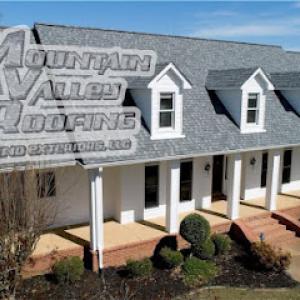
Mountain Valley Roofing & Exteriors
(256) 421-0068 mountainvalleyroofingllc.net
7269 US-431, Owens Cross Roads, Alabama
5.0 from 48 reviews
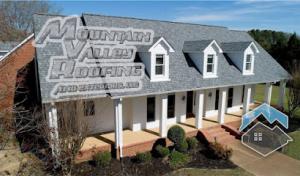
Your roof is the first line of defense for your home, and Mountain Valley Roofing & Exteriors is the first line of defense for your roof. Our expert roofing team has over 20 years of experience, and we're a local, family-owned business that is ready to protect you and your family. We pride ourselves on our professionalism, attention to detail, and exceptional customer service and are the local roofing company you can depend on. At Mountain Valley Roofing & Exteriors, we provide inspections, storm restoration, repairs, and new construction roof services. We offer free estimates and free inspections, and we'll happily work with your insurance claims. We're licensed and insured!
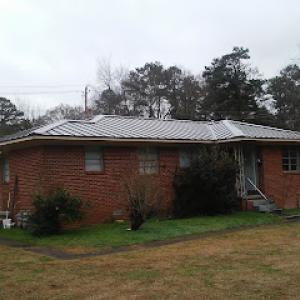
Williams Custom Construction-W.C.C
Serving
5.0 from 7 reviews
Here at W.C.C, we strive to offer some of the best workmanship at a fraction of what everyone else charges. Simply because our mission isn't to get rich. Our only intention is helping people. Whether you're on a fixed income or not, if your home is in need of repair inside or out, I'm happy to help. Because at the end of the day.. The integrity of your home is all that matters.. Loyalty&Honesty is everything to me and it's the only way to build relationships. I'm a Home Repair Tech with 22yrs of exp. And love putting my skills to use. So instead of you getting overcharged for no reason... Let's perfect your greatest investment the right way, the 1st time without breaking the bank.. God Bless You Guys..
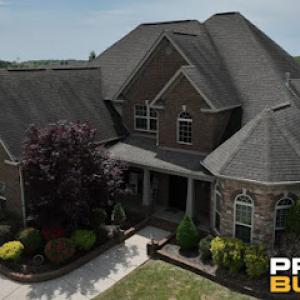
Pro Building
(256) 519-0042 probuilding.com
Serving
5.0 from 33 reviews
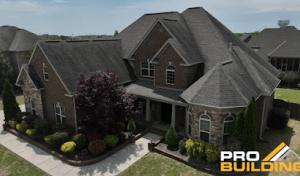
Pro Building Roofing & Restoration serves Huntsville and Madison with roofing, water damage restoration, fire and smoke cleanup, mold remediation, storm and tree damage repair, and full-service home restoration. We provide detailed inspections, clear project documentation, and professional restoration services that protect and restore your property after unexpected damage. Our team also delivers high-quality remodeling and upgrade work, including kitchens, bathrooms, home additions, and outdoor living projects. From emergency tarping to complete rebuilds, Pro Building combines expertise, precision, and reliability on every job.
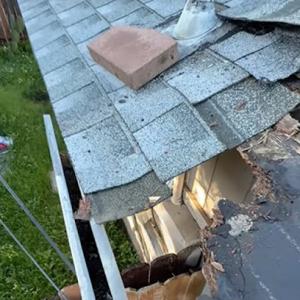
East Kingdom Roofing Huntsville
(256) 215-6080 eastkingdomroofinghuntsville.com
Serving
5.0 from 25 reviews
East Kingdom Roofing Huntsville is your trusted local roofing repair company serving homeowners and businesses across Huntsville, AL. We understand that a damaged or leaking roof can quickly compromise the safety, comfort, and value of your property, which is why we specialize in fast, reliable, and long-lasting roof repair solutions. From fixing leaks, replacing damaged shingles, and repairing storm damage to addressing flashing, gutters, and structural roof concerns, our skilled roofing team is equipped with the tools and expertise to restore your roof with precision. Whether you need urgent emergency repairs or preventative maintenance, East Kingdom Roofing Huntsville is committed to delivering dependable service.

Phoenix Roofing & Renovations
(256) 226-1505 www.phoenixrnral.com
Serving
5.0 from 13 reviews
Full service Roofing contractor
Ridgeline Construction Roofing & Exteriors
(938) 444-8101 www.ridgelineconstructionhsv.com
Serving
4.9 from 96 reviews
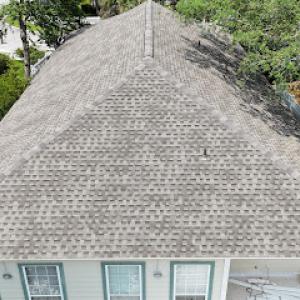
Ridgeline Construction Roofing & Exteriors offers roof replacement, roof repair, siding and gutter services for residential and commercial properties. As a family owned and operated business, it is our goal to provide our customers with the highest quality service for the best price. We understand that your home is one of your most important financial assets and that it protects your most valuable personal asset: your family. That is why we take great care to ensure that each and every job we do is done correctly and with the best materials available. We understand that choosing a roofing contractor can be a difficult decision, so we are confident in our ability to give you the service you need at a price you can afford.
Rocket Roofing & Restoration Contractors
(256) 801-7881 roofwithrocket.com
Serving
4.9 from 90 reviews
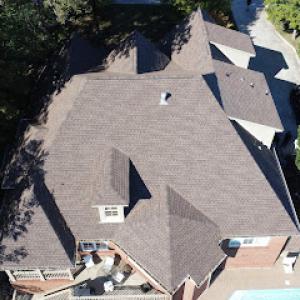
Discover premier roofing and interior solutions from Rocket Roofing, your go-to roofing contractor in Huntsville, Alabama. We specialize in all types of roofing including asphalt shingle, commercial & metal roofs. We also provide comprehensive Gutter & Siding installations & prompt Emergency Storm Damage Repairs. Beyond roofing, our Interior Services like Drywall & Flooring Installation & Repair ensure your home is both stunning & functional. Rocket Roofing is committed to delivering quality, durability, and customer satisfaction, offering energy-efficient and aesthetically pleasing solutions tailored for your home. Experience exceptional craftsmanship with Rocket Roofing. Contact us today for your roofing and home improvement needs.
SOCO Roofing & Restoration
(256) 677-9002 www.southernroofexperts.com
Serving
5.0 from 251 reviews
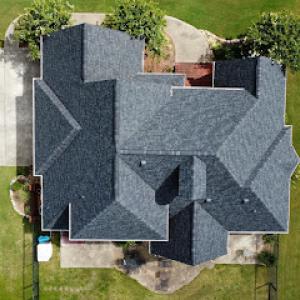
SOCO Roofing & Restoration is a licensed and insured roofing company providing high-quality roof installations and repairs including emergency storm damage to Huntsville and the rest of northern Alabama.
Thompson Home Repair
Serving
5.0 from 4 reviews
Discover the pinnacle of home restoration with Thompson Home Repair, a locally owned enterprise based in Huntsville, Alabama. With a wide array of repair services, from painting and sheetrock to flooring and roofing (including both asphalt and metal options), their unwavering commitment to excellence and customer satisfaction sets them apart. Trust in their expertise for any home repair need, and experience the exceptional craftsmanship that transforms your property into a sanctuary of comfort and beauty.

Roofing World
(256) 314-9987 roofingworldal.com
Serving
4.8 from 107 reviews
Your trusted local roofing contractor with 25+ years of experience. Family-owned business offering professional roofing services: replacement, installation, repairs. Specializing in metal & asphalt roofing. Serving AL & GA. We're a licensed builder with 1000+ completed projects. National Roofing Contractors Association members. We prioritize professionalism: prompt responses, punctuality, quality work. Financing with low monthly payments. Lifetime warranties on select products. Residential roofing, & more. Proudly one of the fastest-growing roofing companies in AL & GA. Free estimates for metal roofing, roof replacement, & other services. If you are searching for a roofer near me then contact Roofing World today at (800) ROOF-PRO
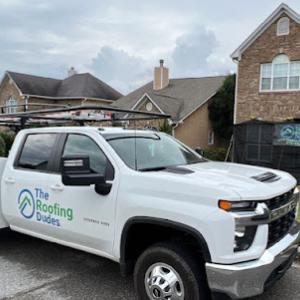
The Roofing Dudes of Huntsville
(256) 217-7334 theroofingdudes.com
Serving
5.0 from 6 reviews
When it comes to roof repairs or replacement in Huntsville Alabama, you need a team of seasoned professionals you can count on to do what they say they’ll do, when they say they’ll do it. That’s why homeowners choose The Roofing Dudes—because we are friendly, use quality materials, and communicate consistently with you throughout the entire roofing project. If you are looking for a high-quality roofing company, contact us today!
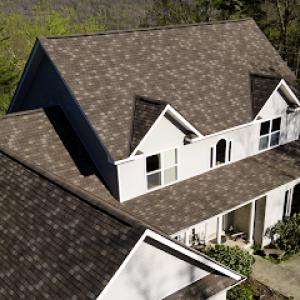
Impact Roofing
(256) 333-0026 impactroofing.us
Serving
5.0 from 37 reviews
Whether it's a small repair or a complete roof replacement, our team is trusted throughout North Alabama and Southern Middle Tennessee for reliable, high-quality roofing services. Certified by leading manufacturers like IKO, Owens Corning, and GAF, we specialize in both asphalt shingle and standing seam metal roofing systems, offering a variety of designer and high-performance options, as well as solutions for flat roofs. We are also proud to offer Alabama Power Smart Financing. Don’t let roof damage escalate. Contact Impact Roofing, your local roof specialists, for quick, professional service.
After a hail or wind event in this part of Madison County, insurers commonly request photo documentation of decking, underlayment, and ventilation when roof work follows storm damage. This means you should be prepared to show the condition of the roof from multiple angles, with close-ups of any dented metal, lifted shingles, blown-off granules, and visible underlayment where possible. Take these photos after the storm, not weeks later, so the state of the roof matches what the adjuster will see when they arrive. A simple, well-lit series from ground level, then from a ladder, can quickly convey overall damage and any exposed decking.
Adjusters in the region may ask for detailed itemized estimates and proof that the replacement was installed to current code expectations, including wind-resistance features. Gather replacement details in writing: tabulated lists of shingles or roofing panels, underlayment type, flashing materials, and venting components, with model numbers if available. If the roof is being upgraded for wind resistance, document the specific features-like higher wind-rated shingles, upgraded underlayment, or enhanced nails and sealants. Photographs should correspond to these components so the adjuster can verify that the proposed fix aligns with code-adjacent expectations commonly accepted here during the spring claim season. In practice, this means having a clear link between the observed damage, the proposed materials, and the installed configuration.
Because this area experiences notable spring hail and wind claim activity, premiums and underwriting can reflect weather exposure and upgraded roof system choices. When preparing for a claim, think ahead about how the roof will perform in future storms. If the selection includes more robust wind-resistance features or better impact resistance, photograph those features and request a line item in the estimate that reflects the upgrade. Insurance companies often prefer to see a roof that demonstrates resilience against the spring storm pattern typical to this market, so arranging evidence of upgraded components can smooth the assessment. The goal is to tie the physical evidence on the roof to the documented plan in a way the adjuster can verify without needing excessive back-and-forth.
Start a damage dossier as soon as hail or heavy winds pass. Create a chronological folder: initial storm photos, interior signs of leakage or attic moisture, exterior photos from multiple elevations, and any professional evaluations. If a contractor is engaged, request a written scope that maps each component to its purpose-decking, underlayment, ventilation-so the claim packet reads as a coherent, line-item narrative. Keep a dated log of communications with the insurer and with the contractor, including who visited the property and what was observed. Inments where a roof is addressed-particularly after a severe hail event-should include this level of detail to support a timely and accurate settlement.
In the Alabama market, the site-specific reality is that roof work following a storm often hinges on documentation of decking, underlayment, and ventilation. If the adjuster asks for an itemized estimate, provide it in a clean, readable format that mirrors the actual build sequence. The presence of wind-resistance features in the final installation is a frequent point of consideration, so be prepared to demonstrate that the replacement aligns with current expectations. Remember that the spring storm cycle can drive both claim activity and the emphasis on weather-exposure-aware upgrades, so the documentation you assemble now becomes the backbone of a smooth claim resolution.
Connect with contractors who help homeowners navigate the claims process from damage assessment to final approval.
Mountain Valley Roofing & Exteriors
(256) 421-0068 mountainvalleyroofingllc.net
7269 US-431, Owens Cross Roads, Alabama
5.0 from 48 reviews

The foothill setting on the southeast edge of the Huntsville area means roofs here endure a mix of spring hail, intense summer heat, and rapid weather shifts after severe storms. Hot, humid summers push siding and roofing materials to their thermal limits, so ventilation and underlayment choices become crucial for long-term performance. Hail season isn't just about dented shingles here; it affects the integrity of impact resistance ratings and wind-driven debris exposure. In this neighborhood, the roof system must tolerate both high attic temperatures and occasional, sharp weather swings that stress fasteners and sealants. The climate also shapes the decision between lighter and reflective finishes versus traditional aesthetics, especially for homes with south-facing slopes that catch the sun.
Asphalt shingles and metal roofing are the dominant practical choices in Owens Cross Roads, while tile, wood, and synthetic systems are present but less common and more selective. Asphalt shingles offer a favorable balance of cost, ease of repair, and wind resistance when installed with modern synthetic underlayment and reinforced nails. Metal roofs excel where rapid storm events and hail are a concern, delivering strong wind performance and a cool roof option if a reflective coating is used. Tile and concrete options can provide long life and a distinctive look but demand a robust roof deck and more precise installation to manage thermal movement and wind uplift in hill-country exposure. Wood shakes bring a rustic appeal yet require careful maintenance to resist humidity-driven rot and hail scarring. Synthetic or composite shingles can blur the line between cost and performance, often trending toward enhanced impact resistance with a lighter footprint on the deck structure, but selection should be matched to local wind and hail expectations.
In this climate, a well-ventilated attic is not optional. Proper ventilation reduces the burden on the roof deck during hot summers and helps preserve underlayment longevity, which matters when hail damage exposes underlying layers after a storm. Choose underlayments that prioritize both water resistance and breathability, because every degree of heat escaping from the attic affects shingle life and edge fastener performance. For hail-prone periods, consider a roof assembly that pairs impact-resistant shingles with a wind-verified installation pattern and quality sealants around penetrations. In metal roof installations, ensure panel seams are properly lapped and that fasteners are rated for local wind speeds to minimize heat-induced expansion issues.
The local severe-storm pattern makes impact resistance and wind attachment details more important here than in milder Alabama submarkets. When evaluating a replacement, look for shingles or panels with recognized impact resistance ratings and confirm that the chosen product is compatible with a high-wind environment. Pay close attention to valley and ridge detailing, as these are common stress points during heavy storms. Optional add-ons like reinforced edge protection, upgraded drip edge, and compliant fastener schedules can significantly reduce the risk of wind uplift and leak paths after hail or heavy rain. Regular inspection after storm season helps catch micro-damage early, preserving the roof's life and avoiding escalation to full replacement.
Owens Cross Roads has hot summers, frequent rainfall, and occasional severe storms, so scheduling often works best outside peak heat and around storm windows. Dry-in work benefits from mid-fall to late spring when daytime temperatures are comfortable and humidity is manageable. The goal is to complete tearing off, decking inspection, underlayment, and the initial shingle or siding installation before the harshest heat returns. If a project runs into late summer, plan for additional protection steps to prevent decking warp or fastener fatigue.
Spring storm damage and the unpredictable thunderstorm pattern can disrupt tear-off and dry-in timing. Weather forecasts should trigger a contingency plan that prioritizes tarping exposed decking and securing underlayment in advance of pressure fronts. If hail or high-wind alerts are issued, temporary shutdowns may be necessary to protect ongoing work and materials. When storms pass, the crew should recheck decking for moisture, reseal any compromised areas, and verify ventilation pathways before continuing. In autumn, shifting rains can similarly affect progress, so aim to complete critical steps ahead of the wet test and winds that come with the season.
Humid summer conditions can complicate installation pace and increase the importance of protecting exposed decking during active projects. Use breathable, moisture-resistant underlayment and ensure proper ventilation to avoid trapped moisture under shingles or tiles. Decking should be inspected for warped boards or soft spots after heavy rain events, with any concerns addressed before proceeding to the next phase. Materials stored on-site need shielding from humidity; keep bundles off the ground and covered to minimize moisture intrusion that could impact adhesive and fastener performance.
Milder winters in this area allow more year-round roofing than colder markets, but spring storms and autumn rains still disrupt tear-off and dry-in timing. Plan the schedule so the most exposed phases-tear-off, decking inspection, and weatherproofing-occur during drier windows. Shoulder seasons offer flexible start times, but adjust crew hours to daylight length and ground moisture. A steady, staged pace helps protect interior spaces from prolonged exposure and reduces the risk of shingles or tiles sitting in damp conditions before the roof is fully weather-tight.
Don't let upfront costs delay a critical repair - these contractors offer payment plans to fit your budget.
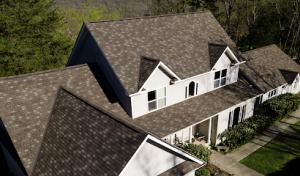
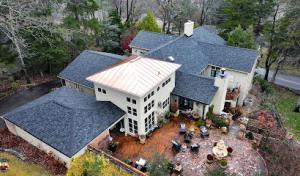
Full roof replacements in this area typically require a building permit through the Madison County permit office. The process is not something to assume will be automatically handled by the contractor; it is a step you must anticipate and verify. In spring, when hail and storm recovery surge, the backlog can extend timelines, and delays can impact your project's start date. It helps to know that the permit is tied to the project scope, drawings, and structural notes, so having a clear plan early-before materials arrive-reduces last-minute hold ups and possible code questions that slow progress mid-roof.
The contractor generally submits project details and the required drawings, then coordinates with the county to secure the permit. Once issued, the permit is expected to be posted on site during the job. This posting is not decorative; it's your visible sign that the project is being tracked for compliance. In rural counties like Madison, storms can drive rapid change orders or material substitutions; keeping the posted permit accessible and up to date helps avert disputes with inspectors and neighbors who are watching for the work to progress safely and correctly.
Inspections occur during and after installation, with checks that can include decking, underlayment, shingle installation, wind-resistance features, and final code compliance before closeout. Each stage is a checkpoint for ensuring that the roof system will perform under spring hail, heavy rains, and humid summer heat. Pay attention to inspector scheduling and any noted deficiencies. A common pitfall is assuming a single walkthrough will cover everything; in reality, multiple verifications are standard, and failing to address a specific item at the designated stage can trigger re-inspection fees or delays.
Plan for weather and permitting realities together. In this part of the Huntsville metro area, the timeline from permit application to final closeout is shaped by spring storm activity and the county's review cadence. Keep copies of all permit documents, plan details, and any inspection notices in one accessible place, and maintain open lines of communication with the contractor about inspection windows and expected completion dates. If a permit counter request or a code clarification arises, addressing it promptly minimizes downtime and keeps the project on track for a safe, code-compliant roof replacement.
In this area, pricing hinges on spring hail and thunderstorm patterns, plus the heat and humidity that push roof systems to perform year after year. When you're evaluating options, anchor your budget to the per-square ranges: asphalt shingles 350 to 750, metal 600 to 1000, clay tile 900 to 1500, concrete tile 800 to 1400, wood 500 to 900, and synthetic 450 to 800. Expect the higher end of these ranges after a busy spring storm season when demand for fast reroofing spikes.
Storm-driven surges in demand can push Owens Cross Roads pricing upward after spring hail and wind events, especially for fast-response re-roofing. If you're facing an insurance-driven schedule, you may see quicker turnaround but tighter window for decisions. In that scenario, the asphalt option often remains the most budget-friendly path, while metal and tile deliver longer-term resilience against the local weather, which matters given the foothills setting and exposure to hail.
Clay and concrete tiles bring durability in this climate, but they come with higher installed costs per square, typically toward the upper ends of their ranges. Wood shingles or shakes offer distinct aesthetics and good insulative value, yet need more maintenance in humid summers and after heavy downpours. Synthetic or composite shingles blend cost efficiency with improved impact resistance, making them a practical middle ground for a storm-heavy climate. In Owens Cross Roads, the choice often balances initial installed price against expected longevity and maintenance needs.
Costs here are influenced by whether hidden decking damage is found during tear-off after repeated rain exposure. If decking reveals rot or fastener corrosion, expect additional material and labor, which can shift the project from a straightforward shingle swap to a more complex replacement. Being prepared for that possibility helps prevent sticker shock when the crew pulls back the layers.
Don't let upfront costs delay a critical repair - these contractors offer payment plans to fit your budget.
Metal roofing has a strong specialty presence in this market, indicating that homeowners actively shop for it rather than treating it as a niche option. In a climate where hot, humid summers meet springtime hail and thunderstorm cycles, metal often stands out for its perceived durability and fast shedding of water and hail impact. You'll notice a mix of profiles-from standing-seam to exposed-fastener panels-on homes that range from craftsman bungalows to modern ranches. The choice here reflects a practical mindset: you want long-term performance without compromising on ventilation or attic temperature gains during Alabama heat.
With hot summers and recurring storm exposure, metal is evaluated for its ability to stay cooler on the roof surface, shed water quickly, and resist the repeated impact of hail. In this market, you'll want to consider coatings and color choices that help minimize heat absorption while maintaining curb appeal. A reflective finish can translate to noticeable warmth relief inside the attic during peak summer weeks. Look for options with a solid wind performance rating for Madison County, especially if your home sits in an open spot or on a hillside exposure where gusts intensify.
Because local inspections may review wind-resistance features, attachment details and trim execution matter as much as panel type in Madison County projects. Pay close attention to how panels are anchored to roof framing, the type of fasteners used, and the sealant at hips, ridges, and vent penetrations. Trim where the roof meets vent stacks, chimneys, and the ridge line should be tight, corrosion-resistant, and properly sealed to prevent water intrusion after spring storms. The installer's method for flashing around transitions often determines long-term performance as much as the panel itself.
Different metal profiles offer distinct benefits in this climate. Standing-seam systems typically provide clean lines and strong wind performance, while exposed-fastener panels may be more cost-competitive and easier to repair after hail. In any case, you'll want a system with a durable coating, a proven fastener pattern, and a plan for recurring maintenance-especially around fastener heads and edge trim-to preserve the roof's integrity through repeated weather cycles.
Explore specialists in steel, aluminum, and standing seam metal roofs built to last 50 years or more.
East Kingdom Roofing Huntsville
(256) 215-6080 eastkingdomroofinghuntsville.com
Serving
5.0 from 25 reviews
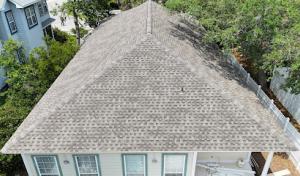
Ridgeline Construction Roofing & Exteriors
(938) 444-8101 www.ridgelineconstructionhsv.com
Serving
4.9 from 96 reviews
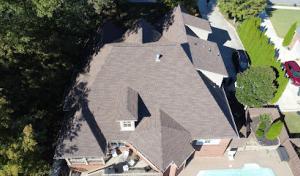
Rocket Roofing & Restoration Contractors
(256) 801-7881 roofwithrocket.com
Serving
4.9 from 90 reviews
In this market, quick-response and emergency repair signals are unusually strong, reflecting how often homeowners need immediate help after storms. A small roof opening can become a dramatic interior leak within hours of a hail event or a fast-moving thunderstorm. If you notice lifted shingles, granules in gutters, or damp attic insulation, treat it as urgent and not cosmetic.
Autumn rains and spring storm sequences can turn small openings into interior leaks before full replacement crews are available. Do not wait for a perfect forecast to address a visible roof issue. Cover the area with a heavy-duty tarp, weight the edges with boards, and protect valuables inside while you arrange temporary repairs.
Skylight repair appears as a recurring specialty locally, which matters because storm-driven leaks are often misdiagnosed when flashing and roof penetrations are involved. Inspect skylight seals and flashing, but avoid intrusive attempts if moisture is actively flowing. Call a skylight-competent roofer to seal, flash, and, if needed, replace the unit to prevent ongoing seepage.
Immediate leak control requires disciplined isolation of the water path. Work from the inside by catching drips in a bucket, then place towels at the ceiling line to buy time. Document damage with clear photos for the insurance claim and keep notes on weather conditions and dates of impact. Fast coordination with a trusted local roofer can shorten the window before a full replacement crew arrives. That urgency saves ceilings, walls, and your sanity during storms, here today.
When you can't wait, these contractors offer fast response times to stop leaks and prevent further damage.
East Kingdom Roofing Huntsville
(256) 215-6080 eastkingdomroofinghuntsville.com
Serving
5.0 from 25 reviews
Rocket Roofing & Restoration Contractors
(256) 801-7881 roofwithrocket.com
Serving
4.9 from 90 reviews