Last updated: Apr 19, 2026
The heat in this desert city is harsh on roofs, but the July-to-September monsoon window brings a different kind of pressure: hail, heavy rain, and sudden wind surges that can turn a routine replacement into a rush job with compromised results. Tile and shingle roofs exposed to extended UV and record dry spells age more quickly, and the abrupt moisture cycles of monsoon season can reveal hidden shingle cracks or tile failures that were tolerable in the dry months. If a roof is already close to the end of its life, waiting through summer to replace can increase the chance of storm damage or accelerated aging during the work. The best practice is to align major replacements with calmer shoulder periods when forecasts show lower storm probability and the roof deck and underlayment have a chance to cure before the next storm cycle. In practical terms, this means prioritizing replacement windows in late fall or early spring, when monsoon activity is easing and the temperature range is more forgiving for both materials and crews.
Extreme summer heat isn't just uncomfortable-it shifts the risk profile for any roofing project. Material handling becomes tougher, fasteners can behave differently, and adhesive and sealant performance may shift under prolonged solar exposure. Crews work more efficiently when temperatures settle into comfortable ranges, which reduces the chance of heat-related hazards for workers and helps ensure consistent installation quality. Replacement timing is often pushed toward cooler parts of the year to avoid the peak heat, especially on larger jobs or roofs with challenging angles. When planning, look for windows where daytime highs stay well below the mid-90s and overnight temperatures permit cooler curing conditions for mastics and sealants. Delaying until the late fall or early spring not only protects installers but also reduces the risk of workmanship delays caused by heat-related material handling challenges. A calm, cooler start to the day often yields cleaner surface preparation, better adhesive bonding, and a more durable finish that will stand up to Buckeye's long, hot summers.
Dust storms are a real Buckeye-area installation concern because airborne dust can interfere with clean roof surfaces during underlayment and flashing work. Fine dust on the deck and on flashing paths can prevent proper adhesion and create micro-abrasions that shorten the life of sealants and mastic. When a storm is forecast or a bloom of dust rolls through, crews must halt work to avoid contaminating the underlayment, then carefully clean all surfaces and re-check fasteners and gaps before resuming. This means that timing decisions should factor in typical dust patterns and wind shifts, not just rain chances. If a project sits through a dust event, expect a clean-up and re-prep phase to be a routine part of the schedule, which can extend timelines but pays off in long-term performance. For tiles and shingles alike, plan for a window when the air is calmer and dust levels are lower-conditions that allow underlayment alignment, flashing integration, and nail patterns to seat correctly without trapped grit that could compromise waterproofing.
Tile roofs-whether concrete or clay-tolerate heat but respond poorly to late-season storms if the deck is not fully dry. A cooler shoulder season starting in late fall or early spring minimizes weather interruptions and supports proper mortar or sealant cure around penetrations. Concrete tile and clay tile installations benefit from steady temperatures that avoid thermal shock during setting and curing phases; align the schedule to avoid diurnal heat spikes and sudden monsoon gusts. For asphalt or synthetic shingles, the same logic applies: aim for a window with moderate temps and minimal rotorheads from storms, ensuring underlayment and flashing have time to seal before the next heat spike. Metal roofing also benefits from cool-season installs, where expansion and contraction remain within predictable ranges and fastener seals maintain integrity during hot afternoons. In all cases, coordinate closely with the crew to watch the forecast for the coming weeks, and plan contingency days to accommodate any sudden monsoon activity or dust events that can derail a clean, long-lasting installation.
Tile and shingle roofs in this area endure brutal sun and sudden monsoon bursts. Clay tile and concrete tile are dominant on Buckeye homes, and monsoon wind can dislodge individual field tiles even when the rest of the roof still looks intact from the ground. The first sign of trouble is often a loose or displaced tile that you can spot on a quick inspection after a storm or a strong wind event. If a tile shifts, it may still look fine from below, but the water path behind it can be compromised. Inspect the roof edge and hip areas after every heavy wind spell, and check the gutters for broken pieces or tile fragments. When you find a displaced tile, don't assume the underlying structure is safe; the underlayment can be compromised even if the visible roof looks intact.
Buckeye's mix of tile-heavy subdivisions and newer tract housing means homeowners often need to distinguish between cosmetic tile issues and underlayment-driven leak risk. If field tiles are intact but the ridge line or flashing around vent stacks shows wear, water intrusion can begin in unexpected places. During a heat spike, the underlayment beneath clay or concrete tiles expands and contracts, which can create micro-tears that seep water during the next monsoon. Prioritize a close look at the valley installations, hip-edge details, and any areas where tiles contact roof penetrations. A simple drip in the attic after a rainstorm is a red flag that warrants professional inspection, even if the surface looks fine.
Asphalt shingles in Buckeye face accelerated aging from intense sun exposure, making granule loss, brittleness, and heat-related wear especially important to watch. In this climate, shingles can deteriorate from the top edge down much faster than in milder zones. Curling at the edges, cracks in granules, and faded or chalky surfaces signal a need for close monitoring. The heat thin-wires the shingles, increasing the likelihood of wind uplift during monsoon gusts. When inspecting, focus on the seams, the field of the roof, and around roof penetrations where flashing can fail first. If you notice bald granules in the gutters or a sheen on the shingles after a dry wind, plan for a closer evaluation.
Buckeye's neighborhoods show a wide spread of tile and shingle designs, which can complicate a homeowner's assessment. Cosmetic issues-such as a single cracked tile or a few loose shingles-do not always indicate a systemic problem. On the other hand, when multiple tiles lift during a storm, or when the underlayment shows through at several valleys, leaks are likely imminent. Use a two-step approach: first, identify obvious surface problems after storms; second, schedule a professional inspection if the attic shows any signs of moisture or if there are recurring damp spots along interior ceilings. In newer tract housing, where underlayment quality can vary between homes, trust the signs of water intrusion more than the exterior appearance alone.
Start with a post-storm roof walk, focusing on hips, ridges, and edges where wind-driven debris tends to accumulate. Keep a notebook or photos to track recurring problem areas since Buckeye homes often experience similar wear patterns due to their construction stock. If a tile or shingle shows obvious wear, arrange a professional assessment promptly to confirm whether the problem is localized or part of a broader aging pattern. Finally, maintain the attic ventilation and look for signs of moisture accumulation after monsoons-proper ventilation reduces heat buildup that accelerates material degradation.
Find contractors who specialize in clay and concrete tile roofs, known for their durability and curb appeal.
Pedroza Roofing
(623) 203-4252 www.pedrozaroofingllc.com
10712 S 271st Ave, Buckeye, Arizona
4.9 from 26 reviews
Goodyear Roofing Company
(623) 300-1033 www.goodyearroofingcompany.com
Buckeye, Arizona
5.0 from 14 reviews
Rapid Roofing Plus
(623) 628-6372 rapidroofingplus.com
3275 N Clanton St, Buckeye, Arizona
4.5 from 49 reviews
Pedroza Roofing
(623) 203-4252 www.pedrozaroofingllc.com
10712 S 271st Ave, Buckeye, Arizona
4.9 from 26 reviews
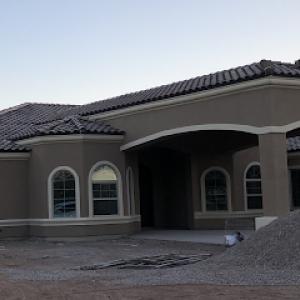
We are a company located in Buckeye AZ but we service all the valley. We specialize anywhere from small repairs to a new roof. With 21+ year of experience, always using the best materials on the market to satisfied customers needs. In most cases we can do same day estimates and repairs.
Goodyear Roofing Company
(623) 300-1033 www.goodyearroofingcompany.com
Buckeye, Arizona
5.0 from 14 reviews
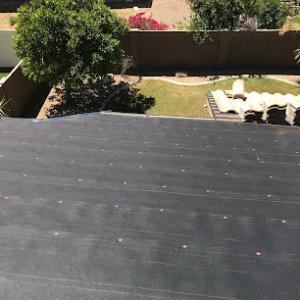
When you need a proper top on your house, we go above and beyond to treat you like family. It all starts with a friendly voice over the phone when you call in to discuss your roof's issues. Perhaps it's a small leak over your patio, or maybe just a few broken tiles. From small repairs to complete replacement, we can handle any job you throw our way, and you'll be pleasantly surprised with our excellent prices and service. We've been serving the Valley for decades now, and we know just what it takes to be the company you want walking and working on top of your home. Call us today for a free quote. You won't be disappointed.
Rapid Roofing Plus
(623) 628-6372 rapidroofingplus.com
3275 N Clanton St, Buckeye, Arizona
4.5 from 49 reviews
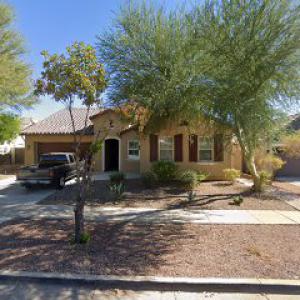
Rapid Roofing Plus, a family-owned and operated company, has been providing exceptional roofing services in Goodyear, AZ, and surrounding areas since 2008. With a team of experienced tradesmen and dedicated management, we take great pride in delivering high-quality, durable roofs that homeowners can trust. Our focus is on ensuring customer satisfaction, which is why we maintain a smooth, safe, and clean job site. From repairs to roof replacements, we offer comprehensive roofing solutions. Contact us today to learn more about our services and experience the Rapid Roofing Plus difference.
Casado Roofing
24642 W Atlanta Ave, Buckeye, Arizona
5.0 from 12 reviews
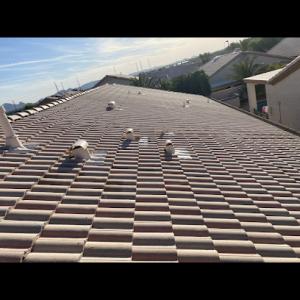
Casado Roofing, is a licensed and insured roofing company. (Residential & Commercial) We have over 20 years of roofing experience and can help with ANY roofing needs. No job too small or too big! Our services range from leak repairs, patios, gutter systems, homes, and commercial/industrial buildings. We offer free estimates!

Gary & Son Roofing
(602) 843-5858 garyandsonroofingaz.com
13036 S Airport Rd, Buckeye, Arizona
4.6 from 17 reviews
Roofing company in AZ
Premier Roofing Contractors
(480) 387-7649 www.fixazroofs.com
Serving
4.9 from 42 reviews
Premier Roofing Contractors, a family-owned and operated company established in 2023, is dedicated to delivering exceptional roofing solutions. With a focus on quality, experience, and integrity, we bring unparalleled expertise to every project. Our commitment to client satisfaction and safety ensures a reliable and trustworthy experience from start to finish. We stand by our work, providing knowledgeable and professional service that upholds our core values.
Goodyear Roofing Repair & Replacement
(623) 303-1909 www.roofing-goodyear.com
Serving
5.0 from 20 reviews
Goodyear Roofing has been providing professional roofing contractor services to Goodyear AZ for many years. We are one of the most established and trusted names for roofing services in the valley, and are accredited by the Better Business Bureau. We offer some of the best roofing warranties in Goodyear, because we stand behind the quality of our work. Goodyear Roofing is the best choice for commercial roofing projects in Goodyear AZ. With over 25 years in the roofing business, we know the pros, cons, strengths, and weaknesses of every type of commercial roofing and commercial roofing system available to protect your Goodyear AZ business. We have a dedicated Goodyear AZ roof leak repair team standing by when Goodyear gets wet. We will re
Advanced Quality Roofing
(602) 918-5446 www.advancedqualityroofingaz.com
Serving
4.8 from 36 reviews
Advanced Quality Roofing, a roofing company in Wittmann, AZ, helps clients all across the Phoenix area with their roofing needs. Whether you have a complicated large-scale project or a small-scale roofing repair, our BBB-accredited company can help. With two generations of roofing experts and partnerships with the top names in roofing, you can count on us for all your needs. We even specialize in servicing tiled roofs. You'll always work directly with the business owners, and our roofers understand how to adjust our services to your unique roof as well as how to install the best products possible with care and concern. And we offer an excellent warranty for your peace of mind!
United Legends Roofing
(623) 248-6031 unitedlegendsroofing.com
Serving
5.0 from 33 reviews
United Legends Roofing is an established company with 27 years of experience serving nationally. Our team is dedicated to providing high-quality roofing and following industry guidelines; our values are loyalty, trustworthiness, and a positive attitude. We excel at multi-tasking to complete overlapping projects, create detailed project plans, manage material orders, sales, bidding, and coordinate manpower nationwide. Count on us for all your roofing needs, even in the most physically demanding situations and extreme weather conditions.

Socorro's Roofing
(602) 702-5363 socorrosroofingaz.net
Serving
5.0 from 9 reviews
At Socorro’s Roofing, we’ve built our reputation as a trusted local roofing company serving residential and commercial clients across Goodyear and nearby areas. With more than two decades of experience, our skilled team has successfully completed hundreds of installations, repairs, and maintenance projects—always with precision, honesty, and craftsmanship.
YM Roofing
(602) 550-6369 www.ymroofing.com
Serving
5.0 from 79 reviews
Residential/Commerical roof installations, re-roofs, and maintenance. Over 25 years of experience in the roofing industry. Call or text for a free quote today: (602) 550-6369 ROC#329681
Crew Contracting & Roofing
(602) 695-2827 crewcontractingllc.com
Serving
4.9 from 77 reviews
Looking for top-quality roofing and exterior services in Arizona? At Crew Contracting, we specialize in New Roofing, Re-Roofing, Torch Down Roofing, Modified Bitumen, Shingle Installation, Tile Roofing, and Timberline Solar by GAF. We also provide Exterior Painting services for residential and commercial properties. Fast & reliable service Free roof inspections & insurance claim assistance High-quality materials with up to 50 years of warranty Serving Phoenix, Avondale, Tucson, Prescott, Yuma & nearby areas Whether you need a new roof installation, roof replacement, or expert exterior painting, we handle everything for you! Call us today for a free consultation and protect your home or business with Arizona’s trusted roofing experts.
In Buckeye, the dominant roofing materials drive the budget you should expect when re-roofing. Asphalt shingles sit at the lower end of the range, roughly 350 to 700 USD per square, making them a common choice for many neighborhoods built during rapid suburban growth. Metal roofs typically run from about 900 to 1,800 USD per square, reflecting their longevity and performance in desert heat. Clay tile projects generally fall between 1,000 and 2,200 USD per square, while concrete tile sits close behind at 900 to 1,800 USD per square. Wood shingles or shakes run roughly 800 to 1,400 USD per square, and synthetic or composite shingles land in a mid-range 600 to 1,100 USD per square. Those figures assume standard installation conditions and mid-range material quality; premium underlayment, venting, and detailing can add to the totals, especially on tile-heavy homes.
Buckeye's large-lot layouts and broad geographic spread mean mobilization costs can be more noticeable than in denser inner-valley cities. Travel time for crews, equipment, and material deliveries stretches the work window and can influence scheduling and price. If a home sits on a long driveway, or in a neighborhood with limited staging space, expect minor upticks for logistics and project management. Conversely, a well-positioned home with nearby access can smooth crew movement and reduce downtime, helping keep the project on track without sacrificing quality.
Tile-heavy local architecture shifts labor needs beyond a simple tear-off and install. Repairs and replacements may involve careful tile handling, potential underlayment work, and precise matching of color and profile to existing inventory. When clay or concrete tiles are involved, labor hours can rise due to fragile material handling, tile-breaking risk, and the need to re-location or replace matching trim and flashing. For asphalt or synthetic shingles, the process is more straightforward, but extreme heat and dust storms in the area can necessitate added care in sealing and ventilation details to sustain roof longevity.
To begin budgeting, note your current roof type and target material, then apply the per-square ranges above. Add a contingency for weather-related schedule shifts and for tile-specific requirements if tile is involved. For tile-heavy homes, ask vendors about tile handling procedures, underlayment upgrades, and color-matching services to avoid surprises. Finally, consider a phased approach if large-lot homes require longer equipment draw times, ensuring scheduling aligns with crew availability and material delivery windows.
Get a clear picture of your project costs upfront - no commitment required.
Goodyear Roofing Company
(623) 300-1033 www.goodyearroofingcompany.com
Buckeye, Arizona
5.0 from 14 reviews
Rapid Roofing Plus
(623) 628-6372 rapidroofingplus.com
3275 N Clanton St, Buckeye, Arizona
4.5 from 49 reviews
A full re-roof in Buckeye typically requires a permit through the City of Buckeye Building Safety Department. That permit confirms the new roofing system, underlayment, and flashing meet local codes for the desert climate, heat exposure, and monsoon resilience. Before any tear-off or material delivery, verify your project is registered and that the permit is pulled in advance. The process can involve plan review if substantial changes are planned, and coordinating with utility company adjustments for venting or electrical connections is common in newer subdivisions. The department's workload can influence how quickly approvals move, so expect some variability in response times.
Buckeye commonly performs inspections at the roof deck or underlayment stage and again at final completion, so homeowners should expect 1 to 2 inspections. The deck or underlayment check ensures the roof deck is sound, properly fastened, and that underlayment continuity is correct for heat and monsoon wind exposure. The final inspection confirms that the finished roofing system is mechanically secured, that penetrations are flashed correctly, and that weep holes and ventilation are functioning as designed. Being present or having a licensed contractor present during these inspections can help address any deficiencies on the spot, reducing the chance of remedial work later.
Permit processing time in Buckeye can vary with department workload, which matters when homeowners are trying to schedule around monsoon season. Monsoon bursts can complicate both scheduling and access to the roof, and weather-related delays may affect inspection timing. Plan ahead by aligning permit submission with the anticipated roof replacement window, and build in a buffer for potential weather holds. If a storm is forecast during the planned inspection day, coordinate with the Building Safety Department and your contractor to reschedule promptly. Keeping clear records of permit numbers, inspection dates, and contact information will streamline communications should delays arise.
In Buckeye, insurance claims after monsoon storms hinge on showing both the roof's age and how much exposure it faced from hail and high winds. Arizona insurers expect a record of wear that lines up with the storm timeline, especially for homes with tile or shingle roofs that take on heat and sand faster than they look. The age of the roof and the type of material can shape how a claim is evaluated, so the right documentation matters.
After a monsoon event, damage can appear gradually or in scattered, hard-to-see patches. Adjusters will want evidence that ties the storm to any observed deterioration. Quick, organized documentation helps avoid disputes about whether wear or a specific storm caused the damage. Photos that capture the roof surface, exposed fasteners, vents, and any denting or granule loss on shingles provide a clear baseline for later comparison.
A roof condition report might be requested in addition to photos. This can come from a roofing professional who can assess shingle granules, flashing integrity, tile cracks, and any signs of hail impact that aren't immediately obvious from the ground. A thorough report helps establish a credible connection between the storm event and the condition of the roof, which is especially valuable when the roof has aged or shows heat-related deterioration from prolonged summers.
Coverage terms can tighten with roof age and material, and underwriting can become stricter after severe weather periods affecting the area. If the roof is older or made from a more vulnerable material, an insurer might require more evidence of actual damage rather than attributing wear to time and weather alone. Homeowners should prepare to deliver a clear narrative of when the storm occurred, what was observed right after, and how the roof has aged since then.
In practice, keep a dated file of every communication with the insurer, each photo labeled by date and location on the roof, and any reports from a contractor or adjuster. Timely reporting after a monsoon burst is your best defense against interpretation errors and delayed settlements.
Connect with contractors who help homeowners navigate the claims process from damage assessment to final approval.
Essential Roofing Guys Buckeye
(623) 471-5070 essentialroofingguys.com
608 Monroe Ave #2, Buckeye, Arizona
4.8 from 56 reviews

Advanced Quality Roofing
(602) 918-5446 www.advancedqualityroofingaz.com
Serving
4.8 from 36 reviews
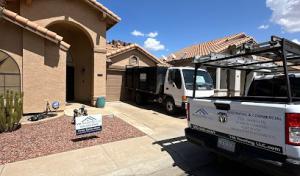
Even though pitched tile and shingle roofs dominate, low-slope sections still show up on patios, porches, and add-ons attached to desert subdivision homes. These surfaces face the full force of summer sun, monsoon downpours, and sudden temperature swings. In Buckeye, a practical approach starts with recognizing that these areas drain differently and age faster if not treated as part of the roof system, not just as a cosmetic overlay.
Monsoon downpours can overwhelm low-slope sections if drainage paths aren't kept clear. Inspect scuppers, gutters, and drip edges on these areas, and remember that dust storms can hide debris that blocks water flow. Check the membrane or coating on exposed low-slope patios for any cracking, peeling, or pinholes after the hottest months. In Buckeye, ensure flashing at transitions to walls and larger roof planes is fully embedded and sealed, since movement from heat cycles can loosen sealants. For newly added low-slope roofs, specify a surface that promotes true drainage away from living spaces and into defined scuppers or drain lines.
Occasional winter cold snaps can affect underlayment and coating performance on exposed low-slope roof areas in this region. Inspect for hairline cracks in coatings and any soft spots in the underlayment after the coldest periods, then recoat or reseal as needed before the next heat cycle. Choose coatings and membranes proven for hot-dry climates and freeze-thaw resistance, and confirm they maintain flexibility at lower evening temperatures. Buckeye homes benefit from a setup that tolerates daily temperature swings without cracking or leaking.
Set a twice-yearly inspection cadence for these surfaces, aligning one check with monsoon season and another after winter. Look for unusual pooling, seam separation, or edge lifting where the low-slope meets the main roof. Keep surface coatings intact to prevent heat absorption and material degradation. When performing maintenance, use safe access that does not stress fasteners or flashings, and address any drainage issues promptly to protect the structure beneath.
Find specialists in TPO, EPDM, and built-up flat roofing systems for residential and commercial properties.
Rapid Roofing Plus
(623) 628-6372 rapidroofingplus.com
3275 N Clanton St, Buckeye, Arizona
4.5 from 49 reviews
Advanced Quality Roofing
(602) 918-5446 www.advancedqualityroofingaz.com
Serving
4.8 from 36 reviews
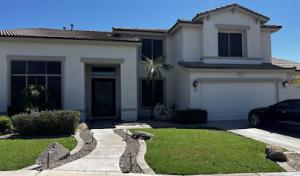
Buckeye's intense sun makes roof penetrations tied to solar equipment especially important to inspect during re-roof planning. When planning to add or relocate solar arrays, prioritize a detailed seal and flashing plan at every penetration point. Use well-sealed, UV-stable sealant and corrosion-resistant fasteners, and verify that conduit entries are fully gasketed to resist the relentless sun and dust. In areas with high solar exposure, double-check edge termination where panels meet the roof plane, and plan for a clean slope that directs any incidental water away from penetrations.
Skylight flashing and surrounding underlayment deserve extra attention in this area because monsoon rain can exploit small installation defects quickly. Inspect the flashing bead, step flashing, and curb flashing for tight, continuous contact with the skylight frame. Replace any cracked or dried-out underlayment directly beneath the skylight, and ensure proper drainage away from the flash lines. In test sections, simulate heavy rain to confirm that water sheds cleanly around the skylight without pooling near edges. Consider adding a secondary drainage line if the skylight sits near a valley or high-dust zone.
On tile roofs common in Buckeye, penetrations often require more careful detailing than a simple field-tile replacement. When a vent, antenna, or skylight is reworked, plan for compatible detailing with the existing tile pattern. Use matching or compatible field tiles to avoid stress points, and ensure each penetration has a dedicated collar or base flashing that sits beneath the tile, not just on top of it. Pay special attention to the substrate beneath the tiles so that flashing remains protected from heat and sun exposure.
In re-roof planning, map all penetrations first, then align flashing and underlayment strategies to each one. For skylights and solar hardware, consider a staged sequence that prioritizes waterproofing at the highest risk points first. Keep in mind that monsoons can arrive suddenly; confirm that temporary protections are in place during any phase of installation or repair to maintain a dry interior.
Find contractors who integrate solar panels or solar shingles into your roof for long-term energy savings.
Advanced Quality Roofing
(602) 918-5446 www.advancedqualityroofingaz.com
Serving
4.8 from 36 reviews