
Last updated: Apr 19, 2026
Sun City West's hot, arid climate accelerates roof aging, especially on older re-roof candidates common in this retirement community. The combination of relentless afternoon sun, high solar gain, and repeated freeze-thaw cycles at dawn can push asphalt granules loose, crack underlayment, and degrade sealants faster than in milder markets. Tile and flat-roof assemblies that already show age-sweat signs-curling edges, lifted flashings, or blistered membranes-will reach critical failure sooner when exposed to repeated heat and monsoon stress. If your roof is approaching or has already surpassed a typical 15-20 year lifespan for the original installation, plan for a replacement window rather than another patch job.
Monsoon season from July through September raises the risk of hail, wind-driven rain, and project delays, making replacement timing more critical here than in milder Arizona markets. Sudden storms can ruin exposed roofing work, flood unsecured areas, and push crews behind schedule for days. Waiting too long into the monsoon can mean you're juggling weather, material deliveries, and contractor availability all at once, which compounds risk of improper resealing and improper drainage. If your roof shows active leakage or widespread loose fasteners as monsoon season approaches, you're trading quick trouble for a much bigger repair bill once storms roll in.
Extreme summer heat can limit crew work hours and affect how some roofing materials and adhesives are handled during installation. In the desert's peak weeks, asphalt shingles may become so pliable that reshaping edges or sealing tabs becomes unreliable. Adhesives and sealants can cure too quickly or too slowly when exposed to brutal daytime temps, compromising wind uplift ratings and long-term waterproofing. For tile roofs, high heat can stress underlayment and battens, altering weight distribution and potentially increasing the risk of tile breakage during handling. Scheduling work to begin at first light, with a plan to pause when temperatures soar, is not merely comfortable-it's a safety and performance decision. Contractors who respect these conditions consistently produce tighter seals and longer-lasting results.
You are facing a clock: the roof's age plus desert heat accelerants equals faster deterioration. If you suspect edge settlements, cracked tiles, or widespread granule loss, treat it as an urgent signal rather than a distant concern. Prioritize a replacement strategy that aligns with the monsoon calendar and outdoor work cycles. Ask for a plan that staggers heavy lifting and ensures resealing is completed before storms, with a contingency window that accounts for heat-driven delays. In this climate, proactive scheduling and precise material handling aren't optional; they're essential to prevent post-install complications and to secure a durable, weather-ready roof when the next monsoon arrives.
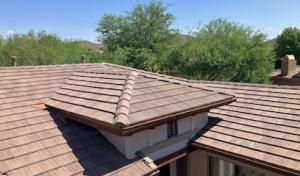
Tile roofing is especially relevant in this area, where clay and concrete tile dominate the skyline and many local crews specialize in tile work. The desert climate puts extra emphasis on shade, airflow, and proper tile alignment to minimize heat gain and wind uplift. Concrete and clay tiles can handle high summer temperatures, but their durability hinges on the underlying structure and correct installation. Expect the most value from a crew that can pair tile installation with a robust, well-sealed system beneath-the kind of team that understands how fast sun-baked decks and parapets influence roof geometry over time.
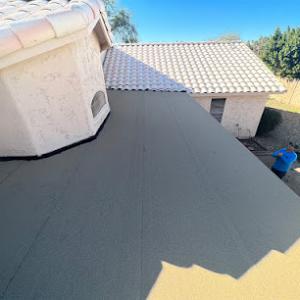
Flat and low-slope portions are a frequent, often overlooked reality for retirement-area homes with patios, sunrooms, and add-ons. These transitions age differently from the main roof surface, so a single good-looking tile field doesn't guarantee the entire roof is sound. Pay particular attention to the junctions where low-slope areas meet higher surfaces, as pooling, debris buildup, and edge flexing can drive leaks even when the visible tiles look fine from ground level. If your perimeter terrace or winged addition uses a low-slope deck, consider scheduling targeted inspections soon after the monsoon season and after any major wind events.
Underlayment beneath tile is a frequent replacement hotspot, especially when tiles appear serviceable from the ground. In this climate, heat can accelerate wear on underlayment seams, fasteners, and membrane transitions. You may not see a leak until later, but a compromised underlayment allows water intrusion during monsoon bursts or sudden downpours. A thorough infrared or moisture assessment can reveal hidden delamination or moisture pockets under the tile layer. If underlayment shows signs of aging, plan for replacement even if the tile surface still presents well.
Desert heat accelerates substrate and fastener fatigue, and monsoon volatility adds urgency to proactive planning. The best approach is to align tile replacement with a comprehensive roof overhaul that includes flashing, underlayment, and structural integration checks. If a roof exhibits consistent temperature-driven expansion, cracked or hollow-sounding tiles, or unusual roof edge movement, those are red flags that the system beneath the surface is aging faster than the visible tile suggests. For low-slope sections, pay extra attention to membrane integrity and edge detailing, since those zones are often the first to show signs of wear after a heavy storm.
When you walk the roof, check for cracked or chipped tiles, but don't ignore the hidden layer. Look for loose or displaced tiles near hips and ridges, as wind gusts common in this area can loosen fasteners over time. Inspect eaves and fascia for moisture staining or shimmering, which can indicate intermittent leaks behind the tile line. In low-slope areas, test drainage by observing water behavior after a heavy rain and verify seams are sealed and redirecting water away from transitions. If you notice granular loss in neighboring areas or uneven tile alignment, treat those as indicators to arrange a professional inspection before the next monsoon.
Find contractors who specialize in clay and concrete tile roofs, known for their durability and curb appeal.

Surprise Roofing Repair & Replacement
(623) 439-5062 www.roofing-surprise.com
Serving
5.0 from 17 reviews

All About Roofing
(602) 500-0652 allaboutroofing.com
Serving
4.9 from 937 reviews
All About Roofing is a local, family-owned roofing contractor serving Surprise and the West Valley. With over 10 years of experience, we specialize in roof repairs, replacements, and custom builds for homes and businesses. We’re licensed, bonded, insured, and known for 5-star service you can trust to protect your biggest investment.
Arizona Sunland Development Corporation - Roofing Division
(623) 330-2444 www.sunlanddc.com
13217 W Mesa Verde Dr, Sun City West, Arizona
5.0 from 1 review
Your Arizona Premier Roofing Partner and Custom Luxury Home Builder since 1996! Arizona Sunland Development Corporation - Roofing Division is comprised of experts in residential asphalt shingle roof replacements, concrete tile roof replacements and roof underlayment systems. We have been in business for 26+ years. We pride our company on reliability, great communication, integrity, and exceptional quality workmanship. We are experts in our trade, and will do our best to keep you as educated as we can on your particular project. We look forward to earning your business!
Surprise Roofing Repair & Replacement
(623) 439-5062 www.roofing-surprise.com
Serving
5.0 from 17 reviews
Surprise Roofing has been providing professional roofing contractor services to Surprise AZ for many years. We are one of the most established and trusted names for roofing services in the valley, and are accredited by the Better Business Bureau. We offer some of the best roofing warranties in Surprise, because we stand behind the quality of our work. Surprise Roofing is the best choice for commercial roofing projects in Goodyear AZ. With over 25 years in the roofing business, we know the pros, cons, strengths, and weaknesses of every type of commercial roofing and commercial roofing system available to protect your Surprise AZ business. We have a dedicated Surprise AZ roof leak repair team standing by when Surprise gets wet. We will re
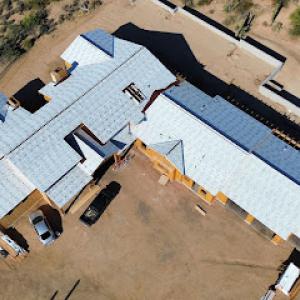
Spearhead Contracting
(602) 680-9510 spearheadcontractingaz.com
Serving
5.0 from 24 reviews
We are a family-owned business that has been providing residential and commercial roofing services in Phoenix, and its surrounding areas. Our craftsmanship, excellent materials, and work ethic are a tribute to our years of experience and great client satisfaction. For a free estimate, give us a call today! SE HABLA ESPAÑOL!
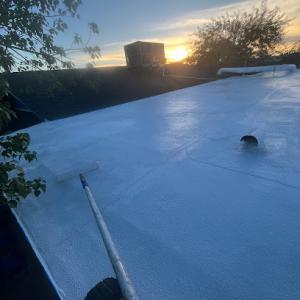
Elite Exterior Solutions
Serving
5.0 from 22 reviews
-Partial and full Roof repairs of all kinds -Specializing in flat roof sealing and coating -All jobs come with a warranty -Competitive rates and pricing -Special pricing for military and senior citizen offered -All estimates are free of charge, no commitments required -Family Owned company serving and caring for other families in the area with ethics in mind.
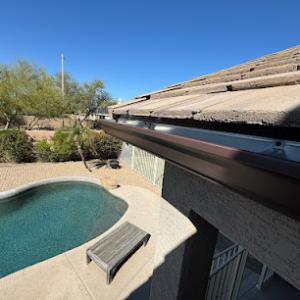
Armored Roofing
(623) 242-7122 www.armoredroofingusa.com
Serving
4.9 from 258 reviews
Armored Roofing is a trusted roofing contractor proudly serving Sun City, AZ. We specialize in a wide range of roofing services, including insurance claims, flat roofs, new roof installations, and metal roofing. Whether your property has suffered water, fire, storm, or hail damage — we’ve got you covered. Our team offers free estimates for small repairs and free inspections for larger projects. At Armored Roofing, we’re dedicated to delivering reliable workmanship, quality materials, and exceptional customer care. We look forward to continuing to serve the Sun City community and invite you to contact us today for your free estimate!
Glendale Roofing Pros - Roof Repair & Replacement
(602) 753-5333 glendaleazroofing.com
Serving
5.0 from 24 reviews
Professional Glendal Arizona Roofing Glendale Roofing has been providing professional roofing contractor services to Glendale AZ for many years. We are one of the most established and trusted names for roofing services in the valley, and are accredited by the Better Business Bureau. We offer some of the best roofing warranties in Glendale, because we stand behind the quality of our work. In the unlikely event that you need to utilize your roof’s warranty, you can rest easy knowing we’ve been in business for over 25 years, so we will still be around to make sure your home or business is protected. If you need a new roof in Glendale installation, roof leak repair, roofing maintenance, commercial roofing industrial roofing residential roofing
Allstate Roofing
(602) 620-2755 www.allstateroofingaz.com
Serving
4.9 from 101 reviews
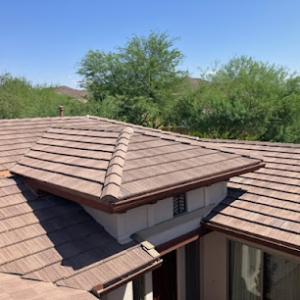
Allstate Roofing is a trusted roofing contractor in Peoria, providing expert residential roofing services. Our team specializes in tile roof installation, replacement, and re-roofing, ensuring durability and long-term protection. We also offer high-quality foam and shingle roofing solutions designed for Arizona’s climate. With over 20 years of combined experience, our family-owned, fully licensed, and insured company is committed to exceptional craftsmanship and customer satisfaction. Whether you need a roof repair or a complete replacement, you can count on Allstate Roofing for reliable service. Contact us today for top-tier roofing solutions in Peoria!
Koala-T Roofing
(602) 348-6127 koalatroofing.com
Serving
4.9 from 98 reviews
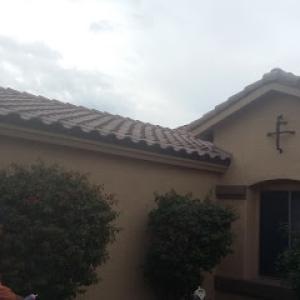
Koala-T Roofing is a trusted roofer in Surprise, AZ, offering professional roofing service for both residential and commercial needs. As a licensed and insured roofing contractor, we specialize in roof repair, roof replacement, roof installation, and roof leak repair. Our team provides expert shingle roofing, tile roofing, skylight repair, and skylight replacement, ensuring durability and quality craftsmanship tailored to Arizona’s climate. Whether you need a roof inspection, emergency roof repair, or a complete roofing upgrade, Koala-T Roofing is the roofing company you can count on. With over 20 years of experience, we proudly serve Surprise, Sun-City, Sun-City West, Glendale, Avondale, & beyond. Contact us today to learn more!
Luxe Roofing
(602) 580-4181 luxeroofingaz.com
Serving
5.0 from 9 reviews
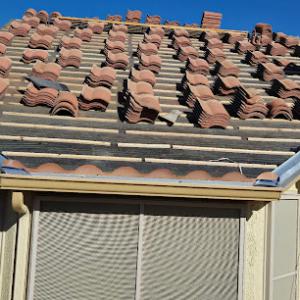
Luxe Roofing delivers expert residential and commercial roofing services, from new installs to re-roofing and inspections. Trusted by homeowners and HOAs, we provide durable, stylish, and reliable roofing built to last.
Precision Roofing
(602) 456-0323 www.precisionroofingaz.com
Serving
4.9 from 209 reviews
Precision Roofing is the premier roofing company for all of your roofing needs. As a top-rated roofer, we specialize in roof repair, roof replacement, commercial roofing, and residential roofing services. Our team of experienced and skilled local roofers is dedicated to providing exceptional quality workmanship and superior customer service. We service Scottsdale, Phoenix, Mesa, Tempe, Peoria, Glendale, and the entire Valley. We prioritize customer satisfaction above all else, ensuring that every project is completed to the highest standards. Our roofing contractors are committed to delivering top-notch results, no matter the size or scope of the job. Contact us today for a free estimate for your roof repair or your roof replacement.
Gen2Roofing
(602) 619-5648 www.gen2roofing.com
Serving
5.0 from 51 reviews
Gen2Roofing LLC is a licensed and bonded second-generation family operated business. Our mission is to provide 100% quality, satisfaction, and reliable roofing services every time! With over 20 years of experience, we offer inspections, maintenance, repairs, and/or whole new roofs. We work with tile, shingles, and flat/patio roofs. No roof too big or small.
During the monsoon season, roofs endure sudden hail and heavy rain bursts that can punch through aging seals and create rapid leak events. In this climate, a single intense shower can turn a minor imperfection into a flashing failure or a blown-apart seam, especially on low-slope desert homes with tile and ambient heat stress. After a storm, intrusive water can travel along eaves and inside interior walls in a matter of minutes, so every exposed roofing seam, vent, and skylight deserves rapid attention. Do not delay calling a trusted local contractor for a leak assessment if you notice water staining, damp ceilings, or new dripping sounds during or after a storm. Urgent action helps prevent cascading damage to attic insulation, drywall, and electrical components.
Spring brings stronger winds that loosen fasteners and pry loose loose shingles, tiles, or flashings before the monsoon season fully arrives. Debris from surrounding landscape can accumulate on the roof and clog gutters, creating backflow during heavy rain events. In this market, proactive staging matters: keep a visible plan for addressing wind uplift and debris-isolation, and schedule a pre-monsoon roof check to catch loose components while temperatures are milder. A few anchor points tightened now can prevent a handful of emergency calls later. If spraying wind-driven dust and small hail are common in this period, pay particular attention to edge tiles, corner caps, chimney flashings, and vent booting that often take the first hits.
The local contractor market shows unusually strong prevalence of emergency repair and quick-response service, reflecting how homeowners prioritize fast leak control after storms. When a storm hits, the fastest path to containment is a tarp or temporary cover applied by a qualified professional, followed by a prioritized repair plan that targets the most vulnerable areas first-valleys around chimneys, roof-to-wall transitions, and any failed flashings. Keep a short list of at least two on-call roofers with proven storm-response experience, and store emergency contact numbers where they're easy to reach from a phone or home-owner app. After a storm, document damage with photos from multiple angles, note the date and time of the event, and share the record with the chosen contractor to accelerate triage and scheduling. If a leak is spreading, prioritize interior containment-protect ceilings, floors, and valuables while awaiting repairs. In this climate, delaying a suspected leak can quickly escalate into interior water damage and more extensive, urgent repairs.
Find local contractors experienced in assessing and restoring roofs after hail, wind, and severe weather events.
Glendale Roofing Pros - Roof Repair & Replacement
(602) 753-5333 glendaleazroofing.com
Serving
5.0 from 24 reviews
Provided local cost ranges per square are: Asphalt Shingles 350 to 700, Metal Roofing 600 to 1100, Clay Tile 900 to 1800, Concrete Tile 800 to 1500, Wood Shingles/Shakes 700 to 1300, and Synthetic/Composite Shingles 850 to 1600. These figures reflect a Sun City West market that treats re-roofing as the norm rather than new construction. In practice, the lower end fits ordinary replacement without major detailing, while the upper end accounts for tile-heavy design, extensive underlayment work, and longer lead times during peak demand.
Costs in this area are strongly shaped by re-roofing complexity rather than new construction. A typical Sun City West project hinges on how much old deck work, insulation retrofit, and tile compatibility a replacement demands. Tile sets, low-slope transitions, and the need to preserve or upgrade attic ventilation can add steps that push labor and materials higher. If the roof has multiple levels or a complex ridge pattern, expect closer to the upper end of the ranges for the chosen material.
Tile-heavy roofs are common and influence both price and timing. Clay and concrete tiles demand careful handling to prevent breakage and often require additional underlayment and flashing upgrades. The low-slope sections common in many desert homes also demand meticulous waterproofing, which can extend labor hours and material needs. Expect a noticeable bump in costs if a roof plan includes long runs of low slope or a switch from a steeper section to a tile-covered plane.
Summer heat compresses project windows and can increase crew fatigue, driving labor rates higher in peak season. Monsoon spikes bring supply and scheduling challenges, which can lead to short-term price bumps and tighter availability. If a replacement is timed to avoid the worst heat and to fit a monsoon lull, you may see steadier pricing and smoother scheduling, even if the material choice is near the upper end of the range.
Match your material choice to expected life and heat exposure. Asphalt shingles keep upfront costs lower but may require more frequent replacement in this climate, while clay and concrete tiles last longer but start at higher costs. If the project involves tile, plan for a careful removal and reinstallation process to prevent breakage, which can add to both cost and schedule. For any option, ensure the estimate itemizes underlayment, flashing, and ventilation upgrades so you can compare apples to apples across bids.
Get a clear picture of your project costs upfront - no commitment required.
Full re-roofs in this community typically require a building permit through Maricopa County Planning and Development rather than a separate city building department. The intensity of desert heat, monsoon-driven weather, and the tile-heavy housing stock means the county keeps a close eye on roof replacements to ensure the structure remains watertight and wind-resistant as temperatures swing and monsoon activity fluctuates. Understanding that this process is countywide helps you anticipate the paperwork and the timeline, especially when projects are accelerated by urgent heat-related roofing needs.
The roofer or contractor generally files the permit and schedules inspections. In practice, inspections are most commonly conducted at two critical points: once around decking or underlayment installation, and again after the roof installation is complete. That first check ensures the deck, underlayment, and flashing details are properly prepared to handle the region's summer heat and sudden storms, while the final inspection verifies that the finished roof meets the county's standards for ventilation, flashing transitions, and material performance under desert conditions. Having the contractor manage these steps can streamline coordination with weather windows, especially given Sun City West's monsoon-cue seasons.
The county may require contractor licensing verification as part of the approval and inspection process. This ensures the working team has current credentials and adheres to local wind-resistance requirements and roof-venting standards. Wind exposure in the Phoenix metro area can stress older homes during a monsoon surge, so the review focuses on how the chosen system and its installation address uplift resistance, sealant quality, and venting adequacy. If the permit reviewer identifies gaps, expect a brief pause to address flashing details, nailing patterns, or venting calibrations before final approval.
As a homeowner, confirm the contractor's license status and prepare to provide property details that affect permit processing, such as roof type, slope, and any integrated venting or insulation upgrades. Be ready for inspection notifications and plan around potential weather delays that can impact both decking work and final roofing stages. In this climate, timely inspections help catch issues tied to heat expansion, moisture intrusion, and wind-driven stresses before they become costly repairs.
Hail and wind bursts are common after severe storms, and many roofs in this area bear the marks of a busy monsoon season. Immediately after a storm, you should check for visible hail damage, wind uplift, and accelerated wear along eaves and flashing. Insurance claims in this market often hinge on the quality and detail of photos taken before and after any replacement. Keep a dated photo record of roof conditions, attic evidence of leaks, and any interior damage that could relate to an exterior roof issue. A well-documented history helps you navigate scrutinizing adjusters who may request a clear before-and-after narrative.
Insurers frequently send adjusters to inspect the roof again after installation to verify the claim and the workmanship. That means every step matters: material type, shingle or tile condition, proper sealing around vents, and the presence of adequate underlayment. In practice, you should arrange access for the inspector and provide your own notes or photos detailing storm impacts and any prior repairs. Expect questions about the roof's age, prior repairs, and whether ventilation and attic insulation were updated to match new materials.
Some carriers have tightened coverage terms and depreciation treatment for older roofs. This is relevant in a housing stock where many structures show their age. If a claim involves replacement rather than repair, depreciation decisions may influence payout timelines and the out-of-pocket burden. Anticipate realistic assessments of lingering wear, especially under the desert sun, and ask for written explanations when depreciation is applied. Being proactive with documentation and a clear narrative helps align expectations with your carrier's policy framework.
Connect with contractors who help homeowners navigate the claims process from damage assessment to final approval.
Skylight-related roofing work has meaningful local contractor presence, indicating that penetration detailing is a recurring homeowner concern here. On tile and low-slope desert roofs, flashing details around skylights and penetrations can become vulnerable during monsoon rain events. The combination of hot, expanding roofing materials and sudden wet-season downpours means that a small misstep at a penetration can cascade into leaks that travel along the underlayment or tile gaps.
When planning skylight work, schedule during dry periods, with a contingency for a mid-season monsoon window. If a repair or replacement coincides with a re-roof, factor in how the existing penetrations align with the new material. Tile roofs resist impact but demand careful flashing integration because the weight and layout of tiles influence how water sheds to the flashing perimeter. A well-tied system around the skylight collar, curb, or vent stack reduces the risk of capillary draw during sudden rain bursts.
Focus on the flashing transition between the skylight or penetration and the surrounding roof surface. For tile and low-slope roofs, the critical area is where the curb, base flashing, and counter-flashing meet. Use continuous sealants compatible with desert heat but resistant to ultraviolet degradation. Ensure fasteners are corrosion-resistant and installed with proper spacing to avoid torsion stress on the flashing. If the vent or skylight is old, consider whether the surrounding roof deck has settled, creating gaps that open wider with heat cycles.
Older re-roof projects often require careful coordination between replacement roofing materials and existing roof penetrations rather than simple overlay work. When replacing, plan to reflash or reseal the entire penetration zone rather than patching around retrofits. Take the time to verify that the skylight curb height remains adequate for drainage and that the surrounding tiles or membrane can be adjusted without compromising the roof's fire, wind, and moisture barriers.
Find contractors experienced in skylight installation, flashing, and leak repairs to bring natural light into your home.
Sunland Development Corporation - Roofing Division (SDC Roofing)
(623) 330-2444 www.sunlanddc.com
Serving
5.0 from 38 reviews
Warranty offerings are notably active in this market, which matters because aging roofs are common and homeowners often replace rather than install first-generation systems. When evaluating warranties, look for coverage that extends beyond materials to include workmanship and algae or heat-related wear. In desert heat and monsoon swings, you'll want a policy that covers roof deck leaks, flashing integrity, and tile or shingle adhesion under high temperatures. Be sure the terms specify transferability, since many owners plan to stay in homes long enough to benefit from a durable warranty.
The contractor landscape here leans toward family-owned and long-established companies, matching homeowner preference for stable firms that can still service warranty issues later. Prioritize firms with a multi-decade track record in your neighborhood, and verify that they maintain in-house crews for both installation and follow-up service. Ask for references from nearby neighbors who have undergone similar projects, and confirm the firm's ability to handle monsoon-season scheduling without compromising warranty compliance. A local crew that has weathered several heat cycles will be better at selecting appropriate underlayments and fasteners for this climate.
Cleanup and quick response are unusually prominent local hiring priorities, suggesting homeowners value low-disruption project management as much as price. During project planning, insist on a written cleanup standard that covers daily debris removal, roof-core waste containment, and post-work site hosing around landscaping. Establish a clear response window for warranty calls, including after-hours protocols for storm-related damage. Confirm who will be the primary contact for follow-up questions, and ensure the crew can provide timely repair visits without interrupting the living space during peak heat or monsoon months.