Last updated: Apr 19, 2026
You stand at the foothill fringe where the San Gabriel Mountains drop into the foothills, and that edge brings a sharper risk profile for roofs. Santa Ana winds surge through canyon mouths, driving embers across rooftops and into attic vents, eaves, and exposed edges. In Altadena, homes near these wildland-urban interfaces feel the pressure of insurers tightening underwriting, which makes the age, material type, and visible maintenance of a roof more than just a weather concern. This is not a distant threat-it's a practical daily consideration that can decide coverage and cost when a claim is filed after a windy season or a nearby ignition.
The local conversation centers on how embers travel and where roofs fail when gusts roar through established neighborhoods. Open eaves, gaps at tile edges, aging wood shakes, and debris buildup from mature street trees are common vulnerabilities in Altadena's older stock. Tile roofs can look sturdy but may hide fragile cracks or loose fasteners that become entry points for embers. A roof that appeared intact after a calm summer can become a liability the moment embers land, ignite accumulated debris, and spread into vents or attic spaces. The result is not just surface damage but a trigger for insurance scrutiny when underwriting looks for robust defensible risk.
Tile and shake roofs dominate this area, but their protection hinges on meticulous detailing and maintenance. Older tile installations often prove their weakness in high wind conditions-edges lift, fasteners corrode, and gaps form along hips and ridges where embers can nest. Wood shingles and shakes, especially when aged, provide direct fuel and may shed embers into soffits or vents. Concrete or clay tiles, while durable in many respects, can crack under heat stress or after seismic movement, creating narrow channels for embers to enter under the roof deck. The consequence is a slow burn inside a roof line that pretends to be inert.
Immediate steps center on reducing ember access and identifying weak points before the next high wind event. Clear gutters and roof valleys to minimize debris accumulation that acts like a tinderbox when embers land. Inspect for loose or broken tiles, cracked seals around chimneys and vents, and deteriorated fascia boards that leave edge gaps vulnerable to wind-driven embers. If a roof vent or eave shows signs of wear, address it with a quality sealant, proper flashing, and targeted repairs rather than a cosmetic patch. Consistent, no-nonsense maintenance creates a barrier that insurance underwriters recognize as reducing risk in higher-fire zones.
In canyon-adjacent sections, wind dynamics can push embers along the roof plane with unusual intensity. Consider proactive edge protections: verify that ridge and hip cap tiles are intact and properly secured, and assess metal Flashing at perimeters for corrosion or lifting. Debris management around mature trees is not just a yard chore; it's a roof protection strategy. Where possible, trim branches that overhang the roof or hang near vents, reducing the likelihood that wind-driven debris will land and ignite. A disciplined maintenance rhythm-seasonal inspections, immediate repair of damaged areas, and a careful eye on vent integrity-serves as a practical shield against wildfire-driven risk in a community where risk is a near-constant factor.
Altadena's foothill setting places many roofs under intense sun, UV exposure, and dry, windy summers. The housing mix includes older homes and hillside-adjacent properties, so roofs range from clay and concrete tiles to asphalt, wood shakes, metal, and composites. In this environment, the color, profile, and texture of a roof matter as much as the underlying structure, because the long dry season stresses both materials and fasteners.
Clay tile and concrete tile remain prominent for their weight, appearance, and Mediterranean or Spanish-inspired lines that fit many hillside homes. Asphalt shingles cover a wide portion of the market, offering affordability and easier repair, while metal systems provide wind resistance and a modern contrast to traditional forms. Wood shakes bring a rustic appeal but demand higher maintenance, and synthetic or composite shingles can blend durability with lighter weight. Each option has a distinctive look and maintenance profile that suits Altadena's varied streetscapes.
In this area, heat and UV exposure demand materials with strong colorfastness and good reflectivity. Heavier rooflines common in older Mediterranean and Spanish styles benefit from durable, high-profile tiling or engineered panels that resist wind uplift and ember intrusion. When evaluating longevity, focus on the ease of cleaning and replacement in areas prone to debris, as hillside winds can deposit embers and leaves into eaves and valleys.
Santa Ana events elevate ember exposure, so choose assemblies with robust underlayment and secure fasteners, especially for clay and concrete tiles that can suffer wind-driven movement if poorly installed. Metal roofs often perform well in high wind but require careful flashing details at joints and penetrations. Shingle systems should be evaluated for edge protection and appropriate sealant compatibility to minimize lift risks during gusts.
Tile is not merely cosmetic; it is a structural statement that influences attic heat gain and cooling loads. Lighter colored tiles help reduce heat absorption, but color stability matters in sun-baked conditions. For a visually cohesive neighborhood street scene, pair roofing profiles with the overall architectural language of the home, keeping in mind that some older homes were designed to read as heavier, high-profile silhouettes.
Insurance pressures in the foothills often focus on age, condition, and exposure to wildfire risks. Heavier roof systems with solid fastener patterns and noncombustible or fire-resistant layers tend to sit more favorably. When discussing upgrades or replacements, emphasize improvements to ignition resistance, roofing membrane integrity, and the potential for ember barriers at eaves and vents.
If replacing, assess whether clay or concrete tile best suits the structure's weight rating and the attic ventilation needs. For lighter options, high-quality asphalt or a modern metal system can deliver wind performance without compromising the desired silhouette. In any case, prioritize a roof replacement plan that reinforces underlayment, flashing, and ember-blocking features, matching the home's style to the hillside realities.
In this foothill setting, roof failures often hide in plain sight until the winter rains arrive. After months of brutal summer UV, shingles and flashing can become brittle, underlayment fatigues, and sealants lose efficacy. When the first cold, wet storms roll in-from roughly November through March-these small weaknesses explode into visible leaks. The pattern is familiar: a dry, sun-soaked roof seems fine all fall, then a sequence of windy, rainy nights exposes soft spots along valleys, vents, and chimneys. If you've got older tile or shingle assemblies, the risk is higher because the UV-driven aging accelerates at the seams and penetrations.
The terrain here drives runoff in irregular paths, which means water can arrive at unexpected angles and hit vulnerable flashing or underlayment at unusual joints. Wind-driven rain can push moisture sideways under roof edges, ridge caps, and around penetrations that stayed dormant during the dry season. Weak flashing around skylights or vent stacks often reveals itself only after a heavy storm, when damp spots trace lines down the interior ceiling. Under older tile roofs, the underlayment can hide fatigue beneath a durable exterior-until a gusty storm or a series of storms tests its limits.
Because the preferred installation window is the dry season, homeowners who wait until winter often face slower scheduling, temporary protection measures, and more urgent leak-response work. The moment moisture shows up, plan for swift action: identify the most active leak points, shore up with temporary covers if safe to do so, and call in a roofer who specializes in older tile and shingle systems. Prioritize areas around penetrations, hips, valleys, and around any vent stacks that appear damp or dampened. If a leak is found following a storm, treat the spot as a warning sign of broader failure rather than a single bad seal-winter storms can magnify small flaws into pervasive water intrusion. Keep a close eye on ceilings or walls beneath suspected leak paths, as early detection minimizes interior damage and accelerates targeted repairs.
When you can't wait, these contractors offer fast response times to stop leaks and prevent further damage.
Rivas Roofing
(626) 797-5718 rivasroofing.com
2143 Fair Oaks Ave, Altadena, California
4.6 from 17 reviews

Overhead Roofing Inc - Pasadena Roofers
(626) 612-1316 overheadroofingca.com
Serving
4.9 from 123 reviews
When you're lining up bids, the local cost ranges run per square at about $350 to $800 for asphalt shingles, $700 to $1500 for metal, $900 to $1800 for clay tile, $800 to $1700 for concrete tile, $700 to $1200 for wood shingles or shakes, and $600 to $1100 for synthetic or composite shingles. Those numbers reflect the foothill environment: exposure to intense sun, Santa Ana winds that push embers, and the need for durable, wind-resistant assemblies. Expect higher bids on steeper view lots where access adds crew time and rigging costs.
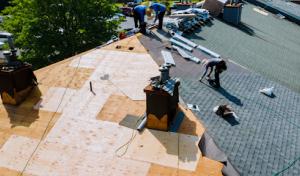
Costs in Altadena can rise when older homes require tear-off of multiple roof layers, deck repairs, upgraded venting, or structural review for heavier materials such as clay or concrete tile. A full tear-off not only adds disposal and labor, but can reveal deck or framing issues that prompt structural adjustments. If your home has two or more old layers, the project will look more like a rebuild than a simple refresh, with corresponding price bumps. Factor in potential upgrades to underlayment, ice barrier, and improved ventilation to guard against heat buildup under tile.
Foothill access, steeper rooflines on view lots, seasonal demand spikes after winter storms or wind events, and the prevalence of re-roofing rather than simple new construction all affect local pricing. In practice, that means bids can rise quickly after a severe wind or rain event when crews are scarce and demand is high. You'll notice bids skew higher for materials that resist embers and wind-driven debris, such as metal or concrete tile, especially where roof geometry requires more complex flashing and detailing.
Start with a clear plan for your preferred material and confirm whether bids include deck repairs, venting upgrades, and structural checks. Ask for a breakdown: removal, disposal, underlayment, flashing, and labor for installation on the exact roof area. If heavier tiles are a goal, secure validation that the existing structure can bear the load or reserve funds for a necessary reinforcement. Finally, request a phased schedule if seasonal demand could extend timelines and budgets.
Pasadena Roofing Contractors
(626) 240-1360 www.pasadenaroofingcontractors.net
Altadena, California
5.0 from 25 reviews
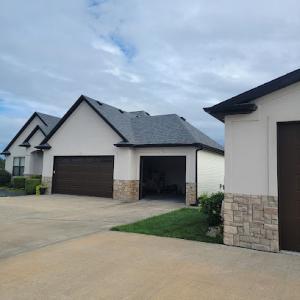
Discover unparalleled roofing excellence with PASCA Roofing Contractors, your trusted experts in roof installation and replacement services in Pasadena CA and surrounding areas. We pride ourselves on delivering exceptional craftsmanship and top-quality materials to ensure your residential or commercial property is equipped with a roof that's both resilient and stylish. Our local team understands the unique climate challenges of Pasadena and surrounds, providing tailored solutions that stand the test of time. Commitment to customer satisfaction and attention to detail are the cornerstones of our service. For a seamless experience and a roof that lasts, choose PASCA Roofing Contractors. Call us now for your FREE estimate!
Alpha Roofing
(626) 631-6345 altadenaroofingcontractor.com
2235 Lake Ave 105 #24, Altadena, California
5.0 from 16 reviews
Alpha Roofing is where your roofing dreams take flight! Unleash the potential of your property with our premium services. Elevate aesthetics and resilience with our meticulous Roof Installation, ensuring a solid foundation overhead. Transform your space with the allure of Metal Roofing or the timeless elegance of Asphalt Shingle Roofing. Discover the epitome of durability through our expert Roof Replacement and swift Roof Repair services. For commercial ventures, our cutting-edge Commercial TPO Roofing solutions redefine protection and style. Whether embarking on New Construction Roofing or seeking the sleek simplicity of Flat Roofing, Alpha Roofing is your trusted partner, delivering excellence, reliability, and a roof over your dreams!
Rivas Roofing
(626) 797-5718 rivasroofing.com
2143 Fair Oaks Ave, Altadena, California
4.6 from 17 reviews
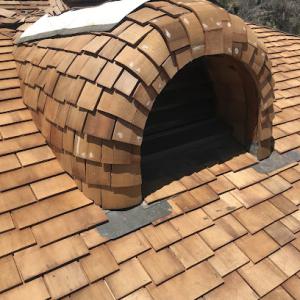
Rivas Roofing is a family-owned roofing contractor based in Altadena, proudly serving Pasadena and surrounding Southern California communities for over 30 years. We specialize in residential, commercial, and specialty roofing services, including roof inspections, repairs, full replacements, and custom roofing systems. Our team works with asphalt shingles, tile, metal, wood shake, flat roofing, and energy-efficient cool roof solutions. Owner Felipe Rivas personally inspects each roof and provides honest, straightforward recommendations based on your property’s needs. Known for craftsmanship, integrity, and hands-on service, we deliver durable, well-built roofs designed to protect your home or business for years to come.

J & J Roofing
(323) 913-4190 jandjroofing.com
Serving
4.8 from 67 reviews
J & J Roofing has been servicing roofing clients in the Los Angeles Area for over 30 years. Using the Highest Quality Materials and offering Trustworthy Craftsmanship, Fair Pricing, as well as Comprehensive Warranties Available, call LA's trusted roofer to schedule you free estimate and let us be your choice roofer for your roof repairs, full residential re-roofs, & large commercial projects. We offer all phases of roofing including: shingles, slate, coating, silicone, all types of shake and tile, Shake Fire Retardant Coating, torch down roofing systems and tapered-insulation roofing systems. We also offer Escrow inspections w/ full report ($385) State Licensed contractor, bonded, and top listings on Angi, Nextdoor, and Yelp, among others.

Overhead Roofing Inc - Pasadena Roofers
(626) 612-1316 overheadroofingca.com
Serving
4.9 from 123 reviews
Looking for reliable roofing in Pasadena? Overhead Roofing CA provides expert residential and commercial roofing services, including roof repair, roof replacement, and roof installation. Our certified Pasadena roofers specialize in flat, tile, and TPO roofing systems built for durability and energy efficiency. With over 25 years of experience, we deliver fast, high-quality roofing solutions across Pasadena and Los Angeles County. Contact us today for a free estimate.
Pacific Roofers
(626) 209-8100 pasadenaroofmasters.com
Serving
4.7 from 73 reviews
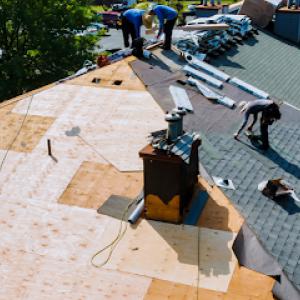
Pacific Roofers is a trusted roofing company serving the Pacific region with professionalism and expertise. With our skilled team of professionals, we offer a comprehensive range of roofing services for residential and commercial properties. Whether you need roof installations, repairs, or maintenance, we have the knowledge and resources to handle your project efficiently and effectively. We prioritize using high-quality materials and proven techniques to deliver exceptional craftsmanship and durable results. At Pacific Roofers, we are committed to exceeding your expectations and providing reliable roofing solutions that enhance the protection and aesthetics of your property. Trust us for top-notch roofing services tailored to your needs.

Clarke Brothers Roofing
(626) 900-0908 expertsroofing.homes
Serving
4.9 from 79 reviews
Clarke Brothers Roofing is a trusted family-owned roofing company committed to providing exceptional roofing services. With our extensive experience in the industry, we offer comprehensive solutions for all your roofing needs. From roof repairs to installations, our skilled team of professionals is dedicated to delivering top-quality craftsmanship and customer satisfaction. We understand the importance of a well-maintained roof and utilize high-quality materials and industry-leading techniques to ensure the durability and functionality of your roofing system. At Clarke Brothers Roofing, we pride ourselves on our attention to detail and commitment to excellence. Trust us for reliable roofing solutions that exceed your expectations.
Ariel Builders Roofing Services
(800) 903-7344 ariel-buildersinc.com
Serving
5.0 from 101 reviews
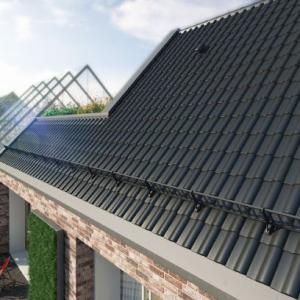
Ariel Builders Roofing Services provides exceptional roofing solutions to the Pasadena community. We specialize in both residential and commercial projects, offering a full range of services from new installations to expert repairs and maintenance. Our experienced team is dedicated to delivering superior craftsmanship and using high-quality materials, ensuring the longevity and durability of your roof. Trust Ariel Builders for all your roofing needs and experience the difference that professional, reliable service makes.
Lansford Roofing
(626) 390-3480 www.lansfordroofing.com
Serving
5.0 from 11 reviews
Lansford Roofing is a licensed, bonded and insured roofing contractor. We do complete re-roofs, new roof installation, roof damage repair and more. As a local roofer we know the challenges the Pasadena area can create for roofs. That is why we train our roofing specialists to understand the construction of the housing and commercial buildings in our area as well as the weather conditions the roofs must endure. We do our best to deliver high quality workmanship, materials and customer service to every roofing job we do.
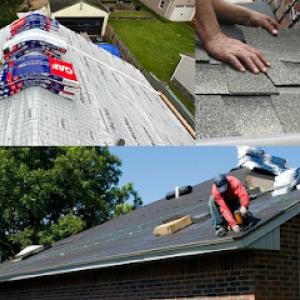
Red Turtle Roofing of Pasadena
(626) 746-5247 redturtleroofing.com
Serving
5.0 from 26 reviews
Red Turtle Roofing of Pasadena is a trusted roofing company serving Pasadena, CA and nearby. We specialize in residential and commercial roofing services, including roof repair, replacement, installation, and coatings. Our expertise spans a wide range of roofing materials, such as shingle, metal, TPO, slate, flat, tile, rubber, and cedar. We also offer roof inspection, rejuvenation, skylight installation, gutters, and siding services. Whether you need routine maintenance or a complete roof overhaul, our professional team is here to provide top-quality solutions. For reliable, affordable, and expert roofing services in Pasadena, call Red Turtle Roofing today!
Legends Roofing
(626) 323-8285 legendsroofingca.com
Serving
4.9 from 43 reviews
Founded in 2017 by a pair of brothers with decades of contracting experience, Legends Roofing is a family-owned business with a strong focus on our customers' needs and budgetary concerns. Yet, we don’t hold back in terms of the results you deserve. Our roofing products and materials are of the highest quality available, from leading brands that customers know and love, like Owens Corning, CertainTeed, and Polyglass. In fact, as a CertainTeed Select ShingleMaster and an Owens Corning Preferred Contractor, our roofing company offers the peace of mind that comes from factory-trained installers and extended warranty options.

Hexagon Roofing Inc. - Pasadena Roofers
(626) 244-8024 www.hexagonroofing.com
Serving
4.9 from 49 reviews
Hi everyone, Abraham here with Hexagon Roofing Over 15 years in the industry and have had the pleasure of working on and overseeing thousands of roofing projects to ensure the highest level of quality. Together with my team of experienced roofers, we are certified professionals willing to go above and beyond to meet your needs. My team and I treat every project, big or small, as if it were our own. Looking forward working with you!
A full roof replacement in Altadena typically requires a building permit, with permitting handled through LA County Building and Safety or the applicable local building department. The permit process is designed to ensure that a re-roof meets structural and fire-related safety standards given the foothill climate, ember exposure, and wildfire considerations common to this area. When you or your contractor pull permits, be prepared to share details on the roof assembly, underlayment, and any changes to venting or attic access. Working with the right agency early saves delays later in the project.
Inspections are commonly required at multiple milestones, including after tear-off and again after completion, so scheduling and contractor coordination matter. The tear-off inspection verifies a clean, sound deck surface and confirms that all existing roofing materials have been removed down to a stable substrate. A follow-up inspection after installation ensures that the new roof is properly anchored, sealed, and vented. In Altadena's environment, inspectors may pay particular attention to flashing around chimneys, skylights, and transitions to the fascia, given wind exposure and ember risk. Plan for access to the attic and roof for these checks, and coordinate any temporary power or safety measures your crew needs.
Projects that alter structure, change roof loading, or involve venting modifications may trigger added review beyond a straightforward same-material re-roof. For example, if the replacement changes the roof's weight load, alters existing rafter or truss configurations, or introduces new venting that affects attic airflow, you could face a more comprehensive review. If a project includes venting upgrades to improve roof ventilation in response to seasonal heat or wildfire risk, prepare for additional planning steps and potential coordination with the building department. In areas with intense sun and wind, ensuring that any changes comply with local wind-load and ember-penetration requirements becomes part of the permitting conversation.
Engage a contractor with current local permitting experience and a track record in foothill projects. Confirm who submits the permit application and who will schedule each inspection, since the timing of tear-off, installation, and final inspection hinges on coordinated access for the inspector and the job site. Have a clear plan for securing the property during tear-off, especially in drought-prone months when wildfire risk is elevated, and ensure that any temporary protective measures align with county requirements. Being proactive about documentation-submittals, calculations, and details on underlayment and venting-helps keep the project on schedule and reduces the chance of a hold or rework.
You are operating in a tight California insurance market where foothill and wildfire-exposed properties may face reduced carrier appetite or higher premiums tied to roof condition. In this environment, a well-documented roof history can influence approval, terms, and settlement speed, especially when Santa Ana winds push ember risk and wind-driven damage rises.
Roof replacements and claims often require documentation of roof age, prior repairs, photos of damage, invoices, and details about underlayment or decking because adjusters may ask for more than surface-covering information. In this area, a clear narrative about maintenance, prior enhancements, and a sense of ongoing upkeep can make the difference between smooth processing and back-and-forth requests.
In Altadena, insurance decisions can be influenced not only by visible storm damage but also by whether the roof appears maintained enough for a wildfire-prone area with wind exposure. Smoke and embers are not your only risk-the condition of underlayment, decking, and fasteners matters too. If the roof looks aged or patched shabbily, expect tougher scrutiny and potentially higher costs to repair or replace.
Keep a running archive: labeled photos by season, dated invoices, and notes on every repair or upgrade. Include details about ventilation, underlayment, and decking where relevant. Have a simple, consistent record that tells a clear story of how the roof was kept, repaired, and prepared for foothill conditions.
Treat proactive maintenance as part of your insurance narrative. Regularly inspect for loose shingles, flashing integrity, and ember-prone gaps. When you perform work, document it with professional notes and before-and-after photos. A well-maintained roof that shows thoughtful upkeep can ease insurance decisions in a wildfire- and wind-exposed climate.
Connect with contractors who help homeowners navigate the claims process from damage assessment to final approval.

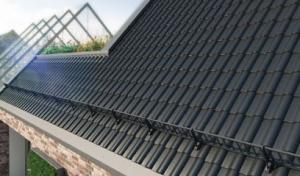
Although pitched roofs dominate the area, Altadena's mix of older homes, additions, garages, and multifamily or mixed-use buildings means low-slope sections are a real local service category rather than a fringe case. You will frequently see porch, patio, or addition roofs that sit below the main tile or shingle shell. Treat these as part of the same roofing system, not an afterthought. Plan any retrofit with the understanding that these surfaces share exposure to sun, Santa Ana winds, and winter runoff, adding a layer of complexity to the job.
These low-slope areas are especially vulnerable when long dry periods age membranes or coatings and the first winter storms reveal ponding, seam failure, or drainage issues. Start with a careful inspection after the dry season ends: look for soft patches, edge lift, and visible fasteners along transitions. If ponding shows up, address it before the next wet spell. Pay attention to the membrane's edge details where it meets higher-slope sections, since creeping leaks travel quickly along that interface.
Transitions between tile or shingle main roofs and lower-slope porch, patio, or addition roofs are a practical leak point in older re-roof situations common in this market. Inspect every transition with a flashlight and mirror: check for lifted edges, step flashings that have shifted, and any backwater or debris buildup at drainage points. A thoughtful approach to flashing where these planes meet pays off when winter storms arrive. If you notice irregular drainage or standing water, reflash and reseal those seams before the next season.
Schedule a mid-season inspection after the rains start but before heavy storms arrive. Clean gutters and downspouts to ensure clear drainage from the low-slope area and its interface with the main roof. Replace aging coatings, and upgrade to a membrane with robust weatherproofing that suits the foothill climate and ember exposure. For additions, verify that the edge detailing harmonizes with the original structure, avoiding any gap where wind-driven embers could collect. In Altadena, proactive care of these edge cases often saves more involved repairs later.
Find specialists in TPO, EPDM, and built-up flat roofing systems for residential and commercial properties.
Rivas Roofing
(626) 797-5718 rivasroofing.com
2143 Fair Oaks Ave, Altadena, California
4.6 from 17 reviews

Overhead Roofing Inc - Pasadena Roofers
(626) 612-1316 overheadroofingca.com
Serving
4.9 from 123 reviews
In this sunny foothill setting, long sun exposure invites energy upgrades to run alongside a re-roof. Solar arrays and skylight work need to align with the roof's age and material. The goal is to minimize additional penetrations while maximizing shade and solar gain through well-planned placement. If the roof already prioritizes shade with eaves or a tilt that favors southern exposure, map the best locations for modules before a panel or skylight contractor is brought in.
Older rooflines in Altadena often include skylights, chimneys, and retrofitted penetrations that become leak-prone as flashing ages under intense summer UV and then sees winter rain. When planning solar or skylight work, inspect these flashings first. Expect that resealing or replacing aging flashing around existing penetrations will be nearly as important as the new hardware. This is also the moment to check for insulation gaps that could magnify heat loss or gain around penetrations.
On homes with tile or mixed roof geometries, integrating solar mounts or replacing skylight flashing can be more complex than on a simple modern asphalt roof. Tile profiles require specialized mounting hardware to avoid cracking and to preserve water integrity. For chimneys, coordinate flashing details with any chimney cap work to prevent ember-driven leakage paths and to maintain a cohesive weather barrier.
Wildfire exposure and wind-driven embers heighten the need for robust sealing around penetrations. Use flashing and sealants rated for high ember zones, and consider raised rail or flush mount configurations that reduce crevice buildup where embers could collect. In windy periods, ensure that roof penetrations, skylights, and mounted hardware have secure fasteners and protective edge detailing to minimize movement and water ingress.
If solar is being considered, plan around the existing roof geometry to avoid retrofitting conflicts. Favor paths that keep penetrations away from skylights and chimney lines, and aim for a streamlined layout that reduces the number of flashing transitions. A well-coordinated plan saves labor time and preserves the integrity of older roof systems while delivering reliable solar performance.
Find contractors who integrate solar panels or solar shingles into your roof for long-term energy savings.
Rivas Roofing
(626) 797-5718 rivasroofing.com
2143 Fair Oaks Ave, Altadena, California
4.6 from 17 reviews