
Last updated: Apr 19, 2026
Spring in this foothill-adjacent area brings milder temperatures and fewer rain events, which helps keep tear-off days on track and minimizes the risk of wind-driven debris interrupting progress. For a full replacement, aim to secure a start window in late March or early April, after any lingering winter storms have passed and before the heat climbs. A spring schedule gives crews a predictable pace for removing old roofing, inspecting the roof deck for dry rot, and laying down underlayment with a clear path to the dry-in phase. In homes with heavy Santa Ana wind exposure, you'll benefit from a mid-spring sequence that allows nail-downs, flashing, and ventilation to be completed before the peak of Santa Ana season-reducing the chance that gusts will scatter materials or damage exposed edges. If you have mature trees nearby, coordinate with the contractor to manage debris drops, keeping driveways and gutters clear and avoiding last-minute reseal adjustments caused by wind-blown shingle granules. A spring schedule also aligns well with cooler work hours, which helps crews maintain consistent adhesive and sealant performance without overheating.
Fall activities in Glendale are shaped by Santa Ana wind events that can disrupt tear-off days, scatter debris, and complicate dry-in scheduling. When planning a fall re-roof, aim for a targeting strategy that buffers for a couple of windy weeks and still lands the dry-in before winter. Consider starting a little earlier in September if a contractor can guarantee additional securement steps for shingles or tiles and an accelerated underlayment sequence. The goal is to have the roof weather-sealed and ready for inspection before the wettest months, but with the flexibility to pause if a high-wind forecast appears. Communicate clearly with the crew about securing loose materials the moment a Santa Ana alert is issued, and arrange for after-action inspections to verify all fasteners, drip edges, and flashing pieces remained intact after gusty days. In neighborhoods where the drip edge ties into mature gutters or hillside drainage, confirm that the plan includes robust scupper or valley drainage checks to prevent water backing up during rain events.
Winter rain in Glendale raises leak exposure during open-roof phases and can delay underlayment, flashing, and final inspection sequencing. If a re-roof must span the winter months, structure the project so that the most weather-sensitive tasks-underlayment installation, ice-and-water shield placement, and flashing integration-occur during expected dry spells. Build a conservative schedule that includes buffer days after anticipated rain events, and designate a weather hold day for every week of work. Emphasize temporary protection for exposed openings and ensure that the roof deck is dried thoroughly before sealant cures are attempted. Ventilation components should be installed in a way that permits continued attic air exchange during the winter without leaving soffits or ridge vents partially blocked for extended periods. In homes with hillside insulation considerations or wildfire insurance pressure in the area, coordinate with the contractor to keep access routes clear and maintain redundancy in flashing details at chimney or vent connections, where leaks often appear first after a winter downpour. When snow load is atypical for Glendale, it's not the rule, but the risk of sudden freeze-thaw cycles can stress sealants; plan for a dry-in sequence that completes briefly after the last rain event and before any extended cold snaps.
Regardless of the chosen window, use a season-aligned plan that prioritizes dry-in readiness during Santa Ana-driven wind periods and anticipates a higher chance of rain interruptions in winter. In the foothill neighborhoods, the roof sometimes bears the brunt of afternoon heat and morning dew, so schedule tasks that rely on adhesives and sealants for cooler, drier parts of the day. Keep a clear line of communication with the contractor about expected wind thresholds that trigger securing loose materials and halting work, and document all protective measures taken to minimize exposure to rain during open phases. This approach helps safeguard the roof deck, flashing assemblies, and ventilation paths, and it aligns with the practical realities of the Glendale climate and the surrounding landscape.
Glendale's position near the Verdugo foothills puts roof decisions in the context of Southern California wildfire underwriting pressure, even when the immediate project is a leak or aging-roof replacement. That reality isn't a scare tactic-it's a practical factor that affects what gets approved and how quickly. When planning a re-roof, think about the long-term resilience that insurers expect: solid ignition resistance, verified drainage performance, and proven durability against Santa Ana-driven gusts. In practice, that means choosing materials with a track record in dry, windy seasons and documenting the roof's condition with photos and engineering notes before and after work. If a leak is the trigger, use the opportunity to address ember resistance and flashing integrity so the job isn't revisited a year later under another claim.
California's tightening homeowner insurance market means Glendale owners should expect more documentation when filing roof claims, especially for tile and wood shake systems. The winter rain season can spotlight preexisting vulnerabilities in hips, valleys, and flashings. A re-roof plan should flag not just the visible surface, but the paths water takes from ridge to eave. Prioritize a design that channels water efficiently and minimizes standing pockets where moisture can linger under aging underlayment. When Santa Ana winds arrive, you'll want a roof that resists wind-driven uplift, yet remains approachable for inspection and maintenance. This often means emphasizing integrated ventilation that won't pull hot, dry air through attic spaces during Santa Ana breezes, while still allowing rapid moisture exit when storms move through.
Adjusters in this market may ask for added photos, invoices, and roof-life or engineering evaluations before approving higher-cost roof assemblies. That is especially true for tile and wood shake systems, which are common in foothill areas and frequently scrutinized for fast degradation under wind-driven rain. Build a file you can show promptly: a clear sequence of photos from before, during, and after the work; a concise note on the roof's age and known issues; and any third-party assessments that verify fasteners, underlayment quality, and flashing integrity. If a claim is filed for wind or hail damage, your notes should align with the contractor's scope of work and the sequence of improvements that reduce future risk. This alignment matters when an insurer is weighing the value of a more resilient assembly versus a quick fix.
From a practical Glendale vantage, material choice should balance wildfire resistance with proven performance in your climate. Clay and concrete tiles have long, hard lifespans and haute ember resistance, but they demand careful flashing and attic ventilation coordination to avoid condensation issues. Metal roofs offer strong wind resistance and rapid shedding during storms, yet require attention to flashing details around chimneys and skylights. Synthetic shingles can be a middle ground, but verify that the product comes with a credible fire resistance rating and a recognized installation method. Your re-roof plan should specify how each layer-from underlayment to drip edge to ridge vent-meets both wind and ember criteria so insurers see a cohesive, weather-ready system.
A practical approach is to schedule critical work during the calm between Santa Ana events and the winter rains, but that window is often narrow. When planning around the foothill climate, annotate the timing for your crew to address sealing at valleys and around vent penetrations first, then tackle the primary surface. This sequence helps mitigate moisture intrusion during storms while building a documented trail of improvements suitable for underwriting review. In the end, the goal is a roof that stands up to the season's test-wind, rain, and ember exposure-without inviting extended disputes with the insurer or repeated repairs later.
Connect with contractors who help homeowners navigate the claims process from damage assessment to final approval.
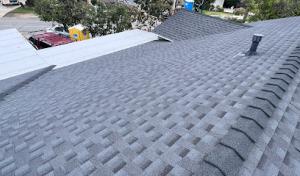
Prime American Roofing
(888) 391-3444 www.primeamericanroofing.com
1614 Victory Blvd #101, Glendale, California
5.0 from 69 reviews
Best Glendale Roofing
700 N Central Ave #340, Glendale, California
4.9 from 75 reviews
Universal Roofing & Construction
(866) 259-2069 universalroofingco.com
344 Mira Loma Ave Unit 100, Glendale, California
4.7 from 62 reviews
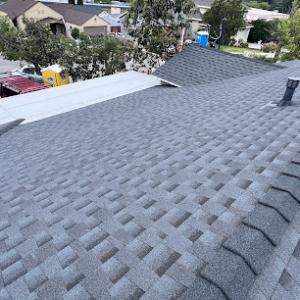
Prime American Roofing
(888) 391-3444 www.primeamericanroofing.com
1614 Victory Blvd #101, Glendale, California
5.0 from 69 reviews
Prime American Roofing: Your Trusted Roofing Experts Prime American Roofing specializes in high-quality commercial and residential roofing installations, repairs, and maintenance. We use premium materials and advanced techniques to ensure long-lasting, durable roofs that protect your property. Our team is committed to delivering exceptional service on time and within budget, with a focus on customer satisfaction. From new roof installations to emergency repairs, trust Prime American Roofing for reliable and professional service. Contact us today for a free roof assessment!
Best Glendale Roofing
700 N Central Ave #340, Glendale, California
4.9 from 75 reviews
Best Glendale Roofing is your trusted choice for exceptional roofing services in the Glendale area. With a commitment to excellence, we deliver top-quality craftsmanship and reliable solutions for all your roofing needs. Our team of experienced professionals is dedicated to providing superior service and customer satisfaction. From installations to repairs, we bring expertise and attention to detail to every project. Using high-quality materials and innovative techniques, we ensure that your roof not only offers protection but also enhances the aesthetic appeal of your property. Trust Best Glendale Roofing for reliable and top-tier roofing services.

Universal Roofing & Construction
(866) 259-2069 universalroofingco.com
344 Mira Loma Ave Unit 100, Glendale, California
4.7 from 62 reviews
Universal Roofing & Construction is a trusted, family-owned roofing and remodeling company serving Southern California. As a preferred contractor with Owens Corning and Polyglass, we specialize in residential and commercial roofing, storm damage restoration, emergency roof tarping, and home remodeling. We offer free inspections, same-day estimates, and 24/7 emergency services—including drone roof inspections and insurance claim assistance. Our experienced crews ensure fast, high-quality work, using eco-friendly, energy-efficient materials. Plus, ask about our referral programs! Call now for expert service backed by industry-leading warranties.
Lemon Roofing
(818) 605-3666 lemonroofing.com
100 W Broadway Suit #620, Glendale, California
5.0 from 19 reviews
Lemon Roofing is more than just a business for us—it’s a family legacy. When my dad, Shant, started roofing as an immigrant over 30 years ago in 1994, he built it on the fundamental principles of honesty, quality workmanship, and customer satisfaction. Today, as his son and roofing contractor, we work day in and day out to honor those values. We will always strive to give you the most pleasant roof replacement experience possible, and in doing so, we hope to be your family’s personal Los Angeles roofers for years to come! If you're looking for best roofing company in Los Angeles... Start with a free roof inspection today. We can help with #Roof installation #Roof repair and #Roof damage repair. You can get new roof in less than 9 hours.
All Star Roofing
(747) 318-5236 glendaleroofingcontractor.com
100 W Broadway Suite 100 #25, Glendale, California
4.8 from 26 reviews
Elevate your home with All Star Roofing, your trusted partner in roofing excellence. We specialize in Roof Installation, ensuring precision and durability that lasts a lifetime. Need a Roof Replacement? Our skilled team transforms your shelter with top-tier materials and craftsmanship. Count on us for swift and efficient Roof Repairs, mending leaks and imperfections promptly. Explore the pinnacle of sophistication with our Metal Roofing solutions, or embrace classic charm with Asphalt Shingle Roofing. For commercial spaces, our expertise extends to cutting-edge Commercial TPO Roofing. Whether it's New Construction Roofing or the sleek finish of Flat Roofing, All Star Roofing guarantees unmatched quality.
Red Turtle Roofing of Los Angeles
(323) 677-4580 redturtleroofing.com
Serving
5.0 from 40 reviews
Red Turtle Roofing of Los Angeles offers trusted roofing services across the LA region with a reputation for reliability, quality, and attention to detail. We specialize in roof repairs , installations, and replacements for both residential and commercial properties. Our team focuses on durable materials, smart solutions, and excellent service—all delivered at fair prices. Count on Red Turtle Roofing for steady, dependable protection over your head.

Bilt-Well Roofing
(323) 254-2888 biltwellroofing.com
Serving
4.7 from 151 reviews
Bilt-Well has established its reputation with over 80 years of experience in the Los Angeles roofing industry. Our company specializes in all aspects residential roofing as well as commercial roofing.
Best Rate Roofing of Los Angeles
(310) 340-1375 bestrateroofingca.com
Serving
5.0 from 39 reviews
Best Rate Roofing of Los Angeles delivers trusted roofing services for homes and businesses across Los Angeles, CA and the surrounding areas. From detailed roof inspections to complete roof installations and replacements, our expert team handles it all with care and precision. We work with a wide range of materials, including shingle, metal, tile, slate, cedar, rubber, TPO, EPDM, and flat roofing systems. Whether you're in the heart of LA or in a nearby neighborhood, count on us for reliable solutions tailored to your roof's needs. Proud to serve the communities near you with quality and value that lasts.
Hann Roofing
(818) 456-1333 www.hannroofing.com
Serving
5.0 from 43 reviews
At Hann Roofing our mission is to build long-term relationships with our clients and the community by providing both residential and commercial roofing, siding and gutter services with the most qualified, long standing, workmanship and service. Contact us today for your FREE estimate!
Clear View Roofing & Construction
(866) 253-2789 clearviewroofers.com
Serving
5.0 from 254 reviews
Clear View Roofing and Construction is a family-owned and operated roofing and construction company committed to delivering high-quality, affordable, and experienced services to homeowners and businesses in our community. With a strong foundation built on family values and decades of industry expertise, we take pride in offering top-notch solutions that not only protect your investments but also enhance the aesthetic appeal of your property.
Specialist Roofing & Repair
(626) 624-4897 www.specialistroofing.com
Serving
4.9 from 157 reviews
Specialist Roofing & Repair is Burbank’s trusted choice for residential and commercial roofing services. Backed by over 10 years of experience, we specialize in roof repairs, replacements, and new installations using premium materials from Owens Corning, GAF, Polyglass, and CertainTeed. As an Owens Corning Platinum Preferred Contractor, we deliver long-lasting, weather-resistant solutions with transparency and integrity. Our licensed, BBB-accredited team proudly serves the Los Angeles area with free inspections, honest assessments, and fast emergency response. Protect your home or business with expert roofing you can count on—call today for a free estimate! C39 License # 1007386
Perfect Roofing Installations
Serving
4.9 from 72 reviews
Perfect Roofing Installations is your premier choice for flawless and reliable roofing installations. With a team of skilled professionals, we bring expertise and attention to detail to every project. Whether you're building a new home or replacing an old roof, we ensure precision and quality in our workmanship. Using high-quality materials and advanced techniques, we deliver roofs that are not only structurally sound but also aesthetically pleasing. Trust Perfect Roofing Installations for expertly executed roofing installations that elevate the protection and value of your property.
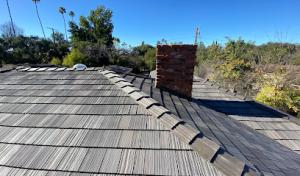
Clay tile and concrete tile are common in the area's housing stock, and the seasonal heat cycling can push tiles to move slightly and stress underlayment and flashing beneath, even when surfaces look solid. In a climate where inland heat bakes during long summer days, the expansion and contraction cycles can loosen fasteners, widen grout lines, and create micro-movements that over time loosen edge fasteners or allow minor leaks to creep in behind the tiles. The result is not always an obvious break in the surface; more often, you'll notice degraded sealing around penetrations, small shimmering leaks after a heavy winter rain, or quicker wear at the eaves where the underlayment sees the greatest temperature swings. Because tile systems rely on a careful stack of components-tile, underlayment, hardware, flashing, and drainage-any one layer failing can compromise the rest. When planning around Santa Ana wind events and the dry Santa Ana summers, ensure that flashing at hips, ridges, and roof-to-wall transitions is inspected and tightened. Take a close look at any penetrations, such as vent stacks and skylights, and confirm that sealant joints have the flexibility to accommodate movement without cracking. Seasonal heat cycling also accelerates aging of underlayment, so a proactive replacement plan for the underlayment and a fresh set of high-quality flashing during a re-roof can dramatically extend the life of a tile system.
Asphalt shingles in this environment face prolonged summer UV and heat exposure that can accelerate granule loss, brittleness, and a shortened service life compared with milder coastal conditions. The sun-beating roof can cause shingles to curl at edges, especially on lower-slope sections that catch more runoff. In the winter, heavy rains and wind-driven moisture test those same edges and any compromised seals around flashing. For homes with significant heat exposure, it's common to see faster deterioration around flashings, penetrations, and valley junctures where water concentrates. Plan for reinforced edge detailing and ensure that the valley treatment is robust enough to handle Santa Ana wind-driven rain and debris. A re-roof under these conditions should prioritize high-performance underlayment and upgraded drip edge to direct runoff cleanly into gutters, reducing the chance of water intrusion during a sudden storm.
Wood shingles and shakes remain present in the market but require closer insurance and fire-risk consideration in this region than many homeowners expect. Fire-rated considerations, including ignition resistance and clearances around chimneys and vents, influence both the material choice and the detailing. When installed in a foothill setting, understand that wind-driven embers from Santa Ana events can reach exposed roof edges and valleys, stressing the importance of tight seam sealing and proper treatment of cracks or splits. If opting for wood, select certified fire-rated products and ensure that the ventilation strategy aligns with local expectations for attic and ridge vents. Plan for a maintenance regimen that includes regular cleaning of debris from around vents and flashings, as well as periodic resealing of joints to reduce the risk of ember intrusion or moisture ingress during winter storms.
In a climate with hot summers, Santa Ana winds, and winter rains, the emphasis is on robust drainage, dependable flashing, and reliable underlayment. When evaluating materials, consider how the system will behave under heat cycles: tile systems need flexible seals at penetrations; asphalt systems benefit from upgraded granule retention and reflective coatings that mitigate heat buildup; wood systems demand heightened fire-safety measures and closer monitoring of decay-prone joints. For tile and shingle surfaces, ensure that the roof's edge, valleys, and transition points receive careful attention during design and maintenance to counteract the specific stressors of the local environment. Regular, targeted inspections after the height of wildfire season and after heavy rains will help catch movement, flashing distress, or drainage issues before they escalate.
Find contractors who specialize in clay and concrete tile roofs, known for their durability and curb appeal.
Prime American Roofing
(888) 391-3444 www.primeamericanroofing.com
1614 Victory Blvd #101, Glendale, California
5.0 from 69 reviews
Best Glendale Roofing
700 N Central Ave #340, Glendale, California
4.9 from 75 reviews
Universal Roofing & Construction
(866) 259-2069 universalroofingco.com
344 Mira Loma Ave Unit 100, Glendale, California
4.7 from 62 reviews
A full re-roof in this area requires a permit issued by the City of Glendale Building and Safety. Start the process early in planning, because the city's review focuses on flashing, ventilation, and drainage configurations. Expect roughly 1 to 3 weeks for permit processing in practice before work can begin. If you're coordinating with a contractor, confirm that they've initiated the permit application and will post the permit on-site once issued.
Prepare clear, site-specific roof plans showing existing conditions, proposed materials, and any changes to underlayment, flashing, or venting. Glendale inspectors pay close attention to how valleys, step flashing at along walls, and attic ventilation are addressed, especially on foothill-adjacent homes where Santa Ana winds can stress a roof edge. Have manufacturer installation instructions available for the chosen materials, and ensure any re-roof design aligns with California energy and wildfire insurance considerations.
A final inspection is required after completion. The inspection will verify proper flashing integration, vent placement and sizing, drainage configuration, and overall weatherproofing. If the project uses a reroof with reflectivity changes or wildfire-moneysensitive upgrades, be prepared for a reviewer to check material compliance and edge details closely. Keep the permit card and any approval notices accessible on-site in case the inspector requests them during visits.
In practice, schedule entry into the permitting queue with the anticipation that winter rain and Santa Ana wind events can influence work windows. The inspection schedule may shift if heavy rain is forecast or if drainage paths rely on temporary routing during tearing and decking. Contractors should set up temporary barriers and ensure that any drainage changes remain within code-approved configurations to avoid rework during the final walk-through.
Expect the permitting process to emphasize three locally critical zones: flashing at roof-to-wall transitions, attic ventilation balance, and drainage design along eaves and low points. If a re-roof touches multiple copings or chimneys, be prepared for additional detailing notes. A well-documented plan that clearly shows how these elements are addressed reduces delay risk and supports a smoother final inspection.
Glendale's contractor market shows strong demand for flat and low-slope roofing, reflecting additions, multifamily buildings, garages, and modern rooflines found across the city. When a roof isn't steep enough to shed water quickly, tiny laps between components become opportunities for slow leaks. In winter rain, the real weaknesses aren't the field material itself but how the water is directed away from the deck and how transitions are sealed. Expect that drainage layout and flashing details will drive more service calls than you might anticipate on a simple re-cover.
Low-slope roofs rely on precise drainage planning to keep water from pooling at the edges or around penetrations. From parapet-to-roof transitions to curb penetrations and vent piping, Glendale homes often hinge on the quality of small details. A single misaligned edge, an undersized gutter, or a poorly sealed seam can become a slow drip that you notice only after a few rain events. When planning, map the flow path carefully and double-check that all transitions slope toward the drainage outlets without creating low spots that collect debris or moisture.
Skylight penetrations are a meaningful local service category, making curb flashing and surrounding waterproofing a recurring repair concern in this market. The curb must be integrated with the roof system so that expansion, contraction, and wind loads don't disrupt the seal. Pay attention to flashing step-offs, daylighting around the curb, and the condition of the sealant around the flashing flange. In addition, ensure that the skylight flashing pairs well with any adjacent metal edge or parapet detailing to prevent weekend-warrior quick fixes that fail at first heavy rain.
Santa Ana winds can stress roof edges and flashings even when the surface material seems sound. In foothill-adjacent neighborhoods, the wind pushes debris under drip edges and into drainage outlets, amplifying the risk of gutter blockages and misdirected runoff. Choose detailing that facilitates robust wind resistance and easy debris management. Carefully inspect all drains, scuppers, and scupper connections after installation, and plan periodic checks during the wet season so a minor flaw doesn't become a major leak.
Prioritize precise drainage grading, robust edge detailing, and high-quality, compatible flashing materials at every transition. Insist on comprehensive curb flashing for skylights and ensure surrounding waterproofing remains continuous across parapets and transitions. If a roof has seen wind-driven debris or prior moisture issues, demand targeted moisture testing and a staged repair plan that addresses both surface and substrate concerns. In this climate, the difference between a quick fix and a lasting seal often hides in meticulous detailing rather than size of the roof surface.
Find specialists in TPO, EPDM, and built-up flat roofing systems for residential and commercial properties.
Prime American Roofing
(888) 391-3444 www.primeamericanroofing.com
1614 Victory Blvd #101, Glendale, California
5.0 from 69 reviews
All Star Roofing
(747) 318-5236 glendaleroofingcontractor.com
100 W Broadway Suite 100 #25, Glendale, California
4.8 from 26 reviews

Asphalt shingles run about 350 to 700 USD per square, a solid baseline for a typical Glendale roof. Metal roofs clock in around 700 to 1400 USD per square, while clay tile often lands between 900 and 1800 USD per square. Concrete tile sits roughly 900 to 1700 USD per square, and wood shingles or shakes generally run 800 to 1500 USD per square. Synthetic or composite shingles present a middle ground, at 600 to 1200 USD per square. These ranges reflect the mix of local homes with varying roof pitches and retrofit needs.
Costs in Glendale often rise with tile tear-off and reset complexity, underlayment replacement beneath older tile roofs, and detail work needed to satisfy final inspection on flashing, ventilation, and drainage. A re-roof that requires removing heavy tile, repairing fractured decking, or upgrading a high-slope valley can add noticeable time and material expense. Older homes with mixed roof lines tend to see larger line items for fascia, drip edge, and sealant work, too.
Seasonal demand spikes after winter storms or during safer spring and fall scheduling windows can affect labor availability and project timing in this city. If a re-roof is timed to avoid the peak of Santa Ana conditions, you may find steadier crews and potentially milder price fluctuations. Conversely, a sudden winter downpour or post-storm surge can compress scheduling and raise temporary labor costs.
In planning, account for underlayment replacement beneath older tile roofs and any necessary flashing, ventilation, or drainage work to pass final inspection. If a project combines tear-off, tile reset, and flashing upgrades, the total cantrend toward the higher end of the material ranges, so budgeting with a contingency is prudent.
Don't let upfront costs delay a critical repair - these contractors offer payment plans to fit your budget.
Glendale's sunny inland climate makes roof replacement timing especially important when solar equipment is present or planned, because penetrations and layout should be coordinated before the final roof assembly is closed. The goal is to have the solar array mounts, conduit routing, and inverter locations accounted for alongside the roof deck plan, so there are no ad hoc penetrations after the roof is installed. When planning, map out shading patterns and panel spacing to avoid future rework from wind-driven debris or accelerated wear at exposed edges. If a roof is already aging, consider aligning a solar project with a replacement so the new assembly isn't disturbed soon after by subsequent solar installation or rework.
On tile roofs common in Glendale, solar work can add complexity around broken tiles, mounting points, and waterproofing details. Tile compatibility matters: some mounts require roof penetration through the entire tile and underlayment, which can increase the risk of leaks if not carefully sealed. Solar racking should be chosen to minimize tile breakage, and any broken tiles should be replaced during the solar retrofit to preserve uniform drainage. It helps to stage the solar layout with the roof plan, ensuring that roof-to-rail adapters won't clash with ventilation components or flashing at chimneys and dormers. Expect a tighter coordination on waterproofing around skylights, vents, and edge metal to maintain a continuous weather barrier.
Homeowners replacing aging roofs often need to decide whether to re-roof first so the new assembly is not disturbed soon after by solar installation. In this climate, a newly installed roof can provide a more solid, longer-lasting base for mounting hardware and electrical penetrations. If a roof has fragile components or worn flashing, handling those repairs before solar helps prevent interruptions during installation and reduces the chance of incidental damage to fresh work. Consider how Santa Ana wind events and winter rain might interact with any interim penetrations and plan accordingly so the final roof and the solar setup integrate as a single, durable system.
Find contractors who integrate solar panels or solar shingles into your roof for long-term energy savings.
Prime American Roofing
(888) 391-3444 www.primeamericanroofing.com
1614 Victory Blvd #101, Glendale, California
5.0 from 69 reviews
Universal Roofing & Construction
(866) 259-2069 universalroofingco.com
344 Mira Loma Ave Unit 100, Glendale, California
4.7 from 62 reviews
In a market with strong demand for re-roofing and emergency response, matching contractor experience to the exact roof system matters more than chasing the lowest price. For tile, metal, or composite systems, look for crews that consistently work with the same material and proof of recent projects in nearby foothill-adjacent neighborhoods. The goal is to minimize wind-driven damage and water intrusion during Santa Ana events and winter rains, while ensuring drainage and flashing are upgraded to meet Glendale's unique exposure.
Tile roofs, whether clay or concrete, demand crews with specialized tile-laying, underlayment, and flashing techniques to resist wind uplift and mortar failures. Metal roofs require installers who can handle seam integrity, flashing at chimneys, and correct fastener patterns for foothill winds. Shingle systems, including synthetic options, benefit from manufacturers-certified installers who can preserve warranty terms and ensure proper ventilation and attic sequencing. For each roof type, demand recent California projects, photos of completed work, and a clear plan for debris containment and site cleanup-common expectations in the local market.
Because cleanup and quick response are valued locally, coordinate with a contractor who can mobilize quickly after wind events or heavy rain. A practical approach is to schedule critical work-like flashing and underlayment replacement-shortly before the typical Santa Ana window, with secure tarps and temporary protection ready if a storm arises. Discuss scaffold or ladder access, debris containment, and neighbor-friendly work hours to keep the project moving during limited safe windows.
Manufacturer-certified and warranty-offering contractors are a meaningful part of the Glendale market, especially for shingle, metal, and specialty systems. Confirm the exact warranty coverage, what inspections or maintenance are required to keep terms active, and who handles warranty claims if storm damage occurs. A solid warranty combined with responsive service aligns with the community's expectations for reliability and post-storm support.