
Last updated: Apr 19, 2026
Spring in this area brings milder temperatures and diminishing Santa Ana concerns, making it the most practical window for major roof work. After the winter rains have tucked away, you can evaluate underlayment and flashing more reliably, since the heat hasn't yet built to the most aggressive degrees of the year. In homes with Spanish-influenced tile, this is when crews can confirm the integrity of ridge and field tiles, and identify any movement or cracking that may have occurred during the wet season. Concrete and clay tiles, while durable, benefit from a calm period when setting compounds and sealants can cure without rapid weather changes. If a fall or winter inspection revealed minor leaks, this is the time to schedule a full replacement or major repair before the next storm cycle begins. For low-slope or built-up roofs, spring offers steady conditions for adhesive and waterproofing products to cure without wind interference that commonly accompanies Santa Ana patterns later in the year.
Summer heat and dry conditions extend long, dry stretches, which can extend roof life but also mask subtle failures until a rain event tests the system. In that context, the goal is not to rush a full replacement during the peak heat, but to prepare a staged plan that minimizes heat exposure for crews and maximizes material performance. If a roof is already showing missing granules on asphalt shingles or curling on synthetic shingles, the hottest months can exacerbate underlying issues. For tile roofs, a careful inspection of underlayment and flashings should be completed before you approach the peak heat period, because long days can accelerate sealant breakdown and adhesive failures. Use this season to source and confirm all components, slopes, and fasteners, so the actual replacement window avoids the most oppressive days and allows for consistent application temperatures. In homes with mixed materials, coordinate tilework and shingle replacements to prevent one material from bearing the heat load while another is still curing.
Fall Santa Ana winds, common around the San Gabriel Valley, can lift aging shingles, dislodge ridge and field tiles, and scatter debris onto roofs before the winter rain season begins. This makes early fall the best time to secure wind-damaged areas and reseal vulnerable flashings. If prior inspections showed loose flashing or tentative tile patches, fall is the window to lock in replacements or repairs so you don't shoulder the risk of heavy winter rains exposing those weaknesses. For clay and concrete tiles, ensure ridge caps and hip tiles are secured, because wind can stress fasteners and create micro-gaps that let water in during the first storm. As trees shed leaves and branches, debris buildup can hide leaks; thus, a thorough autumn brush-and-inspect cycle helps you prevent hidden damage from turning into larger repairs once winter arrives.
Winter is the testing season. The first meaningful rains reveal underlayment failures and flashing leaks that summer inspections may have missed. In a climate with dry summers and wet winters, a well-timed winter inspection is essential to catch slow leaks before they escalate. For low-slope roofs, the winter rain can spotlight seam weaknesses that were tolerable in dry months, guiding whether a full replacement or targeted patch is warranted. Tile roofs rely on a properly sealed underlayment and secure field tiles; a winter check helps validate that the roof system can shed water efficiently through the heaviest storms. If issues are found, plan a staged repair or replacement while weather windows are still favorable enough to complete the critical sections before spring's milder conditions return.
Alhambra's dry summers followed by a wet winter cycle means roof health hinges on how well the waterproofing and flashing hold up year after year. Tile roofs in older Spanish and Mediterranean-style neighborhoods often outlast their underlayment, so the trigger for replacement can be the aging underlayment or degraded edge flashing rather than tile wear alone. If your home sits under Santa Ana winds, the combination of rapid drying and gusts can stress sealant joints and ridge lines, accelerating the need for both underlayment refresh and flashing repairs. When planning a replacement window, consider scheduling after the wet season ends but before the next Santa Ana blows in with full force, giving the crew time to reseal edges and replace any compromised components before the peak wind season.
Clay and concrete tile roofs are a staple in the city's older residential blocks, where curb appeal and long-term durability are valued. Broken tiles are a common replacement trigger, but it's the condition of the underlayment beneath that often determines the long-term success of a tile roof. In many cases, the visible tiles can be reused, while the waterproofing layer and flashing details have reached the end of their service life. When inspecting a tile roof, look for hairline cracks or spalling on older tiles and be mindful of hidden water staining along interior ceilings that may signal underlayment failure. For homes that have undergone additions, garages, or conversions, ensure that any new or modified low-slope sections integrate with the original tile coverage so that drainage patterns aren't compromised.
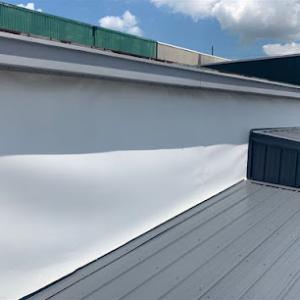
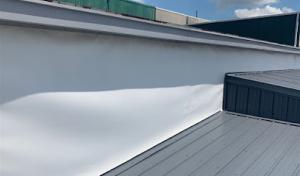
A meaningful portion of Alhambra's housing stock includes older urban homes and multifamily buildings with low-slope roof areas. In these sections, drainage performance and edge flashing details matter more than shingle wear alone. Ponding water on low-slope roofs can creep under existing seams and flashing, especially around parapets, skylights, and transitions to tile-covered areas. Regular attention to seam integrity, drip edge condition, and proper termination at parapet walls will help prevent leaks. If a low-slope area was previously roofed with a synthetic underlayment or a specific waterstop detail, verify that the installation remains compatible with tile-over systems or assess whether a broader underlayment refresh is warranted to restore full water resistance.
Because tile roofs can outlast the waterproofing beneath them, planning should account for both visible tile condition and the age of underlayment and flashings. In neighborhoods with mixed stock-tile roofs atop older single-family homes and denser multifamily layouts-the replacement approach may differ by section. Focus on roof sections showing evidence of membrane wear, badly corroded edge details, or failed penetrations (vents, skylights, etc.). A well-coordinated replacement can preserve the aesthetic of tile while upgrading critical waterproofing components, reducing the risk of intermittent leaks during the next winter and the next wind event. When tiles are damaged but structurally sound, reusing intact tiles can maintain appearance while new underlayment and flashing provide renewed protection.
Find contractors who specialize in clay and concrete tile roofs, known for their durability and curb appeal.

Gold Tech Roofing & Exteriors
(626) 900-0757 alhambraroofers.com
410 W Main St #56, Alhambra, California
4.9 from 86 reviews
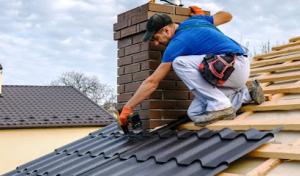
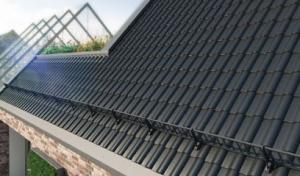

Gold Tech Roofing & Exteriors
(626) 900-0757 alhambraroofers.com
410 W Main St #56, Alhambra, California
4.9 from 86 reviews
Gold Tech Roofing & Exteriors is a premier provider of top-quality roofing and exterior solutions. With our extensive knowledge and advanced techniques, we deliver outstanding craftsmanship and exceptional results. Whether you need a new roof installation, roof repairs, or exterior renovations, our skilled team is here to meet your needs. We work with a wide range of materials and offer customized solutions tailored to your specific requirements. Count on Gold Tech Roofing & Exteriors for reliable, long-lasting solutions that enhance the beauty and durability of your property.
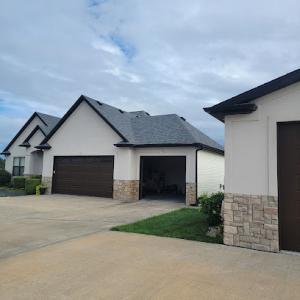
Family Roofing
(213) 205-0552 montereyparkcaroofing.com
Serving
5.0 from 15 reviews
Family Roofing is your trusted roofing contractor in Monterey Park, CA, dedicated to delivering top-notch roofing solutions for residential and commercial properties. Whether you need roof installation, roof replacement, or expert roof repair, our skilled team ensures quality craftsmanship and long-lasting results. We specialize in metal roofing, asphalt shingle roofing, and durable commercial TPO roofing, tailored to meet your specific needs. From reliable flat roofing to comprehensive new construction roofing services, we bring innovation, efficiency, and professionalism to every project. With Family Roofing, you’re guaranteed exceptional service and peace of mind, knowing your roof is in expert hands. Protect your property today!

Woody's Roofing
(818) 583-0850 woodysroofing.com
Serving
4.9 from 184 reviews
Welcome to Woody's Roofing, a beacon of excellence in the roofing industry for over two decades. Our commitment to quality, craftsmanship, and customer satisfaction has solidified our position as a trusted partner for homeowners and businesses. Beyond providing top-tier roofing solutions, we believe in building lasting relationships with our clients, ensuring their properties are not only secure but also aesthetically pleasing.
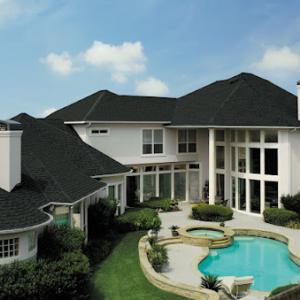
One Faith Roofing & Construction
(866) 733-2320 www.onefaithroofing.com
Serving
5.0 from 14 reviews
With more then 20 years of roofing and construction experience, we are your premier general contractor location serving much of the Los Angeles area of Southern California. Whether you are looking to build a new roof, repair your current roof or add on to your house. We can provide you with the services that you desire. We are general contractors, so we're not just limited to roofing. For a full explanation of what we can do for you fill out the contact form below, call or email us and we will be happy to answer what questions you may have. Thank you for visiting!
Ariel Builders Roofing Services
(800) 903-7344 ariel-buildersinc.com
Serving
5.0 from 101 reviews
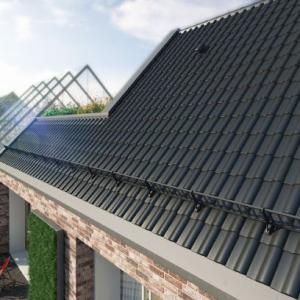
Ariel Builders Roofing Services provides exceptional roofing solutions to the Pasadena community. We specialize in both residential and commercial projects, offering a full range of services from new installations to expert repairs and maintenance. Our experienced team is dedicated to delivering superior craftsmanship and using high-quality materials, ensuring the longevity and durability of your roof. Trust Ariel Builders for all your roofing needs and experience the difference that professional, reliable service makes.
Smart Price Roofing
(626) 414-4978 smartpriceroofingpasadenaca.com
Serving
5.0 from 42 reviews
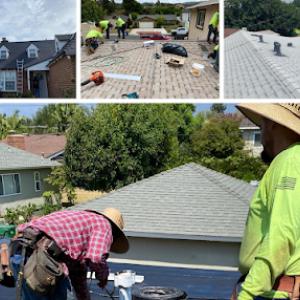
Smart Price Roofing is your reliable roofing contractor in Pasadena, CA, Experience in delivering top-quality, affordable roofing services for homes and businesses. We specialize in Roof Repair, Roof Replacement, Roof Installation, Roof Coating, Roof Inspection, and Roof Rejuvenation—providing long-lasting protection and value. Our expert team is trained in all major roofing systems, including Shingle, Metal, Tile, Slate, Flat, TPO, Rubber, and Cedar Roofing. Whether you're facing storm damage, roof leaks, or need a complete roof upgrade, we deliver honest pricing and expert craftsmanship tailored to Pasadena’s unique needs. Contact us today for dependable roofing in Pasadena, CA.

Overhead Roofing Inc - Pasadena Roofers
(626) 612-1316 overheadroofingca.com
Serving
4.9 from 123 reviews
Looking for reliable roofing in Pasadena? Overhead Roofing CA provides expert residential and commercial roofing services, including roof repair, roof replacement, and roof installation. Our certified Pasadena roofers specialize in flat, tile, and TPO roofing systems built for durability and energy efficiency. With over 25 years of experience, we deliver fast, high-quality roofing solutions across Pasadena and Los Angeles County. Contact us today for a free estimate.

Clarke Brothers Roofing
(626) 900-0908 expertsroofing.homes
Serving
4.9 from 79 reviews
Clarke Brothers Roofing is a trusted family-owned roofing company committed to providing exceptional roofing services. With our extensive experience in the industry, we offer comprehensive solutions for all your roofing needs. From roof repairs to installations, our skilled team of professionals is dedicated to delivering top-quality craftsmanship and customer satisfaction. We understand the importance of a well-maintained roof and utilize high-quality materials and industry-leading techniques to ensure the durability and functionality of your roofing system. At Clarke Brothers Roofing, we pride ourselves on our attention to detail and commitment to excellence. Trust us for reliable roofing solutions that exceed your expectations.
Francisco's Roofing
(323) 253-5146 franciscosroofinginc.co
Serving
4.9 from 90 reviews
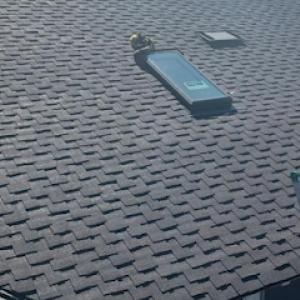
Francisco’s Roofing is a family-owned and operated roofing company established in 2022. Founded by Francisco Sr., who has been in the roofing industry since 1994, our company is built on decades of hands-on experience, quality craftsmanship, and honest service. Today, the business is run by Francisco Sr. and his son, Francisco Jr., an Army veteran who helps ensure the company is professionally managed, organized, and customer-focused. Together, we are committed to delivering reliable roofing solutions with integrity and attention to detail on every project.
Express Roofing Repair Service Pasadena
(626) 605-2457 express-roofingllc.com
Serving
5.0 from 16 reviews
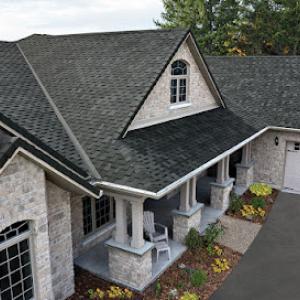
At Express Roofing Repair Service Pasadena we take pride in being one of the most reliable roofing contractors in Pasadena, CA. Our mission is simple: to provide homeowners and businesses with high-quality roofing solutions that combine durability, style, and long-lasting protection. Whether you need a new roof installation, quick roof repairs, or regular roof maintenance, our experienced team delivers exceptional craftsmanship using only premium materials. We understand that your roof is one of the most important investments for your property, and we’re committed to ensuring it stands strong
El Monte Roofing Contractors
(626) 323-8814 www.elmonteroofingcontractors.com
Serving
5.0 from 46 reviews
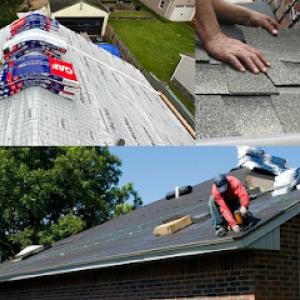
El Monte Roofing Contractors provides top-quality roof installation and replacement services for both residential and commercial properties in El Monte CA and the surrounding areas. Our experienced team is dedicated to delivering durable and reliable roofing solutions tailored to your needs. Whether you need a new roof for your home or a replacement for your business, we ensure excellent craftsmanship and customer satisfaction. Contact us today for a free estimate and let us handle all your roofing needs!
Red Turtle Roofing of Pasadena
(626) 746-5247 redturtleroofing.com
Serving
5.0 from 26 reviews
Red Turtle Roofing of Pasadena is a trusted roofing company serving Pasadena, CA and nearby. We specialize in residential and commercial roofing services, including roof repair, replacement, installation, and coatings. Our expertise spans a wide range of roofing materials, such as shingle, metal, TPO, slate, flat, tile, rubber, and cedar. We also offer roof inspection, rejuvenation, skylight installation, gutters, and siding services. Whether you need routine maintenance or a complete roof overhaul, our professional team is here to provide top-quality solutions. For reliable, affordable, and expert roofing services in Pasadena, call Red Turtle Roofing today!
Tile-heavy architecture is common in this area, and that reality drives project costs up compared to simple shingle replacements. Tear-off, staging, tile handling, and the extra underlayment work all require more labor and careful sequencing. When you plan a re-roof, the crew will block access to sizes and alignments, protect landscaping, and organize tile stacking so gutters and vents aren't damaged. All of this adds labor hours beyond a standard asphalt job, so your bottom line reflects not just material price but the additional handling and coordination that tile entails.
In older Alhambra houses, reroofs often reveal deteriorated decking, multiple roof layers, or complex transitions between main roofs, porches, garages, and low-slope additions. Each uncovering increases the cost, because structural repair or reinforcement becomes part of the project. If you're replacing clay or concrete tile on an aging deck, expect to address decking damage, sometimes retrofit new underlayment, and manage transitions where a flat or low-slope area ties into a steeper main roof. These complications can push you toward the higher end of the material ranges and may require additional days of staging and specialty fasteners, sealants, and more meticulous flashing work.
Demand spikes after harsh winter leak periods and following Santa Ana wind events, which can tighten scheduling and labor availability across the broader Los Angeles market serving Alhambra. When a storm cycle increases urgency, expect quicker turnarounds but higher labor fees or temporary constraints on crews. If you're aiming for a fall or winter replacement, you'll want to plan with a buffer for weather-driven delays and to coordinate tile handling windows with the contractor. On older homes with complex transitions, that buffer becomes even more critical to avoid rushing the tear-off or mismanaging a multi-material interface.
Ask for a detailed scope that separates tear-off, staging, underlayment, and tile handling from general roofing labor. Request a line-item forecast that notes any anticipated decking repairs or flashing adjustments, especially where porches or garages tie into the main roof. If you're targeting a mid-range outcome, consider clay or concrete tile paired with a robust underlayment and reinforced decking as a long-term saver, given the climate-driven wear patterns you'll experience in dry summers followed by wet winters.
In Alhambra, a full re-roof generally requires a building permit through the City of Alhambra Building Department rather than being treated as informal maintenance. This distinction matters because it sets expectations for lead time and procedural steps. A permit review will typically require plan submittals, material endorsements, and an approval stamp before any roof work can begin. Treating a re-roof as a routine repair can lead to delays, especially if the project needs to adjust for fire-rated assemblies or tile, shingle, or low-slope configurations that trigger additional code checks. You should plan as if the project will pause at several checkpoints rather than move straight from teardown to installation.
Homeowners should expect inspections during the project and again after completion, so scheduling needs to account for both permit review time and inspector availability. The first inspections often occur while the new roof is partially installed to verify underlayment, fasteners, and ventilation meet code. A final inspection confirms that the work conforms to permit scope and that any flashing, penetrations, and drainage details are properly finished. In practical terms, that means coordinating with your contractor to align material delivery, weather windows, and inspection appointments. Santa Ana wind seasons and the region's dry-to-wet cycle can compress or stretch these windows, so building an explicit inspection cadence into the project calendar is essential. Missing an inspection can stall the project and leave moisture exposure unaddressed for longer than intended.
Because inspection timing is tied to permit approval, Alhambra reroof projects often need more lead time than emergency patch work, especially when rain is in the forecast. Wet-season forecasts and sudden showers can trigger hold-ups if the inspector's schedule is full or if weather requires postponement of critical steps like underlayment or tile setting. To minimize risk, confirm with the contractor a rough timeline for permit submission, anticipated inspection slots, and contingency days for weather. Keep a dedicated contact list for the Building Department and for the inspection crew, and communicate any calendar changes promptly. This proactive approach helps ensure the project progresses smoothly while keeping the protective goal intact: a sound, code-compliant roof that stands up to San Gabriel Valley heat, seasonal rain, and the fall winds.
California's current insurance environment affects Alhambra homeowners even in this urban setting, with more scrutiny on roof age, material type, and condition when renewing or replacing coverage. In practice, a policy renewal can hinge on recent maintenance records and the overall risk profile of the home. If the roof shows advanced wear or mismatched upgrades, insurers may ask for more information or impose stricter terms. Understanding that dynamic helps you approach a renewal proactively rather than scrambling at the last minute.
After Santa Ana wind damage or winter leak events, adjusters commonly want dated photos, installation age, repair history, and close-up documentation of lifted shingles, broken tiles, or interior staining. In Alhambra, that means gathering images after a storm while the roof is still accessible, keeping a simple log of when upgrades or repairs occurred, and noting any previous patches. Clear evidence of interior leaks reaching attic framing or ceiling paint helps establish the extent of impact. Dry-season months can hide slow-acting moisture; tracking damp days and visible moisture becomes part of a credible claim package.
Wildfire-related underwriting pressure across California can influence premiums and roof replacement decisions in Alhambra, especially when homeowners are comparing fire-resistant materials such as tile, metal, and Class A assemblies. The choice of a fire-resilient roof isn't just about durability; it factors into underwriting optics that affect renewal terms. Tile and metal options tend to be favored in higher-fire-pressure scenarios, but each material has its own performance quirks in the San Gabriel Valley climate that insurers will weigh during renewal.
When talking with an insurer, present a concise narrative of the roof's condition, repair history, and any weather-driven damage tied to recent Santa Ana winds or winter storms. Keep a folder with dated photographs, receipts, and notes from professional inspections. If a claim is in play, ask for a written summary of what documentation is most helpful to the adjuster, and respond promptly to requests for additional details. In this market, proactive, organized communication can smooth the path to a fair assessment.
Connect with contractors who help homeowners navigate the claims process from damage assessment to final approval.
Gold Tech Roofing & Exteriors
(626) 900-0757 alhambraroofers.com
410 W Main St #56, Alhambra, California
4.9 from 86 reviews
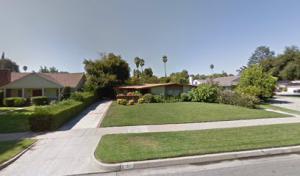
Asphalt shingles remain a common budget choice in Alhambra, offering straightforward installation and broad compatibility with many neighborhood styles. In the dry-summer, wet-winter pattern, prolonged heat can accelerate granule loss and sealant aging on sun-exposed roof planes. For shingle roofs, attention to venting, attic insulation, and a robust underlayment helps mitigate heat-driven wear. When a re-roof is needed, choose a shingle with a good HVAC rating and consider reflective or light-colored options to reduce heat absorption on the western exposure of the house.
Clay and concrete tile align with the Spanish-influenced rooflines common in older and newer homes alike. They perform well in dry heat, resisting fading and maintaining shape under Santa Ana conditions. In practice, older tile installations often show cracked tiles and aging underlayment first, especially where roof planes face intense sun or wind-driven debris. If tiles crack or loosen, a timely replacement or repair is essential to avoid water intrusion. A re-roof with tiles benefits from a high-quality underlayment and a properly matched substrate to preserve long-term performance.
Metal roofing and synthetic options appeal to homeowners seeking lighter-weight, durable solutions with fire-conscious attributes. In this climate, metal performs reliably against heat and overcast winter days, but appearance and noise during rain can influence acceptance in neighborhoods with traditional styling. Synthetic shingles offer similar advantages with flexible aesthetics and often easier installation over existing decks. When considering these materials, assess compatibility with existing venting, insulation, and potential reflectivity that could affect neighboring homes and interior comfort.
Across material types, fall Santa Ana winds can drive dust, leaves, and grit into valleys of the roof and gutters. Regular inspection after windy periods helps catch loose fasteners, damaged flashing, or underlayment degradation before leaks appear. Tile and shingle roofs benefit from periodic cleaning of debris and inspection of flashing around chimneys, skylights, and vents. A well-timed replacement strategy considers the balance between weather exposure, material aging, and the specific roof plane directions most affected by sun and wind.
Explore specialists in steel, aluminum, and standing seam metal roofs built to last 50 years or more.
Gold Tech Roofing & Exteriors
(626) 900-0757 alhambraroofers.com
410 W Main St #56, Alhambra, California
4.9 from 86 reviews
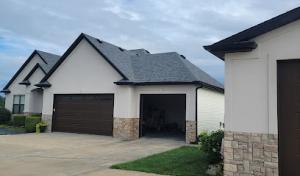
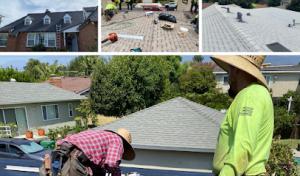
Because re-roofing is more prevalent than new construction in this market, homeowners benefit from contractors experienced in tear-off, cleanup, and working around occupied homes. Look for crews with a documented history of completing projects on same-day resident access needs, driveway and landscaping protection, and careful attic/inside-work practices. A local crew that understands Santa Ana wind patterns and winter rain behavior will approach fast-mix projects with sturdier fastening and better edge detailing.
Given the city's mix of tile, shingle, and low-slope roofs, homeowners should favor crews that can document prior work on the same roof type rather than general handymen offering roof work. Ask for a concise project gallery or references from owners with tile and low-slope installations. Ensure the contractor uses appropriate underlayment, flashings, and fasteners for your roof style, and that they can adapt their method to tile overlaps or low-slope drainage details without compromising watertightness.
Fast response matters locally because many hires begin with active leaks after winter rain or wind-driven tile and shingle damage rather than planned aesthetic upgrades. Prioritize those who can schedule a rapid assessment, provide a written plan, and outline a staged teardown and replacement sequence that minimizes disruption to your household. If a leak is present, expect a temporary shingle or tarping solution while a full plan is prepared.
When a leak is evident, the contractor should offer a clear path from assessment to temporary mitigation and permanent repair. Verify that their approach includes proper rooftop access protection, safe removal of damaged materials, and a cleanup plan that leaves the property secure and tidy at end of each day. A reliable crew will communicate expected timelines and coordinate with occupants to reduce impact during busy fall-wall wind periods.
Ask about written warranties and a schedule of post-install inspections, especially for tile and low-slope roofs prone to wind uplift. A competent Alhambra contractor can provide references that confirm consistent, thorough workmanship on the same roof type, reinforcing confidence that the job will stand up to the area's dry summers and wet winters.
Get a clear picture of your project costs upfront - no commitment required.

Overhead Roofing Inc - Pasadena Roofers
(626) 612-1316 overheadroofingca.com
Serving
4.9 from 123 reviews
El Monte Roofing Contractors
(626) 323-8814 www.elmonteroofingcontractors.com
Serving
5.0 from 46 reviews

Hexagon Roofing Inc. - Pasadena Roofers
(626) 244-8024 www.hexagonroofing.com
Serving
4.9 from 49 reviews