
Last updated: Apr 19, 2026
South Pasadena has a large stock of older single-family homes, so many roof problems show up as deferred maintenance rather than first-time installation defects. When Pacific storms arrive after a dry spell, the sudden downpours hammer through roofs that already show wear. Long dry periods have stiffened underlayment, dulled flashings, and cracked sealants, making those once-silent problem spots noisy and obvious in a matter of minutes. The clock is unforgiving: a brief storm can morph into a creeping leak that travels along old plaster, lath, or wood decking before it finally drips into living spaces. The result is not just water on ceilings but potential stain, mold, and structural risk in walls adjacent to chimneys, skylights, and low-slope additions.
In older homes, active leaks frequently trace to aging underlayment beneath tile or to transitions around chimneys, skylights, and low-slope additions. Tile tiles themselves may appear sound, yet the underlayment beneath has decayed or delaminated after years of sun, heat, and shifting framing. Transitions around chimneys are especially vulnerable if counterflashing has rusted, paint has bubbled, or sealants have cracked. Skylight nailing flanges and curb flashings can rust or pull away from framing, inviting seasonal seepage. Low-slope additions, once tucked behind a dormer or extended from the main roofline, often rely on aging or mismatched materials that don't tolerate winter rains well. If water is present near these points, the problem likely originates beneath the surface rather than at the visible edge of the roof.
During a dry spell, inspect for hairline cracks in sealants around chimneys and skylights. Check the edge of tile rows for hollow sounds that indicate loose or degraded underlayment beneath. In stagnant water areas, the look of dark staining around penetrations or along the eaves points to compromised flashing. After a storm, a quick interior check near ceilings and walls beneath suspect roof zones can reveal damp spots or peeling paint that scream "leak behind the wall." Given the pattern in this city's climate, those signs often precede more significant damage once winter rain sequences begin again. The moment a homeowner notices any of these cues, action should be immediate to limit cascading effects through insulation, framing, and drywall.
First, isolate the source as best as possible from inside the home by placing a bucket or container under the drip and protecting nearby furnishings with towels. Then, reduce ongoing exposure by directing temporary tarping or plastic sheeting over the affected area if safe access permits, especially when a storm is brewing. Identify high-risk areas-chimney and skylight transitions, low-slope extensions, and tile-on-underlayment zones-so that any temporary patching targets those points. Contact a local roofer with proven experience in older South Pasadena homes, emphasizing underlayment age, flashing integrity, and known trouble zones around chimneys and skylights. A timely response minimizes water migration through attic spaces, reduces the chance of mold growth, and prevents more extensive framing damage after the next storm sequence. In neighborhoods with long dry spells followed by heavy rain, proactive maintenance on aging components becomes not a luxury but a necessity to protect the home's structural health.
Tile appearance matters in South Pasadena, especially on the Spanish and Mediterranean-influenced homes that define the street-front character. But long-term leak performance hinges far more on the waterproofing layer beneath the tile than on the tile itself. In this climate, where winter rain can expose deferred failures, prioritize the underlayment, flashing, and transition details that keep water from migrating into the structure. Tiles can shed water gracefully when the underlayment and joints are sound, so focus your attention there during inspections and repairs.
Older houses in this area often display a hybrid roof plan: steep, visually prominent front elevations paired with low-slope rear sections that tuck under additions, porches, or garages. Those low-slope segments age differently and accumulate wear at a different pace than the steep, tile-dominant fronts. When planning repairs or a re-roof, treat the project as two roofs in one. The tile front may still carry most of the aesthetic load, but the rear low-slope needs a durable waterproofing strategy suited to flat or near-flat water flow. This split approach helps prevent quick recurrence of leaks that show up after a heavy rain, especially where old decks, skylights, or dormers intersect with the roofline.
Tile roofs can look solid and traditional, but the robustness of the system depends on the waterproofing layer below. In practice, that means paying equal or greater attention to underlayment type, seam details, and flashing around penetrations, valleys, and transitions to low-slope areas. Damaged or age-delaminated underlayment often reveals itself as staining, soft spots, or small drips long before the tile shows obvious failure. The South Pasadena climate amplifies this dynamic because a wet season can push marginal areas into leak status quickly. When choosing a repair path, verify that the underlayment provides continuous coverage across both steep and low-slope sections, and that valley and edge details are sealed to prevent water infiltration at joints.
Because the contractor signal mix favors both tile roofing and flat-roof work, the best local approach blends proven tile maintenance with targeted flat-roof waterproofing practices. For the tile portion, check for cracked or displaced tiles, compromised ridge cap sealing, and any broken tiles that leave tiny gaps for water to bypass the surface. For the low-slope rear sections, inspect the membrane or modified bitumen layers, drainage transitions, and the integrity of edge details where the low-slope meets vertical walls or parapets. In practice, a common effective sequence is to reseal transitions first, then address underlayment patches in the low-slope zones, followed by careful re-tile work where needed to restore the appearance without compromising the water path.
When a storm is forecast, focus on the rear low-slope areas first. Look for signs of standing water near penetrations, skylights, or vents, and note any dampness on ceilings or along interior walls that align with the low-slope zone. After a storm, perform a targeted exterior inspection of flashing seams and membrane edges in the rear sections, where aging is typically most evident. If multiple small leaks appear during or after rain, prioritize a complete re-sealing of transition points between tile and low-slope membranes. Because several homes in this area rely on a mix of tile and flat sections, establishing a routine that checks both roof types together-before and after the rain season-helps catch issues early and reduces the risk of widespread interior damage.
Find contractors who specialize in clay and concrete tile roofs, known for their durability and curb appeal.
Woody's Roofing
(818) 583-0850 woodysroofing.com
1415 Monterey Rd #110, South Pasadena, California
4.9 from 184 reviews


Woody's Roofing
(818) 583-0850 woodysroofing.com
1415 Monterey Rd #110, South Pasadena, California
4.9 from 184 reviews
Welcome to Woody's Roofing, a beacon of excellence in the roofing industry for over two decades. Our commitment to quality, craftsmanship, and customer satisfaction has solidified our position as a trusted partner for homeowners and businesses. Beyond providing top-tier roofing solutions, we believe in building lasting relationships with our clients, ensuring their properties are not only secure but also aesthetically pleasing.

Gold Tech Roofing & Exteriors
(626) 900-0757 alhambraroofers.com
Serving
4.9 from 86 reviews
Gold Tech Roofing & Exteriors is a premier provider of top-quality roofing and exterior solutions. With our extensive knowledge and advanced techniques, we deliver outstanding craftsmanship and exceptional results. Whether you need a new roof installation, roof repairs, or exterior renovations, our skilled team is here to meet your needs. We work with a wide range of materials and offer customized solutions tailored to your specific requirements. Count on Gold Tech Roofing & Exteriors for reliable, long-lasting solutions that enhance the beauty and durability of your property.
Smart Price Roofing
(626) 414-4978 smartpriceroofingpasadenaca.com
Serving
5.0 from 42 reviews
Smart Price Roofing is your reliable roofing contractor in Pasadena, CA, Experience in delivering top-quality, affordable roofing services for homes and businesses. We specialize in Roof Repair, Roof Replacement, Roof Installation, Roof Coating, Roof Inspection, and Roof Rejuvenation—providing long-lasting protection and value. Our expert team is trained in all major roofing systems, including Shingle, Metal, Tile, Slate, Flat, TPO, Rubber, and Cedar Roofing. Whether you're facing storm damage, roof leaks, or need a complete roof upgrade, we deliver honest pricing and expert craftsmanship tailored to Pasadena’s unique needs. Contact us today for dependable roofing in Pasadena, CA.
Ariel Builders Roofing Services
(800) 903-7344 ariel-buildersinc.com
Serving
5.0 from 101 reviews
Ariel Builders Roofing Services provides exceptional roofing solutions to the Pasadena community. We specialize in both residential and commercial projects, offering a full range of services from new installations to expert repairs and maintenance. Our experienced team is dedicated to delivering superior craftsmanship and using high-quality materials, ensuring the longevity and durability of your roof. Trust Ariel Builders for all your roofing needs and experience the difference that professional, reliable service makes.
Express Roofing Repair Service Pasadena
(626) 605-2457 express-roofingllc.com
Serving
5.0 from 16 reviews
At Express Roofing Repair Service Pasadena we take pride in being one of the most reliable roofing contractors in Pasadena, CA. Our mission is simple: to provide homeowners and businesses with high-quality roofing solutions that combine durability, style, and long-lasting protection. Whether you need a new roof installation, quick roof repairs, or regular roof maintenance, our experienced team delivers exceptional craftsmanship using only premium materials. We understand that your roof is one of the most important investments for your property, and we’re committed to ensuring it stands strong
Clarke Brothers Roofing
(626) 900-0908 expertsroofing.homes
Serving
4.9 from 79 reviews
Clarke Brothers Roofing is a trusted family-owned roofing company committed to providing exceptional roofing services. With our extensive experience in the industry, we offer comprehensive solutions for all your roofing needs. From roof repairs to installations, our skilled team of professionals is dedicated to delivering top-quality craftsmanship and customer satisfaction. We understand the importance of a well-maintained roof and utilize high-quality materials and industry-leading techniques to ensure the durability and functionality of your roofing system. At Clarke Brothers Roofing, we pride ourselves on our attention to detail and commitment to excellence. Trust us for reliable roofing solutions that exceed your expectations.
Overhead Roofing Inc - Pasadena Roofers
(626) 612-1316 overheadroofingca.com
Serving
4.9 from 123 reviews
Looking for reliable roofing in Pasadena? Overhead Roofing CA provides expert residential and commercial roofing services, including roof repair, roof replacement, and roof installation. Our certified Pasadena roofers specialize in flat, tile, and TPO roofing systems built for durability and energy efficiency. With over 25 years of experience, we deliver fast, high-quality roofing solutions across Pasadena and Los Angeles County. Contact us today for a free estimate.

Hexagon Roofing Inc. - Pasadena Roofers
(626) 244-8024 www.hexagonroofing.com
Serving
4.9 from 49 reviews
Hi everyone, Abraham here with Hexagon Roofing Over 15 years in the industry and have had the pleasure of working on and overseeing thousands of roofing projects to ensure the highest level of quality. Together with my team of experienced roofers, we are certified professionals willing to go above and beyond to meet your needs. My team and I treat every project, big or small, as if it were our own. Looking forward working with you!
Legends Roofing
(626) 323-8285 legendsroofingca.com
Serving
4.9 from 43 reviews
Founded in 2017 by a pair of brothers with decades of contracting experience, Legends Roofing is a family-owned business with a strong focus on our customers' needs and budgetary concerns. Yet, we don’t hold back in terms of the results you deserve. Our roofing products and materials are of the highest quality available, from leading brands that customers know and love, like Owens Corning, CertainTeed, and Polyglass. In fact, as a CertainTeed Select ShingleMaster and an Owens Corning Preferred Contractor, our roofing company offers the peace of mind that comes from factory-trained installers and extended warranty options.
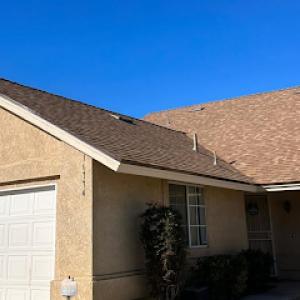
Top Cal Roofing
(323) 273-7510 topcalroofing.com
Serving
5.0 from 12 reviews
Topcal Roofing Company is dedicated to serving the roofing needs of Homeowners and businesses in California. We understand that getting a new roof can be a lot to handle. That’s why our team of experts is here to assist you every step of the way. We work with all insurance companies, offer fast customer service, and quality products. When a storm impacts your area, we come to you when you need us most.
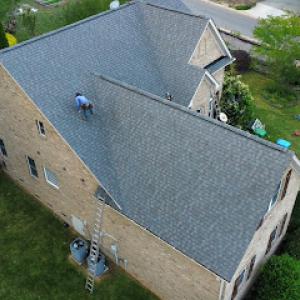
Sunrise Roofing
(213) 516-9295 pasadenaroofingsolution.com
Serving
4.9 from 17 reviews
Welcome to Sunrise Roofing, where excellence meets the horizon! Elevate your home or business with our top-notch roofing services. Our expert team specializes in Roof Installation, ensuring precision and durability that stands the test of time. Need a Roof Replacement? Trust Sunrise Roofing to revitalize your property with premium materials and skilled craftsmanship. For Roof Repair, we're your go-to problem solvers, swiftly restoring your roof to perfection. Explore our diverse range, from sleek Metal Roofing to classic Asphalt Shingle Roofing. Commercial TPO Roofing? We've got your business covered. From New Construction Roofing to reliable Flat Roofing solutions, Sunrise Roofing is your key to superior, lasting protection.
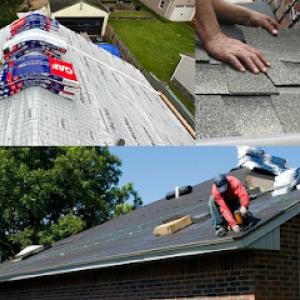
Red Turtle Roofing of Pasadena
(626) 746-5247 redturtleroofing.com
Serving
5.0 from 26 reviews
Red Turtle Roofing of Pasadena is a trusted roofing company serving Pasadena, CA and nearby. We specialize in residential and commercial roofing services, including roof repair, replacement, installation, and coatings. Our expertise spans a wide range of roofing materials, such as shingle, metal, TPO, slate, flat, tile, rubber, and cedar. We also offer roof inspection, rejuvenation, skylight installation, gutters, and siding services. Whether you need routine maintenance or a complete roof overhaul, our professional team is here to provide top-quality solutions. For reliable, affordable, and expert roofing services in Pasadena, call Red Turtle Roofing today!
Visible roofing adjustments on character homes can trigger reactions, not just for weatherproofing but for how the roof reads from the street. South Pasadena is widely known for its historic neighborhoods and older housing stock, so changes in material, profile, or color don't just handle rain-they affect curb appeal and architectural integrity. When choosing a new roof, anticipate questions from neighbors, tenants, and preservation-minded observers who value compatibility with original silhouettes and textures. A subtle shift in the roofline profile or a bold new color can draw more attention than the repair itself, even if the overall structure remains sound. In practice, a reroof plan should include a realistic assessment of how the new materials align with adjacent homes and the established streetscape.
Homeowners near designated historic resources or in architecturally sensitive areas should verify whether material changes, profile changes, or visible color changes trigger additional local review beyond a standard reroof permit. This is less about slowing work and more about avoiding the expensive surprise of a mismatch after the project is underway. In many neighborhoods, the most noticeable impact comes from the visible portion of the roof as seen from the front yards and sidewalks. For tile, metal, or composite options, consider not only performance but how the chosen profile echoes the original roof's scale and texture. A modern, high-gloss finish or an unusually flat tile might look out of place on a home with traditional detailing. A thoughtful choice preserves the home's character while still delivering reliable weather resistance.
Roof replacements on character homes in South Pasadena often require balancing modern fire-rated assemblies and ventilation upgrades with preservation of the home's original street-facing appearance. In hillside-adjacent districts, longer eaves, attic ventilation, and underlayment performance can influence comfort and longevity, especially during winter rain events that expose latent leaks. The challenge is to meet current safety and durability standards without erasing the home's familiar silhouette. Practical steps include selecting materials and colors that harmonize with neighboring roofs, and coordinating vent locations so they remain less conspicuous from the curb. When upgrading ventilation, opt for solutions that respect the roofline and ridge character, ensuring that any additions are integrated rather than conspicuous. This careful balance helps maintain the historic charm that defines the neighborhood while reducing the risk of future leaks and hidden failures.
Find contractors who specialize in clay and concrete tile roofs, known for their durability and curb appeal.
Woody's Roofing
(818) 583-0850 woodysroofing.com
1415 Monterey Rd #110, South Pasadena, California
4.9 from 184 reviews
South Pasadena homeowners should expect reroofing work to run through the city's building division rather than county permitting, because South Pasadena is its own incorporated city with its own local review process. Before scheduling any major roof work, verify whether a permit is required for the project as proposed, and confirm the sequence of approvals with the building division. In this part of Los Angeles County, full reroofs and structural roof work commonly require permits and inspection signoff, while homeowners should confirm whether simple like-for-like repairs cross the city's permit threshold before work starts. Rely on the city's online portal or in-person counter to confirm what counts as a permit-triggering change for the specific roof type and scope.
Because many South Pasadena homes are older, permit review may focus on decking condition, sheathing replacement, ventilation, and how new roofing interfaces with existing chimneys, skylights, and attached solar equipment. Expect the plan review to call out whether decking boards show rot or insect damage, whether roof venting meets current standards, and how the new roof integrates with chimney flashing and any skylight curb details. If solar is attached, the plan checker will want a clear interface detail showing how mounting rails, wiring pathways, and penetrations are flashed and sealed. Providing a simple, coherent description of these interfaces during submittal can streamline the process.
Prepare drawings or sketches that clearly depict roof plan, elevations, and key transitional details around penetrations, dormer intersections, and parapets. Include notes on underlayment type, deck replacement plans if any, and how existing vent stacks or exhausts will be flashed into the new roof assembly. Local reviewers will look for adequate attic ventilation and code-compliant eave and soffit ventilation, especially in homes with older, less efficient framing. If the project involves revisions to gutters, downspouts, or chimney flashing, include a dedicated detail showing how these elements will be protected during tear-off and installed to maintain a weather-tight junction.
Schedule inspections in alignment with the construction milestones: initial decking and underlayment, roof covering installation, and final weather-tight completion. Expect a final sign-off that confirms conformity with the adopted California codes and any city-specific amendments. If changes are needed after a first review, update the plans with the city's feedback and resubmit promptly to minimize delays, particularly given the impact of seasonal rain on older structures.
Find contractors who integrate solar panels or solar shingles into your roof for long-term energy savings.


No city-specific average cost range was provided, so homeowners should expect pricing to vary sharply by whether the project is a repair, partial reroof, or full tear-off on an older home. In practice, a small patch over a leaky valley lands much differently than a full tear-off and re-deck on an aging tile roof. Expect the least disruption-and the lowest headline price-for a straightforward repair, and prepare for a jump when more extensive work is needed to restore long-term performance.
South Pasadena costs are often pushed up by older roof assemblies, multiple penetrations, detached garages and additions with separate roof sections, and the labor needed to protect landscaping and maintain tight-site cleanup. Older homes frequently have broken flashings, worn underlayment, or mismatched sections that complicate field details. The more nailing patterns, vents, skylights, and chimney penetrations involved, the more labor pressure and material waste you'll encounter on the project, especially if crews need to shield mature landscaping or delicate hillside plantings.
Material choice can swing pricing significantly in this market because tile, asphalt shingle, metal, coatings for low-slope sections, and skylight-related work all have meaningful local contractor presence. Tile roofs, common on hillside or mission-style homes, carry higher material and handling costs but offer long service life when integrated with proper underlayment and flashing details. Asphalt shingles tend to be cheaper upfront but may require more frequent maintenance on older structures. Metal can be economical over the long horizon if panels align with existing penetrations and gutters. For low-slope sections, coatings can provide a more price-conscious option, yet compatibility with existing substrates and future leak handling must be weighed. Skylights add both cost and potential complication, often requiring careful flashing and flashing-upgrade work to prevent rain ingress.
Expect that every added feature-porch extension, dormer, or solar integration-introduces new edge details, penetrations, and tie-ins. If the project involves preserving historic character while upgrading to modern performance, costs will reflect both specialty materials and meticulous workmanship. In all cases, detailed scope clarity with the contractor helps align expectations with actual onsite conditions and minimizes surprise expenses when work begins.
The most popular roofing material in the US. Find pros who install, repair, and replace asphalt shingles.


Hexagon Roofing Inc. - Pasadena Roofers
(626) 244-8024 www.hexagonroofing.com
Serving
4.9 from 49 reviews
South Pasadena sits in California's difficult homeowners-insurance environment, where carrier pullbacks and tighter underwriting can affect whether aging roofs are insured, renewed, or subject to exclusions. That reality can show up quickly after a winter storm, when a long-seated issue becomes a binding insurance question rather than a solvable maintenance item. For older tile or low-slope roofs, the risk rating is not only about the roof's current condition but about whether the carrier views long-term deferred maintenance as a latent claim trigger. Understanding this nuance helps prioritize rapid response over cosmetic fixes when leaks begin to appear.
In the Los Angeles basin, roof claims are more often tied to wind-driven rain, falling limbs, and sudden leak events during winter storms than to hail-driven total-loss patterns seen in other states. South Pasadena homeowners should plan for quick damage assessment after a storm, not only for visible bulk leaks but for attic signs of water intrusion that can escalate if left untreated. The combination of hillside-adjacent homes, older underlayment, and occasional heavy Pacific rain can expose vulnerabilities that older roofs have suppressed for years.
Homeowners in South Pasadena should document interior staining, active leaks, exterior displacement, and temporary tarping immediately, because insurers may distinguish between sudden storm damage and long-term deferred maintenance on older roofs. Take dated photos from multiple angles, keep a log of rainfall events, and note any wind-driven debris. If a leak is detected, secure the area to prevent further interior damage and request temporary tarping to limit water intrusion while awaiting adjuster guidance. Quick, clear documentation supports a fair assessment when the claim is considered.
Connect with contractors who help homeowners navigate the claims process from damage assessment to final approval.
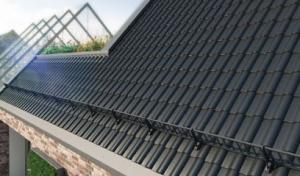
South Pasadena's sunny inland setting makes rooftop solar relevant, but reroof timing matters because panel removal and reset can complicate sequencing and warranties. If a roof is near its expected life, plan solar installation to align with reroofing cycles, so panels aren't shunted multiple times. When a tile or steep-slope section is due for a refresh, coordinate panel work with the contractor to minimize move-ins, flashing changes, and potential resealing needs. Make sure the racking and sealant details are reviewed for potential mismatch where tile roofs meet low-slope additions.
Older homes in this area frequently accumulate multiple penetrations over time-skylights, vents, and mechanical upgrades-that become common leak points during the first heavy rains. Before a re-roof, inventory every penetration: flashing type, sealant age, and whether previous repairs relied on bituminous or butyl products that tend to dry out. During a roof refresh, verify that skylight flanges are square, flashing surrounds are continuous, and any curb or boot details are integrated with the new roof lines. For retrofits, consider moving or replacing aging skylights to match the new roof plane and flashing method, rather than forcing a patchwork fix that can trap moisture.
When homes combine tile or steep-slope sections with low-slope additions, penetration detailing can vary across roof areas, making leak diagnosis more complex than on a simple single-plane roof. Pay special attention to transitions where tile meets low-slope materials, as these zones often harbor hidden underlayment gaps or perched water. Use compatible sealants and flashing methods across materials to avoid a mismatch that invites slow leaks after rain. In the field, document transitions with photos and mark any area where multiple roof types abut to support accurate diagnostics later.
After heavy rains, inspect around penetrations first-skylights, vents, and any mechanical penthouse penetrations. Look for staining, damp felt, or soft spots in tiles near flashing corners. If a leak appears at a penetration, test the surrounding flashings by gently lifting a tile edge to reveal flashing continuity. Frequent areas to check include the base of skylight frames, boot bands around vent pipes, and the intersection where tile or shingles meet low-slope transitions. When doubt exists, trace leak paths back to the nearest penetration, then verify that flashing membranes extend correctly over the prior sealant lines.
Find contractors who integrate solar panels or solar shingles into your roof for long-term energy savings.