
Last updated: Apr 19, 2026
Temple City sits in the San Gabriel Valley, where hot inland summer conditions are harsher on roof surfaces than the cooler beach communities of Los Angeles County. The long dry season presses your shingles and tiles with high UV exposure and elevated temperatures, accelerating aging. That harsh sun can bake underlayment and granules, leaving the roof vulnerable even before the next rain. The interior basin's heat pattern also means more expansion and contraction in roof assemblies, which over years loosens fasteners and creates tiny gaps that can worsen leaks when storms arrive.
Fall Santa Ana wind events in the inland basin can lift aging shingle tabs, dislodge ridge components, and shift older tile at roof edges and ridgelines. Those gusts are not random nuisances; they test the bearing strength of older roofs and reveal weakness at hips, ridges, and along eaves. If a roof starts to show torn tabs, slipped flashing, or loose ridge caps after a wind event, that is a sign the roof is past its prime for prolonged Santa Ana exposure. Tile roofs are not immune: ridge tiles can fracture or shift, leaving sharp edges exposed to sun and rain. The combination of wind-driven debris and accelerated aging from heat makes timely inspections essential after seasonal wind swings.
The city's Mediterranean pattern of long dry summers followed by winter rain means many leaks first appear when dormant cracking and underlayment wear are finally tested by seasonal storms. Cracking may run along tile laps or underlayers, precisely where the sun has worked edges to become brittle. When the first rounds of storms arrive, look for daylight through underlayment seams, damp patches on ceilings, or staining at interior corners beneath roof lines. Dormant cracks that were barely noticeable in summer can become active with the first heavy rains, so a winter check after the first significant rain is a practical habit.
Start with a proactive visual inspection after the dry season ends and before Santa Ana season ramps up. Look for peeling granules on asphalt shingles, which indicates UV wear, and check for warping or curling edges on shingles. For tile roofs, scan the ridge caps and edge tiles for cracks, loose fasteners, or displaced bedding. Pay attention to flashings around chimneys, vents, and skylights, as these are common leak paths when membranes have aged. If you notice anyone of these signs, plan a targeted repair before the next windy period or storm front.
Coordinate inspections after significant wind events. A quick walk around the perimeter after a Santa Ana spell can reveal moved ridge caps, lifted tabs, or loose edge tiles. Do not overlook gutters and downspouts; clogged lines can back water under the eaves and onto fascia, accelerating damage in the dry season. Keep an eye on the attic for signs of moisture or found insulation compression, which may indicate a latent roof problem now exposed by seasonal stress.
For aging shingle or tile roofs, consider reinforcing vulnerable edges and ridgelines with appropriate fasteners and compatible sealants, especially where past wind exposure has been high. If granule loss or cracking has accelerated, anticipate that the roof will require more frequent resealing, flashing repair, or eventual replacement. A well-timed reroofing plan focused on the most exposed sections-particularly along the ridgeline and eaves-can minimize future wind-driven damage and reduce internal leaks when the rains return. In short, keep the roof integrated with the seasonal cycle: inspect after the heat and after the winds, address early signs promptly, and align any repairs with the roof's material and the valley's weather rhythm.
In this inland stretch of Los Angeles County, roofs endure a double whammy: Santa Ana winds can whip debris across slopes and accelerate wear, while summer UV exposure relentlessly dries surfaces. The dominant local material mix includes asphalt shingles, clay tile, concrete tile, metal, wood shakes, and synthetic shingles, so replacement decisions often involve comparing lighter shingle systems against heavier tile assemblies. When the sun beats down for weeks on end, shingles shed granules faster and tiles can become brittle, yet the visible surface may still look sound. This makes careful inspection of the hidden components essential, because underlayment, flashing, and fasteners often fail ahead of what a quick street-side look reveals.
In neighborhoods with older low-rise single-family homes, concrete and clay tile roofs commonly outlast their underlayment. Hidden waterproofing failure becomes a key issue even when the tile surface still looks serviceable from the street. Tile can protect you for decades, but the underlayment and laps under the tiles are the first lines to degrade during the dry Santa Ana season and the wet months that follow. Look for stained seams, blistering in the underlayment, and any signs of moisture intrusion at roof penetrations, chimneys, or vent stacks. Because tile assemblies often rely on a robust underlayment to bridge movement and sun exposure, a roof that looks pristine may still harbor leaks that only show up after a heavy rain or when the underlayment has already aged past its prime.
Asphalt roofs in this inland area are especially vulnerable to granule loss and surface drying from prolonged UV and heat exposure. Granules protect the asphalt and UV shield layers, so their loss accelerates aging, reduces reflectivity, and can shorten the roof's effective life. If you notice bald patches on shingles, darkened dips where granules have shed, or curling edges after summer heat waves, those are early warning signs. The hot, dry season also dries the roof deck and can widen minor gaps around flashings, which invites leaks during seasonal rainstorms. Regular inspections after the peak heat of summer help catch these issues before they propagate.
Choosing between a lighter shingle system and a heavier tile assembly requires balancing weight, ventilation, and the existing roof structure. Lighter synthetic or fiberglass shingles may go down more quickly with less added stress on the deck, but they can also experience accelerated granule loss under intense sun. Heavier tile systems offer long-term durability, especially in a climate with broad temperature swings and wind-driven debris, yet they demand a sturdier deck and precise underlayment detailing. When considering replacements or upgrades, align the selection with the home's framing, attic ventilation, and the expected wind-driven conditions to avoid mismatches that hasten failures.
Because hidden waterproofing can fail first, plan for a thorough inspection that targets underlayment, flashing, and penetrations, not just the visibly damaged surface. Schedule maintenance and potential resealing during the dry season when the roof is most accessible, but ensure any work accounts for the late-summer heat and Santa Ana wind risks that can return abruptly. If a roof retrofit is in order, consider transitional details-such as improved underlayment with higher wind uplift resistance and better flashing integration-that reduce the probability of future leaks without overburdening the structural deck.
In this climate, Santa Ana winds and hot, sun-soaked days accelerate wear on older shingles and tiles. The long dry season provides the window to tear off, install, and seal a roof before the first autumn storms. Scheduling during the dry stretch helps ensure decking stays protected and reduces the chance of moisture intrusion mid-project. Because mild winters do not produce freeze-thaw damage, timing decisions hinge more on rain reliability and wind events than on snow or ice.
When planning a reroof, target the long stretch of dry, wind-free days. Start with a weather outlook that forecasts several consecutive rain-free weeks. Coordinate closely with the chosen contractor to align a start date that keeps the project continuous from teardown through underlayment and final surface. If a storm window threatens, adjust the schedule rather than risk leaving exposed decking for days.
On the first day of work, the crew should establish watertight protection for the interior and any skylights or vent penetrations. If the roof deck cannot be kept dry, temporary coverings must be deployed to prevent leaks until a permanent seal is in place. This is especially critical because leaks often spike with the first meaningful winter storms after a hot summer, so a watertight transition matters more than the absolute duration of the teardown.
Before the rainy season, have a thorough inspection of the existing roof and attic ventilation. Look for damaged underlayment, compromised flashings, and signs of wear that could worsen with wind-driven rain. Addressing these issues ahead of the first big rain helps prevent interior staining and repeated call-backs once the weather shifts. If gaps are found, plan targeted repairs during the dry window so the tariff of wind and rain won't catch you off guard.
Santa Ana events frequently bring high winds and dusty air, which can accelerate shingle and tile deterioration. If a dry-season plan hits a late Santa Ana spell, consult with the contractor about tightening fasteners and reinforcing edge details to withstand gusts. The aim is a completed, sealed roof that will endure the seasonal wind bursts and the return of rain without backtracking on repairs. In practice, you'll find that a well-timed, dry-season reroof reduces the likelihood of mid-winter water intrusion and gives your home a sturdier shield as temperatures fluctuate.
Get a clear picture of your project costs upfront - no commitment required.
El Monte Roofing Contractors
(626) 323-8814 www.elmonteroofingcontractors.com
Serving
5.0 from 46 reviews
El Monte Roofing Contractors
(626) 323-8814 www.elmonteroofingcontractors.com
Serving
5.0 from 46 reviews
El Monte Roofing Contractors provides top-quality roof installation and replacement services for both residential and commercial properties in El Monte CA and the surrounding areas. Our experienced team is dedicated to delivering durable and reliable roofing solutions tailored to your needs. Whether you need a new roof for your home or a replacement for your business, we ensure excellent craftsmanship and customer satisfaction. Contact us today for a free estimate and let us handle all your roofing needs!
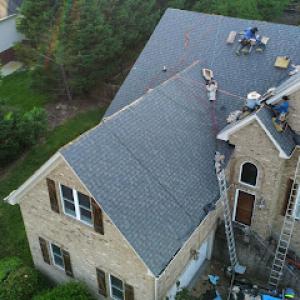
Classic Roofing
(626) 790-1884 elmonteroofingcontractor.com
Serving
5.0 from 13 reviews
Welcome to Classic Roofing, where craftsmanship meets excellence! Elevate your property with our top-notch roofing services. Our skilled team specializes in Roof Installation, ensuring precision and durability that withstands the test of time. Upgrade your home or business with Roof Replacement, a seamless process that guarantees both aesthetic appeal and structural integrity. Count on us for swift and effective Roof Repair, resolving issues promptly. Explore the modern allure of Metal Roofing or the timeless elegance of Asphalt Shingle Roofing, tailored to your preferences. For commercial needs, our expertise extends to Commercial TPO Roofing. Whether it's New Construction Roofing, Classic Roofing transforms visions into reality.
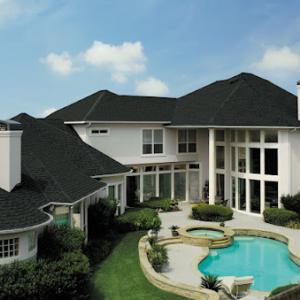
One Faith Roofing & Construction
(866) 733-2320 www.onefaithroofing.com
Serving
5.0 from 14 reviews
With more then 20 years of roofing and construction experience, we are your premier general contractor location serving much of the Los Angeles area of Southern California. Whether you are looking to build a new roof, repair your current roof or add on to your house. We can provide you with the services that you desire. We are general contractors, so we're not just limited to roofing. For a full explanation of what we can do for you fill out the contact form below, call or email us and we will be happy to answer what questions you may have. Thank you for visiting!

Superior Roofing Arcadia CA
Serving
5.0 from 13 reviews
Superior Roofing provides professional roofing services in Arcadia, CA, specializing in roof repair, roof replacement, and new roof installation for residential and commercial properties. Our experienced roofers work with asphalt shingle roofs, tile roofing, metal roofs, and flat roofing systems, addressing roof leaks, storm and wind damage, flashing repairs, and aging roofing materials with precision. We focus on durable workmanship, quality materials, and proper installation methods suited for San Gabriel Valley weather conditions. Homeowners and businesses in Arcadia trust Superior Roofing for honest assessments, clear communication, and reliable roofing solutions designed to protect their property year-round.
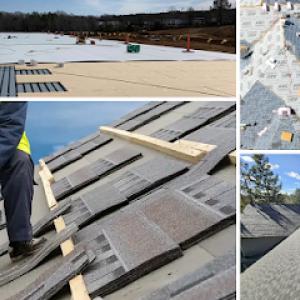
Fair Price Roofing
(626) 784-6119 fairpriceroofingelmonteca.com
Serving
4.9 from 37 reviews
Fair Price Roofing is a trusted roofing contractor in El Monte, CA, with over 20 years of experience providing affordable and long-lasting roofing solutions for homes and businesses. We specialize in all aspects of roofing El Monte, CA and nearby including Roof Repair, Roof Replacement, Roof Installation, Roof Coating, Roof Inspection, and Roof Rejuvenation. Our experienced crew works with all major roof types, such as Shingle, Metal, Tile, Slate, Flat, TPO, Rubber, and Cedar, ensuring durability and performance tailored to local conditions. Whether you're dealing with storm damage, leaks, or planning a full roof upgrade, we deliver honest pricing and expert results. Contact Fair Price Roofing today to schedule your FREE estimate.
B.W. Roofing
(626) 900-1070 eliteroofing.homes
Serving
4.9 from 71 reviews
B.W. Roofing is a reputable roofing company known for its commitment to excellence and customer satisfaction. With years of experience in the industry, we offer a comprehensive range of roofing services tailored to meet your specific needs. Our skilled team of professionals is dedicated to delivering top-quality craftsmanship and superior results. Whether you require roof repairs, installations, or maintenance, we have the expertise to handle your project efficiently and effectively. At B.W. Roofing, we prioritize attention to detail and use high-quality materials to ensure the longevity and functionality of your roof. Trust us for reliable roofing solutions that meet the highest standards.
Omega Roofing
(626) 603-5386 arcadiaroofingcompany.com
Serving
5.0 from 10 reviews
Welcome to Omega Roofing, where craftsmanship meets excellence in roofing solutions. Elevate your property with our top-notch services, including precise Roof Installation, seamless Roof Replacement, and swift Roof Repair. Explore the durability of Metal Roofing or the classic charm of Asphalt Shingle Roofing – your vision, our expertise. Our Commercial TPO Roofing ensures businesses stand tall under any weather. For new constructions, trust Omega Roofing's innovation in New Construction Roofing. Need a sleek solution? Our expertise in Flat Roofing has you covered. We aren't just contractors; we are your partners in creating roofs that withstand time and weather gracefully. Choose Omega Roofing for quality that speaks volumes.
True Price Roofing
(626) 569-5581 truepriceroofing.com
Serving
5.0 from 36 reviews
Need trusted, affordable roofing contractor in El Monte, CA and nearby areas for your home or commercial property? At True Price Roofing, we’ve been delivering value-driven roofing solutions for over 20 years. We provide expert Roof Repairs, Replacements, Installations, Coatings, Roof Inspections, and Rejuvenation. From Shingle and Metal to Tile, Slate, Flat, TPO, Rubber, and Cedar Roofing. Contact us today for expert roofing in El Monte, CA and request your FREE estimate.
Value Wise Roofers
(626) 691-4958 valuewiseroofers.com
Serving
5.0 from 37 reviews
Looking for reliable and affordable roofing services in Bassett, CA? Value Wise Roofers offers over 20 years of experience providing top-quality roofing solutions. We specialize in roof repair, roof installation, roof replacement, and roof inspections. We also provide siding, gutter, skylight, roof waterproofing and window installation services to Basset homeowners. Whether you need shingle roofing, metal roofing, or flat roofing, our team delivers cost-effective solutions to keep your home secure and energy-efficient. Serving Bassett, CA, contact Value Wise Roofers for a free estimate today!
Baldwin Park Roofers
(626) 542-1397 baldwinparkroofers.com
Serving
5.0 from 34 reviews
For reliable and affordable roofing in Baldwin Park, CA, trust Baldwin Park Roofers. With over 20 years of expertise, we provide professional roof repair, roof installation, roof replacement, and roof inspections. We specialize in shingle roofing, metal roofing, and flat roofing. Our focus is on delivering long-lasting roofing solutions that meet your needs and budget. Serving Baldwin Park, CA and nearby areas —contact Baldwin Park Roofers today for a free estimate!
Cut Cost Roofing
(626) 772-6172 cutcostroofing.com
Serving
4.9 from 30 reviews
Cut Cost Roofing provides budget-friendly roofing services in South El Monte, CA with over 20 years of experience. We specialize in roof repair, roof installation, roof replacement, and roof inspections, working with shingle roofing, metal roofing, and flat roofing. Whether you need a small repair or a full roof replacement, we offer high-quality service at prices that won’t break your budget. Serving South El Monte, CA —contact Cut Cost Roofing today for a free estimate and ensure your home is protected!

Gold Tech Roofing & Exteriors
(626) 900-0757 alhambraroofers.com
Serving
4.9 from 86 reviews
Gold Tech Roofing & Exteriors is a premier provider of top-quality roofing and exterior solutions. With our extensive knowledge and advanced techniques, we deliver outstanding craftsmanship and exceptional results. Whether you need a new roof installation, roof repairs, or exterior renovations, our skilled team is here to meet your needs. We work with a wide range of materials and offer customized solutions tailored to your specific requirements. Count on Gold Tech Roofing & Exteriors for reliable, long-lasting solutions that enhance the beauty and durability of your property.
Temple City's housing stock leans toward tile and associated heavy-duty applications, which raises labor and disposal complexity compared with standard asphalt reroofs. When a roof already has clay or concrete tile, crews must handle brittle components carefully to avoid breakage, and tile removal generates more waste and fragile weatherproofing work. This dynamic often extends project timelines and can push short-term costs up as crews coordinate careful removal, reinstallation, and matching of existing tile styles and colors. Homeowners should plan for a more deliberate budgeting process if the existing roof uses clay or concrete tile, versus a simpler asphalt upgrade.
In this market, material options span a wide price spectrum. Asphalt shingles sit around 350 to 750 USD per square, offering the most economical path for reroofs that don't require tile or heavier systems. Metal roofing climbs to roughly 700 to 1200 USD per square, presenting longer life and improved wind resistance but with higher upfront costs. Clay tile ranges from 900 to 1600 USD per square, delivering distinctive appearance and excellent longevity at a premium. Concrete tile lands between 900 and 1700 USD per square, balancing weight and durability with higher installation demands. Wood shingles or shakes run about 750 to 1300 USD per square, often chosen for authentic look but requiring more maintenance in sunny conditions. Synthetic or composite shingles cover 600 to 1100 USD per square, offering a middle ground with improved UV resistance and lighter weight. For Temple City, those price bands are a practical compass when weighing aesthetic goals, wind performance, and long-term durability in the summer heat.
Costs can rise when homeowners switch materials because full reroof projects in this area cover material changes and must meet patterns of wind and seismic performance expectations during review and inspection. If you're downgrading from a tile roof to asphalt, you save on material but may incur extra labor for waterproofing transitions and venting adjustments. Upgrading from asphalt to tile typically adds substantial upfront cost, but the payoff is better long-term durability and a different architectural look. In short, the biggest cost swings come from choosing tile systems (clay or concrete) versus asphalt or synthetic options, with wind-related and weight considerations driving the project's scope and pricing.
Don't let upfront costs delay a critical repair - these contractors offer payment plans to fit your budget.


A full reroof in this area typically requires a building permit rather than treating the work as minor maintenance. The permit process helps ensure the project aligns with local safety standards, material compatibility, and structural integrity under Santa Ana wind patterns and heat exposure. If your plan involves changing roofing material, expect the city to scrutinize details beyond aesthetic choices. This is especially true when moving from one roof type to another, such as from shingles to tile, or vice versa. Planning ahead for the permit helps prevent delays once work begins and clarifies what drawings, spec sheets, and wind-load calculations are needed for approval.
Temple City's building department generally conducts plan review first. This step confirms that the proposed design meets code requirements for wind resistance, seismic considerations, and any local amendments tied to the region's dry-season schedule. After the old roof is removed, an on-site inspection confirms that roof framing, ventilation, and underlayment meet the approved plans and county-wide standards. A subsequent inspection is performed once the new roofing is installed to verify completion in accordance with the permit and adopted codes. Coordinating these inspections with your contractor helps avoid rework or additional holds.
When the project includes changing roofing materials or reconfiguring roofing support, the permit review becomes a critical checkpoint. The city uses this process to verify compliance with local wind requirements, fastener schedules, and seismic considerations that influence how the roof is anchored and ventilated. If your design uses tile in place of asphalt-or adopts a metal or composites option-be prepared to supply manufacturer data, wind uplift calculations, and attachment details. Accurate documentation at the review stage reduces the risk of post-approval corrections and streamlines the inspection sequence.
Start by discussing the scope with a licensed contractor who understands Temple City standards and Los Angeles County code enforcement expectations. Gather preliminary drawings, roof area measurements, and product data before submitting. Expect the plan review to identify any changes needed to meet wind and seismic requirements and to set a clear timeline for inspections. Maintain open communication with the building department; if a deviation arises after removal begins, request guidance promptly to keep the project compliant and on schedule.
In Temple City's winter rain pattern, leak complaints often surface at roof penetrations and transitions rather than from broad field failure alone, especially after long dry periods. That means the weakest links-the joints around skylights, vents, and where a low-slope or transition meets a steeper section-tend to show the first signs of trouble. When a dry spell ends with a sudden downpour, you may notice damp patches not across the middle of the roof but right where two systems meet. Understanding this helps you target inspections precisely where it hurts most after the rainy season starts.
The local contractor market shows meaningful demand for both skylight work and flat-roof service, indicating that many homes or additions in the area have leak-prone details outside the main sloped roof plane. Skylight flashings, vent booting, and edge metal on transitions are common culprits. If you have an older skylight or a recent retrofit with mismatched flashing, a slow drip can creep along the deck and appear far from the obvious source. Regular checks after a few heavy rains can catch aging seals before they worsen into interior damage.
Occasional Southern California hail can bruise exposed roofing surfaces and damage adjacent components such as skylight flashings, vents, and edge metals even when the event is not severe enough to destroy the full roof covering. After hail, inspect not just the surface but the perimeters around penetrations, because compromised flashings can let moisture travel inward during the next drizzle. If you notice pitting, hail dents, or loose edge trim, address those areas promptly to prevent slow leaks during the next wet spell.
Keep an eye on transitions where different roof planes meet, especially near skylights and vent stacks. During dry winter spells, skim through any signs of sealant cracking or loose flashing with a careful touch, and plan a targeted seal or flashing refresh before the next series of storms. When a rain event follows a dry period, a quick roof walk to verify tightness around penetrations can save a lot of interior damage and costly repairs later.
Find contractors experienced in skylight installation, flashing, and leak repairs to bring natural light into your home.

Temple City homeowners face a tighter insurance environment, where carriers scrutinize roof age, condition, and maintenance history more closely before approving claims or renewals. After a Santa Ana wind event or a dry, UV-heavy summer, insurers may question whether pre-existing wear contributed to damage. Knowing this, you should review your policy's definitions of wind and hail exposure, and keep records that reflect how a roof has been looked after over the years.
Documenting pre-loss condition, storm dates, temporary mitigation, and replacement timelines carefully strengthens claim support. In this market, a believable narrative rests on photographs showing the roof's condition before a storm, dated invoices for past repairs, and notes on moisture mitigation such as tarping or temporary covers after a leak begins.
When Santa Ana winds or winter storms damage a roof, claim success rises if the homeowner can show inspection photos, permit records for prior reroofs, and evidence that leaks were mitigated promptly. Clean, organized files reduce questions about causation and help the adjuster focus on the actual damage rather than aging assumptions.
In the weeks after a damaging event, avoid delaying temporary fixes. Insurance teams weigh how quickly a problem was contained and whether a storm-related roof issue was clearly linked to the incident. Keeping a dated record of temporary measures and expedited inspections signals responsible ownership and may influence repair outcomes.
Because roof-related claims can trigger heavier adjuster review, be prepared to partner with your roofer, keep communication clear, and respond to questions promptly. A proactive homeowner who documents timelines, photos from different angles, and any prior maintenance helps ensure the claim process proceeds with fewer delays. Treat each storm season as a documentation project, not a one-off event, to protect replacement outcomes and finances.
Connect with contractors who help homeowners navigate the claims process from damage assessment to final approval.
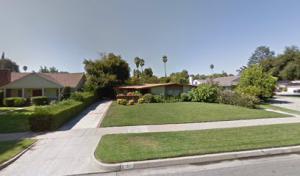
The local market strongly signals reroofing, quick response, and cleanup as homeowner priorities, so contractor selection in Temple City should focus on production discipline as much as price. When you call, note how promptly the crew commits to a start date, how they handle tear-off sequencing, and how they protect landscaping and hardscape during a hot, dusty Santa Ana season. A contractor that arrives with a staged crew and a documented plan for daily site protection usually avoids delays that drive heat-related wear on materials and interior heat transfer.
Temple City homeowners can expect many contractors to market both residential and commercial capability, but the city's common tile and shingle reroofs make experience with tear-off sequencing and site cleanliness especially relevant. Ask for recent jobs with clay or concrete tile and for examples of how they managed debris, venting, and edge treatments on multi-slope rooftops. Check references for how the crew handled material staging, scaffold setup, and wind-driven debris during Santa Ana conditions.
A meaningful share of contractors in this market advertise warranty support and manufacturer certification, which matters more in Temple City when homeowners want documentation that may help with future resale or insurance questions. Request proof of current manufacturer credentials and a clear warranty outline that covers workmanship and underlayment. Confirm who will be the point of contact for post-install concerns and how service calls are prioritized after installation, especially in peak heat months when issues tend to surface.