Last updated: Apr 19, 2026
The central San Gabriel Valley climate creates a consistent pattern: hot, dry summers push exposed components to UV wear, while seasonal Santa Ana winds bring gusts that stress edges and ridges. Clay and concrete tile are common here, and their longevity hinges on how well the underlayment and fasteners hold up under these cycles. Even when the tiles themselves look intact, underlayment beneath can fail first due to rapid heat expansion and contraction, plus relentless sun exposure. If a tile is still structurally sound but the underlayment has degraded, you end up with hidden leaks and a need for more invasive work during a replacement cycle.
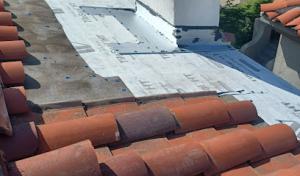
Clay and concrete tiles do a good job shedding heat, but their weight means any movement or settlement translates into stress on fasteners and underlayment. In homes with many decades of tile, the underlayment often bears the brunt of UV damage and age, leading to rips, cracks, or moisture intrusion under tiles that look fine from above. The central valley pattern means this failure is most noticeable after a long dry spell followed by a sudden wind event, when edge tiles shift and reveal vulnerable seams. When replacement decisions are driven by failed underlayment, the goal is to preserve reusable tiles while upgrading the substrate to restore a weather-tight roof without a full tile teardown.
Fall Santa Ana winds are notorious for lifting and shifting edge and ridge tiles. These areas are the first to show movement after a windy spell, because wind pressure concentrates along exposed perimeters. On tile roofs, an active edge problem often signals that the underlayment has already deteriorated enough to allow wind-driven moisture to reach deck material. San Gabriel homes with long-run clay or concrete tile roofs must watch for hairline cracks along ridge lines, loose fasteners at battens, and perched tiles that tattle-tale a larger underground problem. Proactive reseating of edge and ridge tiles, plus reinforcement of fasteners and batten spacing, can prevent a cascade of leaks without sacrificing remaining tiles.
Tile re-roofs in spring or fall are a practical approach to San Gabriel's climate. Spring avoids the wet winter delay and gives crews a clear window to complete underlayment and tile work before the peak heat of summer returns. Fall timing aligns with the tail end of Santa Ana season and reduces the risk of utilities or weather-induced delays during the heavier wind season. The strategy preserves the reusable life of many tiles while allowing for a comprehensive underlayment upgrade, drain clearance, and ridge edge detailing. When planning, coordinate with crews so that material deliveries and deck protection occur during milder days, minimizing heat stress on workers and ensuring better adhesion and curing of underlayment.
After a wind event, inspect the roof for displaced edge tiles, cracked battens, or missing fasteners. San Gabriel homes benefit from a quick, site-level inspection of exposed underlayment near eaves and along ridges, as these are the most telling indicators of heat-wind wear. A targeted maintenance routine-tightening fasteners, reseating loose tiles, and reapplying suitable sealants at penetrations-can extend the interval before a full re-roof is necessary. Regular venting and attic insulation checks help manage interior temperatures, which, in turn, reduces deck deck warming and slows underlayment fatigue. By aligning maintenance with the heat-wind cycle, homeowners keep a tile roof performing well through the most challenging months.
One Faith Roofing & Construction
(866) 733-2320 www.onefaithroofing.com
Serving
5.0 from 14 reviews
With more then 20 years of roofing and construction experience, we are your premier general contractor location serving much of the Los Angeles area of Southern California. Whether you are looking to build a new roof, repair your current roof or add on to your house. We can provide you with the services that you desire. We are general contractors, so we're not just limited to roofing. For a full explanation of what we can do for you fill out the contact form below, call or email us and we will be happy to answer what questions you may have. Thank you for visiting!
El Monte Roofing Contractors
(626) 323-8814 www.elmonteroofingcontractors.com
Serving
5.0 from 46 reviews
El Monte Roofing Contractors provides top-quality roof installation and replacement services for both residential and commercial properties in El Monte CA and the surrounding areas. Our experienced team is dedicated to delivering durable and reliable roofing solutions tailored to your needs. Whether you need a new roof for your home or a replacement for your business, we ensure excellent craftsmanship and customer satisfaction. Contact us today for a free estimate and let us handle all your roofing needs!

Gold Tech Roofing & Exteriors
(626) 900-0757 alhambraroofers.com
Serving
4.9 from 86 reviews
Gold Tech Roofing & Exteriors is a premier provider of top-quality roofing and exterior solutions. With our extensive knowledge and advanced techniques, we deliver outstanding craftsmanship and exceptional results. Whether you need a new roof installation, roof repairs, or exterior renovations, our skilled team is here to meet your needs. We work with a wide range of materials and offer customized solutions tailored to your specific requirements. Count on Gold Tech Roofing & Exteriors for reliable, long-lasting solutions that enhance the beauty and durability of your property.
Classic Roofing
(626) 790-1884 elmonteroofingcontractor.com
Serving
5.0 from 13 reviews
Welcome to Classic Roofing, where craftsmanship meets excellence! Elevate your property with our top-notch roofing services. Our skilled team specializes in Roof Installation, ensuring precision and durability that withstands the test of time. Upgrade your home or business with Roof Replacement, a seamless process that guarantees both aesthetic appeal and structural integrity. Count on us for swift and effective Roof Repair, resolving issues promptly. Explore the modern allure of Metal Roofing or the timeless elegance of Asphalt Shingle Roofing, tailored to your preferences. For commercial needs, our expertise extends to Commercial TPO Roofing. Whether it's New Construction Roofing, Classic Roofing transforms visions into reality.

Woody's Roofing
(818) 583-0850 woodysroofing.com
Serving
4.9 from 184 reviews
Welcome to Woody's Roofing, a beacon of excellence in the roofing industry for over two decades. Our commitment to quality, craftsmanship, and customer satisfaction has solidified our position as a trusted partner for homeowners and businesses. Beyond providing top-tier roofing solutions, we believe in building lasting relationships with our clients, ensuring their properties are not only secure but also aesthetically pleasing.
Ariel Builders Roofing Services
(800) 903-7344 ariel-buildersinc.com
Serving
5.0 from 101 reviews
Ariel Builders Roofing Services provides exceptional roofing solutions to the Pasadena community. We specialize in both residential and commercial projects, offering a full range of services from new installations to expert repairs and maintenance. Our experienced team is dedicated to delivering superior craftsmanship and using high-quality materials, ensuring the longevity and durability of your roof. Trust Ariel Builders for all your roofing needs and experience the difference that professional, reliable service makes.

Superior Roofing Arcadia CA
Serving
5.0 from 13 reviews
Superior Roofing provides professional roofing services in Arcadia, CA, specializing in roof repair, roof replacement, and new roof installation for residential and commercial properties. Our experienced roofers work with asphalt shingle roofs, tile roofing, metal roofs, and flat roofing systems, addressing roof leaks, storm and wind damage, flashing repairs, and aging roofing materials with precision. We focus on durable workmanship, quality materials, and proper installation methods suited for San Gabriel Valley weather conditions. Homeowners and businesses in Arcadia trust Superior Roofing for honest assessments, clear communication, and reliable roofing solutions designed to protect their property year-round.
Family Roofing
(213) 205-0552 montereyparkcaroofing.com
Serving
5.0 from 15 reviews
Family Roofing is your trusted roofing contractor in Monterey Park, CA, dedicated to delivering top-notch roofing solutions for residential and commercial properties. Whether you need roof installation, roof replacement, or expert roof repair, our skilled team ensures quality craftsmanship and long-lasting results. We specialize in metal roofing, asphalt shingle roofing, and durable commercial TPO roofing, tailored to meet your specific needs. From reliable flat roofing to comprehensive new construction roofing services, we bring innovation, efficiency, and professionalism to every project. With Family Roofing, you’re guaranteed exceptional service and peace of mind, knowing your roof is in expert hands. Protect your property today!
Fair Price Roofing
(626) 784-6119 fairpriceroofingelmonteca.com
Serving
4.9 from 37 reviews
Fair Price Roofing is a trusted roofing contractor in El Monte, CA, with over 20 years of experience providing affordable and long-lasting roofing solutions for homes and businesses. We specialize in all aspects of roofing El Monte, CA and nearby including Roof Repair, Roof Replacement, Roof Installation, Roof Coating, Roof Inspection, and Roof Rejuvenation. Our experienced crew works with all major roof types, such as Shingle, Metal, Tile, Slate, Flat, TPO, Rubber, and Cedar, ensuring durability and performance tailored to local conditions. Whether you're dealing with storm damage, leaks, or planning a full roof upgrade, we deliver honest pricing and expert results. Contact Fair Price Roofing today to schedule your FREE estimate.

Overhead Roofing Inc - Pasadena Roofers
(626) 612-1316 overheadroofingca.com
Serving
4.9 from 123 reviews
Looking for reliable roofing in Pasadena? Overhead Roofing CA provides expert residential and commercial roofing services, including roof repair, roof replacement, and roof installation. Our certified Pasadena roofers specialize in flat, tile, and TPO roofing systems built for durability and energy efficiency. With over 25 years of experience, we deliver fast, high-quality roofing solutions across Pasadena and Los Angeles County. Contact us today for a free estimate.
Omega Roofing
(626) 603-5386 arcadiaroofingcompany.com
Serving
5.0 from 10 reviews
Welcome to Omega Roofing, where craftsmanship meets excellence in roofing solutions. Elevate your property with our top-notch services, including precise Roof Installation, seamless Roof Replacement, and swift Roof Repair. Explore the durability of Metal Roofing or the classic charm of Asphalt Shingle Roofing – your vision, our expertise. Our Commercial TPO Roofing ensures businesses stand tall under any weather. For new constructions, trust Omega Roofing's innovation in New Construction Roofing. Need a sleek solution? Our expertise in Flat Roofing has you covered. We aren't just contractors; we are your partners in creating roofs that withstand time and weather gracefully. Choose Omega Roofing for quality that speaks volumes.
Pacific Roofers
(626) 209-8100 pasadenaroofmasters.com
Serving
4.7 from 73 reviews
Pacific Roofers is a trusted roofing company serving the Pacific region with professionalism and expertise. With our skilled team of professionals, we offer a comprehensive range of roofing services for residential and commercial properties. Whether you need roof installations, repairs, or maintenance, we have the knowledge and resources to handle your project efficiently and effectively. We prioritize using high-quality materials and proven techniques to deliver exceptional craftsmanship and durable results. At Pacific Roofers, we are committed to exceeding your expectations and providing reliable roofing solutions that enhance the protection and aesthetics of your property. Trust us for top-notch roofing services tailored to your needs.
You know the fall Santa Ana winds here move fast and dry, and they punish roofs exposed to their gusting power. Lifted shingles, displaced tiles, and loosened flashing can turn a roof into a liability within days. Debris from nearby yards-dry branches, palm fronds, and grit-pummels the surface, abrading sealants and accelerating wear. If you have older clay or concrete tile, you're especially at risk: a misaligned or cracked tile can foster water intrusion behind the underlayment, where heat has already aged the layers. Take a proactive stance: inspect after every strong wind event, look for loose or cracked edge tiles, and confirm flashing around chimneys, vents, and skylights remains firmly bonded. If you see movement, address it before the next wind storm or the next heat spike compounds the damage.
Winter rainfall in the valley tends to arrive episodically rather than as a steady parade of storms, which means leaks often appear suddenly after long dry spells. When that long dry stretch ends, the underlayment has aged in place, and its moisture barrier can fail at weak seams or penetrations. In homes with clay or concrete tile, the tiles themselves may be intact, but the underlayment beneath has become brittle, allowing a drip to start behind the tile layer without an obvious external sign. If you notice damp spots on ceilings after a dry spell ends and a rain event follows, suspect the underlayment and roof penetrations that feed the moisture. Prioritize targeted inspections of valleys, roof-to-wall transitions, and any vent or pipe penetrations where sealants have dried out or cracked.
Spring winds bring new debris into play and expose weak roof penetrations just as you approach the dry season again. After winter rains, debris can lodge in gutters and against flashing, pulling on fasteners and widening small leaks into larger ones. You'll want to clear debris promptly and reassess all flashings and seals around roof protrusions. Pay special attention to tile ridges and hips where wind-driven debris tends to gouge and shift fasteners. If you notice granule loss on asphalt components or any unusual shifting of tiles after a gusty spring event, treat it as a warning sign: weak penetrations and compromised underlayment are likely ready to fail with the next rain.
Keep a close eye on wind-prone days with a quick, rule-based check: walk the perimeter for lifted tiles, loose flashing, and exposed fasteners; inspect valleys and roof penetrations for any gaps; and look for damp patches on ceilings following rains that follow long dry spells. If you spot issues, address them promptly with a targeted repair rather than a full-coverage fix, because hidden damage from heat and wind can escalate quickly. Establish a seasonal cadence: post-wind inspection in fall, post-winter inspection after the first substantial rainfall, and a spring debris check before the next dry cycle begins. This routine helps catch underlayment and flashing problems before they become active leaks during the next Santa Ana or the next heavy shower.
Find local contractors experienced in assessing and restoring roofs after hail, wind, and severe weather events.
El Monte Roofing Contractors
(626) 323-8814 www.elmonteroofingcontractors.com
Serving
5.0 from 46 reviews

In San Gabriel, the heat and Santa Ana wind cycles push tile roofs harder than typical shingle roofs. Tear-off work on tile is more labor intensive because tiles must be carefully removed, stored, and re-laid to avoid breakage. If the existing roof is clay or concrete tile, the project will likely need additional labor for tile handling and precise reinstallation, which can drive up both time and material waste. This matters most on homes with long-lived tile assemblies, where the cost picture leans toward replacement scenarios rather than a quick overlay. When planning, expect tile-related contingencies to show up as higher daily crew costs and more material spoilage allowances.
Older homes in this area frequently feature chimneys, long valleys, and multiple penetrations. Each flashing detail or penetrated joint adds complexity and potential risk of leaks during re-roofing. The underlayment in these homes may also have seen cycles of sun exposure and wind that shorten its life, especially under heavy tile coverings. If underlayment must be replaced, you're looking at additional square footage of labor and material-tar paper or synthetic layers, plus coverage around fasteners. Factor in extra hours for sealing around chimneys and along valleys, where improper flashing can lead to costly callbacks after a wind storm or a rare heavy rain event.
Seasonal demand in this market tightens both schedule and pricing after wind events and just before winter rains. The preferred replacement windows tend to be spring and fall, when temperatures are milder and the risk of mid-project weather dips is lower. If a wind event has recently occurred, expect higher bids for tear-off, tile handling, and possible re-securing of existing roof structures. You'll often see a ripple effect: a few days' delay can shift crew availability and truck time, nudging total costs upward. Planning ahead within those windows helps keep both materials and labor pricing steadier.
Given the tile-heavy landscape, your budgeting should emphasize tile-capable materials when a full replacement makes sense. Clay tile replacements typically land in the higher end of the range, while concrete tiles offer a mid-to-upper tier option with similar installation demands. Synthetic or composite options may reduce some weight and handling complexity, but still require careful detailing around penetrations and underlayment. Across the board, expect tear-off, tile handling, flashing, and underlayment replacement to be the dominant cost drivers, with labor time scaling up for chimneys and valleys. Adjust your expectations to reflect these San Gabriel-specific factors rather than generic roofing cost calculators.
A full re-roof in San Gabriel typically requires a building permit issued by the City of San Gabriel Building & Safety. Before any shingle, tile, or membrane is removed, you should confirm with your contractor that the permit has been pulled and that the project plan meets local codes. The permit process is not a formality to gloss over-missing or delayed permits can halt work mid-site, leave you exposed to fines, and complicate any future sale or refinancing. Gather the details early: plan reviews, expected start dates, and who will be the point person for city communications. If a neighborhood or HOA review applies, address that in parallel to avoid conflicts or rework.
Inspections in this city are structured to keep roofs safe and weather-ready for Southern California cycles. Roofing staging, installation, and final sign-off are commonly included, with scheduling handled through the city permit counter. Coordinate with your contractor to lock in a clear sequence: staging and safety compliance first, then the actual installation, followed by a final inspection. The calendar can be tight, especially in spring and fall when Santa Ana winds can push projects to strict timelines. Keep a buffer for rain or heat-related scheduling pauses, and ensure backup access for inspectors on the day of each check.
Local inspections may specifically note underlayment, flashing, and roof venting details, so homeowners should confirm those items are in the contractor scope before work starts. Expect inspectors to verify that underlayment is appropriate for San Gabriel's heat and wind profile, that flashing around chimneys, valleys, and roof penetrations meets current standards, and that attic ventilation and venting pathways are not obstructed. If the job includes tile or clay components, pay particular attention to flashing transitions and fastener patterns, since improper details here can lead to membrane failures or water intrusion after the first Santa Ana gusts. Documented compliance on these points helps protect you from costly callbacks and rework down the line.
Before the crew pulls the first shingle, confirm with the contractor that all required items-underlayment type, flashing kits, venting placement, and any local addenda-are covered in their scope. Keep a single point of contact for the permit counter, and maintain open lines with the inspector's office for any updates or weather-related rescheduling. If you fail to align these pieces, the city's review can drag on, and you may face days of downtime or rework when the inspection standards reveal gaps. A careful, proactive approach today reduces the risk of moisture issues and wind-driven damage tomorrow.
The California insurance market has tightened in recent years, and carriers listening to the San Gabriel Valley climate are paying closer attention to roof age, condition, and any upgrades that might reduce risk. For homeowners with long-lived clay or concrete tile, this means insurers may scrutinize the roof as a sign of overall resilience, especially when Santa Ana winds or heat waves push tiles, underlayment, and flashings to their limits. As a result, even a well-maintained tile roof can become subject to stricter underwriting or more frequent documentation requests if the history shows wear, leaks, or prior repairs. The reality is that the way the roof has aged in your local Santa Ana-influenced cycles matters as much as the present condition.
Wildfire risk is a factor that travels across Southern California underwriting, and San Gabriel homes with clay and concrete tiles find themselves in a context where insurers look beyond the obvious wind damage. Elevated heat, radiant southern exposure, and ember exposure on older neighborhoods can tilt risk calculations. In practical terms, that means existing roofs-especially those with damaged or missing tiles, degraded underlayment, or compromised flashing-may prompt more conservative coverage reviews. The consequence is that documentation and proof of ongoing maintenance can influence whether a policy remains in force or what terms appear on renewal notices.
When damage occurs, timing and clarity matter. Insurers commonly request photos that show tile displacement, flashing damage, and any interior evidence of leaks, along with contractor notes and replacement-cost information. In San Gabriel, where tile roofs dominate historic districts and enduring neighborhoods, having an organized record helps. Take clear photos of dislodged or cracked tiles, exposed underlayment, and signs of water intrusion in ceilings or walls. Keep contractor findings on file, including notes about the condition of sealants, roof deck integrity, and any reinforcing measures taken after wind events. This practice not only speeds claim handling but also provides a factual trajectory of roof performance through seasons of intense heat and wind.
Maintain a simple, up-to-date file that pairs recent inspections with visible roof conditions. After a wind event or heat spike, photograph the roof from multiple angles, noting areas with flashing gaps or tile gaps. Document any interior leaks promptly, even if they seem minor. When selecting a contractor, ask for a written assessment that highlights tile integrity, underlayment wear, and any aging components that might affect future claims. By keeping clear, localized records tailored to the San Gabriel climate, homeowners reduce ambiguity for insurers and improve the chances of a straightforward, timely resolution after weather-related incidents.
Tile remains especially relevant in San Gabriel because it fits the area's architectural styles and performs well in the long dry season when maintained properly. Clay tile and concrete tile tend to keep interior spaces cooler during hot Santa Ana days, and their heavier weight helps resist wind uplift from those seasonal gusts. Long-lived clay and concrete roofs pair nicely with the traditional Mission and Spanish-influenced exteriors common on older homes, making replacement timing predictable when tiles show cracked faces or inconsistent seals. If you already have tile, focus on mortar joints, flashing integrity, and the underlayment beneath the tiles, since heat and wind can stress those layers even when visible tiles look sound. Regular inspections after peak Santa Ana winds catch issues before they propagate to the decking or sheathing.
Asphalt systems in this market face faster aging from prolonged summer heat and UV exposure than tile systems, making material choice a major lifespan decision. In San Gabriel's climate, you'll notice accelerated granule loss and surface crazing on asphalt roofs that endure multiple hot seasons without proactive maintenance. If you must choose asphalt, opt for a higher-quality shingle with better UV resistance and ensure proper attic ventilation to temper heat transfer. Even with durable asphalt, plan for more frequent viewing of flashing seals and pipe penetrations, especially around older homes where nail and shingle voids can open with thermal cycling.
Metal roofing and synthetic or composite shingles offer distinct wind-handling benefits in Santa Ana-prone bouts of wind. Metal tends to shed heat quickly and resist impact, but fasteners and sealants require periodic checks as metal expands and contracts with heat. Synthetic or composite shingles provide a lighter option that still performs well in heat and wind when installed with attention to expansion joints and adequate underlayment. For all these systems, a thorough assessment of underlayment condition and proper attic ventilation is essential to maximize longevity in this climate.
San Gabriel has a mix of older residential and commercial buildings, so low-slope sections, patio covers, additions, and porch roofs are common leak points even on otherwise pitched homes. Heat cycling and Santa Ana winds push materials to their limits, making these areas the first to show wear after hot summers and sudden gusts. The combination of sun, drying sealants, and flashing movement means trouble often starts where the roof meets the living space or outdoor spaces.
Start with the sections that run parallel to the eaves or form patios and additions. In many older homes, these areas have less slope and fewer positive drainage paths, which means standing water can linger after winter storms. Look for pooling near skylights, door and window flashed openings, and transitions where a roof deck meets a parapet or wall. In San Gabriel's heat, these joints dry out faster, making it easier for sealants to crack and flashing to shift.
Skylights are frequent trouble spots because repeated heat cycling dries sealants and exposes flashing weaknesses. Check the perimeter of each skylight for hairline cracks in the sealant bead and for any deck flashing that has pulled away from the curb. Chimneys create additional stress where mortar joints and flashing intersections meet the roof plane; look for loose or cracked counter-flashing and gaps at the base. Roof-to-wall transitions on older homes often rely on aging step and continuous flashing that can fail under wind uplift. Pay attention to any water staining along the wall inside the attic near these transitions.
Short, intense winter rain events tend to reveal drainage and flashing defects on low-slope areas quickly. After a storm, check for damp spots or damp-looking decking around low-slope sections, especially near skylights, chimneys, and transitions. If water enters during these bursts, trace the path back to where the water first appears-often right at a close-to-flat run or a poorly sealed seam rather than at the most obvious leak point.
Walk the roof with a flashlight and a partner during daylight after a dry spell, focusing on low-slope areas, patio covers, and porch roofs. Inspect the edge detailing where membrane laps, seams, and flashing meet other materials. Push gently on flashing at skylights and chimneys to detect loose sections. If the roof has visible wear-shrinkage, cracks in sealant, or lifted flashing-mark the locations for repair or further assessment. For safety, use a stable ladder and avoid walking on steep pitches or compromised coping.
Find specialists in TPO, EPDM, and built-up flat roofing systems for residential and commercial properties.

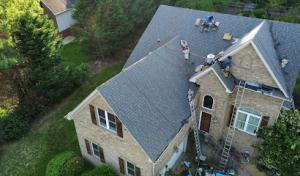
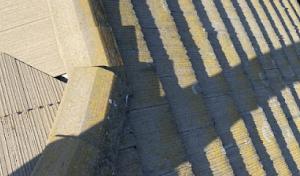
In sunny San Gabriel, homeowners considering rooftop solar should evaluate roof age before installation so they do not have to remove panels for a near-term re-roof. Tile roofs are common in this area, and that means careful coordination between roofers and solar installers to avoid broken tiles and flashing issues around mounts. The heat-and-wind cycle can stress underlayment and flashings, so timing your solar with a potential re-roof matters more here than in milder climates.
Start by assessing the current roof condition with a trusted tile specialist. Look for cracked, chipped, or displaced tiles, and have the underlayment inspected for signs of wear, delamination, or moisture intrusion. If the underlayment is nearing the end of service life, plan for a re-roof so the new solar array sits on a solid, long-lasting base. A mid-life re-roof on older tile systems can prevent a retrofit of mounting hardware and flashing later on, which saves headaches from wind-driven debris and heat exposure.
Coordinate scheduling early with the solar installer and the roofing crew. Tile latents are vulnerable to breakage during panel mounting and rack installation. Ensure the installer uses a tile-compatible racking system and works with a roofer who understands how to minimize tile distress-especially on curved or barrel tiles typical of older Southern California homes. Pre-seaming the roof for flashing around penetrations helps reduce the risk of leaks where mounts meet tile edges.
Plan for wind-driven events when choosing a re-roof window. If a Santa Ana season looms, you may want to align solar installation with a proposed re-roof so that panels once placed do not have to be removed for flashing upgrades or tile replacement due to wind uplift. Finally, maintain a clear, written plan that spells out sequences, responsibilities, and contingencies so the re-roof and solar installation progress smoothly, without double work or tile damage.
Find contractors who integrate solar panels or solar shingles into your roof for long-term energy savings.