
Last updated: Apr 19, 2026
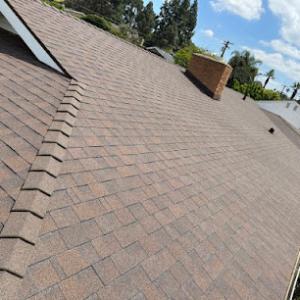
Moreno Valley's hot summers act like a constant sunlamp on asphalt shingles. The intense heat speeds up oxidation, makes the granules shed faster, and can push aging curves sooner than in cooler climates. If a roof already shows waviness, curling edges, or granule loss after a few summers, heat exposure is a primary lifespan factor to consider when planning a reroof. This is not just about the yellowing look-shingles become more brittle, and sealants can lose adhesion faster under relentless sun. A practical takeaway is to assess the roof after the single hottest month of the year and compare it to how it performed in the prior year. That gives you a clear read on whether heat-driven aging is accelerating need for replacement rather than minor repair.
Spring and fall sit as the most reliable windows for reroof projects in this climate. The goal is to avoid the peak summer heat that can soften asphalt and slow work, and to dodge winter rain delays that interrupt scheduling. If you're coordinating with a contractor, target installation start dates when the days are comfortably warm but not scorching, and finish before the intensity of July arrives. In fall, aim for completion before the first serious heat spike, and in spring, before May temperatures push work into a different rhythm. Planning ahead for these seasons helps keep the roof installation on pace and reduces the risk of heat-related delays.
Extreme summer heat in this area can slow crews as they handle shingles and underlayment, and it can affect material handling on active reroof projects. Shingle bundles may feel stiffer in the early morning heat, fasteners can heat up quickly, and ladder work becomes more strenuous. Expect longer lunch breaks, more shade breaks, and tighter scheduling around the sun's peak hours. A practical approach is to schedule the most demanding tasks-such as stripping existing roofing, aligning starter courses, and securing ridge lines-during the cooler parts of the day. If a project must run during hotter periods, build in additional cooling time for crews and consider temporary shade structures or misting fans at the job site to keep temperatures manageable and protect adhesive performance.
Begin by lining up a clear install plan with your contractor that addresses the local heat cycle. Ensure the schedule includes buffer days for hot spells and potential delays caused by heat-related material handling issues. Review the roof's ventilation and attic insulation as part of the reroof scope; better venting reduces underside heat buildup and can prolong the new roof's life. If you live in a home with tile or clay underlayment, confirm that the chosen system and fastener pattern are compatible with heat expansion expectations. When talking about products, select shingles and underlayment known to perform well under high UV exposure and fluctuating daytime temperatures. A well-ventilated attic, proper nailing patterns, and correct overhangs help the new roof resist heat-driven wear.
If spring or fall fits your calendar, set a firm installation target that avoids the hottest weeks. Even with careful timing, a few hot spell days can slip into a project window, so build a contingency plan with your crew-extra crew on the busiest days or a slightly longer day schedule to keep pace without forcing the team into unsafe conditions. In the heat, you may notice the pace slows; count on that and plan inspections and warranty walkthroughs after the roof is fully sealed and the attic has had a chance to settle before the peak heat returns. This approach helps ensure the new roof starts strong against the season-long stress of Moreno Valley's sun.
Clay tile and concrete tile are both dominant roofing materials in this area, making tile-specific replacement and repair decisions unusually important. The heat peaks put extra stress on tiles, fasteners, and the underlayment, so the priorities here lean toward preserving the integrity of the tile system as a whole. When you're choosing between premium reroof options, you'll often be weighing clay tile, concrete tile, and more economical asphalt systems. In Moreno Valley, the decision isn't simply about appearance; it's about long-term performance under intense sun, radiant heat, and the occasional heavy valley rain. Recognize that tile roofs require attention to both the tiles themselves and the supporting structure beneath.
In this climate, heat aging shows up as cracked or chipped tiles, lifted edges, and broken ridge or hip tiles after heavy sun exposure or a wind event. Priorities go to the condition of the tile surface, the integrity of the flashing at valleys and vents, and the attachment of the roof deck above living spaces. Concrete tiles tend to be heavier and more brittle over time, while clay tiles can perform remarkably well but may require careful matching when replacements are needed. The underlayment and roof deck need to be well protected from radiant heat and thermal expansion. A detailed inspection should verify that fasteners and grid patterns are intact, that there are no hidden gaps where water could seep, and that valley and eave details shed water efficiently during spring storms.
Proper ventilation is essential for tile roofs in this area because heat buildup accelerates wear on underlayment and nails, and can lead to warping of the deck. Prioritize ensuring adequate attic ventilation and addressing any signs of trapped heat near the attic or behind ceiling eaves. A well-ventilated space reduces attic temperatures, which in turn slows the aging of the tile and the underlayment. If you notice recurring heat-related issues-condensation in the attic, peeling paint around soffits, or warped decking-consider upgrading soffit vents, adding ridge vents, or rerouting intake air to improve airflow. These improvements can extend the life of both clay and concrete tiles and help protect the roof's waterproof barrier.
With tile roofs, the likelihood of water intrusion near flashings is higher if tiles are cracked or displaced. Prioritize replacing broken or spalled tiles promptly to prevent moisture from reaching the deck. Check sealants around penetrations-vent pipes, chimneys, and skylights-for cracks or drying out. In Moreno Valley's climate, seasonal rains can converge with heat-driven expansion and contraction, so ensure that sealants and flashing are designed to accommodate movement without cracking. Replacing damaged sealant and ensuring proper alignment of tiles at hips and ridges will reduce the risk of leaks during storms.
The local contractor market shows especially strong tile specialization, with tile roofing standing out as one of the most prevalent specialties in Moreno Valley. When discussing premium reroofs, you'll likely compare clay tile and concrete tile against asphalt options. Look for installers who can demonstrate a track record with tile-specific fasteners, underlayment choices optimized for heat, and guidance on groutless versus grouted tile systems. Your choice should reflect not only aesthetics but the roof's dynamic response to Inland Empire heat, wind, and occasional heavy rains. A well-planned tile project in this market sets a foundation for reliable performance through many seasons.
Find contractors who specialize in clay and concrete tile roofs, known for their durability and curb appeal.
J & R Elite Roofing - Moreno Valley
(951) 902-3258 jnreliteroofing.com
12834 Winterberry Way, Moreno Valley, California
5.0 from 52 reviews

Cloud Nine Roofing & Construction
(951) 385-8011 www.cloudnineroofing.com
24593 Morning Glory St, Moreno Valley, California
5.0 from 46 reviews
AFFORDABLE ROOFING for all
(909) 272-4622 www.affordableroofing4all.com
12942 Winterberry Way, Moreno Valley, California
5.0 from 37 reviews
J & R Elite Roofing - Moreno Valley
(951) 902-3258 jnreliteroofing.com
12834 Winterberry Way, Moreno Valley, California
5.0 from 52 reviews
At J & R Elite Roofing, located in Moreno Valley, we offer top-quality roofing services for residential and commercial clients. Our specialties include TPO/PVC, shingles, tile, torch, and hot mop roofing. We proudly serve all of the Inland Empire, Orange County, and Los Angeles County, providing quality repairs and complete reroofs. With a commitment to excellence, we aim to surpass client expectations with every project. Contact us today for a free roofing quote!

Cloud Nine Roofing & Construction
(951) 385-8011 www.cloudnineroofing.com
24593 Morning Glory St, Moreno Valley, California
5.0 from 46 reviews
At Cloud Nine Roofing and Construction, we specialize in top-tier residential and commercial roofing services across Southern California. Whether you need roof repairs, replacements, or installations, our skilled team delivers exceptional craftsmanship using high-quality materials. From asphalt shingles to tile roofs and flat commercial systems, we've got you covered. With decades of experience, prompt service, and a commitment to customer satisfaction, we ensure your roof is built to last. In addition to roofing, we offer expert painting, drywall, concrete, carpentry, and landscaping services to complete your project needs. Call today for a free estimate! Licensed, bonded, and insured.
AFFORDABLE ROOFING for all
(909) 272-4622 www.affordableroofing4all.com
12942 Winterberry Way, Moreno Valley, California
5.0 from 37 reviews
RESIDENTIAL ROOF EXPERTS AND CERTIFIED COMMERCIAL ROOF COATINGS licence# 1134429 insured and bonded
Golden Hill Roofing Company
(951) 842-6584 goldenhillroofingcompany.com
24060 Alessandro Blvd, Moreno Valley, California
4.9 from 51 reviews
Are you looking for a reliable local roofing company with the highest quality services? Look no further than Golden Hill Roofing Company! Our family owned business has been happily serving customers for years, meaning you can trust that you're getting top-notch services for all your roofing needs. From fixing small cracks and holes to full roof installations, we can do it all. Nothing is too challenging for us. Our team of highly trained and experienced roofers are always prepared to deliver excellence. We take great pride in giving our customers the best experience possible when it comes to our services.
Tip Top Roofing
(951) 485-4080 www.tip-toproofing.com
26589 Ironwood Ave, Moreno Valley, California
4.4 from 28 reviews
Tip Top Roofing is a reliable roofing company in Southern California, providing expert residential, commercial, industrial, and HOA roofing services. As a licensed and insured roofing contractor in Moreno Valley, CA, since 1997, we deliver top-quality workmanship and ensure client satisfaction on every project. Locally owned and operated, we work with a wide range of roofing brands and types. Count on our experienced team for durable, efficient roofing solutions. Call Tip Top Roofing today to schedule your consultation and protect your property with confidence.
Midyette Roofing & construction
24701 Patrician Ct, Moreno Valley, California
2.5 from 8 reviews
"LICENSED BONDED AND INSURED… COMMERCIAL* RESIDENTIAL* NEW ROOFING * RE-ROOFING *REPAIRS MODIFIED BITUMEN SYSTEMS ELASTOMERIC COATING EPDM RUBBER SYSTEMS ALUMINUM COATING BULIT-UP SYSTEMS / HOT TAR & GRAVEL TEAR-OFFS & OVERLAYS METAL ROOF RESTORATION PREVENTATIVE MAINTENANCE ALL TYPES OF CONSTRUCTION SUCH AS. ROOM ADDITIONS.. RENOVATIONS.. CONCRETE .. ETC. DECK WATERPROOFING PRESSURE WASHING ASPHALT DRIVEWAYS SIDING. FLOORING. DRYWALL! FREE ESTIMATES *SERVING ALL OF SO. CALIFORNIA CALL US TODAY! (951) 877-9946
Veirs Kluk Roofing
(951) 781-9999 www.veirsklukroofing.com
Serving
4.9 from 38 reviews
3rd Generation Commercial and Residential Roofing Contractor Service the state of California! We specialize in New Tile, Lift and Relay, Shingles, Single Ply, APP Torch Down, Reinforced Coating systems, TPO, and Roof Maintenance.
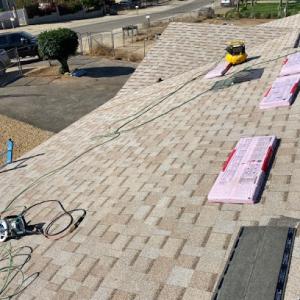
Mezas Roofing
Serving
4.7 from 12 reviews
Licensed Roofing Contractor! Serving all of the IE, Orange County and LA Area. Free Estimates! We offer labor warranty for free!
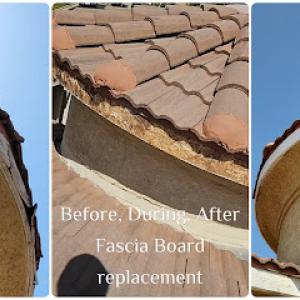
All Pro Roofing
(833) 477-6626 www.allproroofingca.net
Serving
5.0 from 21 reviews
Navigating roofing issues can be stressful, from leaks to damage needing urgent repair. In San Bernardino, CA, and the surrounding areas, All Pro Roofing emerges as a beacon of reliability in this turbulent world. With 35 years of personal industry experience, we excel in pinpointing and resolving roofing dilemmas without unnecessary charges or subcontracting. Our comprehensive management and skilled crew ensure each project is executed flawlessly, offering you not just repairs, but a lasting investment in your property's value and safety.
Atlas Roofing
(818) 536-7661 atlasroofingpro.com
Serving
5.0 from 63 reviews
Atlas Roofing is a veteran-led, licensed, and insured roofing company proudly serving Los Angeles, San Francisco, San Diego, and Portland. We specialize in residential and commercial roofing, offering services such as new roof installations, repairs, maintenance, and custom rooftop decks. Our commitment to quality craftsmanship and customer satisfaction is backed by flexible financing options and comprehensive warranties. With a diverse selection of premium materials—including shingles, tiles, and flat roofing systems—we tailor solutions to meet your aesthetic and budgetary needs. At Atlas Roofing, we stand behind our work, ensuring your property is protected with durable, high-quality roofing solutions.
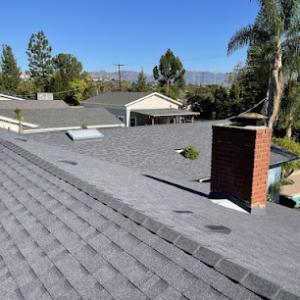
Mercer Roof & Leak Repairs
(909) 497-2697 mercerroofleakexperts.com
Serving
5.0 from 17 reviews
Mercer Roof & Leak Repairs provides fast, reliable service to protect your home or business from water damage. Our team specializes in finding and fixing roof leaks, repairing storm damage, and restoring your roof’s strength with durable materials. We focus on quick response, skilled workmanship, and clear communication, making the process smooth and worry-free. When leaks or damage threaten your property, Mercer Roof & Leak Repairs is the trusted choice for dependable solutions.
Berry Roofing & Solar
(951) 905-5116 www.berryroofing.com
Serving
4.8 from 230 reviews
Since 1994, Berry Roofing & Solar has provided residential and commercial roofing services across Riverside, San Bernardino, and Orange County. We specialize in composition shingles, clay and concrete tile roofs, and low-slope systems, including TPO and Owens Corning Deck Seal. Our licensed and insured crews perform roof replacements, commercial reroofs, and clean, efficient installations using premium materials and proven systems. Family-owned, Owens Corning Preferred, and GAF certified, we offer manufacturer-backed roof system warranties along with workmanship warranty coverage. Proudly serving Riverside, San Bernardino, Rancho Cucamonga, Ontario, Chino, Corona, Murrieta, Irvine, San Clemente, and nearby cities.
When the season turns wet, Moreno Valley roofs face a real risk: rain can delay tear-off schedules and leave exposed deck boards vulnerable to moisture. If a reroof is underway and the plywood or OSB is exposed, even a brief shower can saturate the decking, creating long-term rot and mold trouble. You need a plan for rapid tarp and temporary coverups, plus an alternate staging area that keeps materials off any wet surfaces. Have a pro on standby who can shift from tear-off to rapid dry-in if storms roll in. If rainfall is forecast during a project, insist on a moisture-dreading sequence: cover the stack, cover the exposed decking, and set up quick-dry airflow to limit water intrusion. Don't let a mid-winter shower become a costly setback; time your project windows to minimize exposure and confirm a backup plan for wet days.
Autumn winds in this area can complicate debris control and jobsite staging, especially during active tear-offs and emergency dry-ins. Dust, sand, and shingle fragments ride on gusts, carrying debris toward yards, pools, and neighboring homes. Before starting, establish a wind contingency: secure all loose debris controls, use tighter segs for tear-off areas, and set a planned wind break for where material piles up. Communicate a clear boundary for where windy debris can travel, and have a lightweight, easily deployable tarp system ready to cap edges on short notice. If a storm window appears, a rapid dry-in becomes a priority-timelines compress, and every hour saved on securing materials translates into less risk of wind-driven damage or reopened leaks after a gust picks up edge shingles.
The local market has a notably high concentration of emergency repair and storm-damage contractors, indicating homeowners here frequently seek rapid leak response after weather events. If a leak starts, do not wait for a full assessment under leaky conditions. Start with a temporary measure: seal the active drip area with a roofing tarp or heavy-duty plastic, remove any slippery debris, and create a dry zone inside the attic to reduce interior damage. Contact a trusted emergency crew who can arrive with protective gear, a portable pump, and fast-drying equipment. From there, prioritize a swift dry-in to protect insulation and interior finishes, then schedule a precise tear-off plan that minimizes decking exposure during upcoming weather shifts. In the aftermath of a rain event, keep communication tight with the contractor: document leaks with photos, note the time of rainfall, and confirm the next available dry-in window. The faster you mobilize, the smaller the chance of interior warping, staining, or mold growth. In Moreno Valley, timing is everything-prepare for sudden weather shifts and align your response with the nearby pool of rapid-leak specialists who know how to work within our unique climate patterns.
When you can't wait, these contractors offer fast response times to stop leaks and prevent further damage.
J & R Elite Roofing - Moreno Valley
(951) 902-3258 jnreliteroofing.com
12834 Winterberry Way, Moreno Valley, California
5.0 from 52 reviews
Cloud Nine Roofing & Construction
(951) 385-8011 www.cloudnineroofing.com
24593 Morning Glory St, Moreno Valley, California
5.0 from 46 reviews
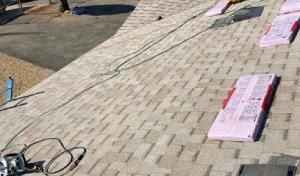
Typical Moreno Valley reroof pricing runs about $350-$700 per square for asphalt shingles, $700-$1100 for metal, $900-$1700 for clay tile, $800-$1500 for concrete tile, $600-$1000 for wood shingles or shakes, and $500-$900 for synthetic or composite shingles. These figures are per square (100 square feet) of roof area, which helps you compare bids on an apples-to-apples basis. In practice, most tract homes end up in the middle of those ranges, with higher quotes when venting, flashing, or roof deck repair is needed.
Costs in Moreno Valley are strongly shaped by the city's heavy use of tile systems, which generally place reroof budgets above basic asphalt projects. Clay and concrete tiles bring higher material and labor costs, plus longer installation times, and they demand experienced crews who can handle the weight, moisture considerations, and proper underlayment. If your home already has tile, expect bids to reflect tile removal, underlayment replacement, and sometimes reinforcement of the roof structure. If you're weighing options, synthetic or composite shingles can offer meaningful savings while still delivering a long service life in heat, but they won't mimic the curb appeal and weight characteristics of real clay or concrete tile.
Project timing can affect local pricing because winter rain interruptions and summer heat slowdowns can change labor efficiency and scheduling. El Niño years or heavier-than-normal rainfall can push crews into tighter windows, which may lift bids slightly. Summer heat also slows crews and can extend the project timeline, especially for tile work where working conditions are grueling. For the most favorable pricing, plan reroofs in the shoulder seasons-spring or fall-when temperatures are milder and crews are more available, reducing the chance of weather-induced delays that inflate costs.
If you're prioritizing the lowest upfront price, asphalt shingles remain the most economical play, typically around $350-$700 per square. For longer life with a metallic look and higher wind resistance, metal roofing runs $700-$1100 per square but may save you in maintenance over time. Tile options (clay or concrete) start higher and track toward $900-$1700 or $800-$1500 per square, respectively, reflecting their durability and the labor intensity of installation. Wood shingles or shakes sit around $600-$1000 per square, offering a distinct appearance with a lighter load than tile but more maintenance. Synthetic or composite shingles sit between $500-$900 per square, balancing cost with heat resistance and decent longevity in this climate.
Set aside a cushion for seasonal scheduling impacts and material substitutions. If you can time the project for spring or fall, you can usually keep labor costs steadier and potentially avoid peak-summer heat delays. With the heavy emphasis on tile in this area, prioritize bids that clearly break out tile removal, underlayment, and roof deck considerations so you aren't surprised by hidden expenses later on.
Explore specialists in steel, aluminum, and standing seam metal roofs built to last 50 years or more.

Tip Top Roofing
(951) 485-4080 www.tip-toproofing.com
26589 Ironwood Ave, Moreno Valley, California
4.4 from 28 reviews
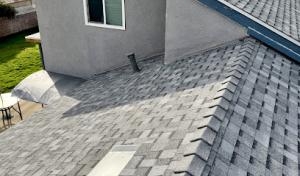
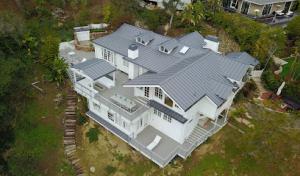
A full reroof in Moreno Valley typically requires a permit issued through the City of Moreno Valley Building & Safety division. This step exists not to complicate the project, but to ensure the heat-stressed roof assemblies are installed to current code and that the underlayment and ventilation meet local climate needs. If a contractor suggests skipping the permit, pause and verify the plan with Building & Safety. The permitting process helps protect you from hidden leaks, improper venting, or premature failure after a few hot seasons.
Moreno Valley reroof projects usually involve required inspections that include a rough or underlayment stage and a final inspection. The rough/underlayment check is critical when temperatures swing between searing days and cooler nights, because moisture management and ventilation can be more vulnerable under extreme heat. The final inspection confirms that proper step flashing, valley installation, and ridge venting are in place and that all components align with the approved plan. Schedule these inspections early in the project timeline to avoid delays that linger through spring or fall weather transitions.
Licensed roofing contractors commonly pull the permit for the homeowner, but you still need to be the one who signs off on the scope and any plan notes. Make sure the permit application clearly lists materials, underlayment type, flashing details, and attic ventilation strategy. Keep copies of all inspection approvals, as these documents become part of the home's repair history and can influence future resale or insurance considerations. If an unexpected issue arises-like a discrepancy between the installed underlayment and the plan-address it promptly with the contractor and Building & Safety to prevent rework that can stretch into peak heat periods.
Because Moreno Valley experiences intense summer heat, scheduling a reroof for spring or fall helps minimize heat-related workmanship delays and helps ensure adhesive-backed materials cure correctly. If a project overruns into high-temperature weeks, coordinate with the permit office and contractor to adjust inspection windows without compromising the essential sequence of rough, final, and any supplementary checks. This careful timing reduces the risk of hot-season interruptions that could extend the project well beyond the planned completion date.
After a wind, hail, or wildfire event, claim activity can spike in this area, as many homes show sudden, visible damage on the rooftop. That uptick can push replacement timing back if contractors are booked or insurance adjusters are tied up. Being prepared helps avoid a lengthy wait during peak stress periods.
California insurers often require detailed documentation, including before-and-after photos and notes from a professional assessment. Gather clear images of hail strikes, wind lift, or material deterioration, plus any pre-existing conditions you notice. Your records should tell a straightforward story of what existed before and what exists after the event and subsequent work.
After damage is identified, the path from discovery to approval can hinge on how well documentation aligns with policy expectations. In this climate, extreme heat accelerates aging of asphalt and other roofing materials, which can complicate claims if pre-event photos are vague or missing. A well-documented file helps reduce back-and-forth with the carrier.
Statewide insurance pullbacks and changing policy options in California can influence how quickly homeowners move from damage discovery to approved replacement. That slow lane can be frustrating when summer heat concentrates roof wear and minor defects into urgent problems. Consider how policy timelines intersect with warm-season installation windows, and plan accordingly.
Coordinate promptly with a trusted local contractor who understands the pattern of heat-driven aging and can provide targeted documentation for the insurer. Keep a consistent photo log, note any seasonal timing constraints, and communicate openly about weather windows that minimize installation delays. The goal is to align damage acknowledgment with a practical, safe roof replacement plan.
Connect with contractors who help homeowners navigate the claims process from damage assessment to final approval.
Cloud Nine Roofing & Construction
(951) 385-8011 www.cloudnineroofing.com
24593 Morning Glory St, Moreno Valley, California
5.0 from 46 reviews
AFFORDABLE ROOFING for all
(909) 272-4622 www.affordableroofing4all.com
12942 Winterberry Way, Moreno Valley, California
5.0 from 37 reviews
Golden Hill Roofing Company
(951) 842-6584 goldenhillroofingcompany.com
24060 Alessandro Blvd, Moreno Valley, California
4.9 from 51 reviews
Although pitched residential roofs dominate the area, the local contractor market shows meaningful demand for flat or low-slope roofing work. Flat and low-slope systems stored on many tract homes in the Inland Empire region must handle intense heat and rapid dry-out, so material compatibility and drainage planning are essential. When evaluating a flat or low-slope roof, you'll want to confirm proper slope for drainage, a durable base membrane, and a robust flashing detail around parapets and transitions. In hot spells, pay attention to heat-age indicators like edge blistering or accelerated granule loss on modified bitumen and single-ply membranes, and plan for upgraded insulation and venting to maintain energy efficiency.
Skylight-related roofing work is common enough in the local contractor base to merit separate planning during repairs and reroofs. Before replacing a roof, verify the integrity of sealant joints, curb flashings, and curb-to-roof connections. In a climate with afternoon heat spikes, skylight openings must be carefully resealed to prevent heat transfer, condensation, and wind-driven leaks. If a skylight is older or difficult to flash reliably, consider upgrading to a higher-performance sealant system or a venting skylight option. Ensure any curb or deck integration is compatible with the chosen roofing membrane to avoid pressure points that can fail in high temperatures.
Solar-integrated roofing appears as an active specialty in this market, so roof replacement planning often overlaps with existing or future solar decisions. When scheduling a reroof, coordinate with solar contractors to align deck integrity, penetrations, and flashing details with panel mounting as needed. Evaluate whether a hybrid approach-maintaining a strong, heat-resistant roof deck while upgrading to solar-ready hardware-offers the best long-term performance. Ensure roof penetrations for mounting rails and conduit routes are planned to minimize penetrations through critical waterproofing layers.
Heat stress accelerates aging for asphalt, tile, and membrane options alike. For flat sections, prioritize membranes with high solar reflectance and robust UV resistance, and couple them with appropriate insulation to maintain indoor comfort during peak heat windows. For any skylight or solar integration work, confirm that flashing and sealants are rated for prolonged sun exposure and red-hot roof conditions typical during Moreno Valley summers. Proper attic ventilation and radiant barriers remain valuable to extend the life of any flat or low-slope roof assembly.
Find specialists in TPO, EPDM, and built-up flat roofing systems for residential and commercial properties.
Cloud Nine Roofing & Construction
(951) 385-8011 www.cloudnineroofing.com
24593 Morning Glory St, Moreno Valley, California
5.0 from 46 reviews
AFFORDABLE ROOFING for all
(909) 272-4622 www.affordableroofing4all.com
12942 Winterberry Way, Moreno Valley, California
5.0 from 37 reviews
Tip Top Roofing
(951) 485-4080 www.tip-toproofing.com
26589 Ironwood Ave, Moreno Valley, California
4.4 from 28 reviews
In this market, homeowners commonly seek reroofing projects that lead to full replacement or major renewal rather than niche repairs. When screening contractors, expect conversations to revolve around asphalt shingles, tile, or metal systems-not minor patchwork. The right team will describe a clear plan for removing and disposing of old roofing deck material, timelines that respect Inland Empire heat, and a realistic approach to handling multiple layers if present. A practical estimator will outline the scope in terms of square coverage, material type, and a solid project schedule that avoids peak summer heat and winter rain pitfalls.
Quick response matters. Local homeowners value contractors who pick up the phone promptly, return messages quickly, and provide on-site assessments within a short window. Affordability signals practical value without sacrificing quality: written estimates that itemize materials, labor, and cleanup, with no surprise add-ons after work begins. Expect a driveway-friendly crew that cleans up daily during a reroof, not just at the end. The emphasis is on reducing debris on streets and driveways, especially after heavy debris days or wind events common to the Inland Empire.
The Moreno Valley market includes a meaningful mix of long-established and family-owned companies alongside licensed and insured operators. When screening, verify license status and insurance certificates, and ask for client references from recent projects in similar housing stock. Prioritize contractors who demonstrate a track record with full reroof projects on tract homes and tile replacements, as these jobs require careful deck assessment and moisture protection. Proof of permit handling and post-job cleanup matters in contractor screening, so request a brief written protocol for handling permits, inspections, and guaranteed final cleanups.
Ask for a written project timeline, including milestones for removal, installation, and final inspection. Confirm that the crew will protect landscaping and asphalt driveways, and plan for heat-related material handling to minimize warping and storage risk. Require a detailed cleanup plan, including debris towing, nail-spotting, and material recycling where feasible. In reviews, look for consistency: reliable communication, on-time arrival, and clear, repeatable steps from assessment through sign-off.