
Last updated: Apr 19, 2026
Beaumont sits near the San Gorgonio Pass corridor, a regional wind zone that can make edge securement and tile attachment more important than in calmer Inland Empire locations. When inspecting a roof, start with the edge and hip lines where wind can pry fasteners loose over time. Look for mechanically fastened tiles with an explicit grip on the nail lines rather than ad-hoc anchoring methods. If a roof uses interlocking tiles, verify that the interlocks are fully engaged along the rake edges and at overhangs, not just resting on top. In areas prone to gusts, extra attention should be given to tile laps at the hips and ridges, where wind-driven rain can exploit micro-cracks. A practical approach is to confirm that every row above the eave is secured with corrosion-resistant hardware and that any exposed nails are countersunk and sealed to prevent water intrusion. For newer roofs, request a wind-resistance test or a detailed installation checklist from the contractor, focusing specifically on edge fasteners, tile-to-underlayment bond, and metal-to-tile flashing at corners and penetrations. In this climate, a conservative fastening pattern is not excessive; it is a reliable hedge against weekend wind bursts that can lift edges between cycles of routine maintenance.
The city's hot inland summer conditions accelerate UV aging on exposed roofing components and make attic heat buildup a practical roof-system issue for homeowners. Start with the roof deck and underlayment: choose a system that separates the outer covering from the attic's interior temperatures, and insist on a high-quality, reflective underlayment where applicable. A well-sealed attic reduces heat transfer into the living space and slows degradation of insulation and decking materials. When evaluating a roof upgrade, consider how venting and soffit-to-ridge flow will operate in summer heat, ensuring that the attic breathes enough to prevent moisture buildup and warping of wood or composite underlayment. If a roof uses clay or concrete tiles, pay attention to the underlayment beneath those tiles, since heat can cause some underlayment materials to degrade faster than anticipated. In practice, a house in this climate benefits from an installation that prioritizes a cool roof approach-whether through lighter-colored or highly reflective surface options-and from properly sealed penetrations around vents and chimneys to keep hot air from seeping into the attic space. Look for a contractor who demonstrates a plan for UV resistance in edge seals, weatherproof flashings, and the coupling between tile and underlayment. A careful review of the ventilation strategy, including the placement and sizing of attic vents, can translate into a roof system that stays durable longer under sustained sun exposure.
Beaumont's elevation above lower valley communities creates larger day-to-night temperature swings that can stress brittle materials and underlayment over time. When selecting materials, consider how each option responds to rapid cooling after blistering daytime heat. In practice, this means evaluating the thermal expansion properties of the chosen roofing system: tiles, shakes, or shingles that accommodate repeated expansion and contraction without cracking or delaminating perform better over decades. For tile roofs, ensure that fasteners and clips allow for some movement without compromising hold-down strength. For asphalt or synthetic shingles, prefer products with proven resilience to thermal cycling and with an underlayment system rated for high-temperature environments. The goal is a roof assembly that maintains its weather-tight integrity even as exterior temperatures swing dramatically. During a replacement planning conversation, ask about a simulated thermal cycle test or a vendor's statement on reaction to heat and cold in this specific climate. In addition, inspect color and finish choices for evidence of heat-induced degradation, such as chalking or fading, and confirm that the chosen surface finish maintains its reflective and protective properties after years of sun exposure.
Wildfire exposure shapes decisions beyond immediate durability. Insurance considerations in this region often steer selections toward systems with enhanced fire resistance ratings and robust protective features. When planning replacements, prioritize assemblies with non-combustible or ignition-resistant components at the exterior edge of the roof, and verify that flashing and vents employ fire-rated materials compatible with the surrounding climate. A prudent approach is to discuss ember-proofing details-such as openings around roof penetrations and the use of ember-resistant vents-with the contractor before installation begins. Documentation that shows compliance with recognized fire-wise standards and a record of materials rated for wildfire-prone environments can help align the project with insurance expectations. In practice, this translates to a replacement strategy that emphasizes durable attachment, heat-tolerant underlayment, and protective edge detailing, all chosen to withstand both the natural wind stress and the elevated fire risk characteristic of this area.
Tile roofing is a major local specialty, matching the Spanish and Mediterranean-style housing common across newer neighborhoods. Homeowners often love the look and long life of the surface tiles, but the durability story in this area runs deeper than curb appeal. The smart replacement decision hinges on knowing that tiles can outlive the waterproofing layer beneath them, so replacement projects frequently target aged underlayment rather than cracked or missing field tiles alone. If you've got a roof with classic clay or concrete tiles, expect the underlayment to be a quiet problem that surfaces only after years of heat, wind, and sun.
In Beaumont, the visible tile often outlasts the waterproofing layer beneath it, so many replacement projects are driven by aged underlayment rather than broken field tile alone. That means a roof can look sound from a distance while the underlayment has deteriorated enough to lose integrity, leak, or fail to provide the moisture barrier your attic needs. When replacement conversations shift to underlayment, the scope changes: you're not just replacing tiles, you're re-sealing the roof deck and re-establishing a reliable first line of defense against water intrusion.
Temperature swings and wind exposure in this part of Riverside County can lead to cracked tiles, slipped pieces, and vulnerable ridge and hip areas. The heat can bake underlayment, causing it to dry out and crack; wind can lift edges and loosen fasteners, creating micro-movements that doom the seal around joints. In practice, this means even a roof with intact field tiles might need more extensive attention to the underlayment and flashing. Ridge lines, hip tiles, and end walls are common failure points because wind pressure concentrates there and water intrusion often follows.
If you notice granules from underlayment in the gutters, unusual attic condensation, or a patchy feel when you walk the roof, those are red flags that the barrier layer may be compromised. A steady rate of small leaks around penetrations or along the roof-to-wall interface often points to underlayment wear rather than a lone cracked tile. The prudent homeowner tests for and addresses underlayment issues early, because tile repairs alone don't guarantee a leak-free result if the waterproofing remains aged or damaged.
When a project pivots from tile replacement to underlayment remediation, the decision becomes about preserving the roof's long-term waterproofing rather than chasing cosmetic tile issues. This is especially true in a landscape where wildfire pressure shapes insurer expectations and claims documentation, driving homeowners to document the integrity of the entire assembly rather than the tile surface alone. Budget and plan accordingly, knowing that the underlayment's condition often dictates the overall durability and longevity of the new roof system.
Find contractors who specialize in clay and concrete tile roofs, known for their durability and curb appeal.

Jerry Herbert Roofing
(909) 790-3644 www.jerryherbertroofinginc.com
Beaumont, California
3.7 from 3 reviews
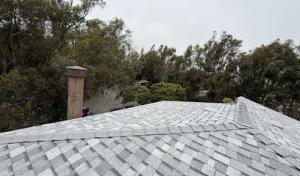
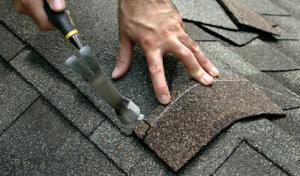
Jerry Herbert Roofing is a Yucaipa roofing company that services Moreno Valley. We are your source for roof replacements and repairs. Our extensive experience in the roofing business is shown in our excellent services and our master roofers. All of our contractors are highly qualified and trained roofing professionals. You can always expect to receive excellent customer services, whether you are a brand new customer or an existing customer of Jerry Herbert Roofing
Steep Flat Roofing
(888) 873-0518 steepflatroofing.com
Serving
5.0 from 91 reviews
Steep Flat Roofing, located at 34845 Yucaipa Blvd Unit C, Yucaipa CA 92399 is your top choice for all roofing needs, including roof repair, residential and commercial roofing, and roof replacement. With over 20 years of expertise, we serve Southern California with precision and safety using the highest quality materials. Our services include professional re-roofing, timely repairs for leaks and damage, and thorough inspections to extend your roof's life. For those searching "roofer near me" or "local roofers," trust Steep Flat Roofing for reliable, expert solutions that fit your budget. Call us for a free estimate today!
Envision Home Builders
(818) 864-0444 envisionhomebuilders.com
Serving
5.0 from 11 reviews
Envision Home Builders specializes in roofing and construction in Los Angeles County, California. As a family and locally owned company, we are dedicated to transforming homes with our top-tier services. Our offerings include kitchen and bathroom remodels, home remodels, and gutter services to protect your property. We provide HVAC solutions for comfort, stylish and durable pavers, efficient insulation, and meticulous interior and exterior painting. Enhance your outdoor space with custom barbecue installations and rely on us for roof inspections, repairs, and replacements. We offer free estimates and consultations. Discover the Envision difference—visit our website, book a service, or call us today!
Triangle Roofing
(800) 360-6771 triangleroofingcontractor.com
Serving
4.9 from 66 reviews
Triangle Roofing is a family-owned, insured, licensed (CA #790599) roofing contractor serving Riverside County since 2001. Homeowners and businesses alike trust our team for roof repair, full replacements, new roof installations, and 24/7 emergency leak response. From asphalt shingles and tile to flat commercial membranes, we use premium materials, back every job with written warranties, and provide honest, up-front pricing. Request your free same-day roof inspection today and discover why local residents rate us a ⭐⭐⭐⭐⭐ “premium roofing contractor” online.
Weathertight Roofing
(951) 929-0557 weathertightroofing.com
Serving
4.8 from 107 reviews
Weathertight Roofing doesn't cut corners. We give our clients the best service we can. As a family-owned and operated business since 1983, we have four generations of knowledge and more than five decades of experience in the roofing industry. Major manufacturers certify all our professionals. Our customers keep coming back to us because we offer personalized, quality customer service. Licensed, General Liability and Workers Comp Insured... When you need it done right, Call Weathertight!
Above All Roofing
Serving
5.0 from 3 reviews
Based in Calimesa, Above All Roofing, Inc. is your premier choice for comprehensive roofing solutions. Our experienced team specializes in a wide range of services, including new installations, re-roofing, and crucial repairs, ensuring the longevity and durability of your home or business. We are dedicated to delivering top-quality craftsmanship and professional service on every project. Trust our expertise to protect your property from the elements with a solid, reliable roof built to last.
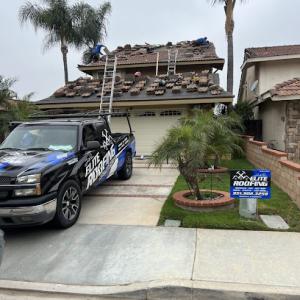
J & R Elite Roofing - Moreno Valley
(951) 902-3258 jnreliteroofing.com
Serving
5.0 from 52 reviews
At J & R Elite Roofing, located in Moreno Valley, we offer top-quality roofing services for residential and commercial clients. Our specialties include TPO/PVC, shingles, tile, torch, and hot mop roofing. We proudly serve all of the Inland Empire, Orange County, and Los Angeles County, providing quality repairs and complete reroofs. With a commitment to excellence, we aim to surpass client expectations with every project. Contact us today for a free roofing quote!
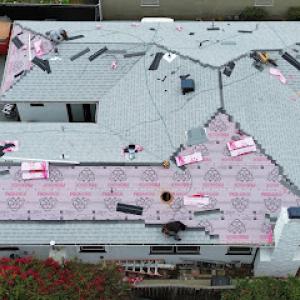
AFFORDABLE ROOFING for all
(909) 272-4622 www.affordableroofing4all.com
Serving
5.0 from 37 reviews
RESIDENTIAL ROOF EXPERTS AND CERTIFIED COMMERCIAL ROOF COATINGS licence# 1134429 insured and bonded

Cloud Nine Roofing & Construction
(951) 385-8011 www.cloudnineroofing.com
Serving
5.0 from 46 reviews
At Cloud Nine Roofing and Construction, we specialize in top-tier residential and commercial roofing services across Southern California. Whether you need roof repairs, replacements, or installations, our skilled team delivers exceptional craftsmanship using high-quality materials. From asphalt shingles to tile roofs and flat commercial systems, we've got you covered. With decades of experience, prompt service, and a commitment to customer satisfaction, we ensure your roof is built to last. In addition to roofing, we offer expert painting, drywall, concrete, carpentry, and landscaping services to complete your project needs. Call today for a free estimate! Licensed, bonded, and insured.
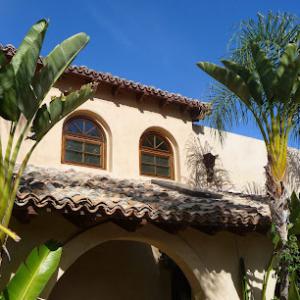
Gardner Roofing Company
(951) 654-2794 www.gardnerroofingcompany.com
Serving
4.3 from 43 reviews
Give Gardner Roofing Company a call for your roofing needs.
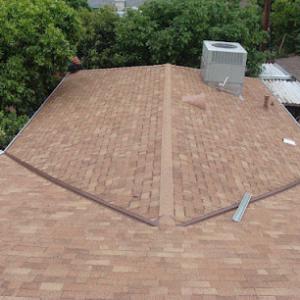
Golden Hill Roofing Company
(951) 842-6584 goldenhillroofingcompany.com
Serving
4.9 from 51 reviews
Are you looking for a reliable local roofing company with the highest quality services? Look no further than Golden Hill Roofing Company! Our family owned business has been happily serving customers for years, meaning you can trust that you're getting top-notch services for all your roofing needs. From fixing small cracks and holes to full roof installations, we can do it all. Nothing is too challenging for us. Our team of highly trained and experienced roofers are always prepared to deliver excellence. We take great pride in giving our customers the best experience possible when it comes to our services.
Dove Roofing & Construction
(760) 702-7633 doveroofing.com
Serving
4.5 from 29 reviews
Rise above the rest with Dove Roofing and Construction in California, proudly serving homeowners across Redlands, Indian Wells, Banning, Beaumont, Calimesa, Cathedral City, Indio, La Quinta, Palm Desert, Palm Springs, Rancho Mirage, Riverside, Joshua Tree, San Bernardino, Yucca Valley, and Twentynine Palms. 🕊️ Your go-to experts for all things roofing — from stunning tile roofs to durable shingles, sleek metal roofs, innovative spray foam systems, and meticulous roof repairs. With a commitment to excellence and top-notch customer service, we’re here to elevate your roofing experience. Trust Dove for quality craftsmanship and peace of mind. Fly high with Dove Roofing and Construction today!
When a winter storm hits, small weaknesses on an older roof can turn into active leaks in a heartbeat. The combination of Beaumont's winter rain events and occasional hail means that even a modest attic or ceiling stain can quickly become a drip that travels along underlayment and into living spaces. If you've noticed damp spots after a storm or after a period of heavy rain, treat it as an urgent warning sign. Don't assume a temporary tarping or a quick patch will hold through the next round of weather. The wind-driven bursts that sweep through the San Gorgonio Pass can lift shingles and expose vulnerable transitions around chimneys, vents, and skylights-areas that often fail first under pressure.
Localized storm bursts ahead of the desert monsoon pattern can disrupt schedules and create sudden repair demand even outside the main winter season. Start with rapid triage after a storm: photograph any new staining, check attic spaces for sudden heat or moisture buildup, and seal obvious entry points with temporary, weather-resistant tarps or sheathing. Prioritize securing loose flashing, damaged edges, and compromised gutters where runoff concentrates. If you're coordinating repairs, line up emergency responders who can deliver tarping within hours of a hail or wind event. The goal is to stop water from migrating before a full repair crew can be on site.
Quick-response emergency service is a meaningful local hiring priority, reflecting how homeowners here often need tarping or leak control before full repairs are scheduled. Keep a dedicated contact for after-hours leaks and have sturdy, weatherproof tarps on hand. Establish a simple staging plan: once a leak is identified, cover the affected area, document the scene, and secure a temporary seal that holds until a full repair can be scheduled. Communicate clearly about what to expect next-timelines, likely patch locations, and the sequence of steps to restore the roof's integrity after the storm. In this climate, decisive action minimizes interior damage and keeps the home safe as the next round of weather approaches.
When you can't wait, these contractors offer fast response times to stop leaks and prevent further damage.

Cloud Nine Roofing & Construction
(951) 385-8011 www.cloudnineroofing.com
Serving
5.0 from 46 reviews
Beaumont's tile-heavy housing stock tends to push projects above basic shingle pricing because of weight, accessory components, and more labor-intensive tear-off and reset work. When you're considering replacement, asphalt shingles sit in a lower tier, but concrete and clay tiles rise quickly once you account for weight, extra underlayment, and increased labor time for flashing and edge details. In practice, metal roofs land higher than average shingles but can still be competitive where long-term durability and wind resistance matter. Synthetic or composite shingles offer a middle ground that can hit a sweet spot for the hotter stretches and insurance considerations. The cost ranges you'll typically see are: Asphalt Shingles from about 400 to 900 USD per square, Metal Roofing from 700 to 1400, Clay Tile from 1000 to 2200, Concrete Tile from 800 to 1700, Wood Shingles/Shakes from 900 to 1800, and Synthetic/Composite from 450 to 900 per square.
Tile-based roofs require more than just the shingles themselves. Be prepared for higher material weights, longer tear-off times, and extra high-impact edge detailing, all of which push per-square costs upward compared to shingle systems. Accessory components like additional underlayment, drainage mats, battens, and upgraded fasteners become routine, not optional. In Beaumont, where the roof plane may be larger or more irregular to accommodate a tile layout, the cumulative labor burden compounds quickly. If you're replacing a tile roof with another tile system, you can expect the project to track toward the upper end of the tile cost ranges, especially if you're coordinating color-matched hips, ridges, and parapets.
Hot weather scheduling in Beaumont affects labor efficiency and staging, especially during peak summer replacement windows when crews may work around extreme afternoon heat. That can mean longer days, more breaks, and slower progress, which translates into higher crew costs and potential delays. If your project requires extensive heat protection measures or shade strategies for workers, those added steps are commonly reflected in the final quote. For tile replacements, plan for perhaps tighter windows in late spring or early fall when temperatures are more manageable, but be mindful of wildfire season or wind events that can shift priorities in the contractor calendar.
Re-roof demand after winter storms or regional insurance-driven replacement surges can tighten scheduling and influence pricing in this Inland Empire market. When insurers push for faster turnarounds or multiple homes on a block trigger coordinated replacements, you'll likely see elevated mobilization fees or compressed timelines. This can compress your bargaining window, especially for tile systems that inherently require more crew coordination and longer staging. If ordering a tile roof during a surge, consider securing preferred timing early and budgeting for possible rhythm shifts in crew availability.
Get a clear picture of your project costs upfront - no commitment required.
A full re-roof in Beaumont typically requires a permit, with processing handled through the county building department rather than a separate city-only roofing workflow. That setup means your project follows the same permit track as other substantial exterior work in the area, and it can involve a few extra steps compared to a DIY or cosmetic roof refresh. Knowing that the permit is tied into the county system helps set expectations for the timeline and the documentation you'll need to gather, such as roofing plans, material specifications, and contractor credentials. The county process is designed to ensure the roof system will perform under the high heat, strong winds, and wildfire exposure that characterize this climate.
Homeowners should expect inspections at rough-in and final stages, which affects how quickly tear-off, dry-in, and completion can be sequenced. The rough-in inspection zeroes in on the structural deck, underlayment, and basic attachment points, while the final inspection confirms that flashing, ventilation, and the completed roof assembly meet code requirements. Because inspections are part of the process, your contractor should plan tear-off and installation so that stages align with the inspector's available appointment windows. In practice, that means you may need to keep crews on site longer during a single weather window, or schedule a second daytime visit to address any deficiencies before the final sign-off.
Processing time can lengthen when plan review is triggered by scope changes or by the roofing material selected for the project. If you switch from a standard asphalt option to a high-wind, wildfire-resilient configuration, the plan review may require additional details about fasteners, underlayment, and secondary water barriers. That review can add days to the timeline, especially if any scope adjustments prompt resubmittal. Be prepared to provide updated shop drawings, product data, and installation manuals promptly to avoid delays. Working closely with a licensed roofer who has experience navigating the county's review nuances can help keep the project on track, particularly during the hotter, wind-prone months when inspections are tightly scheduled and weather can force scheduling shifts.
Coordinate with your contractor to map out tear-off, dry-in, and finish work around inspection windows. Have all required paperwork ready in advance: contractor licenses, insurance, material specifications, and any concrete tie-ins for ventilation or drip-edge details. Expect that some delays can arise from plan review, so maintaining a flexible schedule around the rough-in and final inspection appointments helps minimize downtime and protects your home from weather exposure during the project.
Beaumont homeowners face a California insurance market where wildfire exposure and regional claim pressure can lead to tighter underwriting and stricter roof-condition scrutiny. The combination of fierce inland heat, Santa Ana-like wind gusts, and occasional winter bouts pushes adjusters to demand more from a roof's surface and its underlayment. When a claim hits, the insurer may look closely at whether damage happened in a single event or has accumulated over time, so the distinction matters for coverage decisions.
Adjusters in this market often expect detailed photo records, date-stamped storm evidence, and clear separation between sudden damage and long-term wear. The more complete the record, the fewer questions later in the process. For homes with clay or concrete tile, metal, or even high-performance synthetic coverings, clear imagery of the roof deck, fasteners, and any flashing helps establish the roof's condition before the event and after. Keep a running file that ties each photo to a date and a concise description, so a reviewer can trace the sequence of events without guesswork.
Some policyholders may encounter narrower coverage terms or appraisal-related disputes, making documentation especially important before temporary repairs alter the evidence. If you tarp or temporarily shield a compromised area, capture the before-and-after shots and note the exact placement and timing. For a roof that shows both wind-driven damage and signs of aging, you want to demonstrate what failed in the incident versus what was already near the end of its service life. This clarity helps reduce friction during appraisal or settlement discussions.
Connect with contractors who help homeowners navigate the claims process from damage assessment to final approval.
Although pitched tile and shingle roofs dominate Beaumont homes, local contractor signals show a meaningful amount of low-slope work, likely tied to patio covers, additions, garages, and some commercial properties. The heat and sun gnaw at these surfaces differently, so look for edge creep, ponding water, and insulation gaps around parapets and transitions. If a low-slope roof is shaded or partially protected by a taller structure, drainage patterns can be unpredictable; check for standing water after a storm and note any soft spots at seams or flashing corners. A practical plan is to confirm that the chosen system has proper slope compatibility, with emphasis on robust membrane seams and a reliable edge detailing that resists wind uplift.
Skylight service is also active locally, which matters because intense sun exposure and seasonal rain can expose flashing and seal failures around roof penetrations. Inspect skylight surrounds for UV-brittle sealant, mica-like crazing in the glazing, and loose or cracked flashing. In windy periods, flashing shifts are common, so confirm continuous seal contact around the curb or deck. For maintenance, keep the flashing clean of debris and verify that the curb sealant remains continuous-any gap can invite condensation and water intrusion under the flashing, especially during rapid temperature swings.
Roof coatings appear as a local specialty, suggesting that restoration and heat-reflective treatment are part of the Beaumont market for selected low-slope systems. If a coating is considered, assess heat reflectivity, elastomeric performance, and roof deck compatibility. Coatings can reduce heat load and extend life in high-UV conditions, but require clean, sound substrate and careful surface prep. In practice, verify that the coating system covers all seams, penetrations, and flashings, and plan for a thorough inspection after the heaviest storm season to catch any micro-damage that coating alone might mask.
Find specialists in TPO, EPDM, and built-up flat roofing systems for residential and commercial properties.
Beaumont's hottest summer periods can make full replacement more physically demanding and can complicate scheduling during peak heat. If you plan a roof swap during July or August, coordinate starts for early morning work and plan for hot asphalt, crews taking breaks, and longer than average days. Choose lightweight materials when possible and ensure shade strategies are in place for crews on the roof. Strong ventilation of the attic and proper acclimation of materials help prevent damaged underlayment or fasteners, especially on exposed slopes. Have a clear plan for temporary hot-water or power setup if those are needed for the crew, and confirm daily targets to keep the project moving without exposing decking to sun for extended periods.
The city's mild but wetter winter pattern means homeowners often try to complete planned re-roofs before rain exposes old underlayment or decking issues. Target a window after the first reliable cool spell but before the wettest months start. Request moisture checks of decking prior to shingle removal and ensure the underlayment strategy accounts for potential rain. In regions with seasonal showers, a proactive order of operations-remove, dry, repair, then install-helps avoid backtracking. Have temporary weather protection ready for a sudden storm and designate a rain plan with the crew to minimize exposure of exposed roof decking.
Short storm windows and occasional hail make shoulder seasons especially valuable for planned work in this part of Riverside County. Early spring or late fall can balance cooler temperatures with lower likelihood of heavy downpours. Use these windows to minimize heat stress and reduce rapid material expansion, while still providing enough daylight for precise installation. Align your material selection with wind exposure and wildfire risk considerations, and schedule inspections after completion to document vulnerability mitigation and to address any wind-driven wear found during the project.