
Last updated: Apr 19, 2026
Redlands sits in a hot, dry Inland Empire climate where most of the year's rain concentrates in winter. That pattern pushes roofing material wear into a narrow window of active conditions each year. The heat drives faster aging of underlayment, adhesives, and sealants, and the Santa Ana winds add an extra layer of stress on roof systems, especially when a tear-off is underway. Tile-heavy housing stock common in older neighborhoods near downtown and in newer foothill subdivisions faces specific stress: tile brittleness from heat cycles, fast-drying underlayment, and wind-driven debris near edges and penetrations. This combination shortens the useful life of components and can shift replacement timing toward earlier cycles if not planned for carefully.
Spring and fall become the preferred reroof windows because crews can avoid the peak summer heat and the winter rain pattern. In practice, that means targeting milder weeks with moderate daytime highs and cooler nights. If a roof shows signs of accelerated wear from heat or wind, prioritizing the shoulder seasons helps keep moisture intrusion risk low during install and reduces the chance of weather-related delays. When planning, map out the projected weather for several weeks in advance because Redlands' winter rains can arrive suddenly and the transition from dry to damp can affect dry-in quality for several days after a tear-off.
Santa Ana wind events are a real installation and repair concern in this area. During a tear-off, high gusts can jeopardize safety on steep slopes and at the ridge. Wind-driven debris can expose underlayment or create lift on materials that aren't yet secured. If a job is underway and a Santa Ana event is forecast, expect the crew to pause work or secure loose materials more aggressively. For repairs, wind spikes can blow away fasteners or blow dust and grit under edges, compromising sealant or flashing details until a proper dry-in is achieved. Plan for contingencies: temporary protection for exposed areas, inspection after wind events, and a brief pause if there are signs of edge lift or torn underlayment.
The city's large stock of tile-roofed homes means you'll most often be weighing tile replacement versus retrofit for underlayment and flashing. Clay and concrete tiles have different heat performance and weight considerations, but both demand careful handling during removal and reinstallation. The heat amplifies expansion and contraction cycles, so flashing joints, vent penetrations, and chimneys require meticulous re-seating and waterproofing. Tile-heavy roofs also heighten the risk of mortar or fastener corrosion in coastal-influenced areas or from wind-driven spray; while Inland Empire weather itself isn't coastal, the wind can act like a drying breeze that accelerates aging of sealants and coatings. Expect longer dry-in times where tiles must be fully set on battens and where underlayment needs a clean, dry, and uninterrupted surface to seal properly.
Active jobs benefit from planning that prioritizes edge protection and uninterrupted, clean underlayment. In Redlands, the risk of exposed underlayment during tear-off is higher when winds push debris under new layers. The strategy is to dry-in quickly after removing old materials, but without rushing the sealant or flashing installation. When heat is intense, crews should select fast-setting products and ensure they are sheltered from mid-day sun during application to avoid premature curing or gapping. If a job spans multiple days, secure all open edges at the end of each day to minimize weather intrusion and animal exposure, especially near eaves and attic penetrations.
Occasional Inland Empire hail events matter less than heat and wind overall, but they can still trigger localized post-storm inspections and insurance documentation needs. After a hail event, expect a focused check of tile integrity, flashing seams, and roof penetrations. Even if no visible damage is reported, document any wind- or heat-related concerns, such as lifted tiles, chipped edges, or micro-cracks in underlayment. Insurance adjusters may request photos of impacted areas and the condition of the underlayment prior to repair, so keep a simple log of post-event observations and any immediate maintenance actions taken.
If you're scheduling a reroof, align the project with a stretch of mild weather and a low likelihood of Santa Ana wind bursts. Ask for a clear plan that includes edge protection, ventilation management, and a defined dry-in that avoids overexposure of underlayment. For tile-heavy homes, confirm that tiles slated for reuse are inspected for cracks and that fasteners and flashing are matched to tile type and weight. Finally, keep an eye on seasonal forecasts and be prepared for weather-driven adjustments in your timeline; in Redlands, even a short shift in the forecast can meaningfully impact both safety and final waterproofing quality.
Tile roofing stands out as a defining feature of Redlands homes, aligning with the city's long tradition of clay and concrete tile systems. That combination creates a recognizable silhouette that many homeowners want to preserve when they evaluate aging roofs. The underlayment and flashing beneath the tiles carry the strain of daily sun, wind, and seasonal changes much more than the visible tile field does. When a problem shows up, it often reveals itself as a system issue rather than a simple tile failure. Identifying that distinction helps you target the right repairs without overhauling the whole roof.
In this climate, a tile roof's real vulnerabilities tend to hide under the material you can see. Aging underlayment, flashing attachments around chimneys and vents, and wind-displaced pieces frequently drive leaks and energy loss long before you notice tile granules or broken surfaces. Santa Ana winds can loosen fasteners and push flashing out of alignment, creating moisture pathways that spread across roof lines rather than at isolated spots. Because tiles can be visually intact while the underlayment has degraded, a careful inspection should follow a systematic perimeter check rather than only looking for cracked or displaced tiles. Red flags include staining on interior ceilings that trace a path along rafters, or irregular warmth along the attic hatch area that suggests poor sealing.
Clay and concrete tiles are both common in this area, yet their heft and configuration matter greatly for replacement planning. Heavier tiles require a reinforced structure, and that reinforcement becomes a crucial factor when shifting from one material to another or when re-roofing after damage. The profile-whether a smooth, flat face, a barrel, or a slumpier modern form-also controls how the roof sheds water and wind-load stress. When planning a repair or a partial replacement, ensure the supporting structure can carry the tile weight without adding excessive load in the attic or along load-bearing walls. If the home's structure was originally configured for thinner tiles or a different roof line, a full roof assessment may be necessary to determine whether reinforcement or a lighter, compatible tile is warranted.
Historic and older neighborhoods tend to feature rooflines and architectural styles where tile appearance and profile consistency matter. When deciding between a targeted repair and a broader restoration, consider the visual continuity that neighbors expect in vintage streetscapes. A small patch that disrupts the tile rhythm can feel more conspicuous than a larger, well-matched repair. In these contexts, choosing a repair tile with an exact or near-exact profile preserves curb appeal and helps avoid an uneven roof that could draw attention during a nearby open house or stroll down a block with mature landscaping. If color variation or crest lines are part of the original design, maintain that continuity so the repair doesn't unintentionally look like a retrofit.
The Inland Empire's heat and Santa Ana winds influence tile longevity in tangible ways. High heat accelerates underlayment aging and can soften sealants around penetrations, while gusts can lift edges if fasteners or ridge caps loosen. A proactive approach-seasonal inspections, securing loose edges, and resealing flashing joints-helps maximize expected life. In practice, this means allocating attention to the perimeter and valley intersections where wind-driven debris tends to accumulate and where water often finds its way through subtle gaps rather than obvious cracks. A well-timed service visit focused on these vulnerable zones can keep a tile roof performing with minimal disruption to daily life.
Find contractors who specialize in clay and concrete tile roofs, known for their durability and curb appeal.

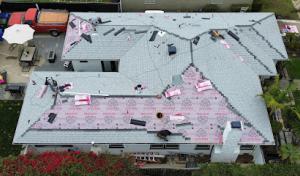

Steep Flat Roofing
(888) 873-0518 steepflatroofing.com
Serving
5.0 from 91 reviews
Steep Flat Roofing, located at 34845 Yucaipa Blvd Unit C, Yucaipa CA 92399 is your top choice for all roofing needs, including roof repair, residential and commercial roofing, and roof replacement. With over 20 years of expertise, we serve Southern California with precision and safety using the highest quality materials. Our services include professional re-roofing, timely repairs for leaks and damage, and thorough inspections to extend your roof's life. For those searching "roofer near me" or "local roofers," trust Steep Flat Roofing for reliable, expert solutions that fit your budget. Call us for a free estimate today!
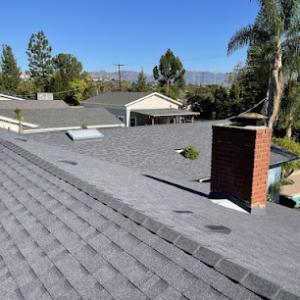
Mercer Roof & Leak Repairs
(909) 497-2697 mercerroofleakexperts.com
Serving
5.0 from 17 reviews
Mercer Roof & Leak Repairs provides fast, reliable service to protect your home or business from water damage. Our team specializes in finding and fixing roof leaks, repairing storm damage, and restoring your roof’s strength with durable materials. We focus on quick response, skilled workmanship, and clear communication, making the process smooth and worry-free. When leaks or damage threaten your property, Mercer Roof & Leak Repairs is the trusted choice for dependable solutions.
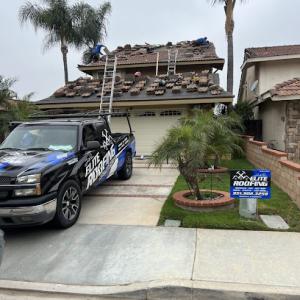
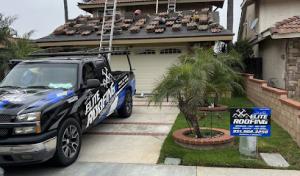
J & R Elite Roofing - Moreno Valley
(951) 902-3258 jnreliteroofing.com
Serving
5.0 from 52 reviews
At J & R Elite Roofing, located in Moreno Valley, we offer top-quality roofing services for residential and commercial clients. Our specialties include TPO/PVC, shingles, tile, torch, and hot mop roofing. We proudly serve all of the Inland Empire, Orange County, and Los Angeles County, providing quality repairs and complete reroofs. With a commitment to excellence, we aim to surpass client expectations with every project. Contact us today for a free roofing quote!
AFFORDABLE ROOFING for all
(909) 272-4622 www.affordableroofing4all.com
Serving
5.0 from 37 reviews
RESIDENTIAL ROOF EXPERTS AND CERTIFIED COMMERCIAL ROOF COATINGS licence# 1134429 insured and bonded

Atlas Roofing
(818) 536-7661 atlasroofingpro.com
Serving
5.0 from 63 reviews
Atlas Roofing is a veteran-led, licensed, and insured roofing company proudly serving Los Angeles, San Francisco, San Diego, and Portland. We specialize in residential and commercial roofing, offering services such as new roof installations, repairs, maintenance, and custom rooftop decks. Our commitment to quality craftsmanship and customer satisfaction is backed by flexible financing options and comprehensive warranties. With a diverse selection of premium materials—including shingles, tiles, and flat roofing systems—we tailor solutions to meet your aesthetic and budgetary needs. At Atlas Roofing, we stand behind our work, ensuring your property is protected with durable, high-quality roofing solutions.
Alpha Roofing Company
(909) 435-7576 www.roofinghighland.com
Serving
4.8 from 68 reviews
Founded in 2016, Alpha Roofing Company has built a reputation for impeccable craftsmanship and unrivaled customer service throughout San Bernardino. Boasting a skilled team of specialists, they cater to residential and commercial roofing needs of all sizes, offering comprehensive services from minor repairs to extensive installations. Their profound knowledge and dedication ensure the longevity and integrity of every roof they touch.
All Pro Roofing
(833) 477-6626 www.allproroofingca.net
Serving
5.0 from 21 reviews
Navigating roofing issues can be stressful, from leaks to damage needing urgent repair. In San Bernardino, CA, and the surrounding areas, All Pro Roofing emerges as a beacon of reliability in this turbulent world. With 35 years of personal industry experience, we excel in pinpointing and resolving roofing dilemmas without unnecessary charges or subcontracting. Our comprehensive management and skilled crew ensure each project is executed flawlessly, offering you not just repairs, but a lasting investment in your property's value and safety.

Summit Solar & Roofing
(909) 881-2699 www.summitsolarandroofing.com
Serving
4.7 from 116 reviews
Solar and roofing contractor serving the Inland Empire and helping property owners restore their homes and businesses with energy-efficient upgrades.
Golden Hill Roofing Company
(951) 842-6584 goldenhillroofingcompany.com
Serving
4.9 from 51 reviews
Are you looking for a reliable local roofing company with the highest quality services? Look no further than Golden Hill Roofing Company! Our family owned business has been happily serving customers for years, meaning you can trust that you're getting top-notch services for all your roofing needs. From fixing small cracks and holes to full roof installations, we can do it all. Nothing is too challenging for us. Our team of highly trained and experienced roofers are always prepared to deliver excellence. We take great pride in giving our customers the best experience possible when it comes to our services.

Tip Top Roofing
(951) 485-4080 www.tip-toproofing.com
Serving
4.4 from 28 reviews
Tip Top Roofing is a reliable roofing company in Southern California, providing expert residential, commercial, industrial, and HOA roofing services. As a licensed and insured roofing contractor in Moreno Valley, CA, since 1997, we deliver top-quality workmanship and ensure client satisfaction on every project. Locally owned and operated, we work with a wide range of roofing brands and types. Count on our experienced team for durable, efficient roofing solutions. Call Tip Top Roofing today to schedule your consultation and protect your property with confidence.

Cloud Nine Roofing & Construction
(951) 385-8011 www.cloudnineroofing.com
Serving
5.0 from 46 reviews
At Cloud Nine Roofing and Construction, we specialize in top-tier residential and commercial roofing services across Southern California. Whether you need roof repairs, replacements, or installations, our skilled team delivers exceptional craftsmanship using high-quality materials. From asphalt shingles to tile roofs and flat commercial systems, we've got you covered. With decades of experience, prompt service, and a commitment to customer satisfaction, we ensure your roof is built to last. In addition to roofing, we offer expert painting, drywall, concrete, carpentry, and landscaping services to complete your project needs. Call today for a free estimate! Licensed, bonded, and insured.

Howard & Sons, Inc. Roof Specialists
Serving
4.6 from 54 reviews
Howard & Sons, Inc. is a family owned construction company. The owner, Dustyn Howard has over 25 years of experience in the construction and roofing industry. Howard & Sons, Inc. is licensed under the state of California, and is also fully insured and bonded.
Provided local cost ranges per square are: asphalt shingles 350 to 650, metal 600 to 1100, clay tile 1000 to 1800, concrete tile 900 to 1600, wood shingles or shakes 700 to 1400, and synthetic or composite shingles 420 to 900. In Redlands, tile-based options dominate many neighborhoods, and the per-square price reflects not just material but the labor-intensive work of managing heavy tiles and underlayment upgrades on a steep or irregular roof. When you're comparing bids, verify whether the estimate includes tear-off, tile reset, underlayment, and a full tile replacement, since those line items commonly shift the total well above basic shingle pricing.
Tile-heavy homes push reroof pricing upward beyond generic shingle math because tear-off and loading are physically demanding. In practice, that means a similar roof area can cost significantly more per square if a contractor has to lift old tiles, sort and reset damaged field tiles, and reseat flashing around many penetrations. The resulting price spread is particularly evident when clay or concrete tile is chosen, as the tiles themselves and the staging work add to the labor burden. Expect bids to reflect not only material choice but also how many tiles can be saved versus replaced and how much underlayment upgrade is needed to ensure long-term performance.
Summer heat and winter rain tighten scheduling windows in Redlands, which can affect labor availability and pricing during busy reroof periods. When heat spikes or storm timing shifts calendars, crews may run backlogs or implement extended workdays to stay on track. That dynamic can push per-square prices modestly higher, especially for tile crews that need precise handling to prevent tile breakage. If your project spans late spring or late summer, ask for a clearly defined schedule with anticipated weather days and contingency pricing to avoid surprise adjustments.
Homes in foothill and wind-exposed areas may see added cost for fastening patterns, replacement of broken field tiles, and more careful staging during Santa Ana conditions. Wind exposure increases the risk of tile damage during removal and installation, so bids may separate scaffolding, temporary netting, and additional fasteners into line items. If your roof faces prevailing Santa Ana flows, expect a premium for meticulous tile handling, secure staging, and enhanced fastener systems to reduce lift risk and protect newly installed underlayment.
When planning, map your roof's material choice against these local realities. For tile-heavy homes, a robust budget should account for tear-off, underlayment upgrades, tile replacement, and careful staging, especially in wind-prone sections. Use the provided ranges as anchors, but confirm exactly what each bid covers and how seasonal timing could nudge the final number. A well-structured bid will document daily crew hours, material waste, and any anticipated tile damage allowances so you can compare apples to apples through a Redlands lens.
The most popular roofing material in the US. Find pros who install, repair, and replace asphalt shingles.
Roofing Alliance
(909) 253-3112 roofingallianceinc.com
19 E Citrus Ave, Redlands, California
5.0 from 8 reviews
In Redlands, a building permit is typically required for a full reroof. The permit applications and plan review are handled by the City of Redlands Building & Safety Department. Before any tear-off begins, you should submit project details, including a scope of work, roof framing notes, underlayment type, venting plan, and fastening details. If the roof involves historic or visually distinctive features, be prepared for potential additional review to preserve character while meeting current code requirements. The goal is to secure approval from the outset so inspections proceed smoothly and avoid rework.
Inspections in Redlands are scheduled at rough-in and final stages. Rough-in inspection verifies critical installation details are in place before any covering material is installed. Expect the inspector to check underlayment alignment, nailing patterns, fastener types, and correct installation of roof vents. The final inspection confirms that all components meet code and that the roof system is fully integrated with the building envelope. Because the inspection process focuses on the system, not just the surface appearance, having complete, accessible documentation on-site is essential. Clear, labeled samples or datasheets for underlayment, venting configurations, and fasteners help expedite the review.
Prepare a detailed roof plan for the Building & Safety Department that reflects the specific conditions of the house. In a tile-heavy stock, the plan should show tile underlayment specifics, purlin or battens if used, and any waterproofing transitions at eaves, walls, and penetrations. Include vent placement, crank-type or ridge vent details, and a note on nailing patterns and fastener types for tiles or shingles. For historic neighborhoods near downtown, document any preservation considerations or constraints that influence the chosen materials or installation method. Collect manufacturer installation manuals for the chosen product line and arrange them with a clearly labeled section for each major component.
On the day of inspection, be prepared to provide access to the roof, attic, and any auxiliary spaces your roofer used. If the project requires temporary power or safe access equipment, coordinate with the Building & Safety staff in advance. Inspectors will review roof system components rather than rely on surface appearance alone, so expect questions about how the underlayment ties into the ventilation and drainage strategy, how flashing is integrated at joints, and how fasteners are positioned to accommodate Santa Ana wind conditions. Having a dedicated, organized inspection file in the project folder helps the process move efficiently and minimizes the chance of delays due to missed details or missing documentation.
Align your contractor's schedule with the permit timeline and reserve buffer time for plan reviews that may request revisions. Ensure that all materials arrive with proper labeling and that temporary protection is in place to safeguard interior spaces during reroofing. If a revision is required, address it promptly with revised drawings and a short narrative explaining how the new details meet code and wind-resilience expectations. By coordinating early with the Building & Safety Department and maintaining thorough on-site documentation, you reduce the risk of hold-ups and keep the reroof on track for Redlands' climate realities.
California's tightened insurance environment is hitting Redlands homes with particular force, especially where carriers are scrutinizing older roofs and properties in wildfire-prone or high-wind pockets of the Inland Empire. The heat, Santa Ana gusts, and the mix of historic tile and newer construction mean adjusters have learned to look beyond a single visible blemish. A roof's age, the material type, and the chain of maintenance around it all factor into what gets approved or challenged during renewal discussions.
In this climate, claims discussions often hinge on documentation. Adjusters commonly request clear photo documentation, a dated roof-age record, and specifics about the roofing material when winds whip dust and debris or when storms arrive. For tiles, that means showing intact ridge lines, proper underlayment where applicable, and signs that flashing and transitions remain sound. If an event stirs debris or secondary damage, expect a closer look at how the roof was maintained between incidents.
Rather than only replacing materials that appear damaged, conversations in this market frequently involve code-compliant upgrades to the roof system. Insurers may want to see improvements such as enhanced underlayment or modern eave protections, especially on high-wind routes and in fire-prone zones. This isn't a delay for most homeowners, but it does shift what a settlement might cover. Having documentation of any upgrades, original installation details, and subsequent service visits can smooth the path toward an agreed adjustment.
Older roofs can carry coverage limitations or mitigation requirements before renewal. Making pre-loss documentation a priority can protect options when a policy is renewed. Photographing all major roof components, keeping a log of service calls, and noting any seasonal inspections helps paint a complete picture for an adjuster. In neighborhoods with historic tile and newer foothill homes alike, a clear trail of maintenance shows ongoing responsibility and reduces surprises when insurers review renewal eligibility.
Connect with contractors who help homeowners navigate the claims process from damage assessment to final approval.
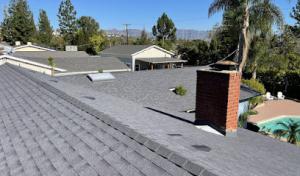
In Redlands, heat-weakened roofing and edge, ridge, or tile displacement can turn into active leaks the moment the next storm arrives. Santa Ana winds push tiles and flashing out of place, and warm days followed by sudden cool, wet systems make weakened seams let water rush in. This is not a slow drip scenario-water tracks quickly across insulation, decking, and into ceilings. If a leak is already present after a stretch of hot weather or shifting materials, expect rain to speed up the damage and broaden the entry points.
Do a rapid, careful check from the ground and attic if safe. Look for dark staining on underlayment, exposed flashing, or loose tiles along hips and ridges. If you see active dripping inside, set up a temporary barrier with a sturdy tarp and heavy-duty tape over the most obvious penetration, and keep occupants away from electrical fixtures nearby. Move valuables away from pooled water, and avoid stepping on wet ceilings or warped decking. If possible, identify the general flow path of the water to brief a contractor; this saves critical time when the storm is easing.
Emergency repair crews in this market respond fastest when you report an active leak that worsens with each minute of rain. Expect rapid dispatch for edge, ridge, or tile-related entries after a wind event. The goal is to stop the water quickly, then secure the roof long enough to withstand the next system. Have clear access to the attic, a current contact number, and a brief description of what shifted during the last heat spell or wind shift.
When you call, describe the leak location, whether tiles are moved or flashing is displaced, and if the water is entering a living space or attic. Share the weather window and any previous heat exposure that affected the roof's material. Ask for an on-site assessment time within hours, and request a temporary, weatherproof patch that can hold until a full replacement plan is ready. If any insurance details are involved, have them ready.
When you can't wait, these contractors offer fast response times to stop leaks and prevent further damage.

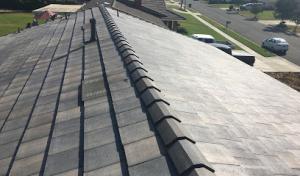
Although tile dominates here, flat-roof work remains meaningful in additions, patio covers, mixed-slope homes, and commercial properties. In the Inland Empire heat, low-slope membranes can dry out and crack where exposed to sun, and penetrations (vents, drains, skylight frames) become heat-stressed joints. A routine weekend check should focus on edge flashing, gaps around pipes, and any pooled water near scuppers or downspouts. When a cap sheet or built-up membrane shows small blisters, or if you notice ridges forming along seams, plan a targeted inspection after the hottest stretch and after the first winter rains. In Redlands, the combination of hot days and sudden downpours can push minor leaks into noticeable staining quickly, so address signs before they expand.
Low-slope roofs crave reliable drainage, yet Santa Ana wind events can lift edges and loosen ballast on some flat systems. Look for standing water along parapets or around penetrations, especially on additions with tighter roof-to-wall transitions. Ensure edge details and counter-flashing sit firm against the wall, and that coping terms are sealed without gaps that funnel water inward during winter rain. For older flat portions or retrofit patches, consider upgrading to a more robust membrane with reinforced fabric in critical zones where wind-driven debris and thermal cycling are common.
Skylight-related service demand is present in this market, which matters on homes where flashing details are stressed by thermal movement and intermittent storm exposure. Track the perimeter flashing for cracking sealant, shifting curb, and perimeter gaps that allow wind-driven rain to reach the junction of glass and frame. When replacing or resealing, choose flashing profiles that accommodate thermal expansion and provide continuous seal without relying on a single sealant bead. In high-heat periods, test for glazing or frame expansion with gentle pressure to ensure the skylight remains watertight after storm events. Regular follow-up after heavy rain improves long-term performance.
Find specialists in TPO, EPDM, and built-up flat roofing systems for residential and commercial properties.
Solar roofing sits in a practical, secondary specialty in this area. A roof-condition review before adding or reinstalling panels is essential, because the Inland Empire heat, Santa Ana winds, and a plentiful tile stock all interact with underlayment age and roof penetrations. In a hot inland city like this, reroof timing is often evaluated together with solar decisions rather than treated as separate projects. The goal is to avoid reworking solar penetrations or underlayment after panels are already mounted, which can add risk and disrupt planned energy gains.
On tile and mixed-slope homes, sequencing matters because underlayment age, penetrations, and access planning can influence whether solar should wait until after reroofing. If the roof is nearing the end of its service life, or if underlayment shows signs of aging in areas with high heat exposure or wind-driven debris, reroofing first is typically the smoother path. Access challenges during a panel install-like stacking scaffolding on a clay or concrete tile roof-favor completing the roof work before solar mounting to minimize tile breakage and rework.
When evaluating timing, inspect the roof's overall health, flashings, and chimney or vent penetrations. If a reroof is recommended within the next few years, plan solar installation after the new surface is in place to protect penetrations and ensure a clean, weather-tight seal. For homes with active solar already mounted, expect a targeted review of penetrations and sealants during reroof planning to determine whether panel mounting should be adjusted or postponed until after the new roof is secured.
Find contractors who integrate solar panels or solar shingles into your roof for long-term energy savings.


Cloud Nine Roofing & Construction
(951) 385-8011 www.cloudnineroofing.com
Serving
5.0 from 46 reviews
The strongest market pattern in this area is replacing aging roofs rather than adding new construction. Homeowners typically hire for replacement, repair, and system upgrades on existing homes, especially when a tile or clay-set system has reached its practical limit or shows accelerated wear from Inland Empire heat and Santa Ana gusts. Schools, historic districts, and foothill neighborhoods all reflect a practical mindset: when damage compounds, a full replacement often beats patchwork. Expect homeowners to weigh the long-term value of a complete reroof against ongoing leak calls and repair cycles.
Quick response and thorough cleanup are major hiring priorities in this market. Wind-driven debris, sudden rain events, and busy family schedules mean contractors who can start promptly and finish cleanly win trust. When leaks appear after a storm, occupied homes demand careful tear-offs that minimize disruption, keep debris contained, and restore weather-tightness fast. Build a plan that includes a clear schedule, daily progress updates, and a tarp-and-dump strategy that keeps the driveway and yard clear of runoff and debris.
Redlands shows a meaningful mix of long-established, family-owned firms and more affordable options, so homeowners often balance price with a local track record and responsiveness. Pros who can relate to tile-heavy homes, historical streets, and hillside layouts tend to offer better guidance on substrate compatibility, tile matching, and wind-rated underlayment. When evaluating bids, consider not just the bottom line but also the contractor's ability to communicate quickly, coordinate with tile suppliers, and provide reliable post-installation service for repairs and maintenance.