
Last updated: Apr 19, 2026
You're choosing a roof that faces more-than-typical wind stress because the foothills push Santa Ana air down onto ridge lines and eave edges. Homes along the south side of the San Bernardino Mountains catch stronger gusts than flatter Inland Empire streets, and that means higher uplift at ridges, rake edges, and corners where wind can find a seam or a nail.) When a roof sits up toward the sky in this terrain, any missed fastener or marginal seal becomes a lid-lifter under a blown load. Prioritize a continuous, well-sealed ridge line, robust underlayment, and fasteners rated for high-wind zones. Look for integrally strapped or concealed-fastener systems that resist edge uplift, and insist on a roof that ties into a solid, uninterrupted wall and attic ventilation plan to prevent plume-driven pressure changes inside the roof assembly.
Fall Santa Ana events aren't just a breeze; they're a pressure wave aimed at your roof. The most vulnerable areas are ridges, eaves, rake edges, and the perimeter where older tile or shingle material meets the deck. If you have older tile or a tired shingle perimeter, you'll notice more lifting, cracking, and wind-driven blowing debris during those dramatic gusts. The fix is proactive: a wind-rated installation that uses continuous bonding at tiles or shingles, reinforced edge fasteners, and meticulous sealing at transitions (vent stacks, chimneys, and skylights). In practical terms, you want a setup that minimizes exposed edges, uses quality sealants designed for high-wind and temperature swings, and includes a wind-rated underlayment layer that remains resilient after repeated Santa Ana cycles.
Wildfire risk weaves directly into how you choose assemblies here. Insurance pressure and climate realities push homeowners toward Class A-rated assemblies, ember-resistant details, and a well-documented roof condition history. That means more than a pretty surface; it means a fire-resistant deck, tight penetrations around vents, and a recovery path that includes ember-proof vent closures and in-wall or in-roof systems that resist ember intrusion. Documented roof condition matters for both coverage and performance. When you're evaluating bids, ask for tests or certifications that demonstrate fire resistance and ember resistance, and require clear notes on how fasteners, sealants, and edging are designed to withstand prolonged exposure to heat, wind, and embers.
Choose materials and assemblies proven for wind-heavy, flame-prone settings. Metal and synthetics with reinforced edge detailing, air-impervious underlayment, and strong interlocking systems tend to perform better under Santa Ana pressure than basic asphalt. For existing roofs, plan strategic upgrades that address uplift points at ridges and eaves first, then move to perimeter improvements and attic ventilation that reduces internal pressure during gust storms. If you're evaluating new roofing options, demand a response plan for wind events-how the installer will secure edges, how flashing integrates with parapets and chimneys, and how the system remains ember-resistant during embers' longest reaches. Your roof should stand as a shield against a distinct mix of wind, sun, and fire exposure that defines this foothill neighborhood.
Clay and concrete tile are staples in the foothill and Inland Empire housing stock, so cracks, slipped tiles, and aging underlayment show up more often than not. When field tiles crack or slide, water can find its way under the roof deck, accelerating rot and inviting leaks during those Santa Ana wind events. Slipped tiles on slope edges or near chimneys are not just cosmetic problems; they create uneven load and stress points that can loosen neighboring tiles over time. Pay particular attention to the underlayment beneath older tile roofs, since a worn or porous deck layer can be the real trouble-maker even if most tiles appear serviceable. That underlayment aging is a frequent local reroof issue, especially when recent heat has cooked the roof stack and flashing.
The hot, dry summers and strong sun here drive UV wear on exposed tile edges, fasteners, and underlayment. On a tile roof, the sun beats down most on south- and west-facing slopes, which can lead to accelerated granule loss on asphalt underlayment beneath tiles or, in roofs with composite layers, faster aging of the moisture barrier. Fascia boards, vent boots, and flashing around chimneys take a daily sun soak, so any cracking or shrinking there can spell trouble even if the visible tiles look fine. A faded, powdery surface on field tiles isn't just a cosmetic issue; it signals material fatigue that can reduce overall roof performance over time.
Asphalt shingles remain common, but prolonged sun exposure in this climate can shorten appearance life and increase granule loss on south- and west-facing slopes. When shingles sit next to or beneath tile installations, excessive heat can magnify edge curl and wear at the hip lines and penetrations. If you see bald spots or granule wash-down in the gutters after hot days, that indicates accelerated aging even if the roof looks reasonably intact from the ground.
When planning a reroof in this setting, prioritize fire-rated and wind-secure options that complement tile installations without sacrificing performance. If tiles are still structurally sound but underlayment shows age, consider a full underlayment replacement that matches the roof deck's exposure and the local wind profile. For cracked or slipped tiles, replace damaged field tiles promptly and reseal penetrations to control water intrusion during Santa Ana gusts. Flashing around dormers, chimneys, and vent stacks should be inspected under bright sun and after wind events, as wind-driven debris can pry loose seams.
On a routine basis, inspect for cracked or displaced tiles after heavy winds or heat waves. Check underlayment exposed at any loose penetrations and review the condition of gutter systems to handle increased storm-runoff stress. If you notice consistent patchwork repairs on one slope, that can be a signal that a more thorough assessment or reroofing with modern underlayment and appropriate fasteners is warranted to extend life and reduce risk during peak fire season.
Find contractors who specialize in clay and concrete tile roofs, known for their durability and curb appeal.
Steep Flat Roofing
(888) 873-0518 steepflatroofing.com
34845 Yucaipa Blvd Suite C, Yucaipa, California
5.0 from 91 reviews
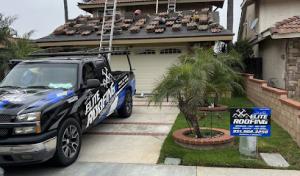
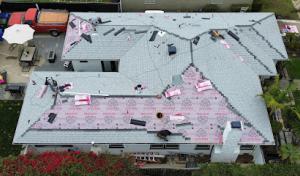
The cooler, drier months are typically the preferred reroof window in Yucaipa because summer heat slows installation pace and winter rain can interrupt tear-off and dry-in timing. If your calendar is flexible, aim for late fall or late winter when temperatures are moderate and the roof deck has a window to dry between work phases. Scheduling around typical dry spells helps crews stay on track and reduces simultaneous delays from heat and rain. You'll notice crews push through longer days in cooler months, which can shorten the overall timeline without sacrificing quality. Use this window to coordinate material delivery, scaffold setup, and a clear sequence for tear-off, deck inspection, underlayment, and final shingle or tile installation.
Fall scheduling in Yucaipa can tighten when Santa Ana wind events create emergency repair demand and force crews to pause unsafe installation days. Plan for a flexible start date in early autumn and build a buffer week or two into your project timeline. If a forecast shows a strong wind event or red-flag conditions, discuss a contingency plan with the contractor: secure loose materials the day before, adjust the tear-off sequence to protect exposed sheathing, and reschedule high-lift tasks to calmer mornings. Consider prioritizing roof areas with higher exposure to wind-driven debris first, so the critical sections are protected earlier in the season. Have a clear plan for rapid tarp or temporary protection if a gusty spell arrives during work, and ensure crews have proper restraint and fall-protection on days with elevated wind risk.
Spring can be workable but remains a shoulder season in Yucaipa, with occasional storms that complicate underlayment exposure and material staging. If you're aiming for a spring reroof, choose late March through early May when temperatures are moderate and rainfall tends to be less frequent than winter storms. Build in extra drying time after tear-off in case a late-season shower interrupts the dry-in. Coordinate material staging carefully: keep shingles or tiles protected from sudden rain, and designate a sheltered staging area to minimize exposure to afternoon wind and dust. Have a plan for temporary weatherproofing if a quick, unexpected shower rolls in, and ensure crews can pause work safely to cover exposed areas.
Get a clear picture of your project costs upfront - no commitment required.
Steep Flat Roofing
(888) 873-0518 steepflatroofing.com
34845 Yucaipa Blvd Suite C, Yucaipa, California
5.0 from 91 reviews

Cloud Nine Roofing & Construction
(951) 385-8011 www.cloudnineroofing.com
Serving
5.0 from 46 reviews
Steep Flat Roofing
(888) 873-0518 steepflatroofing.com
34845 Yucaipa Blvd Suite C, Yucaipa, California
5.0 from 91 reviews
Steep Flat Roofing, located at 34845 Yucaipa Blvd Unit C, Yucaipa CA 92399 is your top choice for all roofing needs, including roof repair, residential and commercial roofing, and roof replacement. With over 20 years of expertise, we serve Southern California with precision and safety using the highest quality materials. Our services include professional re-roofing, timely repairs for leaks and damage, and thorough inspections to extend your roof's life. For those searching "roofer near me" or "local roofers," trust Steep Flat Roofing for reliable, expert solutions that fit your budget. Call us for a free estimate today!
H&M ROOFING Lic.#1016567
33928 Colorado St, Yucaipa, California
3.7 from 3 reviews
We offer the best services to our customers in the Inland Empire. Your Satisfaction is our #1 priority. *Free Estimates *All types of Roofs *Seamless rain gutters *New roofs *Repairs No job too big or small
Above All Roofing
Serving
5.0 from 3 reviews
Based in Calimesa, Above All Roofing, Inc. is your premier choice for comprehensive roofing solutions. Our experienced team specializes in a wide range of services, including new installations, re-roofing, and crucial repairs, ensuring the longevity and durability of your home or business. We are dedicated to delivering top-quality craftsmanship and professional service on every project. Trust our expertise to protect your property from the elements with a solid, reliable roof built to last.
J & R Elite Roofing - Moreno Valley
(951) 902-3258 jnreliteroofing.com
Serving
5.0 from 52 reviews
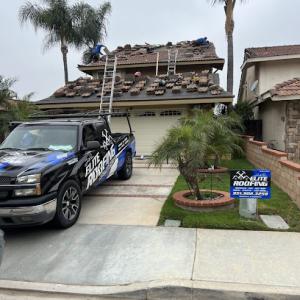
At J & R Elite Roofing, located in Moreno Valley, we offer top-quality roofing services for residential and commercial clients. Our specialties include TPO/PVC, shingles, tile, torch, and hot mop roofing. We proudly serve all of the Inland Empire, Orange County, and Los Angeles County, providing quality repairs and complete reroofs. With a commitment to excellence, we aim to surpass client expectations with every project. Contact us today for a free roofing quote!
AFFORDABLE ROOFING for all
(909) 272-4622 www.affordableroofing4all.com
Serving
5.0 from 37 reviews
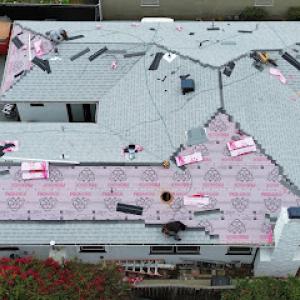
RESIDENTIAL ROOF EXPERTS AND CERTIFIED COMMERCIAL ROOF COATINGS licence# 1134429 insured and bonded

Atlas Roofing
(818) 536-7661 atlasroofingpro.com
Serving
5.0 from 63 reviews
Atlas Roofing is a veteran-led, licensed, and insured roofing company proudly serving Los Angeles, San Francisco, San Diego, and Portland. We specialize in residential and commercial roofing, offering services such as new roof installations, repairs, maintenance, and custom rooftop decks. Our commitment to quality craftsmanship and customer satisfaction is backed by flexible financing options and comprehensive warranties. With a diverse selection of premium materials—including shingles, tiles, and flat roofing systems—we tailor solutions to meet your aesthetic and budgetary needs. At Atlas Roofing, we stand behind our work, ensuring your property is protected with durable, high-quality roofing solutions.
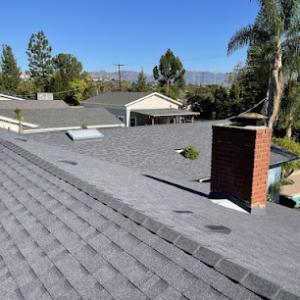
Mercer Roof & Leak Repairs
(909) 497-2697 mercerroofleakexperts.com
Serving
5.0 from 17 reviews
Mercer Roof & Leak Repairs provides fast, reliable service to protect your home or business from water damage. Our team specializes in finding and fixing roof leaks, repairing storm damage, and restoring your roof’s strength with durable materials. We focus on quick response, skilled workmanship, and clear communication, making the process smooth and worry-free. When leaks or damage threaten your property, Mercer Roof & Leak Repairs is the trusted choice for dependable solutions.

Cloud Nine Roofing & Construction
(951) 385-8011 www.cloudnineroofing.com
Serving
5.0 from 46 reviews
At Cloud Nine Roofing and Construction, we specialize in top-tier residential and commercial roofing services across Southern California. Whether you need roof repairs, replacements, or installations, our skilled team delivers exceptional craftsmanship using high-quality materials. From asphalt shingles to tile roofs and flat commercial systems, we've got you covered. With decades of experience, prompt service, and a commitment to customer satisfaction, we ensure your roof is built to last. In addition to roofing, we offer expert painting, drywall, concrete, carpentry, and landscaping services to complete your project needs. Call today for a free estimate! Licensed, bonded, and insured.
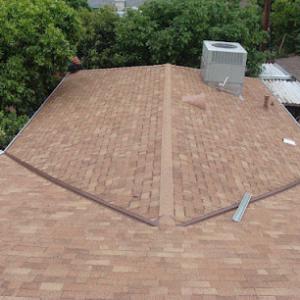
Golden Hill Roofing Company
(951) 842-6584 goldenhillroofingcompany.com
Serving
4.9 from 51 reviews
Are you looking for a reliable local roofing company with the highest quality services? Look no further than Golden Hill Roofing Company! Our family owned business has been happily serving customers for years, meaning you can trust that you're getting top-notch services for all your roofing needs. From fixing small cracks and holes to full roof installations, we can do it all. Nothing is too challenging for us. Our team of highly trained and experienced roofers are always prepared to deliver excellence. We take great pride in giving our customers the best experience possible when it comes to our services.
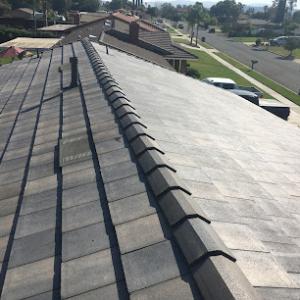
Alpha Roofing Company
(909) 435-7576 www.roofinghighland.com
Serving
4.8 from 68 reviews
Founded in 2016, Alpha Roofing Company has built a reputation for impeccable craftsmanship and unrivaled customer service throughout San Bernardino. Boasting a skilled team of specialists, they cater to residential and commercial roofing needs of all sizes, offering comprehensive services from minor repairs to extensive installations. Their profound knowledge and dedication ensure the longevity and integrity of every roof they touch.
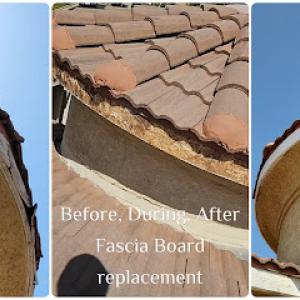
All Pro Roofing
(833) 477-6626 www.allproroofingca.net
Serving
5.0 from 21 reviews
Navigating roofing issues can be stressful, from leaks to damage needing urgent repair. In San Bernardino, CA, and the surrounding areas, All Pro Roofing emerges as a beacon of reliability in this turbulent world. With 35 years of personal industry experience, we excel in pinpointing and resolving roofing dilemmas without unnecessary charges or subcontracting. Our comprehensive management and skilled crew ensure each project is executed flawlessly, offering you not just repairs, but a lasting investment in your property's value and safety.
Summit Solar & Roofing
(909) 881-2699 www.summitsolarandroofing.com
Serving
4.7 from 116 reviews
Solar and roofing contractor serving the Inland Empire and helping property owners restore their homes and businesses with energy-efficient upgrades.
Tile reroofs in Yucaipa often price higher because many homes use clay or concrete tile systems that involve heavier materials, more labor, and frequent underlayment-focused tear-off work. That heavier load means crews frequently bring in specialized equipment and extra safety measures, which translates to higher square footage costs across the board. When comparing materials, expect concrete or clay tile to carry a premium over lighter options, especially on multi-story or steeply pitched homes common in foothill layouts.
Asphalt shingles remain the most common entry point for budget-conscious reroofs, but even here, local conditions push costs upward relative to flatter, desert-adjacent markets. In the 350-800 USD per square range, you're looking at basic underlayment and removal in a typical foothill lot, with some homes needing additional underlayment or sarking to handle the Santa Ana winds. Metal roofing sits higher at 600-1200 USD per square, reflecting not just material cost but the precision fit required for wind-borne debris zones and the better wind performance metal provides. Clay tile ranges from 850-1800 USD per square, and concrete tile from 800-1500 USD per square, with both materials elevating due to weight, additional scaffold and crane needs, and meticulous tile labor to ensure proper waterproofing and breakage control. Wood shingles and synthetic shingles land between 500-1100 and 500-900 USD per square respectively, but synthetic and engineered tiles can still carry elevated install costs if underlayment sequences or weatherproofing steps are emphasized by crews.
Tile roofs drive higher costs in Yucaipa because a large share of homes utilize clay or concrete tile systems. The material weight requires more labor, careful sequencing, and often stronger structural checks. Underlayment-focused tear-offs are common to restore a robust protective layer beneath tile, adding both material and labor time. Expect heavier cleanup and disposal efforts on tile jobs, as broken tiles and higher retrofit standards demand careful staging to protect landscaping and keep cleanup thorough.
Costs can rise when Santa Ana wind events or winter storms create short-term demand spikes for emergency dry-ins and rescheduled reroof crews. Also, foothill lot access and multi-level suburban layouts complicate logistics: crews must maneuver equipment around restricted driveways, protect existing landscaping, and maintain cleanup standards-factors that can push per-square costs higher, especially on larger or more complex homes.
If you suspect a tile upgrade, reserve extra contingency for underlayment and potential additional framing checks. Discuss staging options and disposal planning up front to minimize surprises on the job site. For limited access drives, request specific crew plans that outline material hoisting, tile handling, and temporary protection measures to keep landscaping intact and reduce post-job touch-ups.
Don't let upfront costs delay a critical repair - these contractors offer payment plans to fit your budget.

Reroof projects in this area generally require a building permit from the local building department rather than being treated as informal maintenance. Before any tear-off or replacement begins, you or your contractor should file for the permit, which sets the stage for the required inspections and plan checks. The permit signals that the project will meet local fire, wind, and seismic provisions, which are especially relevant in this foothill environment where Santa Ana winds and wildfire exposure are factors. Expect the process to be straightforward when the contractor brings complete documentation, but be prepared for a brief administrative window as permits are issued and assigned.
The plan review in this jurisdiction commonly focuses on ventilation, underlayment, flashing, and fire-resistant details before work proceeds. Good ventilation is crucial in high-sun, dry climates to prevent moisture buildup under the roof deck and to help control attic temperatures that can affect shingle life. Underlayment decisions should prioritize weather resistance and breathability, in light of Santa Ana wind events that can drive blowing rain or dust under the roof edge. Flashing details around chimneys, vents, skylights, and penetrations must be robust and corrosion-resistant. Fire-resistant features-such as ignition-resistant underlayment and proper ember-proofing at eaves and rake edges-are often scrutinized, so ensure plans clearly specify these materials and installations.
Homeowners should expect staged inspections during and after installation. A typical sequence includes a pre-installation or rough inspection, then a mid-project check as material work progresses, and a final inspection after completion. The local department often requires verification of ventilation paths, underlayment continuity, flashing integrity, and fire-rated details before approving each stage. The turnaround for permit processing and inspection scheduling can run about 1-3 weeks, depending on workload and weather. Communicate any anticipated weather delays with the contractor and the building department to adjust inspection dates accordingly, minimizing hold times between stages.
Coordinate closely with a licensed contractor familiar with local fire regulations and wind-resistant details. Have your project plans and product specs ready for review, including ember-resistant components and approved underlayment types. Keep access clear for inspectors and prepare to accommodate staged visits by ensuring safe access to the attic, roof edges, and vent areas. If a plan revision is requested, respond promptly to keep the project on track.
Fire-prone areas and intense summer sun create a higher-risk profile for roofs in this foothill corridor. In a market where carriers pull back or tighten underwriting, roof age and condition can push a renewal toward higher premiums, reduced coverage, or a request for more time to review. A roof that has seen repeated Santa Ana wind events or visible wear may be treated as a red flag, even if leaks aren't actively present. In this environment, decisions about replacing or upgrading roofing materials can influence long-term insurance terms as much as immediate leaks.
Insurers commonly request a detailed roof condition report, especially after a windstorm or hail event. Pre-loss photos, current inspections, and post-loss documentation help substantiate the roof's condition and any subsequent changes. In this market, documentation isn't only about proving leaks; it's about establishing a baseline for aging, material type, and installation quality. If a claim is triggered by wind or storm intrusion, having organized records can streamline handling and reduce the risk of coverage questions later on. Expect requests for recent maintenance notes and evidence of any upgrades that address fire resistance or wind performance.
Roof aging can complicate renewal terms, premiums, or claim handling, even when the roof remains leak-free. Clear, honest documentation supports the narrative of a roof's true condition and can help insurers assess risk more accurately during policy reviews. For homeowners facing a looming renewal, presenting meticulous records alongside recent improvements-such as wind-rated underlayment, fire-resistant coatings, or upgraded fasteners-can help frame the discussion toward stability rather than surprise. In practice, timely, organized documentation reduces guesswork for both sides when weather events test roof integrity.
Connect with contractors who help homeowners navigate the claims process from damage assessment to final approval.
Steep Flat Roofing
(888) 873-0518 steepflatroofing.com
34845 Yucaipa Blvd Suite C, Yucaipa, California
5.0 from 91 reviews
In Yucaipa, common post-wind issues include lifted shingles, displaced ridge materials, loosened flashing, and broken or shifted tile at exposed edges. When a Santa Ana event stomps through and the ground dries out after a dry spell, those problems don't heal themselves. You'll notice subtle gaps at roof-to-wall transitions and at valleys where wind-driven rain can force water into channels you don't expect. The moment you see movement, time is not on your side.
Winter rain tends to reveal latent defects in valleys, penetrations, and aged underlayment that may have gone unnoticed through the dry season. Shingle tabs that should lie flat lift under sustained moisture; flashing at chimneys, vents, and skylights can separate; and underlayment may show through as worrisome puckering or damp spots. In practice, a quick storm after a dry spell will expose weaknesses that were invisible under sun and dust. Don't delay the check-dryer days are no guarantee the roof will hold when real rain returns.
Emergency leak calls are locally relevant because wind-driven rain after a long dry stretch can expose weak points quickly once storms arrive. If you hear water tracing along the ceiling or see new dark spots creeping across sheathing, act fast. Temporary measures can buy time, but rapid assessment and targeted roof-tix repairs are essential on exposed edges and valley junctions. A proactive approach now helps prevent wildfire season insurance scrambles later, since fire-rated and wind-secure repairs perform best when underlying seams and penetrations are sound.
In practical terms, focus your triage on ridges, eave edges, and any connector points that endured the last wind event. A trained eye will test for loose shingles, verify secure ridge caps, and confirm that flashing sits flush along all penetrations. Schedule an inspection after significant storms, and keep an eye on valley corners where water paths converge-the spots most likely to reveal years of accumulated wear.
When you can't wait, these contractors offer fast response times to stop leaks and prevent further damage.
Cloud Nine Roofing & Construction
(951) 385-8011 www.cloudnineroofing.com
Serving
5.0 from 46 reviews
Although Yucaipa is dominated by pitched residential roofs, the local contractor mix shows an active niche for flat and low-slope work, especially on patios, additions, and some commercial properties.
Strong sun and thermal cycling directly affect low-slope assemblies here. Surfaces absorb heat all summer, then cool at night, which accelerates aging of membranes, flashings, and coatings. Any prior drainage problems or history of ponding amplify these effects, making surface resistivity and seam integrity priorities. Look for signs of blistering, edge curl, or hairline cracks along transitions where sun exposure is highest.
Roof coatings are a real local service category in Yucaipa, reflecting demand for restoration or heat-reflective treatment on suitable low-slope assemblies rather than full replacement in every case. A quality coating can reduce surface temperature, minimize heat absorption, and seal minor leaks or wear on aging membranes. When selecting a coating, confirm compatibility with the existing substrate, ensure the product has UV resistance tailored to long sunny seasons, and choose a reflective finish to help limit thermal stress on heat-sensitive components.
Drainage history matters in practical decisions. If the low-slope area has a history of ponding after storms or during heavy Santa Ana wind-driven downpours, a coating-only approach may be insufficient. In such cases, address drainage, contour, and potential re-flashing before or in tandem with coatings. For additions or patios, consider a lightly textured or elastomeric coating that reduces slip risk and supports water shedding without compromising later maintenance access to flashing details.
Material choices should align with exposure and insulation goals. In hot, sun-drenched pockets, coatings designed for high reflectivity and Elastomeric flexibility perform best, while retaining compatibility with the underlying membrane type. For some projects, a partial deck or slope modification paired with a heat-reflective coating yields a durable, cost-conscious result that stands up to intense sun and Santa Ana wind cycles.
Find specialists in TPO, EPDM, and built-up flat roofing systems for residential and commercial properties.
Steep Flat Roofing
(888) 873-0518 steepflatroofing.com
34845 Yucaipa Blvd Suite C, Yucaipa, California
5.0 from 91 reviews