Last updated: Apr 19, 2026
Dry late spring through early fall typically dominate the window for safe replacement, before seasonal winter rainfall returns. This period lets crews coordinate a complete tear-off, underlayment, and vented insulation without repeated weather delays. The heat of inland summers, however, presses on pacing and material handling, so planning must align with the hottest weeks to avoid heat-related delays and shingle handling issues. If a tear-off starts late in the season, the forecasted fall rain can catch a project mid-progress, elevating risk for exposed underlayment and flashing if a dry-in is not secured. In practical terms, the best approach is to target the heart of late summer into early fall for a new roof, with a concrete plan to shield both structure and daily interior temperatures during the critical installation sequence.
Summer installation matters here because Inland Empire heat can affect crew pacing, shingle handling, and on-roof working conditions. Heat drives faster material expansion, blistering risk on older underlayment, and fatigue for workers that can lead to mistakes around nailing, ventilation, and drip edge details. To mitigate this, schedule the most physically demanding steps for cooler parts of the day, bring ample hydration and shade for crews, and ensure that chosen shingles are heat-stable for the region's high daytime highs. A well-timed start in the early morning with a clear midday pause can keep install quality high and reduce the chance of lift or blow-off during a windy afternoon. Weather-ready planning should also include daily protection for exposed edges and flashings so the structure remains water-tight if a heat-induced delay arises.
Homes on the foothill side can see more wind exposure than flatter valley locations, which makes wind-driven rain and uplift resistance more important in replacement decisions. That extra wind can push moisture under edges or into penetrations if the installation sequence isn't meticulous. Pay particular attention to edge metal, drip edge alignment, and the method of nailing for a wind break that lasts beyond a single season. The venting plan must match the roof's slope and the local wind regime to prevent moisture buildup in attic spaces. If soffit or ridge ventilation is compromised during teardown or re-roof, it becomes a hotspot for heat and moisture convergence, amplifying the risk of ice damming in shoulder-season weather. Choose a detailed, tested installation approach that prioritizes secure fasteners, continuous underlayment protection, and precise flashing around chimneys and vents to resist uplift.
Winter storms and heavy rains are a local scheduling risk, and temporary dry-in protection becomes critical if tear-off starts during unsettled weather. A closed dry-in that withstands sporadic downpours protects interior spaces and reduces the chance of interior staining or warped plywood. If a tear-off must occur during a window of unsettled weather, plan for a temporary roof protection strategy and a prompt follow-up to restore a full dry-in. Storm timing is unpredictable in the foothill corridor; therefore, a contingency plan with rapid tarp deployment and crew access for quick re-sealing becomes essential to keeping the project on track without inviting moisture damage.
Late summer and fall wildfire season can disrupt roofing schedules with smoke and regional fire risk even when the roof itself is not directly damaged. Smoke exposure can complicate interior air quality and complicate crews' respiratory safety on exposed projects. Fire weather alerts should trigger a revised schedule to minimize crew exposure and protect sensitive materials, while still ensuring that critical seams, flashings, and ventilation are properly completed. If a project spans into wildfire season, maintain ready access to clean air measures, and align the sequence so the most weather-sensitive steps finish before smoke windows tighten.
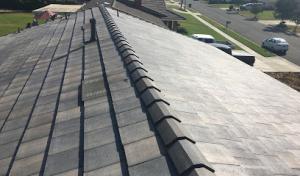
Clay tile and concrete tile are major roofing choices in Highland, matching the Inland Southern California housing stock common across the city. The combination of high daytime heat, strong UV exposure, and winter rain creates unique stresses for tile systems. Sunlight accelerates aging of exposed components, and the underlayment beneath the tiles is critical to maintaining waterproofing, especially when tiles crack or shift. In this area, the roof is not simply a tile surface but a layered assembly where the underlayment's condition can determine whether a tile replacement actually stops leaks.
UV exposure in this region rapidly ages surface finishes and the weathering of sealants around tile laps. When evaluating a replacement, pay close attention to the condition of edging and ridge components where sun exposure is most intense. Exposed tiles can suffer micro-cracking from heat cycles, and the surrounding underlayment must be in good shape to prevent water intrusion if a tile breaks. Because tile roofs often outlast their underlayment, the project plan should differentiate broken field tiles from the waterproofing layer below so that replacement decisions address the actual leak risk, not just cosmetic tile damage.
Foothill wind exposure can shift or break edge and ridge tiles, making perimeter detailing a recurring concern on Highland homes. When planning a replacement, verify that edge fasteners and wind clips are appropriate for the local wind profile. Edge tiles tend to bear the brunt of gusts, so ensuring a secure, weather-tight interface at eaves and hips is essential. If wind-driven debris has damaged the perimeter, addressing fastener corrosion and tile alignment now reduces future repair needs. Perimeter detailing should include a robust integration between tiles, underlayment, and drip edge to resist wind-driven water infiltration.
The underlayment beneath tile is a critical line of defense in this climate. Because tiles sit above the underlayment, a strong, properly vented substrate helps manage heat buildup and moisture migration. In areas with intense sun, check for signs of underlayment deterioration such as cupping, delamination, or moisture staining, even if the tile surface appears intact. A replacement plan should emphasize restoring or upgrading underlayment with a product that resists heat degradation and provides a continuous waterproofing layer, ensuring that any cracked tile does not bypass the barrier.
Asphalt shingles, metal, wood products, and synthetic/composite shingles are all present locally, but material choice should be weighed against heat, UV, and wind rather than appearance alone. Clay or concrete tile offers durability in sunny, windy climates but requires careful attention to underlayment, edge details, and ridge ventilation. If selecting an alternative material, evaluate how it responds to Inland Empire heat cycles, including heat-induced expansion, UV aging, and wind-driven edge lift. Any replacement plan should align with the home's roof geometry, clips, and fastener schedule to maintain a continuous, weather-tight envelope.
The safest replacement season is driven by predictable weather windows and the need to minimize exposure risk to the underlayment. Aim for a window with dry days, moderate temperatures, and low rainfall probability. Since heat and sun can accelerate process wear, scheduling during a cooler lull in the year reduces risk during installation and helps compact crews complete detailing without rushed handling of edge and ridge components. Ensure a thorough inspection of the entire perimeter, including drip edge alignment and gutter integration, so the final result remains watertight through the next heat cycle.
Find contractors who specialize in clay and concrete tile roofs, known for their durability and curb appeal.


Steep Flat Roofing
(888) 873-0518 steepflatroofing.com
Serving
5.0 from 91 reviews
Steep Flat Roofing, located at 34845 Yucaipa Blvd Unit C, Yucaipa CA 92399 is your top choice for all roofing needs, including roof repair, residential and commercial roofing, and roof replacement. With over 20 years of expertise, we serve Southern California with precision and safety using the highest quality materials. Our services include professional re-roofing, timely repairs for leaks and damage, and thorough inspections to extend your roof's life. For those searching "roofer near me" or "local roofers," trust Steep Flat Roofing for reliable, expert solutions that fit your budget. Call us for a free estimate today!

Atlas Roofing
(818) 536-7661 atlasroofingpro.com
Serving
5.0 from 63 reviews
Atlas Roofing is a veteran-led, licensed, and insured roofing company proudly serving Los Angeles, San Francisco, San Diego, and Portland. We specialize in residential and commercial roofing, offering services such as new roof installations, repairs, maintenance, and custom rooftop decks. Our commitment to quality craftsmanship and customer satisfaction is backed by flexible financing options and comprehensive warranties. With a diverse selection of premium materials—including shingles, tiles, and flat roofing systems—we tailor solutions to meet your aesthetic and budgetary needs. At Atlas Roofing, we stand behind our work, ensuring your property is protected with durable, high-quality roofing solutions.
Mercer Roof & Leak Repairs
(909) 497-2697 mercerroofleakexperts.com
Serving
5.0 from 17 reviews
Mercer Roof & Leak Repairs provides fast, reliable service to protect your home or business from water damage. Our team specializes in finding and fixing roof leaks, repairing storm damage, and restoring your roof’s strength with durable materials. We focus on quick response, skilled workmanship, and clear communication, making the process smooth and worry-free. When leaks or damage threaten your property, Mercer Roof & Leak Repairs is the trusted choice for dependable solutions.
Copp Roofing & Construction
(909) 336-4074 copproofing.com
Serving
4.7 from 107 reviews
Since 1996, Copp Roofing & Construction has been a trusted leader in roofing, solar, siding, decking, stairs, rails, and general contracting for both residential and commercial properties. As a GAF Master Elite® contractor—a distinction held by only 2% of roofing companies nationwide—we bring expert craftsmanship, superior materials, and unmatched service to every project. Headquartered in Lake Arrowhead, California, we proudly serve clients throughout Southern and Central California. We’ve also expanding our trusted services to Phoenix AZ and Dallas TX. Whether you're looking for a new roof, a solar upgrade, or complete exterior construction, Copp Roofing & Construction delivers long-lasting solutions backed by over 25 years of experience.
Alpha Roofing Company
(909) 435-7576 www.roofinghighland.com
Serving
4.8 from 68 reviews
Founded in 2016, Alpha Roofing Company has built a reputation for impeccable craftsmanship and unrivaled customer service throughout San Bernardino. Boasting a skilled team of specialists, they cater to residential and commercial roofing needs of all sizes, offering comprehensive services from minor repairs to extensive installations. Their profound knowledge and dedication ensure the longevity and integrity of every roof they touch.

United Roofing California SB
(909) 473-5221 www.unitedroofingcalifornia.com
Serving
5.0 from 13 reviews
United Roofing California SB is a trusted roofing company providing high-quality roofing solutions for residential and commercial properties across Southern California. With years of industry experience, our team is committed to delivering durable, reliable, and aesthetically pleasing roofing systems tailored to meet our clients’ specific needs. We specialize in: ✔ Roof Installations & Replacements ✔ Roof Repairs & Maintenance ✔ Re-Roofing & Inspections ✔ Commercial & Residential Roofing At United Roofing California SB, we use top-quality materials and the latest roofing technology to ensure long-lasting protection and energy efficiency for your home or business. Our expert team is dedicated to excellent craftsmanship, customer satisfacti

Summit Solar & Roofing
(909) 881-2699 www.summitsolarandroofing.com
Serving
4.7 from 116 reviews
Solar and roofing contractor serving the Inland Empire and helping property owners restore their homes and businesses with energy-efficient upgrades.
E.F. Roofing Services
(909) 834-1167 efroofingservices.com
Serving
5.0 from 15 reviews
E.F Roofing Services es una empresa líder en servicios de techado dedicada a brindar soluciones de primer nivel para propiedades residenciales y comerciales en todo el condado de San Bernardino. Nuestra experiencia abarca la instalación de techos nuevos, la reparación de techos y la impermeabilización de techos. Ya sea que esté buscando instalar un techo nuevo o necesite reparaciones para extender la vida útil de su techo actual, nuestro equipo capacitado está equipado para manejar todos los aspectos del trabajo con una atención excepcional a los detalles. Además de nuestros servicios básicos de techado, también ofrecemos reparación e instalación de canaletas. Tenemos personal bilingüe disponible.
Howard & Sons, Inc. Roof Specialists
Serving
4.6 from 54 reviews
Howard & Sons, Inc. is a family owned construction company. The owner, Dustyn Howard has over 25 years of experience in the construction and roofing industry. Howard & Sons, Inc. is licensed under the state of California, and is also fully insured and bonded.
All Pro Roofing
(833) 477-6626 www.allproroofingca.net
Serving
5.0 from 21 reviews
Navigating roofing issues can be stressful, from leaks to damage needing urgent repair. In San Bernardino, CA, and the surrounding areas, All Pro Roofing emerges as a beacon of reliability in this turbulent world. With 35 years of personal industry experience, we excel in pinpointing and resolving roofing dilemmas without unnecessary charges or subcontracting. Our comprehensive management and skilled crew ensure each project is executed flawlessly, offering you not just repairs, but a lasting investment in your property's value and safety.
Jimgov Roofing
(909) 957-1252 jimgovroofing.com
Serving
5.0 from 23 reviews
Commercial and residential roofing company new roof and repair specialists
Valley Roofing
(909) 725-4771 valleyroofingwebpage.godaddysites.com
Serving
5.0 from 117 reviews
Protecting your home from the elements involves investing in your roof. At Valley Roofing in San Bernandino, CA, we can help you deal with any roofing problems you may have, whether you're experiencing leaks or need a new roof altogether. Our family-owned and -operated roofing company has over 30 years of combined experience in the roofing industry, and we help residential and commercial customers alike. Contact us today and see how we can get your roof fixed fast!
Typical Highland material pricing runs about $350 to $700 per square for asphalt shingles, $700 to $1200 for metal, $900 to $1800 for clay tile, $800 to $1500 for concrete tile, $600 to $1100 for wood shingles or shakes, and $450 to $900 for synthetic or composite shingles. In practice, the choice you make will be weighed against local heat, winter rain, and the foothill wind exposure that can sting exposed edges and fine-shingle details. If you're replacing a whole roof, calculate per-square costs across the full roof area, then add the waste, staging, and disposal fees that often accompany a re-roof in this climate.
Costs in Highland can rise when older tile roofs need underlayment replacement, tile reset labor, or matching of brittle existing tiles common on re-roof projects. The heat and sun can bake old underlayment and make tile delicate to handle, turning what would be a straightforward swap into careful tile salvage and re-lay work. If you have clay or concrete tiles, you'll often see the price step up for tile reset labor and the need to reseal or reseat tiles to prevent leaks after the dry-in. Synthetic or composite shingles can still push higher when the project includes upgrading underlayment or adding ventilation details to meet the local stressors.
Foothill wind exposure, roof height, and steeper architectural profiles can increase labor and staging complexity on some Highland homes. Expect higher crew time if the roof pitch is steep or if the attic is compact, which complicates material handling and safety setups. In higher parts of town, you may also encounter longer ladder and scaffold work, which affects daily pricing and scheduling. If your house has a taller parapet or unusual ridge lines, contractors might quote a premium for precision cuts, tile alignment, and drip-edge detailing designed to survive seasonal gusts.
Seasonal demand spikes after winter leaks or storm events can tighten scheduling and affect pricing for emergency dry-in and fast-turn replacements. If a leak is discovered after a heavy Santa Ana season or during a sudden cold snap, you'll likely see bidders adjust timelines and costs to accommodate expedited work. Planning ahead for a typical shoulder season can help keep costs predictable, especially if you're balancing several days of weather windows and the need to stage where access is feasible for trucks and cranes.
Permit processing, required inspections, and any ventilation or drip edge corrections identified during re-roofing can add to total project cost. While you're not tackling permitting here, you should expect a detailed estimate that itemizes underlayment, nailing patterns, and drip-edge work, as well as any tile replacement or adjustment needed to achieve a weather-tight dry-in in the Inland Empire climate. In Highland, a careful emphasis on accurate underlayment, correct nailing through the mat, and proper drip-edge alignment is a common predictor of long-term performance and fewer callbacks after the first season of heat and storms.
Get a clear picture of your project costs upfront - no commitment required.
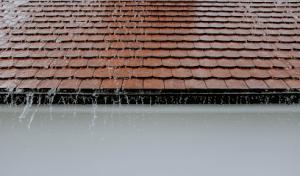
A full roof replacement requires a building permit through the City of Highland Building Department. In practice, applications almost always ask for plan details and proof that the proposed work will comply with local building requirements before approval. The timing of these reviews means preparation longer than expected is common, and delays can push a project into seasonal weather windows that aren't ideal for a roof refresh. Expect the process to scrutinize more than the finished look; the emphasis is on how the installation will perform over time under Inland Empire heat, winter rain, and foothill winds.
Inspections in Highland are staged during the job, not just at the end. An inspection after underlayment installation confirms that the foundation of the new roof is sound before the rest goes on. A final inspection after completion verifies that every detail is up to code and built to endure the local climate. This staged approach can catch problems early and prevent costly rework later, but it also means the project must be paused if any step fails to meet standard requirements. The emphasis on performance over appearance can affect scheduling and contractor coordination, so plan accordingly.
Local inspection focus includes ventilation, nailing, and drip edge compliance rather than just the finished surface appearance. Poor ventilation can trap heat and moisture, accelerating wear in this climate; improper nailing can compromise wind resistance and overall roof integrity during foreshortened winter windows; an inadequate drip edge invites water intrusion at the eave line, which is especially problematic after heavy rain seasons. Your contractor should document and verify each of these elements during the work sequence, not as afterthought checks.
Because permit confirmation is often requested later by insurers, homeowners should keep permit records, inspection sign-offs, and photo documentation together. A clear folder of approvals, dated inspection tags, and progressive photos helps resolve any questions that may arise years down the line, especially if a re-roof is evaluated for coverage or warranty claims. Also, ensure that the project site diary clearly shows the staged inspections and any corrective actions taken before final sign-off.
Given Highland's heat, winter rain, and foothill winds, the permit and inspection process is not merely bureaucratic formality. It directly effects how soon a roof can be replaced and how thoroughly it is installed to withstand the seasonal stresses. Coordinate with the building department early, keep all documentation organized, and communicate openly with the contractor about inspection milestones to avoid missteps that can cost time and compromise performance.
In this foothill area, you are operating in California's tighter insurance market where wildfire exposure and other high-risk factors have increased scrutiny on roof condition and replacement documentation. Insurers will look hard at the roof's age, the quality of underlayment, ventilation, nailing patterns, and drip edge details. A clean, well-documented replacement that shows proper detail can matter as much as the roof itself when a claim is evaluated. Be prepared to answer questions about the roof's history, upgrades, and any notable weather events that affected the property.
You may be asked for permit confirmation, detailed bids, before-and-after photos, and proof of proper underlayment and ventilation. Having these items organized before a claim is filed saves time and reduces the risk of a denial or a protracted adjustment. In Highland, where foothill winds add stress to roofing systems, documentation that demonstrates correct installation and weatherproofing steps can make a meaningful difference in underwriting decisions and claim handling.
Foothill exposure can increase wind stress on roofing systems, which can influence how an insurer views a replacement or repair. A roof that features reinforced nailing, proper edge protection, and a clearly installed drip edge helps demonstrate resilience to uplift. When wind events occur, the claim file should reflect how the roof held up, what interim protections were used, and any subsequent inspections that verify continued performance.
Claims and adjustments may take longer than expected, so documenting leaks, storm impacts, temporary protection measures, and inspection results is crucial. If damage follows winter rain or wind events, separate sudden damage evidence from long-term wear to avoid disputes. A concise timeline with dated photos helps show the sequence of events and supports a smoother claim process.
Connect with contractors who help homeowners navigate the claims process from damage assessment to final approval.
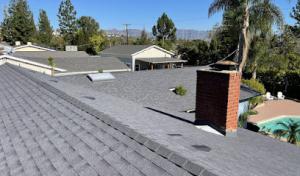
When winter storms roll through, you'll notice weaknesses that stayed quiet during the dry season. Underlayment transitions and roof penetrations are the most likely spots to leak first, especially where vents, skylights, and chimneys meet the deck. Inspect these areas after a wet spell: look for hairline moisture marks, dark streaks, or small drips that appear during a wind-driven shower. In practice, focus on the transitions around valley sheets and step-flashing at penetrations, as those are the seams most stressed by shifting temperatures and heavy rain.
Tile roofs in this market commonly fail where the underlayment has aged or where perimeter tiles have slipped or cracked. Frosted edges and loose battens can magnify wind uplift, pushing water under the tiles and into the deck. Pay attention to edge and rake tiles after storms, and test the seal around roof-wall intersections. If you see misaligned or cracked tiles, plan for targeted replacement rather than full retiling-but don't ignore the underlayment if it's visibly worn.
Exposure to sun wears out exposed sealants, flashings, and accessory components faster than the main roof covering. Inspect around skylights, vents, and metal flashings for hardened or cracked joints, squeezed caulk, or loose metal. In Highland, aging sealants can fail even while shingles or tiles look serviceable, so address brittle joints promptly to avoid hidden leaks.
Poor ventilation turns into a recurring issue: hot, stagnant air compounds humidity and accelerates roof component degradation. Check ridge vents, soffit intakes, and attic baffles for blockages or sagging. A well-vented attic minimizes heat-driven wear on underlayment, drip edges, and flashing, reducing seasonal stress.
These junctions combine complex flashing with seasonal shifts from sun to rain. Inspect for mismatched flashing, torn or missing sealant, and any movement where the wall meets the roof plane. Schedule targeted resealing and flashing repairs before winter and after the dry season to prevent water entry during seasonal transitions.
Find contractors experienced in skylight installation, flashing, and leak repairs to bring natural light into your home.

Even though pitched tile and shingle roofs are common, you'll also see flat and low-slope roofs in Highland's foothill neighborhoods. The Inland Empire's hot summers and winter rain create unique wear patterns on these surfaces. Flat roofs here demand reliable drainage and well-sealed transitions to prevent quick water intrusion during winter storms, while still standing up to the heat of long summer days.
Low-slope sections need meticulous attention to drainage paths and ponding potential. In Highland, a mid-winter rain can reveal slow-draining areas that quieter, dry-season months wouldn't expose. Plan for a deliberate slope and confirm that membrane transitions, edge details, and scuppers align with the expected rainfall. A practical check is to walk the roof after a heavy rain and look for any standing water that lingers into the next day.
If you're coordinating solar, the roof replacement timing should account for penetrations and flashing where panels will mount. In sun-exposed planes, the risk of heat-related expansion and material movement increases, so ensure that flashing is continuous and seals are robust around racking, inverters, and conduit entries. Access for future panel maintenance matters too; plan for clean lines to avoid retrofits that compromise drainage.
High summer sun demands extra care around mounts and penetrations, especially on restored or coated low-slope surfaces. Heat can soften certain roof systems and stress sealants at joints. Prefer high-quality sealants compatible with the chosen membrane and ensure edge details are reinforced to resist wind-driven uplift. A well-detailed perimeter edge reduces the likelihood of wind-driven leaks during the hottest days.
Winter rain is a key vulnerability window for flat roofs. Schedule installations during dry spells that precede the rainy season, so crews can complete membrane transitions, flashing, and drip edges without rushing through storms. By coordinating a season with lower intensity wind and heat, you'll minimize the likelihood of post-install leaks and ensure long-term performance for both flat roofs and solar-integrated systems.
Find specialists in TPO, EPDM, and built-up flat roofing systems for residential and commercial properties.