
Last updated: Apr 19, 2026
In the inland San Jacinto Valley, the summer sun relentlessly dries and heats roof surfaces, driving faster thermal cycling, brittleness, and coating degradation. Shingle layers expand and contract with day-to-night temperature swings, and exposed edges-especially on tile or low-slope sections-see accelerated aging from radiant heat. Tile reroofing is common on mid-to-late 20th-century homes, where the roof decks and underlayers may not have been designed for today's long, hot season. When choosing materials, consider how heat exposure will impact the top surface and the fasteners that hold it in place. Darker colors absorb more heat, hastening aging, while lighter or reflective finishes can modestly slow some of that cycle. If you are replacing an asphalt, tile, or metal roof, plan for a product that offers robust UV resistance and proven thermal stability in dry heat. Acknowledge that the hottest weeks can skew handling, cutting, and staging for any material, and coordinate material orders and crew scheduling to avoid peak heat windows.
Fall Santa Ana events in inland Riverside County bring stronger, gustier winds that raise uplift risk at the roof's highest lines-ridges, perimeters, and tile edges. Secure attachment details matter more in this climate, where wind-driven pressure can lift vulnerable edges and expose underlayment seams to rapid wear. Flashing plays a decisive role here: ensure step and counter-flashing are continuous and well-sealed around penetrations, with extra attention at chimney, vent, and valley intersections. Tile roofs face particular vulnerability along the tile perimeters, where wind can pry underlayment and subsequently loosen fasteners. If your home uses concrete or clay tiles, inspect the field tiles for microcracks that can become wind-driven entry points for dust and moisture. A practical step is to align fastener patterns with the expected uplift loads for the local wind profile, rather than relying on standard, site-agnostic layouts. In practice, that means confirming through a local installer that anchor points, sealants, and flashings are sized and installed to withstand the Santa Ana pulse, not just the typical calm-weather expectations.
Because the area's wet season concentrates in milder winter months, many reroofs are pushed into the long dry season. However, extreme summer installation temperatures can affect handling, layout, and staging. If possible, plan major roof work for late winter or early spring, when temperatures are cooler and crews can manage materials with greater control and fewer heat-induced delays. When summer work is unavoidable, build in extra time for material acclimation, ventilation of the workspace, and water control measures to prevent heat-related issues with adhesives or sealants. Consider sun-shading measures on the job site to protect crews during long exposures, and schedule work in cooler morning windows whenever feasible. For tile projects, anticipate expanded curing and setting times in the heat; ensure underlayment and fasteners are compatible with hot-temperature conditions to maintain long-term performance.
During installation, confirm that every ridge cap and edge integrates with a secure aeration plan to counter thermal drying and wind uplift tendencies. For clay and concrete tiles, verify there is adequate plywood or deck support beneath both the field and the edges, since rapid heating can reveal flexing or sagging earlier in life. If the project uses metal roofing, choose coatings with strong heat resistance and low emissivity to reduce surface temperatures and thermal cycling that can lead to fastener fatigue. For asphalt shingles, select products with high glare or reflective properties to reduce rooftop temperatures, and ensure the sealant chemistry remains effective under sustained heat exposure. Treat the installation as a heat-aware process: pre-cut and pre-fasten in shade when possible, keep fasteners clean of grit that heat can bake into place, and use heat-tolerant sealants at all flashing joints.
Maintenance routines should focus on inspecting edges, flashings, and penetrations after major heat waves and after Santa Ana events. Look for lifted or cupped edge tiles, cracked or separated flashing, and signs of underlayment wear near ridges. Clean gutters to prevent water backup during occasional winter storms, which can exacerbate heat-dried sealants by trapping moisture near joints. For all roof types common in the area, a proactive approach-addressing small issues before they become leaks during a windy season or a scorching summer-preserves lifespan and reduces the risk of major reroofs in the high-heat climate. In this climate, the best protection hinges on thoughtful material selection, fortified edge and flashing detail, and a schedule that respects the region's intense heat and Santa Ana wind cycles.
Clay and concrete tile dominate the landscape, matching the Mediterranean and suburban tract-home architecture that spread through the late-growth areas. This isn't a cosmetic preference here; tile roofs ride the heat and glare better than some alternatives, and the interlocking profiles handle the inland wind gusts with a degree of resilience when installed correctly. The typical subdivision home in this market often sports a low- to mid-pitch roof with broad overhangs, which helps shade the walls but also means the underlayment plays a pivotal role in your long-term performance. In practice, the tile isn't the only line of defense; the layer beneath matters just as much, especially after years of heat and seasonal wind.
In this market, tiles can look serviceable from the street while the underlayment has already aged past its prime. The underlayment acts like a roof's first shield, and once it starts to break down, small leaks can appear during a heavy Santa Ana gust or a sudden afternoon downpour. Pay attention to any signs of moisture intrusion around penetrations, valleys, and eaves after wind events, even if the tile surface seems intact. Regular snooping around attic access points, soffits, and flashing helps catch creeping deterioration before it becomes a visible roof-leak event.
Wind-displaced tiles are a recurring concern on inland Southern California roofs. The combination of Santa Ana winds and the weight of clay or concrete can stress fasteners, daylight visible through cracked field tiles, and vulnerable valleys. Valleys and penetrations-vent stacks, skylights, and chimney leads-are common failure points. If you notice repeated tile movement after strong winds, or if you detect cracked or chipped field tiles near these areas, it's time to inspect connections, reseat tiles, and review the valley flashings for signs of lifting or gaps.
A practical approach is to establish a seasonal inspection cadence that focuses on the most exposed sides of the house-faces that catch the prevailing winds and sun. Start with a careful rooftop walk after the harsher heat of summer and after the first strong Santa Ana event. Look for loose or displaced tiles, chipped edges, and any granule loss at the gutters. Inside, check attic insulation and vapor barriers around penetrations for moisture staining or mild dampness after storms. If a tile shows movement, do not delay reseating or replacing it, since a small issue can cascade into a bigger leak in extreme heat.
Tile systems in subdivisions tend to require more nuanced timing decisions because the underlayment aging often dictates the need for work before the visible tiles reach end of life. If the underlayment is failing, leaks can appear while the surface still presents as sound. When evaluating reroof timing, prioritize the state of the underlayment, flashing, and valley integrity alongside tile condition. A well-coordinated plan that addresses underlayment upgrades, flashing refresh, and selective tile replacement tends to extend service life and improve performance in the valley's heat and wind pattern.
Find contractors who specialize in clay and concrete tile roofs, known for their durability and curb appeal.

Triangle Roofing
(800) 360-6771 triangleroofingcontractor.com
1392 Enchanted Trail, San Jacinto, California
4.9 from 66 reviews
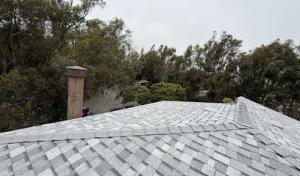
Envision Home Builders
(818) 864-0444 envisionhomebuilders.com
San Jacinto, California
5.0 from 11 reviews
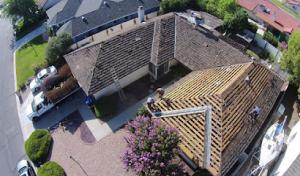

Triangle Roofing
(800) 360-6771 triangleroofingcontractor.com
1392 Enchanted Trail, San Jacinto, California
4.9 from 66 reviews
Triangle Roofing is a family-owned, insured, licensed (CA #790599) roofing contractor serving Riverside County since 2001. Homeowners and businesses alike trust our team for roof repair, full replacements, new roof installations, and 24/7 emergency leak response. From asphalt shingles and tile to flat commercial membranes, we use premium materials, back every job with written warranties, and provide honest, up-front pricing. Request your free same-day roof inspection today and discover why local residents rate us a ⭐⭐⭐⭐⭐ “premium roofing contractor” online.
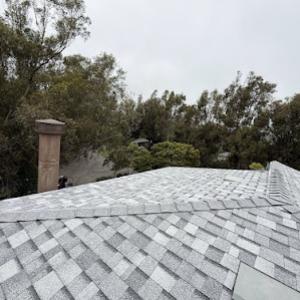
Envision Home Builders
(818) 864-0444 envisionhomebuilders.com
San Jacinto, California
5.0 from 11 reviews
Envision Home Builders specializes in roofing and construction in Los Angeles County, California. As a family and locally owned company, we are dedicated to transforming homes with our top-tier services. Our offerings include kitchen and bathroom remodels, home remodels, and gutter services to protect your property. We provide HVAC solutions for comfort, stylish and durable pavers, efficient insulation, and meticulous interior and exterior painting. Enhance your outdoor space with custom barbecue installations and rely on us for roof inspections, repairs, and replacements. We offer free estimates and consultations. Discover the Envision difference—visit our website, book a service, or call us today!
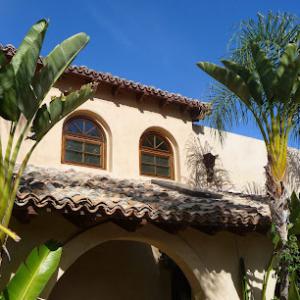
Gardner Roofing Company
(951) 654-2794 www.gardnerroofingcompany.com
618 W 7th St, San Jacinto, California
4.3 from 43 reviews
Give Gardner Roofing Company a call for your roofing needs.
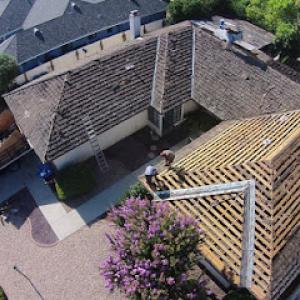
Weathertight Roofing
(951) 929-0557 weathertightroofing.com
Serving
4.8 from 107 reviews
Weathertight Roofing doesn't cut corners. We give our clients the best service we can. As a family-owned and operated business since 1983, we have four generations of knowledge and more than five decades of experience in the roofing industry. Major manufacturers certify all our professionals. Our customers keep coming back to us because we offer personalized, quality customer service. Licensed, General Liability and Workers Comp Insured... When you need it done right, Call Weathertight!
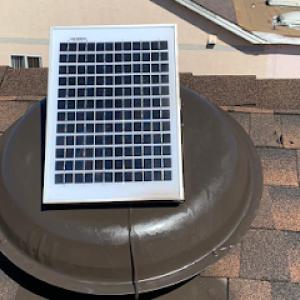
5 Stars Roofing
Serving
5.0 from 4 reviews
5 Stars Roofing is devoted to making you feel satisfied regarding your roofing investments. This has been our goal for more than 20 years, from the very start. We owe this commitment to our experienced and highly educated staff. Our team of professionals understands our customers’ needs and priorities of quality construction.
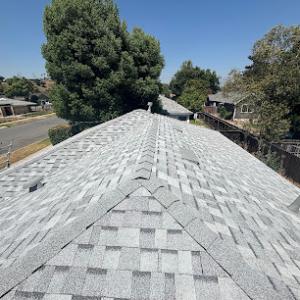
TMH Roofing
Serving
4.9 from 41 reviews
TMH Roofing is a 3rd generation, family owned roofing company that specializes in residential and commercial roof applications. We are licensed, bonded, fully insured, and pride ourselves on our communication and customer service. With years of experience in composition, tile, silicone, and flat roof systems, no job is too big or too small.
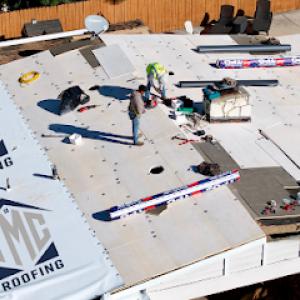
TMC Roofing
(951) 840-9935 www.tmcroofing.com
Serving
5.0 from 55 reviews
TMC Roofing is the trusted local roofing contractor serving Riverside, Temecula, Perris, and surrounding Inland Empire and Southern CA communities. Family-owned and licensed, we specialize in roof inspections, leak repairs, storm damage restoration, re-roofs, and 24/7 emergency roofing. Whether you need a small roof repair in Riverside, a full replacement in Temecula, or an urgent roof inspection in Perris, our team delivers reliable workmanship, honest pricing, and warranties. We work with shingle, tile, flat roofs, and more for residential and commercial projects. Realtors, property managers, and homeowners trust TMC Roofing for quality results that keep Southern California homes safe and protected. Call today for a free roof inspection.

Desert Valley Construction & Roofing
(951) 654-1980 www.desertvalleyconstructionroofing.com
618 W 7th St, San Jacinto, California
2.3 from 3 reviews
We are a roofing contractor that has been in business for 42 years. We provide residential and commercial roofing services. We serve Palm Desert, Indio, Rancho Mirage and the surrounding desert communities as well as Riverside County and San Bernardino County. We are family owned & operated. Licensed, Bonded & Insured. Call us today for a free roof inspection and/or quote!
Valdez Construction Roofing
(951) 987-5580 www.valdezconstructionroofing.com
Serving
5.0 from 120 reviews
Having a solid roof over your head is always important, whether you’re at home or at work. Roofs protect you from the elements, keep the structures of your property intact, and can even help regulate temperature. Over time, your roof may start to show signs of wear, or you may encounter an emergency that severely damages it. Address and prevent severe structural damage with help from Valdez Construction Roofing. Our comprehensive catalog of roofing services includes reroofing, roof repair, roof installation, pressure washing services, and more. We'll inspect your roof to determine what it needs, and then we'll get to work securing your property and keeping your loved ones safe and comfortable.

Steep Flat Roofing
(888) 873-0518 steepflatroofing.com
Serving
5.0 from 91 reviews
Steep Flat Roofing, located at 34845 Yucaipa Blvd Unit C, Yucaipa CA 92399 is your top choice for all roofing needs, including roof repair, residential and commercial roofing, and roof replacement. With over 20 years of expertise, we serve Southern California with precision and safety using the highest quality materials. Our services include professional re-roofing, timely repairs for leaks and damage, and thorough inspections to extend your roof's life. For those searching "roofer near me" or "local roofers," trust Steep Flat Roofing for reliable, expert solutions that fit your budget. Call us for a free estimate today!
J & R Elite Roofing - Moreno Valley
(951) 902-3258 jnreliteroofing.com
Serving
5.0 from 52 reviews
At J & R Elite Roofing, located in Moreno Valley, we offer top-quality roofing services for residential and commercial clients. Our specialties include TPO/PVC, shingles, tile, torch, and hot mop roofing. We proudly serve all of the Inland Empire, Orange County, and Los Angeles County, providing quality repairs and complete reroofs. With a commitment to excellence, we aim to surpass client expectations with every project. Contact us today for a free roofing quote!

Cloud Nine Roofing & Construction
(951) 385-8011 www.cloudnineroofing.com
Serving
5.0 from 46 reviews
At Cloud Nine Roofing and Construction, we specialize in top-tier residential and commercial roofing services across Southern California. Whether you need roof repairs, replacements, or installations, our skilled team delivers exceptional craftsmanship using high-quality materials. From asphalt shingles to tile roofs and flat commercial systems, we've got you covered. With decades of experience, prompt service, and a commitment to customer satisfaction, we ensure your roof is built to last. In addition to roofing, we offer expert painting, drywall, concrete, carpentry, and landscaping services to complete your project needs. Call today for a free estimate! Licensed, bonded, and insured.
Provided local pricing ranges run from about 350 to 750 USD per square for asphalt shingles, 600 to 1500 for metal, 800 to 1800 for clay tile, 700 to 1700 for concrete tile, 700 to 1500 for wood shingles or shakes, and 550 to 1100 for synthetic or composite shingles. Costs in this market are often pushed upward by tile tear-off and reset complexity, replacement of heat-damaged underlayment, and repairs to flashing and ventilation items flagged during permit review. Demand can tighten during the dry reroof season after summer wear or winter leak discovery, while straightforward residential re-roofing on common suburban home layouts can keep pricing more competitive in this market.
Asphalt remains the most common choice on suburban layouts with modest slopes. In San Jacinto, expect the per-square price to land toward the middle of the general range, with occasional bumps when you're re-covering over an existing tear-off or addressing heat-accelerated deck issues. If your roof has complex flashing details or in-step ventilation needs, those small add-ons can push the total toward the higher end. Heat and Santa Ana winds can speed up wear on the surface, potentially shortening the window before you start considering reroofing. For many homes, a straightforward asphalt reroof fits a predictable timeline and cost, especially when there's no major underlayment replacement required.
Metal options sit higher in the local range but bring long-term durability in extreme heat and wind. Expect labor- and panel-related costs to climb if there are several penetrations or a multi-level roof. The wind exposure typical of Santa Ana events can justify premium metal profiles with better fastener protection and coating. In practice, most jobs include a careful assessment of edge closures and alerting flashing details, which can influence the final price toward the top of the band.
Clay tile reroofs command higher upfront costs in this market, reflecting tile weight, tear-off complexity, and potential underlayment replacement. Heat-damaged underlayment is common after peak summer seasons, and flashing or vent work flagged during review adds to the bill. Expect longer timelines due to careful handling of fragile units and the need for a precise, weather-aware installation window when Santa Ana winds are active.
Concrete tile shares many considerations with clay tile but can offer a lower per-square cost in some configurations while still carrying weight and tear-off challenges. The impact of heat and wind appears in underlayment and edge detailing, where robust sealing and ventilation work helps maximize tile life. Final pricing tends to sit above asphalt but below premium clay, especially when the project involves color-matched accessories and extended warranty options.
Wood shingles or shakes bring a distinct appearance but require careful maintenance in hot, windy climates. Expect higher labor costs for removal, stair-stepping replacement, and ensuring proper ventilation to prevent moisture damage. In dry, windy seasons, wood components can age rapidly, making the heat-driven life cycle crucial to planning and timing the reroof.
Synthetic or composite shingles offer a balance of cost efficiency and resilience against heat and wind. The best values come from installations with proper underlayment and vapor barriers, especially when existing roof decks show signs of thermal stress. Timing often follows asphalt patterns, with some flexibility if a homeowner prefers quicker turnarounds or needs lighter materials to reduce structural load considerations.
Get a clear picture of your project costs upfront - no commitment required.
Triangle Roofing
(800) 360-6771 triangleroofingcontractor.com
1392 Enchanted Trail, San Jacinto, California
4.9 from 66 reviews
Envision Home Builders
(818) 864-0444 envisionhomebuilders.com
San Jacinto, California
5.0 from 11 reviews
You must obtain a building permit through the City of San Jacinto Building & Safety for most reroof projects in this community. The process starts with knowing your project scope, from asphalt shingles to clay or concrete tile, and confirming that the chosen roofing material meets local wind and venting requirements. This step helps guard against issues when Santa Ana winds gust through the valley and push against edge details. That means timing your project to avoid peak heat and high wind alerts can help you pass inspection on the first attempt.
The local process involves submitting project details, including roof plan, materials, and any skylights or vents. Depending on size and changes to flashing or venting, the review may be quick or require more time. After submission, a plan review pinpoints where decking, underlayment, and flashing will be inspected, aligning with code expectations for wind exposure in this area. Include notes about any prior roof damage, attic insulation, and ventilation baffles that impact the permit review.
Inspections are typically scheduled at decking or underlayment stages and again at final completion. At the decking stage, inspectors look for proper deck protection and fastener patterns, ensuring the structure can handle high heat and wind loads. At underlayment, attention to alignment, nailing, and ice-and-water or other barriers is common, with focus on continuity across hips and valleys.
City review focuses on code compliance for flashing, ventilation, and attachment methods, which is especially relevant for wind exposure and tile or shingle reroof work in this area. Flashing must seal transitions around walls, chimneys, and skylights, and ventilation must be adequate to prevent moisture buildup in hot inland summers. Attachment methods must resist uplift without compromising deck integrity.
Having the permit and inspection plan clarified before work begins reduces the chance of rework, especially on tile reroofs common in late-20th-century suburban homes. Coordinate with the permit office for scheduling around hot-season deadlines when heat accelerates aging of underlayment and increases wind risk. Clear communication with the roofer and inspector helps ensure a smoother process and code-compliant installation. Ask about required inspections windows too.
In the milder but wetter winter period, leak discovery concentrates. Roofs that made it through the brutal summer heat with dried sealants or aging underlayment reveal weaknesses only when the rain returns. You may find damp spots in ceilings or attic musty odors after a lightly rainstorm, even though the calendar says "mild." This is not a distant problem-it's a sign your roof's protective layers have aged in place and now need attention before a storm tests them harder.
Santa Ana wind periods can drive debris across roof surfaces and expose weak edges, ridge components, and already-fragile tiles or shingles. Leaves, branches, and grit get driven into valleys and along flashing lines, accelerating wear. If you notice new granule loss on shingles or small granular sand piles at the drip edge after a windy spell, act quickly.
Because rain events are less frequent than in many climates, homeowners may not notice roof vulnerabilities until a concentrated winter storm tests valleys, skylights, and flashing transitions. A single heavy day can reveal multiple leaks around chimney flashing or around skylight units that looked fine in July. Pay special attention to any damp spots around penetrations and along eaves.
After windy periods or a winter shower, walk the roof edge with a flashlight if safe, looking for loose or cupped shingles, lifted edges, cracked cement around tiles, and any missing or bent flashing. Clear gutters and keep downspouts flowing so water can move away from fascia. If you see daylight through the roof deck from the attic or crawl space, treat it as an urgent warning.
If a leak is active, place a tarp over the affected area from the outside, anchored away from wind gusts, while you arrange professional help. Do not delay if multiple penetrations drip in a storm-this is a sign of compromised underlayment or tile bedding.
Find local contractors experienced in assessing and restoring roofs after hail, wind, and severe weather events.
Triangle Roofing
(800) 360-6771 triangleroofingcontractor.com
1392 Enchanted Trail, San Jacinto, California
4.9 from 66 reviews
Envision Home Builders
(818) 864-0444 envisionhomebuilders.com
San Jacinto, California
5.0 from 11 reviews

Gardner Roofing Company
(951) 654-2794 www.gardnerroofingcompany.com
618 W 7th St, San Jacinto, California
4.3 from 43 reviews
San Jacinto homeowners are operating in California's tighter insurance market, where carriers increasingly scrutinize roof age, condition, and material before renewing or writing coverage. The heat and Santa Ana winds that shape this valley push roofs toward faster aging, and that reality is registering at renewal time. If a roof shows signs of advanced wear or mismatched repairs, expect questions about history, maintenance, and effectiveness of previous mitigations.
For local claims and mitigation decisions, adjusters commonly want thorough documentation such as date-stamped photos, contractor quotes, and prior claim history. Photos should clearly show magnified close-ups of lifting shingles, cracked tiles, and any staining or moisture found in attic spaces. Documentation that connects a sequence of events-heat-driven shingle curling, followed by wind-driven leaks-helps establish the claim scope and potential responsibility for repairs or replacements.
In a city where wind events and seasonal leaks are common triggers for roof calls, documentation of damage progression can materially affect claim handling. Maintain a dated log of leaks, hail or wind incidents, and any temporary protections you install, like tarps or plywood barriers over vulnerable areas. If you can, arrange a qualified local roofer to inspect early and provide a written note detailing susceptibility of your roof type-such as tile or composite-to heat-related wear. This proactive record can support timely, fair decisions when the insurer reviews next steps.
Connect with contractors who help homeowners navigate the claims process from damage assessment to final approval.
Triangle Roofing
(800) 360-6771 triangleroofingcontractor.com
1392 Enchanted Trail, San Jacinto, California
4.9 from 66 reviews
Although pitched tile and shingle roofs dominate this area, local contractor signals show meaningful demand for flat or low-slope work, likely tied to additions, patio covers, garages, and small commercial buildings. These projects often sit at the edge where the main roof changes pitch, so attention to details there matters more than on a clean, all-pitched roof. In practice, a small flat section or a low-slope patio cover can become a trouble spot if not planned and flashed correctly from the start.
In the hot, dry climate, low-slope sections bake under UV exposure and can heat up quickly, accelerating wear on coatings and seals. Winter rains reveal drainage and seam weaknesses faster, especially where transitions connect to steeper residential roofs. A low-slope roof with marginal drainage or compromised flashing can pool water briefly or shed it unevenly, inviting leaks that show up only after a few storms. Expect to inspect these areas more often after the first few rain events of the season.
Transitions where low-slope sections tie into steeper residential roofs are especially important because flashing errors there can stay hidden until the winter wet period. Choose a system with continuous, well-seamed flashing that carries water away from the seam without creating a backflow. Pay attention to the step-down area where the low-slope roof meets the main roof; improper overlap or insufficient counter-flashing is a common failure point. If a patio cover is tied into an existing garage or house roof, insist on matching flashing materials and using flexible sealants rated for high-heat environments.
During planning, map drainage paths from any low-slope area toward existing gutters or downspouts. Ensure there is positive slope away from joints and that scuppers or drains are not obstructed by debris or overhanging branches. For any tie-in, specify a continuous flashing system with mechanical fasteners every few inches and sealant at all joints. Have a qualified contractor verify that edge details, drip edges, and termination bars are integrated into the larger roof envelope to minimize hidden leaks during the wet season. Regular, targeted inspections after peak heat and heavy rainstorms help catch flashing or seam issues before they become larger problems.
Find specialists in TPO, EPDM, and built-up flat roofing systems for residential and commercial properties.
Triangle Roofing
(800) 360-6771 triangleroofingcontractor.com
1392 Enchanted Trail, San Jacinto, California
4.9 from 66 reviews
Gardner Roofing Company
(951) 654-2794 www.gardnerroofingcompany.com
618 W 7th St, San Jacinto, California
4.3 from 43 reviews
A San Jacinto roof project is rarely a boutique job-most work here is reroofing existing homes rather than niche new-construction or specialty builds. When you interview crews, tilt your emphasis toward transition work: how they handle a full tear-off, protect your landscaping and gutters, and keep the driveway clear during material drop-off. You'll want a crew that treats occupied properties with care, limiting dust and noise to reasonable hours and putting up adequate protective barriers so neighbors aren't disturbed.
The local market rewards crews who can safely strip a roof and manage disposal in a single pass. Ask for specifics on their tear-off process: do they stage materials to minimize wind-blown debris, how they seal access points, and what their cleanup routine looks like at the end of each day. A reliable crew will walk you through waste containment, tarp placement, and the post-work debris sweep so your yard, pool equipment, and street curbs stay clean after a long day.
In San Jacinto, crews frequently work on homes that remain lived-in during reroofs. Confirm how the contractor coordinates work around interior access, plumbing or attic vents, and daytime traffic near the house. Ask about dust-control measures and whether interior protection is part of the package. A practical crew will outline a plan for keeping interior spaces as undisturbed as possible and will communicate delays or access issues promptly.
Tile and storm-related calls are common in this area. Verify that the contractor regularly handles tile roofs or has proven procedures for leaks and storm damage, including fluttering underlayment, cracked tiles, or wind-driven debris. Request examples or references from recent repairs of the same roof style and damage patterns you face, so the crew's familiarity is clear.
Strong local hiring signals include prompt responses to inquiries, clear scheduling options, and evidence of proper licensing and insurance. Ensure the scope clearly states disposal and site cleanup are included, and ask for recent project photos showing full tear-offs, waste containment, and finished cleanup. A straightforward, transparent crew with solid references tends to produce the most dependable reroof experience.
Get a clear picture of your project costs upfront - no commitment required.
Triangle Roofing
(800) 360-6771 triangleroofingcontractor.com
1392 Enchanted Trail, San Jacinto, California
4.9 from 66 reviews
Envision Home Builders
(818) 864-0444 envisionhomebuilders.com
San Jacinto, California
5.0 from 11 reviews