
Last updated: Apr 19, 2026
In North Highlands, the cycle of dry heat in summer and cooler, wet winters shapes the timing of a full roof replacement. Full replacements are most reliably completed during the dry part of the year when rain is off the table and crews can keep to a steady pace. If a replacement is attempted in the middle of a wet spell, the risk of delays, water intrusion, and compromised installation quality climbs quickly. Planning for a dry-season window gives the project predictable weather, safer material handling, and a more consistent installation rhythm for the crew. Start by aligning with a window that avoids peak heat hours and the shoulder periods when summer storms are more likely. The goal is to finish before the first real cold-front hits and before winter rains resume, so a clear stretch of dry weather becomes the backbone of the schedule.
Extended summer heat and sun exposure in inland Sacramento County affect how every roofing material behaves during installation and in the months that follow. Materials expand and flex differently under high daytime temperatures, which can influence shingle alignment, fastener seating, and the risk of early surface aging if installation is rushed to beat a clock. In practice, this means coordinating delivery times and work shifts to avoid the hottest hours, especially on exposed slopes. For metal, synthetic, or tile options, the installer will time the work to minimize surface handling of hot products and reduce safety hazards for crews working on steep sections. Your role is to ask for a clear plan about crew breaks, shade access, and temporary containment that keeps dust and debris out of the gutters during the most punishing sun of the day. A measured pace with longer breaks during peak heat supports both quality and safety.
Winter storms in the Sacramento area can turn small roof defects into active leaks, so emergency response is a meaningful part of the local contractor market. If a reroof is scheduled late in the fall or early winter, a contingency plan should be in place for moisture intrusion and temporary weatherproofing. Some projects incorporate tarps or temporary underlayment to bridge gaps during wet spells, with a clear sequence for when permanent underlayment and roofing material go down. For North Highlands properties, anticipate rain-related scheduling shifts and a faster, more decisive response if a leak is detected mid-install. This reality makes it prudent to stagger critical milestones-verify deck integrity first, then apply underlayment, and finally finalize shingles-so that a weather window can be leveraged without redoing already completed work.
Installation pace matters not just for meeting weather windows but for worker safety on elevated surfaces under bright sun. In inland conditions, shingle and tile products respond differently to heat, which can affect adhesive performance for certain synthetic products or the setting time for concrete and clay tiles. Crews may adjust paces to maintain proper sheathing nailing patterns, flashing integration, and slope-specific practices, particularly on steeper or mid-slope sections. Ensure the project plan includes adequate staging space, secure ladders and fall protection, and a clear sequence for scaffold or lift use. A well-ordered site reduces damage to surrounding landscaping and minimizes interruptions from heat-related fatigue.
Choose a replacement start date that yields a solid, uninterrupted dry stretch of several weeks. Confirm a weather contingency-backup dates in late spring or early fall can work if the peak heat window is too long or rain chances creep in. Have the crew perform a pre-install inspection to identify potential leak points or deck moisture, and agree on temporary weatherproofing measures if a rain event is forecast during the early stages. Finally, review the planned sequence with the contractor: deck prep, underlayment, membrane or flashing, and then the chosen roofing material, with allowances for heat-aware pacing and safe material handling.
In North Highlands, prolonged summer sun acts like a relentless tester for roof systems, and the aging patterns differ by material. Asphalt shingles tend to show faster granule loss and surface drying under inland heat, which can accelerate brittleness and curl if moisture protection isn't continuous. Metal roofing often expands and contracts with heat swings, which can create pitting or panel looseness if fasteners aren't secured for repeated cycles. Clay and concrete tiles hold up well under heat, but their mass can amplify existing winter moisture challenges; heat affects the underpinning and may reveal microcracks in glaze or grout if clips and underlayment aren't properly maintained. Wood shakes absorb heat and dry out more quickly, leading to faster warping, edge checking, and accelerated weathering-especially where wind-driven heat sits on exposed edges. Synthetic shingles offer improved heat resistance relative to some traditional materials but can still suffer color fading, surface chalking, and softer edges where prolonged sun exposure dominates. Each material's performance under inland heat-paired with winter moisture-shapes the typical reroofing timing and maintenance approach an informed homeowner should consider.
Tile remains highly relevant in this market, reflecting the broader Sacramento-area housing stock where heavier tile systems are common on many suburban homes. Heavier tile installations bring substantial thermal mass, which moderates attic temperatures to some degree but also increases the load your structure must support. In practice, that means keeping an eye on underlayment and flashing as temperatures rise and fall. Tile systems handle heat well when installed with proper slopes and compatible fasteners, but winter rain can seep behind tiles if the substrate and membranes aren't continuous around joints, vents, and parapets. For clay and concrete tiles, look for cracked or shifted tiles after storms and for displaced mortar between tile courses, which can become leak pathways during the rainy season. Regular inspection after the first substantial rains of fall helps catch these vulnerabilities before they escalate.
The inland Sacramento climate makes timing critical. Hot summers accelerate heat wear and potential edge deterioration, so performing preventive upgrades before the peak heat-not during it-is crucial. Simultaneously, the wet season emphasizes a need for quick leak response and planning around reroof scheduling, since prolonged exposure to moisture can worsen minor flaws into major roof failures. For asphalt and wood shingles, pre-summer maintenance to ensure granules are secured and edge controls are intact reduces heat-induced exposure. For tile systems, confirm that hips, ridges, and fasteners remain sound as temperatures climb, and plan reroofing or major repairs in late spring or early fall windows to avoid the hottest months and the wettest periods. Keeping a reroof plan aligned with weather patterns helps prevent leak escalation and extends the life of the roof assembly.
Begin with a surface-level inspection for heat-related signs: curled or cupped edges on asphalt shingles, exposed fasteners on metal roofs, or cracked grout around tile installations. Look for loose or missing flashing at chimneys and vents, and inspect underlayment access points for moisture staining after storms. For wood shakes, check for excessive splitting or dark staining indicating moisture retention. For synthetic shingles, monitor for color fading and surface chalking that might indicate accelerated UV aging. If you notice any of these symptoms, prioritize targeted repairs before the next hot spell or heavy rain. Regular, proactive maintenance tailored to the material mix in your neighborhood-whether asphalt, metal, tile, wood, or synthetic-helps preserve performance, minimizes the risk of heat-induced aging, and keeps winter leaks from turning into urgent repairs. Remember that a solid airflow and venting strategy, along with proper insulation at the attic level, supports longer roof life in this inland climate.
North Highlands homeowners face a conditioning pattern where leaks show up after steady rain rather than during flashy storms. The rhythm isn't about dramatic hail or hurricane-level winds; it's about persistent Sacramento County winter rain that finds the weakest seam and tracks along underlayment. When you're watching forecasts, plan the reroof or patchwork around the wettest weeks you know will test the roof system. If a roof surface has aged underlayment, or you've seen water streaks along attic joists after a modest shower, treat it as an imminent alert rather than a distant possibility. The goal is to create dry-to-dry windows for critical work, so you don't lose days to spin-out leaks that cascade into interior damage. Prioritize roof staging and material handling when forecasts show several rain events clustered together; a single day of clear weather can reset urgency.
Periodic high winds in this market can complicate tear-off and underlayment exposure, turning what looks like a routine replacement into a race against gusts. When the roof is open to the elements, even modest wind can lift exposed underlayment, shift fasteners, or blow debris into vulnerable nooks. Homeowners should expect crews to time wind-pressured tasks with calm pockets in the forecast and to use secure edge protection and continuous fastening strategies. On days without severe weather but with blowing debris, insist on a tight staging area and clear walkways so crews aren't wrestling with material control mid-tear-off. Wind-smart planning minimizes the risk of damage to new underlayment and prevents delays from rework caused by wind-driven exposure.
The local contractor signal mix shows strong demand for emergency repair and storm damage work, indicating fast leak stabilization is a real homeowner concern. If a leak is discovered, the first response should move promptly from containment to stabilization, using tarping and temporary flashing as a bridge to a full repair window. Time is your ally when you can plug leaks quickly; delaying stabilization invites deeper moisture intrusion, which accelerates heat wear in the roof deck and accelerates aging of exposed components under summer sun. Coordinate a two-step plan: immediate temporary containment, followed by a scheduled, weather-appropriate repair sequence that minimizes open roof exposure. In this market, readiness to mobilize and communicate with a trusted local crew can mean the difference between a manageable patch and a costly, extended outage.
Find local contractors experienced in assessing and restoring roofs after hail, wind, and severe weather events.


Reflect Roofing
(916) 247-7116 reflectroofing.pro
7241 Hutchins Way, North Highlands, California
5.0 from 6 reviews
Reflect Roofing represents a fusion of family principles and professional craftsmanship, all aimed at serving our local community. Guided by principles we’ve woven fairness, top-quality work, and genuine care for our clients into the fabric of our operations. These are not mere words to us; they are trusses that uphold our commitment to you. We are family owned and operated business led by a dedicated husband and wife team, born and raised here in Sacramento, we’ve nurtured both our family of three children and our business in a community we love. Our family values translate directly into our work, ensuring that every customer and employee of ours is treated with the same care and respect we would extend to our own family.

Watson Companies
(916) 481-6293 www.watsoncompanies.com
Serving
4.7 from 29 reviews
Since 1978 Watson Companies has been installing and servicing commercial roofing systems. We have seen many changes in construction and solved many roofing problems over the years, but one thing has remained the same - our commitment to finding the best roofing solution for the job. We are a team of professionals with departments in new construction, re-roofing, service, and maintenance. We install and service all types of roofing systems including: cool roof, single ply, built-up, modified bitumen, tile, shake, coatings, sheet metal, metal roofing, and below-grade waterproofing.
Roofing Pros Sacramento
(916) 908-5938 roofingprossacramento.com
Serving
5.0 from 43 reviews
Roofing Pros Sacramento, located at 3400 Watt Ave ste 200b, is your top choice for expert roofing solutions in the heart of Sacramento. As premier roofing contractors in Sacramento, we specialize in delivering high-quality craftsmanship and reliable services that stand the test of time. Our dedicated team excels in various roofing projects, from repairs to new installations, ensuring your home's protection and aesthetic. When searching for roofers or roofing companies near you, look no further. We are committed to customer satisfaction and excellence. Choose Roofing Pros Sacramento for all your roofing needs and experience the best roofing contractors in Sacramento.

Elite Roofing Sacramento
(916) 713-5960 eliteroofingsacramento.com
Serving
5.0 from 44 reviews
Elite Roofing Sacramento offers top-tier roofing services in Sacramento, CA and the surrounding areas. We specialize in roof repair, roof replacement, storm damage inspections, commercial roofing, emergency roofing, gutter and siding installations, metal roofing, and soffit and fascia services. Our experienced team is dedicated to providing exceptional craftsmanship and customer satisfaction. With a commitment to quality and reliability, we are the trusted choice for all your roofing needs in the Sacramento area.
O.J.A Roofing
(916) 765-8663 www.ojaroofing.net
Serving
4.7 from 85 reviews
At O.J.A Roofing, we are committed to providing top-notch roofing services that meet and exceed your expectations. Whether you are in need of residential roofing or commercial roofing, our team of highly skilled roofing contractors is here to deliver quality roofing solutions. Specializing in everything from roofing installation to comprehensive roofing repair, we ensure that every project is handled with the utmost professionalism and efficiency. Our goal is to be recognized as the best roofing company in Sacramento, offering affordable roofing without compromising on quality.
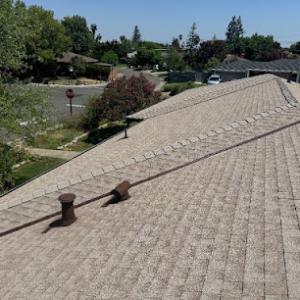
America's Roofing Company
(916) 633-1883 acrroofingsystems.com
Serving
5.0 from 18 reviews
America’s Roofing Company makes roof replacement simple and stress-free. Proudly serving the Greater Sacramento area — including Placer County, El Dorado Hills, Davis, and surrounding communities — we deliver top-quality roofing solutions to protect your home and family. Active owner and CEO Joe Petersen brings over 40 years of roofing expertise, ensuring every project is completed with integrity, craftsmanship, and care. When you need a roof you can trust, choose America’s Roofing Company — Protection Your Family Deserves.

Less-Co Roofing
(916) 240-1530 lesscoroofing.com
Serving
5.0 from 4 reviews
Less- Roofing is a Roofing Company located in Sacramento, CA that services Sacramento & the surrounding areas. We specialize in Roof Replacement, New Roof Installation, Siding Replacement, Roof Inspections, Gutter Replacement, Flat Roofs, Tile Roofs, Commercial Roofing, and other Roofing Services.. Here at Less- Roofing, our mission is to always provide quality service at an affordable price. Our Roofers are highly trained professionals with over 30 years of experience. The success of our company is due to the dedication we provide to our customers. No matter the job, customer satisfaction is always our number one priority! Call today for our Summer Sizzler Roof Specials! 916-860-7916

Apollo Roofing Company
(916) 232-8296 www.apolloroofingcompany.com
Serving
5.0 from 26 reviews
Apollo Roofing Company is Sacramento’s premier roofing contractor, known for first-class service and elite workmanship. We handle roof replacements, repairs, new installations, and flat roofing for both residential and commercial properties. Our team uses high-quality materials, delivers reliable timelines, and ensures every project is done with precision. We build strong, dependable roofs that are built to last, protecting your property from the elements while adding long-term value and peace of mind. "By Appointment Only"
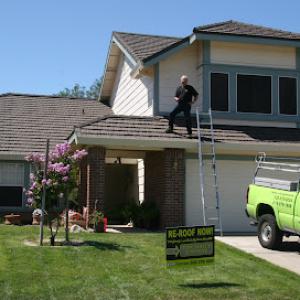
The Tom Yancey Company
(916) 979-1888 www.tomyancey.com
Serving
4.6 from 47 reviews
Tom Yancey Company specializes in maintaining and remodeling the exterior of your home from roofing, siding, windows, gutters, downspouts, insulation, as well as roof repairs.

Sacramento Roofing
(916) 579-2575 sacramento-roofing.com
Serving
5.0 from 108 reviews
Dealing with roofing issues can be stressful. Whether you have a few missing shingles or you need a whole new roof, Sacramento Roofing can help. Our licensed roofing contractor has the experience and skills needed to take care of your roofing and professional gutter services quickly and efficiently. Once our crew is done, your roof in Sacramento, CA will look better than ever.
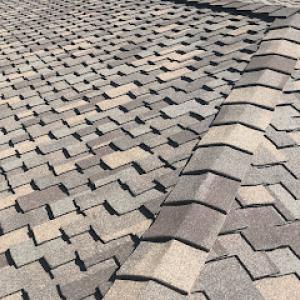
J. Ratch Construction
(916) 612-1582 www.jratchroofing.com
Serving
5.0 from 60 reviews
J. Ratch Construction, located at 4245 Hussey Dr., is your premier roofing contractor for all roofing needs throughout Sacramento County and beyond. As a leader among roofing companies, we specialize in roof installation, repair, and replacement, ensuring top-notch service tailored to homeowners and businesses. Our expert team is well-versed in addressing roof leak repairs, missing shingles, and water damage promptly to prevent further issues. We utilize high-quality materials, adhering to local codes for long-lasting results. With a customer-first approach and flexible financing options, trust J. Ratch Construction for providing the best roof solutions with unmatched reliability and professionalism. For roofers near you, contact us today!
Nextop Roofing
(916) 914-8833 nextoproofing.com
Serving
5.0 from 66 reviews
At NexTop Roofing, we're your next stop for all roofing needs, delivering service that stands above the rest. As a licensed local roofing contractor, we specialize in new roofs, repairs, and installations, all backed by lifetime warranties for your peace of mind. We proudly serve Roseville, Rocklin, Lincoln, Granite Bay, Folsom, Auburn, and every city within Sacramento and Placer Counties. With a commitment to excellence in our community, NexTop Roofing provides reliable, long-lasting roofing solutions you can count on.
Reroof projects in this jurisdiction typically require permits, with plan review and permit issuance handled by the Sacramento County Building Department. The permit process is designed to ensure roofing work meets wind, drainage, venting, and fire-safety standards that are critical for hotter summers and winter rains. In practice, a local contractor often handles the paperwork and coordinates with the county, so homeowners rarely need to chase forms themselves. This approach helps keep the project on track when heat pushes crews to start early or when wet-season météo presses a timely completion.
Plan review looks at roof type, attachment methods, venting configuration, underlayment, and flashing details for the existing structure. The reviewer checks that the chosen materials and installation method integrate with existing attic venting and condensation control. Expect questions about roof penetrations, skylights, attic access, and drainage plans. Have product data, flashing details, and roof vent specifications ready. If the project involves changing roof lines or adding penetrations, the review may take a bit longer and could require minor adjustments to the proposed plan.
Inspections are conducted during installation to verify compliance and again after completion to confirm the process is done correctly. Typical checkpoints include framing readiness for underlayment, coverage uniformity, flashing at valleys and penetrations, and final ventilation verification. Contractors commonly pull permits and schedule inspections on the homeowner's behalf, which helps align permit timing with the late-summer heat window or the late-winter rain window. Expect a field inspection at multiple stages and a final certificate of occupancy or compliance when the job finishes.
Start the permit process as soon as a reroof project is committed, especially if planning around the hot season or winter rains. Have the contractor supply a proposed work calendar, material specs, and venting plan to accompany the permit application. Confirm who will request the inspections and who will be present for each visit. Keep a copy of the approved plan on site during work and reference the county's residential roofing checklist to avoid rework or delays.
In this area, pricing is anchored by the common mix of asphalt shingles and a fair share of heavier tile options. Asphalt shingles run about 350 to 700 USD per square installed, offering the most budget-friendly path for a standard reroof. Metal roofing sits at 700 to 1400 USD per square, useful when you're prioritizing longevity and lighter weight on aging structures. Clay tile ranges from 1400 to 2800 USD per square, reflecting labor and material complexity for heavier, long-lasting roofs. Concrete tile sits between 1000 and 2000 USD per square, balancing weight and durability. Wood shingles or shakes run roughly 600 to 1400 USD per square, a choice often tied to a traditional look but with higher maintenance in this climate. Synthetic or composite shingles are typically 420 to 900 USD per square, offering a midrange option with good impact resistance and lighter weight.
Homes with heavier tile roofing tend to push labor costs higher than a standard asphalt reroof. The extra weight requires more careful deck assessment, faster-onset weatherproofing, and sometimes additional bracing or nailing patterns. This isn't a one-to-one comparison to asphalt; the cost delta comes from labor time, handling of heavier bundles, and the need for skilled tile installation. In practice, that means if your home leans toward clay or concrete tile, expect the project to be closer to the upper end of the tile-specific ranges and plan for a longer install window.
Winter rain delays are common in this inland Sacramento suburb, while the hot summer sun accelerates heat-related wear on shingles and underlayment. When crews lose days to storms, material protection and dry-in time extend the project timeline, which can nudge the final price upward through mobilization fees or staged logistics. Summer heat can also slow down asphalt shingle installation as crews work around peak heat hours, marginally widening labor hours and price. Planning your reroof for shoulder seasons helps keep costs steadier and project duration shorter.
Don't let upfront costs delay a critical repair - these contractors offer payment plans to fit your budget.
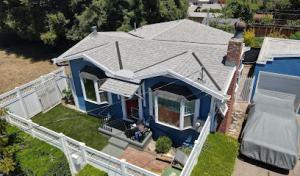
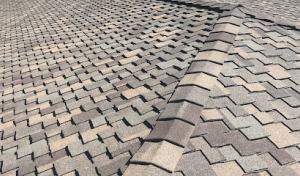
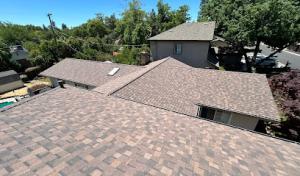
In the Sacramento region, carriers remain generally available, but premiums have risen as wildfire risk and broader property risk have pushed underwriting tighter. For homeowners with hot summers and winter rains, this shift translates into closer scrutiny of roof conditions and a greater emphasis on preventive maintenance. The ongoing sun exposure accelerates wear, so insurers notice vulnerable layers sooner and can push for upgrades to avoid leaks or claim disputes later on.
Insurers commonly ask North Highlands-area homeowners for roof age, prior claim history, and current-condition documentation before issuing new coverage or paying claims. The pattern here is practical: a roof that has aged beyond its expected lifespan or shows signs of heat-related damage is more likely to trigger higher deductibles, delays, or coverage gaps. When a claim involves leakage, the file is weighed against how quickly pre-existing deterioration could have been mitigated.
Adjusters may request photos or video and may inspect roof condition before approving coverage changes or claim payouts, making pre-loss documentation especially important. A homeowner who keeps a dated record of shingle condition, flashing integrity, and drainage performance stands a better chance at a smoother process after a storm. Regular, clear photos taken after hot spells and before the rainy season help demonstrate proactive care and reduce ambiguities during a claim review. Having a trusted neighbor or local contractor review the roof and provide a dated note can reinforce the record, especially when the heat of late summer and the first winter rains converge and timing becomes critical.
Connect with contractors who help homeowners navigate the claims process from damage assessment to final approval.
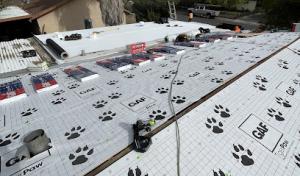
The local contractor market shows meaningful specialization in tile roofing, flat or low-slope work, and skylight repairs, indicating these are recurring roof-detail needs in North Highlands. If your home has clay or concrete tiles, anticipate local crews scrutinizing tile laps, underlayment, and proper counterflashing where roof and wall meet. In late summer heat, ensure tile edges aren't stressed by rapid dry-out or thermal movement; this is where small cracks can grow into leaks when winter rain hits. When scheduling repairs, prioritize flat or low-slope sections as separate jobs, since the waterproofing approach differs from the main pitched roof. Ask the contractor to provide a plan for ensurement of ventilation and dew point control under the tiles, which helps prevent blistering in the attic during Sacramento summers.
North Highlands homes often include low-slope sections such as patio covers, additions, or garage transitions that require a different waterproofing approach than the main roof. Inspect transitions where these areas meet higher-grade roofing for signs of membrane wear, blisters, or ponding. A dedicated low-slope crew should re-flash penetrations and replace or seam the membrane with compatible materials that resist hail and heat cycling. If a low-slope area shows shrinkage or seam gaps after a rainy week, treat it promptly rather than letting water sit on the surface, which accelerates deterioration of the underlayment.
Skylight penetrations and roof transitions become more noticeable during the area's winter rain season, when flashing weaknesses are more likely to show up as interior leaks. Start with a careful inspection of flashing around skylights, curb mounts, and the transition to the main roof surface. Look for corrosion at metal flashings, lifted shingle tabs near the skylight, and degraded sealant joints. During colder months, ensure roofers verify that the skylight seals remain watertight with correct counterflashing and proper drainage channels. For persistent leaks, consider upgrading to a skylight with a more robust flashing kit and confirm that the flashing integrates seamlessly with existing ridge and valley lines.
Find specialists in TPO, EPDM, and built-up flat roofing systems for residential and commercial properties.
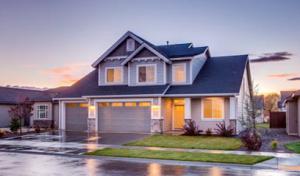
In this market, solar roofing appears as an active specialty, and that matters for homeowners balancing a roof replacement with energy-related upgrades. Sacramento-area crews often bring together roofing know-how with panel mounting experience, which can save you back-and-forth between trades. You'll find that many local installers emphasize compatibility between roof age, attachment points, and the planned solar layout. This matters on a practical level: when the roof is already approaching the limit of its life, replacing the shingles or underlayment before reinstalling panels can reduce the chance of later penetrations or resealing challenges.
On homes with existing or planned solar, reroof timing becomes more complex. If panels are currently installed, the sequence of removal, roof work, and reinstallation can affect how long you're without power and how securely the system sits afterward. If the roof is due for replacement, some homeowners opt to replace the roof first and then re-install the solar system on a clean, newer surface. This approach minimizes the risk of panel damage during tear-off and reduces long-term wear on mounting hardware. For homes planning a solar upgrade, coordinating the upgrade with the roof project can also avoid multiple penetrations through the same area.
The area's strong summer sun makes roof condition and solar coordination a more practical planning issue than in cooler coastal markets. Heat can accelerate aging of roofing materials and affect sealants, so scheduling reroofing before the peak heat window helps protect the new surface and the solar attachments. Winter rain timing adds urgency to leak response and reroof scheduling, so alignment with seasonal weather forecasts lowers the probability of storm-related setbacks. In practice, you aim to complete critical roof work before the wet season to preserve install integrity and minimize the need for post-install repairs.
Begin with a clear assessment of roof age and solar system condition, then bring in a contractor who understands both trades. Request a single sequencing plan that details panel removal and reinstallation steps, expected warranty implications, and a best-fit material choice for the new surface. Keep a conservative timetable that accounts for summer heat and potential winter rain, and insist on a weather-aware schedule to reduce the risk of leaks or heat-related aging during the project.
Find contractors who integrate solar panels or solar shingles into your roof for long-term energy savings.
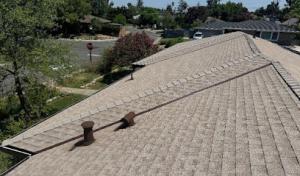
The local market is heavily oriented toward reroofing and quick-response repair, so homeowners in North Highlands are often choosing among many contractors offering similar core services. When evaluating options, look for crews that can demonstrate a reliable turnaround window and a clear process for handling leaks during winter rain or hot-summer heat wear. A contractor should be able to outline typical project phases, from teardown to final inspection, with realistic timelines that fit the inland Sacramento climate.
Review patterns in this market emphasize cleanup, affordability, and long-established operators, which suggests homeowners care about jobsite management as much as price. Ask for a detailed cleanup plan, including daily debris removal, tarping of vulnerable areas, and a post-project sweep. Check that the crew arrives with a dedicated supervisor, and confirm how disruptions to daily routines are minimized during reroofing or repair. A reputable contractor will provide a straightforward warranty sequence and a dedicated point of contact for post-install questions.
Warranty offerings are common enough locally to matter, especially when comparing asphalt and tile systems exposed to intense summer sun and winter moisture. Ensure the chosen roofer can explain how their recommended materials perform under Sacramento's temperature swings, including endurance under heat-ageing for asphalt and UV exposure for tile or metal. The contractor should discuss underlayment choices, ventilation improvements, and possible heat-reflective or moisture-control options that align with the local climate realities.
Ask for at least three local references with visible roof ages similar to the proposed project. Verify long-term serviceability by requesting documentation of maintenance plans tied to the roof type. Confirm the contractor's protocol for storm-related emergencies and how they prioritize safety, access, and neighbor communication during busy repair periods. A dependable option will combine strong cleanup, clear communication, robust warranties, and material guidance tailored to this inland Sacramento suburb.